Our Kootenai National Forest guide covers practical planning for Kootenai National Forest Montana — best time to visit, getting there, and what to do on the ground.
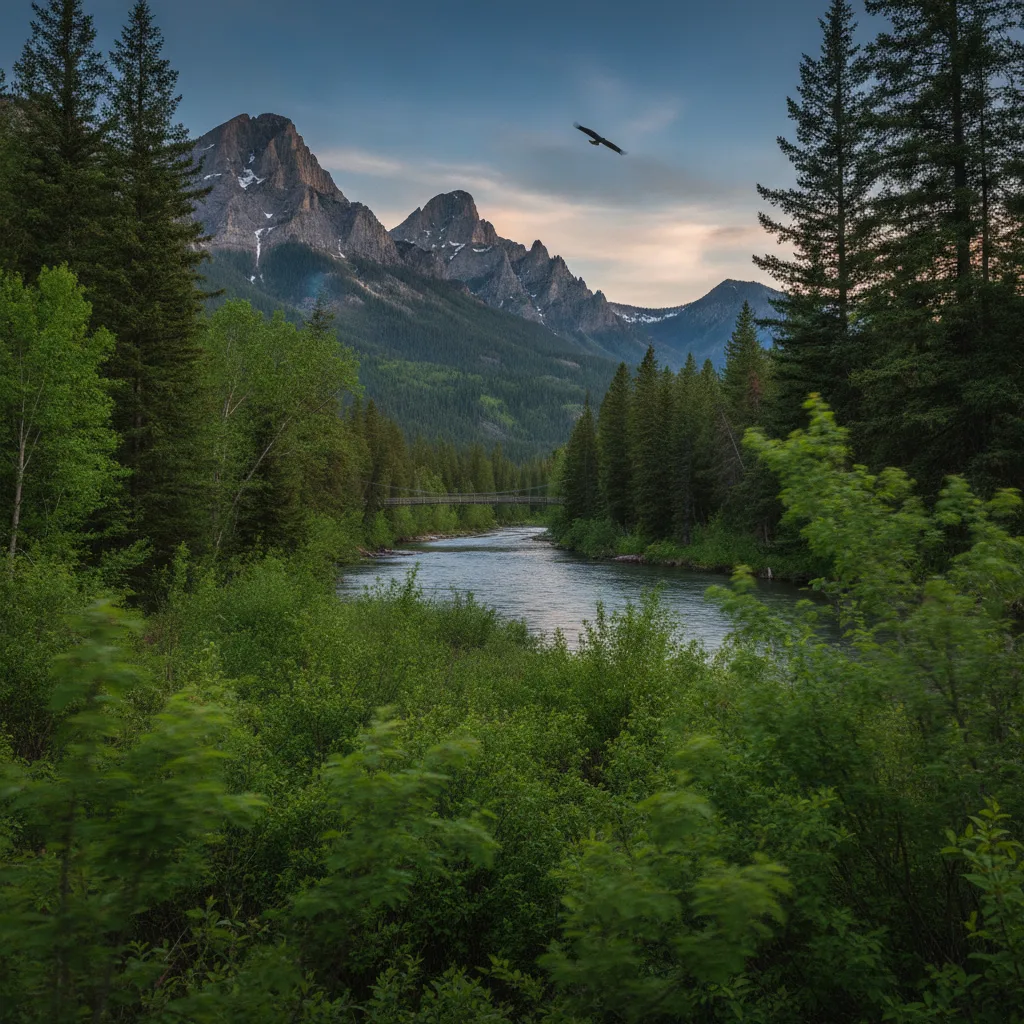
Welcome to Kootenai National Forest Montana, a vast expanse of wilderness in the northwestern corner of the Treasure State that borders Canada and Idaho. Our team at Roam States has explored every corner, and we can confidently say this national forest holds impressive forests, abundant wildlife, and diverse landscapes, including striking cliffs, spires, river canyons, and the magnificent peaks of the Cabinet Mountains Wilderness and Whitefish Range. Whether your interest is recreation or local history, the KNF has something for just about everyone.
Why Visit Kootenai National Forest
For those seeking an authentic Montana experience away from the crowds, Kootenai National Forest is a premier destination. We've found that its sheer scale—encompassing over 2.2 million acres—means there's always a new corner to discover, whether you're drawn to the rugged peaks, tranquil river valleys, or ancient cedar groves. The forest is a haven for wildlife enthusiasts, offering opportunities to spot black bears, grizzlies, elk, bighorn sheep, wolves, and cougars, alongside over 205 species of birds. The landscape itself is a masterpiece of nature, shaped by glaciers and featuring dramatic waterfalls like Kootenai Falls, the largest undammed waterfall in Montana. Unlike some of the more heavily trafficked national parks, Kootenai National Forest provides a sense of solitude and genuine connection to the wild, making it ideal for those who value peace and quiet alongside their adventures.
Who It's Best For
Kootenai National Forest is a versatile destination, catering to a wide range of travelers. It's perfect for:
- **Adventure Seekers:** With over 1,500 miles of hiking routes, challenging climbs into the Rocky Mountains, and opportunities for mountain biking and OHV exploring, adrenaline junkies will find plenty to keep them busy.
- **Nature Lovers & Wildlife Viewers:** The diverse ecosystems support a rich array of flora and fauna, making it an excellent spot for birdwatching, wildlife photography, and simply immersing oneself in pristine natural beauty.
- **Families:** Many easy hiking trails, developed campgrounds, and opportunities for swimming, fishing, and picnicking make it a fantastic destination for families with children of all ages. Activities like exploring Kootenai Falls and the Ross Creek Cedars are particularly family-friendly.
- **Anglers & Boaters:** The Kootenai River, Lake Koocanusa, and numerous other lakes offer blue ribbon fishing for salmon, bass, and trout, along with ample opportunities for boating, kayaking, and canoeing.
- **Those Seeking Solitude:** Despite its vastness, the Kootenai National Forest remains relatively uncrowded, allowing visitors to truly "get away from it all" and enjoy the tranquility of the wilderness.
Getting There & Parking
Reaching Kootenai National Forest Montana is part of the adventure, as it's nestled in a relatively remote part of the state. The main towns serving as gateways are Libby and Troy, both located along US Highway 2.
How to Get There
- By Car: The most practical way to access the forest is by car. US Highway 2 runs through the heart of the region, connecting towns like Libby and Troy and providing access to various forest roads. From the east, you'll likely approach via Kalispell, while from the west, you might come through Idaho.
- Nearest Airports: The closest major airport is Glacier Park International Airport (FCA) in Kalispell, about an hour and a half to two hours east of Libby. From there, you'll need to rent a car to reach the forest.
- Road Conditions & Closures (2026): It's crucial to check current road conditions before your trip, especially if you're visiting in the shoulder seasons or after significant weather events. As of July 2026, several roads and trails within the Kootenai National Forest have been impacted by winter wind and flood events. For example, the Lower Quartz Creek Road #601 near Libby is temporarily closed starting July 1, 2026, due to blowdown. The Ross Creek Cedars Road (NFS Road #398) also sustained significant damage in December 2025 flood events, limiting access to foot traffic. The Forest Service has launched an online map to track open trails and roads. Always consult the official Kootenai National Forest Alerts & Closures page for the most up-to-date information.
Parking
Parking availability varies by location within the Kootenai National Forest. Developed trailheads and recreation sites typically have designated parking areas. For popular spots like Kootenai Falls, there are established parking lots off US Highway 2. When venturing into more remote areas, dispersed parking along forest service roads is common, but always ensure you are not blocking access or damaging vegetation. Be aware that some areas, particularly around Kootenai National Wildlife Refuge, may experience temporary parking lot closures due to construction. For instance, the east and center parking lots along Riverside Road through Kootenai NWR are closed from March 30 to mid-July 2026 for road improvements.
Top Things to Do
When considering things to do at Kootenai National Forest, the options are as diverse as the landscape itself. Our team has curated a list of must-do activities that showcase the best of this incredible region.
Explore Kootenai Falls and the Swinging Bridge
A visit to Kootenai Falls is an absolute highlight. This is one of the largest free-flowing waterfalls in the Northwest, with the Kootenai River dropping 90 feet in less than a mile. The main falls, about 30 feet high, can be viewed from a "swinging bridge" that crosses the river, offering an exhilarating perspective. The Kootenai Falls and Swinging Bridge Trail is a family-friendly adventure near Troy, offering spellbinding views. The Kootenai Falls Wildlife Management Area also provides walk-in fishing opportunities along three miles of the river.
Hike Among Ancient Giants at Ross Creek Cedars
The Ross Creek Cedars Scenic Area is a tranquil and awe-inspiring destination. Here, you can wander through a grove of ancient Western Red Cedars, some over 500 years old, reaching up to 12 feet in diameter and 175 feet in height. The 0.9-mile self-guided nature trail is an easy, paved loop perfect for families, featuring informative signs about the area's ecology. While the road to Ross Creek Cedars sustained significant damage in December 2025 flood events, limiting access to foot traffic as of April 2026, efforts are underway for repairs.
Recreate on Lake Koocanusa
Lake Koocanusa, whose name cleverly combines Kootenai, Canada, and USA, is a massive reservoir spanning two countries. This 90-mile-long lake offers fantastic opportunities for boating, kayaking, swimming, and fishing. The Lake Koocanusa Scenic Byway, a 67-mile stretch of State Highway 37, parallels the lake and provides numerous camping, picnicking, and boat access points. Two marinas are also located along the byway.
Explore the Cabinet Mountains Wilderness
For those seeking true backcountry adventure, the Cabinet Mountains Wilderness is a must. Located within the heart of the Kootenai National Forest, this wilderness area encompasses over 93,000 acres of rugged, glacier-carved mountains. It offers extensive hiking and backpacking trails, challenging climbs, and opportunities for solitude amidst pristine alpine environments. Be aware of specific wilderness rules and regulations before entering.
Visit Libby Dam
The Libby Dam is an impressive engineering feat on the Kootenai River, serving purposes like flood reduction, hydropower, recreation, and environmental stewardship. The Libby Dam Visitor Center highlights the dam's operations and offers a gift shop and theater. As of September 17, 2025, the Visitor Center closed for the winter, and tours are on hold until at least spring 2026 due to construction. However, the surrounding area still offers scenic drives, wildlife viewing, picnicking, and disc golf courses. The Visitor Center is located about 17 miles north of Libby, Montana, via Forest Development Road 228.
Go Gold Panning at Libby Creek
For a unique historical experience, head to the Libby Creek Gold Panning area. This area is accessible via NFS Roads #385 and #4724 (Miller Creek), although alternate routes may be necessary due to winter weather impacts. It's a fun activity for all ages and a chance to connect with Montana's gold rush history.
Best Time to Visit
The Kootenai National Forest offers distinct experiences throughout the year, but the best time to visit largely depends on your desired activities.
- Summer (June to August): This is arguably the most popular time to visit, and for good reason. The weather is generally warm and sunny, making it ideal for hiking, camping, fishing, boating, and exploring all the attractions. Many campgrounds are fully operational during this season. However, popular sites can get busy, and some higher elevation trails might still have snow early in the season.
- Fall (September to October): Fall brings stunning foliage, cooler temperatures, and fewer crowds. It's an excellent time for hiking, wildlife viewing (especially elk bugling season), and enjoying the crisp mountain air. Many facilities remain open through early fall.
- Spring (April to May): Spring sees the awakening of the forest, with melting snow feeding waterfalls and rivers, and wildflowers beginning to bloom. It's a beautiful time for hiking at lower elevations, but many higher roads and trails may still be closed due to snow or seasonal closures. Be aware of potential road washouts and debris from winter weather events.
- Winter (November to March): For winter sports enthusiasts, the Kootenai National Forest offers opportunities for cross-country skiing, snowshoeing, and snowmobiling. Turner Mountain Ski Resort near Libby provides downhill skiing. However, many roads and recreation sites are inaccessible, and services are limited.
Our team recommends late spring through early fall for the widest range of accessible activities and pleasant weather. Always check the Kootenai National Forest's official website for current conditions, alerts, and closures before your trip, as winter weather events can significantly impact accessibility.
Where to Stay Nearby
Finding the right accommodation is key to a comfortable visit to Kootenai National Forest Montana. We've explored various options to suit different preferences and budgets.
Kootenai National Forest Lodging: Camping & Cabins
For an immersive experience, staying within the forest is ideal. The Kootenai National Forest offers 24 campgrounds with various amenities, from developed sites to primitive backcountry options. Many campgrounds and recreation sites are prepped for the summer season, with water and garbage services available and camp hosts at select sites. Popular campgrounds include Loon Lake Campground, North Dickey Lake Campground, and Bull River Campground. Note that Timberlane Campground on the Libby Ranger District is closed for the entirety of the 2026 summer season due to construction and is unavailable for reservations.
Beyond traditional camping, the forest also features cabin and lookout rentals, which are very popular and can be reserved through Recreation.gov. These include options like Big Creek Baldy Lookout, Bull River Guard Station, and Gem Peak Lookout. Reservations for these sites typically open several months in advance and are released on a 6-month rolling basis at 8 AM MDT, so plan ahead!
For those interested in glamping, some private sites near Kootenai National Forest, like North Haven Campground, offer luxury log cabins, RV sites, and Conestoga glamping wagons. Whitetail Campground in the Yaak River region also provides yurt accommodations.
Hotels and Vacation Rentals in Nearby Towns
If you prefer more conventional lodging, the nearby towns of Libby, Troy, and Eureka offer hotels, motels, and vacation rentals.
- Libby, Montana: As the largest nearby town, Libby provides a good selection of amenities and lodging options. You can find various hotels and vacation rentals, including family-friendly options close to attractions like the Cabinet View Golf Club and Heritage Museum. Libby is a great base for exploring Kootenai Falls and Lake Koocanusa.
- Troy, Montana: Located closer to Kootenai Falls and the Ross Creek Cedars, Troy offers a more quaint, small-town experience. Options include local inns, cabins, and vacation rentals like ShaBear Cabin on The Yaak River or The Katherine - Sovereign Lodging.
- Eureka, Montana: To the north, Eureka provides access to different parts of the Kootenai National Forest. Vacation rentals like "The Bunkhouse in Kootenai National Forest - NW Montana" offer a cozy retreat with access to hiking, fishing, and kayaking.
For a broader exploration of the region, consider extending your stay to other parts of Montana. Destinations like Glacier National Park and Yellowstone National Park (North) are iconic, but Kootenai National Forest offers a distinct, less crowded experience.
Sample 2-Day Itinerary
Our team has crafted a sample itinerary to help you make the most of your two days exploring Kootenai National Forest Montana, focusing on its most iconic attractions and diverse activities.
Day 1: Waterfalls, Cedars & Lake Views
- Morning (9:00 AM - 12:00 PM): Kootenai Falls & Swinging Bridge. Start your day with the breathtaking Kootenai Falls. Park off US Highway 2 and take the short, easy walk to the viewing areas. Experience the thrill of the swinging bridge over the powerful Kootenai River. Allow ample time for photos and soaking in the views.
- Lunch (12:00 PM - 1:00 PM): Picnic by the River. Pack a picnic to enjoy at one of the scenic spots near Kootenai Falls or along the Kootenai River.
- Afternoon (1:00 PM - 4:00 PM): Ross Creek Cedars. Drive to the Ross Creek Cedars Scenic Area. Take the 0.9-mile self-guided nature trail through the ancient cedar grove. Despite potential road damage limiting vehicle access to the trailhead (check current conditions), the walk through these majestic trees is unforgettable.
- Late Afternoon (4:00 PM - 6:00 PM): Lake Koocanusa Scenic Byway. Head north on State Highway 37, which runs parallel to Lake Koocanusa. Enjoy the scenic drive, stopping at overlooks for photos of the vast reservoir and surrounding mountains. Consider a short walk or dip your toes in the water at one of the public access points.
- Evening: Dinner & Camping/Lodging in Libby or Troy. Head to Libby or Troy for dinner. If you're camping, set up at a developed campground like Dorr Skeels Campground near Troy or one of the many options around Lake Koocanusa. If staying in a hotel, check into your accommodation.
Day 2: Hiking, Dam Views & Wilderness Immersion
- Morning (9:00 AM - 1:00 PM): Kootenai National Forest Hiking Trails. Dedicate your morning to exploring some of the Kootenai National Forest hiking trails. For an easy-to-moderate option, consider a portion of the Pacific Northwest Trail: Rexford Bench Loop or the Little Hoodoo Trail. For something more challenging, look into trails leading into the Cabinet Mountains Wilderness, such as a segment of the Leigh Lake Hike or the Geiger Lakes via Lost Buck Pass Trail. Always check the Forest's Alerts & Closures page for trail conditions and accessibility.
- Lunch (1:00 PM - 2:00 PM): Trailside or Local Eatery. Enjoy a packed lunch on the trail or grab a bite at a local restaurant in Libby.
- Afternoon (2:00 PM - 4:30 PM): Libby Dam. Visit the Libby Dam. While tours might be suspended in 2026 due to construction, you can still appreciate the scale of the dam and the surrounding scenery. The area offers opportunities for picnicking and watching for bald eagles.
- Late Afternoon (4:30 PM - 6:00 PM): Leisure & Souvenirs. Spend some time exploring the town of Libby, visiting the Heritage Museum, or picking up souvenirs.
- Evening: Departure or Extended Stay. Depending on your travel plans, you can begin your journey home or enjoy another night in this beautiful part of Montana.
Is It Worth Visiting?
Absolutely, Kootenai National Forest is worth visiting. Our team wholeheartedly recommends it for travelers seeking an authentic and diverse outdoor experience in Montana. While Glacier National Park and Yellowstone National Park (North) often steal the spotlight, the Kootenai National Forest offers a distinct charm and a level of accessibility that makes it incredibly appealing.
The sheer scale of the forest, with its 2.2 million acres, means there's always something new to discover, from the thundering Kootenai Falls to the serene ancient cedars of Ross Creek. For those who appreciate solitude, the Kootenai National Forest provides ample opportunities to escape the crowds and immerse yourself in nature. Whether you're an avid hiker looking for challenging trails, a family seeking easy nature walks, or an angler hoping for a trophy catch in the Kootenai River, this forest delivers. The diverse recreational opportunities, abundant wildlife, and stunning scenic landscapes truly make Kootenai National Forest worth visiting for anyone looking for an unforgettable Montana adventure.
Kootenai National Forest Hiking Trails
The Kootenai National Forest is a hiker's paradise, boasting over 1,500 miles of hiking routes that traverse a vast landscape of river valleys, timbered foothills, montane meadows, and rugged mountain ranges. Our team has explored many of these trails and can attest to the incredible diversity of experiences they offer.
Trail Difficulty and Types
You'll find Kootenai National Forest hiking trails suitable for all skill levels, from easy strolls to demanding backcountry expeditions.
- Easy Hikes: These trails are generally flat, have no major obstacles, and are suitable for all fitness levels. Examples include the Little Hoodoo Trail (1.08 km, ~17 minutes) and the Ross Creek Cedars Nature Trail (0.9-mile loop). The Kootenai Falls and Swinging Bridge Trail is also considered a family-friendly easy stroll.
- Moderate Hikes: These trails may feature uneven terrain, small hills, or some rocky sections, requiring good fitness and sure-footedness. Examples include the Geiger Lakes via Lost Buck Pass Trail (2.7 miles) and the Ross Creek Trail #142 (4.5 miles).
- Difficult Hikes: For experienced hikers, there are challenging routes with steep sections, significant elevation gain, and tricky terrain. The Leigh Lake Hike, for instance, is dynamic and demanding, offering sweeping mountain views after an arduous climb. Other difficult options include the Kootenai National Forest Trail #140 Loop (25 miles) and the Frozen Lake trail (20.7 miles).
Popular Kootenai National Forest Hiking Trails
- Kootenai Falls and Swinging Bridge Trail: An essential, easy walk that leads to stunning views of the falls and the iconic swinging bridge.
- Ross Creek Cedars Nature Trail: A gentle, self-guided loop through an ancient cedar grove, perfect for families.
- Cedar Lakes Trail: An awesome forested hike near Libby that gradually climbs to Cedar Lakes, offering beautiful views of glaciated peaks.
- Leigh Lake Hike: A demanding day-hike in the Cabinet Mountains, rewarding hikers with spectacular alpine lake views and wildlife sightings.
- Sky Lakes and Hanging Valley Loop Trail: A challenging day-hike or overnight expedition offering sweeping mountain views after an arduous climb.
- McGuire Mountain Trail: An easy hike suitable for all skill levels.
- Pacific Northwest Trail: Rexford Bench Loop: Another easy option with easily-accessible paths.
Trail Conditions and Safety (2026)
Due to intense windstorms and flooding in December 2025 and March 2026, many Kootenai National Forest hiking trails and roads were heavily impacted by blowdown, washouts, and debris. The Forest Service is actively working on clearing these areas, and an Inaccessible Roads & Trails Viewer map is available to show the status of clearing efforts. Always check this map and the Forest's Alerts & Closures page before heading out. Be prepared for potential hazards like downed trees and be bear aware, following mandatory food storage orders.
FAQ Longtails
Kootenai National Forest camping
Kootenai National Forest offers diverse camping opportunities, with 24 developed campgrounds and numerous primitive backcountry sites. Options range from lakeside spots like Loon Lake Campground to remote forest settings. Many campgrounds are fully operational for the 2026 summer season, providing amenities like water, garbage services, and camp hosts at select locations. For a more comfortable experience, the forest also offers cabin and lookout rentals, which are popular and can be reserved through Recreation.gov. It's crucial to note that Timberlane Campground on the Libby Ranger District is closed for the entirety of the 2026 summer season due to construction. Reservations for popular sites, cabins, and lookouts typically open on a 6-month rolling basis at 8 AM MDT, so booking well in advance is highly recommended, especially for peak season visits. Always check the official Kootenai National Forest website for current conditions and closures before your trip.
things to do in Northwest Montana
Northwest Montana is a treasure trove of activities beyond the Kootenai National Forest. Our team frequently explores this region, and we recommend visiting Glacier National Park for its iconic Going-to-the-Sun Road, extensive hiking trails, and stunning alpine lakes. Spend a day on Flathead Lake, the largest natural freshwater lake west of the Mississippi, for boating, kayaking, swimming, and fishing. The charming mountain town of Whitefish offers downtown shopping, dining, and Whitefish Mountain Resort for scenic chairlift rides, zipline tours, mountain biking, and hiking in summer, or skiing in winter. Kalispell, the heart of the Flathead Valley, provides cultural attractions like the Conrad Mansion Museum and local breweries. Other notable attractions include the Flathead National Forest, the Bob Marshall Wilderness Complex, and scenic drives through the region. For a unique experience, consider visiting the National Bison Range (formerly CSKT Bison Range) near Polson for wildlife viewing.
Kootenai National Forest with kids
Kootenai National Forest is an excellent destination for families with kids, offering numerous kid-friendly activities. We recommend starting with the easy and captivating Kootenai Falls and Swinging Bridge Trail, which provides an exciting walk to the impressive falls. The Ross Creek Cedars Scenic Area features a 0.9-mile self-guided nature trail through ancient trees, perfect for little legs and curious minds. Many developed campgrounds within the forest offer amenities suitable for families, and some even have horseshoe pits and volleyball courts, like the Timberlane Campground (though it's closed for 2026 construction). Kids can enjoy swimming and fishing in Pipe Creek or other clear mountain waters. Easy hiking trails like Little Hoodoo Trail and McGuire Mountain Trail are also great options for families. For a unique stay, some private lodging options near the forest, like The Bunkhouse, even offer sleeping space in a teepee. Always ensure you check for current alerts and closures, especially regarding road access and trail conditions, to ensure a safe and enjoyable family adventure.
best hotels near Kootenai National Forest
While Kootenai National Forest itself offers extensive camping and cabin rentals, the best hotels near Kootenai National Forest are typically found in the gateway towns of Libby, Troy, and Eureka. In Libby, you'll find a selection of hotels and vacation rentals that provide comfortable bases for exploring the southern and central parts of the forest. Troy offers more intimate lodging options, including local inns and cabins, ideal for those focusing on Kootenai Falls and Ross Creek Cedars. To the north, Eureka has vacation rentals, such as "The Bunkhouse in Kootenai National Forest - NW Montana," which offers a cozy retreat with easy access to outdoor activities. For a glamping experience, North Haven Campground near the forest provides luxury log cabins and Conestoga glamping wagons. We recommend checking platforms like Expedia and Airbnb for a wide range of vacation rentals and hotels in these areas, often featuring unique properties with excellent reviews.
Kootenai National Forest tips
Our team has gathered some essential tips for visiting Kootenai National Forest to ensure a smooth and enjoyable trip:
- **Check Alerts & Closures:** Always consult the official Kootenai National Forest Alerts & Closures page and the Inaccessible Roads & Trails Viewer map before and during your visit. Winter wind and flood events in late 2025 and early 2026 have impacted many areas, leading to temporary road and trail closures.
- **Book Accommodations in Advance:** Especially for popular campgrounds, cabins, and lookouts, reservations open on a 6-month rolling basis and fill up quickly. Use Recreation.gov to secure your spot.
- **Be Bear Aware:** Kootenai National Forest is home to both black and grizzly bears. Familiarize yourself with bear safety guidelines and adhere to mandatory food storage orders.
- **Prepare for Limited Cell Service:** Cell phone coverage can be spotty or nonexistent in many parts of the forest, particularly around Lake Koocanusa. Download maps offline and inform others of your itinerary.
- **Pack for All Weather:** Mountain weather can change rapidly. Bring layers, rain gear, and sturdy hiking boots, even in summer.
- **Recreate Responsibly:** Practice Leave No Trace principles to preserve the forest's pristine beauty. Be prepared to be self-sufficient, especially in remote areas.
- **Stay Hydrated:** Carry plenty of water, especially on hikes.
- **Visitor Centers:** Stop at the Kootenai National Forest Supervisor's Office in Libby or the Cabinet Ranger District office in Trout Creek for maps, current conditions, and expert advice.
where to stay near Kootenai National Forest
When planning where to stay near Kootenai National Forest, you have a few excellent options depending on your preference for immersion versus amenities. For a truly immersive experience, we highly recommend utilizing the forest's own camping and cabin rentals. The Kootenai National Forest offers 24 campgrounds, many of which are developed and offer basic amenities, as well as popular cabin and lookout rentals that can be booked through Recreation.gov. Towns immediately bordering the forest provide more traditional lodging. Libby, Montana, is a central hub with various hotels and vacation rentals, making it a convenient base for exploring different parts of the forest. Troy, Montana, offers a smaller-town feel with local inns and cabins, particularly appealing for visits to Kootenai Falls and the Ross Creek Cedars. Further north, Eureka provides vacation rentals, some even within the forest boundaries, offering a secluded retreat. For a blend of comfort and nature, consider glamping options like those at North Haven Campground, which features luxury log cabins and RV sites. Remember to book well in advance, especially for peak season, as these popular spots fill up quickly.
Last updated: 2026-07-07 by the Roam States team.