National Bison Range Travel Guide — Montana
Our National Bison Range guide covers practical planning for National Bison Range Montana — best time to visit, getting there, and what to do on the ground. Established in 1908, this wildlife refuge is home to several hundred bison, elk, deer, and other wildlife, offering scenic drives and hiking trails for observation.
As independent US travel authorities, our team at Roam States has meticulously compiled this guide to one of Montana's most iconic wildlife preserves. We understand that planning a trip to a destination as unique as the National Bison Range requires precise, up-to-date information, free from generic fluff. Here, we present everything you need to know for a confident and unforgettable visit to this remarkable corner of Big Sky Country.
Why Visit National Bison Range
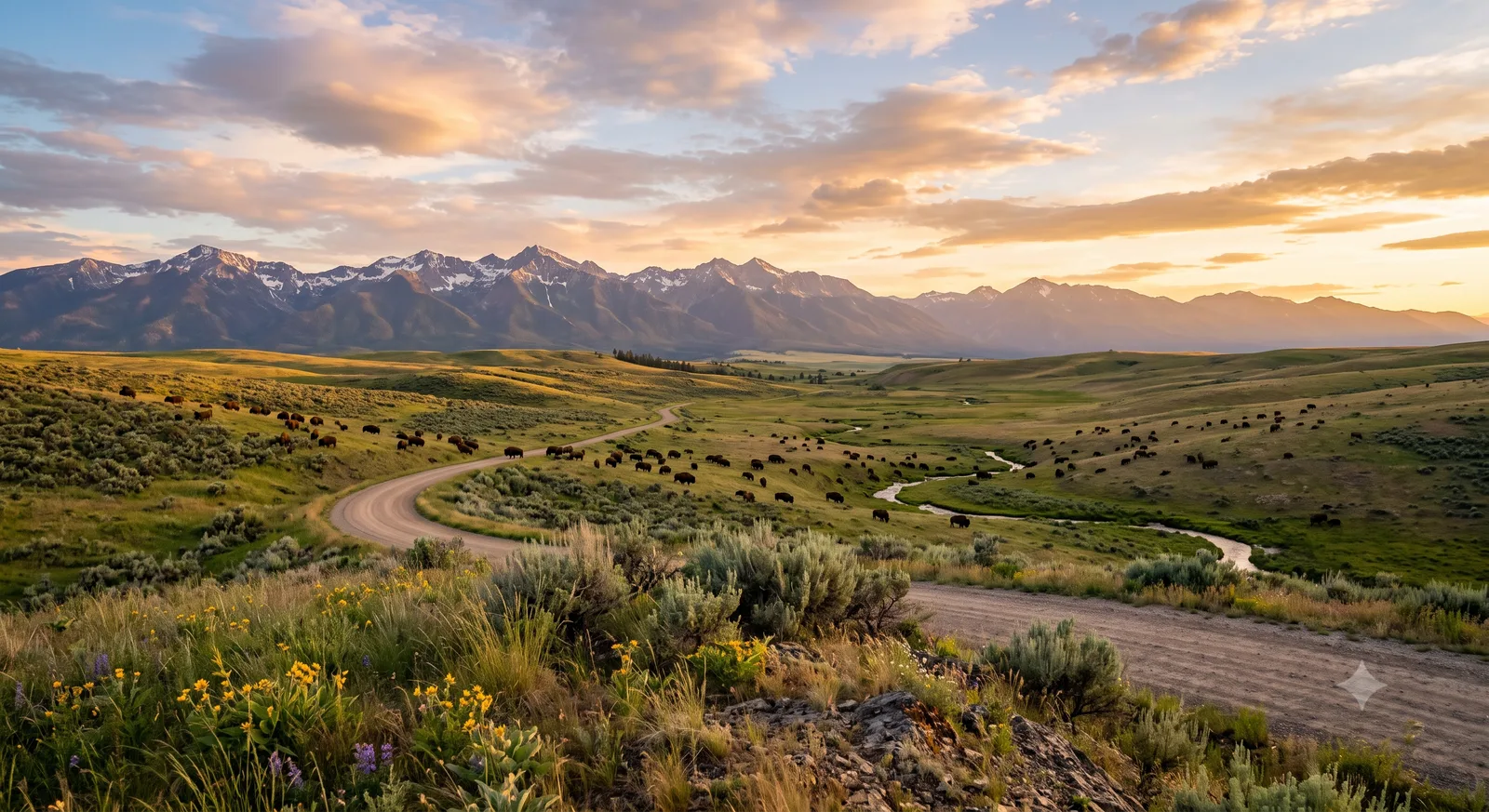
Visiting the National Bison Range offers an unparalleled opportunity to witness North America's largest land mammal, the American bison, in its natural habitat. Beyond the majestic bison, the refuge is a vibrant ecosystem supporting a diverse array of wildlife, including elk, deer, bighorn sheep, pronghorn, and numerous bird species. It’s a place where the wild heart of Montana beats strong, providing a profound connection to the conservation efforts that have brought these magnificent animals back from the brink. The vast, rolling grasslands and panoramic mountain views create a stunning backdrop for wildlife viewing and photography, making it a must-see for nature enthusiasts and anyone seeking a genuine Montana experience.
The commitment to wildlife conservation at the National Bison Range is evident in every aspect of the refuge. It serves as a living testament to successful preservation, allowing visitors to observe these animals thriving in an environment managed specifically for their well-being. This isn't just a drive-through zoo; it's an immersive experience in a protected landscape where wildlife roams freely, offering a dynamic and often unpredictable encounter with nature. For those who appreciate the raw beauty of the American West and the importance of ecological preservation, the National Bison Range is an essential destination.
Who It's Best For
The National Bison Range is an ideal destination for a wide range of travelers, though it particularly shines for wildlife enthusiasts, photographers, and families. If your idea of a perfect day involves spotting herds of bison grazing against a mountainous backdrop, capturing stunning images of elk at dawn, or simply enjoying the tranquility of nature, then this refuge is for you. It’s also excellent for those who appreciate scenic drives, as much of the wildlife viewing can be done from the comfort of your vehicle, making it accessible for visitors of all mobility levels.
Families with children will find the National Bison Range to be an educational and exciting experience. The opportunity for kids to see such large animals up close in a natural setting is often a highlight of any trip to Montana. Birdwatchers will also be delighted by the variety of avian species inhabiting the wetlands and grasslands. While serious hikers might find the designated trails somewhat limited compared to a national park, the focus here is truly on wildlife observation and the unique landscape of the Flathead Valley. It’s less about strenuous adventure and more about peaceful immersion in a thriving ecosystem.
Getting There & Parking
Reaching the National Bison Range Montana is straightforward, though it requires a bit of planning depending on your starting point. The refuge is located in Charlo, Montana, approximately an hour north of Missoula and about 1.5 hours south of Kalispell. We recommend using a reliable GPS system, but be aware that cell service can be spotty in some rural areas of Montana, so it’s wise to download offline maps. The main entrance is typically accessed via U.S. Highway 93, turning west onto MT-212.
How to Get There
From Missoula, take US-93 North towards Kalispell. You'll pass through towns like Arlee and St. Ignatius. Just north of Dixon, look for the turn-off onto MT-212 West, which will lead you directly to the refuge entrance. From Kalispell or Glacier National Park, take US-93 South. You'll pass through Polson and Ronan before reaching the turn-off for MT-212 West. The drive itself offers glimpses of Montana's diverse landscapes, from agricultural valleys to forested hillsides. We always advise checking local road conditions, especially during spring thaw or early winter, as some rural roads can be affected. For those flying in, Missoula International Airport (MSO) is the most convenient gateway. Consider making it part of a larger USA Road Trip Planner itinerary through the region.
Parking
Parking at the National Bison Range is generally ample and well-organized. Upon entering the refuge, you'll find a large parking area near the Visitor Center. This is the primary hub for information, restrooms, and access to some shorter walking trails. Throughout the scenic drives, there are numerous pull-offs and designated parking areas at overlooks and trailheads. We always recommend utilizing these designated spots to ensure safety and minimize impact on the environment and wildlife. There are no fees specifically for parking, as the entrance fee covers all access within the refuge. As of 2026, the general entrance fee for the National Bison Range is $20 per vehicle for a 7-day pass, with America the Beautiful passes also accepted for entry.
Top Things to Do
When you visit the National Bison Range, the primary draw is, without a doubt, the incredible wildlife viewing opportunities. Our team consistently ranks the scenic drives as the top things to do at National Bison Range, offering unparalleled access to the refuge's diverse ecosystems and inhabitants.
Scenic Drives for Wildlife Viewing
The refuge features two main scenic drives: the Red Sleep Mountain Drive and the Prairie Drive. The Red Sleep Mountain Drive is a 19-mile, one-way gravel road that ascends into the higher elevations of the refuge, offering breathtaking panoramic views and some of the best chances to spot bison, elk, and bighorn sheep. This drive is typically open seasonally, from mid-May through early October, depending on weather conditions. It’s a slow, winding road, and we recommend allocating at least 2-3 hours to complete it, allowing plenty of time for wildlife spotting and photo stops. The Prairie Drive is a shorter, 5-mile loop that is generally open year-round, traversing the lower grasslands and often providing excellent opportunities to see bison herds up close, as well as deer and various bird species. Both drives are well-maintained, but the Red Sleep Mountain Drive is not recommended for large RVs or trailers due to its narrow and winding nature.
Beyond the drives, other top things to do at National Bison Range include photography and birdwatching. Bring binoculars and a good camera, as the wildlife can sometimes be distant, but the rewards of capturing a majestic bison or a soaring raptor are immense. The Visitor Center also offers educational exhibits that provide valuable context about the refuge's history and conservation efforts, making it a worthwhile stop before or after your drive. Remember to maintain a safe distance from all wildlife – especially bison – and never approach or feed them.
National Bison Range Hiking Trails
While the National Bison Range is primarily known for its scenic drives, it also offers a selection of National Bison Range hiking trails for those who wish to explore on foot. These trails provide a different perspective of the refuge, allowing for a more intimate connection with the landscape and its smaller inhabitants.
One of the most accessible National Bison Range hiking trails is the **Bison Range Trail**, a relatively flat, easy loop near the Visitor Center. This trail offers pleasant views and a chance to stretch your legs, often with opportunities to see birds and smaller mammals. For a slightly more challenging option, the **Nature Trail** provides a short, interpretive walk through varied terrain, highlighting the local flora and fauna. It's crucial to remember that these are wildlife areas, and while bison are generally found on the drives, other animals may be present on or near the trails. Always be aware of your surroundings, carry bear spray, and make noise to avoid surprising wildlife. We recommend checking with the Visitor Center for current trail conditions and any closures before heading out.
It's important to note that backcountry hiking is generally not permitted within the National Bison Range due to the free-roaming wildlife and the delicate ecosystem. The designated National Bison Range hiking trails are designed to offer safe and rewarding experiences while minimizing disturbance to the animals. Always stay on marked trails and respect all signage. The refuge's focus is on preservation, and adherence to rules helps ensure the safety of both visitors and wildlife.
Best Time to Visit
Choosing the best time to visit the National Bison Range can significantly enhance your experience, largely depending on your priorities for wildlife viewing and weather preferences. Our team generally recommends the shoulder seasons for the most rewarding visits.
Spring (April-May)
Spring is an excellent time to visit, especially for witnessing new life. Bison calves, often referred to as "red dogs" for their reddish-orange coats, are born in late spring, creating incredibly heartwarming photo opportunities. The landscape is lush and green, and migratory birds return, making it fantastic for birdwatching. Temperatures are generally mild, but be prepared for unpredictable weather, including rain or even late-season snow. The Red Sleep Mountain Drive typically opens in mid-May, offering access to higher elevations.
Summer (June-August)
Summer is the most popular time to visit, with warm, sunny weather and all roads and facilities fully open. While wildlife is abundant, the heat of midday can sometimes make animals less active, often seeking shade. We recommend visiting early in the morning or late in the afternoon during summer for the best wildlife viewing. Be prepared for larger crowds, especially on weekends and holidays. Hydration is key, and sunscreen is a must. This is also a great time to combine your visit with other Montana adventures, perhaps exploring Flathead Lake or heading further north to Glacier National Park.
Fall (September-October)
Fall is arguably the best time for a visit. The bison rut (mating season) occurs in late summer/early fall, making the bulls particularly active and vocal. The cooler temperatures mean more active wildlife throughout the day, and the changing foliage adds a beautiful golden hue to the landscape. Crowds begin to thin after Labor Day, offering a more peaceful experience. The Red Sleep Mountain Drive typically remains open until early October.
Winter (November-March)
Winter visits offer a starkly beautiful and serene experience, though access is more limited. The Red Sleep Mountain Drive is closed, but the Prairie Drive usually remains open, providing opportunities to see bison against a snowy backdrop. Wildlife can be easier to spot against the white landscape. However, temperatures are cold, and heavy snow can temporarily close roads. If you're prepared for the cold and seeking solitude, winter can be a magical time to visit.
Where to Stay Nearby
While there is no lodging directly within the National Bison Range, several charming towns in the surrounding Flathead Valley offer convenient access and a range of accommodations. When considering National Bison Range lodging, we recommend looking at options in Polson, Ronan, St. Ignatius, or Charlo, all within a short driving distance.
Polson
Located on the southern shore of Flathead Lake, Polson is the largest town near the refuge and offers the widest selection of National Bison Range lodging options, including hotels, motels, and vacation rentals. It's about a 20-30 minute drive to the refuge entrance. Polson also provides more amenities, restaurants, and shops, making it a good base for extended stays. We recommend Polson for those who prefer more dining and entertainment choices after a day of wildlife viewing.
Ronan
Ronan is a smaller, agricultural community located about 15-20 minutes east of the refuge. It offers a few motel options and is a quieter alternative to Polson. Ronan provides essential services, including gas stations and grocery stores, making it a practical choice for visitors focused primarily on the refuge. It’s a good choice for those seeking a more local, less tourist-centric experience.
St. Ignatius
South of the refuge, St. Ignatius is a historic town known for the beautiful St. Ignatius Mission. It's roughly a 20-25 minute drive to the refuge. Accommodation options here are more limited, typically consisting of smaller inns or B&Bs, but it offers a unique charm and a glimpse into the region's rich history. If you're looking for a quaint, historic atmosphere, St. Ignatius could be an excellent choice for your National Bison Range lodging.
Charlo
Charlo is the closest small community to the National Bison Range, just a few minutes drive from the entrance. While lodging options are very limited – primarily vacation rentals or a small local motel – staying in Charlo offers the quickest access to the refuge, ideal for early morning wildlife drives. It’s a very quiet, rural town, perfect for those who want to be as close to the action as possible without being in a bustling area.
For those seeking a more rustic experience, there are several private campgrounds and RV parks in the surrounding area, though no camping is permitted within the refuge itself. Always book accommodations in advance, especially during peak season, as options can fill up quickly.
Sample 2-Day Itinerary
To help you maximize your visit, our team has crafted a sample 2-day itinerary for the National Bison Range Montana, designed to give you a comprehensive wildlife and scenic experience. This plan assumes you're staying in one of the nearby towns like Polson or Ronan.
Day 1: Arrival and Red Sleep Mountain Drive
Morning: Arrive at the National Bison Range Visitor Center. Pay your entrance fee (as of 2026, $20 per vehicle for a 7-day pass) and pick up a map. Spend some time exploring the interpretive exhibits to learn about the refuge's history and wildlife. Take a short walk on the Bison Range Trail near the Visitor Center to stretch your legs and get a feel for the landscape. Late Morning/Afternoon: Embark on the Red Sleep Mountain Drive. We recommend starting this drive as early as possible after your Visitor Center stop, especially in summer, to catch wildlife activity. Drive slowly, utilizing the numerous pull-offs to observe and photograph bison, elk, and bighorn sheep. Pack snacks and water, as there are no services on the drive. Allow 3-4 hours for this experience. Late Afternoon: After completing the Red Sleep Mountain Drive, head back towards your chosen lodging. Evening: Enjoy dinner in Polson or Ronan. Consider a leisurely drive along Flathead Lake if staying in Polson.
Day 2: Prairie Drive, Hiking, and Departure
Morning: Start your day with an early morning drive on the Prairie Drive. This shorter loop often provides excellent close-up views of bison herds, especially in the cooler morning hours. Keep an eye out for deer, pronghorn, and various bird species. Late Morning: Choose one of the National Bison Range hiking trails, such as the Nature Trail, for a more immersive experience on foot. Remember to be wildlife aware and carry bear spray. Lunch: Have a picnic lunch at one of the designated picnic areas within the refuge or head to a nearby town for a meal. Afternoon: Depending on your interests and time, you could revisit a favorite spot on one of the drives for more wildlife viewing, or explore a nearby attraction like the St. Ignatius Mission. Alternatively, begin your journey to your next Montana destination, perhaps towards Bighorn Canyon or Beartooth Highway for more incredible scenery. Evening: Depart from the National Bison Range, carrying memories of Montana's magnificent wildlife.
Last updated: 2026-07-12 by the Roam States team.