Our Lāʻau Point guide covers practical planning for Lāʻau Point Hawaii — best time to visit, getting there, and what to do on the ground.
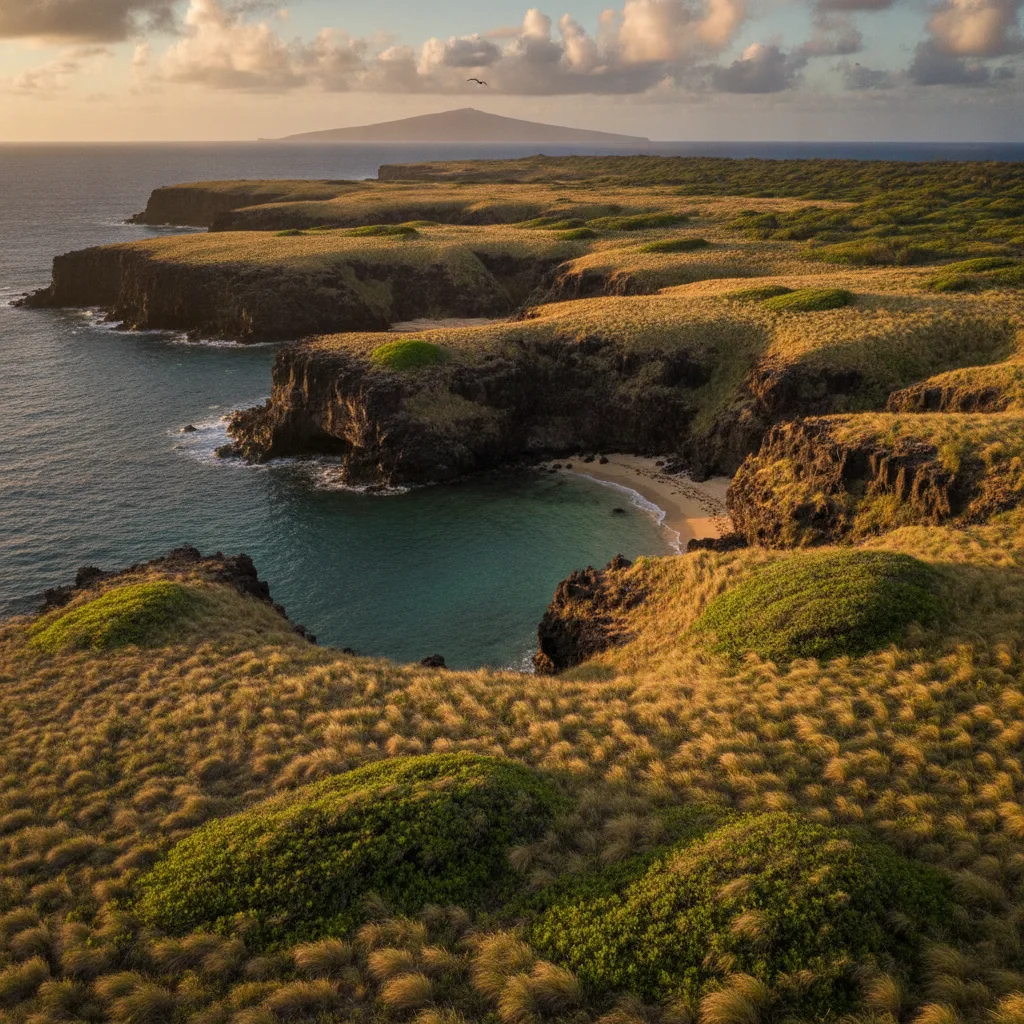
For those seeking Molokai’s wild heart, the remote westernmost point of the island, Lāʻau Point Hawaii, offers an unparalleled experience. This rugged coastal landscape provides a sense of untouched wilderness, where the raw power of the Pacific meets ancient volcanic rock. It’s a place for quiet contemplation, observing Molokai's natural beauty, and connecting with a Hawaii that feels wonderfully preserved.
Why Visit Lāʻau Point
Lāʻau Point represents the antithesis of Hawaii's more developed tourist hubs. Here, you won't find bustling resorts or crowded beaches. Instead, our team finds that visitors are drawn to Lāʻau Point for its profound sense of solitude and its dramatic, windswept vistas. It's a destination that appeals to the adventurous spirit, offering a chance to witness Molokai's coastline in its most natural state. The area is known for its rugged cliffs, powerful ocean swells, and the opportunity to spot various marine life from its shores. The absence of commercial development allows for an immersive experience, where the only sounds are the crashing waves and the calls of seabirds.
Who It's Best For
Lāʻau Point is ideal for travelers who prioritize tranquility, natural beauty, and a genuine connection with the environment over resort amenities and organized activities. It's a perfect fit for:
- Nature Enthusiasts: Birdwatchers, photographers, and those who appreciate raw, untamed landscapes will find Lāʻau Point captivating.
- Solitude Seekers: If your idea of a perfect getaway involves escaping the crowds and finding a peaceful retreat, this remote corner of Molokai delivers.
- Adventurous Explorers: While access can be challenging, those willing to put in the effort will be rewarded with a truly unique Hawaiian experience.
- Couples and Individuals: The quiet atmosphere lends itself to introspection and intimate moments, making it a great spot for a romantic escape or a solo journey.
It is important to note that Molokai itself is often described as "The Friendly Isle" and offers a slower, simpler Hawaii, appealing to those who don't need nightlife or extensive dining options.
Getting There & Parking
Reaching Lāʻau Point requires careful planning, as it is located on the remote west end of Molokai. The primary way to get to Molokai is by air, with Molokai Airport (MKK) serving as the main gateway. Interisland flights are available from Oahu (Honolulu International Airport, HNL) or Maui (Kahului Airport, OGG). As of July 2026, there are no direct international flights to Molokai.
The Molokai ferry service from Maui to Molokai, which historically ran from Lahaina Harbor to Kaunakakai Harbor, terminated on October 27, 2016. While there have been ongoing discussions and feasibility studies regarding a revived public interisland ferry system for Maui County, Molokai service would likely take longer to implement (three to five years) due to the need for sturdier boats and permitting requirements, with Lanai routes potentially starting as soon as 2026. Therefore, air travel remains the most reliable option for how to get to Lāʻau Point's vicinity.
Once on Molokai, a rental car is essential for exploring the island, including the journey to Lāʻau Point. Car rental companies like Alamo, Avis, Budget, Enterprise, and Hertz operate on Molokai, with popular car types including compact cars, SUVs, and jeeps. We strongly recommend booking your rental car well in advance, as Molokai's fleet is limited and can sell out months ahead, especially during peak seasons. Daily rental prices can range from approximately $50 to $180, depending on the vehicle type. Drivers must be 21 years or older with a valid driver's license and a major credit or debit card.
The road to Lāʻau Point itself is unpaved and can be rough, often requiring a vehicle with good clearance, if not 4WD. However, most rental companies prohibit off-road driving, so it's crucial to check your rental agreement carefully. The closest town is Maunaloa, and from there, you'll head southwest. Specific parking information for Lāʻau Point is not widely publicized, reflecting its remote and undeveloped nature. Visitors typically park at the end of the accessible road and proceed on foot. There are no official parking lots, fees, or designated hours for Lāʻau Point itself, as it is not a developed state park or attraction. However, access to the land leading to Lāʻau Point has been a complex issue in the past, with Molokai Ranch, a major landowner, having historically proposed development in the area and later cutting off public access to its 60,000 acres in 2008 due to community opposition. While Molokai residents were once assured access to the Lāʻau shoreline, the current status of public access across private land to the very tip of Lāʻau Point should be verified locally upon arrival, or by consulting with local tour operators or the Molokai Land Trust if you plan an extensive exploration. For now, assume a walk will be involved after the paved road ends.
Top Things to Do
While Lāʻau Point Hawaii is primarily about soaking in the rugged coastal beauty, there are a few things to do at Lāʻau Point and in the surrounding area that our team recommends for a fulfilling visit:
- Coastal Contemplation and Photography: The dramatic cliffs and crashing waves offer spectacular photo opportunities, especially at sunrise or sunset. The solitude makes it an ideal spot for quiet reflection.
- Whale Watching (Seasonal): During winter months (typically December to May), humpback whales migrate to Hawaii's warm waters. Lāʻau Point's western exposure offers a vantage point for spotting these magnificent creatures.
- Stargazing: Far from any significant light pollution, the night sky over Lāʻau Point is often incredibly clear, providing an excellent opportunity for stargazing.
- Birdwatching: Keep an eye out for native seabirds that frequent this unspoiled coastline.
Beyond Lāʻau Point, Molokai offers a wealth of authentic Hawaiian experiences. Here are more things to do in Molokai:
- Explore Kalaupapa National Historical Park: This poignant and historically significant site, once a leper colony, is now a sacred park. Access is highly restricted and requires advance arrangements with authorized tours, often involving a mule ride or a hike down steep cliffs, or flying in. The Kalaupapa Lookout in Palaʻau State Park offers breathtaking views of the peninsula and the towering sea cliffs without requiring the arduous descent.
- Visit Hālawa Valley: Located on the east side of the island, Hālawa Valley is a lush, sacred valley where ancient Hawaiians settled as early as 650 AD. Guided cultural hikes are available, often leading to the magnificent Moaʻula Falls where you can swim in an otherwise private waterfall. The Hālawa Valley Beach Park is public and offers a beautiful, tropical contrast to the west end beaches.
- Relax at Papohaku Beach Park: As one of Hawaii's largest white-sand beaches, this three-mile stretch on the west side is renowned for stunning sunsets and its almost always empty shores. While currents can be strong, it's perfect for long walks and enjoying seclusion.
- Snorkel Hawaii's Longest Fringing Reef: Molokai's south shore boasts Hawaii's longest continuous fringing reef, stretching 28 miles. This creates calm lagoons ideal for snorkeling at spots like Kūmimi Beach (also known as George Murphy's Beach).
- Discover Kaunakakai: The largest town on Molokai, Kaunakakai offers a glimpse into local life with small, friendly businesses. Visit the historic Kapuāiwa Coconut Grove, planted in the 1860s during King Kamehameha V's reign.
- Take a Farm Tour: Molokai has several agricultural operations, including coffee and macadamia nut farms, that offer tours.
For more inspiration on Hawaiian adventures, explore our guides on Best places in Hawaii, including Akaka Falls State Park, Haleakala National Park, and Hanalei Bay.
Best Time to Visit
The "Friendly Isle" of Molokai generally enjoys pleasant weather year-round, but the best time to visit Lāʻau Point and the island largely depends on your priorities.
- Dry Season (April to October): This period offers the warmest temperatures and least rainfall, making it ideal for outdoor activities, hiking, and enjoying the beaches. The ocean tends to be calmer, particularly on the south shore, which is excellent for snorkeling.
- Whale Watching Season (December to May): If spotting humpback whales is on your agenda, the winter months are prime time. However, this also means potentially rougher seas and more rain, especially on the windward (east) side of the island.
- Shoulder Seasons (April-May and September-October): These months often strike a balance between good weather and fewer crowds, offering a more serene experience.
Given the remote nature of Lāʻau Point, visiting during the drier months will likely provide more comfortable conditions for exploration and better visibility for enjoying the expansive views. Always monitor local weather reports and ocean conditions before heading out.
Where to Stay Nearby
When considering Lāʻau Point lodging, it's important to remember that Molokai intentionally lacks large-scale resorts and maintains a low-key, traditional Hawaiian atmosphere. The closest town to Lāʻau Point is Maunaloa, a former plantation village on the west end of the island. While Molokai Ranch, which owned significant land in the west, including the former Kaluakoi Resort and Molokai Lodge, ceased most operations in 2008 due to community opposition to development plans, there are still lodging options available.
Our team recommends focusing on vacation rentals and smaller accommodations for Lāʻau Point lodging. These include:
- Vacation Rentals and Condos in West Molokai: Areas around Kepuhi Beach and Kaluakoi offer numerous condo units and vacation rentals. Options like Molokai Vacation Properties – Kepuhi Beach Resort and Paniolo Hale provide units with amenities, often just steps from the shore. These are excellent choices for those who want to be closer to Lāʻau Point and the west end beaches.
- Hotel Molokai: Located in Kaunakakai, about a 25-minute drive from Maunaloa, Hotel Molokai is the island's only hotel. It offers an oceanfront setting with A-frame rooms, a swimming pool, and an oceanfront restaurant and bar. While not directly adjacent to Lāʻau Point, it serves as a convenient and comfortable base for exploring the entire island.
- Smaller Guesthouses and Cottages: Throughout Molokai, you can find charming, privately owned cottages and guesthouses, often listed on platforms like VRBO. These offer a more intimate and local experience.
We advise booking accommodations well in advance, as options on Molokai are limited. For more comprehensive planning, the official Hawaii Tourism Authority website is a valuable resource.
Sample 2-Day Itinerary
This itinerary focuses on experiencing the unique charm of Molokai, with a highlight on Lāʻau Point, while respecting the island's slow pace and local culture.
Day 1: West End Exploration & Lāʻau Point
- Morning (8:00 AM - 12:00 PM): Arrival & West End Beaches
- Arrive at Molokai Airport (MKK) and pick up your pre-booked rental car.
- Drive to your accommodation in West Molokai (e.g., Maunaloa/Kepuhi Beach area).
- Head to Papohaku Beach Park, one of Hawaii's longest white-sand beaches, for a serene morning stroll. Enjoy the vast, uncrowded expanse and the views of Oahu in the distance.
- Lunch (12:00 PM - 1:00 PM): Casual Bites in Maunaloa
- Grab a casual lunch in Maunaloa town, the closest village to the west end. Options might be limited, so consider packing some snacks.
- Afternoon (1:00 PM - 5:00 PM): Journey to Lāʻau Point Hawaii
- Embark on the journey to Lāʻau Point. Drive as far as the road allows, then proceed on foot.
- Spend the afternoon soaking in the rugged coastal beauty, observing the powerful ocean, and enjoying the profound solitude. This is the core of the Lāʻau Point experience.
- Evening (5:00 PM onwards): Sunset & Relaxation
- Return to a west end beach, such as Papohaku Beach, for a spectacular Molokai sunset.
- Enjoy a relaxed dinner at your accommodation, perhaps utilizing a kitchenette if available, or explore any limited dining options in Maunaloa.
Day 2: Cultural Immersion & East End Beauty
- Morning (8:00 AM - 12:00 PM): Kalaupapa Lookout & Phallic Rock
- Drive to Palaʻau State Park to visit the Kalaupapa Lookout, offering stunning views of the Kalaupapa Peninsula and Molokai's north shore sea cliffs.
- While there, take a short walk to see Ka Ule o Nanahoa, also known as the Phallic Rock, a site of cultural significance.
- Lunch (12:00 PM - 1:00 PM): Kaunakakai Town
- Head to Kaunakakai, the island's main town, for lunch. Explore the small shops and soak in the local atmosphere.
- Afternoon (1:00 PM - 5:00 PM): Hālawa Valley Adventure
- Embark on a guided cultural hike into the sacred Hālawa Valley on the east end of Molokai. Experience ancient Hawaiian history and enjoy a refreshing swim at Moaʻula Falls. Remember to book guided tours in advance.
- Evening (5:00 PM onwards): South Shore & Departure Prep
- Explore some of the south shore's ancient fishponds and tranquil beaches, perhaps a quick stop at Kūmimi Beach if time allows.
- Enjoy a final Molokai dinner, perhaps at Hotel Molokai's restaurant if you're staying nearby or prefer a sit-down meal.
- Prepare for departure from MKK the following day.
Expert Verdict: This itinerary provides a balanced view of Molokai's diverse landscapes and cultural offerings, from the serene wilderness of Lāʻau Point to the historic valleys and charming towns. Remember that Molokai operates on "island time," so flexibility and a relaxed approach are key to enjoying your visit.
Frequently Asked Questions about Lāʻau Point Hawaii
Lāʻau Point with kids
Visiting Lāʻau Point with kids is possible, but it requires careful consideration. The area is rugged and remote, with unpaved roads leading to it, and no amenities like restrooms or lifeguards. The primary activity is observation of nature, which might not engage younger children for extended periods. If you do bring children, ensure they are comfortable with walking on uneven terrain and that you have plenty of water, snacks, sun protection, and a first-aid kit. Beaches like Kūmimi Beach on the south shore are generally calmer and more suitable for families with children for swimming.
Best hotels near Lāʻau Point
There are no traditional hotels directly at Lāʻau Point due to its remote and undeveloped nature. The closest accommodations are primarily vacation rentals and condos located in the west Molokai area, particularly around Kepuhi Beach and Maunaloa. These include properties like Molokai Vacation Properties – Kepuhi Beach Resort and Paniolo Hale. For a more traditional hotel experience, Hotel Molokai in Kaunakakai is the island's only hotel, offering amenities like a pool and restaurant, though it's about a 25-minute drive from the west end.
Lāʻau Point tips
Our team offers these essential tips for visiting Lāʻau Point: always verify current access conditions locally, as land ownership and access can be complex. Drive a vehicle with good clearance, and be prepared for unpaved roads. Bring ample water, snacks, sun protection (hat, sunscreen, sunglasses), and sturdy walking shoes. There are no facilities at Lāʻau Point, so plan accordingly. Respect the natural environment and any signage you encounter. Visit during daylight hours and avoid the area during inclement weather or high surf. Most importantly, embrace the solitude and the raw beauty of this untouched Hawaiian landscape.
Where to stay near Lāʻau Point
The best options for where to stay near Lāʻau Point are vacation rentals and condos in West Molokai, specifically in the Maunaloa and Kepuhi Beach areas. These accommodations offer proximity to the west end's natural attractions, including Lāʻau Point and Papohaku Beach. Examples include units within Kepuhi Beach Resort or Paniolo Hale. For those who prefer a more central location with more amenities, Hotel Molokai in Kaunakakai provides a comfortable base, albeit a drive away.
Lāʻau Point parking
Parking for Lāʻau Point is informal and undeveloped. There are no official parking lots, fees, or designated parking areas. Visitors typically drive as far as the unpaved road allows, then park responsibly off to the side, ensuring not to block any access roads or private property. From there, further exploration to the point is done on foot. Given the remote nature, it’s always wise to ensure your vehicle is secure and nothing valuable is left in plain sight.
Best time to visit Lāʻau Point
The best time to visit Lāʻau Point is during Molokai's dry season, typically from April to October. This period offers the most favorable weather conditions with less rain and calmer seas, making the drive and walk to the point more comfortable and the views clearer. Winter months (December to May) offer the chance for whale watching, but also bring a higher likelihood of rain and stronger winds. Early mornings or late afternoons are often ideal for photography and enjoying the tranquil atmosphere, especially for sunset views.
We hope this guide inspires you to discover the unique and untouched beauty of Lāʻau Point Hawaii. This remote corner of Molokai offers a profound connection to the natural world, far removed from the typical tourist bustle. With careful planning and a respectful approach, your visit will be an unforgettable journey into the heart of authentic Hawaii.
Last updated: 2026-07-12 by the Roam States team.