Lāhainā Jodo Mission Travel Guide — Hawaii
Our Lāhainā Jodo Mission guide covers practical planning for Lāhainā Jodo Mission Hawaii — best time to visit, getting there, and what to do on the ground.
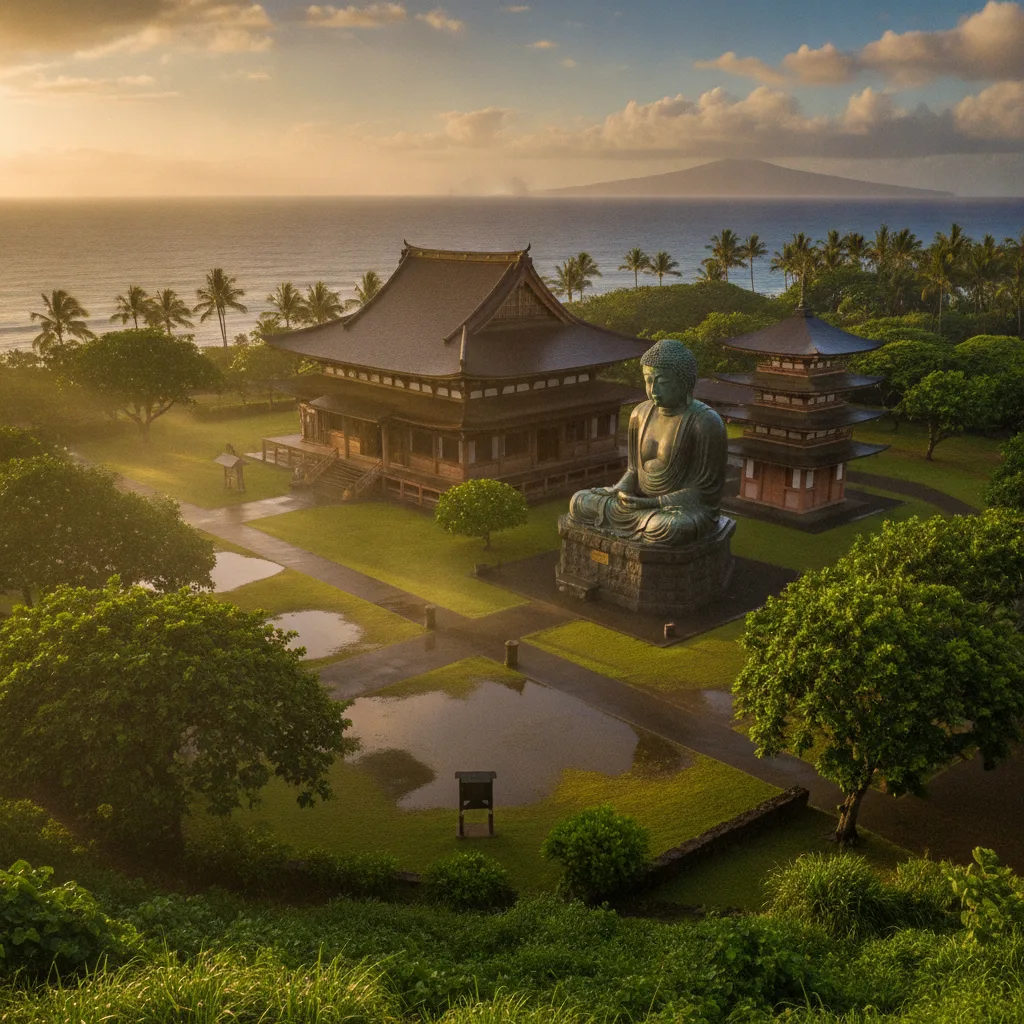
The Lāhainā Jodo Mission Hawaii, a serene Buddhist temple that once stood as a beacon of Japanese culture and tranquility overlooking the Pacific, was tragically impacted by the devastating wildfires that swept through Lāhainā in August 2023. While the original structures, including its iconic towering bronze Buddha statue and pagoda, were destroyed, the spirit of the mission and the community dedicated to its restoration remain strong. As of our latest update, the mission grounds are in a state of recovery, with community-led efforts underway to rebuild and restore this cherished site. While general public access to the full mission experience is not yet available, the return of significant cultural events to the grounds signals a hopeful path forward. Our team is committed to providing the most accurate and up-to-date information for those wishing to understand its history, support its recovery, and explore the surrounding resilient community of Lāhainā, Maui.
Why Visit Lāhainā Jodo Mission
Before the 2023 wildfires, the Lāhainā Jodo Mission was a profoundly moving destination, offering visitors a tranquil escape and a deep glimpse into the significant Japanese cultural influence in Hawaii. Its serene grounds, traditional architecture, and the majestic Great Buddha made it a unique spiritual and historical landmark. While the physical structures were lost, the mission's historical importance and the community's dedication to its rebirth make it a poignant place to visit, even in its current state of recovery.
The mission was founded in 1912, supported by Japanese immigrants working on sugar and pineapple plantations, and moved to its beachfront location in 1931. It served as a haven and spiritual home, reflecting a century of Jodo Shu Buddhism in the islands. Visiting the Lāhainā Jodo Mission grounds now means bearing witness to resilience and the enduring cultural ties that define Maui. It’s an opportunity to reflect on history, appreciate the ongoing efforts of restoration, and support a community dedicated to preserving its heritage. The mission's commitment to sharing the teachings of Jodo Shu Buddhism and fostering peace, gratitude, and community continues, even amidst rebuilding.
For those interested in the profound impact of the 2023 fires and the incredible spirit of recovery, a visit to the Lāhainā Jodo Mission grounds offers a unique, if somber, perspective. It’s a chance to understand the cultural significance of this site and to see firsthand how a community comes together to rebuild and honor its past. The mission's annual O-bon service, a long-standing tradition in Japan and Hawaii that honors the spirits of ancestors, is a testament to this enduring spirit, with the festival returning to the mission grounds in August 2025.
Who It's Best For
A visit to the Lāhainā Jodo Mission, even in its current phase of recovery, is best for travelers seeking a deep cultural and historical understanding of Maui, rather than a typical sightseeing experience. It appeals to those who appreciate quiet contemplation, historical reflection, and supporting community resilience. History enthusiasts will find the mission's century-long story, from its founding by Japanese immigrants to its current rebuilding efforts, incredibly compelling.
Individuals interested in Japanese culture and Buddhism will also find value in understanding the mission's past significance and its future aspirations. Photographers, while finding different subjects than before the fires, may capture powerful images of resilience, natural beauty, and the ongoing restoration efforts. It's also suitable for respectful visitors who wish to pay their respects to the history of Lāhainā and support its journey of healing. Families with older, more contemplative children might find it a meaningful educational experience, though younger children may not fully grasp the context of its current state. This is not a destination for those expecting fully restored structures or a bustling tourist attraction, but rather for those who seek a profound connection to place and purpose.
Getting There & Parking
The Lāhainā Jodo Mission is located at 12 Ala Moana St, Lāhainā, HI 96761. However, it is crucial to understand that as of 2026, the mission location is within the burn zone and is officially "CLOSED until further notice" and "not accessible" for general visitation. While community-led site restoration has enabled some events, like the O-Bon Festival, to return to the grounds, this does not signify a full reopening for tourists.
How to Get There
If you are permitted to access the area for specific events or volunteer efforts, getting to the Lāhainā Jodo Mission typically involves driving. From central Lāhainā, the mission is a short drive west along the coast. However, with the ongoing recovery in Lāhainā, road access and restrictions can change. Visitors should always consult the latest local advisories from Maui County and the Hawaii Tourism Authority regarding access to impacted areas. As of March 2026, the historic commercial core of Front Street remains under limited access rules, and visitors are asked to stay within clearly designated public access areas.
Driving from Kāʻanapali, you would head south on Honoapiʻilani Highway (Highway 30). The mission is situated just north of the main historic Lāhainā town area. Public transportation options directly to the mission are limited, making a rental car the most practical choice for navigating West Maui. For those traveling from other parts of Hawaii, consider flying into Kahului Airport (OGG) on Maui and renting a car. For broader travel planning across the islands, explore our Plan Your US Trip guide.
Lāhainā Jodo Mission Parking
Prior to the fires, the Lāhainā Jodo Mission offered on-site parking. However, with the current closure and ongoing restoration, specific Lāhainā Jodo Mission parking for general visitors is unavailable. For events like the O-Bon Festival, organizers advise attendees to "drive carefully and follow parking signage and volunteer direction to ensure safety for all." This suggests temporary, event-specific parking arrangements may be in place. For any future general reopening, we anticipate that parking will likely be on-site or in designated areas nearby. Until then, respect all signage and restrictions in the Lāhainā area. Parking in unauthorized zones can hinder recovery efforts and may result in fines or towing.
Top Things to Do
Given the current state of recovery, the "things to do at Lāhainā Jodo Mission" are primarily centered around respectful observation, historical reflection, and supporting the community's rebuilding efforts. While the mission's structures were lost, its grounds are gradually becoming accessible for specific events, offering a unique opportunity to witness resilience.
Top Things to Do at Lāhainā Jodo Mission (During Recovery)
- Witness the Restoration Efforts: If access is granted for specific events or volunteer opportunities, observing the ongoing work to restore the Lāhainā Jodo Mission grounds offers a powerful insight into community spirit and determination.
- Attend a Special Event: Keep an eye on announcements for events like the O-Bon Festival, which is returning to the mission grounds in August 2025. These cultural gatherings provide a chance to connect with the local community and experience the mission's enduring traditions.
- Reflect on the Historic Significance: Even without the original structures, the site itself holds immense historical weight, commemorating the arrival of Japanese immigrants to Hawaii and their lasting cultural contributions. Take a moment for quiet contemplation on the mission's past and future.
- Support Rebuilding: While there are no direct "fees" for visiting the grounds, voluntary contributions are traditionally accepted and are now crucial for the mission's restoration. Look for donation opportunities to help rebuild this important cultural site.
Top Things to Do in Lahaina, Maui (Currently Open or Recovering)
While the Lāhainā Jodo Mission is in recovery, there are still many "things to do in Lahaina, Maui" and the surrounding West Maui area that are open and welcoming visitors in 2026. Supporting these businesses and attractions is vital to the broader community's recovery.
- Explore North Front Street: The northern end of Front Street has reopened, offering restaurants and some shops. This area provides ocean views and a chance to support local businesses.
- Enjoy Kāʻanapali Beach: Just north of Lāhainā, Kāʻanapali boasts three miles of white sand and clear waters, perfect for swimming, snorkeling, and relaxing. Many upscale hotels and resorts are located here.
- Whale Watching and Ocean Tours: Lāhainā Harbor reopened in December 2025 for limited commercial ocean operations, meaning whale watching tours (seasonal), sunset sails, and snorkel cruises are operating from West Maui again.
- Visit the Banyan Tree Park (from a distance): While Banyan Tree Park itself is not yet open for general access and remains behind construction fencing, the iconic Banyan Tree is alive and a symbol of resilience. You can observe its recovery from designated public areas.
- Experience a Lūʻau: Authentic cultural experiences like the Old Lāhainā Lūʻau or the Myths of Maui Lūʻau at the Royal Lāhainā Resort are operating and represent an important part of Maui's cultural identity.
- Hike the Kapalua Coastal Trail: This scenic 2-mile walk offers breathtaking ocean views, lush greenery, and opportunities for swimming or snorkeling along the way.
- Discover other Maui Gems: Don't forget to explore other incredible Hawaiian destinations. Consider visiting Hawaii Volcanoes National Park on the Big Island or the historic Pearl Harbor & USS Arizona Memorial on Oʻahu for a broader understanding of Hawaii's diverse offerings.
Best Time to Visit
Determining the best time to visit Lāhainā Jodo Mission in 2026 involves considering both Maui's general tourism seasons and the mission's current recovery status. Since the mission itself is still in a phase of rebuilding and limited access, the "best time to visit Lāhainā Jodo Mission" is less about avoiding crowds at the site and more about aligning with community events or simply visiting Lāhainā during a pleasant time of year to support the broader recovery.
Generally, Maui enjoys warm, sunny weather year-round. The peak tourist season runs from mid-December through April, with another busy period in summer (June to August). During these times, you can expect higher prices for flights and accommodations, and more crowded attractions across the island. The shoulder seasons (April-May and September-November) often offer a good balance of pleasant weather and fewer crowds.
For the Lāhainā Jodo Mission specifically, if you are interested in witnessing or participating in community events, you would need to align your visit with their schedule. For instance, the O-Bon Festival is scheduled to return to the mission grounds in August 2025. Future events, such as the Joya-e service to ring the temple bell on the last day of the year, or Buddha's day in April, might also resume on the grounds as restoration progresses.
Considering the ongoing recovery in Lāhainā, visiting during the shoulder seasons might allow for a more contemplative experience, as the town itself will be less bustling, and you can engage with local businesses that are vital to the rebuilding process. Regardless of when you visit, we encourage checking the latest local advisories and the mission's official communications for any updates on access and events.
Where to Stay Nearby
Finding suitable Lāhainā Jodo Mission lodging means looking at the areas of West Maui that are open and welcoming visitors, as the immediate vicinity of the mission is still undergoing significant recovery. The good news is that areas like Kāʻanapali, Honokōwai, Nāpili, and Kapalua, just north of historic Lāhainā town, are fully operational and offer a wide range of accommodations.
These areas provide excellent options for Lāhainā Jodo Mission lodging, ranging from luxurious resorts to more budget-friendly condos and vacation rentals. Many offer stunning beachfront access, pools, dining, and easy access to other West Maui attractions. While the historic core of Lāhainā is still rebuilding, staying in these nearby areas allows you to support Maui's tourism economy while respecting the recovery efforts in the most impacted zones.
- Kāʻanapali Beach Resort: Located just a few miles north of Lāhainā, Kāʻanapali is a prime choice. It features several upscale hotels and resorts such as the Hyatt Regency Maui Resort & Spa, The Westin Maui Resort & Spa, Kaʻanapali, and the Hyatt Vacation Club at Kāʻanapali Beach. These properties offer extensive amenities, beautiful beaches, and are a short drive from the Lāhainā area.
- Honokōwai, Nāpili, and Kapalua: Further north, these communities offer a slightly quieter atmosphere with a mix of resorts, condos, and vacation rentals. They are known for their beautiful coves, excellent snorkeling, and championship golf courses. Options here include Aston properties, various resort rentals, and boutique accommodations.
- South Lāhainā (Limited): While the historic center is closed, some accommodations on the very northern or southern fringes of Lāhainā town that were less impacted by the fires may be available. Always verify their current operational status and accessibility. The Hakuna Matata Maui Hostel, for example, is located on Front Street and has a high rating.
When booking your Lāhainā Jodo Mission lodging, we recommend checking recent reviews and confirming the current operational status directly with the accommodation provider. This ensures you have the most up-to-date information regarding services and amenities in the context of Maui's ongoing recovery.
Sample 2-Day Itinerary
This 2-day itinerary focuses on experiencing the resilience and beauty of West Maui, including a respectful visit to the Lāhainā Jodo Mission grounds, while enjoying the many open attractions in the surrounding areas. Remember to check local advisories for any changes in access or hours.
Day 1: Cultural Reflection & Kāʻanapali Coast
- Morning (9:00 AM - 11:00 AM): Visit Lāhainā Jodo Mission Grounds
Begin your day with a visit to the Lāhainā Jodo Mission grounds. While the original structures were lost in the 2023 fires, this visit offers a powerful opportunity for reflection on the mission's history and the ongoing community efforts to restore it. Respect all signage regarding access and consider making a voluntary contribution to support the rebuilding. This is a place for quiet contemplation rather than active sightseeing.
- Late Morning (11:30 AM - 1:00 PM): Explore North Front Street
Head to the northern end of Lāhainā's Front Street. This section is open and features various shops and restaurants. Enjoy a casual lunch at one of the local eateries, supporting the businesses that are vital to Lāhainā's recovery.
- Afternoon (1:30 PM - 5:00 PM): Kāʻanapali Beach & Whalers Village
Drive north to Kāʻanapali Beach. Spend the afternoon relaxing on the beautiful white sands, swimming, or snorkeling in the clear waters. Afterward, explore Whalers Village, an open-air shopping center with boutiques, art galleries, and additional dining options.
- Evening (6:00 PM onwards): Sunset & Lūʻau Experience
Enjoy a memorable Hawaiian lūʻau at one of the resorts along Kāʻanapali Beach, such as the Myths of Maui Lūʻau at the Royal Lāhainā Resort or the Drums of the Pacific Lūʻau at the Hyatt Regency Maui Resort & Spa. These provide an authentic cultural experience with dinner, music, and traditional performances.
Day 2: Coastal Beauty & West Maui Adventures
- Morning (8:00 AM - 12:00 PM): Kapalua Coastal Trail & Snorkeling
Start your day early with a scenic walk along the Kapalua Coastal Trail. This 2-mile path offers stunning ocean views, lava rock formations, and opportunities for a refreshing swim or snorkel in one of the beautiful coves along the way.
- Lunch (12:30 PM - 1:30 PM): Nāpili or Kapalua Dining
Enjoy lunch at a restaurant in Nāpili or Kapalua, savoring fresh local cuisine with ocean vistas.
- Afternoon (2:00 PM - 5:00 PM): Ocean Activity from Lāhainā Harbor
Head back towards Lāhainā Harbor, which has reopened for limited commercial ocean operations. Take advantage of a whale watching tour (seasonal, typically November-May), a snorkel cruise to a nearby reef, or a sunset sail. Booking in advance is recommended.
- Evening (6:00 PM onwards): Dinner in West Maui
Conclude your trip with dinner at one of West Maui's many excellent restaurants. Consider exploring the diverse culinary scene in Kāʻanapali or Honokōwai. For those interested in exploring more of Hawaii's natural wonders, consider a future trip to Haleakala National Park for a breathtaking sunrise or sunset experience, or the iconic Road to Hana for an unforgettable scenic drive.
Last updated: 2026-07-06 by the Roam States team.