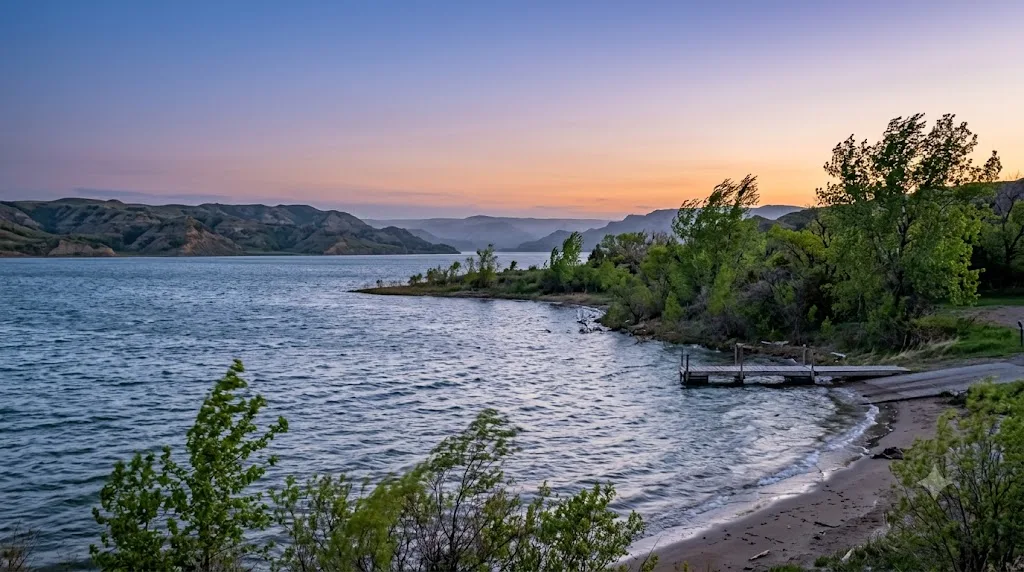
Lewis & Clark State Park Travel Guide — North Dakota
Welcome to our comprehensive guide for Lewis & Clark State Park North Dakota, crafted by the Roam States editorial team. We cut through the generic fluff to bring you confident, specific advice for your adventure. Our Lewis & Clark State Park guide covers practical planning for Lewis & Clark State Park North Dakota — best time to visit, getting there, and what to do on the ground.
Why Visit Lewis & Clark State Park
Lewis & Clark State Park, nestled on the scenic north shore of Lake Sakakawea, is a jewel in North Dakota's crown, offering a compelling mix of outdoor recreation and breathtaking natural beauty. We've found that visitors are consistently drawn to its panoramic views of the expansive lake and the dramatic, rugged badlands that serve as a stunning backdrop.
This park is a prime destination for those seeking to immerse themselves in water-based activities. Lake Sakakawea, one of the largest man-made lakes in the world, provides ample opportunities for boating, fishing, kayaking, and paddleboarding. Anglers, in particular, will appreciate the excellent chances to reel in walleye, sauger, and northern pike.
Beyond the water, the park boasts a rich tapestry of native mixed-grass prairie and unique geological formations, making it a fantastic spot for hiking and wildlife viewing. We often recommend it for its diverse plant communities that attract a variety of bird species, and the chance to spot larger wildlife like mule deer and white-tailed deer.
The historical significance of the area also adds to its allure. The park is named in honor of Meriwether Lewis and William Clark, whose Corps of Discovery expedition camped nearby on April 17, 1805. A trail marker within the park details their historic journey, connecting visitors to a pivotal moment in American exploration.
Who It's Best For
Our team at Roam States believes Lewis & Clark State Park is an ideal destination for a wide array of travelers, thanks to its diverse offerings. It truly shines for:
- Families with Children: With a designated swimming beach, picnic areas, and easy hiking trails, families can enjoy safe and engaging outdoor activities. The opportunity to rent kayaks, canoes, and stand-up paddleboards provides endless fun on the water.
- Water Sports Enthusiasts: If your idea of a perfect getaway involves being on or in the water, this park is for you. Lake Sakakawea is a playground for boating, fishing, and paddling. The park's marina offers slip rentals and boat ramps, ensuring easy access to the lake.
- Hikers and Nature Lovers: The park's unique landscape, featuring rugged badlands and expansive prairies, offers beautiful trails for all skill levels. Birdwatching and observing local wildlife are popular pastimes, providing a serene escape into nature.
- Campers and RVers: With a variety of campsites, from primitive tent sites to full hook-up RV spots, Lewis & Clark State Park caters to all camping preferences. The availability of comfortable camping cabins also offers a more glamping-style experience.
- Those Seeking Tranquility: While offering plenty of activities, the park also provides ample opportunities for quiet relaxation. The expansive views and natural setting are perfect for unwinding and disconnecting.
Whether you're looking for an action-packed adventure or a peaceful lakeside retreat, Lewis & Clark State Park offers the perfect blend for a memorable North Dakota experience.
Getting There & Parking
Understanding how to get to Lewis & Clark State Park is straightforward, though a car is essential for reaching this somewhat remote but rewarding destination. The park is conveniently located approximately 19 to 20 miles east of Williston, North Dakota, a major hub in the region.
By Car: To get to Lewis & Clark State Park from Williston, we recommend taking ND-1804. This route offers scenic views as you approach the park. The roads leading into and within the park are tarred, making for easy driving conditions, even for larger RVs, with no height restrictions to worry about.
Address: 4904 119th Road NW, Epping, ND 58843
Parking: You'll find plenty of parking available throughout the park, designed to accommodate both day-use visitors and campers. There are designated parking areas near the entrance kiosk, the various picnic shelters, the marina, and the fishing access points. Additionally, numerous parking spots are strategically located along the hiking trails, allowing easy access to trailheads.
Entrance Fees: All vehicles entering Lewis & Clark State Park are required to display a valid entrance permit year-round. As of 2026, the daily vehicle entrance fee is $7. If you plan multiple visits or are exploring other North Dakota State Parks, an annual single vehicle permit costs $35, and an annual family permit (for two vehicles in the same household) is $61.25. North Dakota residents aged 65 and older can purchase a senior annual permit for $28. Disabled veterans and former Prisoners of War who are North Dakota residents may be eligible for a free annual lifetime pass. Permits can be purchased online, through the call center (800-807-4723), or at any state park office.
We advise checking the North Dakota Parks and Recreation Department website for the most current fee schedule and any potential changes before your visit. This ensures a smooth entry experience when planning how to get to Lewis & Clark State Park.
Top Things to Do
Lewis & Clark State Park is a hub of activity, offering a diverse range of experiences for every type of outdoor enthusiast. Our team has identified the absolute top things to do at Lewis & Clark State Park, ensuring your visit is packed with adventure and relaxation.
Water Recreation on Lake Sakakawea
The expansive Lake Sakakawea is the park's crown jewel, providing endless opportunities for water-based fun. We highly recommend spending significant time on the lake. Boating is incredibly popular, and the park's modern marina offers slip rentals ranging from 20 to 50 feet, protected by a rock breakwater. You'll also find boat ramps for easy launch and retrieval.
For those who prefer a more intimate experience with the water, kayaks, canoes, and stand-up paddleboards are available for rent during the summer season. Paddling along the shoreline offers unique perspectives of the badlands and opportunities for wildlife spotting. Anglers will be thrilled with the fishing prospects; Lake Sakakawea is renowned for its excellent walleye, sauger, and northern pike populations. A fish cleaning station is conveniently located by the marina.
When the weather is warm, the day-use swimming beach along the east shore of the campground is a perfect spot to cool off and enjoy the lake.
Lewis & Clark State Park Hiking Trails
Exploring the park on foot is one of the most rewarding things to do at Lewis & Clark State Park. The park boasts several well-maintained trails that wind through native mixed-grass prairies, wooded ravines, and offer stunning views of Lake Sakakawea and the surrounding rugged buttes.
- Coteau Trail: Formerly known as the Prairie Nature Trail, this 1.1-mile self-guided nature trail is easily accessible from the trailhead near the park office. It features interpretive stations, petrified wood, and a boardwalk for observing wetland animals. Trail guides are available at the Trader's Bay Visitor's Center.
- Greenhorn Trail: This 1.43-mile trail (formerly the North Trail System) has multiple access points near the campground loops and cabins. It runs parallel to Lake Sakakawea and is open for hiking, mountain biking, and snowshoeing. Keep an ear out for the "meow" of a gray catbird or spot a Lazuli bunting.
- Eskers Trail: The longest of the main trails at 2.6 miles (formerly the South Trail System), this multi-looped route combines Lewis and Clark interpretation with spectacular views of the badlands and Lake Sakakawea. It's excellent for hiking, mountain biking, snowshoeing, and offers great opportunities for birding and butterfly watching.
These Lewis & Clark State Park hiking trails cater to various fitness levels, with some considered easy loops, making them enjoyable for families. During winter, portions of the Greenhorn Trail are groomed for snowshoeing, and snowshoes are available for rent.
Wildlife Viewing and Birding
The diverse ecosystems within Lewis & Clark State Park create a haven for wildlife. We encourage visitors to bring binoculars and keep an eye out for a variety of bird species, including catbirds, robins, and towhees, attracted by the chokecherry trees and buffaloberry shrubs. The trails are also excellent for spotting mule deer, white-tailed deer, porcupines, and ring-necked pheasants. The open areas and native prairie hilltops along trails like Eskers are perfect for butterfly watching.
Picnicking and Day Use
For a more relaxed experience, the park offers several picnic areas and three reservable picnic shelters: Madison and Elk Point (holding 64-96 people each) and the Friends Shelter (holding 128 people). These are perfect for a leisurely lunch amidst nature. To reserve a picnic shelter, contact the park directly at (701) 859-3071.
Seasonal Events
Keep an eye on the North Dakota Parks and Recreation Department's event calendar. For example, in July 2026, Lewis & Clark State Park is hosting a "Colorful Christmas" event, offering a unique twist to a summer visit. These events can add an extra layer of enjoyment to your trip.
Best Time to Visit
The ideal time to visit Lewis & Clark State Park largely depends on the activities you prioritize, as the park offers distinct experiences throughout the year. Our team has outlined the seasonal highlights to help you plan your trip.
Summer (June-August): Summer is undoubtedly the peak season for Lewis & Clark State Park, especially for water recreation. The warm weather makes Lake Sakakawea perfect for swimming, boating, kayaking, and fishing. The marina is fully operational, and equipment rentals are readily available. All hiking trails are accessible, and the vibrant prairie is in full bloom. However, be prepared for larger crowds, especially on weekends, and ensure you book camping or cabin reservations well in advance. Bugs and flies can also be more prevalent during summer months.
Spring (April-May): Spring offers a beautiful transition, with milder temperatures and fewer crowds than summer. It's an excellent time for birdwatching as migratory species return, and the landscape begins to green. Hiking is pleasant before the summer heat sets in. Water levels on Lake Sakakawea are typically rising, and boating facilities become fully operational as the season progresses. We find this a great time for photography and enjoying the park's tranquility before the summer rush.
Fall (September-October): Fall is another fantastic time to visit, especially for those seeking cooler temperatures and stunning scenery. The changing leaves provide a beautiful backdrop for hiking and photography. The fishing remains excellent, and the crowds begin to thin out. Picnicking is particularly beautiful during the fall season when the leaves are beginning to change colors. However, be aware that some park services, such as comfort stations and water hookups in campgrounds, begin to close or are turned off around early October.
Winter (November-March): Lewis & Clark State Park remains open year-round, offering a serene, snow-covered landscape for winter enthusiasts. While water activities are limited, the park becomes a haven for cross-country skiing and snowshoeing. Portions of trails, like the Greenhorn Trail, are groomed for snowshoeing. The Trader's Bay Visitor Center operates on reduced winter hours (9 a.m. to 5 p.m. daily). If you're looking for solitude and a peaceful, snowy escape, winter can be a magical time, but be prepared for cold temperatures and limited services.
For most visitors, we recommend late spring or early fall for a balance of good weather, fewer crowds, and full access to amenities. If water sports are your priority, then summer is your best bet, but plan ahead!
Where to Stay Nearby
When planning your visit to Lewis & Clark State Park, you have several options for Lewis & Clark State Park lodging, ranging from immersive in-park experiences to comfortable accommodations in nearby towns. Our team has evaluated the best choices to suit various preferences.
In-Park Lewis & Clark State Park Lodging: Camping and Cabins
For the most authentic experience, we highly recommend staying within the park itself. Lewis & Clark State Park offers a variety of camping options to suit every style. The campground features 101 campsites for RVers and tent campers.
- Premium Campsites: There are 41 premium sites equipped with electricity, water, and sewer hookups, priced at $30-35 per night.
- Modern Campsites: 47 modern sites offer electricity and water hookups for $25-30 per night.
- Group Campsites: The park has 2 group premium sites (with electricity, sewer, water) and 3 group modern sites (with electricity, water), designed to accommodate multiple units.
- Primitive Campsites: For those who truly want to rough it, 8 primitive campsites are available for $15 per night.
Campsites can be booked 95 days in advance of your desired stay, either online or by calling 800-807-4723. Check-in is at 4:00 p.m., and check-out is at 3:00 p.m. Pets are welcome in campgrounds but must be kept on a leash.
For a step up from traditional camping, Lewis & Clark State Park also offers two seasonal camping cabins, named Scoria and Flint. These one-room cabins are situated next to each other along Lake Sakakawea in the Siltstone Loop campground. They are air-conditioned, include a small refrigerator, and sleep five with one full bed and three twin bunk beds. Priced at $70-85 per night, a two-night minimum stay is required. Note that pets are not allowed in the cabins, and guests should bring their own bedding and towels.
Hotels and Lodging Near Lewis & Clark State Park
If you prefer hotel accommodations, the closest major town is Williston, located about 19-20 miles west of the park. While we haven't found specific hotels directly adjacent to the park, Williston offers a range of options. You'll find various hotel chains and independent lodging choices in Williston, suitable for different budgets and preferences. These provide a comfortable base with amenities like restaurants and shops after a day of exploring Lewis & Clark State Park.
Other nearby towns like Watford City, though a bit further, may also offer additional lodging choices, particularly vacation homes or small inns.
When searching for Lewis & Clark State Park lodging, consider the balance between proximity to the park and the amenities you desire. Booking in advance, especially during the peak summer season, is always recommended.
Sample 2-Day Itinerary
To help you make the most of your visit to Lewis & Clark State Park, our team has crafted a sample 2-day itinerary, balancing adventure with relaxation and ensuring you experience the best of what the park and its surroundings have to offer.
Day 1: Lake Sakakawea Adventures & Scenic Trails
Morning (9:00 AM - 12:00 PM): Water Recreation Start your day by heading straight to the Lewis & Clark State Park marina. Rent a kayak, canoe, or stand-up paddleboard and spend the morning exploring the calm waters of Lake Sakakawea. The views of the badlands from the water are spectacular. If fishing is your passion, grab your gear and try your luck for walleye or northern pike from a boat or the shoreline.
Lunch (12:00 PM - 1:00 PM): Lakeside Picnic Pack a picnic lunch to enjoy at one of the park's scenic picnic areas. The day-use beach is a great spot, offering beautiful views and a chance to relax by the water.
Afternoon (1:00 PM - 4:00 PM): Hiking the Eskers Trail After lunch, hit the trails. We recommend the Eskers Trail, a 2.6-mile multi-looped route that offers a fantastic blend of Lewis and Clark interpretation, native prairie landscapes, and majestic badlands views. Keep an eye out for diverse bird species and butterflies.
Late Afternoon (4:00 PM - 6:00 PM): Park Amenities & Relaxation Head back to your campsite or cabin. Enjoy some downtime, perhaps a swim at the beach if it's summer, or simply relax and take in the serene surroundings. The Trader's Bay Visitor Center is open until 8 p.m. during summer, so you can stop by for souvenirs or to learn more about the park.
Evening (6:00 PM onwards): Campfire & Stargazing Prepare a campfire dinner at your campsite. As dusk settles, enjoy the quiet of the park and, on clear nights, the incredible stargazing opportunities away from city lights.
Day 2: Local History, Wildlife & Farewell Views
Morning (9:00 AM - 12:00 PM): Fort Union Trading Post National Historic Site Venture outside the park to explore some of the rich history of the region. Drive approximately 25 miles southwest of Williston to the Fort Union Trading Post National Historic Site. This reconstructed fort was a major fur trade center in the early 1800s and offers fascinating insights into the interactions between settlers and Plains Indian tribes.
Lunch (12:00 PM - 1:00 PM): Lunch in Williston Head into Williston for lunch. The city offers various dining options, from casual eateries to local favorites.
Afternoon (1:00 PM - 4:00 PM): Missouri-Yellowstone Confluence Interpretive Center & Scenic Drive After lunch, visit the Missouri-Yellowstone Confluence Interpretive Center, where the two mighty rivers meet. This site offers educational exhibits and beautiful views of the confluence. On your way back towards the park, consider a stop at the Lewis and Clark Cut Bluff Overlook for one last panoramic view of the landscape and Lake Sakakawea.
Late Afternoon (4:00 PM - 6:00 PM): Final Park Exploration or Rentals If time allows, return to Lewis & Clark State Park for a final short hike on the Coteau Trail or rent a fat tire bike to explore another section of the park.
Evening: Departure or Extended Stay Depending on your travel plans, you can depart from Lewis & Clark State Park or extend your stay to further enjoy the tranquility and activities. For those interested in exploring more of North Dakota, consider heading towards Theodore Roosevelt National Park for more badlands beauty, or drive a portion of the Enchanted Highway for unique roadside art. For a broader overview of the state's highlights, check out our guide to Best places in North Dakota.
Is It Worth Visiting?
Absolutely, our team confidently asserts that Lewis & Clark State Park is worth visiting. For travelers seeking an authentic North Dakota outdoor experience, this park delivers on multiple fronts, offering a compelling blend of natural beauty, recreational opportunities, and a touch of history.
The park's prime location on Lake Sakakawea provides unparalleled access to water sports, from leisurely kayaking to serious fishing for walleye and northern pike. If you're drawn to the tranquility and adventure that a large, pristine lake offers, then Lewis & Clark State Park is worth visiting for these reasons alone.
Beyond the water, the rugged badlands and expansive mixed-grass prairies create a dramatic landscape that is both beautiful and engaging. The well-maintained hiking and biking trails allow for immersive exploration, offering panoramic views and excellent chances for wildlife viewing. We find that the opportunity to connect with nature in such a diverse environment makes Lewis & Clark State Park worth visiting for nature enthusiasts and photographers alike.
Furthermore, the variety of camping and cabin options within the park caters to different comfort levels, making it accessible for families, RVers, and tent campers. The relatively uncrowded nature of North Dakota's state parks, even during peak season, often provides a more peaceful experience compared to more famous national parks.
While it might not have the dramatic canyons of some western parks, its unique combination of lake recreation, badlands scenery, and historical significance makes Lewis & Clark State Park a truly valuable and memorable destination. We believe anyone looking for an active yet serene escape in North Dakota will find Lewis & Clark State Park worth visiting.
Lewis & Clark State Park Camping
Lewis & Clark State Park offers a variety of camping experiences to suit every preference, from primitive tent sites to full hook-up RV spots. The park features 101 campsites in total, including 41 premium sites with electricity, sewer, and water, and 47 modern sites with electricity and water. There are also group sites and 8 primitive sites available. Campsites can be reserved up to 95 days in advance online or by phone at 800-807-4723. Check-in is at 4:00 p.m., and check-out is at 3:00 p.m. Pets are welcome in the campgrounds but must be leashed.
Things to Do in Williston
Williston, located about 19-20 miles west of Lewis & Clark State Park, serves as a great base for stocking up on supplies and exploring local attractions. We recommend visiting the Williston Area Recreation Center, which boasts an indoor water park and golf simulator, perfect for family fun. History buffs will appreciate the Fort Union Trading Post National Historic Site and the Missouri-Yellowstone Confluence Interpretive Center. The city also hosts events like "Summer Nights on Main" and "Main Street Market" during the summer months.
Lewis & Clark State Park with Kids
Lewis & Clark State Park is an excellent destination for families with kids. The designated swimming beach on Lake Sakakawea provides a safe place to play, and the calm waters are ideal for introductory kayaking, canoeing, or stand-up paddleboarding, with rentals available. Easy hiking trails like the Coteau Trail offer engaging nature walks with interpretive stations. Picnic areas are perfect for family meals, and the open spaces provide plenty of room for children to play. Keep an eye out for park-hosted events, such as the "Colorful Christmas" in July 2026, which are often family-friendly.
Best Hotels Near Lewis & Clark State Park
While there are no hotels directly within Lewis & Clark State Park, the closest and most convenient options for lodging can be found in Williston, approximately 19-20 miles away. Williston offers a range of hotel chains and independent accommodations to suit various budgets and preferences. For a unique in-park experience, the park's two seasonal camping cabins, Scoria and Flint, provide air-conditioned, one-room lodging that sleeps five, complete with a small refrigerator. These cabins require a two-night minimum stay and are a popular choice for those wanting to stay close to the action.
Lewis & Clark State Park Tips
To ensure a smooth and enjoyable visit to Lewis & Clark State Park, our team offers these essential tips: Book your campsites or cabins 95 days in advance, especially for summer visits, as they fill up quickly. Bring insect repellent, particularly during warmer months, as bugs can be present. Pack layers of clothing, as North Dakota weather can change rapidly. Don't forget your fishing license if you plan to cast a line. Check the North Dakota Parks and Recreation Department website for current conditions, events, and any potential closures before you go, especially regarding water levels for boating facilities.
Where to Stay Near Lewis & Clark State Park
Beyond the excellent camping and cabin options available directly within Lewis & Clark State Park, the primary hub for off-site lodging is the city of Williston, located about 19-20 miles to the west. Here, you'll find a variety of hotels, motels, and extended-stay options. For those seeking a more secluded or unique stay, consider looking for vacation rentals or cabins in the wider Lake Sakakawea region or in slightly more distant towns like Watford City. Always book your accommodations in advance, particularly if traveling during peak season or for specific events.
Our team's verdict is clear: Lewis & Clark State Park offers an unparalleled North Dakota experience. Its stunning natural setting, combined with abundant recreational opportunities and well-maintained facilities, makes it a must-visit destination. Whether you're casting a line into Lake Sakakawea, traversing the badlands trails, or simply soaking in the panoramic views, this park promises a memorable escape into the heart of the American West.
Last updated: 2026-07-08 by the Roam States team.