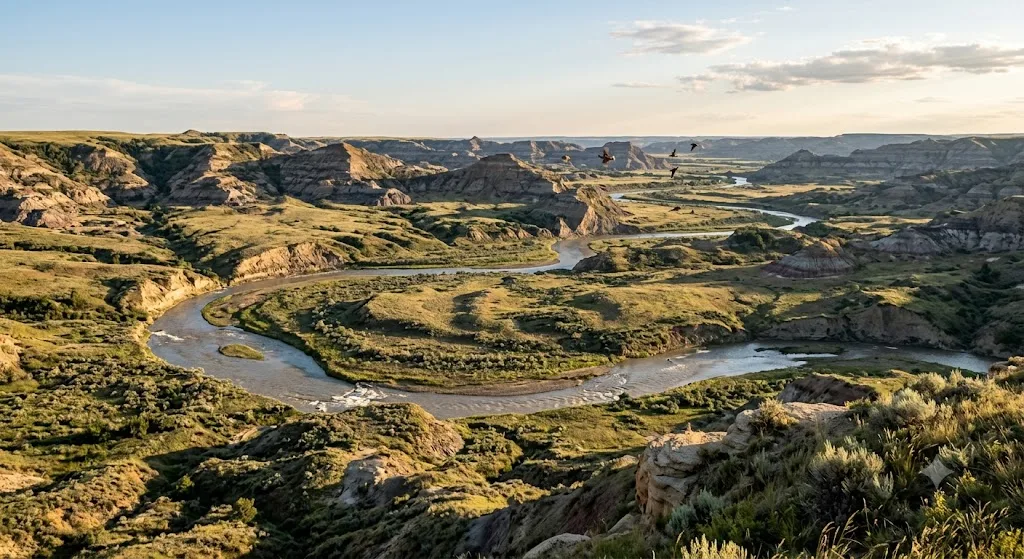
Our Little Missouri National Grassland guide covers practical planning for Little Missouri National Grassland North Dakota — best time to visit, getting there, and what to do on the ground.
The Little Missouri National Grassland North Dakota is a sprawling expanse of rugged badlands, rolling prairies, and diverse ecosystems, managed by the U.S. Forest Service. Covering over one million acres across western North Dakota, it's a place where the wild West still feels tangible, offering an escape into nature that's both challenging and profoundly rewarding. Our team has explored many of America's wild spaces, and we can confidently say that the Little Missouri National Grassland stands out as a unique destination for those seeking solitude, adventure, and an intimate connection with the land.
Why Visit Little Missouri National Grassland
If you're wondering, "Is Little Missouri National Grassland worth visiting?" our answer is an emphatic yes. This vast national grassland offers an unparalleled opportunity to immerse yourself in the dramatic beauty of North Dakota's badlands without the crowds often found in more well-known national parks. Here, the landscape itself is the main attraction – a mesmerizing tapestry of buttes, coulees, and plateaus carved by centuries of wind and water erosion. We find that its sheer scale and raw beauty are deeply inspiring, providing a sense of freedom and discovery that's increasingly rare.
Beyond the breathtaking scenery, the Little Missouri National Grassland is a haven for wildlife. We've encountered herds of wild horses, bison, pronghorn, and a myriad of bird species, making every outing an exciting prospect for wildlife viewing. The quiet solitude allows for incredible opportunities to observe these animals in their natural habitat, often without another soul in sight. It’s an experience that truly connects you to the untamed spirit of the American West. The lack of extensive development means the night skies here are also incredibly dark, offering spectacular stargazing opportunities that will leave you awestruck.
For those who appreciate the quiet grandeur of nature and the chance to explore at their own pace, the Little Missouri National Grassland provides an authentic and unforgettable adventure. It’s a place where you can truly disconnect and rediscover the simple joys of the outdoors.
Who It's Best For
The Little Missouri National Grassland is ideal for independent travelers, outdoor enthusiasts, and anyone seeking a genuine wilderness experience. It's particularly well-suited for:
- **Hikers and Backpackers:** With countless miles of trails and open country, it's a paradise for those who love to explore on foot.
- **Wildlife Photographers and Enthusiasts:** The abundant and diverse wildlife offers incredible photographic opportunities and memorable viewing experiences.
- **Campers and RVers:** Dispersed camping is widely available, offering true solitude under the stars.
- **Equestrian Riders:** Many trails and open areas are perfect for horseback riding, allowing you to experience the badlands like early explorers.
- **Families with Older Children:** While younger children might find some activities challenging, older kids and teenagers will appreciate the adventure and natural beauty.
- **Those Seeking Solitude:** Unlike national parks, the grassland rarely feels crowded, even during peak seasons, making it perfect for quiet contemplation.
If you prefer paved paths, guided tours, and extensive visitor amenities, this might not be your ideal destination. But if you're ready to embrace self-reliance and the raw beauty of nature, the Little Missouri National Grassland will exceed your expectations. We often recommend it as a complementary visit to nearby Theodore Roosevelt National Park for a broader understanding of the region's unique landscape.
How to Get There
Reaching the Little Missouri National Grassland requires a bit of planning, as it's a vast and somewhat remote area. The grassland is divided into several units, primarily surrounding Theodore Roosevelt National Park. The nearest major towns that serve as good jumping-off points are Medora to the south and Watford City to the north.
For most visitors, driving is the primary mode of transportation. The grassland is accessible via a network of paved and unpaved roads. Interstate 94 runs along the southern edge, making the southern units, particularly those near Medora, relatively easy to access. State Highways 85 and 200 also traverse sections of the grassland, providing access to central and northern areas.
From the South (Medora Area): If you're approaching from the south, Medora, North Dakota, is your best bet. It sits right on I-94 and is the gateway to the South Unit of Theodore Roosevelt National Park, which is surrounded by the Little Missouri National Grassland. From Medora, you can access various points within the grassland via local county roads and gravel routes. We always recommend consulting a detailed map, such as those provided by the U.S. Forest Service, before heading out, especially onto unpaved roads.
From the North (Watford City Area): Watford City, located north of the North Unit of Theodore Roosevelt National Park, provides access to the northern sections of the grassland. Highways 85 and 200 are key routes here. Again, be prepared for gravel and dirt roads once you leave the main highways.
Parking: Parking within the Little Missouri National Grassland is generally informal. There are no designated large parking lots like in national parks. Instead, you'll find pull-offs along gravel roads, small clearings near trailheads (often unmarked), and areas suitable for dispersed camping where you can park your vehicle. We advise parking safely off the main thoroughfare, ensuring you don't block any gates or private access points. Always be mindful of weather conditions; unpaved roads can become impassable after rain or snow. There are no specific parking fees for accessing the grassland itself.
Reservations: As a national grassland, there are generally no entrance fees or reservations required to access the Little Missouri National Grassland itself. However, if you plan to camp in developed campgrounds within or adjacent to the grassland (such as those in Theodore Roosevelt National Park), reservations might be necessary, especially during peak season. For dispersed camping within the grassland, no reservations are needed. We always recommend checking the U.S. Forest Service website for the Dakota Prairie Grasslands for the most current information regarding any potential changes or specific area restrictions for 2026.
Top Things to Do
The Little Missouri National Grassland offers a wealth of activities for those eager to explore its rugged beauty. Our team consistently finds new adventures here, from challenging hikes to serene wildlife encounters. Here are some of the top things to do at Little Missouri National Grassland:
Explore the Maah Daah Hey Trail: This iconic non-motorized trail stretches for 144 miles through the heart of the badlands, offering breathtaking views and a truly immersive experience. It's a world-class trail for mountain biking, hiking, and horseback riding. We've tackled sections of it and can attest to its challenging yet rewarding nature. Along the Maah Daah Hey Trail, you'll traverse diverse terrain, including buttes, canyons, and prairie, with opportunities to spot bison, wild horses, and other wildlife. Access points are available at various locations, including near Medora and the North Unit of Theodore Roosevelt National Park. For detailed maps and current conditions, check the Maah Daah Hey Trail Association website.
Little Missouri National Grassland Hiking Trails: Beyond the Maah Daah Hey, the grassland offers numerous other opportunities for hiking. While many trails are unmarked or simply game trails, several designated routes provide excellent exploration. Popular options include the Buffalo Gap Trail, which connects to the Maah Daah Hey, and various loops within areas like the Burning Coal Vein. These Little Missouri National Grassland hiking trails range from easy strolls to strenuous climbs, catering to all fitness levels. Always carry plenty of water, a map, and be aware of weather changes. We particularly enjoy the solitude found on these less-trafficked paths, allowing for a deeper connection with the landscape. Remember that many trails are multi-use, so be prepared to share them with mountain bikers and horseback riders.
Wildlife Viewing: The grassland is a vibrant ecosystem teeming with life. Keep your eyes peeled for bison, wild horses, pronghorn, mule deer, and a variety of bird species, including golden eagles and sharp-tailed grouse. Early mornings and late evenings are often the best times for spotting wildlife. We recommend bringing binoculars and a telephoto lens for the best viewing and photography opportunities. Respect wildlife by maintaining a safe distance and never disturbing their natural behaviors.
Dispersed Camping: One of the greatest freedoms offered by the Little Missouri National Grassland is the opportunity for dispersed camping. You can set up camp almost anywhere, as long as you are at least 200 feet from roads, water sources, and developed areas, and follow Leave No Trace principles. This allows for incredible solitude and unparalleled stargazing. There are no fees or reservations required for dispersed camping. We always advise checking for fire restrictions before lighting any campfires, especially during dry periods, and packing out everything you pack in.
Scenic Drives: While many roads are unpaved, several scenic drives offer stunning views of the badlands. The Magpie Campground Scenic Backway, for example, provides access to picturesque areas and overlooks. Take your time, pull over frequently, and soak in the expansive vistas. Remember that cell service can be spotty, so download offline maps before you go.
Horseback Riding: For equestrians, the Little Missouri National Grassland is a dream come true. The vast open spaces and extensive trail network, including the Maah Daah Hey, are perfect for exploring on horseback. Several outfitters in the region offer guided rides if you don't have your own horse.
When considering things to do at Little Missouri National Grassland, remember that the experience is largely self-directed. Embrace the freedom and be prepared to navigate independently.
Best Time to Visit
Choosing the best time to visit the Little Missouri National Grassland significantly impacts your experience. Our team has visited during various seasons, and each offers a distinct flavor of the badlands.
-
Spring (April to early June): We consider spring one of the best times to visit. The weather is generally mild, wildflowers begin to bloom, and the landscape turns a vibrant green before the summer heat sets in. Wildlife is often more active and visible as they emerge from winter. However, spring can also bring unpredictable weather, including late snowfalls and heavy rains, which can make unpaved roads muddy and impassable. Be prepared for all conditions.
-
Summer (Mid-June to August): Summer is popular, especially for those who enjoy warm weather. Days are long, perfect for extended hikes and outdoor activities. However, temperatures can soar, often exceeding 90°F (32°C), and thunderstorms are common. This is also peak season, so while the grassland rarely feels crowded, you might encounter more visitors near popular trailheads or campgrounds. Hydration is critical during summer visits.
-
Fall (September to October): Fall is another excellent time to visit, and arguably our favorite. The scorching summer heat subsides, and the weather becomes crisp and pleasant. The grasses turn golden, creating a stunning contrast with the badlands formations. Wildlife is often more active as they prepare for winter. Like spring, fall weather can be unpredictable, with early snowfalls possible in late October. The cooler temperatures make for very comfortable hiking and camping.
-
Winter (November to March): Winter in the Little Missouri National Grassland is starkly beautiful but also challenging. Heavy snows and extreme cold are common, and many unpaved roads may be closed or impassable. Services in nearby towns may also be limited. This season is best for experienced winter campers and those seeking extreme solitude, but we generally advise against it for casual visitors due to the harsh conditions.
Ultimately, we recommend late spring or early fall for the most comfortable weather and best overall experience. Always check the local weather forecast and road conditions before your trip, regardless of the season.
Little Missouri National Grassland Lodging
When planning your trip to the Little Missouri National Grassland, understanding your lodging options is key. Unlike national parks, developed lodging within the grassland itself is minimal. The primary options for Little Missouri National Grassland lodging involve camping or staying in nearby towns. Our team typically opts for a mix, depending on the length and style of our trip.
Camping within the Grassland:
-
Dispersed Camping: As mentioned, dispersed camping is a highlight of the Little Missouri National Grassland. It's free, requires no reservations, and offers unparalleled solitude. You can camp almost anywhere, provided you are 200 feet from roads and water sources and adhere to Leave No Trace principles. This is our preferred method for truly immersing ourselves in the badlands. Be self-sufficient, as there are no facilities (water, restrooms, trash) at dispersed sites.
-
Developed Campgrounds: While rare directly within the grassland, a few developed campgrounds exist in adjacent areas. The U.S. Forest Service manages a few primitive campgrounds like the Buffalo Gap Campground and the Magpie Campground, which offer basic amenities like vault toilets and picnic tables, but no hookups. Fees may apply for these sites, and they are typically first-come, first-served. For more amenities, consider campgrounds within Theodore Roosevelt National Park, such as Cottonwood Campground (South Unit) or Juniper Campground (North Unit), which often require reservations, especially in 2026.
Hotels and Motels in Nearby Towns:
For those preferring a bed and hot shower, nearby towns offer a range of hotel and motel options. These towns serve as excellent bases for day trips into the grassland.
-
Medora: This charming, historic town is the most popular gateway to the southern part of the grassland and Theodore Roosevelt National Park. Medora offers a variety of hotels, motels, and even a historic lodge. Options range from budget-friendly to more upscale. We often stay in Medora when we want easy access to park amenities and the Medora Musical.
-
Watford City: Located north of the North Unit of Theodore Roosevelt National Park, Watford City is a larger town with more modern hotel chains, restaurants, and services. It's a convenient base for exploring the northern sections of the Little Missouri National Grassland. You'll find a good selection of contemporary hotels here, often catering to business travelers but welcoming to tourists.
-
Dickinson: A larger city located further east on I-94, Dickinson offers the widest range of accommodations, dining, and shopping. It's about an hour's drive from Medora, making it a viable option if you prefer more amenities and don't mind the commute to the grassland.
When considering Little Missouri National Grassland lodging, we recommend booking accommodations in Medora or Watford City well in advance, especially during the peak summer months of 2026, as options can fill up quickly.
Sample 2-Day Itinerary
To truly experience the Little Missouri National Grassland, we recommend at least two full days. This itinerary focuses on the southern portion, easily accessible from Medora, and provides a taste of the grassland's diverse offerings.
Day 1: Badlands Exploration & Maah Daah Hey Adventure
-
Morning (8:00 AM - 12:00 PM): Start your day with an early breakfast in Medora. Head south from Medora on East River Road (which turns into a gravel road) to access the southern sections of the Little Missouri National Grassland. Our team often begins with a hike on a section of the Maah Daah Hey Trail. Consider the section accessible from the Buffalo Gap Trailhead, offering stunning views of the badlands and opportunities for wildlife spotting. Plan for a 3-4 hour hike, carrying plenty of water and snacks.
-
Lunch (12:00 PM - 1:00 PM): Enjoy a packed lunch amidst the badlands scenery. Find a scenic pull-off or a quiet spot along the trail for a picnic.
-
Afternoon (1:00 PM - 5:00 PM): Continue your exploration with a scenic drive through the grassland. Follow gravel roads like the one leading towards the Burning Coal Vein area (check for road conditions first). This area offers unique geological formations and shorter hiking opportunities. Keep an eye out for wild horses and bison herds that often roam freely.
-
Evening (5:00 PM onwards): Return to Medora for dinner. If you're camping, find a dispersed campsite within the grassland before sunset and enjoy a quiet evening under the vast prairie sky. Remember to set up camp well before dark.
Day 2: Wildlife & Scenic Vistas
-
Morning (8:00 AM - 12:00 PM): Dedicate your morning to further wildlife viewing and photography. Head to a different section of the grassland, perhaps exploring areas accessible via Highway 85 north of Medora, or venturing into the western portions of the South Unit of Theodore Roosevelt National Park which is surrounded by the grassland. The key is to drive slowly on gravel roads and use binoculars to scan the landscape for animals. We find that patience is key for spotting elusive wildlife.
-
Lunch (12:00 PM - 1:00 PM): Grab lunch in Medora or pack another picnic to enjoy at a scenic overlook.
-
Afternoon (1:00 PM - 5:00 PM): Explore the western edge of the grassland, perhaps driving towards the town of Sentinel Butte for panoramic views from the highest point in North Dakota. Alternatively, spend the afternoon revisiting a favorite spot or trying a new, shorter hike to soak in the last moments of the badlands. This is also a good time to visit the nearby Theodore Roosevelt National Park for a different perspective on the badlands landscape, if you haven't already.
-
Evening (5:00 PM onwards): Enjoy a final dinner in Medora or prepare a campfire meal if camping. Reflect on the solitude and beauty of the Little Missouri National Grassland. Consider catching the sunset from a high vantage point for a truly memorable end to your trip.
This itinerary is flexible. Feel free to adjust it based on your interests, fitness level, and the specific areas of the Little Missouri National Grassland you wish to explore. Always carry plenty of water, food, and navigational tools, as services are scarce within the grassland itself. For more North Dakota adventures, consider extending your trip to include the Enchanted Highway.
Our Expert Verdict on Little Missouri National Grassland North Dakota
The Little Missouri National Grassland North Dakota is not just another destination; it's an experience. Our team at Roam States believes it offers one of the most authentic and rewarding wilderness adventures in the United States. It challenges you to be self-reliant, rewards you with unparalleled natural beauty, and leaves you with a profound appreciation for the rugged spirit of the badlands. We highly recommend it for anyone seeking to escape the ordinary and embrace the extraordinary. For more North Dakota travel ideas, check out our comprehensive guide to Best Places in North Dakota.
FAQ:
Little Missouri National Grassland camping
Little Missouri National Grassland camping primarily consists of dispersed camping, which is free and requires no reservations. You can set up camp almost anywhere within the grassland, provided you are at least 200 feet from roads, water sources, and developed areas, and follow Leave No Trace principles. There are also a few primitive U.S. Forest Service campgrounds with basic amenities, and developed campgrounds are available in adjacent Theodore Roosevelt National Park, which may require fees and reservations for 2026.
Things to do in Western ND
Western North Dakota offers a wealth of activities beyond the Little Missouri National Grassland. Top things to do include exploring Theodore Roosevelt National Park, driving the scenic Enchanted Highway, experiencing the Medora Musical, visiting the National Buffalo Museum in Jamestown (a bit further east but a key attraction), and enjoying outdoor recreation like hiking, mountain biking, and wildlife viewing throughout the badlands. For a broader overview, our team has compiled a guide to Best Places in North Dakota.
Little Missouri National Grassland with kids
Visiting Little Missouri National Grassland with kids can be a fantastic adventure, especially for older children who appreciate hiking, wildlife, and the rugged outdoors. We recommend focusing on shorter, accessible hikes, engaging them in wildlife spotting (binoculars are a must!), and enjoying dispersed camping for a unique family experience. The lack of extensive facilities means parents should be prepared for self-sufficiency, but the open spaces provide ample room for exploration and imagination. Consider combining it with a visit to nearby Theodore Roosevelt National Park for more kid-friendly amenities and ranger programs.
Best hotels near Little Missouri National Grassland
The best hotels near Little Missouri National Grassland are found in the gateway towns of Medora and Watford City. Medora, adjacent to the southern unit, offers charming historic hotels and motels. Watford City, near the northern unit, provides more modern hotel chains. For a wider selection of amenities and services, Dickinson, located further east on I-94, is also an option, though it requires a longer drive to the grassland. We advise booking in advance, especially during peak season in 2026.
Little Missouri National Grassland tips
Our top Little Missouri National Grassland tips include: always carry plenty of water, a detailed map (and offline maps on your phone), and a compass; inform someone of your itinerary, especially if hiking or camping remotely; be prepared for rapidly changing weather conditions; check for fire restrictions before any campfires; practice Leave No Trace principles rigorously; and be aware of wildlife, maintaining a safe distance. Cell service is often unreliable, so don't depend on it for navigation or emergencies. Embrace the solitude and self-reliance this unique landscape demands.
Where to stay near Little Missouri National Grassland
For those wondering where to stay near Little Missouri National Grassland, options include dispersed camping directly within the grassland for a true wilderness experience, or staying in developed campgrounds like those in Theodore Roosevelt National Park. For traditional lodging, the towns of Medora (south) and Watford City (north) offer hotels and motels, serving as convenient bases for exploring. Dickinson, further east, provides more extensive hotel choices. Our team typically recommends Medora for its proximity and charm when not camping.
Last updated: 2026-07-08 by the Roam States team.