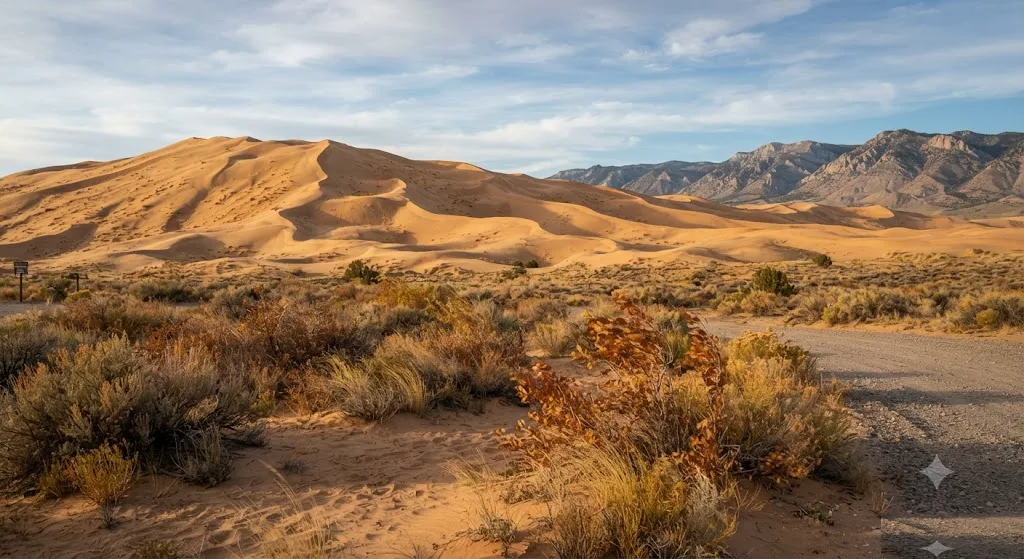
Our Little Sahara Recreation Area guide covers practical planning for Little Sahara Recreation Area Utah — best time to visit, getting there, and what to do on the ground.
Little Sahara Recreation Area Travel Guide — Utah
For those who crave the thrill of wide-open spaces and the unique challenge of a desert playground, Little Sahara Recreation Area Utah is an unparalleled destination. We're talking about 60,000 acres of dynamic sand dunes, sagebrush flats, and juniper-covered hills that invite adventurers of all stripes to explore, play, and unwind. Managed by the Bureau of Land Management (BLM), this expansive area in central Utah’s Sevier Desert offers a distinct experience far removed from the state's more famous red rock landscapes or snowy peaks. Our team at Roam States has put together this comprehensive guide to ensure your visit is as epic and seamless as possible, providing all the essential 2026 facts you need for planning.
Why Visit Little Sahara Recreation Area
Why should Little Sahara Recreation Area be on your Utah itinerary? Simply put, it's a world unto itself. Imagine a vast, shifting landscape reminiscent of a miniature Sahara Desert, right here in the Great Basin. This geological marvel was formed over thousands of years by strong prevailing winds that picked up sand deposits from the ancient Lake Bonneville, which receded some 15,000 years ago. These winds then pushed the sand against the formidable Sand Mountain, creating dunes that can reach up to 700 feet high and continue to move an average of 18 inches annually.
The sheer scale and diversity of the terrain are what truly set Little Sahara apart. With 60,000 acres (or approximately 124 square miles) of open riding and exploration, it’s Utah's premier off-highway vehicle (OHV) area, but it’s far more than just a haven for motorized recreation. Whether you’re an adrenaline junkie looking to conquer Sand Mountain, a family seeking a unique camping experience under a blanket of stars, or a nature enthusiast hoping to spot wildlife in a tranquil, vehicle-free zone, Little Sahara delivers. It offers a raw, untamed beauty that stands in stark contrast to the manicured parks and bustling cities, providing a genuine escape into the wild heart of Utah. The sunsets here, painting the dunes in hues of orange and purple, are truly unforgettable, offering a peaceful close to a day of exhilarating adventure.
Who It's Best For
Little Sahara Recreation Area caters to a surprisingly diverse crowd, making it a versatile destination for many types of travelers. Primarily, it's a mecca for **off-highway vehicle (OHV) enthusiasts**. If you own an ATV, dirt bike, UTV, or sand rail, this is your playground. The area's vastness and varied terrain, from gentle slopes for beginners to the challenging 700-foot ascent of Sand Mountain for experts, mean there's a ride for every skill level.
Beyond the roar of engines, Little Sahara is also fantastic for **families with kids**. The White Sands Campground and Jericho Picnic Area both feature fenced sand play areas where children can safely dig, build sandcastles, and run freely without the worry of vehicles. Camping here offers a memorable outdoor experience, and the wide-open spaces provide plenty of room for kids to burn off energy. For those seeking unique thrills, **sandboarders and sand skiers** will find Sand Mountain an irresistible challenge, offering a novel way to glide down the dunes.
**Nature lovers and photographers** will also appreciate the Rockwell Wilderness Study Area, a 9,000-acre vehicle-free zone dedicated to preserving undisturbed desert ecology. Here, you can hike, birdwatch, and capture stunning landscapes of rolling dunes, junipers, and sagebrush, often spotting mule deer and great horned owls. Even **fat biking** has found a home here, with wide tires allowing riders to float across the soft sand where traditional mountain bikes would sink. Essentially, if you're looking for an active outdoor adventure, a unique camping spot, or simply a place to experience Utah's wild side, Little Sahara Recreation Area offers something special.
How to Get There & Parking
Understanding how to get to Little Sahara Recreation Area is crucial, as it’s nestled in a relatively remote part of central Utah. The recreation area is approximately 115 miles from Salt Lake City, a drive that typically takes less than two hours via Nephi. For those traveling from the west, you can reach Little Sahara by taking SR 132 from Nephi for about 31 miles, then turning onto Juab County Route 1812. If you're approaching from the south, US-6 will lead you there, with Eureka being about 18 miles away and Delta about 34 miles away.
The main entrance road to Little Sahara is located 4 miles west of Jericho Junction. This paved road leads directly to the visitor center and then the entrance station. Once inside, the primary access roads and campground roads are paved, making navigation relatively straightforward.
Regarding parking, Little Sahara Recreation Area offers ample options. The Visitor Center itself has a paved parking lot, including accessible spots. Within the four developed campgrounds—Oasis, White Sands, Jericho, and Sand Mountain—you'll find paved pads for RVs and trailers, as well as designated tent spaces. Sand Mountain, a popular staging area, features three paved parking loops. For those opting for dispersed camping outside of the developed campgrounds, parking is permitted throughout the Little Sahara Recreation Area, provided you follow "Leave No Trace" principles. On busy holiday weekends, especially Easter, Memorial Day, and Labor Day, the area can see upwards of 20,000 visitors, so arriving early is always a good strategy to secure your preferred spot.
Top Things to Do
The array of things to do at Little Sahara Recreation Area is as vast and varied as its dunes. Whether you're an adrenaline seeker or prefer a more tranquil desert experience, our team has found something for everyone.
Off-Highway Vehicle (OHV) Riding
The undisputed king of activities here is OHV riding. Little Sahara is a premier destination for ATVs, dirt bikes, UTVs, and sand rails, with approximately 23,000 acres of sand dunes available for motorized use. For **beginners**, the low-lying, less crowded dunes southwest of Black Mountain offer an ideal starting point. The White Sand Dunes at the northern end of the recreation area also provide easy access and a variety of bowls suitable for all skill levels. **Advanced riders** will gravitate towards the iconic Sand Mountain, a formidable 700-foot wall of sand that challenges both machine and rider with its steep climbs. Beyond the dunes, the Black Mountain area features a network of dirt trails, perfect for traditional OHV trail riding through rugged desert terrain. Remember, whip flags are mandatory for safety in the sand dune areas, and helmets are required for riders under 18.
Sandboarding and Sand Skiing
For a unique thrill, try sandboarding or sand skiing down the slopes of Sand Mountain. It’s an exhilarating experience that offers a different perspective of the dunes.
Fat Biking
The wide tires of fat bikes allow them to float across the soft sand, opening up a new way to explore the dunes. It's a growing sport and a fantastic way to get a workout while enjoying the unique landscape.
Hiking, Birdwatching, and Photography
When you're ready to slow down, the 9,000-acre Rockwell Wilderness Study Area offers a peaceful, vehicle-free alternative. This undisturbed sanctuary is perfect for hiking, birdwatching, and photography, boasting rolling dunes, scattered Utah junipers, sagebrush, and native grasses. Keep an eye out for diverse wildlife, including mule deer and great horned owls.
Children's Sand Play Areas
Families with younger children will appreciate the dedicated sand play areas. The White Sands Campground and the Jericho Picnic Area both feature fenced spaces where kids can play safely in the sand, away from motorized vehicles.
Camping and Stargazing
With four developed campgrounds and options for dispersed camping, spending a night under the vast desert sky is a must. The clear, dark nights at Little Sahara offer incredible opportunities for stargazing, far from city lights.
Things to Do in Eureka
While Little Sahara Recreation Area is the main draw, the nearby historic mining town of Eureka offers a glimpse into Utah's past and a few additional things to do. We recommend visiting the **Tintic Mining Museum** to learn about the region's rich mining history. You can also explore the **Tintic Motorcycle Works and Museum**, which offers a different kind of historical insight. If your visit aligns with mid-August, don't miss the **Tintic Silver Jubilee**, scheduled for Friday, August 14th, and Saturday, August 15th, in 2026. This long-standing tradition features a mammoth parade, a car show, live entertainment, contests, and fireworks, providing a classic small-town Americana experience.
Best Time to Visit
Choosing the best time to visit Little Sahara Recreation Area can significantly impact your experience. The recreation area is open year-round, but conditions vary greatly by season.
**Spring (March to May) and Fall (September to November)** are generally considered the ideal times to visit. During these seasons, temperatures are milder, making outdoor activities like OHV riding, hiking, and camping much more comfortable. The sand can get incredibly hot during the day, especially in summer, so cooler temperatures are a definite advantage.
However, be aware that **holiday weekends** such as Easter, Memorial Day, and Labor Day are exceptionally popular. Little Sahara can attract over 20,000 visitors during these peak times, leading to large crowds and a bustling atmosphere. If you prefer a quieter experience, we strongly recommend visiting during **weekdays** or on non-holiday weekends.
**Summer (June to August)** brings very hot temperatures, often exceeding 90°F and even reaching 100°F or more. While still open, summer visits require careful planning to avoid the midday heat, with early mornings and late evenings being the best times for strenuous activities. Hydration is paramount. The Visitor Center is typically closed for the summer, reopening in the fall, so plan accordingly for information and amenities.
**Winter (December to February)** offers a unique and often peaceful experience, with fewer crowds. Temperatures can be cold, and snow is possible, which can transform the dunes into a starkly beautiful, quiet landscape. While OHV riding is still possible, some facilities like flush toilets may be switched to vault toilets.
Special events also draw crowds. For 2026, the **UTV Invasion** is scheduled for May 28-30 at Little Sahara / Sand Mountain. This major event brings drag racing, Sand X competitions, poker runs, and a large vendor row, making it a vibrant but very busy time to visit if you're an OHV enthusiast.
In summary, for the best balance of pleasant weather and manageable crowds, aim for spring or fall, and consider a weekday visit if possible.
Where to Stay Nearby
When planning your trip to Little Sahara Recreation Area, you have a few excellent options for lodging, ranging from immersive camping within the dunes to comfortable hotels in nearby towns. Our team recommends considering both for the full experience.
Camping at Little Sahara Recreation Area
The most authentic way to experience Little Sahara is by camping directly within the recreation area. The BLM maintains four developed campgrounds, offering a total of 255 improved campsites, and dispersed camping is also permitted outside these designated areas. Camping is first-come, first-served, so no reservations are needed, but it’s wise to arrive early on busy weekends. The entrance fee of $18 per vehicle per night covers the cost of camping.
- Oasis Campground: This is the most developed campground, located approximately 4 miles southwest of the Visitor Center. It features paved pads suitable for RVs and motorhomes, an RV dump station, drinking water, and flush toilets (vault toilets in winter). Its ready access to the dunes makes it very popular with families.
- White Sands Campground: Situated among juniper trees and offering immediate access to the dunes, White Sands is considered the most picturesque. It has 100 sites, flush toilets (vault in winter), drinking water, and a fenced play area for children.
- Jericho Campground and Picnic Area: Originally a picnic area, Jericho now serves as an overflow camping spot and is excellent for large groups. Located about 4 miles southwest of the Visitor Center, it offers 40 picnic tables with shade ramadas, paved parking, flush toilets (vault in winter), drinking water, and an amphitheater, plus a fenced sand play area.
- Sand Mountain Campground: This is the most primitive of the developed sites and serves as a primary staging area for those who want to be right in the heart of the dune action, especially on popular holiday weekends. It features three paved parking loops, vault toilets, and drinking water.
All campgrounds provide drinking water and restrooms, with flush toilets available during warmer months and vault toilets year-round. Dispersed camping offers a more rugged experience; just remember to follow "Leave No Trace" principles.
Hotels and Lodging Near Little Sahara Recreation Area
If camping isn't your style, or if you prefer a bed and hot shower after a day on the dunes, nearby towns offer various Little Sahara Recreation Area lodging options. The closest major town with a good selection of hotels is **Nephi**, located about 35 minutes east of Little Sahara. Here, you can find familiar hotel chains like the Best Western Paradise Inn (which offers a free daily breakfast and an indoor pool) and the Holiday Inn Express & Suites Nephi by IHG. Other options include Super 8 by Wyndham Nephi, Motel 6 Nephi, UT, and Economy Inn & Suites, along with various local rentals and charming barn stays.
**Eureka**, a historic mining town about 18 miles south of Little Sahara, also offers some unique lodging, such as the Eureka Main Street Retreat. While options are more limited here, it provides a quaint, small-town atmosphere. Remember to stock up on supplies in these towns before heading to the recreation area, as services are limited in the immediate vicinity.
Sample 2-Day Itinerary
To help you make the most of your adventure at Little Sahara Recreation Area, our team has crafted a sample 2-day itinerary, balancing thrilling activities with opportunities for relaxation and exploration.
Day 1: Dune Thrills and Desert Sunsets
- Morning (9:00 AM - 1:00 PM): OHV Adventure & Sand Mountain Challenge
Arrive early to beat the heat and the crowds. Head straight to the heart of the action: Sand Mountain. If you have your own OHV, gear up and tackle the impressive 700-foot climb. For beginners, the White Sand Dunes area offers gentler slopes and bowls to get comfortable. Spend the morning riding the vast dunes, enjoying the freedom and exhilaration of the open sand. Remember to have your whip flag and appropriate safety gear.
- Lunch (1:00 PM - 2:00 PM): Picnic in the Dunes
Pack a picnic lunch and find a scenic spot amidst the dunes. The Jericho Picnic Area offers shaded ramadas and facilities, or you can find a secluded dune for a more private meal.
- Afternoon (2:00 PM - 5:00 PM): Sandboarding or Fat Biking
After lunch, try a different kind of dune activity. Rent or bring your own sandboard or sand skis and carve down the slopes of Sand Mountain. Alternatively, explore the softer sands on a fat bike, a unique way to traverse the landscape.
- Late Afternoon/Evening (5:00 PM onwards): Camping & Stargazing
Set up camp at one of the developed campgrounds like Oasis or White Sands. Enjoy dinner cooked over a campfire (where permitted) and watch the spectacular desert sunset paint the sky. As night falls, prepare for an incredible stargazing experience, as Little Sahara offers exceptionally dark skies.
Day 2: Nature, History, and Relaxation
- Morning (8:00 AM - 12:00 PM): Rockwell Wilderness & Wildlife
Start your day with a visit to the Rockwell Wilderness Study Area, a vehicle-free zone. This 9,000-acre sanctuary is perfect for a peaceful hike, birdwatching, or photography. Look for mule deer and great horned owls amidst the juniper and sagebrush. It's a serene contrast to the motorized excitement of Day 1.
- Lunch (12:00 PM - 1:00 PM): Visitor Center & Information
Head to the Willard R. Fullmer Visitor Center (check 2026 hours, as it's typically open Fridays-Sundays from mid-August through late May). Grab a map, learn more about the area's geology and ecology, and perhaps pick up a souvenir.
- Afternoon (1:00 PM - 4:00 PM): Explore Eureka or Nephi
Depending on your departure route, spend the afternoon exploring a nearby town. If heading south, visit Eureka to delve into its mining history at the Tintic Mining Museum or the Tintic Motorcycle Works and Museum. If heading north towards Salt Lake City, stop in Nephi for a meal or to stock up on any last-minute supplies. Consider extending your trip to explore more of Utah's wonders, such as the majestic Zion National Park or the unique hoodoos of Bryce Canyon National Park.
- Late Afternoon: Departure
Depart Little Sahara, carrying memories of an unforgettable desert adventure. Don't forget to visit our main Utah travel guide for more ideas on exploring the Beehive State.
Is It Worth Visiting?
After experiencing the vastness and versatility of this unique landscape, our team can confidently say: yes, Little Sahara Recreation Area is absolutely worth visiting. It offers an experience unlike any other in Utah, distinguishing itself from the state's iconic national parks with its expansive, free-moving sand dunes and open recreation policies.
For OHV enthusiasts, the sheer scale of the 60,000-acre riding area, including the legendary 700-foot Sand Mountain, provides endless opportunities for adventure and challenge. But the appeal extends far beyond motorized sports. Families will find joy in the dedicated sand play areas and the unique camping experience. Nature lovers can discover tranquility and wildlife in the Rockwell Wilderness Study Area, a stark contrast to the lively dunes. The opportunity for sandboarding, fat biking, and incredible stargazing further enhances its allure.
While it can get busy on holiday weekends, strategic planning allows for a more serene visit. The accessibility from major cities like Salt Lake City, combined with affordable entry fees (currently $18 per vehicle per night, which includes camping), makes it an accessible adventure for many. Little Sahara Recreation Area is a testament to Utah's diverse landscapes, offering a chance to connect with the desert in a truly immersive and exhilarating way. If you're seeking a unique outdoor playground, a break from the ordinary, and a chance to make unforgettable memories, then Little Sahara Recreation Area is worth visiting without a doubt.
Little Sahara Recreation Area with kids
Absolutely! Little Sahara Recreation Area is a fantastic destination for families with kids. Our team particularly recommends the fenced sand play areas located at the White Sands Campground and the Jericho Picnic Area, which provide safe spaces for children to dig, build, and play away from motorized vehicles. The expansive, gentler dunes in areas like the White Sand Dunes are also suitable for younger riders on smaller OHVs or for simply running and rolling down the slopes. Camping is a memorable experience for families, and the clear desert nights offer incredible stargazing opportunities that will captivate children. Just remember to emphasize safety, especially regarding helmets for those under 18, and to stay hydrated, particularly during warmer months.
best hotels near Little Sahara Recreation Area
For those seeking traditional accommodations, the best hotels near Little Sahara Recreation Area are primarily found in Nephi, about 35 minutes away. Top choices include the Best Western Paradise Inn, known for its free daily breakfast and indoor pool, and the Holiday Inn Express & Suites Nephi by IHG. Other reliable options include Super 8 by Wyndham Nephi and Motel 6 Nephi, UT. While fewer options exist, Eureka, about 18 miles south, also has some local stays like the Eureka Main Street Retreat.
Little Sahara Recreation Area tips
Our team's top Little Sahara Recreation Area tips include planning your visit for weekdays or non-holiday weekends to avoid the largest crowds, especially if you prefer a quieter experience. Always check the weather forecast and pack plenty of water, as the desert can get extremely hot. Bring a whip flag if you'll be riding an OHV, as they are mandatory for safety. Consider an annual pass if you plan multiple visits, as it offers significant savings over the daily fee. Finally, respect the environment by following "Leave No Trace" principles, especially when dispersed camping or exploring the Rockwell Wilderness Study Area.
where to stay near Little Sahara Recreation Area
When deciding where to stay near Little Sahara Recreation Area, your primary options are camping within the recreation area itself or finding hotels in nearby towns. Within Little Sahara, there are four developed campgrounds—Oasis, White Sands, Jericho, and Sand Mountain—offering 255 improved campsites, all on a first-come, first-served basis. Dispersed camping is also allowed. For hotel stays, Nephi is the closest town with a good selection of chain hotels and local accommodations, while Eureka offers a few more unique, smaller-scale lodging options.
Little Sahara Recreation Area parking
Little Sahara Recreation Area parking is generally plentiful and varied. The main Visitor Center has a paved parking lot, including accessible spaces. Each of the four developed campgrounds (Oasis, White Sands, Jericho, and Sand Mountain) offers designated parking, with Oasis providing paved pads for RVs and trailers, and Sand Mountain featuring three paved parking loops. Dispersed camping is allowed throughout the recreation area, meaning you can park your vehicle near your chosen campsite, provided you stay off established roadways and adhere to "Leave No Trace" principles.
best time to visit Little Sahara Recreation Area
The best time to visit Little Sahara Recreation Area is during the spring (March to May) and fall (September to November) when temperatures are milder and more conducive to outdoor activities. These shoulder seasons offer pleasant weather for OHV riding, hiking, and camping. While the area is open year-round, summer brings intense heat, and holiday weekends (Easter, Memorial Day, Labor Day) see significant crowds, with over 20,000 visitors possible. Visiting on weekdays during spring or fall will provide the most comfortable weather and fewer crowds.
Our team at Roam States believes that Little Sahara Recreation Area is a truly distinctive gem in Utah, offering a dynamic blend of exhilarating outdoor recreation and serene desert beauty. It's a place where you can challenge yourself on towering dunes, discover unique desert ecosystems, and create lasting memories under an endless sky. We encourage every traveler to experience this remarkable desert playground for themselves.
Last updated: 2026-07-09 by the Roam States team.