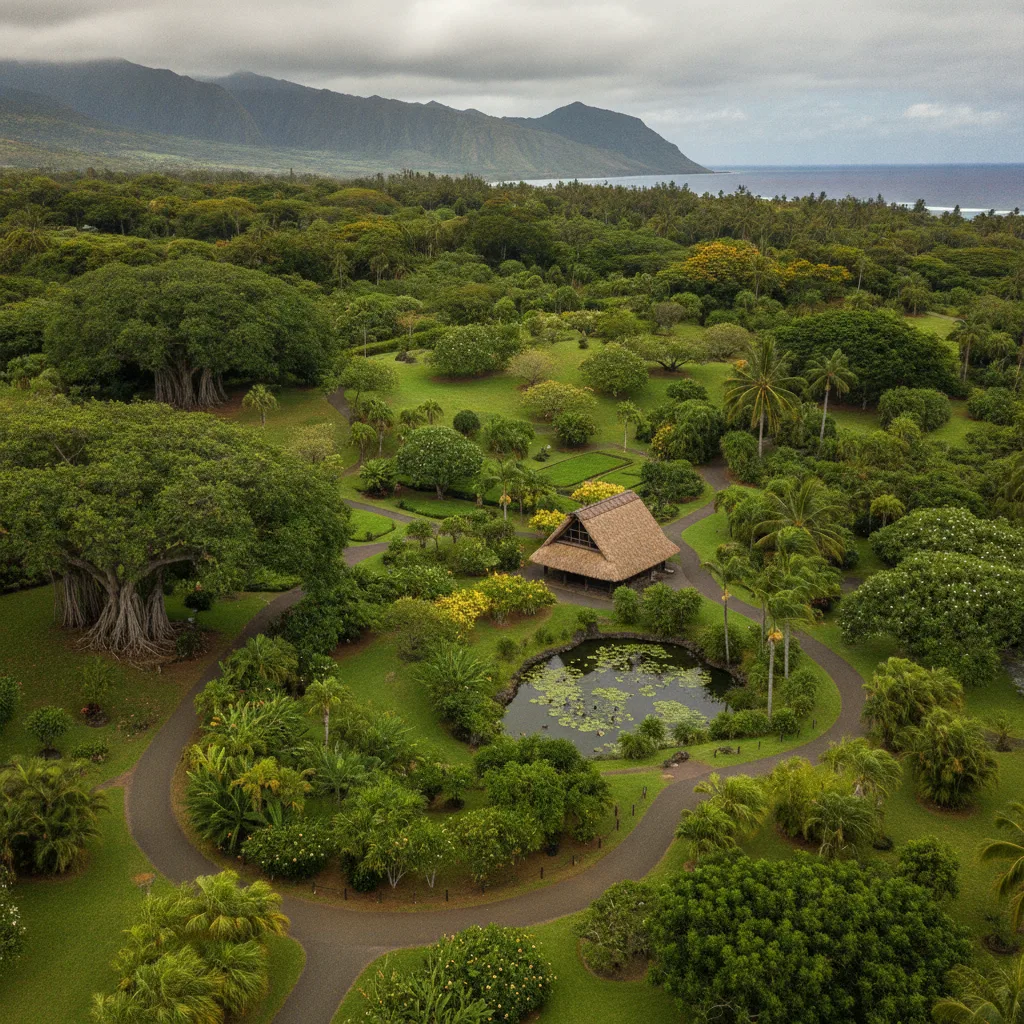
Our Maui Nui Botanical Gardens guide covers practical planning for Maui Nui Botanical Gardens Hawaii — best time to visit, getting there, and what to do on the ground.
Maui Nui Botanical Gardens Travel Guide — Hawaii
For those seeking a profound connection with Hawaii's natural heritage and a deeper understanding of Polynesian culture, the Maui Nui Botanical Gardens Hawaii offers an unparalleled experience. Nestled in Kahului, this tranquil sanctuary is dedicated to the conservation of native and Polynesian-introduced plants, providing visitors with a unique opportunity to learn about traditional Hawaiian uses of flora and the island's rich ethnobotanical significance. Our team at Roam States believes it's a vital stop for any thoughtful traveler to Maui.
Why Visit Maui Nui Botanical Gardens
A visit to Maui Nui Botanical Gardens is an immersion into the very essence of Hawaiian plant life and cultural history. Unlike more ornamental gardens, this seven-acre sanctuary focuses on the scientific and cultural importance of plants, showcasing endangered species and those crucial to Hawaiian traditions. We find that the garden excels in its ethnobotanical focus, illustrating how ancient Hawaiians utilized plants for everything from food and medicine to dyes, clothing, hula, and religious offerings. It's a living classroom where you can trace the journey of Polynesian voyagers through the resourceful "canoe plants" they brought to the islands, including over 70 varieties of taro and 40 species of sugarcane.
Beyond the educational insights, the gardens offer a serene escape from the bustling tourist areas. It’s a place for quiet contemplation, where you can stroll along mostly flat and shaded paths, enjoying the natural beauty at a leisurely pace. We often hear visitors praise the informative audio tour, which brings the plants to life with fascinating facts about their connection to daily life for ancient Hawaiians. For us, the conservation efforts here are particularly compelling, as the gardens play a crucial role in propagating endangered species for reforestation and preserving island genetics. Supporting Maui Nui Botanical Gardens means contributing directly to these vital conservation initiatives, especially those aiding fire-affected areas. It's a truly enriching experience that offers a slower, more deliberate way to connect with Maui's environment.
Who It's Best For
The Maui Nui Botanical Gardens caters to a diverse range of visitors, though certain groups will find it particularly captivating. We confidently recommend it for:
- Ethnobotany Enthusiasts and Plant Lovers: If you have a keen interest in botany, conservation, or the traditional uses of plants, this garden is a must-visit. Its extensive collection of native Hawaiian and Polynesian-introduced plants, coupled with detailed interpretive signage and audio tours, provides a deep dive into Hawaii's flora.
- Culture Seekers: Travelers eager to understand Hawaiian culture beyond the beaches and resorts will appreciate the focus on ethnobotany and the stories behind the plants that shaped ancient Hawaiian life. It offers a tangible link to the past.
- Families with Curious Kids: While not a playground in the traditional sense, the gardens offer an engaging educational experience for children. They can learn about plants, participate in workshops, and enjoy the open space. The playground and picnic areas within Keopuolani Park, where the gardens are located, also provide family-friendly amenities.
- Those Seeking Tranquility: If you're looking for a peaceful retreat away from the crowds, the Maui Nui Botanical Gardens provides a calm and shaded environment perfect for a leisurely stroll and quiet reflection.
- Budget-Conscious Travelers: With a modest admission fee for non-residents and free entry for Hawaii residents and children under 12, it's an affordable and enriching activity on Maui.
- Accessibility Needs: The gardens feature mostly flat and shaded paths with seating, making it comfortable for visitors with varying mobility levels.
We believe it's less suited for those primarily seeking elaborate floral displays or strenuous hiking trails, as its focus is more on education and conservation than dramatic landscapes or long treks.
Getting There & Parking
Getting to Maui Nui Botanical Gardens is straightforward, as it's conveniently located in Kahului, the central part of Maui. For most visitors, arrival at Kahului Airport (OGG) is the primary entry point to the island, and the gardens are just a short 10-15 minute drive from there.
How to Get There
If you're driving from Kahului Airport, you'll need to follow Highway 36 (Airport Road), then turn onto Highway 380 (Puunene Avenue), and finally turn onto Kanaloa Avenue. The gardens are situated at 150 Kanaloa Avenue, directly across from the War Memorial Stadium, which serves as a helpful landmark. For those staying in Kihei or Wailea, the drive is approximately 20 minutes: head northwest on Piilani Highway/State Highway 31 toward Kahului, continue onto Mokulele Highway/State Highway 311 for about 7.6 miles, turn left onto Ka'ahumanu Avenue for 1.3 miles, then turn right onto Kanaloa Avenue for 0.1 miles, and the gardens will be on your right. From West Maui (e.g., Ka'anapali, Lahaina), you'll take Honoapiilani Highway/State Highway 30 toward Kahului for approximately 21.7 miles before following the Kahului directions.
While a rental car is the most convenient way to explore Maui and reach the gardens, public transportation is also an option. The Hele-On bus system has stops in the vicinity. For instance, a Line 2 bus from Queen Ka'ahumanu Center to Kanaloa Ave./YMCA takes about 14 minutes and costs $2. You can also take a taxi from Kahului, which takes approximately 2 minutes and costs between $7-$10. Walking from central Kahului is possible, taking about 27 minutes for the 1.4-mile journey, but we advise considering the tropical sun and bringing water.
Parking at Maui Nui Botanical Gardens
We appreciate that parking at Maui Nui Botanical Gardens is straightforward and free for visitors. You can find parking along Kanaloa Avenue or utilize the War Memorial Stadium parking lot directly across the street. This ample and convenient parking makes visiting hassle-free, allowing you to focus on the botanical experience.
Top Things to Do
When planning your visit to Maui Nui Botanical Gardens, our team recommends allocating at least 1 to 2 hours to fully appreciate the collections and educational insights. For those looking to delve deeper, a half-day can easily be spent here, especially if you engage in workshops or spend time in quiet contemplation. Here are the top things to do at Maui Nui Botanical Gardens:
- Take a Self-Guided Tour: This is the primary activity, allowing you to explore at your own pace. The gardens offer a free audio tour app accessible via QR codes on plant identification signs, providing fascinating facts about over 102 species and their connection to ancient Hawaiian life. Printed plant guides are also available. We find this a fantastic way to learn about native Hawaiian plants and Polynesian-introduced flora.
- Explore the Ethnobotanical Collections: Focus on the culturally significant plants, such as the extensive collections of taro (kalo) and sugarcane, which are vital symbols of local identity. These sections truly highlight the garden's dedication to ethnobotany and traditional Hawaiian uses of plants.
- Participate in Workshops and Events: The gardens frequently host hands-on workshops and events throughout the year. In 2026, events include an Imu Workshop (traditional Hawaiian underground oven cooking) in July and August, a Pahi Kaua (Hawaiian War Knife) making workshop in July, and a Native Plant Propagation workshop also in July. The annual Lā ʻUlu Breadfruit Festival in September and the Maui Arbor Day Expo in November are also highlights, offering cultural activities, plant sales, and giveaways. These workshops are an excellent way to dive deeper into Hawaiian traditions and plant care.
- Visit the Greenhouse and Shade House: For horticulture enthusiasts, these areas showcase the garden's efforts in propagating endangered species for reforestation. It’s a behind-the-scenes look at their vital conservation work.
- Shop for Local Plants and Souvenirs: Before you leave, stop by the gift shop. You can purchase souvenirs, seeds, or even seedlings of unique Hawaiian plants to take a piece of Maui home with you. They also have a plant sale every Thursday and a plant giveaway (for residents) every Friday.
- Enjoy a Picnic: Located within Keopuolani Park, the gardens offer spacious picnic areas in the shade of trees, perfect for a relaxing break.
- Discover Maui Nui Botanical Gardens Hiking Trails: While not extensive, the garden's winding paths provide a gentle walking experience, allowing visitors to explore the diverse plant collections. These aren't strenuous "hiking trails" in the traditional sense, but rather a network of accessible paths designed for educational strolls. We recommend comfortable shoes and sun protection for your exploration of the Maui Nui Botanical Gardens hiking trails.
Best Time to Visit
Maui Nui Botanical Gardens welcomes visitors from Tuesday through Saturday, with operating hours from 8:00 AM to 4:00 PM. The gardens are closed on Sundays and Mondays, and occasionally for inclement weather or Hawaii State Holidays, so we always recommend checking their official website or calling ahead to confirm current hours before your trip.
From our perspective, the best time to visit often depends on your priorities:
- Mornings (8:00 AM - 11:00 AM): We find that mornings are ideal. The temperatures are cooler, and the light is often softer, creating a more pleasant environment for strolling and photography. It's also generally less crowded, allowing for a more peaceful and immersive experience.
- During Special Events: If you're interested in hands-on workshops or cultural festivals, plan your visit around their calendar of events. For 2026, notable events include the Imu Workshop in July and August, the Pahi Kaua making workshop in July, the Native Plant Propagation workshop in July, the Lā ʻUlu Breadfruit Festival in September, and the Maui Arbor Day Expo in November. These offer unique insights and activities that enhance the visit.
- Year-Round: Maui's climate is consistently warm, making the gardens a good destination any time of year. However, if you prefer to avoid the peak tourist seasons, consider visiting during the shoulder months (April-May or September-November), outside of major holidays.
Remember that the garden is an outdoor attraction, so dressing in light, comfortable clothing, wearing covered shoes, and bringing sun protection (hat, sunglasses, reef-safe sunscreen) and a refillable water bottle are always good tips, regardless of the time of day or year.
Where to Stay Nearby
While the Maui Nui Botanical Gardens offers a serene escape, its location in Kahului means you're never far from convenient lodging options. When considering Maui Nui Botanical Gardens lodging, we recommend staying in Kahului or nearby Wailuku for easy access. These areas provide a good balance of accessibility to the gardens, the airport, and other central Maui attractions.
Here are some of the best hotels near Maui Nui Botanical Gardens:
- Maui Seaside Hotel: Often highly rated, this hotel is well-located and offers comfortable stays. Recent reviews praise its remodeled rooms and new pool area. It's a great option for those looking for a convenient base before or after exploring the Road to Hana.
- Maui Beach Hotel: Another popular choice in Kahului, the Maui Beach Hotel provides a luxurious retreat just a short distance from Kanaha Beach Park. While some reviews mention past issues, it remains a frequently booked option.
- Hampton Inn & Suites Maui North Shore: This hotel consistently receives excellent reviews for its service and amenities. It offers a comfortable and reliable stay for travelers.
- Courtyard Maui Kahului Airport: For ultimate convenience, especially if you have an early flight or arrive late, this hotel is a solid choice. It offers modern amenities and is highly rated by guests.
- Howzit Hostels: For budget-conscious travelers or those seeking a more communal experience, Howzit Hostels in Wailuku offers an authentic stay close to attractions like Iao Valley State Park.
- Yonegan Central Maui Getaways: This option provides a good value stay in Wailuku, with positive reviews for its location and amenities.
For those interested in more unique Maui Nui Botanical Gardens lodging, vacation rentals, and even campervan options are available in the Kahului and Wailuku areas. We advise booking your accommodations in advance, especially during peak travel seasons, as good options tend to fill up quickly.
Sample 2-Day Itinerary
To help you make the most of your visit to Maui Nui Botanical Gardens and the surrounding area, our team has crafted a sample 2-day itinerary. This plan balances cultural immersion with natural beauty and local exploration.
Day 1: Cultural Immersion & Botanical Exploration
- Morning (8:00 AM - 12:00 PM): Maui Nui Botanical Gardens Deep Dive
- Start your day early at Maui Nui Botanical Gardens. We recommend arriving right at opening to enjoy the cooler temperatures and fewer crowds.
- Spend 2-3 hours exploring the gardens with the self-guided audio tour. Focus on the ethnobotanical collections, learning about native Hawaiian and Polynesian-introduced plants and their traditional uses.
- If available, consider joining a workshop (check the 2026 calendar for options like imu cooking or plant propagation) for a deeper, hands-on experience.
- Before leaving, browse the gift shop for unique souvenirs or native plant seedlings.
- Lunch (12:00 PM - 1:30 PM): Local Flavors in Kahului
- Head to Kahului for lunch. We suggest trying local eateries like Tin Roof for savory local flavors or exploring the food trucks for fresh poke.
- Afternoon (1:30 PM - 5:00 PM): Central Maui History & Art
- Visit the Alexander & Baldwin Sugar Museum, located just a short drive from the gardens, to learn about Maui's sugar plantation era and its cultural significance.
- Explore the Maui Arts & Cultural Center (MACC), which often hosts exhibitions at the Schaefer International Gallery. Check their schedule for any performances or events during your visit.
- Evening: Sunset & Dinner
- Enjoy a relaxed dinner in Kahului or nearby Wailuku.
- Consider a sunset stroll at Kanaha Beach Park, popular for windsurfing and kiteboarding, offering beautiful views.
Day 2: Scenic Drives & Natural Wonders
- Morning (8:00 AM - 1:00 PM): Iao Valley & West Maui Exploration
- Begin your day with a visit to Iao Valley State Park, a site of immense natural beauty and historical significance, where King Kamehameha the Great battled Maui's warriors. The iconic Iao Needle is a must-see.
- For those interested in a scenic drive, consider heading towards the West Maui Mountains. While there aren't traditional "Maui Nui Botanical Gardens hiking trails" within the gardens, the surrounding areas offer opportunities for more extensive walks and enjoying the lush landscapes.
- Lunch (1:00 PM - 2:30 PM): Upcountry Charm
- Drive upcountry towards Makawao or Kula for lunch. These charming towns offer unique dining experiences and a cooler climate.
- Afternoon (2:30 PM - 6:00 PM): Upcountry Gardens or Coastal Relaxation
- Option A (Gardens): Visit the Kula Botanical Garden for a different botanical experience, featuring colorful blooms, water features, and an aviary in a cooler Upcountry setting.
- Option B (Coast): Head to a North Shore beach like Ho'okipa Beach Park to watch surfers and windsurfers, or simply relax by the ocean.
- Evening: Farewell Dinner
- Indulge in a memorable farewell dinner, perhaps in Paia or Kihei, depending on your preference for a lively town or a more relaxed beachfront setting.
This itinerary provides a comprehensive look at central Maui, with the Maui Nui Botanical Gardens serving as a foundational experience for understanding the island's unique natural and cultural landscape. For those with more time, consider extending your trip to explore destinations like Haleakala National Park for a sunrise or sunset experience, or embark on the scenic Road to Hana. You can find more inspiration for your trip on our Best places in Hawaii guide and our Plan Your US Trip resource.
Is It Worth Visiting?
From our perspective as independent US travel authorities, the answer to "is Maui Nui Botanical Gardens worth visiting?" is a resounding yes. While some visitors might initially find the $10 entry fee a bit steep for the garden's size, the overwhelming consensus, which we echo, is that it is well worth it for the educational value and the crucial support it provides for conservation efforts.
This isn't a sprawling, manicured theme park; it's a dedicated sanctuary focused on ethnobotany, native plants, and cultural significance. The informative audio tour, the opportunity to see endangered species, and the chance to understand the deep cultural roots of Hawaiian flora make it an incredibly enriching experience. It offers a unique window into traditional Hawaiian uses of plants for food, medicine, and crafts, providing insights you won't find at every tourist attraction.
Furthermore, your admission directly contributes to the gardens' vital role in community aid and plant distribution, especially for areas affected by recent fires. This aspect alone, supporting tangible conservation and community efforts, makes the visit highly valuable. For anyone seeking a deeper connection to Maui's natural and cultural heritage, a tranquil escape, or an educational experience, we confidently affirm that is Maui Nui Botanical Gardens worth visiting.
FAQ Longtails
Maui Nui Botanical Gardens camping
There is no camping directly within Maui Nui Botanical Gardens. The gardens are a day-use facility focused on education and conservation. However, for those interested in Maui Nui Botanical Gardens camping experiences nearby, several options exist on Maui, including private campgrounds or state/county parks that offer camping. Some unique options also include renting an SUV with camping gear for an "Epic Maui Camping" adventure. We recommend researching specific campgrounds and their reservation requirements well in advance, as permits are often needed for public sites.
things to do in Kahului, Maui
Kahului, while often seen as a commercial hub, offers a surprising array of things to do in Kahului, Maui beyond the Maui Nui Botanical Gardens. Our team suggests exploring Kanaha Beach Park for windsurfing and kiteboarding, visiting the Maui Arts & Cultural Center for exhibitions and performances, or discovering local flavors at food trucks and markets. Nearby attractions include Iao Valley State Park, the Alexander & Baldwin Sugar Museum, and shopping at Queen Ka'ahumanu Center. For families, Kahului offers activities like a Waterfall and Ocean Horseback Ride or a Guided Pineapple Plantation Tour.
Maui Nui Botanical Gardens with kids
Visiting Maui Nui Botanical Gardens with kids is a rewarding experience. The gardens offer an accessible and educational environment for children to learn about native Hawaiian plants and their cultural significance. The self-guided audio tour can make the experience interactive, and kids often enjoy spotting different plants and understanding their traditional uses. Additionally, the gardens are located within Keopuolani Park, which features a playground and spacious picnic areas, providing opportunities for children to play and relax after exploring the botanical collections. Admission is free for keiki (children) under 12.
best hotels near Maui Nui Botanical Gardens
The best hotels near Maui Nui Botanical Gardens are primarily located in Kahului and Wailuku, offering convenience and a range of amenities. Top recommendations from our team include the Maui Seaside Hotel, known for its remodeled rooms and proximity to attractions, and the Maui Beach Hotel. Other excellent options include the Hampton Inn & Suites Maui North Shore and the Courtyard Maui Kahului Airport for reliable comfort and accessibility. For budget-friendly stays, Howzit Hostels in Wailuku is a good choice.
Maui Nui Botanical Gardens tips
To enhance your visit to Maui Nui Botanical Gardens, our team offers these Maui Nui Botanical Gardens tips: arrive early for cooler weather and fewer crowds, utilize the free audio tour app for in-depth information, and wear comfortable, covered shoes suitable for walking on natural paths. Bring sun protection (hat, sunscreen) and a refillable water bottle, as the garden is outdoors. Check their website for the 2026 calendar of events and workshops, as these can significantly enrich your experience. Remember that the $10 admission fee for non-residents supports conservation efforts.
where to stay near Maui Nui Botanical Gardens
When considering where to stay near Maui Nui Botanical Gardens, your best options are in Kahului and the adjacent town of Wailuku. These central Maui locations provide easy access to the gardens, Kahului Airport, and other island attractions. Recommended hotels include the Maui Seaside Hotel, Maui Beach Hotel, Hampton Inn & Suites Maui North Shore, and Courtyard Maui Kahului Airport. For those on a tighter budget or seeking a hostel experience, Howzit Hostels in Wailuku is a viable choice. Many of these accommodations are just a short drive from the gardens, making them ideal for exploring the area.
Last updated: 2026-07-06 by the Roam States team.