Our Maxwell National Wildlife Refuge guide covers practical planning for Maxwell National Wildlife Refuge New Mexico — best time to visit, getting there, and what to do on the ground.
As the Roam States editorial team, we’ve explored the length and breadth of the American landscape, and we can confidently say that places like Maxwell National Wildlife Refuge New Mexico offer an authentic, unplugged experience that’s increasingly rare. This isn't your average roadside attraction; it’s a vital ecological haven, a testament to conservation, and a prime destination for those seeking genuine encounters with nature. We've compiled this guide to help you navigate your visit, ensuring you make the most of your time in this remarkable corner of New Mexico.
Why Visit Maxwell National Wildlife Refuge
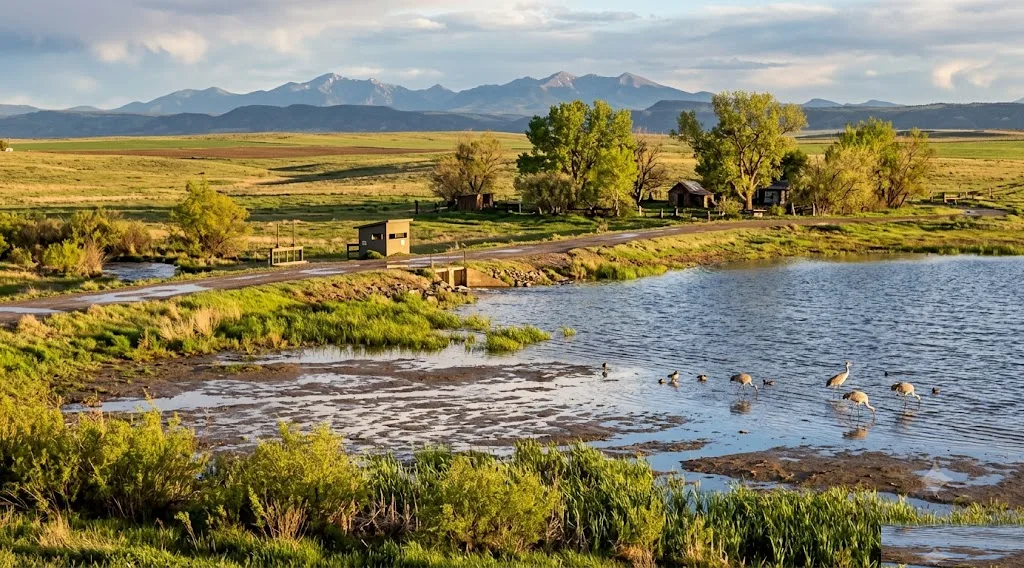
For those of us who prioritize wildlife observation and nature photography, Maxwell National Wildlife Refuge is an undeniable gem. Nestled in the high central plains of northeastern New Mexico, this 3,700-acre refuge was established in 1965 to provide essential feeding and resting grounds for migratory birds. The landscape itself is a diverse tapestry of shortgrass prairie, playa lakes, wetlands, woodlots, and agricultural lands, all framed by high mesas, extinct volcanoes, and the distant Sangre de Cristo Mountains.
So, is Maxwell National Wildlife Refuge worth visiting? Absolutely. We believe it offers a unique opportunity to witness a spectacular array of wildlife in a relatively undisturbed setting. Over 278 species of birds have been recorded here, with 70 species nesting and raising their young. During peak migration seasons, the refuge’s playa lakes teem with shorebirds and waterfowl, creating a vibrant spectacle for birdwatchers and photographers alike. Beyond birds, you might spot white-tailed deer, mule deer, black-tailed prairie dogs, and various raptors such as bald and golden eagles, ferruginous hawks, and falcons. The sheer diversity of life and the commitment to preserving this habitat make it a truly rewarding destination. For anyone asking, "is Maxwell National Wildlife Refuge worth visiting?", we unequivocally say yes, especially if you appreciate the quiet beauty of the natural world and the thrill of spotting wildlife in its element.
Who It's Best For
Maxwell National Wildlife Refuge caters primarily to a specific kind of traveler: the dedicated birder, the patient wildlife photographer, and the serene nature enthusiast. If your idea of a perfect getaway involves quiet observation, long walks with binoculars, and the challenge of capturing elusive wildlife on camera, then this refuge is tailor-made for you.
Our team finds that it's an ideal destination for:
- Birdwatchers: With nearly 290 bird species documented, including numerous migratory and nesting birds, it's a hotspot for ticking off new sightings and observing avian behavior.
- Nature Photographers: The diverse habitats and abundant wildlife offer endless opportunities for stunning landscape and wildlife photography. The refuge encourages photography, with tips often shared by staff to capture the best shots.
- Families with Older Children: While not packed with playgrounds or interactive exhibits, older children who have an interest in nature, birding, or photography will find the refuge engaging. It's a fantastic place to teach patience and observation skills in the wild.
- Peace Seekers: If you're looking to escape the hustle and bustle, the refuge provides a tranquil environment for quiet contemplation and reconnecting with nature.
- Anglers: Lake 13 is stocked with rainbow trout, channel catfish, yellow perch, and largemouth bass, offering seasonal fishing opportunities from March 1 to October 31.
Conversely, if you're seeking adrenaline-pumping activities, extensive amenities, or a bustling tourist experience, this might not be your ideal spot. The beauty here lies in its simplicity and its focus on wildlife conservation.
Getting There & Parking
Understanding how to get to Maxwell National Wildlife Refuge is straightforward, though it requires a bit of driving, as is common with many of New Mexico's most rewarding natural attractions. The refuge is situated in northeastern New Mexico, near the small town of Maxwell.
Driving Directions
From Albuquerque, you'll drive north on I-25 and take Exit 426 for Maxwell. From there, drive north for 0.8 miles on State Highway 445. At the intersection of State Highways 445 and 505, head west for 2.5 miles. Finally, turn north onto Lake 13 Road at the refuge entrance sign and continue for 1.25 miles to reach the refuge visitor center. The drive from Albuquerque is approximately 200 miles and takes about 3 hours and 15 minutes.
If you're coming from Denver, Colorado, you'll also take I-25 south to the Maxwell Exit (426). Follow the same directions from there: north on State Highway 445 for 0.8 miles, then west for 2.5 miles on State Highway 505, and finally north on Lake 13 Road for 1.25 miles to the visitor center. The distance from Denver is around 247 miles, with an estimated driving time of 3 hours and 48 minutes. Public transportation options from Denver to Maxwell are limited, typically involving a bus to Raton followed by a taxi, which can take over 4 hours. Therefore, driving is generally the most practical way to consider how to get to Maxwell National Wildlife Refuge.
Parking
Upon arrival, you'll find ample parking available at the refuge headquarters/visitor center. There are no specific reservation requirements for parking, and parking areas are generally well-maintained gravel lots. For those utilizing the primitive campground near Lake 13, parking is available adjacent to the camping area. We always recommend observing any posted signage for specific parking regulations or temporary closures, especially during peak seasons or for special events.
Top Things to Do
Maxwell National Wildlife Refuge offers a range of activities centered around its core mission of wildlife conservation. Our team finds that the best things to do at Maxwell National Wildlife Refuge revolve around quiet observation and immersion in the natural environment. Here’s how we recommend you spend your time:
Wildlife Observation and Birdwatching
This is, without a doubt, the primary draw. The refuge is renowned for its diverse birdlife, with close to 290 species documented. Visitors are treated to year-round views of hawks, owls, eagles, wild turkey, white-tailed deer, mule deer, and black-tailed prairie dogs. Spring and fall migrations bring thousands of sandhill cranes, geese, and ducks, making these seasons particularly spectacular for birdwatching. Early mornings and late afternoons are consistently the best times to see wildlife when they are most active. We suggest bringing a good pair of binoculars and a spotting scope to fully appreciate the distant flocks on the playa lakes. The refuge also plants cereal grains and alfalfa to provide food, which acts as an attractant for both migratory and local wildlife, increasing your chances of sightings.
Nature Photography
For photographers, the refuge is a dream. The interplay of vast skies, water features, and diverse wildlife provides endless opportunities for stunning shots. Photography is encouraged, and visitors can utilize various areas like the Cottonwood Trail Area, Lake 13 Campground, Prairie Dog Trail, and even county roads for capturing images. We advise arriving at dawn or staying until dusk for the "golden hour" light, which enhances colors and reduces harsh shadows. Remember to respect wildlife by maintaining a safe distance and avoiding flash photography to minimize disturbance. Capturing the intricate social dynamics of black-tailed prairie dog towns is a particularly rewarding experience here.
Maxwell National Wildlife Refuge Hiking Trails
While the refuge isn't known for extensive backcountry hiking, it does offer several designated trails that provide excellent opportunities for closer observation of specific habitats. Hiking is permitted on three main Maxwell National Wildlife Refuge hiking trails: the Cottonwood Trail (1 mile, recently renovated), the Lake 14 Levee Trail (0.81 mile), and the Prairie Dog Trail (0.06 mile). We emphasize staying on marked trails at all times to protect sensitive habitats and for your safety. These trails are relatively short, making them accessible for most visitors and perfect for a leisurely stroll to spot birds, plants, and smaller wildlife. The Cottonwood Trail, for instance, offers a chance to explore a riparian area, while the Prairie Dog Trail provides close-up views of the charismatic black-tailed prairie dogs. When exploring the Maxwell National Wildlife Refuge hiking trails, keep an eye out for raptors soaring overhead.
Fishing and Boating
Lake 13 is open for fishing from March 1 to October 31, offering rainbow trout, channel catfish, yellow perch, and largemouth bass. State fishing regulations apply, and a New Mexico fishing license is required. Non-motorized boating is also permitted on Lake 13, with small boats (trolling speed only) allowed. This provides a different perspective for wildlife viewing, particularly for waterfowl. The primitive camping area is located adjacent to Lake 13, making it convenient for those who wish to combine fishing with an overnight stay.
Picnicking
Designated picnic areas are available at the Cottonwood Nature Trail, the Visitor Center, and the campground area. We encourage visitors to pack a lunch and enjoy a meal amidst the tranquil surroundings. Remember to pack out all trash to keep the refuge pristine.
These things to do at Maxwell National Wildlife Refuge provide a comprehensive experience for anyone looking to connect with nature in this unique New Mexico setting.
Best Time to Visit
Choosing the best time to visit Maxwell National Wildlife Refuge significantly impacts your experience, particularly if wildlife viewing is your priority. Our team has found that while the refuge is a year-round destination, certain seasons offer distinct advantages.
Spring (March - May)
Spring is a fantastic time to visit as migratory birds return. You can expect to see American avocets, Wilson's phalaropes, long-billed curlews, and other nesting shorebirds around the lakes. The prairie comes alive with sparrows, and wild turkey toms can be heard gobbling in the woodlots. Temperatures are generally mild, though May 2026 forecast highs range from the 70s to mid-80s, with lows in the 30s and 40s.
Summer (June - August)
Summer offers opportunities to observe breeding birds raising their young and to visit the black-tailed prairie dog town to watch their antics. While hot summer afternoons can see less activity, early mornings and late evenings remain prime wildlife viewing times. July 2026 forecast highs are expected to range from 84° to 95°F, with lows between 48° and 57°F. August 2026 forecast highs are similar, ranging from 80° to 89°F, with lows between 47° and 58°F. Be prepared for warm temperatures and potential afternoon thunderstorms.
Autumn (September - November)
Autumn is arguably the most popular time to visit, especially for birders. Mid-October is generally the peak fall migration for sandhill cranes, geese, and ducks, when thousands blanket the lakes and crop fields. This season also brings crisp breezes and excellent opportunities to identify various duck species, grebes, and coots. September 2026 forecast highs are projected between 69° and 86°F, with lows from 38° to 52°F. The cooler weather and increased bird activity make this a prime window for photography and observation. Ranger-hosted birding ventures are popular during this season.
Winter (December - February)
Winter is the best time to observe majestic bald and golden eagles, with as many as 60 bald eagles wintering on the refuge, typically arriving in late October to early November and peaking in February. The eagles utilize roost sites, open water, and abundant waterfowl and fish, making the refuge an attractive haven. While cold, the stark landscape and the presence of these magnificent raptors offer a unique and rewarding experience. Maxwell experiences cold winters with regular snowfall.
Regardless of the season, we always recommend wearing layered clothing, sturdy hiking shoes, and a hat. Dawn and dusk are consistently the best times for wildlife viewing.
Where to Stay Nearby
Given the refuge's remote location, finding extensive Maxwell National Wildlife Refuge lodging options directly adjacent to the preserve is challenging. However, several towns within a reasonable driving distance offer accommodations, ranging from basic motels to more comfortable hotels. Our team recommends planning your Maxwell National Wildlife Refuge lodging in advance, especially during peak migration seasons.
Primitive Camping at the Refuge
For the most immersive experience, the refuge itself offers a primitive campground adjacent to Lake 13. This is an excellent option for those who enjoy rustic camping. Recreational vehicles (RVs) and tent camping are allowed, with a maximum stay of 3 nights. The sites are approximately 40 feet wide by 60–100 feet long, accommodating average-sized RVs. However, be prepared: these sites do not have amenities like potable water, electricity, or sewage hookups. Vault toilets are available near the entrance road to Lake 13. Camping is permitted from March 1 through October 31, coinciding with the fishing season. Generators are allowed, but campfires are prohibited. Pets are welcome but must be kept on a leash. These campsites are available on a first-come, first-served basis, and reservations are not required.
Nearby Towns for Hotels
- Raton, New Mexico (approx. 30-45 minutes drive): As a larger town to the north, Raton offers the most comprehensive selection of Maxwell National Wildlife Refuge lodging. You'll find a variety of chain hotels and local motels, along with more dining options and services. It's a convenient base for exploring the refuge and other nearby attractions.
- Springer, New Mexico (approx. 20-30 minutes drive): A smaller community south of the refuge, Springer provides more limited but often budget-friendly motel options. It's closer to the refuge than Raton, making for a shorter commute in the mornings and evenings for wildlife viewing.
- Cimarron, New Mexico (approx. 1 hour drive): While a bit further, Cimarron offers a historic charm and some unique lodging experiences, including historic hotels and guesthouses. It could be an option if you're looking to combine your refuge visit with a more scenic and historic stay.
When searching for Maxwell National Wildlife Refuge lodging, we recommend checking online travel sites and calling establishments directly to confirm availability and current rates, especially during peak bird migration periods. Given the lack of amenities at the refuge campground, stocking up on supplies in Raton or Springer before heading to the refuge is a wise decision.
Sample 2-Day Itinerary
To truly appreciate the Maxwell National Wildlife Refuge, we recommend dedicating at least two days. This allows ample time for wildlife viewing during the prime morning and evening hours, as well as exploring the various facets of the refuge. Here’s a sample itinerary our team has put together:
Day 1: Arrival & Eastern Refuge Exploration
- Morning (Sunrise - 10:00 AM): Arrive at Maxwell National Wildlife Refuge. Head straight to the visitor center (check current operating hours, as they can vary due to staffing) to get oriented, pick up a map, and inquire about recent wildlife sightings. Then, drive the gravel roads that crisscross the eastern part of the refuge, focusing on Lake 13 and Lake 14 areas. These areas are excellent for spotting waterfowl, shorebirds, and raptors. Remember, the six-mile network of gravel roads is open 24/7.
- Late Morning (10:00 AM - 12:00 PM): Take a leisurely hike on the Cottonwood Trail (1 mile) near the visitor center. This renovated trail offers a chance to explore a different habitat and look for songbirds in the trees.
- Lunch (12:00 PM - 1:00 PM): Enjoy a packed picnic lunch at the designated picnic area near the visitor center or the Lake 13 campground.
- Afternoon (1:00 PM - 4:00 PM): Head to your chosen accommodation. If camping at Lake 13, set up your site. If staying in Raton or Springer, check in and relax. Use this time for a siesta or to review your morning photos.
- Late Afternoon/Evening (4:00 PM - Sunset): Return to the refuge, focusing on the western side or areas around agricultural fields. This is an excellent time to spot deer, prairie dogs, and other mammals as they become more active. Position yourself for sunset photography, capturing the dramatic New Mexico skies over the lakes.
- Evening: Enjoy dinner in a nearby town or cook a meal at your campsite. Take time for stargazing; the minimal light pollution offers incredible night sky views.
Day 2: Western Refuge & Departure
- Morning (Sunrise - 10:00 AM): Start your day early again, focusing on different sections of the refuge you may have missed on Day 1, or revisiting areas where you had promising sightings. Consider the Lake 14 Levee Trail (0.81 mile) for more birding opportunities.
- Late Morning (10:00 AM - 12:00 PM): Explore the Prairie Dog Trail (0.06 mile) for close-up views of the black-tailed prairie dog towns. These social creatures are highly entertaining to watch and photograph.
- Lunch (12:00 PM - 1:00 PM): Another picnic lunch at the refuge, or head to a local eatery in Maxwell or Springer if you prefer.
- Afternoon (1:00 PM - 3:00 PM): Depending on your interests, you could spend more time fishing on Lake 13 (if within the March 1-October 31 season), revisit a favorite birding spot, or simply enjoy the tranquility of the landscape. Alternatively, begin your drive to your next New Mexico destination, such as Carlsbad Caverns National Park or White Sands National Park, for a change of scenery.
- Departure: Begin your journey home or to your next adventure, carrying with you the peaceful memories and incredible wildlife encounters from Maxwell National Wildlife Refuge.
Remember that wildlife viewing is unpredictable, so flexibility and patience are key to a rewarding visit. This itinerary is a guide, and we encourage you to adapt it to your specific interests and the wildlife activity you observe.
Last updated: 2026-07-08 by the Roam States team.