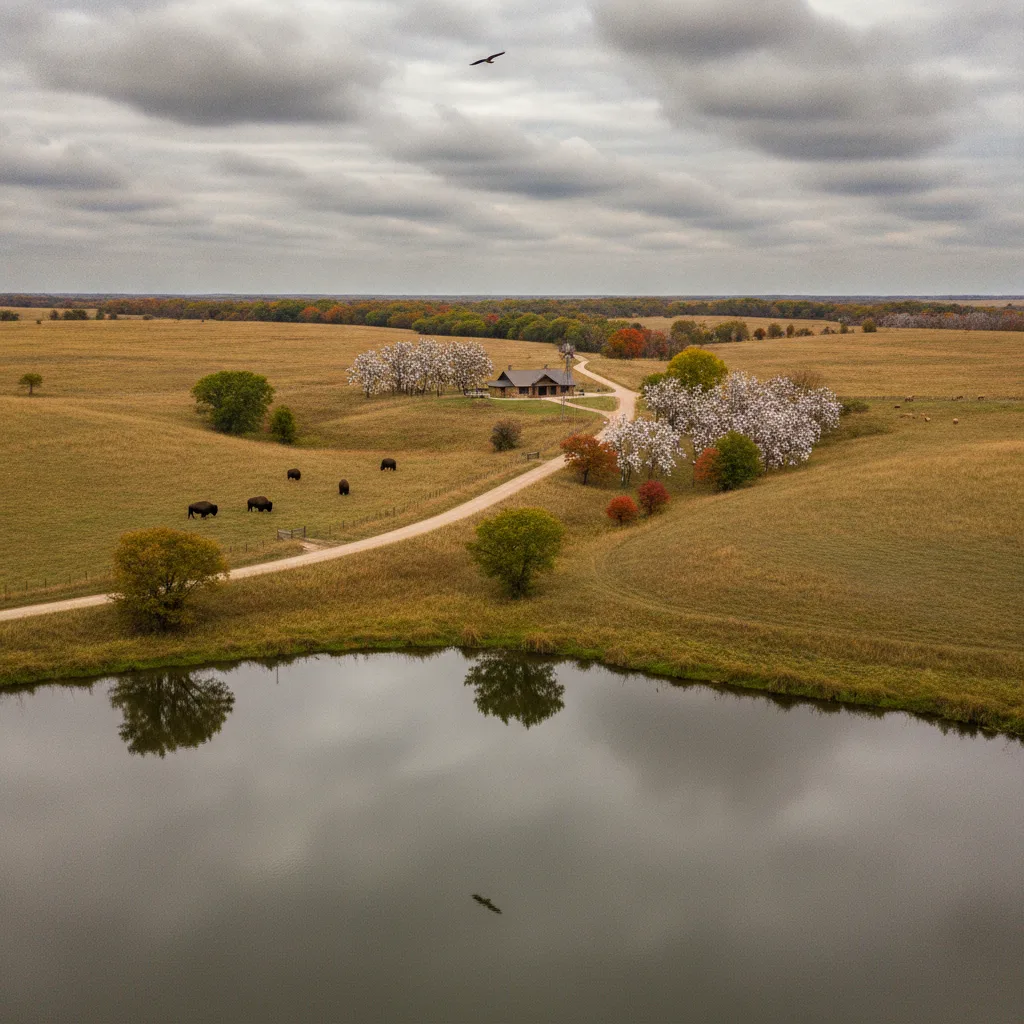
Our Maxwell Wildlife Refuge guide covers practical planning for Maxwell Wildlife Refuge Kansas — best time to visit, getting there, and what to do on the ground. We've compiled the latest 2026 facts on hours, fees, and reservations to ensure your visit is smooth and memorable.
As the Roam States editorial team, we pride ourselves on delivering confident, specific, and never generic travel advice. When it comes to experiencing the vast, untamed beauty of the American prairie, few places compare to Maxwell Wildlife Refuge Kansas. This 2,800-acre sanctuary, nestled in the heart of the Smoky Hills, offers a unique opportunity to witness large herds of American bison and plains elk roaming freely in their native tallgrass prairie habitat. It's a truly immersive experience that transports you back to a time when these magnificent animals dominated the landscape.
Why Visit Maxwell Wildlife Refuge
We believe Maxwell Wildlife Refuge stands out as a premier destination for wildlife enthusiasts and anyone seeking a genuine connection with the natural world. The primary draw, without a doubt, is the chance to observe substantial herds of bison and elk up close. Unlike zoos or smaller preserves, here you're seeing these animals in a truly wild setting, navigating the same prairie ecosystems they have for centuries. The refuge is home to Kansas's largest public herd of bison, offering unparalleled viewing opportunities.
Beyond the impressive wildlife, the refuge itself is a testament to conservation. It preserves a significant expanse of native tallgrass prairie, an ecosystem that once covered vast portions of the Midwest but is now critically endangered. Visiting Maxwell Wildlife Refuge contributes to the ongoing efforts to protect this vital habitat and the species that depend on it. Our team finds immense value in supporting places that prioritize ecological integrity while still offering accessible and educational experiences for the public.
The guided tram tours are a highlight, providing a safe and informative way to delve deep into the prairie. Knowledgeable guides share insights into the refuge's history, the behavior of the animals, and the intricate ecology of the tallgrass prairie. It's a learning experience that appeals to all ages, fostering a deeper appreciation for this often-overlooked American landscape. For those who prefer a more independent exploration, a public access road allows for self-guided viewing, offering flexibility for your schedule.
In essence, a visit to Maxwell Wildlife Refuge is an invitation to step away from the everyday and into a living, breathing natural spectacle. It's a chance to witness powerful wildlife, explore a crucial ecosystem, and gain a fresh perspective on the wild heart of Kansas. We consistently recommend it as a must-see for anyone traveling through the state.
Who It's Best For
Our team has identified Maxwell Wildlife Refuge as an ideal destination for several types of travelers, each seeking a unique connection with the Kansas prairie. First and foremost, it's perfect for **wildlife photographers and nature enthusiasts**. The opportunity to photograph bison and elk in their natural habitat, often against the backdrop of sweeping prairie vistas and dramatic Kansas skies, is simply unmatched. Patience is rewarded with incredible shots, especially during the early morning or late afternoon light.
Families with children will also find the refuge incredibly rewarding. The tram tours are designed to be engaging and educational for all ages, offering a comfortable way for kids to see large animals up close without extensive hiking. The guided narration keeps young minds captivated, making it an excellent outdoor classroom. Children aged 3 and under ride free, and those aged 4-11 have reduced ticket prices, making it an affordable family outing.
For those interested in **conservation and ecology**, Maxwell Wildlife Refuge offers a tangible example of successful prairie restoration and wildlife management. It’s an inspiring place to learn about the importance of preserving native habitats. Even casual travelers looking for a peaceful escape and a taste of authentic Kansas will appreciate the refuge's tranquility and scenic beauty. It’s a refreshing contrast to bustling city life and a chance to truly unwind amidst nature.
Finally, it's an excellent stop for **road trippers** exploring central Kansas, particularly those traversing the best places in Kansas or following the Prairie Trail Scenic Byway. Its proximity to other central Kansas attractions makes it an easy addition to a broader itinerary, offering a unique natural counterpoint to historical sites or quirky roadside stops.
Getting There & Parking
Understanding how to get to Maxwell Wildlife Refuge is straightforward, though we always recommend having your directions planned in advance as cell service can be spotty in rural areas. The refuge is conveniently located approximately six miles north of Canton, Kansas, within the scenic Smoky Hills region. The official address for your GPS is 2565 Pueblo Road, Gypsum, KS 67448.
Directions from Major Kansas Cities:
- From Canton, KS (Closest Town): From US-56 in Canton, follow the brown signs for Maxwell Wildlife Refuge north out of town. Continue north for about 6 miles, then watch for signs directing you west toward Pueblo Road and the refuge entrance. Turn in at the Maxwell Wildlife Refuge / Friends of Maxwell sign and follow the drive to the Visitor Center.
- From McPherson, KS: Take US-56 east toward Canton. In Canton, follow the brown signs for Maxwell Wildlife Refuge north out of town. Continue about 6 miles north of Canton, then turn west following signs to Pueblo Road and the refuge entrance.
- From Salina, KS: Take I-135 south toward McPherson. Exit at Smokey Valley Road and head east toward Roxbury (approximately 10 miles). At Roxbury, turn right at the intersection of 27th Ave and Smokey Valley Rd. Go 5 miles to the Maxwell Wildlife Refuge entrance, turn right into the facility, and head east until you see the office on the left side of the road.
- From Wichita, KS: Take I-135 north toward McPherson. Exit toward McPherson and travel east on US-56 toward Canton. In Canton, follow the brown signs north to Maxwell Wildlife Refuge. Drive about 6 miles north, then follow signs to Pueblo Road and the refuge entrance.
- From Hutchinson, KS: Travel north toward McPherson and connect to US-56 east toward Canton. In Canton, follow brown signs directing you north to Maxwell Wildlife Refuge. Continue about 6 miles, then follow signs to Pueblo Road and the refuge entrance.
Parking: We're pleased to confirm that free parking is available at the Visitor Center, with ample space for most vehicles, including buses and groups. To ensure a relaxed start to your adventure, we advise arriving 15–20 minutes before your scheduled tram tour. This allows plenty of time for check-in, restroom breaks, and getting your group ready to board.
Top Things to Do
When planning your visit, you'll find a focused yet incredibly rewarding array of things to do at Maxwell Wildlife Refuge. Our team emphasizes quality over quantity, and the experiences here are designed to immerse you in the prairie environment.
Guided Tram Tours
The absolute highlight and most popular of the things to do at Maxwell Wildlife Refuge are the guided tram tours. These 45-60 minute excursions take you deep into the heart of the 2,800-acre prairie, providing unparalleled, close-up views of the resident American bison and plains elk herds. Our covered trams offer comfort and protection from the elements, allowing you to focus entirely on the wildlife. Expert guides provide live narration, sharing fascinating details about the animals, the unique tallgrass prairie ecosystem, and the refuge's history. Public tram tours are offered on scheduled dates, typically Tuesdays and Saturdays, with morning tours between 9:00 AM and noon. Advance reservations are strongly recommended, especially for popular dates, and booking at least three days ahead helps ensure your spot. Adult tickets are $15, children (4-11) are $7.50, and children under 3 are free.
Self-Guided Wildlife Viewing Drive
For those who prefer to explore at their own pace, a public access road runs through the refuge to McPherson State Fishing Lake, allowing for self-guided wildlife viewing from your vehicle. This road is generally open daily, though closures can occur due to weather or maintenance. It's crucial to remain inside your vehicle when you are within the bison and elk enclosure for safety. There is no general entrance fee for these basic drive-through visits. While you won't get the same close proximity as the tram, it's an excellent way to soak in the expansive prairie landscape and spot wildlife from a distance.
Horse Trail Riding
A truly unique offering at Maxwell Wildlife Refuge is the opportunity for horse trail riding. On select dates, visitors can bring their own horses and explore the 2,800-acre native prairie on horseback. These are typically scheduled events, with reservations required. For example, dates like August 23, October 11, and November 14, 2026, have been listed for full-day ($35) or half-day ($25) rides. Riders must furnish their own horses and arrive early to be ready by the 10:00 AM start time. This offers a distinct perspective of the refuge and is one of the more adventurous things to do at Maxwell Wildlife Refuge.
Visitor Center & Gift Shop
The Visitor Center and gift shop are generally open during scheduled tram tours and special events. Here, you can find educational displays about bison, elk, and the prairie ecosystem, along with local history of the refuge and the Maxwell family. Restrooms and refuge merchandise are also available. It's a great spot to learn more about the refuge before or after your tour.
Special Events
Keep an eye on the refuge's calendar for special events. These can include seasonal experiences like the Mountain Man Fall Rendezvous, which features 1800s re-enactments with trappers and traders, and often includes tram rides (though reservations for the tram are still suggested). Such events add an extra layer of cultural and historical immersion to your visit.
Best Time to Visit
Choosing the best time to visit Maxwell Wildlife Refuge largely depends on what you hope to experience, particularly regarding wildlife viewing and weather conditions. Our team has found that each season offers its own unique appeal.
Spring (April-May)
Spring brings the prairie to life with vibrant green grasses and early wildflowers. It's a fantastic time for birdwatching as migratory species return. The weather can be unpredictable, ranging from mild and sunny to cool and rainy, so dressing in layers is advisable. Bison calves are often born in late spring, adding an adorable element to your wildlife sightings.
Summer (June-August)
Summer offers the warmest temperatures and the longest daylight hours. The tallgrass prairie is at its fullest and most majestic during these months. While bison are visible year-round, elk can be harder to spot as they seek shade in the heat. We recommend booking morning tours during summer to avoid the hottest part of the day. Be prepared for heat and sun, bringing hats, sunscreen, and plenty of water.
Fall (September-November)
Many on our team consider fall to be one of the prime seasons to visit. The prairie grasses turn golden and russet, creating a stunning landscape for photography. The cooler, more comfortable temperatures are ideal for outdoor activities. Critically, the elk rut (mating season) occurs in the fall, making elk more active and vocal, thus increasing your chances of seeing them. Special events like the Mountain Man Fall Rendezvous also often take place in October.
Winter (December-March)
Winter, though colder, offers excellent opportunities for elk viewing. They are typically more active and easier to spot against the starker landscape from November through March. Bison are also highly visible. While the prairie might seem dormant, it holds a quiet beauty, and the lack of foliage can sometimes make wildlife spotting easier. Just be sure to dress warmly, as prairie winds can be biting.
Regardless of the season, public tram tours run every Tuesday and Saturday, with morning tours between 10:00 AM and 12:00 PM. Always check the online ticket calendar or call ahead for exact dates and times, as they can vary by season and special events.
Where to Stay Nearby
While Maxwell Wildlife Refuge itself does not offer lodging, there are several charming towns within a reasonable driving distance that provide comfortable options for your stay. Our team recommends looking for Maxwell Wildlife Refuge lodging in Canton, McPherson, Lindsborg, or Hutchinson, each offering its own unique flavor.
Canton, Kansas
As the "Gateway to Maxwell Wildlife Refuge," Canton is the closest town and offers a quaint, small-town experience. While specific hotel chains might be limited, you might find local guesthouses or vacation rentals. It's an excellent choice if you want to minimize driving time to the refuge. Canton also boasts some unique local attractions like the Stars and Stripes Military Museum and the famous "HOT and COLD" water towers.
McPherson, Kansas
A larger community just a short drive from the refuge, McPherson offers a broader selection of hotels and amenities. You'll find familiar chain hotels, local restaurants, and shops. It's a convenient base for exploring both the refuge and other attractions in the area, such as the McPherson Valley Wetlands for more birdwatching opportunities.
Lindsborg, Kansas
Known as "Little Sweden, USA," Lindsborg is a picturesque town about 30-40 minutes north of the refuge. It's famous for its Swedish heritage, art galleries, and unique boutiques. For those seeking a charming and distinct cultural experience alongside their nature exploration, Lindsborg offers a variety of lodging options, including boutique hotels, bed and breakfasts, and vacation rentals.
Hutchinson, Kansas
Approximately an hour's drive south of the refuge, Hutchinson is the largest city in the immediate region and offers the most extensive range of Maxwell Wildlife Refuge lodging, from budget-friendly motels to more upscale hotels. It's also home to major attractions like the Cosmosphere and Strataca Salt Mine, making it a good choice if you plan to combine your refuge visit with other significant Kansas experiences.
When searching for Maxwell Wildlife Refuge lodging, we advise booking in advance, especially during peak seasons or if you're visiting during one of the refuge's special events. Consider using online travel agencies or checking directly with hotels in these towns for the most current availability and rates.
Sample 2-Day Itinerary
To help you make the most of your visit to Maxwell Wildlife Refuge and the surrounding central Kansas area, our team has crafted a sample 2-day itinerary. This plan balances wildlife viewing with other unique regional attractions, ensuring a well-rounded experience.
Day 1: Immersion in the Prairie
-
Morning (9:30 AM - 12:00 PM): Maxwell Wildlife Refuge Tram Tour
Arrive at Maxwell Wildlife Refuge 15-20 minutes before your scheduled 10:00 AM tram tour. Check in at the Visitor Center, use the restrooms, and prepare for your prairie adventure. Board the covered tram for a 45-60 minute guided tour, seeking out the magnificent bison and plains elk herds. Listen to your guide's insights into the ecosystem and history of the refuge. Remember to make your reservations at least three days in advance.
-
Lunch (12:30 PM - 1:30 PM): Picnic or Local Fare in Canton
After your tour, enjoy a picnic lunch at one of the designated areas near the refuge, or head into nearby Canton (about 6 miles south) for a casual meal at a local eatery. Explore the town's unique "HOT and COLD" water towers and the Stars and Stripes Military Museum.
-
Afternoon (2:00 PM - 4:00 PM): Self-Guided Drive & McPherson State Fishing Lake
Take advantage of the public access road for a self-guided drive through a portion of the refuge, observing wildlife from your vehicle. Continue to McPherson State Fishing Lake, which borders the refuge, for some quiet contemplation or perhaps a bit of fishing if you have a Kansas fishing license. While camping isn't allowed *on* the refuge, primitive camping is available at the lake.
-
Evening: Check into Lodging & Dinner in McPherson or Lindsborg
Head to your chosen lodging in McPherson or Lindsborg. Settle in, then enjoy dinner at one of the local restaurants. McPherson offers more traditional dining, while Lindsborg provides charming, Swedish-inspired options.
Day 2: Expanding Your Kansas Horizon
-
Morning (9:00 AM - 12:00 PM): Explore Hutchinson's Cosmosphere
Drive south to Hutchinson (approximately an hour from Canton) to visit the renowned Cosmosphere. This world-class space museum and STEM education center houses an incredible collection of U.S. and Russian space artifacts, including the Apollo 13 command module. It's an inspiring and educational experience for all ages.
-
Lunch (12:30 PM - 1:30 PM): Lunch in Hutchinson
Grab lunch at one of Hutchinson's many dining establishments, from casual cafes to family-friendly restaurants.
-
Afternoon (2:00 PM - 4:30 PM): Descend into Strataca Salt Mine
Continue your Hutchinson exploration with a visit to Strataca Salt Mine, an unforgettable underground adventure. Descend 650 feet below the earth's surface into an active salt mine, where you can learn about salt mining history and even see props from famous Hollywood movies stored in the stable, dry environment.
-
Late Afternoon/Evening: Return to Lodging or Continue Your Journey
Depending on your travel plans, you can either return to your lodging near Maxwell Wildlife Refuge or continue your journey to other Kansas destinations, perhaps heading west to the Tallgrass Prairie National Preserve for another dose of prairie beauty, or exploring the unique geological formations of Monument Rocks or Little Jerusalem Badlands.
Our expert verdict: This itinerary provides a fantastic blend of wildlife, history, and unique Kansas attractions, making for a truly memorable two days in the heart of the state.
Maxwell Wildlife Refuge Hiking Trails
When it comes to Maxwell Wildlife Refuge hiking trails, it's important to set clear expectations. Unlike some national wildlife refuges that feature extensive, marked hiking paths, Maxwell Wildlife Refuge in Kansas primarily focuses on vehicular access for wildlife viewing, especially within the main bison and elk enclosures. Our team wants to clarify that direct pedestrian access into the areas where the large herds roam is generally restricted for visitor safety and to minimize disturbance to the animals.
Specifically, visitors are required to remain inside their vehicles on the portion of the public road that passes through the bison and elk enclosure. This regulation is in place to ensure a safe experience for everyone, as these are wild, free-roaming animals. While this means you won't be walking among the bison, it doesn't mean there are no opportunities for stretching your legs.
However, there are areas adjacent to the main wildlife enclosures where visitors can enjoy short walks. The refuge's Visitor Center area may offer limited walking paths, and the adjoining McPherson State Fishing Lake on the west side of the refuge provides opportunities for primitive camping and potentially some informal walking along its shores. While these aren't extensive, designated Maxwell Wildlife Refuge hiking trails in the traditional sense, they allow for some fresh air and appreciation of the surrounding prairie and lake environment.
For those truly seeking dedicated hiking experiences in a prairie setting, we recommend exploring other Kansas natural areas, such as the Tallgrass Prairie National Preserve, which offers numerous established trails. When visiting Maxwell Wildlife Refuge, think of it more as a driving and tram-based wildlife observation experience, with limited walking opportunities in designated, safe zones.
Is It Worth Visiting?
After countless hours exploring America’s diverse landscapes, our team confidently asserts that Maxwell Wildlife Refuge is worth visiting. For anyone with an interest in North American wildlife, particularly bison and elk, this refuge offers an authentic and impactful experience that is increasingly rare. The chance to see these majestic animals in their natural tallgrass prairie habitat is, in our opinion, a privilege and a powerful reminder of America's wild heritage.
The guided tram tours are a standout feature, providing an intimate yet safe encounter with the herds. The knowledgeable guides enhance the experience significantly, offering context and details that bring the prairie to life. This guided access makes the refuge accessible and enjoyable for a wide range of visitors, from young families to seasoned naturalists. We find that the modest admission fees for these tours offer exceptional value for such a unique educational and observational opportunity.
Furthermore, the commitment to preserving the tallgrass prairie ecosystem makes Maxwell Wildlife Refuge a vital conservation success story. By visiting, you are directly supporting these efforts. Is Maxwell Wildlife Refuge worth visiting? Absolutely. It’s not just about seeing animals; it’s about connecting with a crucial part of the American landscape and understanding the importance of its preservation. We believe it offers a unique and memorable slice of Kansas that will leave a lasting impression.
Maxwell Wildlife Refuge camping
No, camping is not permitted directly within Maxwell Wildlife Refuge in Kansas. The refuge's regulations explicitly state that no camping or fires are allowed on the refuge itself. However, primitive camping sites are available at the adjacent McPherson State Fishing Lake, which borders the refuge on its western side. These sites typically offer basic amenities, so visitors should come prepared. It's important not to confuse this with Maxwell National Wildlife Refuge in New Mexico, which does offer primitive camping.
things to do in Canton
Canton, Kansas, often called the "Gateway to Maxwell Wildlife Refuge," offers a few charming local attractions. Our team suggests visiting the Stars and Stripes Military Museum, which houses memorabilia from various military branches. You can also explore the historic Canton Township Carnegie Library, a beautifully preserved structure built in 1921. Don't miss the town's quirky "HOT and COLD" water towers, a local point of interest that sparks much curiosity. Canton is also located along the Prairie Trail Scenic Byway, offering scenic drives.
Maxwell Wildlife Refuge with kids
Maxwell Wildlife Refuge is an excellent destination for families visiting with kids. The guided tram tours are particularly kid-friendly, offering a comfortable and safe way for children to see bison and elk up close. The covered trams provide shelter, and the guides' narration is often engaging for young audiences. Children aged 3 and under are admitted free, and those aged 4-11 pay a reduced fee of $7.50, making it an affordable family outing. We recommend bringing binoculars for better wildlife spotting and encouraging questions to the guides for an educational experience.
best hotels near Maxwell Wildlife Refuge
While there aren't hotels directly at the refuge, the best hotels near Maxwell Wildlife Refuge can be found in nearby towns. McPherson, Kansas, offers a good selection of chain hotels and motels. Lindsborg, known as "Little Sweden, USA," provides charming boutique hotels and bed and breakfasts for a more unique stay. Hutchinson, a larger city about an hour away, has the widest range of accommodations, from budget to mid-range options. We advise checking online travel sites or directly with hotels in these communities for the most current availability and to secure your preferred lodging.
Maxwell Wildlife Refuge tips
Our top Maxwell Wildlife Refuge tips include: 1) **Book tram tours in advance:** Reservations are strongly recommended, ideally 3 days prior, especially for public tours on Tuesdays and Saturdays. 2) **Arrive early:** Plan to arrive 15-20 minutes before your tour to check in and use facilities. 3) **Dress in layers:** Prairie weather can change quickly, so be prepared for varying temperatures and wind. 4) **Bring sun protection and water:** Hats, sunscreen, sunglasses, and hydration are essential, especially in warmer months. 5) **Stay in your vehicle during self-guided drives:** For safety, remain inside your car when in the bison/elk enclosure. 6) **Bring binoculars and a camera:** You'll want to capture the incredible wildlife and expansive prairie views.
where to stay near Maxwell Wildlife Refuge
For visitors wondering where to stay near Maxwell Wildlife Refuge, we suggest focusing on the towns of Canton, McPherson, Lindsborg, and Hutchinson. Canton is the closest option, offering a small-town feel. McPherson provides more standard hotel choices and amenities. Lindsborg offers a unique cultural experience with its Swedish heritage and charming accommodations. Hutchinson, while further, has the broadest selection of lodging and is convenient if you plan to visit other major attractions like the Cosmosphere. Consider your desired level of amenities and proximity when making your choice.
In conclusion, Maxwell Wildlife Refuge is a true gem in the Kansas landscape, offering an unparalleled opportunity to connect with the raw beauty of the tallgrass prairie and its iconic inhabitants. Our team at Roam States wholeheartedly recommends adding this unique destination to your travel plans. Whether you're captivated by the thundering herds of bison, the elusive grace of elk, or the serene expanse of the prairie, a visit here promises a rich and memorable experience. Plan your trip with our guide, and prepare to be inspired by the wild heart of Kansas.
Last updated: 2026-07-05 by the Roam States team.