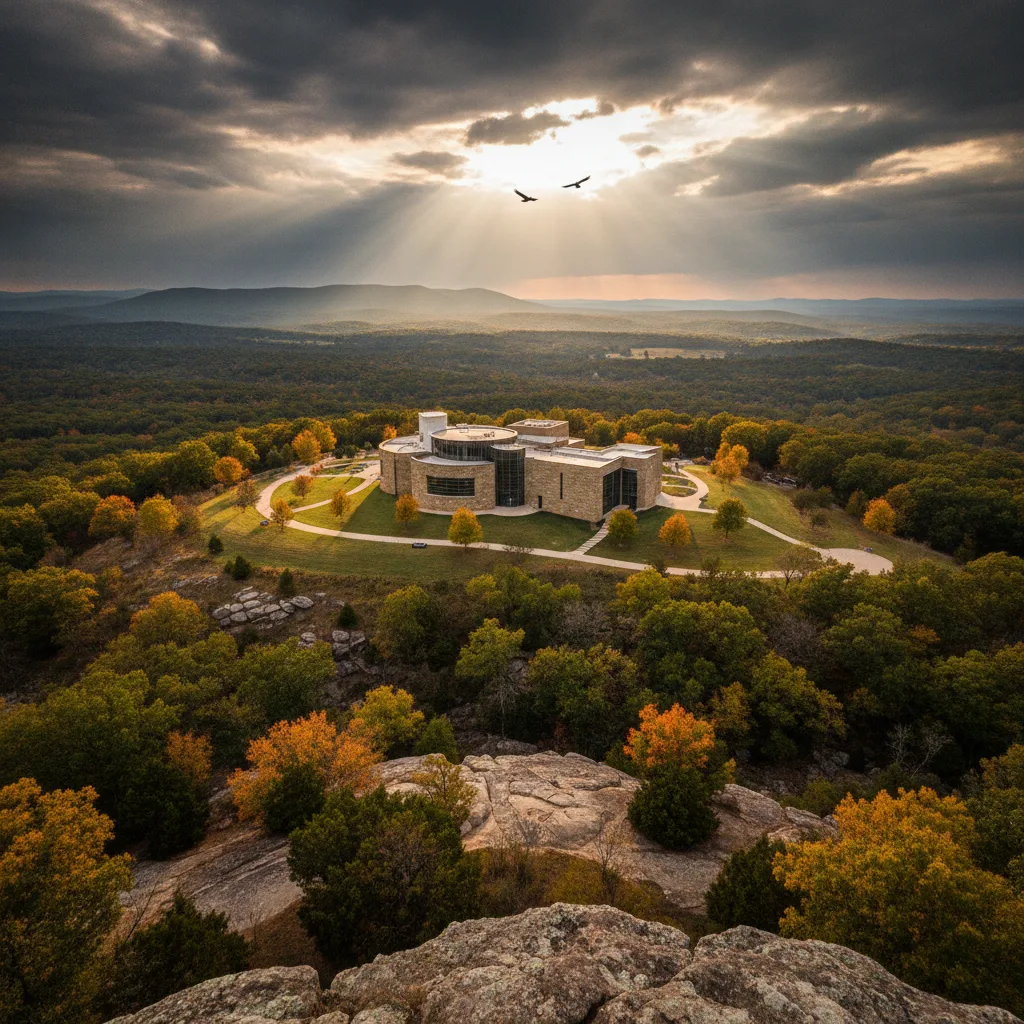
Our Museum of Native American History guide covers practical planning for Museum of Native American History Arkansas — best time to visit, getting there, and what to do on the ground.
Museum of Native American History Travel Guide — Arkansas
Our team at Roam States has explored countless cultural institutions across the US, and we can confidently say that the Museum of Native American History Arkansas is a true standout. This exceptional museum takes visitors on a profound journey through 14,000 years of Native American history, showcasing an incredible array of ancient artifacts, intricate headdresses, and compelling cultural exhibits. What truly sets it apart, beyond its world-class collection, is that admission is entirely free, making this vital piece of American heritage accessible to all. We've compiled this comprehensive guide to help you plan your visit in 2026, ensuring you make the most of your time exploring this essential Bentonville gem.
Why Visit Museum of Native American History
For us, the Museum of Native American History (MONAH) isn't just another stop on a travel itinerary; it's a profound educational experience that offers a deep dive into the rich and complex tapestry of Indigenous cultures across the Americas. We believe it's an indispensable visit for anyone seeking a genuine understanding of the continent's earliest inhabitants and their enduring legacies. Unlike many museums that might focus on a specific tribe or region, MONAH provides a sweeping chronological narrative, beginning with the Paleo-Indian period and extending through the early European influence, spanning an impressive 14,000 years of human existence in the Americas.
The sheer volume and quality of the collection are remarkable. Our team was particularly struck by the diverse range of artifacts on display – from meticulously crafted stone tools and ancient pottery to ceremonial headdresses and powerful weaponry. Each piece tells a story, offering tangible connections to the lives, beliefs, and artistic expressions of the First Americans. We found the exhibits to be thoughtfully curated, with clear explanations that illuminate the cultural significance and historical context of each item. The inclusion of an Ice Age Woolly Mammoth skeleton at the entrance immediately sets the tone for a journey through deep time, captivating visitors from the moment they step inside.
Beyond the artifacts, MONAH's mission to educate future generations about Indigenous cultures is evident in its commitment to offering free admission and accessible programming. This ensures that everyone, regardless of economic background, can engage with this crucial history. We appreciate that the museum also weaves in contemporary Native American culture, showcasing how these vibrant traditions continue to thrive and evolve today. It's a powerful reminder of resilience and continuity. For us, a visit here is not just about looking at old objects; it's about gaining perspective, fostering empathy, and celebrating the profound contributions of Native American peoples to the world.
Who It's Best For
The Museum of Native American History is truly a destination for everyone, but our team has identified a few groups who will find it particularly enriching. First and foremost, it's an absolute must for history buffs and anthropology enthusiasts. The chronological layout, beginning with the earliest inhabitants and progressing through various cultural periods, offers a deep, academic-level understanding of Native American development across the continent. Researchers and serious students of Indigenous cultures will appreciate the extensive collection of over 10,000 artifacts, many of which are exceptionally rare and well-preserved.
Families with children will also find MONAH incredibly engaging. The museum offers interactive elements, such as the popular arrowhead hunt located around the outdoor tipi, where children can search for hand-knapped arrowheads and even keep one for free if they are under 15. The audio wands provide self-guided tours that allow families to explore at their own pace, making it easy to cater to different attention spans and interests. We've also noted that the museum frequently hosts family-friendly events, like "Storytime @ MONAH" on the last Saturday of each month and "Free Drop-in Summer Tours" on select Tuesdays in June, July, and August, all designed to make learning fun and accessible for younger visitors. The museum is handicap accessible, ensuring that all family members can navigate the exhibits comfortably.
Beyond these specific groups, we recommend the Museum of Native American History to anyone traveling through Northwest Arkansas looking for a meaningful and enriching cultural experience that goes beyond typical tourist attractions. It offers a unique opportunity to connect with an essential part of American heritage, providing context and understanding that is often overlooked. Given its free admission, it's an accessible and valuable addition to any itinerary, whether you're a solo traveler, a couple, or a large group.
Getting There & Parking
Navigating to the Museum of Native American History Arkansas is straightforward, as it's conveniently located at 202 SW O St., Bentonville, AR 72712. Bentonville itself is easily accessible via I-49. If you're approaching from I-49 North, take exit 88B onto East Central Avenue. Continue past the square and across Walton Boulevard, and you'll find the museum on your left on O Street. For those coming from I-49 South, take exit 88, turn right, and head east on Central Avenue, then continue past the square and across Walton Boulevard, with the museum appearing on your left.
If you're already exploring downtown Bentonville, perhaps after a visit to the Crystal Bridges Museum of American Art, the Museum of Native American History is just a short drive away. From Crystal Bridges, head down Museum Way, turn right on J Street, and at the first stoplight (where you'll see a Casey's and Dollar General), turn right onto Central Avenue. Continue past the square and cross Walton Boulevard, and the museum will be on your left.
When it comes to parking, our team was pleased to find that the Museum of Native American History offers ample and free on-site parking. There's a large parking area, which has been recently expanded to include an overflow section, capable of accommodating even buses for school and group visits. This eliminates any stress about finding a spot, allowing you to focus entirely on your museum experience. The parking facilities, like the museum itself, are also accessible.
Top Things to Do
When planning your visit to the Museum of Native American History, you'll find a wealth of experiences designed to immerse you in 14,000 years of Indigenous history. Our team has highlighted the top things to do at Museum of Native American History to ensure you make the most of your time.
- Embark on a Self-Guided Audio Tour: Upon entry, grab one of the complimentary audio wands. These devices allow you to explore the museum's extensive collection at your own pace, providing detailed insights and context for the thousands of artifacts on display. We found this to be an excellent way to personalize our visit, lingering longer at exhibits that particularly captured our interest.
- Journey Through Time with Chronological Exhibits: The museum's galleries are thoughtfully arranged in chronological order, spanning five distinct periods from the Paleo-Indian era (around 12,000 BC) through the early European influence (around 1900 AD). You'll encounter everything from ancient tools and weaponry to exquisite pottery and ceremonial items, each telling a piece of the vast Native American story. Don't miss the impressive Woolly Mammoth skeleton that greets you at the entrance, setting the stage for the deep historical journey ahead.
- Discover Iconic Artifacts: Keep an eye out for some of the museum's most celebrated pieces. The famous Sweetwater Biface, renowned as one of the thinnest flints ever discovered in North America, is a particular highlight. You'll also see a large collection of Gunther points and rare Mississippian effigy head pots, considered some of the most unique ceramics in the collection. The headdresses from Plains tribes, adorned with eagle feathers, are also incredibly striking and tell stories of bravery and tradition.
- Explore the Outdoor Tipi and Arrowhead Hunt: Step outside to the museum grounds where a traditional tipi stands. Surrounding it, an engaging arrowhead hunt awaits, especially popular with younger visitors. Children under 15 can even keep one hand-knapped arrowhead they discover, making for a memorable souvenir. This hands-on activity provides a fun, interactive way to connect with ancient hunting practices.
- Visit the Museum Gift Shop: Before you leave, browse the museum shop. It offers a curated selection of Native American-made jewelry, pottery, books, art, and other collectibles, providing an opportunity to take a piece of Indigenous culture home with you and support Native artists.
- Attend Special Events: Check the museum's calendar for special events. In 2026, they are hosting "Storytime @ MONAH" on the last Saturday of each month, offering free stories and crafts. Additionally, "Free Drop-in Summer Tours" are available on the second Tuesday of June, July, and August, providing guided experiences for the whole family.
Things to Do in Bentonville
Beyond the Museum of Native American History Arkansas, Bentonville offers an impressive array of attractions that make it a vibrant cultural hub in Northwest Arkansas. Our team suggests dedicating ample time to explore these other fantastic things to do in Bentonville:
- Crystal Bridges Museum of American Art: This world-class museum, founded by Alice Walton, is a must-see. It houses a stunning collection of American art spanning five centuries, set within a breathtaking architectural design that seamlessly blends with the Ozark landscape. The museum's outdoor trails are also adorned with sculptures and offer beautiful nature walks. We recommend linking to our Crystal Bridges Museum guide for more in-depth planning.
- The Momentary: A contemporary art space and satellite of Crystal Bridges, The Momentary focuses on emerging visual, performing, and culinary artists. It hosts concerts, exhibitions, and unique events, offering a dynamic cultural experience.
- Downtown Bentonville Square: The heart of the city, the square is a charming area filled with shops, restaurants, and the historic Bentonville History Museum. It's a great place for a stroll, especially during the Farmers Market.
- The Walmart Museum: Learn about the fascinating history of Walmart and its founder, Sam Walton, at this interactive museum. Note that in 2026, it has been temporarily relocated to the Walmart Museum Heritage Lab.
- Biking Trails: Bentonville is a renowned biking destination. Explore iconic mountain bike systems like Slaughter Pen and Coler Mountain Bike Preserve, or enjoy paved paths like the Razorback Greenway. There are options for all skill levels, with many trails connecting directly from downtown.
- Peel Museum & Botanical Garden: Explore a historic home and beautiful botanical gardens, offering a glimpse into 19th-century life in Arkansas.
Best Time to Visit
Our team at Roam States always aims to provide specific advice for optimal travel, and for the Museum of Native American History Arkansas, timing can enhance your experience. The museum is open Tuesday through Saturday, from 11:00 a.m. to 5:00 p.m., and closed on Mondays and Sundays. It also observes closures on major holidays such as New Year's Day, Thanksgiving Day, and Christmas Day.
Generally, we recommend visiting during the shoulder seasons—spring (April to May) and fall (September to October). During these months, the weather in Northwest Arkansas is typically mild and pleasant, making it ideal for exploring not only the museum but also the surrounding outdoor attractions in Bentonville, such as the numerous biking trails and the grounds of Crystal Bridges Museum. You'll experience comfortable temperatures for walking around and enjoying the natural beauty of the Ozarks without the intense heat of summer or the chill of winter.
If you're planning a summer visit (June to August), be aware that temperatures can be quite warm. However, the museum offers a cool, indoor escape, and they even host "Free Drop-in Summer Tours" on select Tuesdays, which can be a great way to engage with the exhibits. Weekdays, particularly Tuesday through Thursday, tend to be less crowded than Fridays and Saturdays. This can allow for a more leisurely exploration of the galleries and easier access to the audio wands.
For those interested in specific programming, consider checking the museum's event calendar. For example, "Storytime @ MONAH" is held on the last Saturday of each month, which could be a fun addition for families. If you're planning a group visit, remember that reserved group tour hours are available Tuesday through Saturday from 9:00 a.m. to 11:00 a.m., requiring advance booking.
Ultimately, because admission is free, the Museum of Native American History is always accessible. However, by considering the weather and potential crowd levels, you can tailor your visit for maximum enjoyment.
Where to Stay Nearby
When planning your trip to the Museum of Native American History Arkansas, securing comfortable and convenient lodging is key. Bentonville offers a range of options, from boutique hotels to familiar chains, many of which are just a short distance from the museum. Our team recommends staying in or near downtown Bentonville, as it provides excellent access not only to MONAH but also to other major attractions like Crystal Bridges and a vibrant dining scene.
For a unique experience, consider the 21c Museum Hotel Bentonville. This establishment is more than just a place to sleep; it's a contemporary art museum and boutique hotel rolled into one, featuring rotating art installations and a highly-regarded restaurant, The Hive. It's centrally located and within walking distance or a very short drive to the Museum of Native American History.
Other highly-rated options for Museum of Native American History lodging include The Compton, a 4-star hotel known for its excellent service, and Motto by Hilton Bentonville Downtown, a 3-star option that offers good value and a convenient location. For those preferring familiar brands, you'll find hotels like Avid Hotels Bentonville, Holiday Inn Express Hotel & Suites Bentonville, Element Bentonville, and Courtyard by Marriott Bentonville in the area, often offering amenities like free breakfast and pools. Many of these are within a few miles of the museum and other Bentonville attractions.
If you're looking for something with a more home-like feel, there are numerous vacation rentals available, such as "The Downtown Bentonville Bespoke Townhome" or "Prism - Downtown," which can be ideal for families or longer stays. These often come equipped with kitchens and multiple bedrooms, providing more space and flexibility. Regardless of your preference, we advise booking your Museum of Native American History lodging in advance, especially during peak travel seasons, to ensure the best selection and rates.
Sample 2-Day Itinerary
To help you maximize your visit to Bentonville and the Museum of Native American History Arkansas, our team has crafted a sample 2-day itinerary. This plan balances cultural immersion with outdoor activities and culinary delights, ensuring a well-rounded experience.
Day 1: Deep Dive into History and Art
- Morning (9:00 AM - 12:00 PM): Museum of Native American History
Start your day with a comprehensive visit to the Museum of Native American History Arkansas. Arrive shortly after the 9:00 AM opening for group tours (if pre-booked) or 11:00 AM for general admission to take advantage of fewer crowds. Spend a solid three hours exploring the chronological exhibits with an audio wand, delving into 14,000 years of Indigenous history. Don't forget to let the kids (or adults!) try the arrowhead hunt outside. - Lunch (12:00 PM - 1:30 PM): Downtown Bentonville
Head to downtown Bentonville for lunch. The area around the Bentonville Square offers a variety of excellent restaurants, from casual cafes to more upscale dining. We particularly enjoy the local eateries for a taste of regional cuisine. - Afternoon (1:30 PM - 5:30 PM): Crystal Bridges Museum of American Art
Dedicate your afternoon to the renowned Crystal Bridges Museum of American Art. Explore its impressive indoor galleries and then take some time to wander the beautiful outdoor trails, admiring the sculptures and natural surroundings. - Evening (6:00 PM onwards): Dinner & Leisure
Enjoy dinner at one of Bentonville's acclaimed restaurants. For a unique experience, consider The Hive at the 21c Museum Hotel. Afterwards, if you're up for it, check for any evening events or live music at The Momentary or local breweries.
Day 2: Outdoor Exploration & Local Charm
- Morning (9:00 AM - 12:00 PM): Biking or Hiking Adventure
Embrace Bentonville's reputation as a cycling mecca. Rent a bike and explore the Slaughter Pen or Coler Mountain Bike Preserve trails, or take a more relaxed ride along the Razorback Greenway. If biking isn't your speed, enjoy a scenic hike in Compton Gardens and Conference Center. - Lunch (12:00 PM - 1:30 PM): Casual Bite
Grab a casual lunch near your morning activity, perhaps at a cafe or a quick-service spot in downtown. - Afternoon (1:30 PM - 4:30 PM): The Momentary & Downtown Square
Spend your afternoon exploring The Momentary, taking in its contemporary art installations and unique atmosphere. Afterwards, revisit the Downtown Bentonville Square to browse local shops, perhaps picking up some souvenirs. - Late Afternoon (4:30 PM - 6:00 PM): The Walmart Museum
Conclude your cultural exploration with a visit to The Walmart Museum (currently at the Heritage Lab) to learn about the origins of this global retail giant and the legacy of Sam Walton. - Evening: Farewell Dinner
Enjoy a final dinner in Bentonville, perhaps trying a different culinary style than the previous night. Reflect on the rich history and vibrant culture you've experienced in Northwest Arkansas.
For those extending their trip in Arkansas, consider adding destinations like Hot Springs National Park for relaxation and history, or the unique gem of Crater of Diamonds State Park where you can dig for your own diamonds. You can find more inspiration for your Arkansas adventures on our Best places in Arkansas guide.
Last updated: 2026-07-05 by the Roam States team.