Our Natural History Museum of Utah guide covers practical planning for Natural History Museum of Utah Utah — best time to visit, getting there, and what to do on the ground.
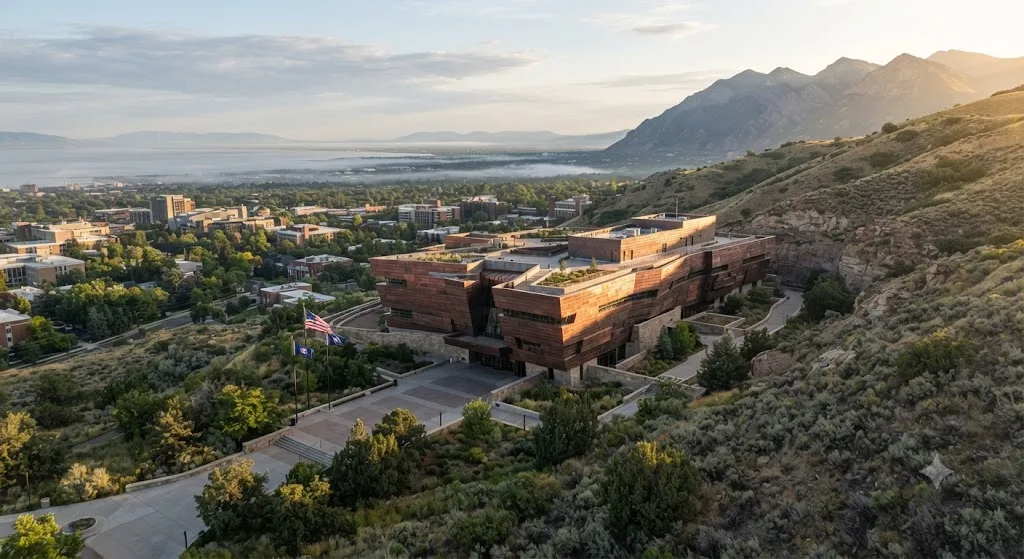
As the Roam States editorial team, we’ve explored countless museums across the United States, but the Natural History Museum of Utah Utah holds a special place in our hearts. Nestled in the foothills of the Wasatch Mountains on the University of Utah campus, this architectural marvel is a gateway to understanding the rich natural and cultural heritage of the Beehive State and the broader Intermountain West. From colossal dinosaur skeletons to intricate geological formations and compelling stories of ancient peoples, it’s an immersive experience that consistently impresses our team.
Why Visit Natural History Museum of Utah
Visiting the Natural History Museum of Utah offers a truly unique educational and awe-inspiring experience that makes it unequivocally worth your time. We believe it stands out as one of the finest natural history museums in the country, boasting a collection of over 1.5 million specimens and objects that connect visitors with Utah's landscapes and cultures.
For those wondering, "is Natural History Museum of Utah worth visiting?", our answer is a resounding yes. The museum’s commitment to showcasing the region's deep history, from prehistoric life to contemporary Native American cultures, is unparalleled. You'll encounter world-class exhibits that are both engaging and informative, making it an ideal destination for curious minds of all ages. The stunning architecture of the Rio Tinto Center, which houses the museum, is a draw in itself, blending seamlessly with the natural environment and offering panoramic views of the Salt Lake Valley. Whether you're a paleontology enthusiast, a geology buff, or simply looking for an enriching cultural experience, the Natural History Museum of Utah delivers.
The museum’s permanent exhibitions, such as "Past Worlds" with its extensive dinosaur displays, "Gems and Minerals" showcasing dazzling geological treasures, and "Native Voices" celebrating indigenous cultures, provide a comprehensive journey through time and terrain. We find that the interactive elements and thoughtful presentations ensure that every visit uncovers something new. This isn't just a collection of artifacts; it's a vibrant narrative of Utah's past, present, and future. So, if you're deliberating whether the Natural History Museum of Utah is worth visiting, trust us – it absolutely is.
Who It's Best For
The Natural History Museum of Utah caters to a remarkably broad audience, making it an excellent destination for nearly everyone. Our team consistently recommends it for:
- Families with Children: The museum is a wonderland for kids. Its interactive exhibits, particularly the dinosaur hall ("Past Worlds") and the "Our Backyard" section, are designed to captivate young minds. Children aged 3-12 have a dedicated admission price, and those 2 and under enter for free, highlighting its family-friendly focus. The hands-on activities and engaging displays make learning about science and history an exciting adventure.
- Paleontology Enthusiasts: With its extensive collection of dinosaur fossils from the Morrison Formation and other local sites, the museum is a must-see for anyone fascinated by prehistoric life. You'll find impressive mounted skeletons and detailed information on Utah’s significant paleontological discoveries.
- Geology Buffs: Utah's diverse landscapes are a geological marvel, and the museum's "Land" and "Gems and Minerals" exhibits beautifully illustrate the forces that shaped them. From tectonic plates to glittering crystals, the displays offer deep insights into Earth's processes.
- History and Culture Seekers: The "First Peoples" and "Native Voices" galleries respectfully present the archaeological findings and living cultures of Utah's indigenous communities, providing a crucial understanding of human history in the region.
- Students and Researchers: Located at the University of Utah, the museum serves as a vital educational resource. University of Utah students, faculty, and staff receive free admission with a valid ID, underscoring its academic importance.
- Nature Lovers: Beyond the exhibits, the museum’s location offers access to the Bonneville Shoreline Trail and stunning views of the Great Salt Lake and the surrounding mountains, appealing to those who appreciate Utah's natural beauty.
Regardless of your age or interests, the Natural History Museum of Utah offers something to spark curiosity and deepen your appreciation for the natural world and human history.
Getting There & Parking
Navigating to the Natural History Museum of Utah is straightforward, whether you're driving or utilizing public transportation. For those wondering how to get to Natural History Museum of Utah, we've outlined the best options.
By Car
The museum is located at 301 Wakara Way, Salt Lake City, Utah 84108, within Research Park on the University of Utah campus. From downtown Salt Lake City, it's typically a 10-15 minute drive depending on traffic. If you're coming from I-80 East, take exit 121 for 600 South, turn left onto S State Street, then right onto 400 South/UT-186 E/E University Boulevard, and continue to Foothill Drive before turning left onto Wakara Way. From I-80 West, take exit 129 for UT-186 West, continue straight onto S Foothill Drive, and then turn right onto Wakara Way past Sunnyside Drive.
Parking at Natural History Museum of Utah
The museum offers two levels of surface parking directly adjacent to the building. Be aware that it is an uphill walk from the parking lot to the main entrance, though footpaths, stairways, and ramps are available for accessibility. For those with mobility concerns or young children, a convenient turnaround area allows for passenger drop-off and pick-up right at the entrance.
In peak seasons or during special events, overflow parking may be directed to the Williams Parking Structure or the NPS Upper Terrace, both located northwest and south of the museum, respectively. Additionally, street parking is available on Colorow Road, one block west of the museum. We recommend arriving earlier in the day to secure the most convenient spots, especially on weekends or during school holidays.
Public Transportation
For those preferring not to drive, public transportation is a viable option for how to get to Natural History Museum of Utah. The Utah Transit Authority (UTA) operates several bus routes that stop within walking distance of the museum. Key routes include the 223, 455, and 473, which travel from various points including downtown Salt Lake and Ogden. The University Medical Center TRAX (light rail) station is also a 6-minute walk from the museum. Furthermore, the University of Utah Campus Shuttle's Sunnyside Route and RP Circulator Route have stops directly in front of the Natural History Museum of Utah.
Taking public transit is an excellent way to avoid parking concerns, and the journey from downtown Salt Lake City via bus can take approximately 30-42 minutes, or about 14 minutes by TRAX to the Fort Douglas Station, followed by a walk.
Top Things to Do
The Natural History Museum of Utah offers a wealth of experiences, ensuring there are plenty of things to do at Natural History Museum of Utah for every visitor. Beyond the museum, Salt Lake City itself provides a vibrant array of attractions. Here’s our curated list:
Things to Do at Natural History Museum of Utah
The museum is thoughtfully organized into ten permanent exhibitions, each delving into a different aspect of Utah’s natural and cultural heritage. We recommend allocating at least two to three hours for a thorough visit.
- Explore "Past Worlds": This is arguably the museum's most iconic exhibit, showcasing an impressive collection of dinosaur skeletons and fossils, including Utah's state fossil, the Allosaurus. It’s a truly immersive journey back to the Mesozoic Era.
- Marvel at "Gems and Minerals": Witness a dazzling array of geological specimens, from raw mineral forms to exquisitely cut gemstones. The vibrant colors and intricate structures are a testament to Earth's artistic power.
- Discover "Native Voices" and "First Peoples": These exhibits offer profound insights into the rich history and enduring cultures of Utah's indigenous communities. You'll see ancient artifacts and learn about the traditions and contemporary lives of Native Americans in the region.
- Journey Through "Land": Understand the geological forces that shaped Utah's diverse landscapes, from the towering Wasatch Mountains to the unique formations of the Colorado Plateau.
- Ascend to the "Sky" Terrace: Head to the museum's rooftop terrace for breathtaking panoramic views of the Salt Lake Valley, the Great Salt Lake, and the surrounding mountains. It's a perfect spot for photos and contemplation.
- Engage with "Our Backyard": This interactive gallery focuses on Utah's diverse ecosystems and encourages visitors to explore the natural world right outside their doors. It's particularly popular with younger visitors.
- Visit Special Exhibitions: The museum regularly hosts temporary special exhibitions that complement its permanent collections. Check their website for current offerings, as these often provide fresh and exciting perspectives.
- Shop at the Museum Store and Dine at the Canyon Café: The museum store offers unique, educational souvenirs, while the Canyon Café provides a range of food and drinks with stunning views.
These things to do at Natural History Museum of Utah provide a comprehensive and engaging experience for all ages.
Things to Do in Salt Lake City
Beyond the museum, Salt Lake City offers a wide array of attractions and activities that are worth exploring. We always encourage visitors to extend their stay and experience more of what this vibrant city has to offer. Some of our top recommendations for things to do in Salt Lake City include:
- Temple Square: The spiritual heart of The Church of Jesus Christ of Latter-day Saints, Temple Square is a stunning 10-acre complex featuring beautiful gardens, historic buildings like the Salt Lake Temple and Tabernacle, and various visitor centers. Free tours are available.
- Utah State Capitol Building: Perched on Capitol Hill, this magnificent neoclassical building offers free tours and incredible views of the city. Its impressive architecture and historical significance make it a worthwhile visit.
- Red Butte Garden: Adjacent to the Natural History Museum, Red Butte Garden is Utah's botanical garden and arboretum, offering beautiful themed gardens, walking paths, and a popular outdoor concert series in the summer.
- Hogle Zoo: Located in Emigration Canyon, the Hogle Zoo is home to over 800 animals and offers a fun outing for families.
- Great Salt Lake: Take a drive out to Antelope Island State Park for stunning views of the Great Salt Lake, wildlife viewing (including bison and pronghorn antelope), and hiking opportunities.
- City Creek Center: For shopping and dining, City Creek Center is an open-air mall downtown with a retractable roof, a realistic stream, and regular fountain shows.
- Skiing and Outdoor Recreation: Salt Lake City is a gateway to world-class skiing in the nearby Wasatch Mountains. Resorts like Park City, Alta, and Snowbird are within a short drive. In warmer months, the canyons offer fantastic hiking, mountain biking, and rock climbing.
These diverse things to do in Salt Lake City complement a visit to the Natural History Museum of Utah, making for a well-rounded Utah adventure. You can find more ideas for your broader trip to the state on our Best Places in Utah guide.
Best Time to Visit
Choosing the best time to visit the Natural History Museum of Utah can significantly enhance your experience. Our team has found that certain times offer a more relaxed atmosphere, while others are bustling with activity.
The museum is open daily from 10 a.m. to 5 p.m., with extended hours until 9 p.m. on Wednesdays. We recommend considering these factors:
- Quieter Times: If you prefer a less crowded visit, weekday afternoons after 1:30 p.m. are generally quieter. Sundays are also typically less busy than Saturdays. Wednesday evenings, from 5 p.m. to 9 p.m., offer a unique opportunity to explore the museum with fewer crowds. This is an ideal time for adults or those seeking a more contemplative experience.
- Peak Times: Saturdays and weekday mornings, especially during the school year, can be quite lively due to school field trips and general weekend visitors. If you're visiting with children and enjoy a vibrant, energetic atmosphere, these times can be fun, but be prepared for more people.
- Seasonal Considerations:
- Spring (April-May) and Fall (September-October): These seasons often provide pleasant weather for enjoying the museum's outdoor areas and the surrounding Red Butte Garden. The crowds are typically moderate, making it a great balance.
- Summer (June-August): Summer is popular for family travel, so expect more visitors. However, the museum offers a cool, indoor escape from the summer heat, and special summer camps and programs are often available.
- Winter (November-March): While it might be colder, winter can offer a cozy museum experience with potentially fewer crowds, especially outside of holiday periods. The museum is closed on Thanksgiving Day and Christmas Day, and closes early at 3 p.m. on Thanksgiving Eve and Christmas Eve.
We always advise checking the museum's official website for any specific closures or early closings due to special events like their annual fundraising gala (June 11, 2026) or staff retreats. Booking tickets online in advance is encouraged to expedite your entry, regardless of when you visit.
Where to Stay Nearby
Finding comfortable and convenient Natural History Museum of Utah lodging is key to a relaxing visit. While the museum is located on the University of Utah campus, several excellent hotel options are just a short drive away, catering to various budgets and preferences. We’ve identified some top choices for Natural History Museum of Utah lodging:
Closest Options (University/Foothill Area)
- Salt Lake City Marriott University Park: This hotel is exceptionally close, located just 0.53 miles from the museum, making it an ideal choice for convenience. It's often rated highly by travelers and offers a comfortable stay.
- Hampton Inn & Suites Salt Lake City/University-Foothill Dr: Another excellent option in the immediate vicinity, known for its reliable comfort and amenities. It's a popular choice for families and business travelers alike.
- University Guest House and Conference Center: Located directly on the University of Utah campus, this is a fantastic option for those who want to be immersed in the university atmosphere and be as close as possible to the museum.
- Home2 Suites by Hilton Salt Lake City-East: While a bit further out (around 3.10 miles), this hotel offers extended-stay amenities like kitchenettes, which can be great for families or longer visits.
Downtown Salt Lake City Options
For those who prefer to be closer to the city's vibrant core, with more dining and entertainment options, downtown Salt Lake City offers a wider selection of hotels. These are typically a 10-15 minute drive from the museum:
- Grand America Hotel: A luxurious choice offering elegant accommodations, multiple dining options, and a prime downtown location.
- Little America Hotel Salt Lake City: A classic and well-regarded hotel known for its spacious rooms and excellent service, also conveniently located downtown.
- Kimpton Hotel Monaco Salt Lake City: A boutique hotel known for its stylish design, pet-friendly policy, and vibrant atmosphere.
- Hyatt Regency Salt Lake City: A newer, modern option in the heart of downtown, offering contemporary amenities and easy access to attractions like the Salt Palace Convention Center.
- Courtyard by Marriott Salt Lake City Downtown: A reliable and comfortable option for both leisure and business travelers, with easy access to public transport.
When considering Natural History Museum of Utah lodging, we suggest balancing proximity to the museum with your desire for downtown amenities. Many of these hotels offer good value, and booking in advance, especially during peak season, is always a wise move.
Sample 2-Day Itinerary
To help you make the most of your visit to the Natural History Museum of Utah and the surrounding Salt Lake City area, our team has crafted a sample 2-day itinerary. This plan balances museum exploration with other key attractions, offering a comprehensive and enjoyable experience.
Day 1: Deep Dive into Natural History
- Morning (9:30 AM - 1:00 PM): Natural History Museum of Utah
Arrive at the Natural History Museum of Utah shortly after opening to take advantage of quieter morning hours. Begin your exploration in the "Past Worlds" exhibit, dedicating ample time to the impressive dinosaur displays. Move on to "Gems and Minerals" to admire the geological wonders. Don't forget to take a break at the Canyon Café for a snack or coffee with a view.
- Lunch (1:00 PM - 2:00 PM): Museum Café or Nearby
Enjoy lunch at the museum's Canyon Café or head to a nearby eatery in the University of Utah area, such as those along Foothill Drive.
- Afternoon (2:00 PM - 5:00 PM): Continued Museum Exploration & Red Butte Garden
Return to the museum to explore the "Native Voices" and "First Peoples" exhibits, gaining insight into Utah's rich cultural history. Conclude your museum visit with a trip to the "Sky" terrace for panoramic views. Afterwards, take a leisurely stroll through the adjacent Red Butte Garden, especially beautiful in spring and fall.
- Evening (6:00 PM onwards): Dinner & Downtown Charm
Head downtown for dinner. Salt Lake City offers a diverse culinary scene, from casual to fine dining. Consider a walk around Temple Square in the evening to see the illuminated grounds.
Day 2: Salt Lake City Highlights & Utah's Natural Wonders
- Morning (9:00 AM - 12:00 PM): Temple Square & Utah State Capitol
Start your day at Temple Square, taking a guided tour to learn about its history and significance. Explore the Salt Lake Temple grounds, the Tabernacle, and the Assembly Hall. Afterwards, drive or take a short public transit ride to the Utah State Capitol Building for its impressive architecture and city views.
- Lunch (12:00 PM - 1:00 PM): Downtown Dining
Grab lunch at one of the many restaurants in downtown Salt Lake City, perhaps near City Creek Center.
- Afternoon (1:00 PM - 5:00 PM): Choose Your Adventure
Depending on your interests, choose one of these fantastic options:
- Option A (Nature & Wildlife): Drive out to Antelope Island State Park on the Great Salt Lake for wildlife viewing (bison, pronghorn antelope) and scenic hikes.
- Option B (Family Fun): Visit Utah's Hogle Zoo in Emigration Canyon or the Discovery Gateway Children's Museum downtown.
- Option C (History & Heritage): Explore This Is The Place Heritage Park, a living history village that tells the story of Utah's pioneers.
- Evening (6:00 PM onwards): Farewell Dinner & Planning Future Adventures
Enjoy a final dinner in Salt Lake City. As you reflect on your trip, perhaps start dreaming of future Utah explorations, like the iconic national parks such as Zion National Park, Bryce Canyon National Park, or Arches National Park. You can also find more inspiration on our Plan Your US Trip page.
Last updated: 2026-07-09 by the Roam States team.