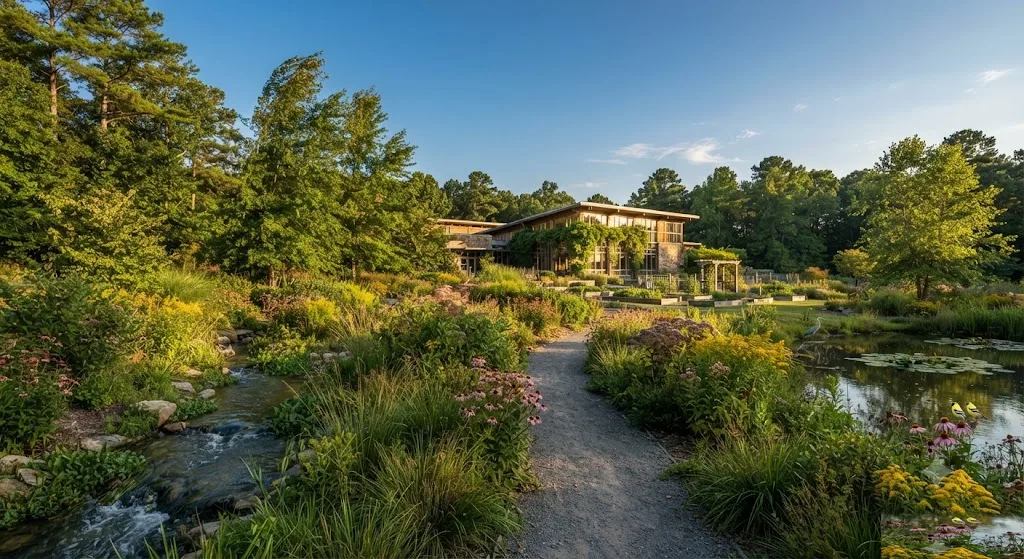
Our North Carolina Botanical Garden guide covers practical planning for North Carolina Botanical Garden North Carolina — best time to visit, getting there, and what to do on the ground.
As the Roam States editorial team, we’re dedicated to bringing you the most authentic and actionable travel advice for the United States. Today, we’re setting our sights on a true gem of the Tar Heel State: the North Carolina Botanical Garden North Carolina. This isn't just another pretty park; it's a living museum, a vital conservation hub, and an immersive journey into the diverse plant life of the Southeast. Our team has explored its winding trails and vibrant collections to bring you an independent, in-depth guide that cuts through the fluff and gets straight to what you need to know for your 2026 visit.
Why Visit North Carolina Botanical Garden
The North Carolina Botanical Garden is a standout destination for anyone with an appreciation for nature, conservation, and the unique ecosystems of the southeastern United States. It's a place where education and beauty intertwine, offering visitors a chance to connect with the natural world on a deeper level. The garden's mission is rooted in inspiring understanding, appreciation, and conservation of plants, fostering a sustainable relationship between people and nature.
We believe the North Carolina Botanical Garden is worth visiting because it's a leader in native plant conservation and education, boasting over 50 years of dedication to preserving North Carolina's unique botanical legacy. You'll encounter a remarkable array of native plants, including fascinating carnivorous species, rare and endangered flora, and diverse habitat collections that mimic the state's varied landscapes. From the mountains to the coastal plains, the garden meticulously curates environments that showcase the region's biodiversity. This commitment to both display and preservation makes it an essential stop for eco-tourists, gardeners, and anyone seeking a tranquil escape into nature. Is it worth visiting? Absolutely. The depth of its collections and its unwavering commitment to conservation make it a truly enriching experience.
Who It's Best For
The North Carolina Botanical Garden caters to a wide range of visitors, making it a versatile destination for many travelers. We find it particularly ideal for:
- Nature Enthusiasts and Gardeners: With its extensive collections of native plants, including rare and endangered species, and meticulously designed habitat gardens, this is a paradise for those passionate about botany and horticulture. You'll find inspiration for your own garden and deepen your understanding of regional flora.
- Families with Children: The garden offers an engaging outdoor classroom experience. Kids can marvel at carnivorous plants, explore nature trails, and learn about the importance of conservation in an interactive setting. It’s a wonderful place for children to discover the wonders of the natural world.
- Educators and Researchers: As a unit of the University of North Carolina at Chapel Hill, the garden is a significant center for the study, display, interpretation, and conservation of plants. It houses the UNC Herbarium, the largest plant specimen collection in the Southeast, and is involved in cutting-edge conservation programs.
- Peace Seekers: The sprawling grounds, serene gardens, and extensive nature trails provide a peaceful retreat from the hustle and bustle. It’s an excellent spot for quiet reflection, leisurely strolls, and enjoying the calming presence of nature.
- Accessibility-Minded Travelers: While not all trails are universally accessible, the main garden areas and the Education Center are wheelchair-accessible, offering a meaningful experience for visitors with limited mobility.
Getting There & Parking
The North Carolina Botanical Garden is conveniently located in Chapel Hill, North Carolina, making it an accessible destination within the Triangle area. The address is 100 Old Mason Farm Road, Chapel Hill, NC 27517.
How to Get There
For visitors driving, Chapel Hill is easily reached via major interstates such as I-40. Once in Chapel Hill, follow signs toward the University of North Carolina at Chapel Hill, as the garden is a unit of the university. Detailed directions are often available on the garden's official website, which we recommend checking closer to your travel date for any specific road closures or updates. Navigating to the North Carolina Botanical Garden is straightforward with GPS, and its proximity to the university campus means it’s well-signposted.
Parking
Our research for 2026 indicates that on-site parking is available at the North Carolina Botanical Garden. While general admission to the garden is free, we always recommend checking the official website for any potential parking fees or changes to parking policies, especially during special events or peak seasons. Unlike some other botanical gardens in the state, such as The North Carolina Arboretum which charges a parking fee, the North Carolina Botanical Garden has historically offered free admission and on-site parking. This makes planning your visit to the North Carolina Botanical Garden even more convenient.
Top Things to Do
A visit to the North Carolina Botanical Garden offers a wealth of experiences, from tranquil strolls to in-depth educational opportunities. Here are the top things to do at North Carolina Botanical Garden:
- Explore the Display Gardens: The garden boasts 14 collections and display gardens, showcasing approximately 2,500 species native to North and South Carolina. Don't miss the unique Carnivorous Plant Collection, where you can observe fascinating species like pitcher plants and Venus flytraps, naturally found in a 90-mile radius around Wilmington. The Southeastern Habitat Collection, including Mountain, Sandhills, and Coastal Plain gardens, offers a microcosm of North Carolina's diverse landscapes.
- Wander the Nature Trails: The North Carolina Botanical Garden hiking trails are a highlight. The garden includes a 165-acre nature trail system that provides access to natural Piedmont woodlands, featuring stands of mature hardwoods over 200 years old. These trails are perfect for a leisurely walk or a more vigorous hike, allowing you to immerse yourself in the natural beauty of the region. Be sure to explore the Mason Farm Biological Reserve, one of the garden's major components, which spans 367 acres and offers additional opportunities for enjoying North Carolina Botanical Garden hiking trails.
- Visit the Mercer Reeves Hubbard Herb Garden: This aromatic garden is a treat for the senses, showcasing a variety of herbs and their uses. It was established in 1973, demonstrating the garden's long-standing commitment to plant diversity.
- Discover the UNC Herbarium: As the largest plant specimen collection in the Southeast, the Herbarium is a significant resource for botanical study and conservation, housing 750,000 specimens. It's a fascinating peek into the scientific work that underpins the garden's mission.
- Attend a Guided Tour or Program: The garden offers guided tours, particularly on the second Saturday of each month, providing insights into its unique native plant gardens and conservation efforts. These tours are a fantastic way to deepen your appreciation for the flora and the garden's mission. Check their schedule for other educational programs and events throughout 2026.
- Browse the Gift Shop: Before you leave, stop by the gift shop in the Education Center for unique plant-themed gifts, books, and souvenirs. You can also find native plant sales here, allowing you to bring a piece of the garden home.
- Explore the Coker Arboretum: Though a separate entity, the Coker Arboretum, UNC's first teaching collection of trees and shrubs, is also administered by the North Carolina Botanical Garden and is worth a visit for its historical significance and beautiful plantings.
These activities highlight the diverse things to do at North Carolina Botanical Garden, ensuring a memorable visit for all interests.
Best Time to Visit
The North Carolina Botanical Garden offers something special in every season, but we've identified key periods that maximize the visitor experience:
- Spring (March-May): This is arguably the most vibrant time to visit. The garden bursts into bloom with wildflowers, dogwoods, and azaleas. The air is fresh, temperatures are mild, and the lush greenery is at its peak. It's an ideal time for photography, leisurely strolls, and enjoying the full spectrum of floral displays.
- Early Summer (June): While temperatures begin to rise, early summer still offers abundant blooms and lush foliage. The carnivorous plant bogs are particularly active, and the water gardens are in full display with lilies and lotus. We recommend visiting in the morning to enjoy cooler temperatures.
- Fall (September-November): As the heat of summer subsides, the garden transforms with stunning fall colors, especially in the natural Piedmont woodlands accessible via the North Carolina Botanical Garden hiking trails. The crisp air and beautiful scenery make it a fantastic time for hiking and enjoying the outdoor spaces.
- Winter (December-February): While fewer plants are in bloom, the garden still offers a serene beauty. The evergreen collections and the structural elements of the gardens are highlighted. It's a quieter time, perfect for peaceful walks and appreciating the subtle beauty of the winter landscape.
The North Carolina Botanical Garden is open Tuesday through Sunday, from 9 AM to 5 PM, and is closed on Mondays. We always recommend checking their official website for any holiday closures or special event hours before your visit, especially in 2026.
Where to Stay Nearby
Finding comfortable and convenient North Carolina Botanical Garden lodging is key to a relaxing trip. Chapel Hill and the surrounding areas offer a variety of options to suit different preferences and budgets. Here are some of our top recommendations for North Carolina Botanical Garden lodging:
- Chapel Hill Hotels: For ultimate convenience, staying in Chapel Hill puts you just a short drive from the garden. You'll find a range of hotels, from boutique inns to well-known chains, offering amenities like pools, restaurants, and easy access to the town's vibrant dining and shopping scene. Many hotels in Chapel Hill cater to university visitors, ensuring a comfortable stay.
- Downtown Chapel Hill: If you enjoy being in the heart of the action, consider hotels in downtown Chapel Hill. This area offers a lively atmosphere with numerous restaurants, shops, and cultural attractions within walking distance. It’s also well-connected for getting to the botanical garden.
- Carrboro: Adjacent to Chapel Hill, Carrboro offers a slightly more bohemian and laid-back vibe. You'll find unique accommodations, independent shops, and a thriving arts scene. It's a great option if you prefer a less bustling environment while still being very close to the garden.
- Durham: Just a short drive from Chapel Hill, Durham provides more extensive lodging options, including luxury hotels, historic inns, and budget-friendly choices. Durham boasts a revitalized downtown, a vibrant food scene, and attractions like Duke University and the American Tobacco Campus. This is a good choice if you plan to explore more of the Triangle area.
- Bed & Breakfasts: For a more intimate and personalized experience, consider one of the charming bed and breakfasts in Chapel Hill or the surrounding countryside. These often offer unique character and local insights.
When planning your North Carolina Botanical Garden lodging, we advise booking in advance, especially if your visit coincides with university events or popular seasons like spring and fall.
Sample 2-Day Itinerary
To help you make the most of your visit, our team has crafted a sample 2-day itinerary focusing on the North Carolina Botanical Garden and the charming town of Chapel Hill:
Day 1: Immerse in Nature at the Garden
- Morning (9:00 AM - 1:00 PM): Arrive at the North Carolina Botanical Garden. Begin your exploration at the Education Center, picking up a map. Spend your morning wandering through the diverse display gardens, paying special attention to the Carnivorous Plant Collection and the various regional habitat collections. Take your time to appreciate the unique flora and the conservation efforts.
- Lunch (1:00 PM - 2:00 PM): Enjoy a picnic lunch amidst the garden's serene surroundings, or head to a local cafe in Chapel Hill for a quick bite.
- Afternoon (2:00 PM - 5:00 PM): Dedicate your afternoon to exploring the North Carolina Botanical Garden hiking trails. Choose a trail that suits your energy level and immerse yourself in the natural Piedmont woodlands. Don't forget to visit the Coker Arboretum, a historical part of the garden's legacy.
- Evening: Check into your North Carolina Botanical Garden lodging in Chapel Hill. Enjoy dinner at one of Chapel Hill's acclaimed restaurants. Consider a stroll down Franklin Street to soak in the lively college town atmosphere.
Day 2: Chapel Hill Charm & Beyond
- Morning (9:00 AM - 12:00 PM): Explore the cultural side of Chapel Hill. Visit the University of North Carolina at Chapel Hill campus, take a walk through the historic quad, and perhaps visit the Ackland Art Museum.
- Lunch (12:00 PM - 1:00 PM): Grab lunch at a casual eatery in Chapel Hill.
- Afternoon (1:00 PM - 5:00 PM): Depending on your interests, you have a few options:
- Option A (More Nature): Head to the nearby Mason Farm Biological Reserve for more extensive hiking and birdwatching. This 367-acre natural area is a significant component of the North Carolina Botanical Garden.
- Option B (Local Exploration): Explore the charming shops and boutiques in downtown Chapel Hill and Carrboro.
- Option C (Wider North Carolina Exploration): If you’re extending your trip in North Carolina, consider a scenic drive towards the Blue Ridge Parkway or planning a future visit to other incredible destinations like the Biltmore Estate or Great Smoky Mountains National Park. For more ideas on where to go in the state, check out our guide to Best places in North Carolina.
- Evening: Enjoy a final dinner in Chapel Hill, perhaps trying a different cuisine or revisiting a favorite spot.
Our Expert Verdict
The North Carolina Botanical Garden stands as a testament to the rich biodiversity of the southeastern United States and a beacon of conservation. Our team wholeheartedly recommends it for its stunning collections, educational value, and serene atmosphere. It’s a place where you can truly connect with nature and gain a deeper understanding of the plant world. Whether you're a seasoned botanist or simply seeking a peaceful outdoor escape, the garden offers an enriching experience that transcends the ordinary. We are confident that your visit will leave you inspired and refreshed.
Frequently Asked Questions About North Carolina Botanical Garden
North Carolina Botanical Garden camping
Camping is not permitted directly within the North Carolina Botanical Garden or its immediate display areas. The garden is primarily a day-use facility focused on plant conservation and education. However, there are various campgrounds and state parks in the wider Chapel Hill and Triangle area that offer camping opportunities for those looking to stay overnight in nature. We recommend checking local and state park websites for nearby camping options.
things to do in Chapel Hill
Beyond the botanical garden, Chapel Hill offers a vibrant mix of activities. You can explore the historic University of North Carolina at Chapel Hill campus, stroll and shop along iconic Franklin Street, visit the Ackland Art Museum, or catch a live performance. The town also boasts an excellent culinary scene, with diverse restaurants and cafes. For sports enthusiasts, catching a UNC Tar Heels game is a quintessential Chapel Hill experience.
North Carolina Botanical Garden with kids
The North Carolina Botanical Garden is an excellent destination for families with kids. Children will be captivated by the Carnivorous Plant Collection, where they can see Venus flytraps and pitcher plants up close. The extensive nature trails offer opportunities for exploration and discovery, and the open spaces are perfect for imaginative play. The garden's focus on education makes it a fun and engaging learning environment for young minds.
best hotels near North Carolina Botanical Garden
Some of the best hotels near the North Carolina Botanical Garden are located within Chapel Hill itself, offering convenient access. Options range from well-known brands to charming local establishments. We suggest looking for hotels along Fordham Blvd (US-15/501) or closer to the UNC campus for easy access to both the garden and local amenities. For a wider selection, consider hotels in neighboring Durham.
North Carolina Botanical Garden tips
Our top tips for visiting the North Carolina Botanical Garden include wearing comfortable shoes, as there are many trails and gardens to explore. Bring water, especially during warmer months. Check the garden's official website for any special events, guided tours, or seasonal highlights, as these can enhance your visit. Don't forget your camera to capture the stunning plant diversity. Since admission is free, it’s easy to make multiple visits to see different seasonal blooms.
where to stay near North Carolina Botanical Garden
For North Carolina Botanical Garden lodging, we recommend staying in Chapel Hill for the shortest commute. Downtown Chapel Hill offers a lively atmosphere, while areas slightly outside the immediate town center can provide a quieter experience. Nearby Carrboro is another excellent option with a unique local flavor. If you're planning to explore the wider region, Durham also offers a broad array of accommodations within a reasonable driving distance.
Last updated: 2026-07-08 by the Roam States team.