Our Organ Mountains-Desert Peaks National Monument guide covers practical planning for Organ Mountains-Desert Peaks National Monument New Mexico — best time to visit, getting there, and what to do on the ground.
As independent US travel authorities, our team has explored the vast and varied landscapes of the American Southwest, and few destinations captivate quite like the Organ Mountains-Desert Peaks National Monument New Mexico. This expansive monument, managed by the Bureau of Land Management (BLM), encompasses nearly 500,000 acres of rugged mountains, dramatic desert peaks, and significant cultural sites, offering an unparalleled playground for outdoor enthusiasts and history buffs alike.
Why Visit Organ Mountains-Desert Peaks National Monument
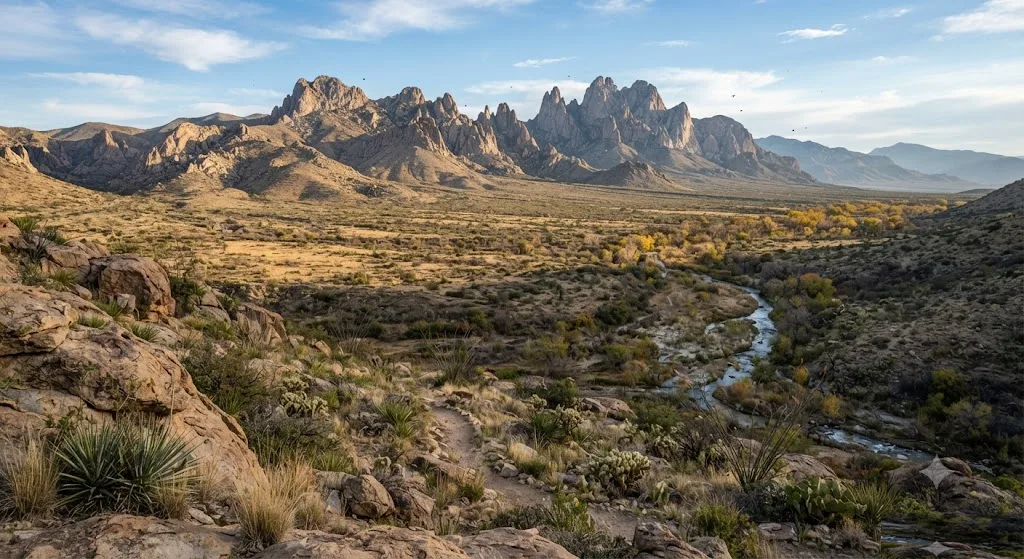
If you're wondering if Organ Mountains-Desert Peaks National Monument is worth visiting, we can confidently say absolutely. The monument is a testament to New Mexico's raw, untamed beauty, protecting a diverse ecosystem that ranges from Chihuahuan Desert habitats to ponderosa pine forests at higher elevations. The jagged spires of the Organ Mountains, often referred to as the "Organ Needles," rise dramatically to over 9,000 feet, creating a breathtaking skyline that has inspired artists and adventurers for centuries.
Beyond the stunning geology, the monument is a living museum of human history. It preserves over 22 miles of the historic Butterfield Stage Trail, ancient petroglyph sites, and even training grounds used by Apollo astronauts. You can literally walk in the footsteps of legends like Billy the Kid and Geronimo, who once sought refuge in these very hills. For those who appreciate a blend of natural wonder and rich cultural heritage, the question of whether Organ Mountains-Desert Peaks National Monument is worth visiting is easily answered with a resounding yes.
Who It's Best For
Organ Mountains-Desert Peaks National Monument caters to a wide array of visitors. It's an ideal destination for hikers of all skill levels, from those seeking easy, scenic strolls to experienced mountaineers looking for challenging climbs. Families will find accessible trails and opportunities for wildlife viewing, while history enthusiasts can delve into the monument's numerous archaeological and historical sites. Rock climbers will discover routes on the Doña Ana Mountains, and mountain bikers can explore designated trails. Even those simply looking for a scenic drive with stunning views will find plenty to appreciate, making it perfect for solo adventurers, couples, and families alike.
Getting There & Parking
Understanding how to get to Organ Mountains-Desert Peaks National Monument is crucial for planning your visit, as it doesn't have a single main entrance gate like many national parks. The monument is located adjacent to and on the east side of Las Cruces, New Mexico.
One of the most popular access points is the **Dripping Springs Natural Area**, located about 10 miles east of Las Cruces. To reach it, take Exit 1 off I-25 onto University Avenue/Dripping Springs Road and follow it east to the Visitor Center. If you're coming from the north or east via US 70, you can take the NASA Road/Baylor Canyon Road Exit, then head south on Baylor Canyon Road until it T-junctions with Dripping Springs Road, turning left to reach the Visitor Center. Another important access point is the **Aguirre Spring Campground**, situated on the east side of the Organ Mountains. From Las Cruces, take the US 70 exit off I-25 (Exit 6) and drive 14 miles east on US 70. Turn south onto Aguirre Springs Road (look for a small sign 1.1 miles east of San Agustin Pass), and continue for about 6 miles to the campground. Be aware that the last 4 miles of this road become a winding one-way loop with steep grades.
Regarding parking, while the monument generally doesn't have entrance fees, some popular trailheads, such as Dripping Springs, require a $5 cash parking permit. We recommend always having cash on hand and checking for any specific trailhead requirements before your visit in 2026. Ample parking is usually available at designated trailheads and visitor areas. For those wondering how to get to Organ Mountains-Desert Peaks National Monument, these routes provide straightforward access to its most beloved sections.
Top Things to Do
The vastness of Organ Mountains-Desert Peaks National Monument means there are countless things to do, whether you're seeking adventure or a peaceful connection with nature. This monument offers a diverse range of activities across its four distinct areas: the Organ Mountains, Desert Peaks, Potrillo Mountains, and Doña Ana Mountains.
Hiking the Organ Mountains-Desert Peaks National Monument Hiking Trails
The monument is a hiker's paradise, boasting an extensive network of Organ Mountains-Desert Peaks National Monument hiking trails. You'll find everything from easy, family-friendly walks to strenuous, multi-hour treks.
- Dripping Springs Trail: Starting from the Dripping Springs Visitor Center, this easy 2-mile loop leads to the ruins of an old sanatorium and offers the chance to see seasonal waterfalls, especially during the monsoon season (July-September). The trail is mostly flat with some incline, making it suitable for all ages.
- Baylor Canyon Pass Trail: This 2.2-mile (3.5 km) easy hike provides fantastic views of the Organ Mountains, the Rio Grande Valley, and the Chihuahuan Desert. It involves a steady climb of about 731 feet and takes roughly an hour and five minutes to complete.
- Pine Tree Trail: A 4-mile loop from the Aguirre Springs Campground, this trail climbs to the base of the iconic Organ Needles, offering breathtaking desert views and a chance to experience the region's unique flora.
- Picacho Mountain Trail: Near Las Cruces, this easy 1.2-mile (2.0 km) route leads up a volcanic peak, providing stunning panoramic views of the Mesilla Valley and the Organ Mountains. It can be completed in about 44 minutes.
- Organ Needle from Baylor Canyon Road: For experienced and well-prepared hikers, this 4.0-mile (6.5 km) route is considered one of New Mexico's most difficult day trips, with over 3,600 feet (1,100 m) of climbing to the 9,012-foot summit. It offers incredible 360-degree views of White Sands National Park and the surrounding desert.
Exploring Historic and Cultural Sites
Beyond the trails, there are many other things to do at Organ Mountains-Desert Peaks National Monument. The monument is rich in history, with sites that tell stories from ancient times to the Cold War era. You can discover petroglyphs etched into canyon walls, explore the remains of Fort Mason, or trace parts of the Butterfield Stage Trail. The ruins of the Van Patten Mountain Camp/Dripping Springs Resort, an old hotel and sanatorium, offer a fascinating glimpse into the late 19th and early 20th centuries.
Mountain Biking and Horseback Riding
For those who prefer two wheels or four legs, the monument offers extensive opportunities for mountain biking and horseback riding. The Doña Ana Mountains, in particular, feature a network of trails suitable for both. The Sierra Vista Trail is another excellent option for mountain biking.
Wildlife Viewing and Photography
The diverse ecosystems within the monument support a variety of wildlife. Keep an eye out for birds, rabbits, and even snakes while exploring. The dramatic landscapes, especially the iconic Organ Needles, provide endless opportunities for stunning photography, particularly during sunrise and sunset.
Picnicking
Several areas within the monument offer excellent picnicking spots. Dripping Springs Natural Area has 12 picnic sites, including one large group site. Aguirre Spring Campground also provides picnic tables with incredible views of the Tularosa Basin and White Sands National Park.
Best Time to Visit
The best time to visit Organ Mountains-Desert Peaks National Monument is generally during the cooler months, from fall through spring (October to April). During these seasons, temperatures are pleasant for hiking and other outdoor activities. Spring brings vibrant wildflower blooms, while fall offers crisp air and comfortable conditions.
Summer (May to September) can be intensely hot, with temperatures often soaring above 100 degrees Fahrenheit, making strenuous daytime activities challenging and potentially dangerous due to lack of shade and water. However, the monsoon season (typically July-September) can bring seasonal waterfalls to areas like Dripping Springs, offering a unique experience if you're prepared for rapidly changing weather. Early mornings and late afternoons are generally the most comfortable times to explore, especially for catching spectacular desert sunsets.
Where to Stay Nearby
While the monument itself offers camping, most visitors seeking traditional accommodations for Organ Mountains-Desert Peaks National Monument lodging will find excellent options in the nearby city of Las Cruces, New Mexico, which is just a short drive away.
Las Cruces provides a range of hotels, from budget-friendly to more luxurious resorts. Options like Hotel Encanto de Las Cruces offer a unique Southwestern theme with amenities such as an outdoor swimming pool, on-site dining, and a spa, making it a great base for exploring the monument and other attractions like White Sands National Park. Other highly-rated hotels for Organ Mountains-Desert Peaks National Monument lodging include La Quinta Inn & Suites by Wyndham Las Cruces Organ Mountain, which offers free breakfast, an outdoor pool, and is pet-friendly. You'll also find familiar brands like Hilton Garden Inn and Days Inn by Wyndham.
For a more immersive experience, consider camping within the monument itself (see FAQ below). If you're planning a broader trip through New Mexico, remember to check out our guide to the best places in New Mexico for more inspiration, including destinations like Carlsbad Caverns National Park.
Sample 2-Day Itinerary
To help you make the most of your visit to Organ Mountains-Desert Peaks National Monument, here’s a sample 2-day itinerary:
Day 1: Western Foothills & Historic Exploration
- Morning: Start your day at the Dripping Springs Natural Area. Pay your $5 cash parking fee and embark on the easy 2-mile Dripping Springs Trail. Explore the ruins of the historic Van Patten Mountain Camp/Dripping Springs Resort and enjoy the scenic desert landscape. Allow 2-3 hours.
- Lunch: Pack a picnic to enjoy at one of the Dripping Springs picnic sites or head back to Las Cruces for a local meal.
- Afternoon: Drive to the Picacho Mountain Trailhead (Burke Ranch Road parking area) for another easy hike up Picacho Mountain. This 1.2-mile loop offers panoramic views of the Mesilla Valley and Organ Mountains and takes less than an hour.
- Evening: Enjoy dinner in Las Cruces. Consider a scenic drive along Baylor Canyon Road for stunning sunset views of the Organ Mountains.
Day 2: Eastern Peaks & Challenging Treks (or more leisurely options)
- Morning (Option A - Challenging): For experienced hikers, head to the Aguirre Spring Campground. Tackle a portion of the challenging Organ Needle from Baylor Canyon Road route (if you're prepared for a very strenuous hike) or the 4-mile Pine Tree Trail loop, which offers incredible views of the Organ Needles. Remember a fee is required for the Pine Tree Trail.
- Morning (Option B - Moderate/Leisurely): For a more relaxed morning, explore the easy Baylor Canyon Pass Trail from the Baylor Pass Trailhead. Alternatively, enjoy the scenic views and picnic facilities at Aguirre Spring Campground itself.
- Lunch: Enjoy a packed lunch at Aguirre Spring Campground, taking in the views of the Tularosa Basin.
- Afternoon: Visit the Kilbourne Hole National Historic Landmark, a volcanic maar crater, or explore other petroglyph sites within the monument. Alternatively, if you're interested in more New Mexico history, consider a visit to Old Mesilla Village near Las Cruces.
- Evening: Relax and enjoy a final New Mexico sunset over the desert peaks.
Last updated: 2026-07-08 by the Roam States team.