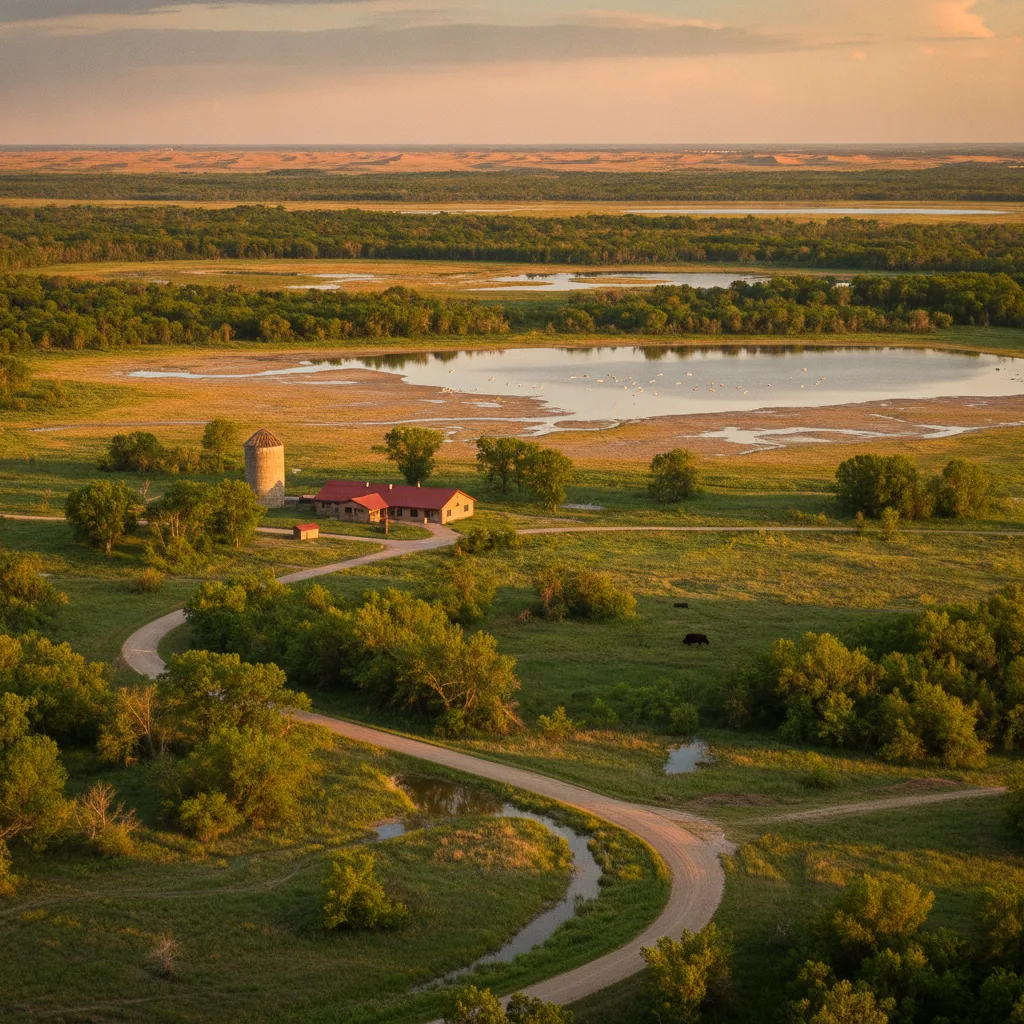
Our Quivira National Wildlife Refuge guide covers practical planning for Quivira National Wildlife Refuge Kansas — best time to visit, getting there, and what to do on the ground.
As independent US travel authorities, our team at Roam States is dedicated to bringing you the most accurate and actionable information for your adventures. Today, we're diving deep into one of Kansas's most remarkable natural treasures: Quivira National Wildlife Refuge. Located predominantly in Stafford County, with portions extending into Rice and Reno Counties, this refuge stands as a critical stopover point for migratory birds within the larger Kansas Wetlands Complex. It's an essential oasis in the Central Flyway, offering unparalleled birdwatching and wildlife viewing opportunities amidst its diverse wetland ecosystems and prairies.
Why Visit Quivira National Wildlife Refuge
The allure of Quivira National Wildlife Refuge Kansas lies in its unique ecological significance and the incredible biodiversity it supports. Established in 1955, the refuge spans 22,135 acres, providing vital habitat for migratory waterfowl and shorebirds. What makes Quivira truly special is its rare combination of inland salt marsh and sand prairie, an ecosystem typically found only in coastal areas or along major river systems.
Over 340 species of birds have been documented here, making it a premier destination for birdwatchers. The refuge is also critical habitat for federally listed endangered species like the whooping crane and rare interior least terns, as well as the threatened western snowy plover. During peak migration seasons, the skies can be darkened by hundreds of thousands of geese and sandhill cranes, an awe-inspiring spectacle that truly highlights the refuge's importance.
Beyond the birds, Quivira offers a chance to experience the serene beauty of the Great Plains. Its landscape includes vast grasslands, sand dunes, and wooded areas with cottonwood, black locust, and eastern redcedar trees. The refuge actively manages its wetlands and prairies, including prescribed burning and grazing, to maintain these critical habitats. It's a place where you can witness nature thriving, a testament to conservation efforts in the heart of the country.
Who It's Best For
Quivira National Wildlife Refuge is a haven for a diverse range of visitors, each seeking something unique from its wild landscapes:
- Birdwatchers: This is unequivocally a top destination for birding enthusiasts. With over 340 recorded bird species, including rare and endangered ones, the opportunities for spotting new and exciting birds are immense. The auto tour routes, observation towers, and photo blinds are specifically designed for optimal viewing.
- Nature Photographers: The dramatic landscapes, abundant wildlife, and stunning sunrises and sunsets offer endless photographic possibilities. The auto tour route and designated photo blinds provide excellent vantage points.
- Families with Children: The refuge provides an excellent outdoor classroom. Kids can enjoy easy walking trails like Birdhouse Boulevard, try fishing at the Kid's Fishing Pond, and marvel at the sheer number of birds and other wildlife. It's a fantastic place to introduce younger generations to the wonders of the natural world.
- Peace Seekers and Solitude Enthusiasts: While popular during migration, the refuge's vastness often allows for moments of quiet contemplation. It's a place to disconnect from the bustle of daily life and immerse yourself in the natural rhythms of the prairie and wetlands.
- Hunters and Anglers: Designated areas within the refuge permit hunting for small game and waterfowl, and fishing is allowed in all waters, with popular spots along Little Salt Marsh and Rattlesnake Creek.
Whether you're an experienced birder or simply looking for a peaceful escape into nature, Quivira offers a rewarding experience. It's important to note that while the refuge is accessible, some areas may have limited access during wet periods due to scattered wetlands.
Getting There & Parking
Understanding how to get to Quivira National Wildlife Refuge and where to park is crucial for a smooth visit. The refuge is situated in south-central Kansas, primarily in Stafford County, near the town of Stafford.
Driving Directions
For those traveling from Wichita and points east, we recommend taking K96 west to Hutchinson. From there, follow local signage to the refuge. The Kansas Wetlands and Wildlife National Scenic Byway offers a scenic route through this region, connecting Quivira with other important wetland areas like Cheyenne Bottoms.
The refuge's address for GPS purposes is typically listed as Northeast 80th Street, Stafford, Kansas 67578.
Parking
Visitors will find over 30 designated parking areas scattered throughout Quivira National Wildlife Refuge. It's essential to use these designated spots and avoid blocking any gates. While the refuge is generally safe, we always advise against leaving valuables in your vehicle.
The Visitor Center, located at the south end of the refuge, is a good starting point for your visit, offering information and brochures. There are also information kiosks near the entrances to the refuge for convenient access to maps and guides.
Roam States Expert Verdict: We recommend arriving early, especially during peak migration, to secure parking at popular viewing spots and to experience the most active wildlife periods. The Auto Tour Route is well-maintained gravel, but some areas may become limited during wet conditions, so check local conditions if rain is expected.
Top Things to Do
When planning your visit to Quivira National Wildlife Refuge, you'll find a wealth of activities designed to immerse you in its unique environment. Here are the top things to do at Quivira National Wildlife Refuge:
Wildlife Driving Tours
One of the most popular ways to experience Quivira is via its extensive driving routes. The main Auto Tour Route is approximately 15 miles from end to end and includes a 5-mile section known as the Wildlife Drive. This drive offers exceptional close-up views of the wetlands, particularly the Big Salt Marsh, and its abundant birdlife. Driving slowly and quietly, and remaining in your vehicle, often allows for closer encounters with wildlife, as the birds are accustomed to cars.
Birdwatching and Photography
As a crucial stop on the Central Flyway, Quivira is a birdwatcher's paradise. Over 340 species have been recorded, including endangered whooping cranes, interior least terns, and western snowy plovers. Key birdwatching areas include the Big and Little Salt Marshes. Observation towers, such as the one at Little Salt Marsh, and two photography blinds are available to enhance your viewing and capture those perfect shots. Early mornings and late afternoons/evenings are generally the best times for observing animal activity.
Hiking and Walking
While the refuge is known for its driving tours, there are also dedicated Quivira National Wildlife Refuge hiking trails. These trails offer a more intimate experience with the diverse habitats. We recommend exploring the Migrant's Mile Trail, a 1.2-mile loop that winds through woodlands, marshy edges, and native grasslands, featuring elevated wooden boardwalks over marsh areas. Near the Visitor Center, you'll find shorter, accessible trails like Birdhouse Boulevard, a 1,000-foot wheelchair-friendly path lined with birdhouses, and trails leading to the observation deck.
Fishing
Fishing is permitted in all waters of the refuge. Popular spots include the north and east sides of Little Salt Marsh and various access points along Rattlesnake Creek. Catfish are among the species available. There's also a "Kid's Fishing Pond" located near the Visitor Center, providing a family-friendly angling experience.
Hunting
Hunting for small game and waterfowl is allowed on approximately 8,000 acres of the refuge during designated seasons. Visitors interested in hunting should consult the refuge's specific regulations and obtain necessary permits.
Visitor Center & Environmental Education
The Visitor Center (open Monday-Friday, 7:30 AM - 4 PM) offers interpretive exhibits focusing on the refuge's wildlife and habitats. While the exhibits are relatively limited, it's a good place to gather information and brochures. The refuge also hosts environmental education programs and events throughout the year.
Quivira National Wildlife Refuge Hiking Trails
For those who prefer to explore on foot, the Quivira National Wildlife Refuge hiking trails offer an immersive experience into the diverse ecosystems of the refuge. While some trails are relatively short, they provide excellent opportunities for close-up wildlife viewing and photography.
The refuge maintains walking trails in two primary areas: the Headquarters area and Migrant's Mile. All areas of the refuge are generally open to foot travel, with the exception of a few areas seasonally closed for nesting birds. It's important to be aware of uneven terrain and the presence of the Massasauga rattlesnake, the one poisonous snake species found on the refuge.
Migrant's Mile Trail
This is arguably the most significant of the Quivira National Wildlife Refuge hiking trails. The Migrant's Mile Trail is an approximately 1.2-mile figure-eight loop. It guides visitors through a variety of habitats, including shaded woodlands, along marshy edges, and through native grasslands. A highlight of this trail is its elevated wooden boardwalks, which cross several marsh areas, including one that is 335 feet long with a central deck for marsh viewing.
Headquarters Area Trails
Near the Visitor Center and Headquarters, you'll find a network of shorter, easy trails perfect for a quick stroll or for visitors with limited mobility.
- Birdhouse Boulevard Nature Trail: This 1,000-foot (0.17-mile) wheelchair-accessible trail is lined with birdhouses and leads through restored prairie, ending at the Kid's Fishing Pond. It's an excellent spot for families and offers a chance to see songbirds and other small wildlife.
- Headquarters Trail: A short 0.17-mile loop, this trail provides a pleasant walk around the immediate Visitor Center area.
- Little Salt Marsh Photo Blind Trail: This nearly half-mile (0.45-mile) segment leads north through restored Sand Prairie, alongside small wetlands, and culminates near the Observation Tower area. From there, a 0.18-mile Photo Blind Trail extends west to a blind overlooking Little Salt Marsh, ideal for discreet wildlife photography.
While the individual Quivira National Wildlife Refuge hiking trails might not be long, combining them or exploring the auto tour roads on foot can extend your trekking opportunities. Some visitors even choose to hike the 5-mile Wildlife Drive for a more immersive experience, noting that it offers a fuller sensory encounter than driving.
Best Time to Visit
Choosing the best time to visit Quivira National Wildlife Refuge largely depends on your primary interest, though the refuge offers something unique in every season.
Spring (March - May)
Spring is a spectacular time, especially from mid-March to early June, as it marks the northward migration of thousands of shorebirds and waterfowl. By May, thousands of shorebirds create a breathtaking display, particularly around the Big Salt Marsh area. You might also catch the rare whooping cranes making their return visit from mid-March through mid-April. Raptors and songbirds also become more active in the uplands. The "Peeps and Pastries Birding Tour" in late April is a popular event, though it has limited capacity.
Summer (June - August)
While migration slows, summer brings nesting species like snowy plovers, American avocets, black-necked stilts, and interior least terns. Large numbers of herons and egrets are also attracted to the wetlands during this season. The refuge can be hot during summer, but early mornings and late evenings still provide excellent wildlife viewing opportunities.
Fall (September - December)
Fall is another peak season, especially for migratory waterfowl. From September to December, thousands of Canada geese, ducks, sandhill cranes, and other migratory birds pass through. The peak numbers of geese and ducks, often in the hundreds of thousands, are observed in November. Mid-October through November is also the best time to view endangered whooping cranes as they move along their southward migration routes. The west shore of the Big Salt Marsh is a favorite roosting area for sandhill cranes.
Winter (January - February)
Winter offers a different kind of beauty, with fewer migratory birds but excellent opportunities to see wintering bald eagles, which patrol the waterfowl. It's also considered the best time to view white-tailed deer, with dozens easily seen around the refuge during cooler days or near dusk. Some years, severe weather drives many waterfowl further south, but hardy species remain.
Roam States Expert Verdict: For the most spectacular birdwatching, we highly recommend visiting during the spring (March-May) or fall (September-November) migrations. These periods offer the highest diversity and concentration of bird species. Regardless of the season, arriving at sunrise or staying until sunset will maximize your chances of seeing active wildlife.
Where to Stay Nearby
While Quivira National Wildlife Refuge itself doesn't offer lodging, there are several options in nearby towns that cater to visitors. Finding suitable Quivira National Wildlife Refuge lodging allows you to make the most of your visit, especially for early morning or late evening wildlife viewing.
Hotels and Motels
The closest towns with hotel accommodations include Stafford, Great Bend, and Hutchinson. Great Bend, located about an hour's drive north of the refuge, is often recommended for its wider selection of lodging and dining options. For example, the Best Western Angus Inn in Great Bend has previously offered a "birder's discount."
Vacation Rentals
For a more private and spacious option, especially for groups or families, vacation rentals are an excellent choice. The Triple S Lodge at Quivira, located just 1 mile from the refuge in Hudson, Kansas, is a notable option. This lodge offers 4 bedrooms and 3 baths, a fully equipped kitchen, and amenities like a fire pit and grill. It's particularly popular with birdwatchers and hunters, and its front porch provides views of the sunrise over the refuge. As of June 28, 2026, prices for a 1-night stay for 2 adults at Triple S Lodge at Quivira start from $1,665, including taxes and fees.
Camping
While Quivira National Wildlife Refuge does not permit camping within its boundaries, primitive camping is available at nearby Cheyenne Bottoms Wildlife Area, located about half a mile west of its office. This option offers picnic tables but is generally primitive, so be prepared. For more developed camping, state parks and private campgrounds in the wider region would be your best bet, though they will be further afield.
Roam States Expert Verdict: We recommend booking your Quivira National Wildlife Refuge lodging in advance, especially during peak migration seasons (spring and fall), as options can fill up quickly. Great Bend offers a good balance of amenities and proximity, while vacation rentals like Triple S Lodge provide an excellent, immersive experience right on the refuge's doorstep.
Sample 2-Day Itinerary
To help you maximize your visit, our team has crafted a sample 2-day itinerary for exploring Quivira National Wildlife Refuge and its surroundings. This plan focuses on experiencing the best of the refuge's wildlife and natural beauty.
Day 1: Immersion in Quivira's Wetlands
-
Morning (Pre-Sunrise to Mid-Morning):
Arrive at Quivira National Wildlife Refuge before sunrise. This is prime time for wildlife activity. Head directly to the Auto Tour Route, especially the 5-mile Wildlife Drive around Big Salt Marsh. Drive slowly, with binoculars and camera ready, to observe waterfowl, shorebirds, and potentially whooping cranes during migration.
-
Late Morning:
Visit the Visitor Center (open 7:30 AM - 4 PM, Monday-Friday) to pick up maps and brochures, and learn about the refuge's history and ecology. Afterwards, explore the Headquarters area trails, including Birdhouse Boulevard and the short trails leading to the observation deck overlooking Little Salt Marsh.
-
Lunch:
Enjoy a picnic lunch at one of the designated picnic areas within the refuge or pack a meal to enjoy on the go. Alternatively, head into nearby Stafford for a local bite.
-
Afternoon:
Spend the afternoon exploring the Migrant's Mile Trail. This 1.2-mile loop offers a chance to walk through diverse habitats, including woodlands and marshy edges, with elevated boardwalks providing unique perspectives. Keep an eye out for songbirds in the wooded areas and various reptiles and amphibians near the water.
-
Evening (Late Afternoon to Post-Sunset):
Return to the Auto Tour Route or a favored observation point for sunset wildlife viewing. This period often brings a flurry of activity as birds settle for the night or nocturnal animals begin to emerge. Afterward, check into your lodging in Great Bend or a vacation rental like Triple S Lodge for a relaxing evening.
Day 2: Local Culture, Prairies, and More Wildlife
-
Morning:
Start your day with another visit to a different section of Quivira or return to a favorite spot for early morning birding. Consider exploring the sand prairie areas for grassland birds and other mammals like deer. Alternatively, if you're interested in fishing, spend some time at the Kid's Fishing Pond or along Rattlesnake Creek.
-
Late Morning/Lunch:
Head to the town of Stafford to visit the Stafford County Museum. This museum, spread across four buildings, offers a deep dive into local history with thousands of artifacts, including antique automobiles, quilts, and a vast collection of glass negatives from an early 20th-century photographer. The museum is open 9 AM - 3:30 PM on weekdays, with weekend appointments available.
-
Afternoon:
Explore more of the Kansas Wetlands Complex. Drive to nearby Cheyenne Bottoms, another Wetland of International Importance, for additional birdwatching and to visit the Kansas Wetlands Education Center. The center provides state-of-the-art exhibits about Kansas wetlands. Alternatively, if you're interested in geological formations, consider a drive to Castle Rock Badlands or Monument Rocks for a different natural experience in western Kansas.
-
Evening:
Enjoy a final dinner in Great Bend or a nearby town, reflecting on the incredible natural beauty and wildlife you've encountered in this unique part of Kansas. Consider visiting Kansas Tourism for more ideas on extending your trip in the state, perhaps to destinations like Boot Hill Museum or the Brown v. Board of Education National Historic Site.
Is It Worth Visiting?
Without a doubt, our team believes that Quivira National Wildlife Refuge Kansas is absolutely worth visiting. This refuge is not just another park; it's a globally recognized wetland of international importance, a designation shared by only a handful of sites in the United States.
For birdwatchers, it's a non-negotiable destination. The sheer volume and diversity of migratory birds, including endangered species like the whooping crane, are unparalleled in the interior United States. The spectacle of hundreds of thousands of geese and sandhill cranes during migration is a memory that will last a lifetime.
But Quivira offers more than just birds. It provides a unique opportunity to witness a rare inland salt marsh ecosystem, a landscape that defies expectations for Kansas. The blend of salt marshes, sand prairie, and woodlands creates a rich tapestry of habitats supporting a wide array of wildlife, from deer and coyotes to various reptiles and amphibians. The tranquility of the open plains, the vibrant sunrises and sunsets, and the opportunity for quiet contemplation make it a restorative escape.
The refuge is well-managed by the U.S. Fish and Wildlife Service, with accessible auto tour routes, observation points, and hiking trails that cater to various interests and mobility levels. It's a place where you can truly connect with nature, learn about vital conservation efforts, and witness the incredible journey of migratory species along the Central Flyway. Whether you dedicate a day or an entire weekend, a visit to Quivira National Wildlife Refuge will leave you with a profound appreciation for Kansas's natural heritage.
Last updated: 2026-07-13 by the Roam States team.