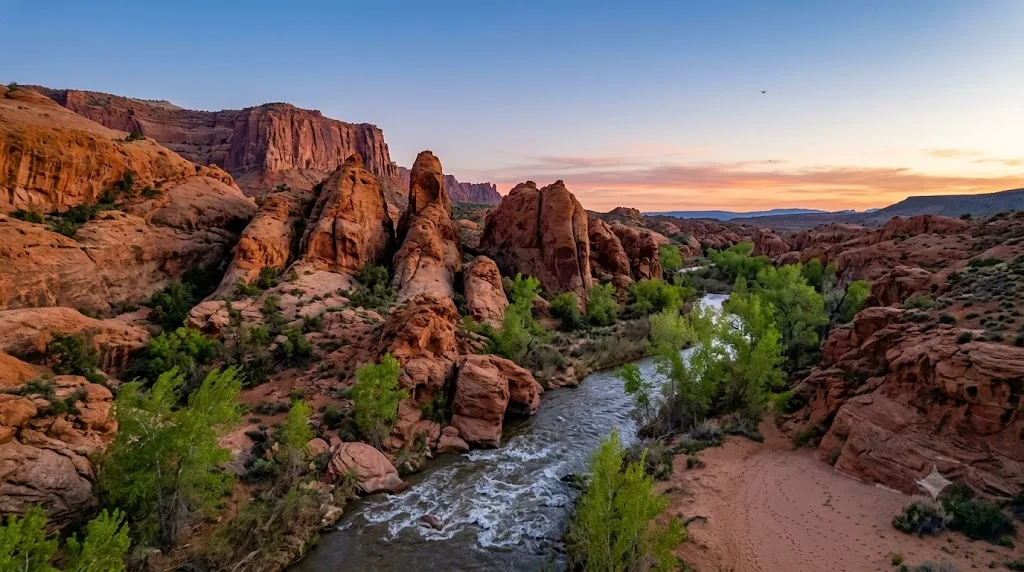
Red Cliffs Conservation Area Travel Guide — Utah
As independent US travel authorities, our team at Roam States is dedicated to bringing you the most authentic and actionable travel advice. For those seeking an unparalleled desert experience, the Red Cliffs Conservation Area Utah stands out as a critical protective habitat for the threatened Mojave Desert tortoise, nestled amidst Utah's rapidly encroaching urban development. This guide cuts through the generic fluff to provide you with confident, specific insights for planning your visit to this remarkable corner of the American Southwest.
Why Visit Red Cliffs Conservation Area
The Red Cliffs Conservation Area in Utah offers a unique confluence of ecological significance and breathtaking natural beauty. Spanning approximately 45,600 acres, it's a vital protective habitat for the threatened Mojave Desert tortoise and other desert species, including endangered native fish of the Virgin River system and migratory birds. But its importance extends beyond conservation; this area is a spectacular outdoor playground where the Mojave Desert, Colorado Plateau, and Great Basin physiographic regions converge, creating a diverse and striking landscape.
Visitors to Red Cliffs Conservation Area Utah are treated to incredible exposures of Jurassic-age Kayenta Formation and Navajo Sandstone, preserving scientifically important dinosaur tracks, bone beds, plant fossils, and petrified wood. We recommend exploring this area not just for its recreational opportunities, but also to witness a landscape where ancient history and vital ecological preservation coexist. It's a place where you can truly connect with the raw, untamed spirit of the desert, understanding the delicate balance of life that thrives within its rugged beauty. The federally designated Red Mountain Wilderness and Cottonwood Canyon Wilderness areas within the NCA also offer outstanding opportunities for solitude and unconfined recreation.
Who It's Best For
The Red Cliffs Conservation Area is an ideal destination for a diverse range of travelers. It's perfect for avid hikers and mountain bikers, with over 130 miles of designated non-motorized trails to explore. Nature photographers will find endless inspiration in the dramatic red rock formations, diverse plant life, and opportunities to spot unique desert wildlife (from a respectful distance, of course). Families with an adventurous spirit will appreciate the accessible trails, dinosaur tracks, and the chance to educate children about conservation and desert ecosystems. History buffs will be fascinated by the Ancestral Puebloan sites and pioneer history of the area.
Those seeking solitude and a break from crowded national parks will find the Red Cliffs Conservation Area a refreshing alternative, especially during peak seasons for nearby attractions like Zion National Park. While some areas can be popular, the vastness of the conservation area allows for plenty of opportunities to find quiet corners. It’s a place for those who appreciate responsible travel and want to experience the desert's magic without leaving a trace.
How to Get There
Navigating to the Red Cliffs Conservation Area is relatively straightforward, though access to the Red Cliffs Recreation Area (a smaller, developed section within the larger NCA) has specific vehicle restrictions. The Red Cliffs National Conservation Area is located in southwest Utah, just north of St. George.
Driving Directions:
- From St. George (Northbound on I-15): Take exit 22 for UT-228 north toward Leeds. Turn right onto Old Highway 91, continue for approximately 2 miles, then turn right onto West Red Cliffs Campground Road.
- From Cedar City (Southbound on I-15): Take exit 23 toward UT-228/Leeds. Turn left onto Silver Reef Road, continue for 480 feet, then turn right onto Main Street. After 1.5 miles, continue southbound on Old Highway 91 for 2 miles. Turn right onto West Red Cliffs Campground Road.
Vehicle Access Restrictions:
A crucial detail for anyone planning how to get to Red Cliffs Conservation Area, specifically the Red Cliffs Recreation Area and its campground, is the vehicle height restriction. Vehicles (including trailers) must be less than 11 feet 9 inches high to pass through two narrow tunnels beneath the I-15 freeway. This restriction is important to note for RVs and larger vehicles. The roads within the campground and day-use area are paved and wide enough for vehicles that clear the tunnels.
Red Cliffs Conservation Area Parking:
Day-use parking within the Red Cliffs Recreation Area is extremely limited. Our team advises visitors to anticipate full parking lots on weekends, holidays, and most days during the popular spring and fall seasons. There are only 52 parking spaces available for day use. To increase your chances of securing a spot, we strongly recommend arriving as early as possible. Parking on vegetation or along the road is strictly prohibited, and vehicles impeding traffic are subject to citation and towing. Vehicles with trailers must park at the White Reef Trailhead. If the main recreation area parking is full, consider parking at the campground (if you have a reservation) and exploring on foot or by bike. Day use parking is included with the $5 per vehicle day-use fee, or free with an America the Beautiful pass.
Top Things to Do
The Red Cliffs Conservation Area is a treasure trove of activities, offering something for every outdoor enthusiast. We’ve curated a list of the top things to do at Red Cliffs Conservation Area to help you make the most of your visit.
- Hiking and Trail Exploration: With over 130 miles of non-motorized trails, hiking is undoubtedly one of the premier things to do at Red Cliffs Conservation Area. From leisurely strolls to challenging treks, the trails wind through diverse landscapes of red rock, riparian zones, and desert scrub. Popular trails include the Red Reef Trail (which can involve wading through water in a twisting rock canyon) and the Silver Reef Trail, known for its dinosaur tracks. The Babylon Arch Trail, accessed from the Sand Cove trailhead, offers a more rugged experience, often requiring 4WD or AWD to reach the trailhead.
- Dinosaur Track Viewing: A highlight for many visitors, especially families, is discovering the Jurassic-age dinosaur tracks embedded in the sandstone along trails like the Silver Reef Trail and Red Reef East Trail. These ancient footprints offer a tangible link to a prehistoric past.
- Photography: The dramatic red cliffs, contrasting desert flora, and unique geological formations provide endless opportunities for stunning landscape photography. Sunrise and sunset cast particularly beautiful light on the sandstone.
- Wildlife Viewing: Keep an eye out for the star resident, the Mojave Desert tortoise. Remember to maintain a respectful distance and never disturb wildlife. The area is also home to diverse native and migratory birds, and endangered native fish in the Virgin River system.
- Picnicking: The Red Cliffs Recreation Area offers shaded picnic areas, perfect for a mid-day break amidst your adventures.
- Horseback Riding and Mountain Biking: Many of the designated trails are open to equestrians and mountain bikers, offering a different perspective on the conservation area's beauty.
- Visiting the Red Cliffs Desert Reserve Visitor Center: Located in downtown St. George at 111 E. Tabernacle St., the Red Cliffs Desert Reserve Discovery Center offers valuable insights into the area's nature, history, and wildlife, including ambassador animals like tortoises and kingsnakes. It's open Monday through Friday, 8 a.m. to 5 p.m..
Red Cliffs Conservation Area Hiking Trails
The Red Cliffs Conservation Area is a hiker's paradise, boasting a network of over 130 miles of designated non-motorized trails that cater to various skill levels and interests. When exploring the Red Cliffs Conservation Area hiking trails, you'll encounter diverse terrain, from sandy washes to slickrock climbs, all framed by the stunning Navajo Sandstone cliffs.
One of the most popular Red Cliffs Conservation Area hiking trails is the **Red Reef Trail**. This trail, starting near the Red Cliffs Campground, follows Quail Creek into the Cottonwood Canyon Wilderness. It's known for its twisting rock canyon, seasonal pools of water, and opportunities for scrambling. Depending on water levels, you might find yourself wading or even swimming through sections, making it a unique and refreshing experience, especially on warmer days. Another must-see is the **Silver Reef Trail**, which leads to fascinating dinosaur tracks preserved in the sandstone. Our team highly recommends a visit to these tracks for a glimpse into the area's ancient past.
For those seeking a more challenging adventure, the **Babylon Arch Trail** offers a rugged trek with rewarding views. Be aware that access to the Babylon area trailheads, including the one for Babylon Arch, may require a four-wheel drive or all-wheel drive vehicle due to the condition of the access road. The Red Cliffs Desert Reserve also categorizes its areas into Upland and Lowland Zones. The Upland Zone is more biologically durable, allowing for cross-country and off-trail travel for hikers and equestrians. The Lowland Zone, however, is more fragile and restricts travel to established trails to protect sensitive species and cryptobiotic soil crusts. Always stay on designated trails in the Lowland Zone to protect this delicate ecosystem. For detailed maps and trail restrictions, we encourage checking the official Red Cliffs Desert Reserve website or stopping by the visitor center.
Best Time to Visit
Timing your visit to the Red Cliffs Conservation Area can significantly impact your experience. Our team recommends aiming for the cooler spring or fall days for the most comfortable and enjoyable trip.
- Spring (March-May): This is arguably the best time to visit. Temperatures are mild, wildflowers bloom across the desert landscape, and the water levels in creeks and pools along trails like Red Reef are often ideal for wading and exploring. However, spring is also a peak season, so expect more visitors and limited parking.
- Fall (September-November): Similar to spring, fall offers pleasant temperatures and fewer crowds than the spring months. The desert colors can be vibrant, and it's an excellent time for hiking and outdoor activities.
- Winter (December-February): While temperatures are cooler, winter can still be a great time for hiking, especially if you prefer solitude. Snow is rare but possible, adding a unique beauty to the red rock landscape. Be prepared for colder mornings and evenings.
- Summer (June-August): Summers in the Red Cliffs Conservation Area are extremely hot, with temperatures frequently exceeding 100°F (38°C) and sometimes reaching 115°F (46°C) from May to October. If you must visit in summer, plan your activities for early mornings or late evenings to avoid the intense midday heat. Carry plenty of water and be aware of the risks of heat exhaustion. Refunds are not issued for heat-related cancellations for camping reservations.
Ultimately, the best time to visit depends on your tolerance for heat and crowds, but for most visitors, spring and fall offer the most favorable conditions.
Red Cliffs Conservation Area Camping
For those looking to extend their adventure, Red Cliffs Conservation Area camping offers a unique opportunity to stay immersed in the desert landscape. The primary developed camping option is the **Red Cliffs Campground**, located within the Red Cliffs Recreation Area.
Red Cliffs Campground Details:
- Sites: The campground features 11 campsites, each equipped with shade shelters (except site 4), picnic tables, potable water, and grills. Sites 8 and 11 are accessible for visitors with disabilities, and some sites offer pull-through parking.
- Reservations: Reservations are absolutely required for all campsites; first-come, first-served camping is not permitted. You can make reservations through Recreation.gov or by calling 1-877-444-6777. We strongly advise booking well in advance, especially for spring and fall visits, as campsites are at a premium.
- Fees: Camping fees are $15 per night per site, plus a reservation fee. Payment must be made through Recreation.gov; on-site payment is not available. Interagency Annual, Access, Senior, and Military Passes are honored for day-use fees, and Interagency Access and Senior passes receive a 50% discount on camping fees.
- Amenities: The campground provides accessible vault toilets. Quiet hours are from 9 p.m. to 7 a.m., and generator hours are from 9 a.m. to 9 p.m.. Pets are allowed but must be on a leash at all times.
- Restrictions: Stays are limited to 14 days. Vehicles exceeding 11 feet 9 inches in height cannot access the campground due to tunnel restrictions. Camping is prohibited at trailheads and day-use areas, and within one mile of the recreation area on BLM-managed lands to protect natural resources. Firewood collecting is prohibited; bring your own firewood.
Primitive Camping:
For those seeking a more rustic experience, primitive overnight backpack camping is permitted in the Upland Zone of the Red Cliffs Desert Reserve, with some limitations. However, camping within the Babylon area is restricted to the Sand Cove primitive campsite, and campers must obtain a permit from the BLM prior to camping there. Contact the BLM at (435) 688-3200 for permits and additional information.
We believe Red Cliffs Conservation Area camping offers an intimate way to experience the desert, but careful planning and adherence to regulations are essential for a responsible and enjoyable stay.
Where to Stay Nearby
While the Red Cliffs Conservation Area offers a fantastic campground, many visitors prefer the amenities and dining options of nearby towns. The most convenient and popular base for exploring the Red Cliffs Conservation Area is **St. George, Utah**. This vibrant city offers a wide range of accommodations, from budget-friendly motels to upscale hotels and vacation rentals.
St. George provides easy access to the conservation area, as well as a variety of restaurants, grocery stores, and other services you might need for your trip. It's also a hub for other Southern Utah adventures, making it a great central location for exploring destinations like Snow Canyon State Park (which is partially within the Red Cliffs Desert Reserve), and even a day trip to Zion National Park, which is about 45 miles away.
Other nearby towns like **Leeds** and **Washington** also offer some lodging options and are closer to certain access points of the conservation area. For a more unique stay, consider the charming artist village of Kayenta, located near the western portions of the Red Cliffs Desert Reserve. If you're looking for RV parks with full hookups and more amenities than the Red Cliffs Campground, you'll find several options in and around St. George and Hurricane.
Sample 2-Day Itinerary
To help you plan an unforgettable visit, our team has crafted a sample 2-day itinerary for the Red Cliffs Conservation Area, balancing exploration with relaxation.
Day 1: Ancient Tracks and Red Rock Hikes
- Morning (Sunrise - Noon): Arrive early at the Red Cliffs Recreation Area to secure parking. Start your day with a hike on the **Silver Reef Trail** to discover the impressive Jurassic-age dinosaur tracks. Continue on to the **Red Reef Trail**, exploring its twisting canyon and seasonal pools (be prepared for wading!). Pack plenty of water and snacks.
- Lunch: Enjoy a picnic lunch at one of the shaded picnic areas within the Red Cliffs Recreation Area.
- Afternoon (1 PM - 5 PM): Head to the Red Cliffs Desert Reserve Visitor Center in downtown St. George (111 E. Tabernacle St.) to learn more about the area's geology, wildlife, and history, and pick up detailed maps.
- Evening: Check into your accommodation in St. George. Enjoy dinner at a local restaurant and prepare for the next day's adventures.
Day 2: Scenic Views and Desert Serenity
- Morning (Sunrise - Noon): Venture to a different section of the conservation area. Consider exploring trails in the Upland Zone for opportunities for cross-country travel, or tackle the more challenging **Babylon Arch Trail** (if you have appropriate vehicle access). Alternatively, explore a portion of Snow Canyon State Park, which lies within the Red Cliffs Desert Reserve and offers stunning red cliffs and black lava flows. The Petrified Sand Dunes or Jenny's Canyon are great family-friendly options.
- Lunch: Grab lunch in St. George or pack a meal to enjoy at a scenic overlook within Snow Canyon.
- Afternoon (1 PM - 5 PM): Dedicate the afternoon to photography or wildlife spotting. Find a quiet spot to observe the desert landscape and its inhabitants. Remember to respect wildlife and maintain distance.
- Evening: Enjoy a final dinner in St. George. Reflect on the natural beauty and ecological significance of the Red Cliffs Conservation Area.
Is It Worth Visiting?
Our team unequivocally believes that the Red Cliffs Conservation Area is worth visiting. For travelers seeking a genuine connection with Utah's unique desert landscapes, away from the more intense crowds of the major national parks, this area offers an exceptional experience. It serves as a vital protective habitat for the threatened Mojave Desert tortoise and other sensitive species, making every visit a contribution to conservation by supporting its infrastructure and regulations.
Beyond its ecological importance, the Red Cliffs Conservation Area provides a stunning backdrop for outdoor activities. With over 130 miles of trails for hiking, mountain biking, and horseback riding, ancient dinosaur tracks, and diverse geological formations, there's a wealth of exploration to be had. The dramatic red cliffs and unique convergence of three distinct desert ecosystems create a visually captivating environment that is truly unlike anywhere else. If you're planning a trip to Utah, we highly recommend including the Red Cliffs Conservation Area in your itinerary. It's a destination that offers both adventure and a profound appreciation for the natural world, making it absolutely worth visiting.
Things to Do in St. George
St. George serves as the primary gateway to the Red Cliffs Conservation Area and offers a wealth of attractions itself. Beyond being a convenient base for exploring the conservation area, visitors can enjoy historic downtown St. George, explore Snow Canyon State Park (partially within the Red Cliffs Desert Reserve), visit the St. George Utah Temple, or enjoy golfing and dining. The city also hosts various events and festivals throughout the year. For more information, check out the Visit Utah website.
Red Cliffs Conservation Area with Kids
The Red Cliffs Conservation Area is an excellent destination for families with children. The highlight for kids is often discovering the dinosaur tracks along trails like the Silver Reef Trail. Many trails are relatively easy and short, making them suitable for little legs. The Red Reef Trail, with its potential for wading through water, can also be a fun adventure. The Red Cliffs Desert Reserve Visitor Center in St. George offers engaging exhibits, including live ambassador animals, that can further enhance a child's understanding and appreciation of the desert environment. Remember to pack plenty of water, snacks, and sun protection for the whole family.
Red Cliffs Conservation Area Tips
Our team at Roam States has compiled these essential tips for a smooth visit: always carry plenty of water, especially during warmer months, and wear appropriate sun protection (hats, sunscreen, long sleeves). Stay on designated trails to protect sensitive habitats and cryptobiotic soil. Observe wildlife from a distance and never feed or disturb animals, particularly the Mojave Desert tortoise, which is federally protected. Pack out everything you pack in to practice Leave No Trace principles. Check weather forecasts before you go, as flash floods can occur during monsoon season. Finally, be aware of vehicle height restrictions if you plan to access the Red Cliffs Recreation Area, and arrive early for parking, especially on weekends.
Red Cliffs Conservation Area Parking
Parking within the Red Cliffs Recreation Area is very limited, with only about 52 day-use spaces available. Our team advises that parking lots frequently fill up on weekends and during the spring and fall seasons. To ensure you get a spot, plan to arrive as early as possible in the morning. Parking on vegetation or along the road is prohibited and can result in citations or towing. If you have a trailer, you must park at the White Reef Trailhead. The day-use fee of $5 per vehicle covers parking, or it's free with an America the Beautiful pass.
Best Time to Visit Red Cliffs Conservation Area
The best time to visit Red Cliffs Conservation Area is during the spring (March to May) and fall (September to November) when temperatures are mild and pleasant for outdoor activities like hiking and mountain biking. Spring brings wildflowers, while fall offers comfortable conditions without the intense summer heat. Summers (June to August) are extremely hot, with temperatures often exceeding 100°F (38°C), making early morning or late evening visits essential if traveling during this period. Winters are cooler and offer more solitude.
Red Cliffs Conservation Area Hours and Fees
The Red Cliffs Recreation Area, including its campground and day-use areas, is open year-round. Day-use hours are from sunrise to sunset. The day-use fee is $5 per vehicle. This fee can be paid via credit card using the Recreation.gov Mobile App, which we recommend downloading before arrival due to unreliable cell reception. America the Beautiful passes (Annual, Military, 4th Grade, Volunteer, Senior, and Access Passes) are accepted for free day use. Camping fees at the Red Cliffs Campground are $15 per night per site, plus a reservation fee. Reservations are required and can be made through Recreation.gov or by calling 1-877-444-6777. Senior and Access passes receive a 50% discount on camping fees.
The Red Cliffs Conservation Area is a testament to Utah's commitment to preserving its wild spaces and unique ecosystems. Our team at Roam States encourages you to explore this incredible destination, taking advantage of its extensive trail system, rich paleontological history, and vital role in protecting the Mojave Desert tortoise. Whether you're a seasoned hiker, a family with curious kids, or simply someone seeking the serene beauty of the desert, the Red Cliffs Conservation Area offers a rewarding and unforgettable experience. Plan your trip responsibly, embrace the adventure, and discover why this corner of Utah holds such a special place in the American landscape. For more information on planning your US trip, visit our Plan Your US Trip guide or consider a USA Road Trip Planner. You can also find more information on Utah's incredible destinations like Best Places in Utah, Antelope Island State Park, Arches National Park, and the Bonneville Salt Flats. For broader park information, the National Park Service website is a valuable resource.
Last updated: 2026-07-13 by the Roam States team.