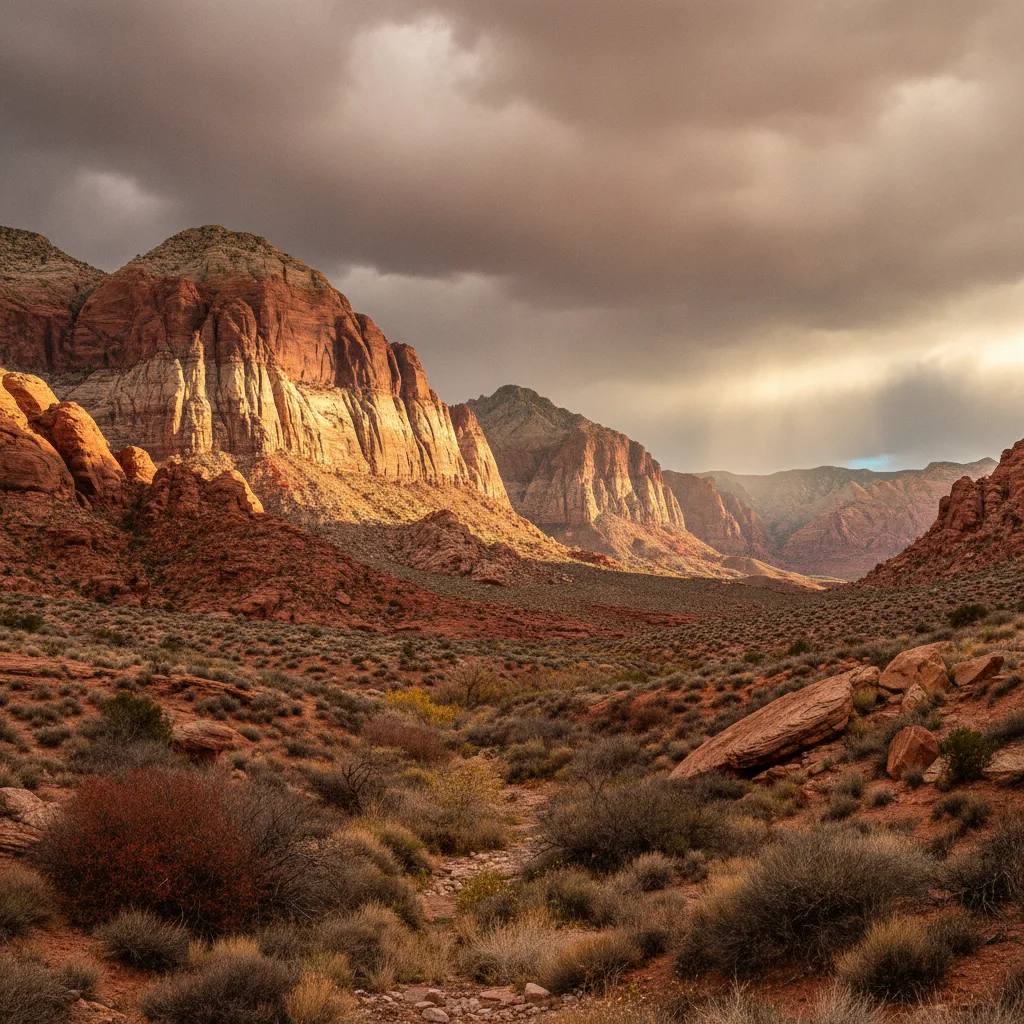
Red Rock Canyon National Conservation Area Travel Guide — Nevada
For those seeking a profound connection with nature just a stone's throw from the dazzling lights of Las Vegas, the Red Rock Canyon National Conservation Area Nevada offers an unparalleled escape. Our team at Roam States has explored this magnificent desert landscape extensively, and we're here to share our expert insights to help you plan an unforgettable trip to one of America's most striking natural treasures. Forget the generic travel fluff; we're diving deep into the specifics, from navigating timed entry reservations to discovering hidden trails, ensuring your visit is as seamless as it is spectacular.
Why Visit Red Rock Canyon National Conservation Area
Just 17 miles west of the Las Vegas Strip, Red Rock Canyon National Conservation Area presents a dramatic contrast to the city's neon glow. This nearly 200,000-acre expanse of the Mojave Desert is a geological marvel, characterized by towering crimson peaks, intricate sandstone formations, and ancient petroglyphs. We find that the sheer scale and vibrant colors of Red Rock Canyon are truly breathtaking, offering a serene and awe-inspiring experience that rejuvenates the spirit. It's a place where you can witness millions of years of geological history etched into the landscape, providing a profound sense of wonder and a much-needed dose of tranquility away from urban hustle. Beyond its visual appeal, the area is a haven for diverse plant and animal life, offering opportunities for wildlife viewing and a deeper understanding of the desert ecosystem.
Who It's Best For
Red Rock Canyon National Conservation Area caters to a wide array of visitors. It's ideal for outdoor enthusiasts, from casual hikers and nature photographers to seasoned rock climbers and mountain bikers. Families will find numerous accessible trails and educational opportunities at the Visitor Center. We especially recommend it for those looking for a half-day or full-day excursion from Las Vegas, offering a refreshing change of pace and scenery. Solo travelers seeking solitude, couples desiring romantic desert sunsets, and groups looking for adventure will all find something to love here. Its proximity to Las Vegas also makes it a perfect addition to a broader Nevada itinerary, complementing visits to The Las Vegas Strip or even a day trip to Hoover Dam. If you appreciate dramatic landscapes, active exploration, and a break from the ordinary, this conservation area is undoubtedly for you.
Getting There & Parking
Understanding how to get to Red Rock Canyon National Conservation Area and manage parking is crucial for a smooth visit. The conservation area is conveniently located just a short drive from Las Vegas. From the Strip, simply head west on Charleston Boulevard (State Route 159) until you reach the entrance. If you're using a navigation system, input "1000 Scenic Loop Drive, Las Vegas, NV" to be directed to the Visitor Center near the start of the Scenic Drive.
Public transportation to Red Rock Canyon is not available, so most visitors will drive their own vehicles or rent one. Once there, the 13-mile one-way Scenic Drive is the primary access point to many of the area's attractions and trailheads. We always advise arriving early, especially on weekends, holidays, and fee-free days, as parking lots fill up quickly. Parking is strictly limited to designated lots; vehicles are prohibited from parking along the Scenic Drive. If lots reach capacity, gates may temporarily close until space becomes available.
Timed Entry Reservations
A significant detail for planning your visit to Red Rock Canyon National Conservation Area is the timed entry reservation system. From **October 1 to May 31**, vehicle entry to the Scenic Drive requires a timed reservation between 8 AM and 5 PM. These reservations can be made up to 30 days in advance, with additional slots released two days prior, both at 7 AM PT via Recreation.gov. There is a $2 non-refundable reservation fee, which applies even if you have an annual pass.
If you plan to enter the Scenic Drive before 8 AM during the reservation season, a reservation is not required, but the standard entrance fee still applies. Re-entry into the Scenic Drive after your initial one-hour entry window will require a new reservation. Reservations are NOT required from June 1 through September 30. During this period, passes can be purchased directly at the entrance station.
Fees
As of 2026, the daily entrance fees for Red Rock Canyon National Conservation Area are:
- Car/Truck: $20 per vehicle
- Motorcycle: $10 per vehicle
- Bicyclist: $8 per bicycle
- Pedestrian: $5 per person
- Commercial Tour Vehicle: $20 per vehicle + $5 per person
Top Things to Do
There are countless things to do at Red Rock Canyon National Conservation Area, catering to all activity levels and interests. Our team's favorite activities revolve around immersing ourselves in the unique desert environment.
Drive the Scenic Drive
The 13-mile one-way Scenic Drive is often the starting point for any visit. This paved road winds through the heart of the conservation area, offering breathtaking vistas and access to 12 different parking areas and trailheads. It's a fantastic way to grasp the immense beauty and scale of Red Rock Canyon, even if you only have a short time. Allow at least an hour for the drive itself, plus additional time for stops at overlooks like Calico Hills and Willow Springs, where you can easily stretch your legs and take photos.
Visit the Red Rock Canyon Visitor Center
Located at the beginning of the Scenic Drive, the Visitor Center is an essential first stop. It's open daily from 8 AM to 4:30 PM year-round. Here, you'll find indoor and outdoor exhibits, plant specimens, and live desert tortoise habitats. We recommend chatting with the information desk for hike recommendations and safety tips before heading out. It also has flush toilets and water bottle refill stations, which are crucial in the desert environment.
Rock Climbing
Red Rock Canyon is renowned globally as a premier rock climbing destination, attracting climbers of all skill levels. The dramatic sandstone cliffs offer a vast array of routes, from easy scrambles to challenging multi-pitch climbs. We've seen firsthand the incredible skill and dedication of climbers here. If you're an experienced climber, you'll find endless opportunities. For those new to the sport, guided climbing experiences are available through permitted operators. Remember to be aware of the timed entry requirements and obtain any necessary permits for commercial filming or guided tours.
Biking
The Scenic Drive is a popular route for road cyclists, featuring a dedicated right lane for bikes. For mountain biking enthusiasts, the Cottonwood Valley Area offers a system of designated trails. We always advise checking trail designations, as bikes are not permitted on all hiking trails or in designated wilderness areas. The recently developed Red Rock Legacy Trail, a 12-foot-wide paved path, will further enhance biking opportunities, providing a safe, off-road route connecting Summerlin to Blue Diamond Road and reducing traffic congestion within the conservation area.
Horseback Riding
For a unique perspective of the desert landscape, horseback riding is permitted on designated equestrian trails. Key trailheads for riders include Cottonwood/Late Night Trailheads and White Rock Parking Area. This offers a tranquil way to explore the less-traveled parts of the conservation area, truly connecting with the spirit of the Old West.
Red Rock Canyon National Conservation Area Hiking Trails
Hiking is perhaps the most popular way to experience the beauty of Red Rock Canyon National Conservation Area hiking trails. With 26 different trails ranging from easy strolls to strenuous climbs, there's an adventure for every fitness level. Our team has explored many of these, and we can confidently say the views and geological wonders are unmatched.
Easy Hikes
- Calico Hills Trails: These trails, accessible from the Calico Hills 1 and 2 parking areas, offer a chance to explore the vibrant, dramatically shaped sandstone formations up close. The Calico Tanks Trail is a popular choice, leading to a seasonal water-filled tank.
- Lost Creek - Children's Discovery Trail: An excellent option for families, this easy 0.7-mile loop (round trip) leads to a seasonal waterfall and offers interpretive signs about the desert environment.
- Red Spring Boardwalk: Located in the Calico Basin (just outside the Scenic Drive entrance), this accessible 0.6-mile boardwalk trail circles a lush meadow at the base of the Calico Hills, visiting a small spring and offering stunning views. It’s perfect for those with strollers or wheelchairs.
Moderate Hikes
- Ice Box Canyon: This 2.5-mile round trip trail ventures into a cooler, shaded canyon, often retaining ice and snow well into spring. It requires some boulder hopping and scrambling, offering a more challenging experience.
- Pine Creek Canyon: A 3-mile round trip hike that leads to the ruins of an old homestead and offers views of the majestic Rainbow Mountain Wilderness. This trail can be accessed from the Scenic Drive.
Strenuous Hikes
- Turtlehead Peak Trail: A challenging 5-mile round trip hike with significant elevation gain, rewarding hikers with panoramic views of the entire conservation area, the Las Vegas Valley, and the surrounding mountains.
- Bridge Mountain Trail: This is a longer, more technical hike, often involving scrambling and route-finding, leading to a natural sandstone arch. It's recommended for experienced hikers.
When embarking on any of the Red Rock Canyon National Conservation Area hiking trails, always carry plenty of water (at least 0.5-1 liter per hour, per person), wear appropriate footwear, and be aware of weather conditions. Cell phone coverage is limited to non-existent in many areas, so inform someone of your plans.
Best Time to Visit
Choosing the best time to visit Red Rock Canyon National Conservation Area significantly impacts your experience. We find that the shoulder seasons offer the most pleasant conditions.
- Fall (October-November): This is arguably the best time to visit. Temperatures are mild, making hiking and outdoor activities very enjoyable. The Scenic Drive requires timed entry reservations during this period.
- Spring (March-May): Similar to fall, spring brings comfortable temperatures and the possibility of wildflowers after winter rains. Timed entry reservations are also in effect.
- Winter (December-February): Cooler temperatures make winter excellent for hiking, though days are shorter. The Scenic Drive closes earlier (5 PM). Occasional snow can create stunning, unique landscapes. Remember, timed entry reservations are required.
- Summer (June-September): We generally advise caution during summer. Temperatures often exceed 100°F (38°C), making strenuous activity dangerous. If you visit in summer, limit outdoor activities to early morning (before 10 AM) and evening hours (after 6 PM), stay hydrated, and be aware of heat-related illnesses. The good news is that timed entry reservations are NOT required during these months.
Weekends and holidays are always busier, especially between 10 AM and 4 PM. Arriving early is always our top tip to avoid crowds and secure parking.
Where to Stay Nearby
While there are no hotels directly within the Red Rock Canyon National Conservation Area, its close proximity to Las Vegas means you have a vast array of accommodation options.
- Las Vegas Strip: For those who want to combine nature with entertainment, staying on The Las Vegas Strip offers endless choices, from luxury resorts to budget-friendly hotels. It's about a 20-30 minute drive to the conservation area.
- Summerlin: This upscale master-planned community on the western edge of Las Vegas is the closest residential area to Red Rock Canyon. It offers a quieter atmosphere with a good selection of hotels, restaurants, and amenities, making it a convenient base for exploring the park.
- Downtown Las Vegas: For a different Las Vegas experience with a focus on history and local culture, Downtown Las Vegas is another option, though slightly further than Summerlin.
Red Rock Canyon National Conservation Area Camping
For those who wish to extend their immersion in the desert landscape, Red Rock Canyon National Conservation Area camping is an excellent option. The Red Rock Canyon Campground is the only developed campground within the area.
The campground is located approximately two miles east of the Visitor Center on State Route 159, then one mile south on Moenkopi Road. It offers individual campsites and a few group sites. Individual campsites are limited to 10 people and two vehicles, which must fit within the campsite parking area. The campground is equipped with shade ramadas, picnic tables, fire rings, barbecue grills, drinking water spigots, and vault toilets.
Important details for Red Rock Canyon National Conservation Area camping in 2026:
- Reservations: Camping is by reservation only from **September 1 to May 31** via Recreation.gov.
- Closure: The campground is closed during the hot summer months, from **June 1 to August 31**.
- Fees: Individual campsites are $20, walk-in sites are $10, and group campsites are $60 (based on 2022 proposed fees, which are likely current for 2026). There is an additional $8 online/onsite reservation fee for campgrounds.
Is It Worth Visiting?
The question of is Red Rock Canyon National Conservation Area worth visiting is one we answer with an emphatic "yes!" Our team believes it's an essential experience for anyone traveling to Southern Nevada. Its unique geological features, vibrant colors, and abundant recreational opportunities offer a profound contrast to the man-made wonders of Las Vegas.
For a relatively small entrance fee and a short drive, you gain access to a world-class natural landscape that offers hiking, climbing, biking, and stunning scenic drives. The conservation area provides a crucial natural escape, promoting physical activity and mental rejuvenation. Whether you're a seasoned outdoor adventurer or simply looking for a beautiful place to enjoy a picnic and a scenic drive, Red Rock delivers. The sheer scale and beauty of the red rock formations, especially at sunrise or sunset, are something we believe everyone should witness at least once. It's a testament to Nevada's diverse natural beauty, far beyond the glitz and glamour of the city.
Sample 2-Day Itinerary
To help you make the most of your trip, our team has crafted a sample 2-day itinerary for Red Rock Canyon National Conservation Area, assuming you're staying in nearby Las Vegas or Summerlin.
Day 1: Scenic Drive & Iconic Hikes
- Morning (8:00 AM - 12:00 PM): Arrive early (with your timed entry reservation if between Oct-May) and head straight to the Visitor Center. Pick up a map, learn about the geology, and fill your water bottles. Embark on the 13-mile Scenic Drive, stopping at key overlooks like Calico Hills. Hike the Calico Tanks Trail (2.2 miles, moderate) for incredible views and a chance to see seasonal water.
- Lunch (12:00 PM - 1:00 PM): Enjoy a packed lunch at one of the picnic areas along the Scenic Drive, such as Willow Springs, which also offers access to petroglyphs.
- Afternoon (1:00 PM - 4:00 PM): Continue along the Scenic Drive. Choose another moderate hike, such as Ice Box Canyon (2.5 miles, moderate) for a cooler experience, or explore the short, accessible Red Spring Boardwalk in Calico Basin (outside the Scenic Drive entrance).
- Evening: Head back to your accommodation. Consider a relaxing dinner in Summerlin or enjoy the evening entertainment on The Las Vegas Strip.
Day 2: Deeper Exploration & Relaxation
- Morning (8:00 AM - 12:00 PM): For more adventurous visitors, tackle a longer, more strenuous hike like Turtlehead Peak (5 miles, strenuous) for panoramic views. Alternatively, explore the Cottonwood Valley trails for mountain biking or a different hiking experience.
- Lunch (12:00 PM - 1:00 PM): Grab a bite at a local eatery in Summerlin or pack a picnic to enjoy at the Red Rock Overlook on SR 159, which doesn't require a timed entry reservation and offers accessible parking and views.
- Afternoon (1:00 PM - 4:00 PM): Visit the Red Rock Canyon Campground (if open) to see the facilities, or explore the Calico Basin further. You might also consider a visit to nearby Valley of Fire State Park for another stunning red rock experience, though it's a longer drive.
- Evening: Enjoy a final sunset view from one of the easily accessible overlooks outside the Scenic Drive, like the Red Rock Overlook, before heading back.
Last updated: 2026-07-07 by the Roam States team.