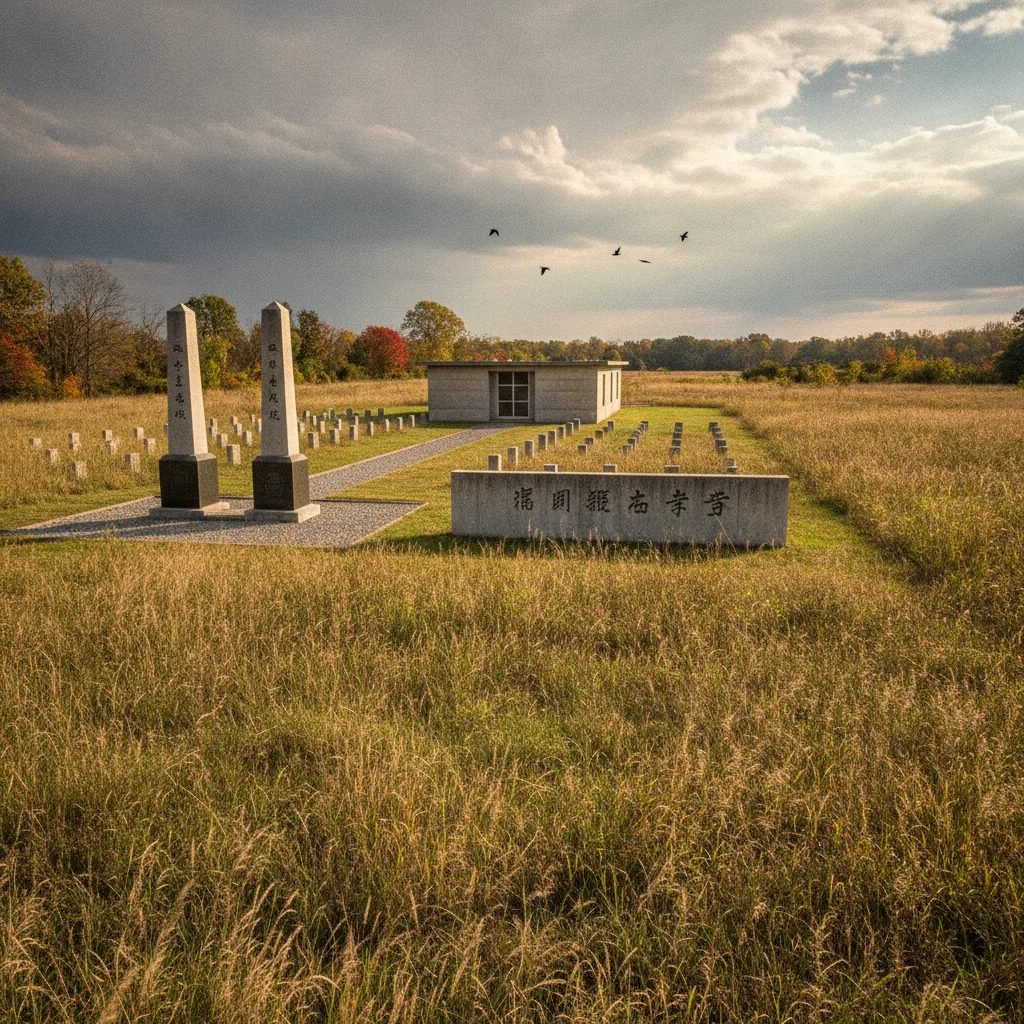
Our Rohwer Relocation Center Memorial Cemetery guide covers practical planning for Rohwer Relocation Center Memorial Cemetery Arkansas — best time to visit, getting there, and what to do on the ground.
As independent US travel authorities, our team at Roam States believes in confronting history head-on, especially when it reveals uncomfortable truths. The Natural State holds within its flat Delta landscape a site of profound national significance: the Rohwer Relocation Center Memorial Cemetery Arkansas. This isn't a typical tourist attraction; it's a solemn memorial and an essential educational experience, dedicated to the Japanese Americans who were unjustly incarcerated here during World War II. Visiting Rohwer offers a unique opportunity for deep reflection and learning about a pivotal, often overlooked, period of American history.
Why Visit Rohwer Relocation Center Memorial Cemetery
We urge every American traveler to consider a visit to the Rohwer Relocation Center Memorial Cemetery. This site stands as a stark, physical reminder of the forced removal and incarceration of over 120,000 Japanese Americans—two-thirds of whom were American citizens—from the West Coast during World War II. It is one of only three extant Japanese American confinement site cemeteries in the United States, making its preservation and interpretation critically important.
What makes Rohwer particularly poignant is that the cemetery and its original monuments were designed and constructed by the incarcerees themselves between 1943 and 1944. These powerful, handcrafted memorials bear witness to the resilience, patriotism, and enduring spirit of those who lived under such unjust conditions. Walking among the headstones and monuments, you can almost feel the weight of history and the stories embedded in the very concrete. One monument honors all those who died while incarcerated at Rohwer, while another commemorates the Japanese American soldiers, many of whom enlisted directly from internment camps like Rohwer, who fought and died for the United States in Europe with units like the 100th Infantry Battalion and the 442nd Regimental Combat Team.
Beyond the physical structures, the site features interpretive panels and audio stations, narrated by actor George Takei, who was himself interned at Rohwer as a child. These personal narratives bring a vital human dimension to the historical facts, transforming a visit from a passive observation into an immersive, empathetic experience. The Rohwer Relocation Center Memorial Cemetery Arkansas is not just a place to see; it's a place to feel, to understand, and to ensure such injustices are never repeated.
Who It's Best For
The Rohwer Relocation Center Memorial Cemetery is best suited for travelers seeking a meaningful and educational experience rather than a recreational one. It appeals particularly to:
- History Enthusiasts: Those with a keen interest in World War II, civil rights, and American social history will find the site invaluable. It offers a tangible connection to a critical period often glossed over in textbooks.
- Educators and Students: For anyone studying the Japanese American incarceration, this site provides primary source material and a powerful context that classroom learning cannot replicate.
- Individuals Seeking Reflection: The quiet, open fields and solemn memorials create an environment conducive to contemplation and personal reflection on themes of justice, prejudice, and resilience.
- Families with Older Children: While the subject matter is heavy, older children (pre-teen and up) can benefit immensely from understanding this chapter of American history. The audio tour, with its personal accounts, can be particularly impactful. Younger children might find it less engaging, and the somber atmosphere may not be suitable for all.
This is not a destination for those looking for light entertainment or a quick photo op. It requires an open mind, a willingness to engage with difficult history, and a respect for the solemnity of the memorial.
Is It Worth Visiting?
Without a doubt, the Rohwer Relocation Center Memorial Cemetery is worth visiting. While it may not offer the typical grandeur of a national park or the bustling energy of a city, its value lies in its profound historical significance and its ability to evoke deep introspection. We believe that understanding the past, especially its darker chapters, is crucial for shaping a more just future. The experience here is less about what you see and more about what you feel and learn.
For those questioning "is Rohwer Relocation Center Memorial Cemetery worth visiting," consider the unique opportunity it presents. This site is a rare, preserved testament to the experiences of Japanese Americans during World War II, offering an unfiltered look at the consequences of fear and prejudice. The interpretive elements, including the voice of George Takei, provide a powerful human connection to the stories of those who endured incarceration. It’s a place that challenges visitors to reflect on civil liberties and the importance of vigilance against injustice.
Moreover, the ongoing preservation efforts, supported by institutions like the University of Arkansas-Little Rock and the National Park Service, ensure that this vital history remains accessible for generations to come. A visit to the Rohwer Relocation Center Memorial Cemetery is an investment in understanding our collective past and a powerful affirmation of the importance of human rights. Yes, it is absolutely worth visiting.
Getting There & Parking
Navigating to the Rohwer Relocation Center Memorial Cemetery requires a bit of planning, as it is located in a rural part of southeastern Arkansas. The site is situated in Desha County, approximately 0.6 miles north of the small community of Rohwer, off Arkansas Highway 1. It's also about 13 miles northeast of the larger town of McGehee.
How to Get There
Most visitors will approach the site by car. Here are estimated driving times from major Arkansas cities:
- From Little Rock: The drive is approximately 110 miles southeast and takes about 2 hours.
- From Hot Springs: Expect a drive of about 2.5 to 3 hours, covering roughly 140-150 miles.
- From Memphis, TN: The site is about 160 miles southwest of Memphis, a drive of approximately 2.5 to 3 hours.
When you are close to the site, look for signage along Arkansas Highway 1. The cemetery is part of the Japanese American Internment Heritage Trail. We recommend using GPS navigation, but be aware that cell service can be spotty in some rural areas of the Delta, so it's wise to download maps beforehand.
To ensure you know exactly "how to get to Rohwer Relocation Center Memorial Cemetery," keep an eye out for the distinctive replica small-scale guard tower that serves as an informational kiosk at the site.
Rohwer Relocation Center Memorial Cemetery Parking
For Rohwer Relocation Center Memorial Cemetery parking, there isn't a large, formal parking lot with designated spaces. The site is an open-air memorial, and visitors are generally encouraged to park and walk. You'll find space along the gravel road that runs along the edge of the cemetery. This informal parking is free and typically readily available, given the site's rural and less-trafficked nature. We advise parking carefully to avoid blocking the road or any access points. There are no reservations required for parking or visiting the site. The tranquility of the setting is part of the experience, allowing for quiet contemplation.
Top Things to Do
A visit to this significant site is primarily about historical immersion and reflection. Our team has identified the essential things to do at Rohwer Relocation Center Memorial Cemetery and in the immediate vicinity to maximize your understanding of this somber chapter.
At Rohwer Relocation Center Memorial Cemetery
- Explore the Memorial Cemetery: This is the heart of the site. Take your time to walk among the 24 low-lying concrete headstones, the two original entrance markers, and the two historic monuments, all meticulously crafted by the incarcerees themselves. One monument honors those who died during their incarceration, and the other commemorates Japanese American soldiers who died fighting in World War II. A newer granite monument with a bronze eagle, added in 1982, further honors both groups. The presence of 17 flowering cherry trees, planted in 1994 to replicate part of the original design, adds a layer of poignant beauty.
- Engage with Interpretive Panels and Audio Stations: Along the southern boundary of the original camp, you'll find a self-guided walking tour featuring informative panels and audio stations. The audio narration by actor George Takei, who was interned here, offers powerful personal insights and makes the history come alive. These are crucial for understanding the daily life and broader context of the internment.
- Visit the Replica Guard Tower: A small-scale replica guard tower serves as an informational kiosk, providing additional context and a visual representation of the surveillance that defined life in the camp.
- Observe the Hospital Smokestack: Beyond the cemetery, the only other visible remnant of the original 500-acre Rohwer Relocation Center is the tall, decaying smokestack from the camp's hospital. It stands as a solitary, haunting reminder of the vast camp that once occupied these fields.
These things to do at Rohwer Relocation Center Memorial Cemetery provide a comprehensive, albeit sobering, experience of the site's historical significance.
Things to Do in Rohwer (and Nearby)
While the immediate vicinity of Rohwer is primarily agricultural land, there are key related sites and natural attractions nearby that complement a visit to the memorial.
- WWII Japanese American Internment Museum (McGehee): Located just 11-13 miles northeast in McGehee, this museum is an essential companion to your visit to the cemetery. It opened in 2013 and is housed in a renovated railroad depot. The museum features exhibits, a film, oral histories, photographs, and personal artifacts from the internment camps at Rohwer and nearby Jerome. Admission is free, and it's open Thursday-Saturday from 10 a.m. to 5 p.m. A traditional Japanese garden is also located behind the building. This museum significantly enhances the understanding gained at the cemetery.
- Delta Heritage Trail State Park: For a change of pace and some outdoor activity, the Delta Heritage Trail State Park has a trailhead near Rohwer. This trail offers opportunities for walking, hiking, and cycling through the flat Delta landscape. Events like the "Heat, Weather, and Safe Adventuring Workshop and Hike" are sometimes offered here, with one scheduled for July 17, 2026. It's a chance to experience the natural environment surrounding the historic site.
- Jerome Relocation Center Site: Located about 27-30 miles southwest of Rohwer, the Jerome Relocation Center was Arkansas's other Japanese American internment camp. While less remains of Jerome than Rohwer, a few physical remnants like a water storage tank and a deteriorating smokestack can still be found. It offers further context to the internment experience in Arkansas.
- Explore McGehee: As the closest developed town, McGehee offers local dining options and a glimpse into a small Delta community. After the solemnity of the historical sites, a meal in McGehee can provide a welcome respite.
These things to do in Rohwer and its immediate surroundings provide a well-rounded experience, blending historical education with a taste of the Arkansas Delta.
Best Time to Visit
Choosing the best time to visit Rohwer Relocation Center Memorial Cemetery can significantly impact your experience, given its outdoor nature and the climate of southeastern Arkansas. Our team recommends planning your visit during the cooler, drier months to ensure a comfortable and contemplative experience.
- Fall (October-November): This is arguably the ideal time. Temperatures are pleasantly mild, humidity is lower, and the risk of rain is reduced. The autumn foliage, while not as dramatic as in mountainous regions, can add a subtle beauty to the Delta landscape.
- Spring (March-April): Spring also offers comfortable temperatures and the chance to see the cherry trees at the cemetery in bloom. However, spring in the Delta can be prone to more rainfall, and historically, the Rohwer site experienced severe drainage problems, with about half of the area being swampy during this season. We advise checking local weather forecasts closely if you plan a spring visit.
- Winter (December-February): While cold, winter can offer crisp, clear days with fewer insects. The starkness of the landscape during winter can also lend itself to the somber atmosphere of the memorial. Just be prepared for potentially chilly temperatures.
- Summer (May-September): We generally advise against visiting during the peak summer months. Southeastern Arkansas experiences extremely hot and humid conditions, which can make extended outdoor exploration uncomfortable. Additionally, chiggers and mosquitoes are prevalent during this time, detracting from the experience.
Regardless of when you visit, we recommend bringing water, insect repellent (especially outside of winter), and comfortable walking shoes. Since the site is an outdoor memorial, there are no specific operating hours or fees, allowing for flexibility in your schedule. However, visiting during daylight hours is essential for safety and to fully appreciate the interpretive elements. To ensure the best experience when considering the best time to visit Rohwer Relocation Center Memorial Cemetery, prioritize comfortable weather conditions.
Where to Stay Nearby
Given the rural location of the Rohwer Relocation Center Memorial Cemetery, you won't find direct onsite accommodation. The nearest town with lodging options is McGehee, Arkansas, located about 11-13 miles northeast of the cemetery. When considering Rohwer Relocation Center Memorial Cemetery lodging, McGehee will be your primary hub.
Hotels in McGehee
McGehee, while a small town, offers a few reliable options for overnight stays. These typically include budget-friendly motels and local establishments. While we cannot provide specific 2026 booking information without a direct search, you can expect to find brands like:
- Motel 6 / Super 8 / Quality Inn: These chains often have locations in smaller towns and provide basic, clean, and comfortable rooms suitable for travelers.
- Independent Motels: McGehee may also have locally-owned motels that offer a more personalized, if sometimes less standardized, experience.
We recommend booking your Rohwer Relocation Center Memorial Cemetery lodging in advance, especially if traveling during peak seasons or if there are local events in the Delta region. While McGehee is not a major tourist destination, options can be limited. Always check recent reviews for the most up-to-date guest experiences.
Other Nearby Towns for Lodging
If you prefer more options or are combining your visit with other Delta attractions, consider these towns, though they will increase your driving time to Rohwer:
- Pine Bluff (approx. 1 hour drive): A larger city with a wider selection of hotels, including more mid-range and chain options.
- Greenville, MS (approx. 1 hour drive): Across the Mississippi River in Mississippi, Greenville offers additional lodging and dining choices, providing another base for exploring the Delta.
For those planning an extended trip through Arkansas, consider our guides to other significant destinations like Hot Springs National Park for its historic baths and outdoor recreation, or Crater of Diamonds State Park for a truly unique adventure. These are further afield but represent other facets of the state's diverse offerings.
Regardless of where you choose your Rohwer Relocation Center Memorial Cemetery lodging, remember that the experience at Rohwer is a profound one, and a comfortable place to rest afterward will be beneficial for processing the history you've encountered.
Sample 2-Day Itinerary
To truly absorb the history and experience the surrounding Delta region, we recommend dedicating at least two days to your visit to the Rohwer Relocation Center Memorial Cemetery and its environs. This itinerary balances solemn reflection with local exploration.
Day 1: Immersion at Rohwer and McGehee
- Morning (9:00 AM - 12:00 PM): Rohwer Relocation Center Memorial Cemetery. Arrive at the Rohwer Relocation Center Memorial Cemetery. Allocate ample time, at least 2-3 hours, for a thorough and respectful visit. Take the self-guided walking tour, listening to the audio narration by George Takei. Read every interpretive panel, reflect on the monuments, and walk the perimeter of the original camp grounds. Observe the hospital smokestack, one of the few remaining structures.
- Lunch (12:30 PM - 1:30 PM): Local Fare in McGehee. Drive the short distance (11-13 miles) to McGehee. Find a local restaurant for lunch. This provides a mental break and a taste of the community.
- Afternoon (1:30 PM - 4:30 PM): WWII Japanese American Internment Museum. After lunch, head to the WWII Japanese American Internment Museum in McGehee. This museum offers crucial context with exhibits, films, and artifacts that deepen your understanding of the internment experience at both Rohwer and Jerome. Don't miss the traditional Japanese garden behind the museum.
- Evening: Dinner and Reflection. Enjoy dinner in McGehee. Consider a quiet evening to reflect on the day's profound historical learning.
Day 2: Delta Exploration and Broader Context
- Morning (9:00 AM - 12:00 PM): Jerome Relocation Center Site. Drive approximately 27-30 miles southwest to the site of the Jerome Relocation Center. While less remains here than at Rohwer, it provides another perspective on the internment camps in Arkansas. Look for the remaining structures like the water storage tank and the deteriorating smokestack.
- Late Morning/Lunch (12:00 PM - 2:00 PM): Delta Heritage Trail or Local Lunch. For some fresh air and a different perspective, visit the Rohwer trailhead of the Delta Heritage Trail State Park for a walk or short hike. Alternatively, explore another small Delta town for lunch.
- Afternoon (2:00 PM onwards): Choose Your Adventure.
- Option A (History Deep Dive): Head north towards Little Rock. Consider a visit to the Little Rock Central High School National Historic Site, another powerful civil rights landmark in Arkansas.
- Option B (Natural Beauty): If you're heading west, consider a detour towards Hot Springs National Park for its unique blend of history and natural springs.
- Option C (Unique Experience): Further west, Crater of Diamonds State Park offers a chance to dig for real diamonds.
- Evening: Depart or Overnight in a Larger City. Depending on your onward journey, you can depart from Arkansas or find lodging in a larger city like Little Rock or Hot Springs.
This itinerary provides a comprehensive and respectful way to experience the Rohwer Relocation Center Memorial Cemetery and understand its place within the broader history and geography of Arkansas.
Frequently Asked Questions
Rohwer Relocation Center Memorial Cemetery with kids
Visiting the Rohwer Relocation Center Memorial Cemetery with kids, especially younger ones, requires careful consideration. The site is solemn and deals with a heavy topic. We recommend it more for older children (pre-teen and up) who can grasp the historical context and engage respectfully with the interpretive materials. The audio tour narrated by George Takei can be very impactful for them. For younger children, the abstract nature of the history and the lack of interactive play areas might lead to disinterest. If bringing younger children, prepare them beforehand, keep the visit shorter, and focus on the visual elements like the monuments and the smokestack. The nearby WWII Japanese American Internment Museum in McGehee might offer a more engaging, indoor experience with its exhibits and film.
best hotels near Rohwer Relocation Center Memorial Cemetery
The best hotels near Rohwer Relocation Center Memorial Cemetery are located in the nearby town of McGehee, Arkansas, which is about 11-13 miles northeast of the site. While specific luxury options are limited in this rural area, you can expect to find reliable, clean, and comfortable accommodations from budget-friendly chains like Motel 6, Super 8, or Quality Inn, as well as some independent local motels. For a wider selection, you might consider towns like Pine Bluff or even Greenville, MS, both about an hour's drive away, though this increases travel time to the cemetery. We always recommend checking current reviews and booking in advance, especially for the limited options in McGehee.
Rohwer Relocation Center Memorial Cemetery tips
Our top tips for visiting the Rohwer Relocation Center Memorial Cemetery include: 1) **Plan for reflection:** This is a somber site; approach it with respect and a willingness to learn. 2) **Dress for the outdoors:** The entire site is open-air, so wear comfortable walking shoes and dress appropriately for the weather. 3) **Bring water and insect repellent:** Especially outside of winter, the Delta can be hot, humid, and buggy. 4) **Utilize the audio tour:** The narration by George Takei and the interpretive panels are essential for a full understanding. 5) **Visit the McGehee museum:** The WWII Japanese American Internment Museum in McGehee provides crucial context and artifacts. 6) **Check weather forecasts:** Avoid peak summer heat and be prepared for potential spring rain and swampy conditions.
where to stay near Rohwer Relocation Center Memorial Cemetery
For those wondering "where to stay near Rohwer Relocation Center Memorial Cemetery," the most convenient option is the town of McGehee, Arkansas. It's the closest community with hotels, located just a short drive away. You'll find standard budget motel chains and possibly some local establishments there. If you're looking for more extensive lodging choices or plan to explore a broader area of the Arkansas Delta, consider staying in Pine Bluff, Arkansas, or Greenville, Mississippi. Both are approximately an hour's drive from Rohwer and offer a greater variety of accommodations and dining experiences.
Rohwer Relocation Center Memorial Cemetery parking
Regarding Rohwer Relocation Center Memorial Cemetery parking, visitors should expect informal arrangements. The site is an outdoor memorial with no large, paved parking lot. You can typically find space to park along the gravel road that runs adjacent to the cemetery. This parking is free and generally sufficient due to the site's rural nature and moderate visitor numbers. We advise parking carefully to ensure you don't obstruct the roadway. No reservations are required for parking or entry to the memorial itself.
best time to visit Rohwer Relocation Center Memorial Cemetery
The best time to visit Rohwer Relocation Center Memorial Cemetery is during the fall (October-November) or spring (March-April). Fall offers mild temperatures and lower humidity, making for a comfortable outdoor experience. Spring can also be pleasant, with the added beauty of cherry blossoms, but be aware of higher chances of rain and potentially swampy conditions, as the area has historically had drainage issues. We strongly advise against visiting during the hot, humid summer months (May-September) when chiggers and mosquitoes are prevalent and outdoor exploration can be uncomfortable. Winter can be a good option for those who don't mind cold weather, as it often brings clear skies and fewer crowds.
Conclusion
A journey to the Rohwer Relocation Center Memorial Cemetery Arkansas is more than just a trip; it's a pilgrimage to a vital piece of American history. Our team at Roam States firmly believes in the power of such sites to educate, to challenge, and to inspire a deeper understanding of our nation's past. From the poignant monuments crafted by the incarcerees themselves to the powerful narratives shared through the audio tour, every element of Rohwer is designed to ensure that the injustices of World War II internment are never forgotten. We encourage you to plan your visit during the cooler months, take your time, and allow yourself to fully engage with this profound and essential memorial. It's an experience that will stay with you long after you leave the quiet fields of the Arkansas Delta.
Last updated: 2026-07-05 by the Roam States team.