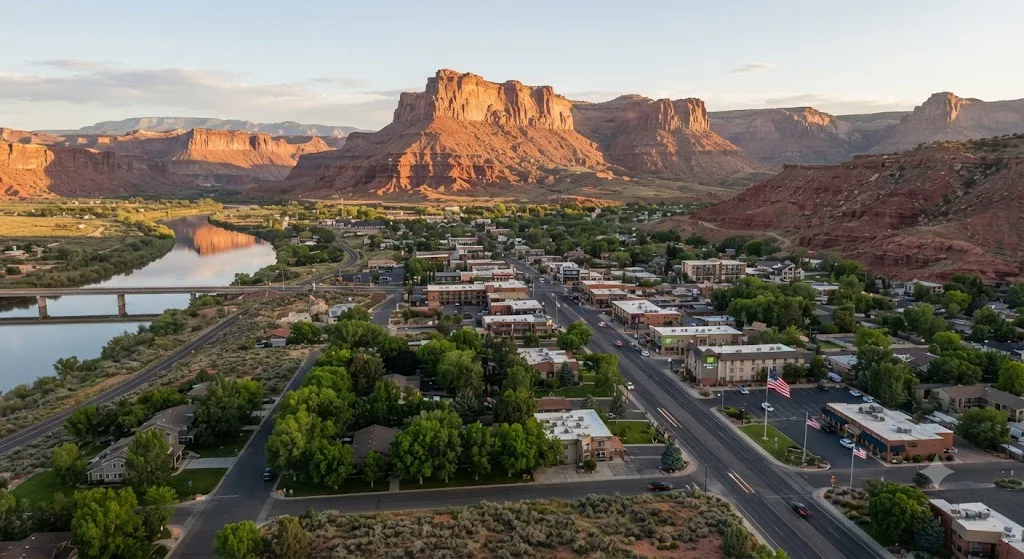
Our Moab guide covers practical planning for Moab Utah — best time to visit, getting there, and what to do on the ground.
Moab Travel Guide — Utah
Welcome to Moab, Utah — a world-renowned adventure town nestled amidst stunning red rock landscapes, serving as the gateway to Arches and Canyonlands National Parks. It's a hub for mountain biking, hiking, and off-roading, offering an unparalleled outdoor experience that draws adventurers from across the globe. Our team at Roam States has compiled this comprehensive guide to help you navigate the wonders of this incredible destination, ensuring your trip is as thrilling and seamless as the desert sunsets are breathtaking.
Why Visit Moab
Moab, Utah, is more than just a dot on the map; it's a vibrant epicenter for outdoor enthusiasts, a place where the dramatic landscape itself is the main attraction. So, is Moab worth visiting? Absolutely. We find ourselves returning time and again, captivated by the sheer scale and diversity of its natural playgrounds. This isn't just a place to see; it's a place to *do*. From the iconic sandstone arches that defy gravity to the deep canyons carved by ancient rivers, Moab offers a unique blend of geological marvels and adrenaline-pumping activities. Whether you're a seasoned explorer or a family looking for an unforgettable vacation, the red rock country around Moab provides endless opportunities for discovery and adventure. We believe that for anyone seeking an authentic taste of the American Southwest, Moab, Utah, is an essential stop, promising experiences that will linger long after you've left its dusty trails.
Beyond the national parks, the town itself buzzes with an infectious energy, offering a relaxed atmosphere, local eateries, and outfitters ready to equip you for your next escapade. The stark beauty of the desert, combined with the accessibility of world-class trails and the welcoming community, makes us confident in saying that Moab is unequivocally worth visiting. It’s a destination that truly delivers on its promise of adventure and awe-inspiring natural beauty, making it one of the best places in Utah to experience the wild side of the state.
Who It's Best For
Moab caters to a broad spectrum of travelers, but it truly shines for those with an adventurous spirit and a love for the outdoors. Our team has observed that it's particularly ideal for:
- Mountain Bikers: With legendary trails like the Slickrock Trail and The Whole Enchilada, Moab is a global mecca for mountain biking. There are routes for all skill levels, from beginner-friendly loops to expert-level technical descents.
- Hikers: The proximity to Arches and Canyonlands National Parks means endless hiking opportunities, from easy, scenic strolls to challenging backcountry treks. Iconic hikes to Delicate Arch or through the Fiery Furnace (with a permit) are just a taste of what's available.
- Off-Road Enthusiasts: Jeeping, UTV, and 4x4 adventures are hugely popular here. Trails like Hell's Revenge, Fins & Things, and the Shafer Trail offer varying levels of difficulty and incredible scenery.
- Families: Moab offers numerous family-friendly activities, including easy hikes, Junior Ranger programs at the national parks, calm water rafting on the Colorado River, and even dinosaur-themed attractions like Moab Giants. Many hotels and campgrounds are well-equipped for families.
- Photographers and Nature Lovers: The unique red rock formations, stunning sunrises and sunsets, and dark night skies make Moab a paradise for capturing breathtaking landscapes and stargazing.
- Climbers and Canyoneers: The sandstone cliffs and slot canyons provide ample opportunities for rock climbing, bouldering, and canyoneering, attracting those looking for vertical challenges.
While Moab welcomes everyone, those looking for a quiet, bustling city experience with cultural institutions might find it less appealing than its rugged, outdoor focus. This is a destination for getting dusty, breaking a sweat, and immersing yourself in nature's grandeur.
How to Get There & Parking
Getting to Moab is part of the adventure, with scenic drives from various points in the American West. Our team always recommends having a personal vehicle for exploring Moab, as public transportation within the area is limited, and many trailheads and attractions are spread out. Here's how to get to Moab:
- By Car from Salt Lake City, Utah: The most common route is to drive from Salt Lake City. The distance is approximately 230-250 miles, and the drive typically takes 3.5 to 4.5 hours, depending on traffic and your chosen route. The most direct route involves I-15 South, then US-6 East, followed by I-70 East, and finally US-191 South to Moab.
- By Car from Grand Junction, Colorado: For those coming from Colorado, Grand Junction offers a closer gateway. The drive is about 103-113 miles and takes approximately 1.5 to 2 hours. You can take I-70 West to US-191 South, or opt for the more scenic Highway 128 (River Road) which winds along the Colorado River.
- By Air: While most visitors drive, you can fly into Canyonlands Field Airport (CNY), located just outside Moab. Direct flights are available from Salt Lake City (SLC) and Denver (DEN), making it a convenient option for those with less time. Larger airports like Salt Lake City International Airport (SLC) or Grand Junction Regional Airport (GJT) offer more flight options, with car rentals available for the scenic drive to Moab.
Parking in Moab
Parking in Moab itself is generally manageable, especially in the downtown area where many hotels and restaurants are located. However, when visiting the national parks and popular trailheads, parking can become a significant challenge, particularly during peak seasons (spring and fall) and midday. We strongly advise planning your park visits strategically to avoid frustration. Here are our top tips for Moab parking:
- Arches National Park: While timed entry reservations are *not* required for general entry in 2026, visitors are still encouraged to arrive before 7 AM or after 2 PM to avoid long lines and full parking lots, especially from March through October. Parking at popular viewpoints and trailheads like Delicate Arch, Devils Garden, and The Windows Section can fill up quickly, leading to temporary park entry restrictions until space becomes available.
- Canyonlands National Park: Similar to Arches, popular areas like Mesa Arch in the Island in the Sky district can see crowded parking lots, especially at sunrise. Arriving early is always a good strategy.
- Trailheads: Many popular mountain biking and hiking trailheads outside the national parks also have limited parking. Consider carpooling or utilizing shuttle services where available, particularly for one-way rides like The Whole Enchilada mountain bike trail.
- Moab Town: Parking on Main Street and around town is usually available, with some businesses offering dedicated parking for their customers.
Top Things to Do
Moab is an outdoor enthusiast's dream, offering an incredible array of activities set against a backdrop of stunning red rock scenery. Our team has spent countless hours exploring this region, and we can confidently say that the things to do in Moab will keep you busy from sunrise to sunset. Here are our top recommendations for things to do at Moab:
Explore Arches National Park
Just 5 miles north of Moab, Arches National Park is home to over 2,000 natural sandstone arches, making it the highest concentration in the world. In 2026, advanced timed-entry reservations are not required for general park entry, allowing visitors to enter at any time during operating hours. However, a valid entrance pass is still required, costing $30 per vehicle for a 7-day pass. We recommend arriving before 7 AM or after 2 PM during peak season to avoid congestion. Must-see formations include Delicate Arch (a strenuous 3-mile roundtrip hike), Landscape Arch (the longest arch in North America), Balanced Rock, and The Windows Section. Reservations are still required for the Devils Garden Campground and ranger-led Fiery Furnace hikes.
Discover Canyonlands National Park
Utah's largest national park, Canyonlands, is a vast and rugged wilderness carved by the Colorado and Green Rivers. It's divided into four districts, but the most accessible from Moab is Island in the Sky, about 30 miles away. The entrance fee is $30 per vehicle, valid for 7 days. Here, you'll find panoramic views, short hikes, and scenic drives. Don't miss Mesa Arch at sunrise for an iconic photo opportunity, Grand View Point, and Upheaval Dome. The Needles district, further south, offers a different experience with colorful spires and more challenging backcountry trails, while the Maze district is extremely remote and requires significant planning and 4x4 experience.
Mountain Biking Adventures
Moab is synonymous with mountain biking, offering some of the most famous and diverse trails globally. For things to do at Moab on two wheels, you're spoiled for choice. The iconic Slickrock Trail in the Sand Flats Recreation Area is a challenging 10.5-mile loop known for its grippy sandstone and exhilarating climbs and descents. For intermediate riders, the Fins & Things trail offers slickrock fins and sandy washes. Beginner-friendly options include sections of the Moab Brand Trails (Bar M) and the Klonzo Trails, which offer flowing singletrack and scenic views. Advanced riders can tackle technical trails like Captain Ahab in the Amasa Back area or the epic Whole Enchilada, a 34-mile downhill shuttle ride that descends over 7,000 feet from the La Sal Mountains to the Colorado River.
Off-Roading and Jeeping
The red rock terrain around Moab is a playground for off-road vehicles. Whether you have your own 4x4 or rent a Jeep or UTV, there are trails for every skill level. Popular options include:
- Hell's Revenge: A legendary slickrock trail with steep climbs, descents, and famous obstacles like the "Hot Tub" and "Tip-Over Challenge." It's rated difficult and dangerous in sections.
- Shafer Trail: Located in Canyonlands National Park, this is an easier, scenic route with dramatic switchbacks descending into the canyon, offering incredible views of the Colorado River. A high-clearance 4x4 is recommended.
- Fins & Things: A moderate slickrock loop popular for UTVs and Jeeps, with optional bypasses for challenging sections.
- Pritchett Canyon: Considered extremely difficult, this trail is for highly experienced drivers with customized rigs, known for its gnarly obstacles and potential for vehicle damage.
Always check trail conditions and difficulty ratings before heading out, carry essential supplies, and consider traveling with a buddy.
Whitewater Rafting on the Colorado River
Experience the Colorado River as it winds through stunning canyons. Options range from calm water cruises perfect for families to half-day or full-day whitewater rafting trips with exciting rapids. Many outfitters in Moab offer guided tours, providing a unique perspective of the red rock landscape from the water.
Hiking Beyond the National Parks
Don't limit your hiking to just Arches and Canyonlands. There are many fantastic trails on Bureau of Land Management (BLM) land.
- Corona Arch Trail: A moderate 3-mile roundtrip hike leading to the impressive Corona Arch and Bowtie Arch.
- Grandstaff Canyon Trail (formerly Negro Bill Canyon Trail): A relatively easy 4.4-mile out-and-back trail that follows a creek, offering shade and leading to Morning Glory Bridge. Note that part of the Grandstaff Campground is closed from March 9 to October 31, 2026, for construction on the Colorado River Trail Gap project, but sites 1-10 and trailhead access remain open.
- Dead Horse Point State Park: Just a short drive from Moab, this state park offers breathtaking panoramic views of the Colorado River and Canyonlands. It's a great spot for shorter hikes and sunset viewing.
Stargazing
Both Arches and Canyonlands National Parks are designated International Dark Sky Parks, offering incredible opportunities for stargazing. On a clear night, the Milky Way is often visible to the naked eye, a truly humbling experience.
Best Time to Visit
Choosing the best time to visit Moab largely depends on your preferred activities and tolerance for crowds and temperatures. Our team has experienced Moab in all seasons, and each offers a distinct charm:
- Spring (March to May): Widely considered the best time to visit Moab. Temperatures are mild and pleasant, ideal for hiking, biking, and off-roading. Wildflowers bloom, adding splashes of color to the desert landscape. However, this is also peak season, meaning larger crowds, higher lodging prices, and more competition for parking in the national parks. We recommend booking accommodations and any guided tours well in advance.
- Fall (September to October): Another excellent time to visit, with comfortable temperatures similar to spring. The autumn colors of the cottonwood trees along the Colorado River provide a beautiful contrast to the red rocks. Like spring, fall is a very popular time, so expect crowds and plan accordingly.
- Summer (June to August): Summer brings intense heat, with daytime temperatures often exceeding 100°F (38°C). While less crowded on trails during midday, early mornings and late evenings are essential for outdoor activities. This is a great time for water-based activities like rafting and kayaking on the Colorado River, and many accommodations have pools for cooling off. Stargazing is also spectacular.
- Winter (November to February): Winter offers solitude and a unique perspective of the red rocks, sometimes dusted with snow. Temperatures are cool to cold, and some higher elevation trails or roads may be closed due to snow. Crowds are minimal, and lodging prices are generally lower. While some activities are limited, cross-country skiing in the La Sal Mountains is an option, and the national parks are still accessible for hiking, often with fewer visitors.
For most visitors focused on hiking and biking, we recommend targeting the shoulder seasons of late spring or early fall. If you can only visit in summer, embrace the early mornings and evenings, and prioritize water activities.
Where to Stay Nearby
Moab offers a wide range of Moab lodging options to suit every budget and travel style, from luxurious glamping resorts to rustic campgrounds. Our team understands that finding the right basecamp is crucial for a successful adventure. Here's an overview of Moab lodging:
Hotels and Motels
The town of Moab itself has numerous hotels and motels, many conveniently located along Main Street, providing easy access to restaurants, shops, and tour operators. Popular choices include the Hoodoo Moab, Curio Collection by Hilton, Hyatt Place Moab, Comfort Suites Moab near Arches National Park, and Wingate by Wyndham Moab. Many offer amenities like pools, free breakfast, and pet-friendly options. For those seeking stunning views, properties like Castle Valley Inn, Lionsback Resort, and Scenic View Inn & Suites Moab come highly recommended.
Vacation Rentals and Condos
For groups or families seeking more space and amenities like full kitchens, vacation rentals and condos are a popular choice. Many are located just outside the main downtown area, offering a quieter experience while still being close to attractions.
Glamping and Luxury Resorts
For an upscale outdoor experience, glamping resorts offer a blend of comfort and immersion in nature. ULUM Moab, for example, provides safari-inspired suite tents with luxury amenities and views across Canyonlands National Park, operating from March 26 to October 29, 2026. Village Camp Moab also offers luxury adventure cabins, premium RV sites, and vacation homes.
Campgrounds
Camping is an integral part of the Moab experience, offering a chance to sleep under the stars amidst the red rocks.
- National Park Campgrounds: Devils Garden Campground in Arches National Park is the only campground within the park and requires reservations up to six months in advance for stays between March 1 and October 31.
- BLM Campgrounds: The Bureau of Land Management (BLM) operates numerous campgrounds along the Colorado River and surrounding areas. These are often more rustic but offer incredible scenic locations. Grandstaff Campground, for instance, offers riverside tent-only sites with views of the Colorado River and Arches National Park, costing $20 per night. However, sites 11-16 will be closed from March 9 to October 31, 2026, for construction. Other popular BLM campgrounds include Goose Island and Up The Creek Campground.
- Private Campgrounds and RV Parks: Many privately owned campgrounds in and around Moab offer more amenities, including RV hook-ups, showers, and flush toilets, and often accept reservations. Examples include Sun Outdoors Moab Downtown and Village Camp Moab.
It is illegal to camp within Moab city limits outside of designated campgrounds.
Sample 2-Day Itinerary
To help you make the most of your visit, our team has crafted a sample 2-day itinerary for Moab, focusing on key attractions and activities. This is a suggestion, and we encourage you to tailor it to your interests and energy levels.
Day 1: Arches National Park & Moab Highlights
- Morning (Early Start!): Head to Arches National Park before 7 AM to beat the crowds and secure parking. Drive the scenic park road, stopping at viewpoints. Hike to Delicate Arch (3 miles roundtrip, strenuous) for an iconic experience, or opt for shorter, easier hikes to Balanced Rock, The Windows, and Double Arch.
- Lunch: Enjoy a packed lunch with a view in the park, or head back to Moab for a meal at a local eatery.
- Afternoon: Explore more of Arches, perhaps hiking the Devils Garden Trail to Landscape Arch. Alternatively, for a change of pace, consider a thrilling off-road tour on Hell's Revenge or Fins & Things.
- Evening: Dinner in Moab. After dark, head back into Arches or Canyonlands for some incredible stargazing in one of the designated Dark Sky Parks.
Day 2: Canyonlands National Park & Colorado River Adventure
- Morning (Sunrise): Drive to Canyonlands National Park (Island in the Sky district). Arrive early to catch the sunrise at Mesa Arch – a truly spectacular sight. Explore other viewpoints like Grand View Point and the dramatic Upheaval Dome.
- Lunch: Picnic in Canyonlands or grab a bite in Moab.
- Afternoon: Embark on a Colorado River adventure. Choose between a calm water float trip, perfect for families, or a half-day whitewater rafting excursion for more excitement.
- Late Afternoon/Evening: Depending on your energy, consider a scenic drive along Highway 128 (River Road) towards Fisher Towers for stunning views and a short hike, or visit Dead Horse Point State Park for a breathtaking sunset over the canyon. Enjoy a final dinner in Moab.
FAQ Longtails
Moab with kids
Moab is an excellent destination for families! Our team recommends numerous kid-friendly activities. Children can participate in Junior Ranger programs at Arches and Canyonlands National Parks, which offer engaging ways to learn about the environment. Easy hikes like those to Double Arch in Arches or the Mesa Arch Trail in Canyonlands are manageable for little legs. For more adventure, consider calm water rafting trips on the Colorado River, mountain biking on easier trails like Klonzo, or a thrilling Hummer safari. Dinosaur enthusiasts will love Moab Giants, an outdoor dinosaur park with life-size models. Many hotels offer pools, a welcome relief during warmer months.
best hotels near Moab
The best hotels near Moab cater to various preferences. For luxury and stunning views, we recommend properties like Hoodoo Moab, Curio Collection by Hilton, Hyatt Place Moab, or the upscale glamping experience at ULUM Moab (open March 26–October 29, 2026). Mid-range options like Comfort Suites Moab near Arches National Park, Wingate by Wyndham Moab, and My Place Hotel-Moab, UT, offer comfortable stays with amenities like pools and complimentary breakfast. Many hotels in Moab offer free parking.
Moab tips
Our top Moab tips for a successful trip include: **Plan Ahead:** Book accommodations and popular tours well in advance, especially for spring and fall. **Arrive Early (or Late) for Parks:** To avoid crowds and parking issues at Arches and Canyonlands, aim to enter before 7 AM or after 2 PM. **Stay Hydrated:** The desert climate is dry; carry plenty of water, especially on trails. **Dress in Layers:** Temperatures can fluctuate significantly between day and night. **Respect the Environment:** Stay on marked trails to protect the delicate cryptobiotic soil. **Consider an America the Beautiful Pass:** If visiting multiple national parks, this annual pass ($80) can save you money on entrance fees.
where to stay near Moab
When deciding where to stay near Moab, you have several excellent options. The town of Moab itself offers the widest selection of hotels, motels, and vacation rentals, providing easy access to dining and services. For a more immersed nature experience, consider campgrounds within Arches National Park (Devils Garden, requires reservations) or one of the many scenic BLM campgrounds along the Colorado River (e.g., Grandstaff Campground, which has partial closures in 2026). Glamping resorts like ULUM Moab or Village Camp Moab offer a luxurious outdoor stay just outside town. For those seeking solitude, some vacation rentals are available further out in areas like Castle Valley.
Moab parking
Moab parking can be challenging, particularly at popular attractions. Within Moab town, street parking and hotel lots are generally available. However, for Arches and Canyonlands National Parks, parking lots at trailheads and viewpoints fill up quickly during peak hours. Arriving early in the morning (before 7 AM) or late in the afternoon (after 2 PM) is crucial to find a spot and avoid long entrance lines. If a lot is full, the park may temporarily restrict entry. For popular trailheads outside the parks, carpooling is highly recommended, and some mountain biking routes offer shuttle services to help manage vehicle congestion.
best time to visit Moab
The best time to visit Moab for most outdoor activities is during the spring (March to May) and fall (September to October). During these seasons, temperatures are mild and pleasant, perfect for hiking, mountain biking, and off-roading. However, these are also the busiest times, so expect larger crowds and higher prices for lodging and tours. Summer (June to August) is very hot, making water activities on the Colorado River popular, but requiring early morning or late evening outdoor excursions. Winter (November to February) offers solitude and cooler temperatures, ideal for those who prefer fewer crowds and don't mind bundling up.
Our team at Roam States consistently ranks Moab, Utah, as one of the premier adventure destinations in the United States. Its unique blend of accessible national parks, world-class trails, and stunning desert landscapes creates an unforgettable experience for every type of outdoor enthusiast. We encourage you to embrace the red dust, seek out the hidden arches, and let the vastness of the canyons inspire your next great adventure. This is a place that truly lives up to its reputation as an outdoor mecca.
For more inspiration on planning your trip to the American West, explore our Plan Your US Trip guide, or delve deeper into Utah's other natural wonders like Zion National Park and Bryce Canyon National Park.
Last updated: 2026-07-09 by the Roam States team.