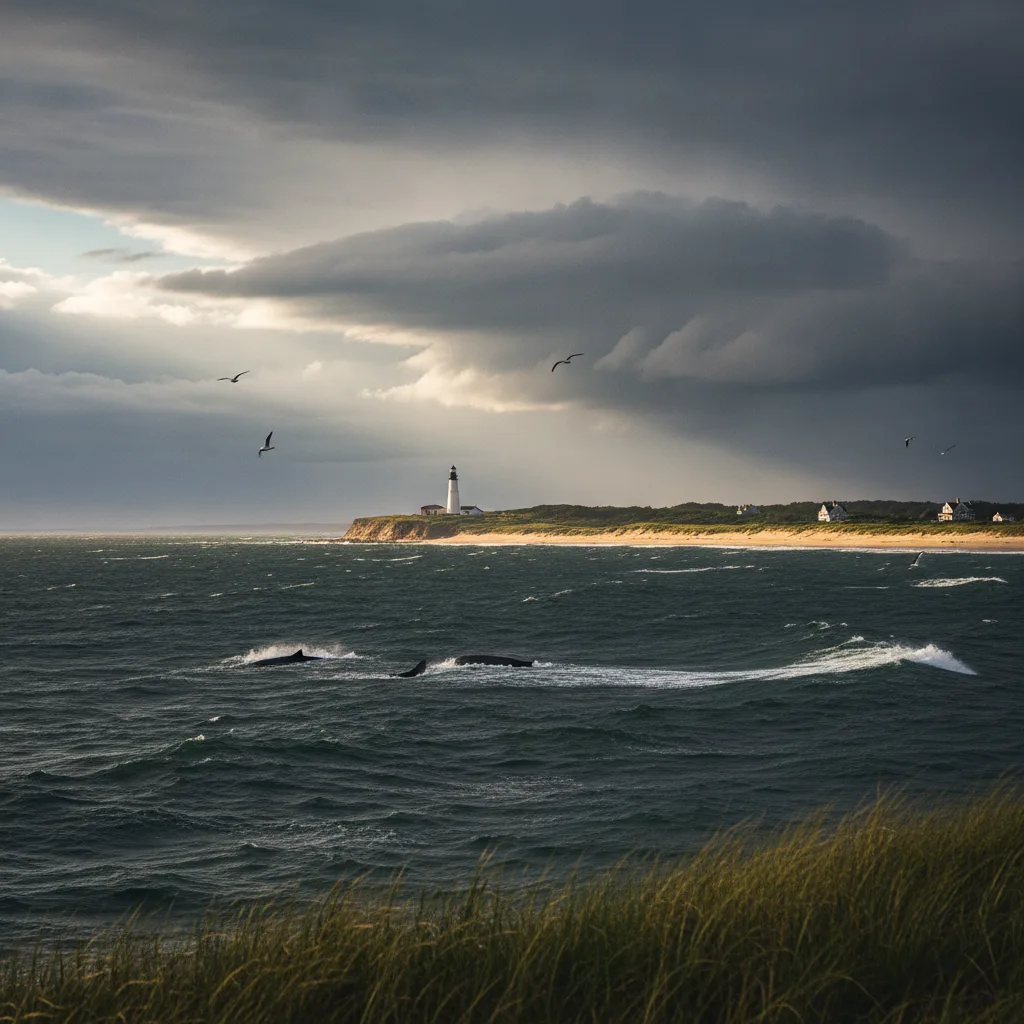
For travelers seeking an unparalleled marine wildlife experience, Stellwagen Bank National Marine Sanctuary Massachusetts stands as a premier destination. Our team at Roam States has compiled this comprehensive guide to help you plan an unforgettable journey to this vibrant underwater ecosystem, a true jewel of the North Atlantic. Forget generic advice; we're here to provide confident, specific recommendations for exploring one of the world's best whale-watching locations.
Why Visit Stellwagen Bank National Marine Sanctuary
Stellwagen Bank National Marine Sanctuary, an 842-square-mile underwater reserve off the coast of Massachusetts, is widely recognized as one of the world's premier whale watching destinations. This rich feeding ground attracts a remarkable diversity of marine life, making it an essential stop for anyone passionate about ocean conservation and wildlife photography. The sanctuary's nutrient-rich waters support an abundance of plankton and small fish, which in turn draw in various species of whales, including humpbacks, finbacks, and minke whales.
Beyond the sheer thrill of seeing these magnificent creatures, a visit to Stellwagen Bank offers an invaluable educational experience. Many whale watching tours feature onboard naturalists, often from esteemed institutions like the New England Aquarium, who provide live narration and insights into whale behavior, marine ecology, and crucial conservation efforts. This isn't just a boat ride; it's an immersive classroom where you can learn about individual whales identified by their unique tail flukes and understand the delicate balance of this vital marine ecosystem.
The sanctuary also holds historical significance as a productive fishing ground for centuries. While commercial fishing is regulated to protect marine life, its historical importance underscores the area's enduring natural bounty. For those wondering, "is Stellwagen Bank National Marine Sanctuary worth visiting?", our answer is an unequivocal yes. The opportunity to witness whales in their natural habitat, often within feet of the vessel, is a profound and moving experience that stays with you long after you've returned to shore.
Who It's Best For
Stellwagen Bank National Marine Sanctuary is an ideal destination for a wide array of travelers, particularly those with a keen interest in marine wildlife and nature. It's perfect for families looking for an educational and thrilling outing, as the high-speed catamarans used by many tour operators offer both open outdoor viewing decks and climate-controlled indoor seating, ensuring comfort for all ages. The onboard naturalists make the experience engaging for curious children and adults alike, explaining whale behavior and ocean ecology in an accessible way.
Wildlife photographers will find endless opportunities to capture breathtaking shots of breaching humpbacks, surfacing fin whales, and the intricate patterns of whale flukes. Enthusiasts of marine biology and conservation will appreciate the in-depth commentary and the chance to observe these animals in a protected environment. Even first-time visitors to Massachusetts or those simply seeking a unique scenic experience will be captivated by the majesty of the ocean and its inhabitants. However, it's important to note that if you are sensitive to motion sickness, the open waters of the Gulf of Maine can be choppy, with swells of 3–5 feet being common. We recommend taking preventative measures if this is a concern.
Getting There & Parking
To experience Stellwagen Bank National Marine Sanctuary, you'll need to embark on a whale watching tour from one of several coastal towns in Massachusetts. The primary departure points are Boston, Gloucester, and Plymouth, each offering a slightly different journey to the sanctuary. Understanding "how to get to Stellwagen Bank National Marine Sanctuary" involves planning your departure city and transportation to the docks.
From Boston
Boston Harbor City Cruises, in partnership with the New England Aquarium, offers daily whale watching tours departing from Central Wharf in Boston. These tours typically last 3-4 hours and travel to Stellwagen Bank National Marine Sanctuary. Long Wharf is a highly accessible departure point, with the MBTA Blue Line providing direct access. For parking, various garages are available in the downtown Boston area, though rates can be high. We recommend checking specific garage rates and availability in advance, especially during peak season. Some tour operators may offer discounted parking validation, so inquire when booking your reservation.
From Gloucester
Gloucester is often cited as being closer to Stellwagen Bank, approximately 12 miles offshore, which can mean less travel time to the whale feeding grounds. Operators like Cape Ann Whale Watch and 7 Seas Whale Watch depart from Gloucester. Cape Ann Whale Watch, located at 415 Main St., Gloucester, MA, offers guaranteed free parking for its customers. 7 Seas Whale Watch, also in Gloucester, notes two municipal parking lots adjacent to their boat dock, with a cost of $0.50/hour or $5 for the day. Trips from Gloucester typically last 3-4 hours.
From Plymouth
Captain John Boats offers whale watching tours departing from Town Wharf in Plymouth, cruising out to Cape Cod Bay and Stellwagen Bank. These tours are also approximately 4 hours in duration. When parking in Plymouth, it's crucial to note that 10-hour parking lots are recommended, as 4-hour lots may not provide sufficient time for the full tour and pre/post-boarding activities. Allow extra time to find parking, especially during busy periods.
No matter your departure point, we strongly advise making reservations for whale watching tours well in advance, especially for trips between May and October, as they tend to fill up quickly.
Top Things to Do
When considering "things to do at Stellwagen Bank National Marine Sanctuary" and "things to do in Stellwagen Bank National Marine Sanctuary," the primary activity is, without a doubt, whale watching. This sanctuary is a globally recognized hot spot for marine mammals, offering unparalleled opportunities to observe whales in their natural habitat.
Whale Watching Expeditions
Embarking on a whale watching tour is the quintessential experience. As of 2026, several reputable companies operate tours to Stellwagen Bank. For instance, Cape Ann Whale Watch in Gloucester offers adult tickets for $68, senior tickets for $63, junior tickets (ages 4-16) for $53, and child tickets (age 3 or younger) for $10. They guarantee free parking. Boston Harbor City Cruises, in partnership with the New England Aquarium, provides tours from Boston, with prices around $85-86 per person for a half-day narrated cruise. These tours typically last 3-4 hours. Many operators, including those from Boston and Gloucester, offer a "whale sighting guarantee," meaning if no whales are sighted, you receive a free return trip. During peak season (July–September), sighting rates consistently exceed 95%.
Learning from Naturalists
A key aspect of these tours is the presence of expert marine naturalists. They provide live educational narration, offering fascinating insights into whale behaviors, ocean ecology, and conservation efforts. They can often identify individual whales by their unique tail flukes, making each sighting a more personal and informative experience. This educational component truly elevates the trip beyond a simple sightseeing excursion.
Photography and Wildlife Observation
Beyond whales, the sanctuary is home to dolphins, seabirds, and other marine creatures. Keep an eye out for finback whales, minke whales, and even the critically endangered North Atlantic right whale, though sightings of the latter are less common. The expansive outdoor viewing decks on modern catamarans provide excellent opportunities for photography. We recommend bringing binoculars to enhance your viewing experience.
Visiting the Proposed Visitor Center
While the sanctuary itself is offshore, plans are underway for a Stellwagen Bank National Marine Sanctuary Visitor Center in Provincetown, located on MacMillan Pier. This proposed 10,700-square-foot center is envisioned to feature interactive exhibits describing the sanctuary's wildlife, environmental resources, human uses, and challenges. It aims to serve as a gateway between the town and the sanctuary, offering an exciting new space on land to learn about this vital marine area. While still in the planning and development stages as of 2026, it represents a future opportunity to deepen your understanding of the sanctuary. Currently, a kiosk along MacMillan Wharf in Provincetown provides general information about the sanctuary. Additionally, the sanctuary partners with various museums and aquariums in the region, such as the New England Aquarium and Maritime Gloucester, which feature exhibits on the sanctuary's resources.
Best Time to Visit
The optimal time to visit Stellwagen Bank National Marine Sanctuary for whale watching is during the peak season, which generally runs from April to October. During these months, the nutrient-rich waters of the bank attract a high concentration of whales, making sightings almost guaranteed.
- Spring (April - June): The season kicks off in April, with regular sightings of various whale species. As the waters warm, activity increases. For example, Cape Ann Whale Watch offers trips on Saturdays and Sundays at 8:30 AM and 1:30 PM, and Monday through Friday at 10:00 AM from April 22nd through June 30th.
- Summer (July - early September): This is considered the absolute peak season, with the highest concentration of whales and the most frequent departures. From July 1st through Labor Day (September 4th in 2026), Cape Ann Whale Watch runs daily trips at 8:30 AM and 1:30 PM. Boston Harbor City Cruises also launches its 2026 season in May and offers multiple daily departures. Many operators offer sunset whale watches during the summer months, providing a unique viewing experience.
- Fall (September - October): Whale activity remains strong through September and into October. Late summer trips (September 5th through 30th) from Cape Ann Whale Watch depart Saturday & Sunday at 8:30 AM and 1:30 PM, with Monday through Friday featuring one trip only at 1:00 PM. In October (1st through 29th), trips are available Saturday and Sunday at 8:30 AM and 1:30 PM, with one trip at 10:00 AM on Monday through Friday.
While sightings are common throughout this period, the warmer summer months often provide more comfortable conditions on the water. However, regardless of the season, we always recommend bringing layered clothing, as temperatures on the open ocean can be cooler than on land, even on a sunny day. Booking your tour in advance is crucial, especially for weekend trips during the peak summer months.
Where to Stay Nearby
Given that whale watching tours depart from Boston, Gloucester, and Plymouth, your choice of accommodation will largely depend on your preferred departure city and the other activities you plan to include in your Massachusetts itinerary. Each city offers a distinct charm and range of lodging options.
Boston
If you're looking for a vibrant city experience with easy access to cultural attractions, Boston is an excellent base. From here, you can take a whale watch tour from Long Wharf. Boston offers a vast array of hotels, from luxury establishments to boutique inns and budget-friendly options. Staying in the downtown area, particularly near the waterfront, will put you within walking distance or a short public transport ride of your departure point. While in Boston, you can explore historical sites like The Freedom Trail, visit the New England Aquarium (which partners with some whale watch tours), or immerse yourself in culture at the Museum of Fine Arts, Boston. For a unique experience, consider visiting the Boston Public Library, a stunning architectural marvel.
Gloucester & Cape Ann
For a more quintessential New England coastal town feel, Gloucester on Cape Ann is an ideal choice. It's closer to Stellwagen Bank, potentially reducing travel time on the water. Gloucester offers a variety of charming bed and breakfasts, guesthouses, and hotels. Staying in Gloucester allows you to easily explore its historic harbor, rocky coastline, and vibrant arts scene. Nearby towns on Cape Ann, such as Rockport, also provide excellent lodging with picturesque views and a relaxed atmosphere. This area is perfect if you want to combine your whale watching adventure with exploring charming seaside communities.
Plymouth
History buffs might prefer to stay in Plymouth, known as "America's Hometown." It offers a blend of historical sites, such as Plimoth Patuxet Museums, and convenient access to whale watching tours. Accommodation options include hotels, motels, and quaint inns, many with a historical character. Plymouth provides a good balance between coastal charm and historical exploration, and it's also a gateway to Cape Cod National Seashore if you plan to extend your trip further south.
Regardless of your chosen base, we recommend booking accommodations in advance, especially during the peak summer season, as popular options fill up quickly. For more ideas on where to stay and what to do across the state, be sure to consult our guide to Best places in Massachusetts.
Sample 2-Day Itinerary
Our team at Roam States has crafted a sample 2-day itinerary to help you make the most of your visit to Stellwagen Bank National Marine Sanctuary Massachusetts, combining the thrill of whale watching with other captivating Massachusetts experiences.
Day 1: Whale Watching Adventure from Gloucester
- Morning (8:00 AM - 1:00 PM): Head to Gloucester, approximately an hour's drive north of Boston. Arrive at Cape Ann Whale Watch (415 Main St.) or 7 Seas Whale Watch, making use of the free or affordable municipal parking available. Board your chosen vessel for a 3-4 hour whale watching tour to Stellwagen Bank National Marine Sanctuary. Enjoy the expertise of onboard naturalists and keep your camera ready for humpbacks, finbacks, and minke whales.
- Lunch (1:00 PM - 2:30 PM): After your exhilarating tour, grab a fresh seafood lunch at one of Gloucester's many excellent waterfront restaurants.
- Afternoon (2:30 PM - 5:00 PM): Explore Gloucester's historic harbor and artistic community. Consider a visit to the Fisherman's Memorial or stroll through the shops and galleries. You could also drive scenic Route 127 around Cape Ann, stopping at picturesque Rockport.
- Evening: Enjoy dinner in Gloucester or Rockport, savoring the coastal ambiance. Consider staying overnight in Gloucester or a nearby Cape Ann town to fully immerse yourself in the seaside charm.
Day 2: Boston City Exploration
- Morning (9:00 AM - 12:00 PM): Drive south to Boston (approximately 1 hour from Gloucester). Park your car and begin exploring the city. We recommend starting with The Freedom Trail, a 2.5-mile red-lined path that leads to 16 historically significant sites.
- Lunch (12:00 PM - 1:30 PM): Enjoy lunch at Faneuil Hall/Quincy Market, offering a wide variety of food options and a lively atmosphere.
- Afternoon (1:30 PM - 5:00 PM): Choose from Boston's many attractions. You could visit the New England Aquarium, explore the stunning architecture and collections of the Boston Public Library, or immerse yourself in art at the Museum of Fine Arts, Boston.
- Evening: Enjoy a farewell dinner in one of Boston's diverse neighborhoods. If time and interest allow, catch a Red Sox game at Fenway Park.
This itinerary provides a solid framework, but feel free to customize it based on your interests. For more detailed planning resources, check out our Plan Your US Trip guide or our USA Road Trip Planner.
FAQ Longtails
Stellwagen Bank National Marine Sanctuary tips
Our top tips for visiting Stellwagen Bank National Marine Sanctuary include booking your whale watch tour well in advance, especially for peak season trips (April-October). Dress in layers, as it can be significantly cooler on the open water, even on warm days. Bring sunscreen, sunglasses, a hat, and binoculars for optimal viewing. If you're prone to motion sickness, take preventative medication the night before or at least an hour before departure, and consider sitting on the main deck amidships. Bring snacks and water, though many boats have galleys for purchases. Finally, listen to the onboard naturalists; their expertise greatly enhances the experience.
Stellwagen Bank National Marine Sanctuary parking
Parking for Stellwagen Bank National Marine Sanctuary is available at the departure points for whale watching tours. In Gloucester, Cape Ann Whale Watch offers guaranteed free parking at 415 Main St.. 7 Seas Whale Watch in Gloucester has municipal lots nearby for $0.50/hour or $5/day. In Plymouth, if departing with Captain John Boats, we advise using 10-hour parking lots, as 4-hour lots are often insufficient for the duration of the tour. For Boston departures from Long Wharf, various parking garages are available in the downtown area, but rates can be higher, and it's best to check in advance.
best time to visit Stellwagen Bank National Marine Sanctuary
The best time to visit Stellwagen Bank National Marine Sanctuary for whale watching is from April through October, which is the peak season for whale activity. The summer months of July and August offer the highest concentration of whales and the most frequent tour departures. During this period, sighting rates for humpback, finback, and minke whales consistently exceed 95%. Even in late spring and early fall, the chances of seeing whales are very high.
Stellwagen Bank National Marine Sanctuary hours and fees
Stellwagen Bank National Marine Sanctuary itself is an open ocean reserve and does not have traditional "hours" or direct "fees" for entry. The best way to experience it is via a whale watching tour. Tour operators set their own schedules and pricing. As of 2026, tour prices vary by departure location and company. For example, a half-day boat tour from Gloucester can be around $45-$68 per person, while tours from Boston can range from $85-$86 per person. Most tours last 3-4 hours. Reservations are highly recommended and often necessary.
Stellwagen Bank National Marine Sanctuary travel guide
This entire page serves as our comprehensive Stellwagen Bank National Marine Sanctuary travel guide. We've covered why to visit, who it's best for, how to get there and parking, top things to do (primarily whale watching), the best time to visit, where to stay nearby in Boston, Gloucester, or Plymouth, and a sample 2-day itinerary. We emphasize booking tours in advance, dressing in layers, and preparing for potential motion sickness to ensure a comfortable and memorable experience on the water. For additional information, consider visiting the official state tourism website, Visit Massachusetts.
Stellwagen Bank National Marine Sanctuary itinerary
A recommended itinerary for Stellwagen Bank National Marine Sanctuary typically focuses on a half-day whale watching excursion combined with exploring a nearby coastal town or city. For instance, you could dedicate a morning to a 3-4 hour whale watch from Gloucester, followed by an afternoon exploring Gloucester's harbor and shops or the charming town of Rockport. Alternatively, depart from Boston for your whale watch and spend the rest of the day exploring Boston's historical sites and museums. Our Sample 2-Day Itinerary above provides a more detailed plan, integrating a whale watch with broader Massachusetts exploration.
Our team at Roam States firmly believes that a visit to Stellwagen Bank National Marine Sanctuary offers one of the most profound wildlife encounters available on the East Coast. The sheer abundance of whales and the educational opportunities provided by knowledgeable naturalists create a truly enriching experience. Whether you depart from the bustling city of Boston, the historic shores of Plymouth, or the charming fishing port of Gloucester, the journey to this vibrant marine ecosystem is one you won't soon forget. We encourage you to plan your trip, book your tour, and prepare for an unforgettable encounter with the giants of the deep.
Last updated: 2026-07-13 by the Roam States team.