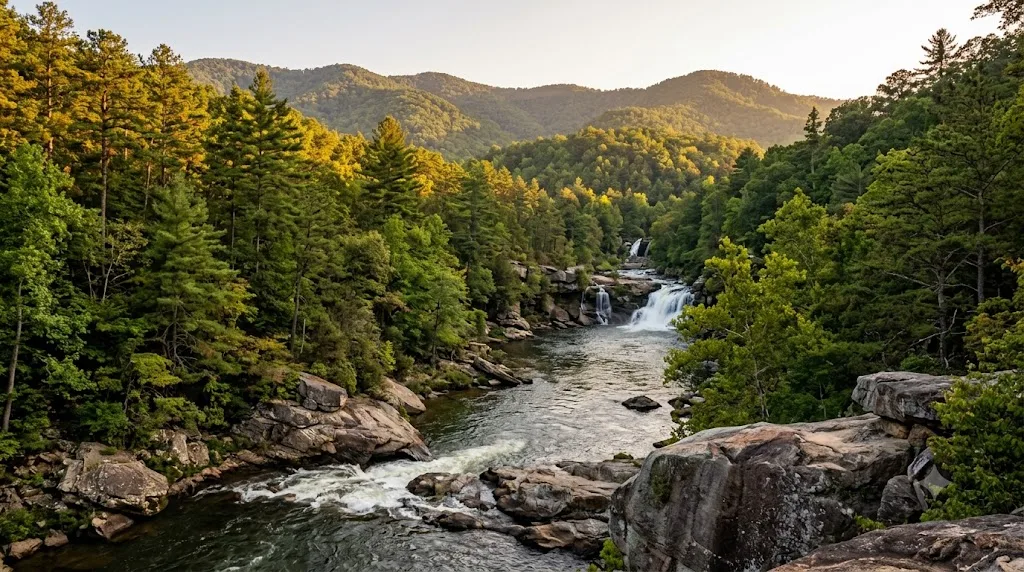
Sumter National Forest Travel Guide — South Carolina
Our Sumter National Forest guide covers practical planning for Sumter National Forest South Carolina — best time to visit, getting there, and what to do on the ground. This expansive national forest offers extensive opportunities for outdoor recreation, including hiking, camping, fishing, and wildlife viewing across its diverse landscapes.
Why Visit Sumter National Forest
We often hear travelers asking if a national forest can truly offer the same awe-inspiring experiences as a national park. Our answer, particularly concerning Sumter National Forest South Carolina, is an emphatic yes. This sprawling forest, managed alongside the Francis Marion National Forest, encompasses over 370,000 acres, divided into three distinct sections across western and central South Carolina: the Andrew Pickens, Enoree, and Long Cane Ranger Districts. This geographical spread means a remarkable diversity of landscapes, from the rugged mountains of the Upstate to the rolling Piedmont foothills. It's a place where you can find solitude on a remote trail, challenge yourself with whitewater rafting, or simply enjoy a quiet picnic by a tranquil lake. The sheer variety of activities and environments makes it a compelling destination for anyone seeking genuine outdoor adventure in the Palmetto State.
For those who appreciate untamed nature, the forest protects vital habitats for a wide array of wildlife, including endangered and threatened species. The designated Wild and Scenic Chattooga River, a highlight of the Andrew Pickens District, offers exceptional fishing and whitewater opportunities, attracting enthusiasts from across the region. Beyond the thrill of adventure, the forest also provides a serene escape, allowing visitors to reconnect with nature away from the crowds often found in more heavily trafficked areas. We believe its diverse offerings and commitment to preserving natural beauty make it a truly worthwhile destination.
Who It's Best For
Sumter National Forest caters to a broad spectrum of outdoor enthusiasts, making it an ideal destination for various types of travelers. Our team finds that it particularly shines for:
- Adventure Seekers: With opportunities for whitewater rafting on the Chattooga River, challenging mountain biking on the Forks Area Trail System (FATS), and extensive hiking trails, adrenaline junkies will find plenty to keep them occupied.
- Nature Lovers and Wildlife Viewers: The forest's diverse ecosystems provide excellent opportunities for birdwatching and spotting various wildlife in their natural habitats. The peaceful settings are perfect for photography and quiet contemplation.
- Campers: From developed campgrounds with amenities like flush toilets and hot showers (at places like Cherry Hill Campground) to primitive dispersed camping, there are options for every camping style.
- Families: Many trails are suitable for families, and campgrounds offer a great base for outdoor adventures. Events like kids' fishing derbies (such as the one held at Burrell's Ford Campground in June 2026) provide engaging activities for younger visitors.
- Hunters and Anglers: The forest is a popular destination for hunting, with several big game hunting areas and nine rifle ranges available. The Chattooga and Chauga rivers are renowned for trout fishing.
- Equestrian Enthusiasts: Horse trails are available across all districts, with specific horse camps like Whetstone Horse Camp catering to riders.
Whether you're looking for a rugged backcountry experience or a more comfortable outdoor getaway, Sumter National Forest offers something unique. It’s a fantastic choice for those who appreciate the beauty of South Carolina's natural landscapes and desire an active vacation.
Getting There & Parking
Understanding how to get to Sumter National Forest is crucial, as its vastness means it's not a single, centralized location. The forest is divided into three distinct ranger districts: Andrew Pickens, Enoree, and Long Cane, spread across western and central South Carolina. This means your arrival point will depend on which district and specific activities you plan to enjoy.
How to Get There
- Andrew Pickens Ranger District: Located in the mountainous Upstate, this district is accessible from cities like Anderson, Seneca, and Greenville. The Andrew Pickens Ranger District office is in Mountain Rest, SC, at 112 Andrew Pickens Circle.
- Enoree Ranger District: Situated in the Midlands, this district is near Newberry and Columbia. The Enoree Ranger District office can be found at 20 Work Center Road in Whitmire, SC.
- Long Cane Ranger District: Also in the Midlands, this district is located outside of Aiken. The Long Cane Ranger District office is at 310 Buncombe Street in Edgefield, SC.
Major interstates such as I-85, I-26, I-77, and I-20 provide access to the general vicinity of the different districts. We recommend consulting detailed maps or GPS for specific directions to your chosen recreation area or campground within the forest.
Parking
Parking availability varies by specific recreation site. Developed campgrounds and popular trailheads typically offer designated parking areas. For instance, Cherry Hill Campground allows a maximum of two vehicles per site. While general forest access usually doesn't involve specific entrance fees, some recreation areas or campgrounds may have day-use or overnight fees, which should be verified via Recreation.gov or the local ranger district office. We advise checking the specific regulations for the area you plan to visit to ensure you understand any parking restrictions or fees. Dispersed camping areas, by their nature, may have less formal parking, and visitors should always ensure their vehicles do not block roads or access points.
Top Things to Do
The extensive opportunities for outdoor recreation are what truly set Sumter National Forest apart. Our team has identified a wealth of things to do at Sumter National Forest, ensuring every visitor can craft an unforgettable experience.
Hiking and Backpacking
With over 70 miles of challenging trails, Sumter National Forest offers incredible hiking opportunities, from mountaintop treks to serene riverside walks. The Andrew Pickens District alone boasts a network of hiking trails totaling 47 miles. Popular trails include:
- Chattooga Trail: A 15.5-mile epic hike offering stunning views of the Wild and Scenic Chattooga River.
- Foothills Trail: Portions of this iconic trail are accessible from the Andrew Pickens District, offering access to waterfalls like Big Bend Falls and Winding Staircase.
- Parsons Mountain Lake Trail: A more comfortable option for those seeking a less strenuous walk around a tranquil lake.
- Rocky Gap Trail: Known for offering some of the most scenic horseback riding and hiking in the Southern Blue Ridge Mountains.
- I'on Swamp Interpretive Trail: Located in the Francis Marion National Forest (managed jointly with Sumter), this trail offers insights into wetlands with embankments dating back to the 1700s.
When planning your Sumter National Forest hiking trails adventure, remember to check current conditions and wear appropriate clothing.
Camping
Camping is a cornerstone of the Sumter National Forest experience, with options ranging from developed campgrounds to primitive dispersed sites. Developed campgrounds often feature amenities such as picnic tables, grills, and access to water. Some popular campgrounds include:
- Cherry Hill Campground: Considered one of the best national forest campgrounds in the Southern Appalachians, offering flush toilets and hot showers. Reservations are recommended via Recreation.gov.
- Burrells Ford Campground: A popular spot, especially for fishing enthusiasts, and host to events like the Kids Fishing Derby.
- Brick House Campground: A rustic, circular campground popular with hunters in the fall, offering tables, grills, drinking water, and shade.
- Whetstone Horse Camp: The most diverse campground in the forest, well-suited for equestrian campers.
Dispersed camping is also permitted, with no permit required in the Andrew Pickens District. However, a free permit is needed for dispersed camping in the Long Cane, Enoree, and Francis Marion districts. RV and car camping are generally not allowed as dispersed camping.
Water Activities
The forest's rivers and lakes provide ample opportunities for water-based recreation:
- Whitewater Rafting: The National Wild and Scenic Chattooga River is famous for its whitewater, with sections III and IV offering some of the best rafting in the US.
- Paddling: Canoe and kayak enthusiasts can explore various rivers and lakes, including the Chattooga River and the three rivers on the Enoree Ranger District.
- Fishing: The Chattooga and Chauga Scenic Rivers are prime destinations for trout fishing, particularly in mid-spring and fall.
- Swimming: While not explicitly detailed, many lakes and rivers offer opportunities for swimming, especially in designated recreation areas.
Mountain Biking and OHV Riding
For those who prefer two wheels or four, Sumter National Forest delivers:
- Forks Area Trail System (FATS): Located in the Long Cane Ranger District, FATS is an "Epic Ride" status mountain bike park featuring six flow trails with turns, banked contours, and jumps.
- OHV Trails: The forest offers four OHV trails for dirt bikes and ATVs. Always check trail conditions before heading out.
Hunting and Target Shooting
Hunting and target shooting are permitted within the forest, regulated by the South Carolina Department of Natural Resources. There are nine unsupervised rifle ranges open year-round across the four ranger districts, with most use occurring before hunting seasons.
Wildlife Viewing
The forest is home to a rich diversity of wildlife. Keep an eye out for various bird species, deer, and other forest inhabitants. Early mornings and late evenings are often the best times for wildlife viewing.
These are just some of the top things to do at Sumter National Forest. We encourage visitors to explore the official USDA Forest Service website for the most up-to-date information on specific trail statuses, permits, and any temporary closures.
Best Time to Visit
Determining the best time to visit Sumter National Forest largely depends on your preferred activities and tolerance for crowds and weather. Our team generally recommends the spring and fall for the most pleasant experience.
- Spring (March to May): This is an excellent time to visit when temperatures are cooler, and the forest comes alive with wildflowers. It's ideal for hiking, fishing (especially for trout in mid-spring), and enjoying the fresh air before the summer heat sets in.
- Fall (September to November): Arguably the most popular season, fall brings vibrant foliage to the mountains and Piedmont. The cooler temperatures are perfect for hiking, camping, and enjoying scenic drives. Hunting season also begins in the fall, attracting many visitors. Peak fall foliage typically occurs from mid-October through mid-November in the Upcountry.
- Summer (June to August): While hotter and more humid, summer still offers plenty of opportunities for water activities like whitewater rafting and paddling. Campgrounds can be busier, and we recommend making reservations well in advance. Be prepared for higher temperatures and potential thunderstorms.
- Winter (December to February): Winter is the quietest season, offering solitude for those who don't mind the colder weather. Some facilities may be closed seasonally, but many trails remain accessible. It's a great time for quiet hikes and wildlife tracking.
Overall, for comfortable temperatures and stunning natural beauty, spring and fall are the prime seasons to experience Sumter National Forest.
Where to Stay Nearby
While Sumter National Forest offers extensive camping options, some visitors prefer the comfort of a bed and breakfast, hotel, or cabin. When considering Sumter National Forest lodging, you'll find various choices in nearby towns and cities, offering different levels of amenities and proximity to the forest's districts.
Camping Within Sumter National Forest
For an immersive experience, we highly recommend staying in one of the forest's many campgrounds. Options range from developed sites with amenities to primitive dispersed camping:
- Developed Campgrounds: Cherry Hill Campground is a standout, offering flush toilets and hot showers, making it a comfortable base for exploring the Andrew Pickens District. Other developed campgrounds include Brick House, Woods Ferry, and Parsons Mountain Recreation Area. Many of these can be reserved through Recreation.gov.
- Primitive & Dispersed Camping: For a more rugged experience, dispersed camping is allowed. No permit is required in the Andrew Pickens District, but a free permit is needed for the Long Cane, Enoree, and Francis Marion districts. RV and car camping are generally not permitted for dispersed camping.
- Horse Camps: Whetstone Horse Camp is specifically designed for those traveling with horses.
Always check for current conditions, fees (e.g., Cherry Hill is $15 per night), and reservation requirements, as some campgrounds are seasonal.
Hotels and Other Lodging Near Sumter National Forest
For those seeking traditional accommodations, several towns bordering the different districts offer hotels, motels, and charming inns:
- Near Andrew Pickens District (Upstate): Towns like Walhalla, Seneca, and Westminster provide convenient access. Westminster, in particular, is highlighted as a great base camp for Chattooga adventures. Greenville, a larger city less than an hour's drive from some parts of the forest, offers a wider range of hotels and dining options.
- Near Enoree and Long Cane Districts (Midlands): Towns such as Newberry, Clinton, and Abbeville offer lodging options. Abbeville provides charming choices like The Belmont Inn, Sharon Manor, and Haygood Manor, blending historic character with modern comfort. Newberry / I-26 / Sumter NF KOA Journey offers cabin rentals in Kinards, SC. You can also find Best Western hotels in proximity to the Francis Marion & Sumter National Forests.
When searching for Sumter National Forest lodging, consider the specific activities you plan to do and choose accommodations in the closest district to minimize travel time. We always recommend booking in advance, especially during peak seasons.
Sample 2-Day Itinerary
To help you make the most of your visit to Sumter National Forest, our team has crafted a sample 2-day itinerary focusing on a blend of adventure and relaxation in the Andrew Pickens Ranger District, given its diverse offerings and access to the Chattooga River.
Day 1: Whitewater Thrills & Mountain Trails
- Morning (8:00 AM - 1:00 PM): Whitewater Rafting on the Chattooga River. Start your day with an exhilarating whitewater rafting trip on the Wild and Scenic Chattooga River. We recommend booking a guided tour on Sections III or IV, known for their exciting rapids. Several outfitters in the area offer half-day or full-day excursions.
- Lunch (1:00 PM - 2:00 PM): Riverside Picnic. Pack a picnic lunch to enjoy by the river after your rafting adventure.
- Afternoon (2:30 PM - 5:30 PM): Hiking to Waterfalls. Head to a nearby trailhead, such as one offering access to Big Bend Falls or Winding Staircase, accessible from the Foothills Trail network. These trails provide a good workout and reward you with stunning waterfall views. Remember to wear appropriate footwear and carry water.
- Evening (6:00 PM onwards): Campfire & Stargazing at Cherry Hill Campground. Check into Cherry Hill Campground, known for its comfortable amenities including flush toilets and hot showers. Set up your campsite, enjoy a campfire-cooked dinner, and marvel at the clear night sky.
Day 2: Scenic Views & Fishing Serenity
- Morning (8:30 AM - 12:00 PM): Scenic Drive & Panoramic Views. Take a scenic drive along one of the beautiful mountain roads in the Andrew Pickens District, offering vistas of Lake Jocassee and the Chattooga River. Consider a visit to nearby Caesars Head State Park or Table Rock State Park for breathtaking panoramic views into South Carolina, North Carolina, and Georgia.
- Lunch (12:00 PM - 1:00 PM): Local Eatery in Walhalla or Westminster. Head into a nearby town like Walhalla or Westminster for a casual lunch at a local restaurant.
- Afternoon (1:30 PM - 4:30 PM): Trout Fishing or Gentle Hike. Spend your afternoon fishing for trout in the Chattooga or Chauga Rivers, known for their excellent angling opportunities. If fishing isn't your preference, opt for a more leisurely hike, such as the Parsons Mountain Lake Trail, for a peaceful walk amidst nature.
- Late Afternoon (4:30 PM - 5:30 PM): Visit Walhalla State Fish Hatchery. Learn about local fish conservation efforts at the Walhalla State Fish Hatchery, a short drive from Cherry Hill Campground.
- Evening: Departure or Extended Stay. Depending on your travel plans, you can begin your journey home or extend your stay to explore more of what Sumter National Forest and the surrounding Best places in South Carolina have to offer.
This itinerary provides a robust taste of Sumter National Forest, but remember that flexibility is key. Always check with the relevant ranger district office or Recreation.gov for the most current information on trail conditions, closures, and reservation requirements before your trip. You can also find more trip planning resources at Discover South Carolina.
Frequently Asked Questions
Sumter National Forest camping
Sumter National Forest offers diverse camping options, including developed campgrounds and primitive dispersed camping. Developed sites like Cherry Hill Campground provide amenities such as flush toilets and hot showers, and often require reservations through Recreation.gov. Primitive camping is generally free, but a permit may be required in the Long Cane, Enoree, and Francis Marion districts (not in Andrew Pickens). RV and car camping are not typically allowed for dispersed camping. We recommend checking individual campground details for specific fees and seasonal closures.
Things to do in Various (Upstate/Midlands)
The Sumter National Forest spans both the Upstate and Midlands regions of South Carolina, offering distinct experiences. In the Upstate's Andrew Pickens District, you can enjoy whitewater rafting on the Chattooga River, challenging mountain hikes, and exploring waterfalls. The Midlands' Enoree and Long Cane districts offer mountain biking on the Forks Area Trail System (FATS), horseback riding, and hunting opportunities. Nearby attractions outside the forest include Caesars Head State Park and Table Rock State Park in the Upstate for scenic views, and historic towns like Abbeville in the Midlands.
Sumter National Forest with kids
Sumter National Forest is a great destination for families with kids. There are numerous easy to moderate hiking trails suitable for younger adventurers, and many campgrounds offer a family-friendly atmosphere. Events like kids' fishing derbies are occasionally hosted, such as the one at Burrell's Ford Campground on June 6, 2026. We recommend activities like gentle nature walks, picnicking, and wildlife viewing. Always ensure children are supervised, especially near water, and educate them on trail safety and wildlife etiquette. The Sewee Visitor and Environmental Education Center, though not directly in Sumter, offers educational entertainment for kids.
Best hotels near Sumter National Forest
While there are no hotels directly within Sumter National Forest, several excellent options exist in surrounding towns. For access to the Andrew Pickens District, consider hotels in Walhalla, Seneca, or Westminster. Abbeville offers charming historic inns like The Belmont Inn, Sharon Manor, and Haygood Manor, which are convenient for the Long Cane District. Larger cities like Greenville and Columbia (where the forest headquarters are located) provide a broader selection of accommodations, including Best Western hotels. For a unique stay, look into cabin rentals offered by some private campgrounds near the forest, such as Newberry / I-26 / Sumter NF KOA.
Sumter National Forest tips
Our top tips for visiting Sumter National Forest include planning ahead by checking the USDA Forest Service website for current conditions, alerts, and any closures. Always carry a map, compass or GPS, and plenty of water, especially on longer hikes. Be aware of hunting seasons and wear hunter orange if hiking during these times. If camping, make reservations in advance for developed sites through Recreation.gov. When encountering wildlife, maintain a safe distance. For specific questions, contact the relevant ranger district office.
Where to stay near Sumter National Forest
Beyond the numerous campgrounds within Sumter National Forest itself, visitors can find lodging in nearby towns. For the Andrew Pickens District, consider accommodations in Mountain Rest, Walhalla, Seneca, or Westminster. For the Enoree and Long Cane Districts, towns like Whitmire, Newberry, Clinton, Edgefield, and Abbeville offer various hotels, motels, and bed and breakfasts. These options provide a comfortable base for exploring the forest's different sections and accessing local amenities. You can find more comprehensive planning resources at Plan Your US Trip or specific road trip advice at USA Road Trip Planner.
Conclusion
Sumter National Forest South Carolina stands as a testament to the state's diverse natural beauty, offering an authentic outdoor experience far removed from generic tourist traps. Our team firmly believes that its rugged mountains, serene rivers, and extensive trail networks provide unparalleled opportunities for recreation and connection with nature. From the thrill of whitewater rafting on the Chattooga to the peaceful solitude of a dispersed campsite, the forest invites exploration and adventure. Whether you're planning a family camping trip, a challenging backpacking excursion, or simply a day of fishing, Sumter National Forest delivers a genuine slice of the South Carolina wilderness. We encourage you to plan your visit, embrace the wild, and discover the unique charm of this magnificent national treasure. Remember to check current conditions and regulations through official channels to ensure a safe and enjoyable trip.
Last updated: 2026-07-13 by the Roam States team.