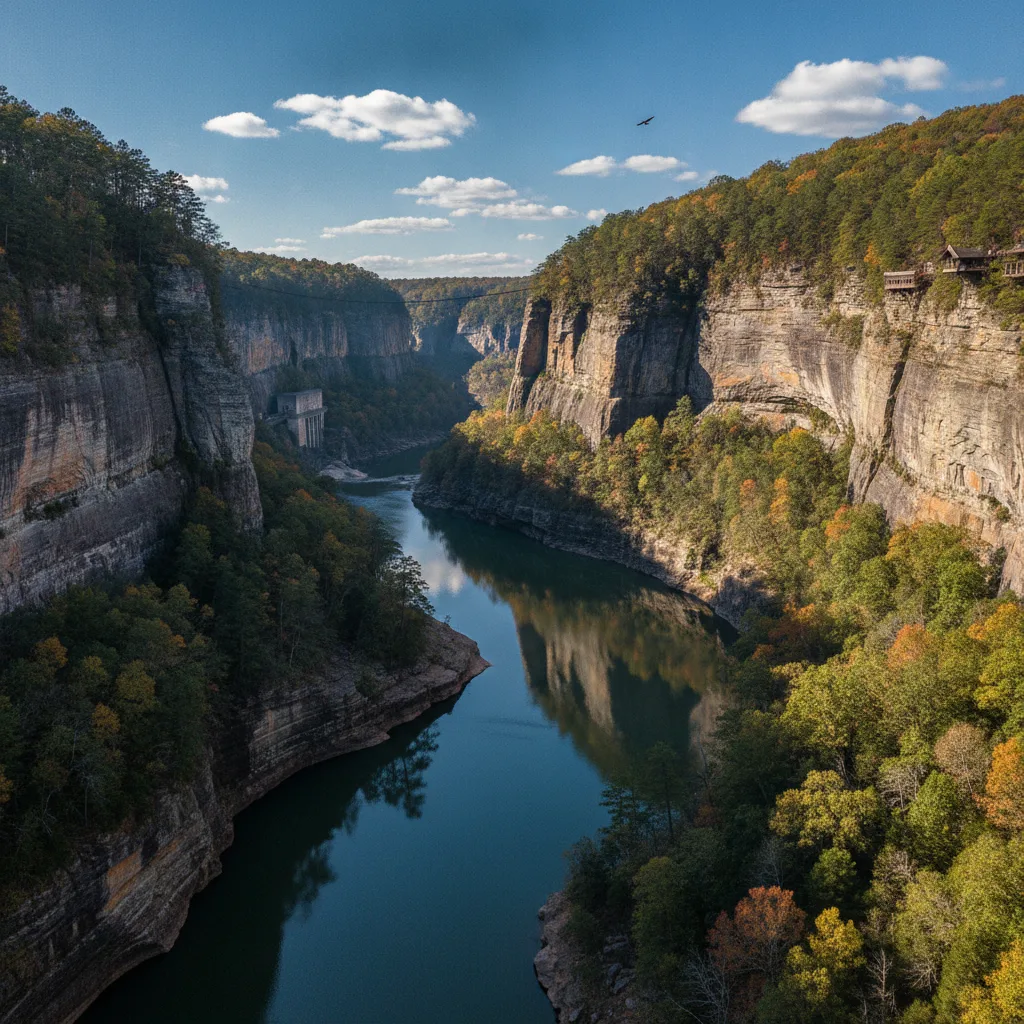
We're here to cut through the generic travel fluff and provide you with confident, specific insights for planning your adventure to this incredible natural wonder in the Peach State. As independent US travel authorities, our team has compiled everything you need to know for a truly unforgettable visit to Tallulah Gorge State Park in Tallulah Falls, Georgia.
Why Visit Tallulah Gorge State Park
Tallulah Gorge State Park is not just another park; it's one of the most spectacular canyons in the eastern United States, a two-mile-long, nearly 1,000-foot-deep chasm carved by the Tallulah River. This dramatic landscape offers breathtaking views, a series of six powerful waterfalls, and a unique ecosystem that supports rare plants and animals. From the dizzying heights of its rim trails to the challenging descent to the gorge floor, the park provides an unparalleled opportunity for outdoor adventure and immersion in raw natural beauty. It's a place where you can witness the sheer force of nature, explore diverse trails, and even watch expert kayakers brave thundering whitewater during special release days. Beyond the adrenaline, the park's Jane Hurt Yarn Interpretive Center offers a deep dive into the area's rich history, geology, and ecology, making it a destination that appeals to both thrill-seekers and those seeking a deeper connection with nature.
Who It's Best For
Tallulah Gorge State Park caters to a wide range of visitors, though some activities are definitely for the more adventurous. It’s ideal for:
- Serious Hikers and Mountain Bikers: With over 20 miles of trails, including strenuous descents to the gorge floor and rugged mountain biking routes, experienced outdoor enthusiasts will find plenty to challenge them.
- Nature Lovers and Photographers: The stunning canyon views, multiple waterfalls (L'Eau d'Or, Tempesta, Hurricane, Oceana, and Bridal Veil Falls), and unique flora and fauna provide endless opportunities for appreciation and capturing memorable shots.
- Families with Older Children: While the gorge floor hike is not recommended for children under eight, the rim trails, suspension bridge, and interpretive center offer plenty of engaging activities for families with older kids. The paved Shortline Trail is particularly suitable for young children and pets.
- Adventurous Souls: Whitewater rafting (during scheduled releases), rock climbing (with a permit), and the challenging gorge floor hike appeal to those seeking an adrenaline rush.
- History Buffs: The Jane Hurt Yarn Interpretive Center delves into the history of the Victorian resort town of Tallulah Falls and the daring feats of tightrope walkers like Karl Wallenda.
However, it's important to note that pets are not allowed on the gorge floor, the Sliding Rock trail, or the Hurricane Falls staircase to the suspension bridge for their safety.
Getting There & Parking
Reaching Tallulah Gorge State Park is straightforward, as it's conveniently located in North Georgia. The park's entrance is at 338 Jane Hurt Yarn Drive, Tallulah Falls, GA 30573. It's approximately a 90-minute drive north of Atlanta and two hours south of Asheville, NC. For those driving electric vehicles, the park is equipped with Rivian Waypoints Level 2 chargers.
When it comes to parking at Tallulah Gorge State Park, visitors will find ample space. A daily ParkPass is required for all vehicles, costing $5 per car. This fee can be paid in cash or via an app by scanning a QR code at the park. Overnight guests, such as campers, pay only one ParkPass fee for the duration of their stay. The daily ParkPass is valid at all Georgia State Parks visited on the same day. We recommend arriving early, especially on weekends and during peak season, to secure a good parking spot, particularly if you plan to obtain a gorge floor permit.
Top Things to Do
There are countless things to do at Tallulah Gorge State Park, ensuring every visitor finds an activity to suit their adventurous spirit. Our team highly recommends starting your visit at the Jane Hurt Yarn Interpretive Center. This comprehensive center offers trail maps, ranger advice, and fascinating exhibits on the park's nature and history, along with an award-winning film about the gorge.
Here are some of the top things to do at Tallulah Gorge State Park:
- Hike the Rim Trails: For spectacular views without a strenuous descent, explore the North and South Rim Trails. These mulched paths offer numerous overlooks providing incredible panoramas of the gorge and its waterfalls. The combined length of these trails is about 2.5 miles.
- Cross the Suspension Bridge: A highlight for many, the Hurricane Falls Trail leads to a suspension bridge swaying 80 feet above the Tallulah River, offering thrilling views of the gorge and waterfalls below. This is approximately a quarter-mile into the Hurricane Falls Trail, down about 300 stairs.
- Descend to Hurricane Falls: For those seeking a challenge, continue past the suspension bridge down more than 1,000 steps to the base of Hurricane Falls. This is a strenuous but incredibly rewarding experience.
- Obtain a Gorge Floor Permit: If you're physically fit and prepared for an extreme hike, secure one of the 100 daily permits to descend to the gorge floor. This allows access to Sliding Rock, where visitors can slide down a natural rock face into a pool (seasonal). Permits are free and issued on a first-come, first-served basis at the Interpretive Center, starting at 8 AM. Proper footwear (no flip-flops or Crocs) is mandatory, and a safety class is required.
- Mountain Biking: The park offers several bike-friendly trails, including the Stoneplace Trail (approximately 10 miles), High Bluff Trail (four miles), and the paved Bill and Dustie MacKay Trail (three miles).
- Paddling and Swimming: Above the dam, Tallulah Lake offers opportunities for fishing, swimming, and paddling. Visitors can bring their own canoes and kayaks or rent them during ranger-led tours. Note that the Terrora Day Use Area Beach and kayaking facilities are closed for construction through August 2026 to enhance the swimming area and install an ADA kayak launch.
- Attend a Ranger Program: Knowledgeable park rangers offer guided hikes, paddling tours, astronomy nights, and other educational programs throughout the year. Check the park's event calendar for schedules.
- Picnicking and Playgrounds: Enjoy a relaxing meal at one of the picnic shelters or tables, some with scenic views. There are also two playgrounds, perfect for families with young children.
Best Time to Visit
Choosing the best time to visit Tallulah Gorge State Park largely depends on your preferred activities and tolerance for crowds. Our team generally recommends spring (March-May) and fall (September-November) as the most ideal seasons.
- Spring (March-May): Offers mild temperatures (50s-70s°F), lush greenery, and blooming wildflowers. Rainfall can be common, so pack a raincoat.
- Summer (June-August): Temperatures range from warm to hot (70s-90s°F) with humidity and potential for afternoon thunderstorms. This is a popular time for swimming at Sliding Rock, but expect larger crowds. Stair access may be restricted after noon on days with extreme heat index for visitor safety.
- Fall (September-November): This is peak season, especially for leaf watchers, as the foliage transforms into vibrant reds, golds, and oranges. Temperatures are pleasant (mid-50s to low-70s°F), and waterfalls still run strong. Weekdays are quieter, but weekends can be crowded.
- Winter (December-February): Offers cooler temperatures (30s-50s°F) and fewer visitors, resulting in clearer views through leafless trees. Some trails may be icy or closed, and rain gear is recommended.
Special "whitewater releases" occur on select weekends in April and November, where water flow increases dramatically, attracting kayakers from across the country. During these times, hiking into the gorge is not permitted, but the views of the thundering waterfalls from the rim are spectacular. Aesthetic water releases also occur on certain days, increasing the flow to 200 cubic feet per second.
Where to Stay Nearby
While Tallulah Gorge State Park offers camping facilities, there are no hotel-style accommodations directly within the park. However, the surrounding North Georgia mountains and quaint small towns provide a variety of lodging options to suit different preferences and budgets. Many visitors choose to stay in nearby towns like Clayton, Clarkesville, or even venture further to Helen or Dahlonega for a broader selection.
- Hotels and Motels: You'll find a range of chain hotels and independent motels in towns like Clayton, which is a short drive from the park. These offer comfortable amenities and easy access to local dining and shops.
- Cabin Rentals: The North Georgia mountains are renowned for their cabin rentals, offering a cozy and secluded experience. Many cabins come with fully equipped kitchens, hot tubs, and stunning mountain views, perfect for families or groups.
- Bed & Breakfasts: For a more intimate and personalized stay, consider a bed and breakfast in one of the charming historic towns in the region.
- Vacation Rentals: Platforms like Airbnb and Vrbo offer numerous vacation homes, from rustic retreats to luxurious estates, providing flexibility and a home-away-from-home feel.
For those looking to combine their Tallulah Gorge adventure with other Georgia highlights, consider extending your trip to explore destinations like the Savannah Historic District or the Martin Luther King Jr. NHP. For a broader look at the state's offerings, visit our Best Places in Georgia guide.
Sample 2-Day Itinerary
To help you make the most of your visit to Tallulah Gorge State Park, our team has crafted a sample two-day itinerary focused on adventure, natural beauty, and local charm:
Day 1: Gorge Exploration & Panoramic Views
- Morning (8:00 AM - 12:00 PM): Gorge Floor Adventure or Rim Trail Immersion
- Option A (Strenuous): Gorge Floor Permit Hike. Arrive at the Jane Hurt Yarn Interpretive Center right at 8:00 AM to secure one of the 100 daily gorge floor permits. Attend the mandatory safety briefing, then embark on the challenging descent to the gorge floor, crossing the suspension bridge and potentially visiting Sliding Rock (weather and water conditions permitting). Be prepared for over 1,000 stairs and rugged terrain.
- Option B (Moderate): North & South Rim Trails. If the gorge floor hike isn't for you, or permits are gone, spend the morning exploring the North and South Rim Trails. These relatively easy, mulched paths offer numerous overlooks with stunning views of the gorge and its five visible waterfalls. Don't miss the views from the suspension bridge accessible via the Hurricane Falls Trail (down 300 stairs and back up).
- Lunch (12:00 PM - 1:00 PM): Picnic with a View. Enjoy a packed lunch at one of the park's scenic picnic areas or shelters near the Interpretive Center or Tallulah Lake.
- Afternoon (1:00 PM - 5:00 PM): Interpretive Center & Shortline Trail. After your hike, spend time at the Jane Hurt Yarn Interpretive Center to learn more about the gorge's geology, history, and ecology. Afterwards, take a leisurely stroll or bike ride on the paved Shortline Trail, which follows an old railroad bed along the scenic Tallulah River.
- Evening: Dinner in Tallulah Falls. Explore dining options in the small town of Tallulah Falls or nearby Clayton.
Day 2: Water Activities & Local Exploration
- Morning (9:00 AM - 12:00 PM): Tallulah Lake Recreation. Head to Tallulah Lake (above the dam) for some water-based activities. While the Terrora Day Use Area Beach is closed for construction until August 2026, you can still enjoy fishing or paddling (bring your own kayak/canoe or inquire about ranger-led tours).
- Lunch (12:00 PM - 1:00 PM): Local Eatery. Grab lunch at a local restaurant in Tallulah Falls or venture to a nearby town for more options.
- Afternoon (1:00 PM - 5:00 PM): Explore Tallulah Falls Town or Nearby Attractions.
- Tallulah Falls Town: Wander through the town of Tallulah Falls, visit the General Store for old-fashioned goods, or enjoy a coffee at Tallulah 1882, a coffee shop in a historic train station.
- Minnehaha Falls: A short drive away, Minnehaha Falls offers a beautiful and relatively easy hike to a picturesque waterfall.
- Tallulah Point Overlook: Visit this classic roadside attraction for additional views of the gorge and unique souvenirs.
- Evening: Stargazing or Relaxing. If staying overnight, consider a ranger-led astronomy program (check park schedule) or simply relax at your accommodation, reflecting on the day's adventures.
Tallulah Gorge State Park Hiking Trails
Tallulah Gorge State Park boasts over 20 miles of hiking trails, ranging from easy, paved paths to extremely difficult descents into the canyon. Our team emphasizes the importance of choosing trails that match your fitness level and being prepared with proper footwear and plenty of water.
Here’s a breakdown of the Tallulah Gorge State Park hiking trails:
- North Rim Trail & South Rim Trail: These are the most accessible trails, offering stunning views of the gorge and its waterfalls from various overlooks. They are mulched paths with moderate inclines, suitable for most visitors and pet-friendly (on leash). The combined length is about 2.5 miles.
- Hurricane Falls Trail: This trail is approximately two miles roundtrip and is rated difficult due to its 1,099 stairs. It leads to the iconic suspension bridge, swaying 80 feet above the river, and continues down to the base of Hurricane Falls. Pets are not allowed on the Hurricane Falls staircase or suspension bridge.
- Gorge Floor Trail (Sliding Rock Trail): This is an extremely difficult, technical hike requiring a free permit (limited to 100 per day), a mandatory safety class, and proper footwear. It involves descending over 1,000 steps, crossing a suspension bridge, navigating boulder fields, and a swimming hole crossing. Pets are prohibited. Permits are issued at 8 AM daily at the Interpretive Center on a first-come, first-served basis and are not available on water release days or when stairs are closed due to extreme heat.
- Shortline Trail (Bill and Dustie MacKay Trail): This three-mile paved trail follows an old railroad bed, making it an easy and leisurely option suitable for young children, strollers, and pets. It's also popular for biking and rollerblading.
- Stoneplace Trail: Approximately 10 miles roundtrip, this rugged trail is open to both hikers and mountain bikers. It's rated moderate to difficult and requires a permit. Bright clothing is recommended during hunting season.
- High Bluff Trail: This four-mile roundtrip trail also requires a permit from the Interpretive Center and is open to mountain bikers.
For additional hiking opportunities in Georgia, explore our Best Places in Georgia guide, which includes other natural wonders like Cumberland Island and Stone Mountain Park.
Tallulah Gorge State Park Camping
For those who wish to extend their adventure, Tallulah Gorge State Park camping offers several options, allowing you to immerse yourself fully in the natural surroundings.
- Tent, Trailer, and RV Campsites: The park features 52 sites equipped with electric and water hookups, fire rings or grills, and picnic tables. Modern comfort stations with hot showers and flush toilets are available, along with a dump station for RVs. These sites can accommodate RVs up to 50 feet in length. Reservations can be made up to 13 months in advance (14 months for Georgia residents) through the Georgia State Parks website or by calling 1-800-864-7275.
- Pioneer Campground: This option is suitable for larger groups, accommodating up to 25 people. It's a more rustic setup with a pit privy and no electricity or water available directly at the site. Reservations are recommended.
- Backcountry Adirondack Shelters: For a more primitive overnight experience, the park offers two backcountry Adirondack shelters. These are hike-in only sites, each with a shelter to protect from the elements, but no other amenities. These can be reserved up to 13 months in advance.
Tallulah Gorge State Park camping is open year-round. Fall is considered peak season for camping due to ideal temperatures and vibrant foliage. While highway noise can be a complaint at some sites, the stunning gorge and challenging trails keep visitors returning. Remember that pets are not allowed on the gorge floor, but they are welcome on leash on the rim trails.
Is It Worth Visiting?
Our unequivocal answer is yes, Tallulah Gorge State Park is absolutely worth visiting. This natural wonder in Georgia offers a unique blend of breathtaking scenery, thrilling outdoor activities, and fascinating educational opportunities that set it apart from many other destinations.
From the sheer scale of the nearly 1,000-foot-deep canyon and its six cascading waterfalls to the exhilarating experience of crossing the suspension bridge, the visual impact alone is enough to justify the trip. For active travelers, the diversity of Tallulah Gorge State Park hiking trails, from easy rim walks to the challenging gorge floor descent, provides options for all skill levels (with appropriate permits and preparation).
Beyond the physical adventure, the park's commitment to education, evident in the Jane Hurt Yarn Interpretive Center, enriches the experience by providing context to the geological forces and historical events that shaped this remarkable landscape. Even with potential crowds during peak seasons or the need for early arrival for gorge floor permits, the reward of experiencing one of the eastern U.S.'s most dramatic canyons far outweighs any minor inconveniences. Whether you're a seasoned hiker, a nature photographer, or a family looking for an active getaway, Tallulah Gorge State Park delivers an unforgettable experience.
FAQ
things to do in Tallulah Falls
Beyond Tallulah Gorge State Park, the town of Tallulah Falls offers a few charming attractions. You can visit the historic Tallulah 1882 coffee shop, housed in an old train station, or explore the General Store for unique goods. Nearby Minnehaha Falls provides another beautiful, accessible waterfall hike. The Tallulah Point Overlook offers additional scenic views of the gorge and souvenirs. Lake Tugalo and Lake Yonah are also popular for fishing.
Tallulah Gorge State Park with kids
Tallulah Gorge State Park can be a fantastic destination for families with kids, especially older children. The paved Shortline Trail is an easy, family-friendly option suitable for strollers and young walkers. The rim trails offer impressive views that can be enjoyed by most, and the Jane Hurt Yarn Interpretive Center features engaging exhibits and a film that kids will find educational and fun. There are also two playgrounds available. However, the gorge floor hike is not recommended for children aged 8 or younger due to its strenuous nature and over 1,000 stairs.
Tallulah Gorge State Park tips
Our top tips for visiting Tallulah Gorge State Park include:
- Arrive Early: Especially if you plan to hike to the gorge floor, as permits are limited to 100 per day and issued on a first-come, first-served basis starting at 8 AM.
- Check Conditions: Always verify park conditions, water release schedules, and potential trail closures (especially for the gorge floor) before your visit.
- Wear Proper Footwear: Sturdy hiking boots are essential, particularly for the gorge floor and Hurricane Falls trails. Flip-flops and Crocs are not permitted for gorge floor access.
- Bring Water and Snacks: Stay hydrated, especially on strenuous hikes.
- Pets on Leash: Leashed pets are welcome on rim trails but are prohibited on the gorge floor, Sliding Rock trail, and Hurricane Falls staircase.
- Pack a Raincoat: Especially in spring, rain can be common.
- Consider Off-Peak: Visit during weekdays or in the winter for fewer crowds.
Tallulah Gorge State Park parking
Parking at Tallulah Gorge State Park costs $5 per vehicle for a daily ParkPass. This fee can be paid in cash or via a QR code app. The ParkPass is valid at all Georgia State Parks for the day. Ample parking is available, but arriving early is advisable, especially on busy weekends, to ensure a spot and to secure gorge floor permits.
best time to visit Tallulah Gorge State Park
The best time to visit Tallulah Gorge State Park is generally spring (March-May) or fall (September-November). Spring offers mild temperatures and lush scenery, while fall brings spectacular foliage and pleasant weather. Summer is popular for swimming at Sliding Rock but can be hot and crowded, with potential heat-related trail restrictions. Winter offers fewer crowds and clear views, though some trails may be icy.
Tallulah Gorge State Park hours and fees
Tallulah Gorge State Park is open daily year-round from 8 AM until sundown. The Jane Hurt Yarn Interpretive Center is typically open from 8 AM to 5 PM. The primary fee is a $5 daily ParkPass per vehicle. Gorge floor permits are free but limited to 100 per day and issued on a first-come, first-served basis at 8 AM. Camping fees vary by site type, with standard tent/RV sites ranging from approximately $22-$50 per night. The Terrora Day Use Area Beach and kayaking facilities are closed for construction through August 2026.
Our team at Visit America confidently recommends Tallulah Gorge State Park as an essential Georgia destination. Its dramatic landscapes, diverse trails, and unique geological features offer an unparalleled outdoor experience. From the thrill of the suspension bridge to the challenge of the gorge floor, or simply soaking in the rim views, Tallulah Gorge provides a profound connection to nature. Plan your visit carefully, arrive prepared, and you'll discover why this canyon is one of the East's true natural wonders.
Last updated: 2026-07-05 by the Visit America team.