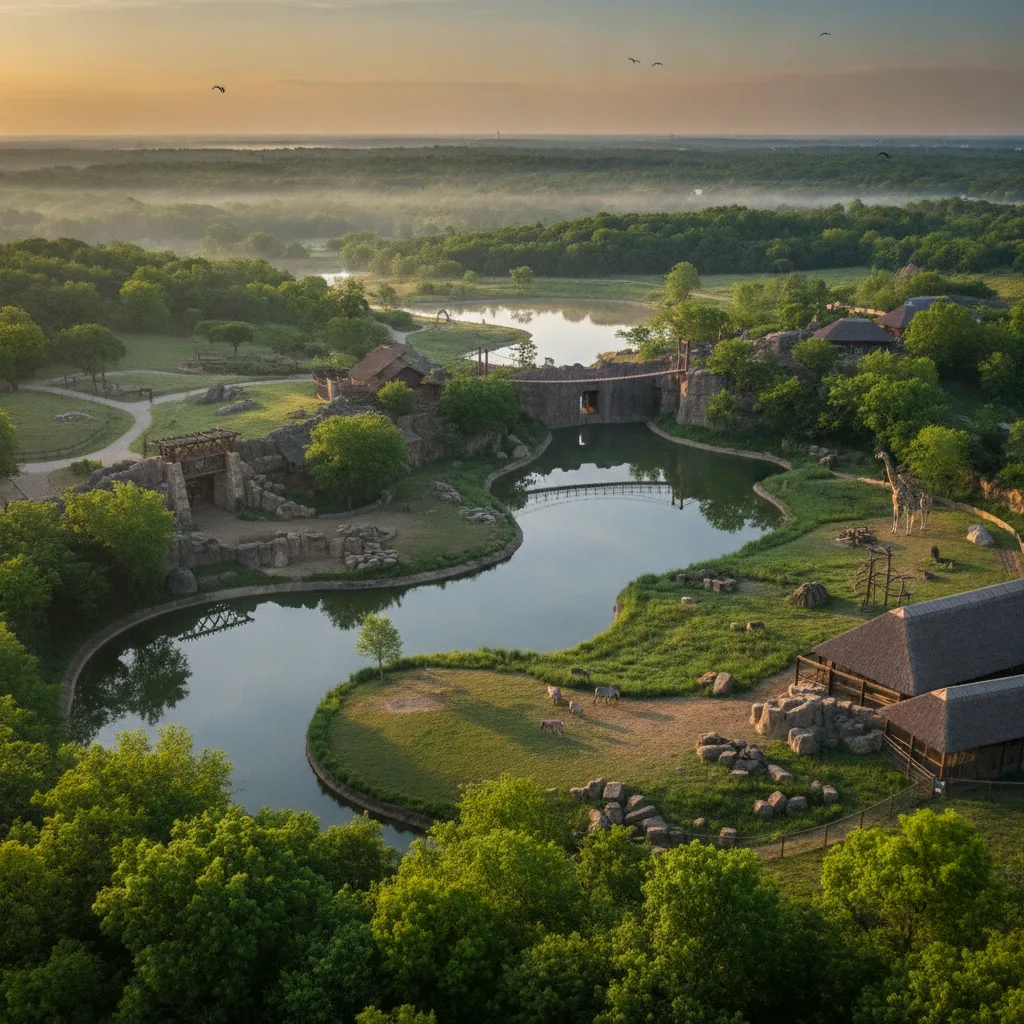
Our Tanganyika Wildlife Park guide covers practical planning for Tanganyika Wildlife Park Kansas — best time to visit, getting there, and what to do on the ground.
For those seeking an extraordinary wildlife experience that goes far beyond a traditional zoo, Tanganyika Wildlife Park Kansas is a premier destination just west of Wichita. Our team at Roam States has thoroughly explored this unique park, and we can confidently say it offers immersive, interactive animal encounters and feedings with a variety of species, providing a truly unforgettable adventure.
Why Visit Tanganyika Wildlife Park
Tanganyika Wildlife Park stands out in the landscape of US travel for its unparalleled commitment to interactive experiences. Unlike conventional zoos where observation is often from a distance, Tanganyika invites you to step directly into the world of its inhabitants. We're talking about feeding giraffes, interacting with lemurs, and even swimming with African penguins—experiences that are rare to find in the United States. This isn't just an add-on for a select few; multiple high-quality animal interactions are integrated into the core admission experience, making it accessible and engaging for all visitors.
The park's mission extends beyond entertainment; it’s deeply rooted in conservation. Founded in 1985 as a private breeding facility for rare and endangered species, Tanganyika Wildlife Park opened to the public in 2008 and continues to run successful breeding programs for over 100 species, including giraffes, snow leopards, African penguins, and Indian rhinos. Your visit directly supports these vital conservation efforts, creating a meaningful connection between guests and the global effort to protect wildlife. The park has even received the American Humane Certified seal of approval, making it the first facility in Kansas and the first family-owned facility worldwide to achieve this standard.
Is It Worth Visiting?
When considering if Tanganyika Wildlife Park is worth visiting, our team unequivocally says yes. The all-inclusive model alone sets it apart from many other attractions. A single day ticket, ranging from $99.99 in spring/fall to $149.99 in summer for 2026, covers unlimited animal feedings, breakfast, lunch, snacks, and fountain drinks, including beer and wine for adults. This means you can focus entirely on the experience without the constant worry of additional costs for food or popular activities. This superior value proposition is a significant factor in why we believe it's worth visiting.
Beyond the practical benefits, the sheer depth of the interactive encounters makes Tanganyika Wildlife Park worth visiting. Imagine having a lemur on your lap, hand-feeding a rhino, or getting up close with a pygmy hippo. These are not just fleeting moments; they are designed to create lasting memories and foster a deeper connection with the animal kingdom. The park also features the Tanganyika Falls Splash Park, a 5,000-square-foot animal-themed water play area included with admission during the summer season (Memorial Day to Labor Day), providing a refreshing break on warm Kansas days. This combination of unique animal access, all-inclusive pricing, and family-friendly amenities truly makes Tanganyika Wildlife Park worth visiting for travelers of all ages.
Who It's Best For
Tanganyika Wildlife Park is ideally suited for families seeking active and engaging travel experiences. Its hands-on approach to animal encounters resonates particularly well with children, offering opportunities to feed and interact with a wide array of species that captivate young imaginations. The all-inclusive ticketing, covering meals and many activities, simplifies planning for parents and removes the stress of budgeting during the day.
Beyond families, the park appeals to serious animal lovers and those with a strong interest in conservation. The intimate encounters and behind-the-scenes opportunities provide educational depth, allowing visitors to learn directly from expert animal care staff. It's also an excellent destination for multi-generational travel, offering shared, screen-free activities that grandparents, parents, and children can enjoy together. For anyone looking for a unique road trip stop in the Midwest, Tanganyika offers a meaningful diversion from long drives, transforming a routine journey into an unforgettable expedition.
How to Get There
Tanganyika Wildlife Park is conveniently located in Goddard, Kansas, just 15 minutes west of downtown Wichita. This makes it an accessible destination for those flying into Wichita Dwight D. Eisenhower National Airport (ICT) or driving through the heartland. To get to Tanganyika Wildlife Park, visitors can take US Route 54 (also known as Kellogg Avenue) west from Wichita. The park's address is 1000 S. Hawkins Ln, Goddard, KS 67052.
For those driving, you'll find ample free parking available on-site, a welcome relief from the parking fees often encountered at other attractions. Whether you're coming from Wichita or further afield, planning your route to Tanganyika Wildlife Park is straightforward. We recommend checking a GPS for the most current directions, but the park is well-signposted once you approach Goddard. The Kansas Turnpike and Toll Road System has switched to cashless tolling, so be aware of that if your route involves the turnpike.
Top Things to Do
The array of things to do at Tanganyika Wildlife Park is truly impressive, focusing on hands-on interaction that sets it apart. Our visit revealed a park designed for engagement, where you can move at your own pace and create deeply personal connections with the animals.
- Unlimited Animal Feedings: This is a cornerstone of the Tanganyika experience. Your admission includes unlimited access to multiple feeding stations where you can hand-feed giraffes, ring-tailed lemurs, Indian rhinos, pygmy hippos, lorikeets, guinea pigs, sulcata tortoises, and rabbits. These are not just quick tosses; you'll often have lemurs climbing onto your lap or giraffes gently taking lettuce from your hand.
- Signature Animal Experiences: While many feedings are included, Tanganyika offers additional "Signature Animal Experiences" for an upgraded fee that provide even more intimate encounters. These can include swimming with African penguins (for ages 7 and older, costing around $200 per person), sloth encounters, otter art adventures, big cat feeding adventures, and behind-the-scenes tours with animals like okapis. We highly recommend booking these in advance, especially during peak seasons, as slots fill quickly.
- Tanganyika Falls Splash Park: During the warmer months (Memorial Day weekend through Labor Day), the Tanganyika Falls Splash Park is a fantastic way to cool off. This 5,000-square-foot, animal-themed water play area features slides, dancing fountains, and shaded areas, and it's included with your general admission. It seamlessly integrates into your day, allowing families to alternate between wildlife encounters and water fun.
- Keeper Talks and Demonstrations: Throughout the day, expert animal care staff conduct educational talks and demonstrations. These provide fascinating insights into the animals' behaviors, conservation efforts, and the park's operations. Be sure to check the daily schedule upon arrival for specific times, including timed events like rhino feeding at 11:00 AM, tiger demo at 11:30 AM, bird demo at 12:30 PM, and hippo feeding at 1:00 PM.
- Kangaroo Walkabout: Enjoy a unique opportunity to walk among kangaroos in their habitat, observing them up close as they relax in the sun.
These diverse things to do at Tanganyika Wildlife Park ensure a full day of excitement and learning for every visitor.
Tanganyika Wildlife Park Hiking Trails
While Tanganyika Wildlife Park is not a destination known for extensive, rugged hiking trails in the traditional sense, it offers a well-designed network of accessible walking paths that guide visitors through its various exhibits and encounter areas. The park spans 25 acres, with an additional 70 acres slated for future development, and the full circuit of the existing park can be covered in less than one mile.
These paved and shaded pathways are designed for ease of navigation, making the Tanganyika Wildlife Park hiking trails (or rather, walking paths) suitable for all physical fitness levels, including those with strollers or wheelchairs. The focus here is on immersive animal interaction rather than strenuous outdoor trekking. Visitors follow meandering paths that lead to feeding stations, animal habitats, and the Tanganyika Falls Splash Park, ensuring you're constantly engaged with the park's offerings. While you won't find wilderness backpacking, the accessible trails provide a comfortable and engaging way to explore the park's diverse animal collection and participate in its many interactive experiences. For more traditional hiking, consider visiting the Tallgrass Prairie National Preserve, a must-see in Kansas, which offers miles of trails through a unique ecosystem.
Best Time to Visit
Choosing the best time to visit Tanganyika Wildlife Park can significantly enhance your experience. The park operates seasonally, with different hours and offerings throughout the year.
- Summer Season (Memorial Day Weekend to Labor Day): This is arguably the most popular time to visit. The park opens earlier, from 8:00 AM to 4:00 PM daily, and the Tanganyika Falls Splash Park is fully operational, providing a refreshing break from the Kansas heat. More daily demonstrations and encounters are scheduled during this period, maximizing your opportunities for interaction. However, expect larger crowds, especially on weekends and during school breaks. Reservations for premium experiences are strongly recommended and can sell out months in advance.
- Spring Season (March 15th – May 23rd): The spring offers a pleasant experience with cooler temperatures and fewer crowds than summer. Hours are typically 9:00 AM to 4:00 PM daily. This can be an ideal time for those who prefer a more relaxed visit.
- Fall Season (September 5th – November 16th): Similar to spring, the fall provides comfortable weather and generally lighter crowds. The park operates from 9:00 AM to 4:00 PM daily. The changing autumn foliage can also add a beautiful backdrop to your visit.
- Winter Season (November 16th – Mid-March): The park is generally closed for general admission during the winter season. However, they do offer a variety of indoor animal experiences and meet-and-greets during this time, such as sloth and otter encounters. If you're a Premium Season Pass holder, you might also get access to special warm-weather access days.
Our team recommends arriving early, especially during the summer, to maximize your time and access to popular timed sessions like rhino and hippo feedings. Booking tickets and any desired premium encounters in advance is always a good strategy.
Where to Stay Nearby
Finding the right Tanganyika Wildlife Park lodging can significantly impact your overall trip. While the park is located in Goddard, just west of Wichita, there are several excellent options ranging from on-site luxury to convenient hotels in the surrounding area.
- Hawkins Estate: For the ultimate immersive experience, consider the Hawkins Estate. This luxurious, five-bedroom, 10,000-square-foot estate is located directly on the park grounds and overlooks the cheetah breeding facility. It can accommodate up to 12 people and offers amenities like a pool, pickleball and tennis courts, and exclusive wildlife park access. This unique Tanganyika Wildlife Park lodging option costs approximately $1,500 per night.
- Hampton Inn Goddard: This hotel is conveniently located just two miles from Tanganyika Wildlife Park and is uniquely connected to Blast Off Bay, a large indoor waterpark. It offers free high-speed WiFi and complimentary hot breakfast, making it a great option for families.
- Rodeway Inn Goddard: Another close option, the Rodeway Inn is also about two miles from the park, offering an affordable and convenient stay with complimentary continental breakfast.
- Wichita Airport Area Hotels: Many travelers opt for hotels near the Wichita Dwight D. Eisenhower National Airport (ICT), which is a short drive from the park. Options include the DoubleTree by Hilton Hotel Wichita Airport, Hampton Inn & Suites Airport Wichita, SpringHill Suites by Marriott Airport Wichita, and Holiday Inn Express & Suites Wichita Airport. These hotels often provide shuttle services and a wider range of amenities.
- Wichita Old Town Hotels: If you prefer to explore Wichita's vibrant Old Town district, hotels like the Courtyard Wichita at Old Town or Hotel at Old Town offer a blend of urban sophistication and historic charm, with easy access to dining, entertainment, and cultural attractions. These are a bit further but offer a different experience.
When planning your Tanganyika Wildlife Park lodging, consider what best suits your group's needs and budget. Many of these hotels are partners with Tanganyika, so it's worth checking for any special deals or packages.
Sample 2-Day Itinerary
To truly make the most of your visit to Tanganyika Wildlife Park and the surrounding area, we recommend a two-day itinerary, especially if you're traveling from out of state or looking to explore more of what Kansas has to offer. For a broader look at the state, check out our guide to the Best places in Kansas.
Day 1: Immerse Yourself at Tanganyika Wildlife Park
- Morning (8:00 AM - 12:00 PM): Arrive right at opening to take advantage of cooler temperatures and fewer crowds. Head straight for the most popular feeding stations, like the giraffes and rhinos, which tend to be busiest later in the day. Enjoy a complimentary breakfast at Luna's Canteen (included with admission). Consider booking a premium experience like the Penguin Swim or Sloth Behind the Scenes tour for a truly unforgettable morning.
- Lunch (12:00 PM - 1:00 PM): Enjoy an included lunch at one of the park's dining options.
- Afternoon (1:00 PM - 4:00 PM): Explore the remaining animal exhibits and feeding stations. Catch a keeper talk or animal demonstration. If visiting during summer, spend some time cooling off and playing at the Tanganyika Falls Splash Park. Don't forget to visit less-trafficked areas like Cat Circle or the zebra and anteater exhibits.
- Evening: Check into your chosen accommodation in Goddard or Wichita. For dinner, explore local eateries in Goddard or head into Wichita for a wider selection.
Day 2: Explore Nearby Kansas Attractions
- Morning: Start your day with a visit to the Hutchinson Cosmosphere, about an hour's drive north. This world-renowned space museum and STEM education center boasts an impressive collection of space artifacts, including a Blackbird SR-71 and a Apollo 13 command module.
- Afternoon: After the Cosmosphere, drive east to the Tallgrass Prairie National Preserve. Here, you can experience the vastness of the prairie, one of the last remaining ecosystems of its kind. Enjoy a scenic drive or take a short, accessible walk along one of the trails.
- Late Afternoon/Evening: Depending on your travel plans, you can either head back towards Wichita for dinner and an overnight stay, or continue your journey to your next destination. Consider other unique Kansas destinations like the Strataca Salt Mine for an underground adventure or the Monument Rocks for stunning geological formations, if time permits on your wider Plan Your US Trip journey.
Tanganyika Wildlife Park camping
While Tanganyika Wildlife Park itself does not offer traditional camping facilities, the park does provide a unique, luxurious overnight experience at the Hawkins Estate, a five-bedroom, 10,000-square-foot property located directly on the park grounds. This is more of a high-end retreat than camping. For those seeking a more conventional camping experience, there are several state parks and private campgrounds within a reasonable driving distance in Kansas. We recommend researching options around Cheney State Park or other nearby areas for traditional Tanganyika Wildlife Park camping.
Things to do in Goddard
Beyond Tanganyika Wildlife Park, Goddard, Kansas, offers a few family-friendly attractions. The most prominent is Blast Off Bay, a large indoor waterpark connected to the Hampton Inn Goddard. It features an indoor surf machine, 300-foot slides, a lazy river, and an arcade. Goddard also has Linear Park and Means Park, which offer walking paths and open spaces, and Linear Park even has a disc golf course. Annual events like the Goddard Fall Festival and seasonal gatherings in Linear Park also define the local calendar.
Tanganyika Wildlife Park with kids
Tanganyika Wildlife Park is an exceptional destination for families with kids. The park is designed for active participation, offering more hands-on animal interactions than almost anywhere else in the US. Children can delight in feeding giraffes, lemurs, rhinos, and pygmy hippos, often getting up close enough for gentle touches. The Tanganyika Falls Splash Park, open during summer, provides a perfect opportunity for kids to cool off and play. The all-inclusive ticketing covers food and drinks, simplifying the day for parents, and the park's layout ensures that even young children won't have to walk for miles to see everything.
Best hotels near Tanganyika Wildlife Park
The best hotels near Tanganyika Wildlife Park include the Hampton Inn Goddard, which is just two miles away and connected to the Blast Off Bay indoor waterpark. The Rodeway Inn Goddard is another close and budget-friendly option. For those seeking luxury, the on-site Hawkins Estate offers a unique, high-end experience. Many travelers also find convenient and well-regarded options among the hotels near Wichita Dwight D. Eisenhower National Airport (ICT), such as the DoubleTree by Hilton Hotel Wichita Airport or Hampton Inn & Suites Airport Wichita.
Tanganyika Wildlife Park tips
Our top Tanganyika Wildlife Park tips for a seamless visit include booking your tickets and any desired premium animal experiences (like the Penguin Swim) in advance, as capacity can be limited and popular slots sell out quickly. Arrive early, especially during the summer season, to make the most of cooler temperatures and fewer crowds for popular feedings. While food and drinks are included with admission, bringing refillable water bottles is always a good idea. If visiting in summer, pack swimsuits and towels for the Tanganyika Falls Splash Park. Finally, grab a park map upon arrival or use the digital map to ensure you don't miss any exhibits or timed demonstrations.
Where to stay near Tanganyika Wildlife Park
When deciding where to stay near Tanganyika Wildlife Park, you have several excellent choices. The most convenient options are in Goddard itself, including the Hampton Inn Goddard and Rodeway Inn Goddard, both just a couple of miles from the park. For a truly unique and luxurious stay, the Hawkins Estate is located directly on the park grounds. Alternatively, a wider selection of hotels can be found near the Wichita Dwight D. Eisenhower National Airport (ICT) or in downtown Wichita, offering more dining and entertainment options within a short drive.
Our team at Roam States concludes that Tanganyika Wildlife Park is not just another stop on a Kansas itinerary; it's a destination in itself. Its commitment to hands-on animal encounters, all-inclusive value, and dedication to conservation creates a travel experience that is truly "wildly different." We guarantee you'll leave with stories and memories that will last a lifetime.
Last updated: 2026-07-05 by the Roam States team.