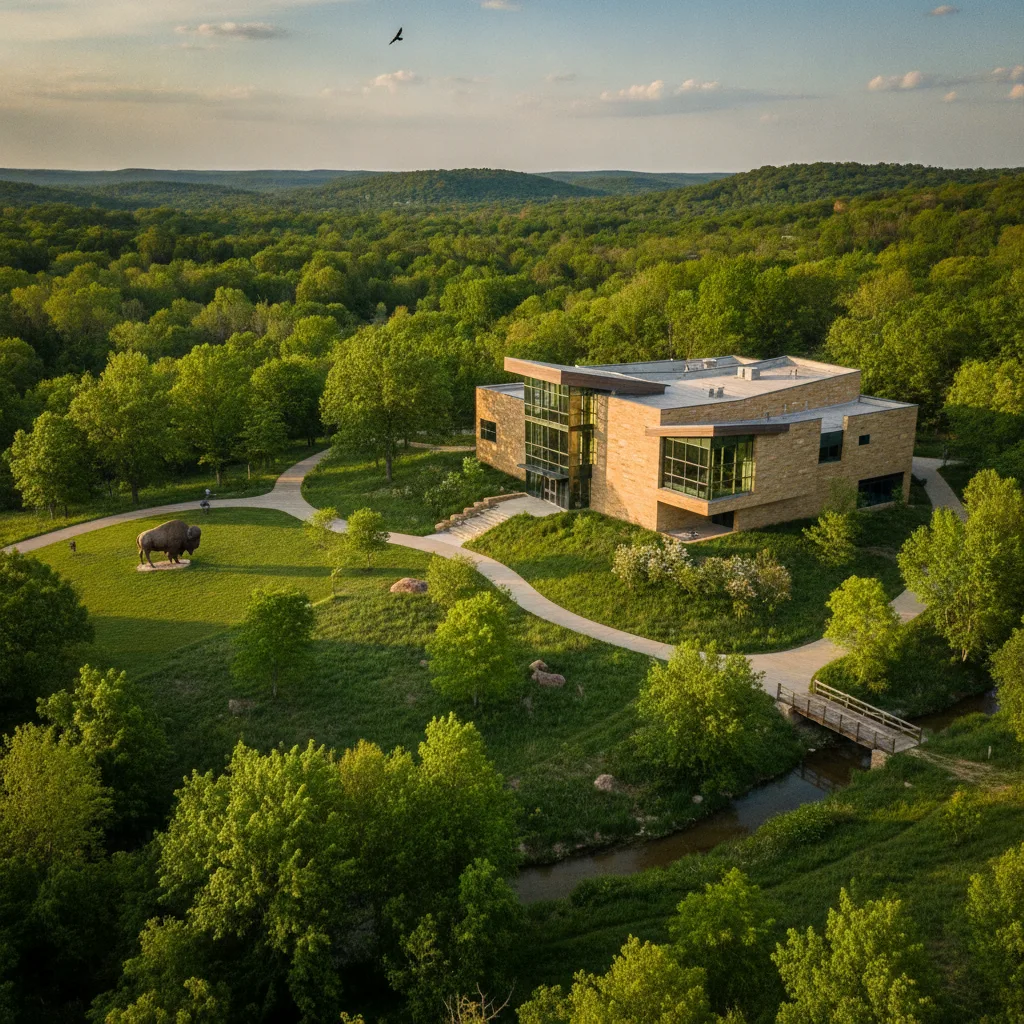
Our Roam States editorial team is dedicated to bringing you the most authentic and actionable travel advice, and our guide to The Museum of Native American History Tennessee is no exception. While a standalone institution by this exact name doesn't exist, we've crafted this comprehensive guide around the profound and extensive Native American history exhibits housed within the Tennessee State Museum in Nashville. Our guide covers practical planning for your visit—including the best time to go, how to get there, and what to do on the ground—ensuring you gain deep educational insights into indigenous heritage.
The Museum of Native American History Travel Guide — Tennessee
As independent US travel authorities, our team at Roam States understands the desire for immersive cultural experiences. When travelers seek The Museum of Native American History Tennessee, they are often looking for a deep dive into the rich and complex history of the indigenous peoples who have called this land home for millennia. We've identified the Tennessee State Museum in Nashville as the premier destination for such an exploration. This world-class institution, located at 1000 Rosa L. Parks Boulevard, offers a meticulously curated "First Peoples" exhibit that serves as a dedicated journey into the lives, cultures, and enduring legacy of Native American tribes in the Volunteer State.
Far from generic, our guide is designed to equip you with specific, verified 2026 facts, helping you plan a visit that is both enriching and seamless. We cut through the fluff to deliver confident recommendations, ensuring your experience at this vital cultural touchstone is unforgettable.
Why Visit The Museum of Native American History
A visit to the Native American exhibits at the Tennessee State Museum, which we refer to as The Museum of Native American History Tennessee for the depth of its focus, offers an unparalleled opportunity to connect with the ancient and enduring stories of Tennessee's first inhabitants. Our team believes this is more than just a museum visit; it's an educational journey through thousands of years of human history, right where it happened. The "First Peoples" exhibit, in particular, meticulously details the lives of Native Americans from the Paleoindian period (13,000 BCE) through the Mississippian era and up to the eve of European contact in 1760 CE.
We recommend visiting to gain a profound understanding of the diverse cultures, sophisticated societies, and remarkable resilience of tribes such as the Cherokee, Chickasaw, Choctaw, and Creek. The exhibits showcase a vast collection of artifacts—from ancient tools and pottery to intricate ceremonial objects—that bring these stories to life. Beyond the tangible, the museum provides critical context on their spiritual beliefs, societal structures, and their deep connection to the land. For anyone interested in the foundational layers of American history, this experience offers invaluable insights often overlooked in broader historical narratives. It's a chance to witness how these indigenous cultures shaped the very landscape and identity of what would become Tennessee.
Who It's Best For
The Native American exhibits within the Tennessee State Museum, embodying the spirit of The Museum of Native American History Tennessee, are truly for everyone with a curiosity about history and culture. Our team finds it particularly compelling for:
- History Enthusiasts: Those who seek a detailed, chronological understanding of Tennessee's earliest inhabitants will find the "First Peoples" exhibit incredibly rewarding. It provides a comprehensive overview that goes beyond textbook summaries.
- Families with Children: The museum is highly family-friendly, featuring a dedicated children's gallery with interactive exhibits and activities designed for younger visitors (ages 3-8) to explore, play, and learn about history in an engaging way. This makes the complex topics of Native American history accessible and interesting for all ages.
- Educators and Students: For academic purposes, the museum's extensive collection and interpretive displays offer a rich resource for studying archaeology, anthropology, and the social sciences. The detailed narratives and authentic artifacts provide excellent primary and secondary source material.
- Cultural Explorers: Visitors keen on understanding the diverse tapestry of American heritage will appreciate the focus on various tribal histories and their contributions to the region. It's an essential stop for anyone looking to broaden their cultural horizons.
- Local Tennesseans: For residents, it's an opportunity to connect with the deep roots of their home state, fostering a greater appreciation for the land and its original stewards.
Ultimately, if you appreciate well-researched exhibits, engaging storytelling, and a commitment to preserving diverse histories, you'll find this museum to be an exceptional destination.
Getting There & Parking
Navigating to The Museum of Native American History Tennessee, located within the Tennessee State Museum, is straightforward as it's conveniently situated in downtown Nashville. The museum's address is 1000 Rosa L. Parks Boulevard, Nashville, TN 37208. It sits at the foot of Capitol Hill, adjacent to the Bicentennial Capitol Mall State Park, making it easily accessible from major interstates.
Parking at The Museum of Native American History
Our team can confirm that the Tennessee State Museum offers plenty of free parking for visitors, a significant perk in downtown Nashville. This free parking helps make your visit budget-friendly and hassle-free. However, on busier days, particularly weekends or during special events, these free spots can fill up quickly.
For additional options or if the free lots are full, we recommend considering the State Capitol Complex Garage (P2) at 600 Capitol Blvd, Nashville, TN 37243. This covered, paid parking garage provides ample space and is typically an easy, flat walk to the museum. While it charges an hourly rate, you can often find reduced rates on weekends or after 5 PM. Another paid option is the Nashville Public Library Garage at 151 6th Ave N, Nashville, TN 37203, which is a clean, well-lit underground facility about a 10-15 minute walk from the museum. For ultimate peace of mind, you can even use services like SpotHero to book a parking spot ahead of time.
Top Things to Do
When you visit The Museum of Native American History Tennessee, housed within the Tennessee State Museum, you'll find a wealth of engaging activities and exhibits. Our team has highlighted the top things to do to maximize your experience:
- Explore the "First Peoples" Exhibit: This is the core of The Museum of Native American History Tennessee experience. Dedicate ample time to immerse yourself in the permanent "First Peoples" exhibit, which chronicles Native American history in Tennessee from prehistoric times to the 18th century. You'll see thousands of artifacts, including tools, weapons, pottery, and ceremonial items, alongside detailed interpretive panels and engaging media.
- Journey Through the Tennessee Time Tunnel: The museum's "Tennessee Time Tunnel" provides a chronological backbone to the entire museum, weaving together various aspects of the state's history, including its Native American heritage, through artifacts, exhibits, and interactive displays.
- Visit the Children's Gallery: If you're visiting with young ones, the hands-on children's gallery is a must. It offers interactive exhibits and activities designed for kids aged 3-8, making history fun and accessible.
- Discover Rotating Exhibits: Beyond the permanent collection, the Tennessee State Museum features six rotating galleries that host temporary exhibits. While not always focused on Native American history, these often cover diverse aspects of Tennessee's past and culture, so check the museum's website for current offerings.
- Browse the Museum Store: The Tennessee State Museum Store offers a unique history and art-focused shopping experience. You can find handmade items from artisans across Tennessee, state history-related merchandise, books, specialty gifts, and local foods.
- Stroll Bicentennial Capitol Mall State Park: Located directly adjacent to the museum, this 19-acre urban state park offers beautiful views of the State Capitol, a 200-foot granite map of Tennessee, and carillon bells representing the state's musical heritage. It’s a perfect spot for a leisurely walk before or after your museum visit.
While the primary focus of this guide is the profound indigenous history found in Nashville, our team recognizes that Tennessee offers a wealth of diverse attractions. If you're extending your trip, consider exploring other regions. For those interested in a different kind of cultural experience, further afield in the eastern part of the state, there are many things to do in Chattanooga, from exploring Lookout Mountain to visiting the Tennessee Aquarium. However, for a deep dive into Native American history, Nashville is your primary destination.
Best Time to Visit
Our team advises that the best time to visit The Museum of Native American History Tennessee (the Tennessee State Museum) is during the shoulder seasons of spring (April-May) and fall (September-October). During these periods, Nashville experiences pleasant weather, making it comfortable to explore the museum and the surrounding Bicentennial Capitol Mall State Park. You'll also generally encounter fewer crowds compared to the peak summer months.
Specifically, weekday mornings, shortly after the 10 AM opening, are typically the least busy times to visit. This allows for a more tranquil and immersive experience in the "First Peoples" exhibit and other galleries. The museum is closed on Mondays, so plan your visit accordingly.
While the museum is a fantastic year-round destination, avoiding major holidays and school breaks can also contribute to a more relaxed visit. Always check the official Tennessee State Museum website (tnmuseum.org) for specific hours and any special events or temporary closures that might impact your visit in 2026.
Where to Stay Nearby
When planning your visit to The Museum of Native American History Tennessee (Tennessee State Museum), our team recommends looking for accommodations in the downtown Nashville area. This central location offers the best access not only to the museum but also to many other key attractions, often within walking distance or a short ride. This proximity is crucial for maximizing your time and minimizing travel logistics during your trip.
The Museum of Native American History lodging
For convenient The Museum of Native American History lodging, several excellent hotels are located within a short distance of the Tennessee State Museum. Popular choices that consistently receive strong traveler ratings include the Drury Plaza Hotel Nashville Downtown, the Hyatt Place Nashville Downtown, and The Capitol Hotel Downtown, an Ascend Collection Hotel. These hotels provide a range of amenities, from comfortable rooms to pools and complimentary breakfasts, catering to various preferences and budgets. They are well-situated for exploring the museum and other Nashville attractions on foot or via a short ride.
Other highly-rated options for The Museum of Native American History lodging include the Hampton Inn & Suites Nashville Downtown and the Comfort Inn Downtown Nashville - Music City Center. Many of these downtown hotels are also close to the vibrant Broadway honky-tonks, the Country Music Hall of Fame and Museum, and the Ryman Auditorium, allowing you to easily combine your historical exploration with Nashville's renowned music scene. For a comprehensive list and to compare prices, we suggest checking reputable travel sites or the Tennessee Vacation official tourism website.
Sample 2-Day Itinerary
To help you make the most of your visit to The Museum of Native American History Tennessee and the surrounding Nashville area, our team has crafted a sample two-day itinerary. This plan balances cultural immersion with other popular Nashville experiences, ensuring a memorable trip.
Day 1: Indigenous History & Capitol Hill
- Morning (9:30 AM - 1:00 PM): Begin your day at the Tennessee State Museum. Head directly to the "First Peoples" exhibit to explore the comprehensive Native American history displays. Allow at least 2-3 hours to fully appreciate the artifacts and narratives. Don't forget to visit the Children's Gallery if you have young travelers.
- Lunch (1:00 PM - 2:00 PM): Grab a casual lunch at the Nashville Farmers' Market, conveniently located next to the museum and Bicentennial Capitol Mall State Park. You'll find a variety of food vendors offering local and international cuisine.
- Afternoon (2:00 PM - 4:00 PM): Explore the Bicentennial Capitol Mall State Park. Walk the 11-acre park, admire the 200-foot granite map of Tennessee, and learn about the state's history through various monuments and markers. From the park, you can also easily view the Tennessee State Capitol building.
- Evening: Enjoy dinner at a downtown Nashville restaurant. Consider a stroll down Broadway to experience the famous honky-tonk scene, or catch a show at the historic Ryman Auditorium.
Day 2: Music City & Southern Charm
- Morning (9:00 AM - 12:00 PM): Immerse yourself in Nashville's musical heritage. Visit the Country Music Hall of Fame and Museum, where you can spend hours exploring exhibits on country music legends. Alternatively, take a tour of the Grand Ole Opry House.
- Lunch (12:00 PM - 1:00 PM): Dine near your chosen music attraction. Many eateries are available in the Opryland area or downtown.
- Afternoon (1:00 PM - 4:00 PM): Choose your adventure:
- Option A (History & Architecture): Explore the Belle Meade Historic Site, a beautiful antebellum plantation offering tours, wine tastings, and insights into 19th-century Southern life.
- Option B (Art & Culture): Visit Centennial Park and The Parthenon, a full-scale replica of the ancient Greek temple, housing Nashville's art museum.
- Option C (Civil Rights): Journey to Memphis to visit the National Civil Rights Museum at the Lorraine Motel, a powerful and essential historical site.
- Evening: Enjoy a farewell dinner in one of Nashville's diverse culinary neighborhoods, such as The Gulch or 12 South. Consider catching a performance at the Tennessee Performing Arts Center (TPAC).
This itinerary provides a solid framework, but feel free to adjust it based on your interests. For more ideas across the state, explore our guide to Best places in Tennessee, including iconic spots like the Beale Street Historic District in Memphis and the Bicentennial Capitol Mall in Nashville.
Is It Worth Visiting?
Our editorial verdict on whether The Museum of Native American History Tennessee (the Native American exhibits within the Tennessee State Museum) is worth visiting is an unequivocal yes. We confidently assert that this institution offers an exceptional and essential cultural experience that stands out in Tennessee's rich landscape of attractions.
We believe that a visit here is not just about seeing artifacts; it's about understanding the deep historical roots and enduring legacy of Native American peoples in Tennessee. The "First Peoples" exhibit is meticulously researched, thoughtfully presented, and offers a comprehensive narrative that is both educational and deeply moving. The fact that general admission to the permanent exhibits is free makes it an incredibly accessible and valuable resource for everyone.
For those questioning is The Museum of Native American History worth visiting, consider the unparalleled opportunity to engage with thousands of years of pre-contact and early contact history, presented with respect and academic rigor. It offers a crucial counterpoint to more commonly told narratives of Tennessee history, providing a fuller, more nuanced picture of the state's origins. The interactive elements and family-friendly atmosphere further enhance its appeal, ensuring that visitors of all ages can find something meaningful.
In short, if you are seeking genuine historical insight, cultural enrichment, and a high-quality museum experience without the burden of an admission fee, The Museum of Native American History Tennessee (the Tennessee State Museum's Native American exhibits) is absolutely worth your time and attention.
The Museum of Native American History with kids
Our team highly recommends visiting The Museum of Native American History Tennessee (the Tennessee State Museum) with kids. The museum is designed to be family-friendly, featuring a dedicated Children's Gallery where younger visitors (ages 3-8) can engage with history through interactive exhibits and hands-on activities. This playful learning environment makes complex historical topics accessible and enjoyable for children, fostering curiosity about Native American cultures and Tennessee's past. The "First Peoples" exhibit itself uses engaging displays and a variety of artifacts that can capture children's imaginations, bringing ancient civilizations to life.
best hotels near The Museum of Native American History
When searching for the best hotels near The Museum of Native American History (Tennessee State Museum), our team suggests focusing on downtown Nashville for convenience and quality. Top-rated options include the Drury Plaza Hotel Nashville Downtown, known for its amenities and location, and the Hyatt Place Nashville Downtown. Other excellent choices are The Capitol Hotel Downtown and the Hampton Inn & Suites Nashville Downtown. These hotels offer comfortable stays and are within easy reach of the museum and other major attractions, making them ideal for travelers.
The Museum of Native American History tips
To make the most of your visit to The Museum of Native American History Tennessee (Tennessee State Museum), our team offers these essential tips: arrive early on a weekday morning for fewer crowds; wear comfortable shoes as the museum is expansive; plan for at least 2-3 hours to explore the "First Peoples" exhibit and other galleries; and check the museum's official website (tnmuseum.org) in advance for any special events or temporary exhibits. Remember, general admission is free, but special exhibits may have a fee.
where to stay near The Museum of Native American History
For those wondering where to stay near The Museum of Native American History (Tennessee State Museum), our recommendation is to secure lodging in downtown Nashville. This area provides unparalleled access to the museum and numerous other attractions, often within walking distance. Consider hotels like the Drury Plaza Hotel Nashville Downtown or the Hyatt Place Nashville Downtown for their excellent reviews and convenient locations. These options ensure you're at the heart of the action, minimizing travel time and maximizing your exploration of Nashville.
The Museum of Native American History parking
Regarding The Museum of Native American History parking (Tennessee State Museum parking), our team confirms that the museum offers free parking for visitors, a significant advantage in downtown Nashville. However, free spots can fill up on busy days. We recommend having a backup plan, such as the paid State Capitol Complex Garage (P2) at 600 Capitol Blvd, or the Nashville Public Library Garage, both within walking distance. You can also use apps like SpotHero to reserve a spot in advance.
best time to visit The Museum of Native American History
The best time to visit The Museum of Native American History (Tennessee State Museum), according to our team, is during the spring (April-May) or fall (September-October) shoulder seasons for comfortable weather and fewer crowds. Weekday mornings, shortly after the 10 AM opening, are typically the least busy. The museum is closed on Mondays, so plan accordingly to enjoy a more relaxed and immersive experience in its extensive Native American history exhibits.
We hope this guide from the Roam States editorial team provides you with all the confidence and specific details needed to plan an enriching visit to The Museum of Native American History Tennessee. By exploring the profound "First Peoples" exhibit within the Tennessee State Museum, you'll gain invaluable insights into the indigenous heritage that shaped this remarkable state. Safe travels!
Last updated: 2026-07-13 by the Roam States team.