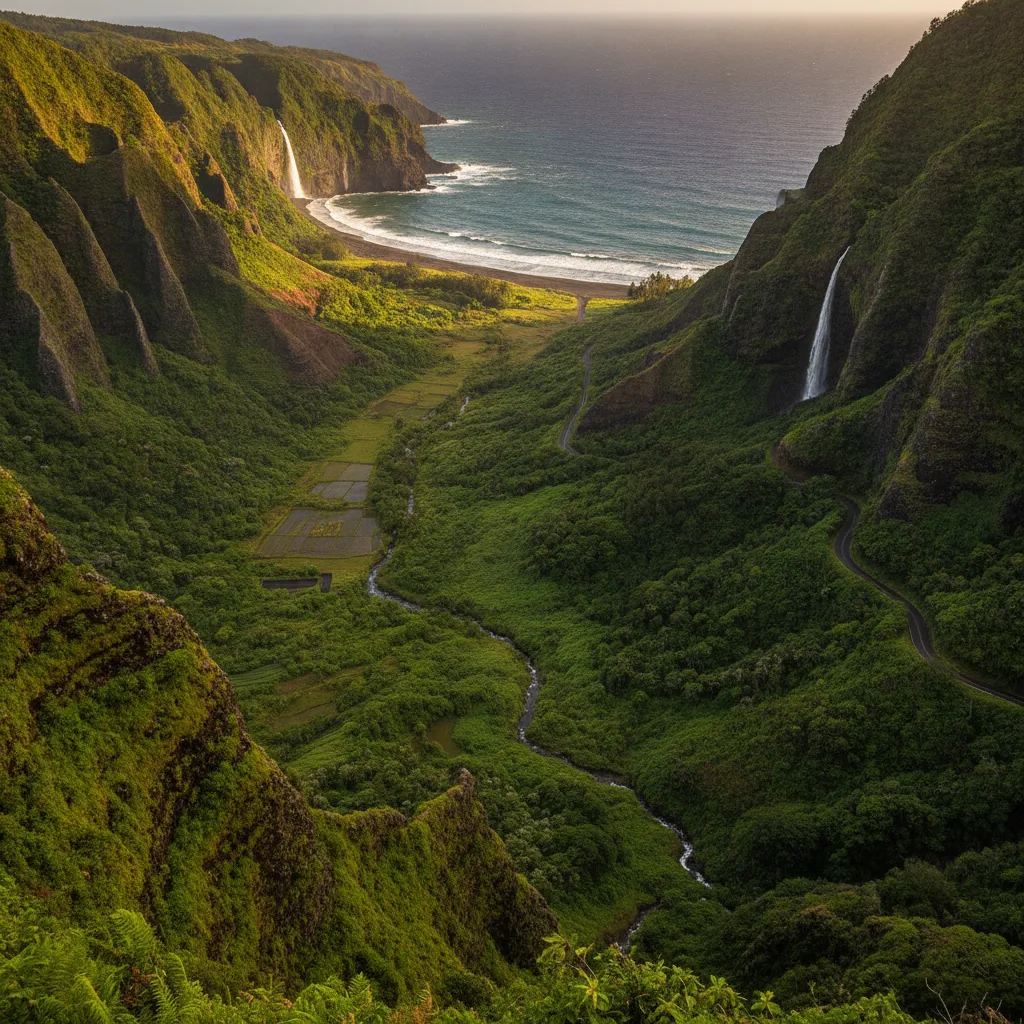
Hawaii" — When planning a trip to the Big Island, the Waipio Valley Overlook Hawaii stands as an essential stop for any traveler seeking unparalleled natural beauty and a profound connection to Hawaiian history. Our team at Visit America has thoroughly researched and experienced this majestic destination to bring you the most accurate and insightful guide for 2026.
The Waipio Valley Overlook offers one of the most breathtaking panoramic vistas in all of Hawaii, showcasing towering cliffs, a verdant valley floor, and a dramatic black sand beach. While access to the valley floor is currently restricted for most visitors, the overlook itself is a powerful and free experience that should not be missed. We strongly recommend allocating dedicated time to soak in the views and learn about the valley's deep cultural significance.
Why Visit Waipio Valley Overlook
Visiting Waipio Valley Overlook is an experience that transcends mere sightseeing; it's an encounter with a landscape steeped in ancient Hawaiian lore and breathtaking natural grandeur. Known as the "Valley of the Kings," Waipio holds immense cultural and historical significance as the boyhood home of Kamehameha I and a burial ground for high chiefs. From the overlook, you're treated to a sweeping vista that truly defines the Big Island's wild beauty. We're talking about sheer cliffs that plunge nearly 2,000 feet, a lush valley floor crisscrossed by the winding Wailoa Stream, and a striking black sand beach where the river meets the Pacific.
The sheer scale of Waipio Valley is something photos rarely capture adequately. It's a mile wide and six miles deep, an amphitheater carved by time and water, where waterfalls cascade down verdant walls. You can often spot Hi'ilawe Falls, one of Hawaii's tallest, plunging over 1,000 feet in the back of the valley, especially after heavy rains. The overlook provides a safe and accessible way to appreciate this sacred place, allowing visitors to glimpse the taro fields that have been farmed for centuries by residents who continue to live off the land. It’s a powerful reminder of Hawaii's rich past and enduring traditions, making it a truly enriching stop on any Big Island itinerary.
Who It's Best For
The Waipio Valley Overlook is an ideal destination for a wide range of travelers, particularly those who appreciate dramatic landscapes, cultural history, and stunning photography opportunities. We find it's especially appealing to nature lovers, photographers, and anyone seeking a profound sense of place. Families with older children will find the views captivating, and the accessible overlook means it's suitable for visitors with mobility challenges, though the short path to the railing may require some assistance. Because valley floor access is restricted to guided tours for visitors, the overlook is perfect for those who prefer to admire from a distance or are on a tighter schedule.
It's also a fantastic spot for history buffs eager to connect with the "Valley of the Kings" and learn about its pivotal role in Hawaiian history. While adventure seekers might initially be drawn to the idea of descending into the valley, the current restrictions mean the overlook caters more to those who find awe in panoramic vistas rather than strenuous hikes. For those who prioritize accessibility and a powerful, unobstructed view without the need for extensive physical activity, the Waipio Valley Overlook is an absolute must-see.
Getting There & Parking
When planning how to get to Waipio Valley Overlook, you'll find it conveniently located at the end of Mamalahoa Highway (Highway 240), approximately 7 miles from the charming town of Honokaʻa on the Big Island's Hamakua Coast. If you're driving from Hilo, the scenic Hamakua Heritage Corridor Drive will lead you directly there, taking about 1 hour and 15 minutes without stops. From Kailua-Kona, expect a drive of roughly 1.5 hours.
For parking at the Waipio Valley Overlook, there is a free, paved parking area available at the end of Waipiʻo Valley Road in Kukuihaele. However, we've observed that this lot can fill up quickly, especially on weekends and by mid-morning. While people tend not to stay for long, arriving early is always a good strategy for securing a spot. It's important to note that overnight parking is *not* permitted at the Waipio Valley Overlook itself. If you require overnight parking, Waipio Valley Artworks, located nearby, offers this service for a fee, typically around $20 per day. We recommend calling ahead to verify availability and pricing.
Regarding how to get to Waipio Valley Overlook and access the valley floor, it's crucial to understand the current restrictions. As of July 2026, Waipiʻo Valley Road, the steep descent into the valley, is closed to non-residents and most visitors due to ongoing safety concerns related to rockfall and slope instability. This means you cannot drive your personal vehicle (including rental cars, as many rental agreements explicitly prohibit driving down this road) or hike down into the valley on your own. Visitor access to the valley floor is currently limited to permitted, guided tours, primarily a shuttle service. The County of Hawaii is undertaking a Waipio Valley Road Safety Improvement project, with completion anticipated in 2027.
Top Things to Do
While direct access to the Waipio Valley floor is currently restricted for visitors, there are still impactful things to do at Waipio Valley Overlook that make the journey worthwhile. Our primary recommendation is simply to **soak in the panoramic views**. The overlook provides an expansive vista of the entire valley, from the towering 2,000-foot cliffs and the verdant taro fields below to the black sand beach and the vast Pacific Ocean beyond. It’s a view that demands your full attention, offering a profound sense of scale and natural grandeur.
Another of the top things to do at Waipio Valley Overlook is **photography**. The changing light throughout the day creates dramatic scenes, with early mornings often providing the best conditions for capturing the waterfalls and the valley floor. We encourage you to bring a good camera and take your time composing shots that do justice to this incredible landscape. Look for the distant Hi'ilawe Falls, often visible at the back of the valley, especially after periods of rain.
Beyond the views, we suggest taking a moment to **read the interpretive signage**. These placards offer valuable insights into the cultural and historical significance of Waipio Valley, enriching your understanding of this sacred "Valley of the Kings." There are also restrooms and a picnic area available, making it a comfortable spot for a brief stop and reflection.
For those keen to experience the valley floor, the only current option for visitors is to **book a permitted guided tour**. As of July 2026, a shuttle service is the main tour operating, offering a unique opportunity to descend the famously steep Waipiʻo Valley Road in a specialized 4WD vehicle and explore parts of the valley floor, including glimpses of taro farms and the black sand beach. These tours typically last around 90 minutes to two hours and provide a narrated experience with local guides who share their deep knowledge of the valley. Remember, hiking down the road or accessing the valley floor independently is not permitted for visitors.
Best Time to Visit
To make the most of your visit to Waipio Valley Overlook, timing is key. Our team consistently recommends visiting in the **early morning or late afternoon**. Why? These times generally offer cooler temperatures and fewer crowds, allowing for a more serene and personal experience.
For photographers, the **morning hours** are particularly advantageous. As the sun rises, it illuminates the east-facing cliffs and the waterfalls within the valley, creating stunning light for capturing the landscape. Clouds can often build up later in the day, potentially obscuring parts of the view. However, the late afternoon also offers its own dramatic appeal, with long shadows stretching across the valley floor, adding depth and contrast to the scene.
Considering the Big Island's microclimates, the **dry season (roughly April to October)** generally presents more stable weather conditions. While the Hamakua Coast can receive significant rainfall year-round, visiting during the drier months might offer clearer skies and better visibility of the distant waterfalls. That said, the valley's lushness is a direct result of this rain, so even a misty day can add a mystical quality to the landscape. We always advise checking the local weather forecast before you head out, as conditions can change rapidly on the Big Island.
Where to Stay Nearby
While there are no accommodations directly at the Waipio Valley Overlook, several charming towns and resort areas offer excellent options within a reasonable drive. Our team suggests considering stays in the following areas:
- Honokaʻa: Just 7 miles from the overlook, Honokaʻa is a historic plantation town that offers a glimpse into old Hawaii. It's a convenient base with quaint eateries and local shops. You might find smaller guesthouses or vacation rentals here, offering a more authentic, less touristy experience.
- Waimea (Kamuela): Located about 10 miles inland from the overlook, Waimea is a vibrant cowboy town known for its ranches, cool upcountry climate, and excellent dining. It offers a mix of accommodations, from comfortable lodges like the Castle Waimea Country Lodge to more upscale boutique options. Waimea-Kohala Airport (MUE) is also nearby, making it a practical choice for arrivals and departures.
- Waikoloa Resort Area: For those seeking resort amenities, the Waikoloa area, approximately 23-24 miles from the overlook, provides luxurious options such as the Hilton Waikoloa Village, The Westin Hapuna Beach Resort, and various Hilton Grand Vacations Clubs. These resorts offer extensive facilities including pools, spas, and beach access, making them ideal for a more indulgent stay after a day of exploration.
- Hilo: Situated about 45 minutes south of the overlook, Hilo offers a different vibe with its lush rainforests, waterfalls, and a more local feel. You'll find a range of hotels here, including the Grand Naniloa Hotel Hilo and Castle Hilo Hawaiian Hotel, both just a couple of miles from Hilo International Airport (ITO). Hilo is a great base for exploring the east side of the Big Island, including Hawaii Volcanoes National Park.
Among the specific properties near the Waipio Valley Overlook, we've noted options like Waipi'o Lodge in Kukuihaele, which offers a convenient location and positive reviews. Regardless of your preference, we recommend booking accommodations in advance, especially during peak travel seasons.
Sample 2-Day Itinerary
Crafting the perfect Big Island itinerary involves balancing iconic sights with hidden gems. Here's our suggested 2-day plan that incorporates the Waipio Valley Overlook Hawaii and other Big Island highlights:
Day 1: Hamakua Coast & Waipio Valley Immersion
- Morning (7:00 AM - 12:00 PM): Hamakua Coast Scenic Drive & Waipio Valley Overlook
Start your day early from your accommodation (perhaps in Hilo or Honokaʻa) and drive the picturesque Hamakua Heritage Corridor. Make your way directly to the Waipio Valley Overlook, aiming to arrive before the mid-morning crowds. Spend ample time at the overlook, taking in the unparalleled views of the valley, its cliffs, and the black sand beach. Capture stunning photographs and read the interpretive signs to appreciate the valley's deep cultural significance. Remember, the overlook is free and open during daylight hours.
- Late Morning/Lunch (12:00 PM - 1:30 PM): Honokaʻa & Local Flavors
Head back to the charming town of Honokaʻa, just a short drive from the overlook. Enjoy lunch at a local eatery, perhaps trying some malasadas at Tex Drive-In, a local favorite. Explore the town's historic main street and browse its unique shops.
- Afternoon (1:30 PM - 5:00 PM): Waterfalls & Botanical Gardens
Continue your exploration of the Hamakua Coast. Visit Akaka Falls State Park to marvel at the towering 422-foot Akaka Falls and the smaller Kahuna Falls, both easily accessible via a paved loop trail. Consider a stop at the Hawaii Tropical Botanical Garden for a lush, immersive experience among tropical plants and ocean views.
- Evening (5:00 PM onwards): Return & Relax
Return to your chosen accommodation. Enjoy dinner at a local restaurant or prepare a meal if you have kitchen facilities. Reflect on the day's stunning natural beauty.
Day 2: Volcanoes, Beaches & Stargazing
- Morning (8:00 AM - 1:00 PM): Hawaii Volcanoes National Park
Dedicate your morning to exploring Hawaii Volcanoes National Park, home to two of the world's most active volcanoes, Kīlauea and Mauna Loa. Drive the Chain of Craters Road, hike through the Thurston Lava Tube, and view steam vents and craters. Check the NPS website for current conditions and any active lava flows.
- Lunch (1:00 PM - 2:00 PM): Punaluʻu Black Sand Beach
Head south to Punaluʻu Black Sand Beach, a striking volcanic beach where you might spot Hawaiian green sea turtles basking in the sun. Enjoy a picnic lunch here.
- Afternoon (2:00 PM - 6:00 PM): Kona Coffee & Coastal Views
Drive towards the Kona side of the island. Take a tour of a Kona coffee farm to learn about the coffee-making process and sample some world-renowned Hawaiian coffee. Enjoy the scenic coastal drive and perhaps a quick stop at a pristine beach like Hapuna Beach or Kua Bay.
- Evening (6:00 PM onwards): Mauna Kea Stargazing or Manta Ray Swim
For an unforgettable evening, choose between two iconic Big Island experiences. Head up Mauna Kea for a sunset and stargazing tour (reservations often required, dress warmly). Alternatively, book a thrilling night manta ray snorkel or dive tour in Kona, a truly magical encounter with these gentle giants.
This itinerary provides a robust exploration of the Big Island, ensuring you experience both the dramatic beauty of the Waipio Valley Overlook and the island's diverse natural wonders. Remember to factor in driving times and book popular tours well in advance, especially during peak seasons.
Is It Worth Visiting?
We unequivocally say, yes, the Waipio Valley Overlook is worth visiting. Despite the current restrictions on accessing the valley floor, the panoramic views from the overlook alone are spectacular enough to warrant the trip. Standing at the rim and gazing upon the "Valley of the Kings" offers a profound sense of awe and a deep connection to Hawaii's natural and cultural heritage.
For many, the sheer scale of the 2,000-foot cliffs, the lush green valley, the winding river, and the dramatic black sand beach create a visual masterpiece that is unforgettable. It's a place that truly puts the grandeur of nature into perspective. The fact that the overlook is free to access and offers amenities like parking and restrooms further enhances its value as a destination. Even if you opt not to take a guided tour into the valley, the views from above are a highlight of any Big Island adventure. So, is Waipio Valley Overlook worth visiting? Absolutely. It remains one of Hawaii's most iconic and impactful scenic wonders.
Visiting With Kids
Visiting Waipio Valley Overlook with kids can be a memorable experience, provided you set appropriate expectations for the current access limitations. The overlook itself is very kid-friendly, offering a safe, paved viewing platform with railings where children can marvel at the expansive views without any strenuous activity. The sheer scale of the valley, the distant waterfalls, and the black sand beach are often captivating for children of all ages, sparking their imagination about ancient Hawaii and its natural wonders.
We recommend bringing binoculars for the kids so they can try to spot wild horses (though sightings are not guaranteed) or the flow of Hi'ilawe Falls deep within the valley. There are restrooms and a picnic area available, making it easy to take a break and refuel. For families interested in a deeper dive, a permitted guided shuttle tour into the valley floor is the only option for visitors. These tours, typically lasting 90 minutes to two hours, offer a unique adventure in a 4WD vehicle and can be a thrilling experience for older children who are comfortable with vehicle tours. However, for very young children, the duration and confined space of a shuttle tour might be a consideration. Always check tour operator age restrictions and comfort levels before booking. Remember, hiking down the steep road into the valley is not permitted for visitors.
Top Things to Do on the Big Island
While the Waipio Valley Overlook Hawaii offers a glimpse into one of the island's most sacred landscapes, the Big Island itself is a treasure trove of diverse experiences. Our team has curated a list of top things to do in Big Island that will fill your itinerary with adventure, culture, and relaxation:
- Explore Hawaii Volcanoes National Park: Witness the raw power of creation at this UNESCO World Heritage site. Drive along Crater Rim Drive and Chain of Craters Road, hike through lava tubes, and see steam vents. Check for active lava flows, which offer a truly unforgettable spectacle.
- Stargaze on Mauna Kea: Ascend to the summit of Mauna Kea, the world's tallest mountain from base to peak, for unparalleled stargazing opportunities. The visitor information station (at 9,200 feet) is accessible to most, while the summit requires 4WD and is best visited via a guided tour.
- Swim with Manta Rays: Experience one of the Big Island's most magical ocean encounters by joining a night snorkel or dive with manta rays off the Kona coast. These gentle giants are truly mesmerizing.
- Visit a Kona Coffee Farm: Take a tour of a working coffee farm in the Kona district to learn about the cultivation and processing of world-famous Kona coffee, complete with tastings.
- Relax on Black Sand Beaches: Beyond Waipio, visit Punaluʻu Black Sand Beach, famous for its resident Hawaiian green sea turtles. For a truly unique experience, seek out Papakōlea Green Sand Beach (requires a hike or local shuttle).
- Chase Waterfalls: Explore the lush Hamakua Coast for stunning waterfalls like Akaka Falls and Rainbow Falls, both easily accessible.
- Snorkel or Kayak in Kealakekua Bay: Discover vibrant marine life in the protected waters of Kealakekua Bay, a historical site where Captain Cook first landed. Guided tours are highly recommended.
- Explore Historic Towns: Wander through the charming streets of Hilo, with its historic downtown and farmers market, or the paniolo (Hawaiian cowboy) town of Waimea.
These are just a few of the many things to do in Big Island that showcase its incredible diversity. Whether you're drawn to volcanic landscapes, pristine beaches, or rich cultural experiences, the Big Island delivers.
FAQ
Waipio Valley Overlook tips
Our top tips for visiting Waipio Valley Overlook include arriving early in the morning for the best light and fewer crowds. Bring a good camera and binoculars to fully appreciate the distant views and Hi'ilawe Falls. Wear comfortable shoes, as there's a short, paved walk to the viewing railing. Remember that access to the valley floor is restricted to guided tours only for visitors, so plan accordingly if you wish to descend. Respect the cultural significance of the valley and its residents.
Waipio Valley Overlook parking
Free parking is available at the Waipio Valley Overlook at the end of Highway 240. The lot can fill up quickly, especially on weekends and by mid-morning, so an early arrival is advised. Overnight parking is not permitted at the overlook itself; Waipio Valley Artworks offers paid overnight parking nearby (around $20/day as of 2026).
Best time to visit Waipio Valley Overlook
The best time to visit Waipio Valley Overlook is during the early morning or late afternoon. Early mornings offer cooler temperatures, fewer people, and optimal light for photography, particularly for capturing the waterfalls within the valley. The dry season (April to October) generally provides clearer skies, though the lushness of the valley is sustained by year-round rainfall.
Waipio Valley Overlook hours and fees
The Waipio Valley Overlook is free to access and is open during daylight hours. There are no fees to view the valley from the overlook. However, if you wish to descend into the valley floor, you must do so via a permitted guided tour, which incurs a fee (e.g., shuttle tours around $55-$65 per adult as of 2026).
Waipio Valley Overlook itinerary
A typical Waipio Valley Overlook itinerary involves driving the scenic Hamakua Heritage Corridor, arriving at the overlook in the early morning, spending 30-60 minutes taking in the views and photos, and then potentially continuing to nearby attractions like Akaka Falls State Park or the Hawaii Tropical Botanical Garden. If you've booked a guided shuttle tour into the valley, factor in an additional 1.5 to 2 hours for that experience.
Waipio Valley Overlook travel guide
Our Waipio Valley Overlook travel guide emphasizes that while the overlook is free and open to all, access to the valley floor is strictly limited to permitted guided tours for visitors as of July 2026 due to road safety concerns. We recommend arriving early for parking and optimal views, bringing a camera, and respecting the sacred nature of this "Valley of the Kings." Nearby attractions and accommodations are available in Honokaʻa, Waimea, and the Waikoloa resort areas.
Conclusion
The Waipio Valley Overlook on the Big Island of Hawaii stands as a testament to the island's profound natural beauty and rich cultural tapestry. Our team at Visit America firmly believes that even with the current restrictions on valley floor access, the panoramic views from the overlook offer an invaluable experience. It's a place where you can truly grasp the immense scale of Hawaii's landscapes and connect with the ancient history of the "Valley of the Kings." While you cannot drive or hike into the valley independently, the opportunity to witness this sacred wonder from above, or via a permitted guided tour, makes it an essential stop on any Big Island adventure. We encourage all travelers to include the Waipio Valley Overlook in their plans, ensuring they respect the land and its people, and leave with memories of one of Hawaii's most breathtaking hidden gems.
Last updated: 2026-07-05 by the Visit America team.