Our Walker Lake guide covers practical planning for Walker Lake Nevada — best time to visit, getting there, and what to do on the ground.
As the Roam States editorial team, we’re committed to bringing you the most authentic and actionable travel advice for exploring the United States. Today, we’re turning our attention to one of Nevada’s most striking natural desert lakes: Walker Lake Nevada. This is not your typical resort town; it’s a place where the raw beauty of the Great Basin meets a vital ecosystem, offering unique opportunities for fishing, boating, and especially birdwatching. It's a significant stopover for migratory birds, making it a truly special destination for nature lovers and those seeking a quieter side of the Silver State.
Why Visit Walker Lake
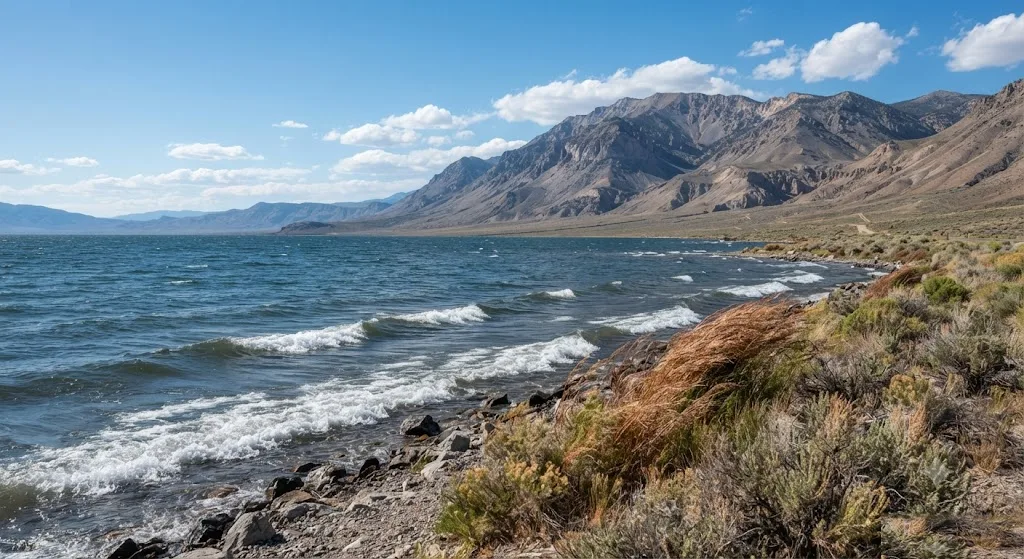
Walker Lake, Nevada, is a captivating natural desert lake nestled in the Great Basin, approximately 75 miles southeast of Reno. This elongated body of water, about 11 miles long and 5 miles wide, is a striking feature in an otherwise arid landscape, bordered by the majestic Wassuk Range to the west and the Gillis Range to the east. It's a remnant of the ancient, vast Lake Lahontan, which once covered much of northwestern Nevada.
What draws us to Walker Lake is its profound natural beauty and its critical ecological role. While the lake has faced significant environmental challenges due to reduced inflows from the Walker River, leading to increased salinity and a decline in native fish species, ongoing conservation efforts are working to restore its health. Despite these challenges, Walker Lake remains a vital oasis for thousands of migratory birds, including snow geese, white pelicans, egrets, and herons. Raptors like red-tailed hawks, peregrine falcons, American kestrels, and even bald eagles can also be spotted in the area.
Beyond its avian residents, the surrounding landscape is home to diverse wildlife, including pronghorn antelope, wild horses, and desert bighorn sheep. For those who appreciate rugged, unspoiled nature and dramatic desert vistas, Walker Lake offers a serene and picturesque setting. The towering Mount Grant, one of Nevada's tallest peaks, provides a stunning backdrop, often reflected in the lake's waters. It’s a place for quiet contemplation, exceptional stargazing under clear Nevada skies, and a tangible connection to geological history, with visible concentric bands along the shoreline serving as historical markers of past, higher water levels.
Who It's Best For
Walker Lake is ideal for travelers who prioritize natural beauty, outdoor recreation, and a sense of tranquility over bustling tourist attractions. We recommend it for:
- Birdwatchers and Wildlife Enthusiasts: With its status as a significant stopover for migratory birds and home to various desert animals, it's a prime location for observing wildlife in their natural habitat.
- Campers and RVers: The area offers several camping options, from developed sites with amenities to primitive dispersed camping, catering to different preferences for roughing it.
- Boaters and Water Sports Lovers: Despite the lake's challenges, it remains a popular spot for swimming, motorized boating, water skiing, kayaking, canoeing, and windsurfing, especially during warmer months.
- Hikers and Off-Roaders: While extensive designated hiking trails directly around the entire lake are limited due to its size and terrain, informal paths along the shoreline and over 1,000 miles of unfenced dirt roads and trails in Mineral County provide ample opportunities for exploration.
- Those Seeking Solitude and Stargazing: The remote location and clear Nevada skies make it an excellent spot for quiet reflection and exceptional stargazing.
- Road Trippers: Located along Highway 95, Walker Lake makes for a compelling stop for those exploring Nevada's scenic routes and connecting to other destinations like Bellagio Fountains or Cathedral Gorge State Park.
It's important to note that while fishing in the nearby Walker River State Recreation Area is permitted, fishing directly in Walker Lake is currently not recommended due to the increasing salinity and its impact on native fish populations.
Getting There & Parking
Understanding how to get to Walker Lake is straightforward, as it's conveniently located along a major US highway. Walker Lake Nevada is situated in Mineral County, approximately 12 miles north of Hawthorne, Nevada.
Driving Directions
The most common way to reach Walker Lake is by car. If you are coming from Fallon, Nevada, take US Highway 95 south for about 75 miles, and you will find Walker Lake located along the highway. For those traveling from Reno, the drive south on US-95 will also lead you directly to the lake. The lake itself is easily accessible from Highway 95, making it a convenient stop on a USA road trip.
Parking at Walker Lake Nevada
Parking at Walker Lake is generally available and consists of compacted gravel or hard-packed ground areas at various beaches and recreation sites.
- Sportsman's Beach: This is the most developed area and offers parking spaces, including two non-striped accessible spaces near the boat ramp vault toilet.
- Tamarack Beach and 20 Mile Beach: These primitive camping areas also offer opportunities for parking, typically on level, undeveloped ground along the shoreline.
There are no specific reservations required for general access or parking at Walker Lake Recreation Area, which is managed by the Nevada Bureau of Land Management (BLM). However, if you plan to camp overnight, fees apply for developed and primitive campsites, which we will detail in the "Walker Lake camping" FAQ section.
Top Things to Do
Walker Lake offers a variety of activities for those looking to immerse themselves in Nevada's high desert landscape. Our team recommends focusing on these top things to do at Walker Lake:
Boating and Water Sports
The expansive waters of Walker Lake are perfect for a range of water activities. Visitors can enjoy motorized boating, water skiing, swimming, kayaking, canoeing, and windsurfing. A public boat ramp is available at Sportsman's Beach, making it easy to launch your vessel. Nevada boating regulations require all boats to carry appropriate safety equipment, and anyone born on or after January 1, 1983, must hold a Boater Education Card to operate a motorboat over 15 horsepower or any PWC. Visitors from out-of-state with a valid NASBLA-approved home-state boater education card can operate for up to 60 days, but all motorized and many non-motorized craft must display a current Aquatic Invasive Species (AIS) decal before entering Nevada waterways.
A fun event to consider is the "World Famous" Liars Boat Race during Walker Lake Days 2026, which involves creating a floating craft with horsepower not exceeding 6.5 hp. The 4th Annual Kayak Races are also scheduled for 2026, featuring various classes and prize money.
Birdwatching
Walker Lake is a vital stopover on the Pacific Flyway, supporting more than 10,000 water birds. Birdwatching is one of the premier things to do at Walker Lake. Keep an eye out for snow geese, white pelicans, common loons, egrets, and herons. The surrounding area also attracts various raptors, including red-tailed hawks, peregrine falcons, American kestrels, and bald eagles. The Great Basin Bird Observatory has been monitoring birds along the Walker River since 2006, highlighting the region's importance for riparian habitat. While the lake's ecological challenges have impacted some species, it remains a crucial habitat for many others.
Wildlife Viewing
Beyond the birds, the Walker Lake area is home to a variety of terrestrial wildlife. Visitors might spot pronghorn antelope, wild horses, and desert bighorn sheep. Larger predators like mountain lions, bobcats, and black bears also inhabit the region, along with smaller animals such as rabbits, ground squirrels, and kangaroo rats. Along the shoreline, you may encounter toads, pond turtles, and garter snakes, as well as the Great Basin rattlesnake.
Camping and Picnicking
The Bureau of Land Management (BLM) and Mineral County manage several campgrounds around Walker Lake, offering options for both RV and tent camping. Sportsman's Beach is the most developed, featuring covered picnic tables, RV pull-through spaces, fire rings, and pit toilets. Primitive camping is available at Tamarack Beach and 20 Mile Beach. Picnicking is also a popular activity, with facilities at Sportsman's Beach.
Off-Roading and Exploring
Mineral County boasts over 1,000 miles of unfenced dirt roads and trails, making it an excellent destination for OHV and off-roading excursions. Trails like Hawthorne-Fletcher Rd/42028, Desert Creek Loop, and Microwave Road offer varying levels of difficulty and scenic views of the Nevada landscape. We recommend checking trail conditions and having appropriate vehicle clearance before venturing out.
Best Time to Visit
The best time to visit Walker Lake largely depends on your preferred activities, but generally, we recommend spring and fall for the most comfortable weather conditions. These seasons offer milder temperatures, making outdoor activities like hiking, birdwatching, and camping more enjoyable.
- Spring (March to May): Temperatures are pleasant, and the desert landscape often experiences a brief bloom. This is an excellent time for birdwatching as migratory species pass through.
- Summer (June to August): Summer is popular for water recreation, including swimming, boating, and water skiing. However, desert temperatures can be very hot, so planning water activities for earlier in the day and staying hydrated is crucial. It's also a good time for spotting desert bighorn sheep along the west shore.
- Fall (September to November): Similar to spring, fall offers mild temperatures, making it ideal for hiking and exploring. The changing light can also create stunning photographic opportunities.
- Winter (December to February): Winters can be cold, with temperatures occasionally dipping below freezing. While some activities might be limited, the stark beauty of the lake against snow-dusted mountains can be quite dramatic for those seeking solitude and unique photography.
The Walker Lake Recreation Area is generally open 24 hours a day, 7 days a week, with closures typically only occurring due to seasonal or weather-related conditions. A Harmful Algal Bloom (HAB) advisory was issued for Walker Lake in May 2026, advising caution for people and pets when in contact with the water. We always recommend checking current conditions and advisories before your visit.
Where to Stay Nearby
When planning your trip to Walker Lake Nevada, understanding your lodging options is key. While direct Walker Lake lodging is primarily limited to camping, the nearby town of Hawthorne, just 12 miles south, offers a range of accommodations and services.
Hotels in Hawthorne
Hawthorne provides several hotel and motel options that cater to various budgets and preferences. Our team has identified some highly-rated choices for Walker Lake lodging:
- Travelodge by Wyndham Hawthorne: This budget-friendly option consistently receives good to excellent reviews for comfort and amenities, including an indoor swimming pool and pet-friendly facilities.
- Hawthorne's Best Inn: Often praised for its quiet, clean rooms, modern amenities, and business-friendly atmosphere, this hotel also offers complimentary WiFi and free parking. It's also noted as being pet-friendly.
- Holiday Lodge: Another budget-friendly motel, the Holiday Lodge provides a cozy and relaxed atmosphere with complimentary WiFi and self-parking.
- American Inn: This inviting motel offers complimentary WiFi and parking, and is also pet-friendly.
These hotels offer essential amenities like free Wi-Fi and parking, ensuring a comfortable stay after a day of exploring Walker Lake. Prices for hotels in Hawthorne can start as low as $78 per night, though averages can be higher depending on the season and specific booking. We recommend checking current availability and booking in advance, especially during peak travel seasons.
Camping at Walker Lake
For those who prefer a more immersive outdoor experience, Walker Lake offers several camping areas managed by the Bureau of Land Management (BLM) and Mineral County.
- Sportsman's Beach: This is the most developed campground, featuring 32 individual campsites suitable for RVs and tents. Amenities include covered picnic tables, RV pull-through spaces, fire rings, and vault toilets. Developed campsites cost $6 per night per vehicle or $36 per week per vehicle. America the Beautiful Senior and Access Passes are honored. Note that there is no potable water available at Sportsman's Beach.
- Tamarack Beach and 20 Mile Beach: These areas offer primitive camping for tents and RVs, providing level camping spaces with almost no developed amenities. Primitive camp areas cost $4 per night per vehicle or $22 per week per vehicle. Dispersed camping is also permitted on government land around Walker Lake, with the "leave no trace" principle strongly encouraged.
Further camping options can be found in the surrounding Humboldt-Toiyabe National Forest and near the Walker River State Recreation Area, which offers tent, RV, and cabin camping.
Sample 2-Day Itinerary
To help you make the most of your visit to Walker Lake Nevada, our team has crafted a sample 2-day itinerary, balancing relaxation with exploration.
Day 1: Lake Exploration & Wildlife Spotting
- Morning (8:00 AM - 12:00 PM): Arrival and Lakefront Leisure
- Arrive at Walker Lake and set up camp at Sportsman's Beach, or check into your chosen lodging in Hawthorne.
- Head to Sportsman's Beach for easy access to the lake. Enjoy a leisurely morning by the water, perhaps swimming or simply taking in the panoramic views of Mount Grant.
- Consider launching a kayak or canoe for a peaceful paddle along the shoreline, keeping an eye out for early morning bird activity.
- Lunch (12:00 PM - 1:00 PM): Picnic with a View
- Enjoy a packed lunch at one of the picnic areas at Sportsman's Beach, or grab a bite in Hawthorne. The Big Horn Crossing is known for its burgers, and Old Nevada Pizza offers local favorites.
- Afternoon (1:00 PM - 5:00 PM): Birdwatching & Scenic Drive
- Dedicate your afternoon to birdwatching. Drive along Highway 95, stopping at various pull-offs and less-developed beaches like Tamarack Beach or 20 Mile Beach to observe different bird species.
- Bring binoculars and a field guide to identify the diverse migratory birds and raptors that frequent the area.
- Take a scenic drive along the lake's edge, appreciating the dramatic desert landscape and the reflections of the Wassuk Range.
- Evening (5:00 PM onwards): Sunset & Stargazing
- Return to your campsite or lodging. Prepare a campfire dinner if camping, or dine at a local restaurant in Hawthorne.
- As dusk settles, find a prime spot along the lake to watch the sunset paint the sky over the Wassuk Range.
- After dark, enjoy the incredible stargazing opportunities that the clear, unpolluted Nevada skies offer.
Day 2: Off-Roading, Local Culture & Departure
- Morning (8:00 AM - 12:00 PM): Off-Road Adventure or Easy Hiking
- For the adventurous, explore some of the beginner-friendly off-road trails in Mineral County, such as Microwave Road or parts of Hawthorne-Fletcher Rd/42028. Remember to check conditions and have an appropriate vehicle.
- Alternatively, enjoy an easy hike along the informal paths near the BLM campgrounds, offering scenic walks along the shoreline without significant elevation gain. Look for signs of wild horses or bighorn sheep.
- Lunch (12:00 PM - 1:00 PM): Local Flavors in Hawthorne
- Head back to Hawthorne for lunch. Explore local eateries or grab supplies for your onward journey.
- Afternoon (1:00 PM - 4:00 PM): Hawthorne Exploration & Departure
- Spend some time exploring Hawthorne. Visit the Hawthorne Ordnance Museum to learn about the town's history and its connection to the U.S. Army Ammunition Depot.
- Consider a visit to the Walker Lake Golf Course if you're interested in a round.
- Begin your journey home or continue your Nevada adventure, perhaps heading towards Fremont Street Experience for a different kind of Nevada experience.
Last updated: 2026-07-13 by the Roam States team.