Warm Springs Historic District Travel Guide — Georgia
Our Roam States team has extensively explored Georgia's hidden gems, and our Warm Springs Historic District guide covers practical planning for Warm Springs Historic District Georgia — best time to visit, getting there, and what to do on the ground. We cut through the noise to deliver confident, specific advice for your trip.
For those seeking a profound connection to American history and a tranquil escape into Georgia's rolling hills, the Warm Springs Historic District Georgia offers an experience unlike any other. This isn't just another stop on a road trip; it's a pilgrimage to a place where a sitting president found solace, strength, and ultimately, his final resting place. Franklin D. Roosevelt's "Little White House" stands as a poignant testament to his resilience in the face of polio, and his deep affection for this quiet corner of the South. Beyond the presidential legacy, the district encompasses a charming small town, the historic therapeutic pools, and the natural beauty of F.D. Roosevelt State Park, inviting visitors to slow down and reflect. We've compiled our expert recommendations to ensure your visit is as enriching and seamless as possible.
Why Visit Warm Springs Historic District
Visiting Warm Springs Historic District is an immersion into a pivotal chapter of American history, offering a deeply personal look at one of the nation's most transformative leaders. Franklin D. Roosevelt first came to Warm Springs in 1924, seeking relief from the debilitating effects of polio in the naturally warm, mineral-rich waters. What began as a personal quest for healing evolved into a profound connection with the community and the establishment of the Georgia Warm Springs Foundation, now the Roosevelt Warm Springs Institute for Rehabilitation. This isn't just about admiring artifacts; it's about understanding the human spirit and the power of perseverance.
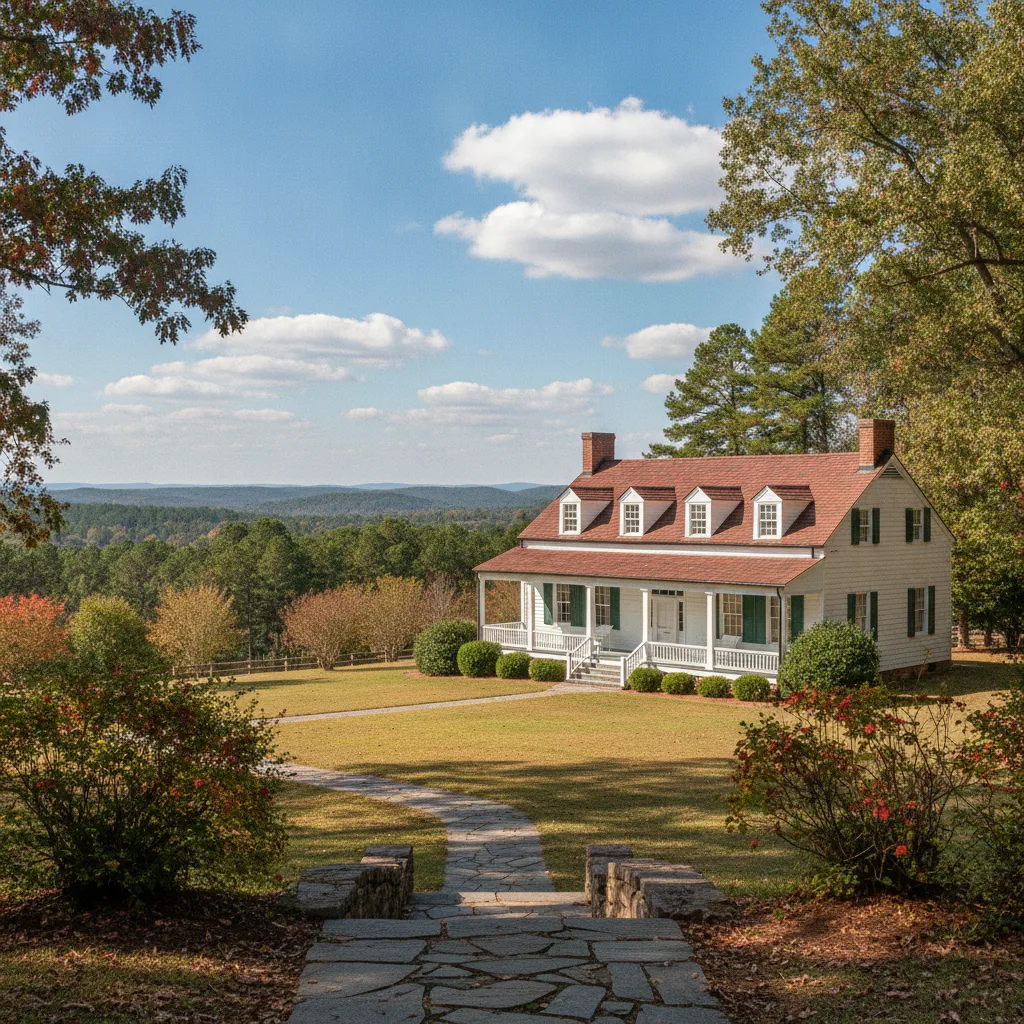
Our team believes that the primary draw is, without a doubt, the Little White House State Historic Site. Stepping into Roosevelt's modest, custom-built cottage feels like walking back in time. You'll see his personal belongings, the untouched rooms, and the unfinished portrait he was sitting for on the day he passed away, April 12, 1945. It's a remarkably preserved snapshot of a president at his most vulnerable and most human. The adjacent museum further enriches the experience, showcasing artifacts from his presidency, his time in Warm Springs, and the impact of his New Deal policies, many of which were conceived right here.
Beyond the presidential residence, the historic pools, though no longer open for public swimming, remain a powerful symbol of hope and innovation in rehabilitation. The legacy of the institute continues today, providing comprehensive services for individuals with disabilities. The town of Warm Springs itself, with its quaint shops and friendly atmosphere, offers a charming backdrop to the historical sites. For those interested in the natural beauty surrounding the area, F.D. Roosevelt State Park provides ample opportunities for hiking, camping, and enjoying the peaceful Georgia landscape. We consider a visit here essential for anyone interested in presidential history, medical breakthroughs, or simply appreciating a place where significant events unfolded in a quiet, unassuming setting.
Who It's Best For
The Warm Springs Historic District caters to a diverse range of visitors, though we find it particularly resonates with certain groups. Primarily, it's an absolute must for history buffs, especially those with an interest in presidential history and the New Deal era. The intimate setting of the Little White House provides a unique perspective on Franklin D. Roosevelt, moving beyond the political figure to reveal the man who sought solace and healing here. Educators and students will find the district an invaluable resource for understanding the challenges of the Great Depression, the impact of polio, and the leadership that guided the nation through tumultuous times.
Beyond the historical aspect, the Warm Springs Historic District is also ideal for families seeking an educational yet engaging outing. While younger children might not grasp the full historical significance, the stories and visual elements can spark curiosity. Older children and teenagers will likely appreciate the tangible connection to a historical figure they've studied. We also recommend it for anyone seeking a peaceful, reflective getaway. The serene environment, coupled with the poignant history, encourages contemplation and a slower pace of travel. It’s a stark contrast to bustling urban centers like Savannah Historic District, offering a different kind of Georgia experience.
Furthermore, those interested in medical history and rehabilitation will find the story of the Georgia Warm Springs Foundation particularly compelling. It highlights a pioneering spirit in treating polio and caring for individuals with disabilities, a legacy that continues today. Nature lovers can combine their historical exploration with outdoor activities in the nearby F.D. Roosevelt State Park, making it suitable for those who enjoy hiking and scenic drives. Ultimately, if you appreciate places with deep historical roots, a sense of quiet dignity, and a story of human resilience, the Warm Springs Historic District will undoubtedly captivate you.
Getting There & Parking
Reaching the Warm Springs Historic District is straightforward, primarily by car, as public transportation options are limited in this more rural part of Georgia. The district is located in Meriwether County, approximately 60 miles south of Atlanta, 35 miles north of Columbus, and about 90 miles west of Macon. When planning how to get to Warm Springs Historic District, we always recommend plotting your route in advance, especially if you're coming from a major metropolitan area. The drive itself is scenic, taking you through charming small towns and rolling countryside, a pleasant departure from interstate highways. For those flying in, Hartsfield-Jackson Atlanta International Airport (ATL) is the closest major hub, from which you can rent a car for the drive south.
Once you arrive at the Little White House State Historic Site, you'll find ample parking available. The main parking lot is conveniently located near the visitor center and museum entrance. We haven't encountered issues with overcrowding, even during peak season, as the facilities are well-equipped to handle visitors. There are designated accessible parking spaces for those who require them. Parking is generally free for visitors to the Little White House. The town of Warm Springs itself also offers street parking and small public lots, particularly around the main shopping and dining areas. If you're visiting the Roosevelt Warm Springs Institute for Rehabilitation (check their public access policies beforehand), separate parking facilities are available there as well.
For those wondering how to get to Warm Springs Historic District, simply follow highway signs once you get close to the town of Warm Springs. The Little White House is very well signposted. We always advise checking the official website for any potential road closures or special event parking instructions, though these are rare. Our team finds that navigating the area is quite easy, and the local infrastructure is supportive of tourism without being overly commercialized. For a smooth visit, ensure your vehicle has sufficient fuel, as gas stations become less frequent once you leave the main highways.
Top Things to Do
The Warm Springs Historic District offers a concentrated yet deeply impactful array of experiences, primarily centered around the legacy of Franklin D. Roosevelt. Our team has curated the essential things to do at Warm Springs Historic District to ensure you make the most of your visit.
The Little White House State Historic Site
This is, without question, the centerpiece of the district. We recommend dedicating at least 2-3 hours here. Begin at the Visitor Center, which houses a comprehensive museum detailing FDR's life, his battle with polio, and his profound connection to Warm Springs. The exhibits are thoughtfully presented and provide crucial context before you explore the actual residence. Following the museum, you'll walk a short path to the Little White House itself. Seeing his personal effects, the custom-built ramp, and the famous "Unfinished Portrait" by Elizabeth Shoumatoff, which was being painted on the day of his death, is a truly moving experience. Adjacent to the Little White House, you'll find the Guest House, the servants' quarters, and the historic pools area. While the pools are no longer operational for public bathing, their significance in FDR's therapy and the broader history of rehabilitation is immense. The grounds are beautifully maintained, offering a peaceful atmosphere for reflection. As of 2026, general admission to the Little White House State Historic Site is $12 for adults, $10 for seniors (62+), and $7 for youths (6-17). Children 5 and under are free. The site is typically open daily from 9 AM to 4:45 PM, but we always recommend checking the official Georgia State Parks website for the most current hours and any potential holiday closures before your visit.
Roosevelt Warm Springs Institute for Rehabilitation
While the focus for tourists is often the Little White House, understanding the ongoing legacy of the Roosevelt Warm Springs Institute for Rehabilitation is also important. This institution, founded by FDR, continues to provide vocational rehabilitation and educational services for individuals with disabilities. While generally not a tourist attraction in the same vein as the Little White House, its historical significance as a pioneering center for polio treatment and rehabilitation is profound. Visitors can often drive past the campus and appreciate its historical architecture, but access to facilities is usually restricted to students, staff, and those with appointments. We suggest checking their official website for any public tour opportunities or special events that might be open to visitors.
Explore the Town of Warm Springs
After immersing yourself in history, take time to stroll through the charming small town of Warm Springs. It’s a delightful complement to the historical sites and offers additional things to do in Warm Springs. The main street is lined with unique shops, art galleries, and antique stores. You'll find local crafts, Georgia-themed souvenirs, and often, friendly shopkeepers eager to share stories about the town. We particularly enjoy browsing the various boutiques and finding unique gifts. There are also a few local eateries where you can grab a casual lunch or a sweet treat. The town maintains a quaint, historic feel, and it's a pleasant place to spend an hour or two unwinding and supporting local businesses. This is a great opportunity to find unique mementos of your trip to the Warm Springs Historic District.
F.D. Roosevelt State Park
Just a short drive from the historic district, F.D. Roosevelt State Park is Georgia's largest state park and offers a wealth of outdoor activities. Named in honor of the president who loved this area, the park boasts over 40 miles of trails, including the popular Pine Mountain Trail. This is an excellent option for those looking to combine historical exploration with nature. You can enjoy hiking, birdwatching, fishing in Lake Delanor, or even horseback riding. The park also features scenic overlooks, picnic areas, and a swimming pool (seasonal). For those interested in camping, the park offers campsites and cabins. Entrance to F.D. Roosevelt State Park typically costs $5 for a daily parking pass per vehicle, or you can use an annual Georgia State Parks pass. The park is open from 7 AM to 10 PM daily.
Warm Springs Regional Fisheries Center
For a different kind of educational experience, consider a visit to the Warm Springs Regional Fisheries Center, operated by the U.S. Fish and Wildlife Service. This facility focuses on conserving aquatic species and habitats. Visitors can learn about fish propagation, see various native fish species, and understand the importance of environmental stewardship. It's a fascinating stop, especially for families with an interest in nature and conservation. Entry is usually free, and hours vary, so we recommend checking their official website for current operating times.
These things to do at Warm Springs Historic District provide a comprehensive look at the area's history, natural beauty, and enduring legacy. Whether you're a history buff, an outdoor enthusiast, or simply seeking a tranquil escape, you'll find plenty to engage you.
Best Time to Visit
Our team has found that the best time to visit Warm Springs Historic District largely depends on your preference for weather and crowd levels. Generally, the shoulder seasons—spring (March to May) and fall (September to November)—offer the most pleasant conditions.
During **spring**, the weather is typically mild and comfortable, with blooming dogwoods and azaleas adding vibrant color to the landscape. Temperatures usually range from the 60s to high 70s Fahrenheit, making it ideal for exploring the outdoor grounds of the Little White House and hiking in F.D. Roosevelt State Park. Crowds tend to be moderate, with school groups often visiting during weekdays. It's a beautiful time to witness Georgia's natural beauty.
**Fall** is arguably the most picturesque time to visit. The cooler temperatures, generally in the 60s and 70s, combined with the stunning autumn foliage of the surrounding Pine Mountain Ridge, create a truly breathtaking backdrop. This is perfect for leisurely strolls and photography. Like spring, fall sees moderate crowds, but the atmosphere remains peaceful. The crisp air makes it wonderful for outdoor activities and exploring the town.
**Summer** (June to August) in Georgia can be hot and humid, with temperatures often climbing into the 80s and 90s Fahrenheit. While all indoor attractions are air-conditioned, extended outdoor exploration can be less comfortable. However, summer can be a good option for families on school break, and F.D. Roosevelt State Park offers a swimming pool to cool off. Crowds might be slightly higher due to family vacations, but it's still manageable.
**Winter** (December to February) brings cooler temperatures, often ranging from the 30s to 50s Fahrenheit. While the landscape isn't as vibrant, the historical sites remain open, and you'll encounter the fewest crowds. This can be an excellent time for a quiet, reflective visit, especially if you prefer a more solitary experience. Just be sure to dress warmly for any outdoor portions of your visit. We recommend checking the forecast close to your travel dates, regardless of the season, to pack appropriately.
Overall, for the most comfortable weather and beautiful scenery, we confidently recommend spring or fall as the best time to visit Warm Springs Historic District.
Where to Stay Nearby
While the Warm Springs Historic District itself is a small community, there are several excellent options for Warm Springs Historic District lodging both within the town and in nearby areas, depending on your preferences for amenities and atmosphere. Our team prioritizes comfort and convenience when recommending accommodations.
Within Warm Springs Town
For those who wish to stay right in the heart of the historic district, the options are charming and intimate. The **Hotel Warm Springs Bed & Breakfast** is a popular choice, offering a historic ambiance and personalized service. It's located right on Main Street, putting you within walking distance of the town's shops and eateries, and a short drive from the Little White House. Reviews for 2026 highlight its quaint charm and friendly staff. Another option is the **Meriwether Inn**, which provides comfortable rooms and a convenient location. These local establishments offer a more authentic, small-town experience, making them excellent choices for Warm Springs Historic District lodging.
F.D. Roosevelt State Park
If you're looking to combine your historical visit with an immersion in nature, F.D. Roosevelt State Park offers excellent lodging options. The park features a variety of **cabins** that are fully equipped with kitchens, bathrooms, and heating/air conditioning. These provide a rustic yet comfortable retreat, perfect for families or those who enjoy the outdoors. The park also has numerous **campsites** for tents and RVs, offering a more budget-friendly and adventurous stay. Reservations for both cabins and campsites are highly recommended, especially during peak seasons, and can be made through the Georgia State Parks website. Staying here allows for easy access to hiking trails and the park's natural beauty.
Nearby Towns: Pine Mountain & LaGrange
For a wider selection of hotels, particularly chain hotels with more amenities, we recommend looking at nearby towns. **Pine Mountain**, located just about 15-20 minutes north of Warm Springs, is home to **Callaway Resort & Gardens**, a major attraction that also offers a range of lodging from the upscale Lodge and Spa to more family-friendly cottages and villas. Staying at Callaway provides access to their extensive gardens, golf courses, and recreational activities, making it a great base if you plan to spend more than a day in the area. Other hotels in Pine Mountain include the **Holiday Inn Express LaGrange**, which is a reliable option for comfort and convenience, though it's a bit further out.
**LaGrange**, approximately 30-40 minutes west of Warm Springs, offers an even broader selection of hotels, including various budget-friendly and mid-range chain options like **Hampton Inn**, **Courtyard by Marriott**, and **Wingate by Wyndham**. These provide consistent quality and amenities, though you'll have a longer drive to the historic district each day. LaGrange also has more dining and shopping opportunities. When considering where to stay near Warm Springs Historic District, evaluate your priorities: historical charm in Warm Springs, nature in the State Park, or more amenities and dining in Pine Mountain or LaGrange.
Our team suggests booking your Warm Springs Historic District lodging well in advance, especially if your visit coincides with a holiday weekend or the popular spring and fall seasons. This ensures you secure the best options for your trip.
Sample 2-Day Itinerary
To truly appreciate the Warm Springs Historic District and its surroundings, we recommend a two-day itinerary. This allows for a deeper dive into the history and ample time to enjoy the natural beauty of the area without feeling rushed.
Day 1: Presidential History & Town Charm
-
Morning (9:00 AM - 1:00 PM): The Little White House State Historic Site
Begin your day with an immersive experience at the Little White House. Arrive shortly after opening to avoid any potential crowds. Start at the Visitor Center and Museum, taking your time to absorb the exhibits on FDR's life, his polio journey, and the New Deal. The museum provides essential context for understanding the site. Afterwards, proceed to the Little White House itself, the guest house, and the historic pools. Allow at least three to four hours for a thorough visit. Remember, general admission is $12 for adults as of 2026.
-
Lunch (1:00 PM - 2:00 PM): Local Eatery in Warm Springs
Head into the town of Warm Springs for a casual lunch. Options include local diners and cafes that offer Southern comfort food or light bites. It’s a great opportunity to support local businesses and soak in the small-town atmosphere.
-
Afternoon (2:00 PM - 5:00 PM): Explore Warm Springs Town & Roosevelt Warm Springs Institute
Spend your afternoon strolling along Main Street, browsing the unique shops, antique stores, and art galleries. You'll find local crafts and souvenirs. If time permits and you've checked for public access, drive past the historic campus of the Roosevelt Warm Springs Institute for Rehabilitation to appreciate its architectural significance and ongoing legacy. This is a relaxed way to experience the local charm.
-
Evening: Dinner & Relaxation
Enjoy dinner at one of the local restaurants in Warm Springs or, if you're staying in Pine Mountain, explore the dining options there. If you're staying in F.D. Roosevelt State Park, consider a picnic or cooking at your cabin/campsite. Wind down for the evening, perhaps with a quiet walk if you're staying within the park.
Day 2: Nature & Further Exploration
-
Morning (9:00 AM - 1:00 PM): F.D. Roosevelt State Park Adventure
Dedicate your second day to exploring F.D. Roosevelt State Park, Georgia's largest state park. Start with a hike on a portion of the Pine Mountain Trail, choosing a section that suits your fitness level. The park offers stunning views, especially from Dowdell's Knob, a favorite spot of FDR's. You can also enjoy birdwatching or a leisurely walk around Lake Delanor. Remember to purchase a $5 daily parking pass for your vehicle.
-
Lunch (1:00 PM - 2:00 PM): Picnic in the Park or Pine Mountain Dining
Pack a picnic to enjoy amidst the natural beauty of the state park, or head to the nearby town of Pine Mountain for lunch. Pine Mountain offers more diverse dining options, including family-friendly restaurants.
-
Afternoon (2:00 PM - 4:00 PM): Callaway Resort & Gardens (Optional) or Warm Springs Regional Fisheries Center
Depending on your interests, you have a couple of options. For those seeking more natural beauty and recreation, consider a visit to **Callaway Resort & Gardens** in Pine Mountain. It's a significant attraction with beautiful gardens, a butterfly center, and various activities (note: separate admission fees apply). Alternatively, for a more focused educational experience, visit the **Warm Springs Regional Fisheries Center** to learn about aquatic conservation. Check their hours beforehand as they can vary.
-
Late Afternoon/Departure
Enjoy a final coffee or snack in Warm Springs before beginning your journey home, or continue to your next Georgia destination like Best places in Georgia. If you have more time, consider extending your trip to explore other significant historical sites in the state, such as Martin Luther King Jr. NHP in Atlanta.
This itinerary provides a balanced mix of history, culture, and nature, allowing you to fully appreciate all that the Warm Springs Historic District and its surroundings have to offer.
Frequently Asked Questions About Warm Springs Historic District
Warm Springs Historic District with kids
Visiting Warm Springs Historic District with kids can be a rewarding educational experience, especially for those interested in history. The Little White House State Historic Site offers engaging exhibits that can capture children's attention, and the story of FDR's resilience can be inspiring. We recommend focusing on the visual aspects and the personal stories to keep younger children engaged. The spacious grounds allow for some freedom to explore. Additionally, the nearby F.D. Roosevelt State Park is excellent for kids, offering hiking trails, picnic areas, and often a seasonal swimming pool, providing a great way to burn off energy after the historical tour. The Warm Springs Regional Fisheries Center can also be a hit with children interested in nature.
best hotels near Warm Springs Historic District
The best hotels near Warm Springs Historic District depend on your travel style and budget. For a charming, historic experience directly in town, we recommend the Hotel Warm Springs Bed & Breakfast. If you prefer a nature-focused stay, the cabins or campsites at F.D. Roosevelt State Park are excellent. For a wider selection of amenities and more upscale options, consider hotels within Callaway Resort & Gardens in Pine Mountain, such as The Lodge and Spa. If you need budget-friendly chain hotels, LaGrange, about 30-40 minutes away, offers options like Hampton Inn and Courtyard by Marriott. We advise booking in advance, especially during peak seasons.
Warm Springs Historic District tips
Our top tips for visiting Warm Springs Historic District include arriving early at the Little White House State Historic Site to enjoy a quieter experience, especially during peak seasons. Wear comfortable walking shoes, as you'll be on your feet exploring the grounds and potentially hiking in the state park. Check the official Georgia State Parks website for the most current hours, admission fees, and any special events before your visit, as these can change. Consider visiting during the spring or fall for the most pleasant weather. Finally, don't forget to explore the charming shops and eateries in the town of Warm Springs to fully immerse yourself in the local culture.
where to stay near Warm Springs Historic District
When considering where to stay near Warm Springs Historic District, you have several excellent choices. For an authentic experience, stay directly in the town of Warm Springs at a local inn like the Hotel Warm Springs Bed & Breakfast. If you're an outdoor enthusiast, the cabins or campsites in F.D. Roosevelt State Park offer a wonderful natural retreat. For more modern amenities and a wider selection of dining, the town of Pine Mountain, about 15-20 minutes away, is a great option, especially if you plan to visit Callaway Resort & Gardens. For budget-conscious travelers or those who prefer major chain hotels, LaGrange, approximately 30-40 minutes away, provides numerous choices.
Warm Springs Historic District parking
Parking at the Warm Springs Historic District is generally easy and convenient. There is a large, free parking lot available directly at the Little White House State Historic Site, located near the visitor center and museum entrance. We have found it to be ample, even on busier days. Accessible parking spaces are also provided. In the town of Warm Springs itself, you'll find street parking and small public lots for exploring the shops and restaurants. If you're visiting F.D. Roosevelt State Park, a daily parking pass is required, costing $5 per vehicle as of 2026. Overall, you shouldn't anticipate any difficulties with parking during your visit.
best time to visit Warm Springs Historic District
The best time to visit Warm Springs Historic District is during the spring (March to May) or fall (September to November). These shoulder seasons offer the most comfortable temperatures, typically ranging from the 60s to high 70s Fahrenheit, making outdoor exploration very pleasant. Spring brings beautiful blooms, while fall showcases stunning autumn foliage. Both seasons generally have moderate crowd levels, allowing for a more relaxed and reflective visit. Summer can be hot and humid, and winter is cooler with fewer crowds, but the natural beauty is less vibrant.
Our team at Roam States confidently recommends the Warm Springs Historic District for any traveler seeking a profound historical experience intertwined with natural beauty. It's a place that tells a compelling story of human resilience and presidential legacy, offering a unique glimpse into a pivotal era of American history. We hope our guide helps you plan an unforgettable journey to this truly special corner of Georgia.
Last updated: 2026-07-06 by the Roam States team.