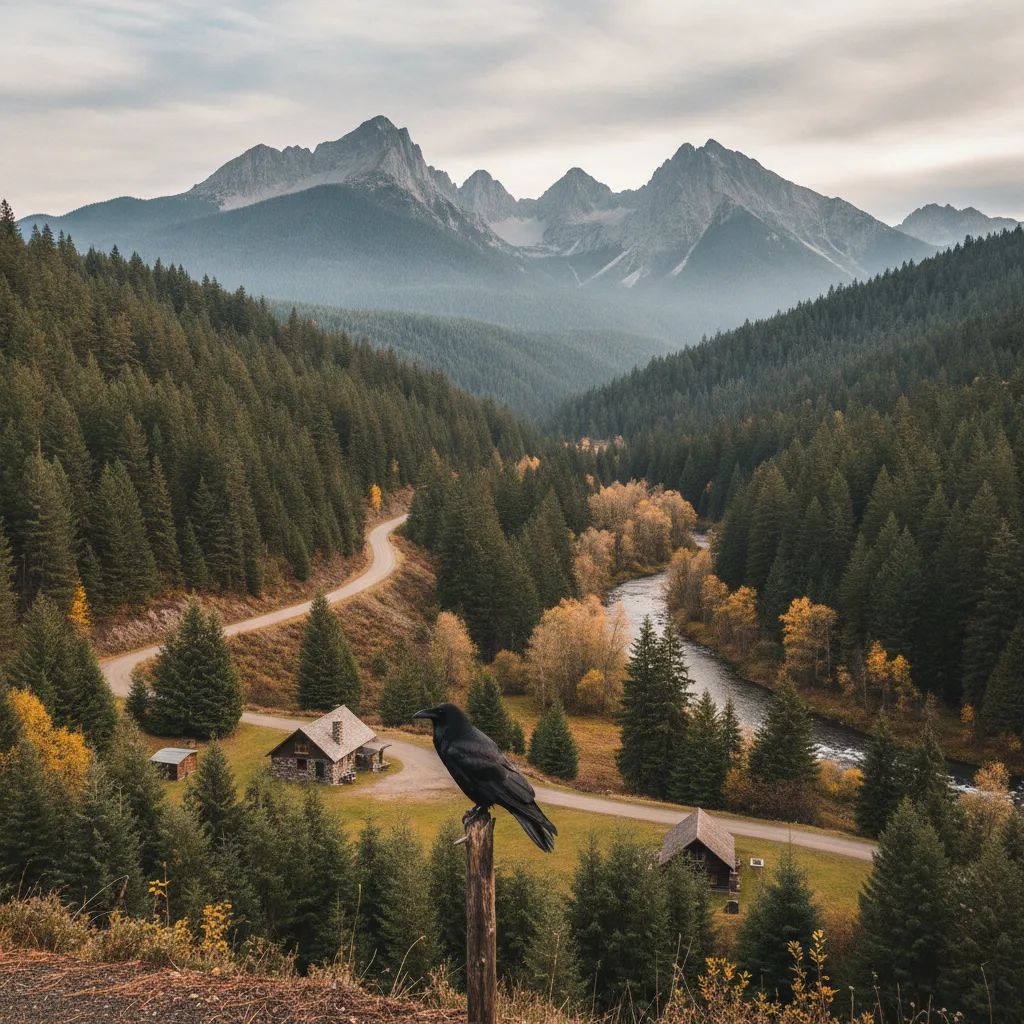
Wenatchee National Forest Travel Guide — Washington
Our Wenatchee National Forest guide covers practical planning for Wenatchee National Forest Washington — best time to visit, getting there, and what to do on the ground. We are the Roam States editorial team, and we're here to provide confident, specific, and actionable advice for your journey into this vast expanse of diverse landscapes.
Why Visit Wenatchee National Forest
Encompassing 3.8 million acres along the eastern slopes of the Cascade Range, the Wenatchee National Forest offers an unparalleled journey through Washington's wild heart. From arid shrub-steppe lands to towering alpine peaks, this forest provides a breathtaking backdrop for outdoor enthusiasts. We recommend a visit for its sheer diversity, offering extensive opportunities for hiking, camping, and wildlife viewing across its varied terrain. Elevations within the forest range dramatically, from below 1,000 feet to over 9,000 feet, creating a mosaic of ecosystems to explore. The forest extends from the Canadian border south to the Yakama Indian Reservation, ensuring a wide array of experiences for every traveler. Whether you seek serene lakes, challenging mountain trails, or the tranquility of old-growth forests, the Wenatchee National Forest delivers. It's a prime destination for those looking to immerse themselves in the natural beauty of the Pacific Northwest, providing a stark yet beautiful contrast to the lush western slopes of the Cascades.
Who It's Best For
The Wenatchee National Forest is ideally suited for a broad spectrum of visitors, from seasoned backpackers to families seeking accessible outdoor adventures. Its extensive network of trails caters to all skill levels, including 8 miles of barrier-free trails, making it an excellent choice for those with accessibility needs. We find it particularly appealing for hikers, mountain bikers, and equestrians, given the vast wilderness tracks available for exploration. Campers will appreciate the abundance of options, with over 150 campgrounds spread throughout the forest, ranging from developed sites to more primitive backcountry settings. Wildlife enthusiasts will find ample opportunities for viewing, while anglers can cast their lines in pristine rivers and alpine lakes. In winter, the forest transforms into a playground for snowshoeing and cross-country skiing. Families with children will discover numerous accessible trails and picnic areas, providing safe and engaging ways to connect with nature. Ultimately, anyone with a desire for expansive natural beauty and diverse recreational pursuits will find the Wenatchee National Forest to be an exceptional destination.
Getting There & Parking
Reaching the Wenatchee National Forest typically involves driving, as its vastness means access points are spread across central Washington. The primary gateway city is Wenatchee, home to the Okanogan-Wenatchee National Forest Supervisor's Office. Other key access points include towns like Leavenworth, Chelan, and Cle Elum, each serving different districts of the forest. For those flying in, Seattle-Tacoma International Airport (SEA) is the nearest major hub, from which you can rent a car and drive east over the Cascade Mountains. The drive itself is scenic, often traversing mountain passes that offer stunning views, though these passes can be subject to winter closures, so always check conditions before you go. For detailed route planning, we recommend consulting a USA Road Trip Planner.
Regarding parking, most developed recreation sites, trailheads, and day-use areas within the Wenatchee National Forest require a recreation pass to park. A National Forest Day Pass costs $5, while an Annual Northwest Forest Pass is available for $30. These passes are honored at all Forest Service-operated recreation sites in Washington and Oregon where a day-use fee is required. For frequent visitors to multiple federal lands, an Interagency Annual Pass ($80) is also accepted and covers entrance and standard amenity fees at Forest Service, National Park Service, and other federal sites nationwide. Digital payments are now widely accepted at many trailheads, day-use areas, and campgrounds across Washington's national forests via the Recreation.gov mobile app. When pre-purchasing a digital pass, we advise printing a copy to display clearly on your vehicle's dashboard. If purchasing onsite, having the Recreation.gov app downloaded prior to arrival is recommended. Always check the specific requirements for your chosen trailhead or recreation site, as some concessionaire-operated sites or overnight fees may not be covered by these passes. Parking at Sno-Parks in Washington requires a Washington State Sno-Park Permit between December and March.
Top Things to Do
The array of things to do at Wenatchee National Forest is truly immense, catering to every type of outdoor adventurer. Our team has identified several highlights that showcase the forest's diverse offerings.
- Hiking and Backpacking: With 1,285 miles of wilderness tracks and 8 miles of barrier-free trails, hiking is arguably the most popular activity. Popular options include the Boulder Trail, Echo Ridge, and the Icicle Gorge Loop. For a truly iconic experience, consider the Enchantments Area in the Alpine Lakes Wilderness, though permits are required for both day and overnight use and are highly sought after through an advanced and daily lottery system. The Lakeshore Trail on the Chelan Ranger District offers 17 miles of hiking along Lake Chelan and is often one of the first trails to become accessible in the spring.
- Camping: With 113 campgrounds listed on Recreation.gov, finding a place to pitch your tent or park your RV is easy. Options range from developed campgrounds with various amenities to more primitive backcountry sites. Popular campgrounds like American Forks Campground (starting at $15 per night) offer a base for exploration. Remember that for peak season visits, campground reservations typically open several months in advance, so booking early is crucial. Be prepared to bring your own water and pack out all garbage, especially in more remote areas like the Chelan Ranger District, where services may be limited.
- Wildlife Viewing: The diverse ecosystems of the Wenatchee National Forest support a rich array of wildlife. Keep an eye out for deer, elk, black bears, and a variety of bird species, particularly in riparian areas and higher elevations. Designated wildlife viewing areas and quiet trails offer the best chances for sightings.
- Water Activities: Lake Chelan, a prominent feature of the Chelan Ranger District, offers opportunities for boating, kayaking, and canoeing. Fishing is also a popular pastime in the forest's numerous lakes and rivers.
- Mountain Biking and Horseback Riding: Many trails are open to mountain bikers and equestrians, providing a different perspective on the forest's landscapes. Approximately 60 miles of trails in the Chelan Ranger District are open to all users, including motorized and bikers, with another 90 miles reserved for non-motorized use.
- Winter Sports: During the colder months, the forest transforms into a winter wonderland. Snowshoeing and cross-country skiing are popular ways to explore the snowy landscapes, particularly on trails accessible from Sno-Parks (which require a Washington State Sno-Park Permit between December and March).
- Scenic Drives and Overlooks: The Washington Pass Observation Site provides stunning panoramic views of Liberty Bell Mountain, Early Winters Spires, and Kangaroo Ridge. Driving through the forest offers continuous scenic beauty, especially along routes that traverse the Cascade Range.
These things to do at Wenatchee National Forest provide a comprehensive experience of its natural grandeur and recreational potential. We encourage visitors to check current conditions, especially fire danger ratings, which were high in several areas as of June 2026, leading to Stage 1 fire restrictions.
Best Time to Visit
The optimal time to visit Wenatchee National Forest largely depends on the activities you plan to pursue, as its diverse climate offers distinct seasonal experiences. Generally, the most popular time for hiking, camping, and general exploration is late spring through early fall (June to September). During these months, mountain passes are typically clear of snow, and most trails are accessible. The weather is usually warm and sunny, ideal for outdoor adventures.
However, it's important to note that fire season can impact summer travel. As of June 2026, several areas within the forest, including Methow, Chelan, Valley, and Upper Yakima, were experiencing high fire danger ratings, with Stage 1 fire restrictions in effect. We strongly advise checking the official Okanogan-Wenatchee National Forest website for current fire conditions and restrictions before your visit. Early summer (June) often presents wildflowers in bloom, while late summer and early fall (August-September) offer cooler temperatures and the vibrant colors of autumn foliage, particularly at higher elevations.
For winter sports enthusiasts, December through March is the prime season for snowshoeing and cross-country skiing. Remember that a Washington State Sno-Park Permit is required for parking at Sno-Parks during this period. Spring (April-May) can be a beautiful time to visit lower elevation areas as snow melts and rivers swell, but many higher elevation trails will still be snow-covered. Conversely, late fall (October-November) can bring unpredictable weather, with the possibility of early snowfalls at higher elevations and cooler, wetter conditions at lower altitudes. For the most comfortable and accessible experience for a wide range of activities, we recommend aiming for the summer months, while remaining vigilant about fire conditions and making necessary reservations well in advance.
Where to Stay Nearby
When planning your trip to Wenatchee National Forest lodging options abound, ranging from rustic campgrounds within the forest to comfortable hotels and vacation rentals in nearby towns. Our team recommends considering your preferred level of comfort and access to amenities when choosing your base.
Within the Forest: Camping and Cabins
For those seeking an immersive experience, camping directly within the Wenatchee National Forest is an excellent choice. The forest boasts over 150 campgrounds, with 113 listed on Recreation.gov, offering a variety of settings from developed sites with amenities to more primitive backcountry spots. Popular campgrounds like American Forks, Alpine Meadows, and Atkinson Flats offer nightly rates typically ranging from $15 to $22. Keep in mind that campground reservations, especially for peak season, often open several months in advance, and we advise booking as early as possible. Some areas, particularly in the Chelan Ranger District, may not have garbage or water services at campsites, requiring visitors to bring their own water and pack out all waste. Additionally, the forest offers unique overnight experiences in cabins or fire lookouts, such as American Ridge Lodge or American River Guard Station, which can be reserved for around $90-$100 per night. These often book up quickly due to their popularity.
Nearby Towns: Hotels and Vacation Rentals
For visitors preferring more traditional accommodations or easier access to dining and services, several charming towns border the Wenatchee National Forest. These towns provide a range of hotels, motels, and vacation rentals, offering comfortable Wenatchee National Forest lodging options:
- Leavenworth: This unique Bavarian-themed village is a popular choice, offering a wide array of hotels, restaurants, and shops. It provides convenient access to the Wenatchee River Ranger District and many popular hiking trails. Options like Icicle Village Resort and Bavarian Lodge are frequently recommended. You can learn more about this charming town by visiting our Leavenworth Bavarian Village guide.
- Wenatchee: As the largest city in the immediate vicinity and home to the Forest Supervisor's Office, Wenatchee offers a broader selection of chain hotels, dining, and shopping. It serves as a central hub for exploring different parts of the forest.
- Chelan: Located on the shores of Lake Chelan, this town is ideal for those interested in water activities and exploring the northern sections of the forest. It offers lakeside resorts and vacation rentals.
- Cle Elum/Roslyn: These towns provide access to the southern parts of the forest, particularly popular for those exploring the I-90 corridor and areas like the Alpine Lakes Wilderness.
When selecting your Wenatchee National Forest lodging, consider the specific areas of the forest you plan to visit to minimize travel time. We always recommend booking accommodations in advance, especially during peak season or for weekend trips, to ensure availability and the best rates.
Sample 2-Day Itinerary
To help you make the most of your visit to Wenatchee National Forest, our team has crafted a sample 2-day itinerary focusing on a blend of iconic hikes and scenic exploration. This itinerary assumes you're basing yourself in or near Leavenworth for convenient access to the Wenatchee River Ranger District.
Day 1: Alpine Lakes and Mountain Vistas
Morning (8:00 AM - 1:00 PM): Hiking the Icicle Gorge Loop
Start your day early with a hike on the Icicle Gorge Loop, located just outside Leavenworth. This moderate 4.5-mile loop trail offers stunning views of the Icicle Creek, lush forests, and glimpses of alpine peaks. It's a great introduction to the varied landscapes of the Wenatchee National Forest. The trail is well-maintained and provides a rewarding experience without being overly strenuous. Allow 2-3 hours for the hike, plus travel time to the trailhead. Remember to display your Northwest Forest Pass or Interagency Pass on your vehicle's dashboard.
Lunch (1:00 PM - 2:00 PM): Picnic by Icicle Creek
Pack a picnic lunch to enjoy at one of the scenic spots along Icicle Creek or at a nearby picnic area. Alternatively, head back into Leavenworth for a quick bite at one of the many cafes.
Afternoon (2:00 PM - 5:00 PM): Scenic Drive and Washington Pass Observation Site
Embark on a scenic drive along US-2 and then north on WA-20 (North Cascades Highway, typically open late spring to fall). Your destination is the Washington Pass Observation Site, which offers breathtaking panoramic views of Liberty Bell Mountain, Early Winters Spires, and Kangaroo Ridge. This drive showcases the dramatic transition from forest valleys to rugged alpine terrain. Allow ample time for stops at pullouts and photo opportunities. For more expansive views of this region, consider a trip to North Cascades National Park, which borders the Wenatchee National Forest to the north.
Evening: Dinner in Leavenworth
Return to Leavenworth for dinner. Enjoy the Bavarian village atmosphere and choose from a variety of restaurants offering German-inspired cuisine or other options. Consider an early night to prepare for another day of exploration.
Day 2: Lake Views and Forest Exploration
Morning (8:30 AM - 1:00 PM): Lake Chelan Lakeshore Trail or Boulder Cave
Choose your adventure based on your interests:
- Option A (Lake Chelan): Drive to Chelan (approximately an hour from Leavenworth) and explore a section of the Lakeshore Trail. This 17-mile trail offers beautiful views along the north shore of Lake Chelan. Even a shorter out-and-back hike provides a wonderful experience. Be aware that some sections of the northern lake are only accessible by ferry, private boat, or plane, or by hiking or horseback.
- Option B (Boulder Cave): Head south towards Naches (closer to the southern part of the forest) to visit Boulder Cave. This unique geological feature allows visitors to walk through a natural cave formed by an ancient lava flow. Timed tickets may be required, so check Recreation.gov in advance for reservations.
Lunch (1:00 PM - 2:00 PM): Local Fare
If you chose Lake Chelan, enjoy lunch in Chelan, perhaps with a view of the lake. If you visited Boulder Cave, pack a picnic or find a spot in a nearby town like Naches.
Afternoon (2:00 PM - 5:00 PM): Relaxed Exploration or Ranger District Visit
Spend your afternoon with a more relaxed activity. You could visit the Wenatchee River Ranger District office in Leavenworth (open Monday, Tuesday, Thursday, and Friday from 9 a.m. to 12 p.m. and 1 p.m. to 3:30 p.m., closed Wednesdays and federal holidays) for maps and local insights. Alternatively, explore some of the accessible viewpoints or short nature walks within the forest, or simply relax by a river or lake. For a different type of experience in Washington, you might consider visiting Mount Rainier National Park or Olympic National Park on another trip.
Evening: Departure or Extended Stay
Conclude your 2-day adventure in Wenatchee National Forest. If time allows, consider extending your stay to delve deeper into specific areas or enjoy more of the recreational opportunities. For more travel inspiration, explore our guide to Best Places in Washington.
Frequently Asked Questions About Wenatchee National Forest
Wenatchee National Forest camping
Wenatchee National Forest camping is a cornerstone of the visitor experience, with over 150 campgrounds offering diverse settings. Recreation.gov lists 113 specific campgrounds, providing options from developed sites with amenities to more primitive backcountry locations. Prices for developed campgrounds like American Forks typically start around $15 per night, while others like Alpine Meadows Campground are around $22 per night. We strongly recommend making reservations several months in advance, especially for popular campgrounds and during peak season, as they can fill up quickly. For those seeking a more rustic experience, some areas, particularly within the Chelan Ranger District, may lack garbage and water services, requiring campers to be self-sufficient and practice Leave No Trace principles. Unique overnight options like cabins and fire lookouts are also available for reservation, though they are highly sought after. Always check current fire restrictions before planning any campfire activities, as Stage 1 fire restrictions were in effect in June 2026.
things to do in Central Washington
Beyond the extensive offerings of the Wenatchee National Forest, Central Washington presents a wealth of other things to do in Central Washington. The region is renowned for its outdoor recreation, including world-class rock climbing in areas like Leavenworth, and numerous opportunities for fishing and boating on the Columbia River and various lakes. Wine enthusiasts can explore the burgeoning wine regions around Wenatchee and Chelan, with numerous vineyards and tasting rooms. For a unique cultural experience, the Bavarian village of Leavenworth offers year-round festivals and charming shops. History buffs can delve into the area's pioneer and Native American heritage at local museums. In winter, skiing and snowboarding are popular at resorts like Mission Ridge. The region's diverse landscapes also make it ideal for scenic drives, photography, and simply enjoying the vast open spaces. For more regional insights, consider visiting the State of Washington Tourism website for official information: stateofwatourism.com.
Wenatchee National Forest with kids
Visiting Wenatchee National Forest with kids is a fantastic way to introduce them to the outdoors, thanks to its family-friendly amenities and activities. The forest features 8 miles of barrier-free trails, which are perfect for strollers or young children, allowing easy access to nature. Many campgrounds offer developed facilities, including picnic areas and restrooms, making camping with children more comfortable. We recommend trails like the Icicle Gorge Loop (a moderate 4.5-mile loop) or shorter nature walks around Lake Wenatchee for engaging yet manageable hikes. Boulder Cave offers a unique and exciting exploration opportunity for curious young minds, though timed tickets may be required. Wildlife viewing is always a thrill for kids, so encourage them to keep an eye out for deer, birds, and other forest creatures. Remember to pack plenty of snacks, water, and layers of clothing, and always check for current conditions and any advisories before heading out. The key to a successful family trip is planning age-appropriate activities and maintaining flexibility.
best hotels near Wenatchee National Forest
For those seeking the best hotels near Wenatchee National Forest, we recommend focusing on the charming towns that serve as gateways to the forest. Leavenworth stands out with its Bavarian theme and a variety of lodging options, including the highly-rated Icicle Village Resort and Bavarian Lodge. These offer amenities like pools and dining, providing a comfortable retreat after a day of exploration. In the city of Wenatchee, you'll find a broader selection of national chain hotels, which often provide consistent quality and a range of price points. Chelan, situated on the scenic Lake Chelan, offers lakeside resorts and vacation rentals that are perfect for water-centric activities and exploring the northern parts of the forest. For access to the southern forest areas, Cle Elum and Roslyn offer smaller, more boutique lodging experiences. When considering the best hotels near Wenatchee National Forest, we advise booking well in advance, especially during peak seasons and weekends, to secure your preferred accommodation.
Wenatchee National Forest tips
To ensure a smooth and enjoyable visit, here are our top Wenatchee National Forest tips. First, always check current conditions before you go, especially for road closures, trail status, and critical fire danger ratings, which were high in June 2026, leading to Stage 1 fire restrictions. Second, recreation passes are often required for parking at trailheads and day-use sites; consider purchasing an Annual Northwest Forest Pass or an Interagency Pass, and be prepared for digital payments via the Recreation.gov app. Third, make reservations for campgrounds or popular permits (like the Enchantments Area) well in advance, as availability can be limited. Fourth, pack layers of clothing, as weather can change rapidly, especially at higher elevations. Bring plenty of water, as some campsites and trailheads may not have potable water available. Fifth, practice Leave No Trace principles by packing out everything you pack in and staying on marked trails. Finally, download maps or bring physical maps, as cell service can be spotty or nonexistent in many parts of the vast forest. For additional planning resources, the National Park Service website at nps.gov/findapark/index.htm offers a useful tool for finding federal lands.
where to stay near Wenatchee National Forest
Deciding where to stay near Wenatchee National Forest involves weighing convenience against desired amenities. For direct access to trails and an immersive natural experience, camping within the forest is unparalleled, with over 100 campgrounds available for reservation through Recreation.gov. If you prefer a roof over your head and modern comforts, the charming town of Leavenworth is a popular choice, offering a variety of hotels, vacation rentals, and dining options just a short drive from many forest entrances. Wenatchee, the largest nearby city, provides a broader selection of hotels and services, serving as a central hub for exploring different districts. Chelan is ideal for those focused on lake activities and the northern reaches of the forest, with numerous lakeside accommodations. For a quieter, more rustic experience, consider towns like Cle Elum or Roslyn. Our team recommends assessing your planned activities and the specific areas of the forest you intend to explore when choosing where to stay near Wenatchee National Forest to minimize travel time and maximize your enjoyment.
Our team at Roam States confidently recommends the Wenatchee National Forest Washington as a premier destination for anyone seeking a true escape into the diverse and majestic landscapes of the Pacific Northwest. Its vastness ensures that whether you're a seasoned adventurer or a family looking for accessible outdoor fun, you'll find an experience tailored to your desires. From alpine grandeur to serene forest paths, the opportunities for connection with nature are boundless. Plan ahead, respect the environment, and prepare for an unforgettable journey.
Last updated: 2026-07-13 by the Roam States team.
Wenatchee National Forest Travel Guide — Washington
Our Wenatchee National Forest guide covers practical planning for Wenatchee National Forest Washington — best time to visit, getting there, and what to do on the ground. We are the Roam States editorial team, and we're here to provide confident, specific, and actionable advice for your journey into this vast expanse of diverse landscapes.
Why Visit Wenatchee National Forest
Encompassing 3.8 million acres along the eastern slopes of the Cascade Range, the Wenatchee National Forest offers an unparalleled journey through Washington's wild heart. From arid shrub-steppe lands to towering alpine peaks, this forest provides a breathtaking backdrop for outdoor enthusiasts. We recommend a visit for its sheer diversity, offering extensive opportunities for hiking, camping, and wildlife viewing across its varied terrain. Elevations within the forest range dramatically, from below 1,000 feet to over 9,000 feet, creating a mosaic of ecosystems to explore. The forest extends from the Canadian border south to the Yakama Indian Reservation, ensuring a wide array of experiences for every traveler. Whether you seek serene lakes, challenging mountain trails, or the tranquility of old-growth forests, the Wenatchee National Forest delivers. It's a prime destination for those looking to immerse themselves in the natural beauty of the Pacific Northwest, providing a stark yet beautiful contrast to the lush western slopes of the Cascades.
Who It's Best For
The Wenatchee National Forest is ideally suited for a broad spectrum of visitors, from seasoned backpackers to families seeking accessible outdoor adventures. Its extensive network of trails caters to all skill levels, including 8 miles of barrier-free trails, making it an excellent choice for those with accessibility needs. We find it particularly appealing for hikers, mountain bikers, and equestrians, given the vast wilderness tracks available for exploration. Campers will appreciate the abundance of options, with over 150 campgrounds spread throughout the forest, ranging from developed sites to more primitive backcountry settings. Wildlife enthusiasts will find ample opportunities for viewing, while anglers can cast their lines in pristine rivers and alpine lakes. In winter, the forest transforms into a playground for snowshoeing and cross-country skiing. Families with children will discover numerous accessible trails and picnic areas, providing safe and engaging ways to connect with nature. Ultimately, anyone with a desire for expansive natural beauty and diverse recreational pursuits will find the Wenatchee National Forest to be an exceptional destination.
Getting There & Parking
Reaching the Wenatchee National Forest typically involves driving, as its vastness means access points are spread across central Washington. The primary gateway city is Wenatchee, home to the Okanogan-Wenatchee National Forest Supervisor's Office. Other key access points include towns like Leavenworth, Chelan, and Cle Elum, each serving different districts of the forest. For those flying in, Seattle-Tacoma International Airport (SEA) is the nearest major hub, from which you can rent a car and drive east over the Cascade Mountains. The drive itself is scenic, often traversing mountain passes that offer stunning views, though these passes can be subject to winter closures, so always check conditions before you go. For detailed route planning, we recommend consulting a USA Road Trip Planner.
Regarding parking, most developed recreation sites, trailheads, and day-use areas within the Wenatchee National Forest require a recreation pass to park. A National Forest Day Pass costs $5, while an Annual Northwest Forest Pass is available for $30. These passes are honored at all Forest Service-operated recreation sites in Washington and Oregon where a day-use fee is required. For frequent visitors to multiple federal lands, an Interagency Annual Pass ($80) is also accepted and covers entrance and standard amenity fees at Forest Service, National Park Service, and other federal sites nationwide. Digital payments are now widely accepted at many trailheads, day-use areas, and campgrounds across Washington's national forests via the Recreation.gov mobile app [cite: 1
Wenatchee National Forest Travel Guide — Washington
Our Wenatchee National Forest guide covers practical planning for Wenatchee National Forest Washington — best time to visit, getting there, and what to do on the ground. We are the Roam States editorial team, and we're here to provide confident, specific, and actionable advice for your journey into this vast expanse of diverse landscapes.
Why Visit Wenatchee National Forest
Encompassing 3.8 million acres along the eastern slopes of the Cascade Range, the Wenatchee National Forest offers an unparalleled journey through Washington's wild heart. From arid shrub-steppe lands to towering alpine peaks, this forest provides a breathtaking backdrop for outdoor enthusiasts. We recommend a visit for its sheer diversity, offering extensive opportunities for hiking, camping, and wildlife viewing across its varied terrain. Elevations within the forest range dramatically, from below 1,000 feet to over 9,000 feet, creating a mosaic of ecosystems to explore. The forest extends from the Canadian border south to the Yakama Indian Reservation, ensuring a wide array of experiences for every traveler. Whether you seek serene lakes, challenging mountain trails, or the tranquility of old-growth forests, the Wenatchee National Forest delivers. It's a prime destination for those looking to immerse themselves in the natural beauty of the Pacific Northwest, providing a stark yet beautiful contrast to the lush western slopes of the Cascades.
Who It's Best For
The Wenatchee National Forest is ideally suited for a broad spectrum of visitors, from seasoned backpackers to families seeking accessible outdoor adventures. Its extensive network of trails caters to all skill levels, including 8 miles of barrier-free trails, making it an excellent choice for those with accessibility needs. We find it particularly appealing for hikers, mountain bikers, and equestrians, given the vast wilderness tracks available for exploration. Campers will appreciate the abundance of options, with over 150 campgrounds spread throughout the forest, ranging from developed sites to more primitive backcountry settings [cite: 8, 9]. Wildlife enthusiasts will find ample opportunities for viewing, while anglers can cast their lines in pristine rivers and alpine lakes. In winter, the forest transforms into a playground for snowshoeing and cross-country skiing. Families with children will discover numerous accessible trails and picnic areas, providing safe and engaging ways to connect with nature. Ultimately, anyone with a desire for expansive natural beauty and diverse recreational pursuits will find the Wenatchee National Forest to be an exceptional destination.
Getting There & Parking
Reaching the Wenatchee National Forest typically involves driving, as its vastness means access points are spread across central Washington. The primary gateway city is Wenatchee, home to the Okanogan-Wenatchee National Forest Supervisor's Office. Other key access points include towns like Leavenworth, Chelan, and Cle Elum, each serving different districts of the forest. For those flying in, Seattle-Tacoma International Airport (SEA) is the nearest major hub, from which you can rent a car and drive east over the Cascade Mountains. The drive itself is scenic, often traversing mountain passes that offer stunning views, though these passes can be subject to winter closures, so always check conditions before you go. For detailed route planning, we recommend consulting a USA Road Trip Planner.
Regarding parking, most developed recreation sites, trailheads, and day-use areas within the Wenatchee National Forest require a recreation pass to park. A National Forest Day Pass costs $5, while an Annual Northwest Forest Pass is available for $30 [cite: 4, 7]. These passes are honored at all Forest Service-operated recreation sites in Washington and Oregon where a day-use fee is required [cite: 4, 6]. For frequent visitors to multiple federal lands, an Interagency Annual Pass ($80) is also accepted and covers entrance and standard amenity fees at Forest Service, National Park Service, and other federal sites nationwide. Digital payments are now widely accepted at many trailheads, day-use areas, and campgrounds across Washington's national forests via the Recreation.gov mobile app [cite: 1