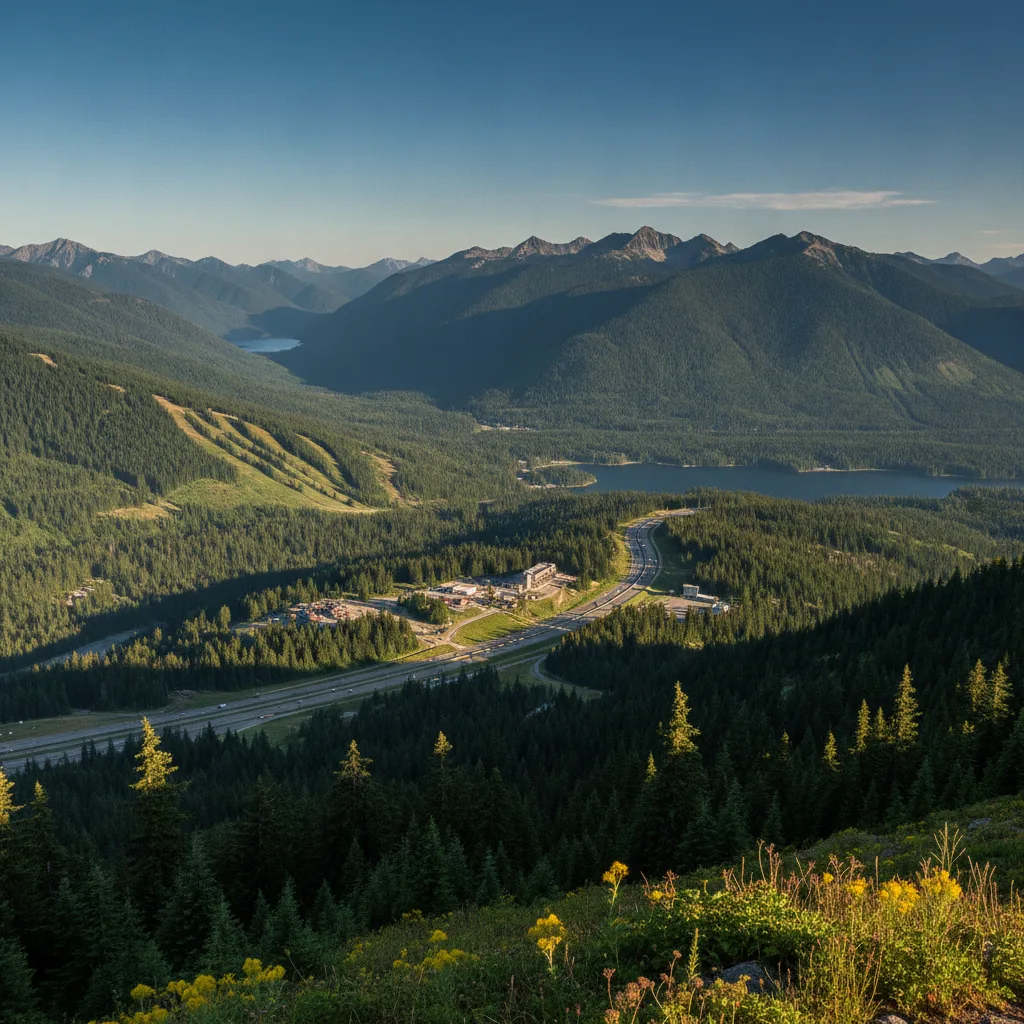
Our Snoqualmie Pass guide covers practical planning for Snoqualmie Pass Washington — best time to visit, getting there, and what to do on the ground.
As the independent US travel authority, our team at Roam States has compiled this comprehensive guide to Snoqualmie Pass Washington, a breathtaking mountain pass through the Cascade Range that serves as a premier destination for outdoor enthusiasts. Whether you're seeking the thrill of winter sports or the serenity of summer hikes, Snoqualmie Pass offers stunning alpine scenery and a wealth of activities for every season. We're here to cut through the generic fluff and provide you with confident, specific insights to plan your journey to this iconic Pacific Northwest gem.
Why Visit Snoqualmie Pass
Snoqualmie Pass stands out as a top-tier destination for those looking to immerse themselves in the natural beauty and exhilarating recreation of the Cascade Mountains. It's a place where the landscape transforms dramatically with the seasons, offering distinct experiences that cater to a wide range of interests. If you're wondering if Snoqualmie Pass is worth visiting, our unequivocal answer is yes, absolutely. The sheer accessibility of such diverse outdoor activities, combined with its proximity to major urban centers like Seattle, makes it an unparalleled escape.
From the moment you arrive, the crisp mountain air and panoramic views signal a true departure from the everyday. In winter, the pass is blanketed in snow, transforming into a playground for skiers, snowboarders, and snowshoers. Come summer, the snow melts away to reveal an intricate network of hiking and mountain biking trails, surrounded by lush forests and pristine alpine lakes. This constant evolution of the landscape ensures that Snoqualmie Pass is worth visiting year-round, always offering something new to discover.
Beyond the adrenaline-pumping activities, Snoqualmie Pass also offers opportunities for peaceful contemplation amidst nature. Scenic drives, interpretive trails, and serene picnic spots allow visitors to simply relax and soak in the majestic surroundings. It's a place where you can reconnect with nature, challenge yourself physically, or simply enjoy quality time with family and friends in a truly spectacular setting.
Who It's Best For
Snoqualmie Pass caters to a remarkably diverse audience, making it an ideal destination for many types of travelers. Our team finds it particularly well-suited for:
- Outdoor Adventurers: With an abundance of trails for hiking, mountain biking, and snowshoeing, plus extensive ski slopes, those who thrive on active pursuits will find endless opportunities. The Summit at Snoqualmie offers varied slopes for skiing and snowboarding, alongside tubing and ice-skating in winter.
- Families: Many activities are family-friendly, from easy interpretive walks like Gold Creek Pond in summer to designated tubing areas and snow play zones in winter. The Mount Baker-Snoqualmie National Forest also hosts a Snoqualmie Pass Snowshoe Program with "Kids in Snow Snowshoe Walk" options.
- Nature Enthusiasts: The stunning alpine scenery, old-growth forests, and abundant wildlife provide a perfect backdrop for photographers, birdwatchers, and anyone seeking to immerse themselves in the beauty of the Cascade Mountains.
- Weekend Getaway Seekers: Its convenient location, less than an hour from Seattle via I-90, makes it an excellent choice for a quick escape from city life, offering a complete change of pace.
- Winter Sports Fanatics: The Summit at Snoqualmie is a major draw, offering extensive terrain for skiing, snowboarding, and night skiing. Tubing sessions are also a popular choice but require advance online reservations.
Whether you're a seasoned mountaineer or simply looking for a scenic drive and a breath of fresh air, Snoqualmie Pass has something to offer, ensuring a memorable experience for nearly everyone.
Getting There & Parking
Navigating to Snoqualmie Pass is straightforward, as it sits directly on Interstate 90, a major east-west artery through Washington State. This ease of access is a significant part of its appeal. For those traveling from Seattle, the drive typically takes less than an hour, making it a convenient day trip or weekend escape.
How to Get There
- By Car: The primary way to get to Snoqualmie Pass is by car via I-90. From Seattle, head east on I-90. From Eastern Washington, head west on I-90. Be aware that during winter months, traction tires or chains may be required, and road conditions can change rapidly. We always recommend checking the Washington State Department of Transportation (WSDOT) website for current pass conditions before you depart.
- Public Transportation: While limited, some private shuttle services or tour operators may offer transportation from Seattle, especially during peak ski season or for organized hiking trips. However, for maximum flexibility, personal vehicle travel is generally preferred.
Parking
Parking at Snoqualmie Pass requires careful planning, especially during peak seasons. Our team has gathered the latest 2026 information:
- The Summit at Snoqualmie (Winter 2025-2026): Paid parking is required on weekends and holidays from November 29 through March 29, 2026, and also from December 26, 2025, to January 2, 2026, January 19, 2026 (MLK Day), and February 16, 2026 (Presidents Day), between 7 AM and 3 PM.
- Parking in Summit West, Central, and East lots costs $15 per vehicle.
- Parking in Alpental lots costs $25 per vehicle.
- Carpools of three or more people can park for free in designated lots at Summit West, Central, East, and Alpental, on a first-come, first-served basis until the lot fills or 10 AM.
- Summit at Snoqualmie passholders (lift access & Nordic) receive free parking throughout the season.
- Overnight parking is available by reservation only at Lot C3 (Central) and Lot 3 (Alpental).
- Gold Creek Pond (Winter): The Gold Creek Pond Sno-Park requires a Sno-Park permit, which must be purchased in advance, printed, and displayed. Parking fills quickly on weekends. The Forest Road 142, which accesses the Gold Creek Pond trailhead, is not plowed in winter. Visitors must park along Forest Road 4832 (where a Sno-Park permit is required) and walk approximately 0.3 miles to the turnoff for the parking area. As of January 2026, the road to Franklin Falls is closed near the freeway, adding about a 5-mile round trip road walk to the trailhead.
- Franklin Falls Trailhead (Winter 2026): The Franklin Falls Sno-Park will not operate this winter, and the Denny Creek Road (Forest Service Road 58) will be closed to motorized traffic. The Denny Creek Road and parking lot at Franklin Falls will not be plowed. Access is via Asahel Curtis Sno-Park (which will be operating and requires a Sno-Park permit), making the hike approximately 7 miles.
- Discover Pass Areas: For many trailheads and recreation sites within Washington State Parks, Department of Natural Resources (DNR), and Department of Fish and Wildlife (WDFW) lands, a Discover Pass is required for vehicle access. As of October 1, 2025, an annual Discover Pass costs $45, and a one-day pass costs $10. Free days are offered throughout the year when no pass is required for day use, but these do not apply to Sno-Parks.
Always check specific trailhead requirements, as permits and fees can vary. Arriving early, especially on weekends and holidays, is highly recommended to secure parking.
Top Things to Do
Snoqualmie Pass is a year-round destination, offering a dynamic range of activities that change with the seasons. Our team has curated the best things to do at Snoqualmie Pass, ensuring you make the most of your visit to this hub of outdoor adventure in the Cascade Mountains.
Winter Activities (November - April)
- Skiing & Snowboarding at The Summit at Snoqualmie: This is the premier winter attraction, boasting varied slopes across four interconnected base areas: Summit West, Summit Central, Summit East, and Alpental. The Summit at Snoqualmie offers extensive terrain for all skill levels, from beginner runs to challenging expert slopes. It also proudly features the most night skiing terrain in the U.S. Lift tickets for Winter 2026-27 will go on sale later in 2026, and purchasing online in advance is highly recommended to ensure availability and potentially better pricing.
- Snow Tubing: For a classic winter thrill without the need for skis or snowboards, the Summit Tubing Park is a fantastic option for families and groups. Sessions must be reserved online in advance, as tickets are not sold on-site. The Tubing Center opened for the season on January 1, 2026.
- Snowshoeing: Explore the serene winter landscape on snowshoes. Popular trails include those around Gold Creek Pond and the Asahel Curtis Sno-Park. The Mount Baker-Snoqualmie National Forest hosts a Snoqualmie Pass Snowshoe Program, offering guided walks like the "Grand Discovery Snowshoe Walk" and "Kids in Snow Snowshoe Walk." A suggested donation of $20 for adults and $10 for youth 16 and under is requested for these programs.
- Sledding & Snow Play: Gold Creek Pond is a popular spot for unstructured sledding and snow play, offering wide-open spaces. Remember, a Sno-Park permit is required for parking.
- Cross-Country Skiing: The Summit at Snoqualmie offers 50km of Nordic skiing trails, providing a different way to experience the winter scenery.
Summer Activities (May - October)
When the snow melts, a whole new world of things to do at Snoqualmie Pass emerges, transforming the area into a hiker's and biker's paradise.
- Hiking: The region is crisscrossed with trails for all abilities.
- Franklin Falls Trail: A favorite for families, this easy 2-mile roundtrip trail follows the South Fork of the Snoqualmie River to a beautiful waterfall. As of early July 2026, trail conditions are excellent, though parking lots fill quickly.
- Gold Creek Pond Interpretive Trail: A barrier-free, paved 1-mile loop around a scenic pond, perfect for an easy stroll or for those with accessibility needs.
- Annette Lake Trail: A more challenging hike offering stunning alpine lake views.
- Palouse to Cascades State Park Trail (PCSPT): This multi-use trail offers scenic biking and hiking opportunities through the Central Cascades.
- Mountain Biking: The Summit Bike Park features over 11 miles of trails, ranging from flowing forest paths to technical downhill descents, all with lift-served access from the Silver Fir Express chairlift. The Bike Park is open Thursdays-Sundays and holidays, with a targeted opening date of June 5th and projected closing date of September 27, 2026. Other popular mountain biking trails in Snoqualmie Pass include the Palouse to Cascades State Park Trail and Annette Lake Trail.
- Scenic Chairlift Rides: Take a ride on the Summit West scenic chairlift for panoramic mountain views of the Central Cascades. These rides are scheduled to open at 10:30 AM on operating days.
- Disc Golf: Play an 18-hole disc golf course set amidst the mountain scenery at The Summit.
- Kayaking, Canoeing & Fishing: The nearby Keechelus Lake and Snoqualmie River offer opportunities for water-based recreation during warmer months.
Year-Round Attractions & Nearby Destinations
- Northwest Railway Museum: Located in nearby Snoqualmie, this museum offers a glimpse into the region's railroad history and includes scenic train rides on the Snoqualmie Valley Railroad.
- Snoqualmie Falls: A dramatic 270-foot waterfall just a short drive from the pass, offering stunning views and a popular picnic spot. We feature a dedicated guide to Snoqualmie Falls for more detailed planning.
- Explore the Cascade Mountains: Snoqualmie Pass is a gateway to the broader Mount Baker-Snoqualmie National Forest and offers easy access to other incredible Best places in Washington. Consider extending your trip to explore destinations like North Cascades National Park or the Bavarian-themed town of Leavenworth Bavarian Village, often included in day trips from Seattle that pass through Snoqualmie.
Best Time to Visit
The "best" time to visit Snoqualmie Pass Washington truly depends on your preferred activities, as the pass offers distinct experiences across its four seasons.
- Winter (December - April): This is prime time for snow sports. The Summit at Snoqualmie typically opens for skiing and snowboarding around late November, with the 2025/26 ski season projected to start from December 26, 2025. January is generally the coldest month, with average highs around 32°F and lows around 20°F, and significant snowfall. If your goal is skiing, snowboarding, tubing, or snowshoeing, then winter is undoubtedly the best time. Be prepared for cold temperatures, heavy snow, and potential road closures or chain requirements on I-90.
- Spring (May - June): A transitional period where snow begins to melt at lower elevations, revealing hiking trails. Higher elevation trails may still be snow-covered. This can be a beautiful time to visit for waterfall viewing (like Franklin Falls, which has excellent conditions in early July 2026 after snowmelt) and early-season hiking, but be prepared for variable weather. Average precipitation decreases significantly from winter.
- Summer (July - September): For hiking, mountain biking, and enjoying alpine lakes, summer is ideal. July and August are typically the warmest and driest months, with average highs in July ranging from 65° to 82°F and lows between 45° and 55°F. September also offers pleasant weather with average highs between 53° and 69°F. The Summit Bike Park typically opens around June 5th and closes around September 27th. This is the busiest time for hiking, so arrive early for popular trailheads.
- Fall (October - November): Witness the vibrant fall foliage as the leaves change color. This season offers cooler temperatures, fewer crowds than summer, and excellent hiking opportunities before the snow returns. Precipitation begins to increase in October and November. Some early-season snow may occur at higher elevations towards late fall.
Our team recommends checking current weather forecasts and road conditions (especially WSDOT for I-90) regardless of the season, as mountain weather can be unpredictable.
Where to Stay Nearby
When planning your trip to Snoqualmie Pass, finding the right Snoqualmie Pass lodging is key to a comfortable and convenient experience. While the immediate pass area has limited options, nearby towns and the pass itself offer a range of accommodations, from cozy cabins to resort-style stays. Our team recommends considering these options for Snoqualmie Pass lodging:
On Snoqualmie Pass
- Summit Inn: Located directly on Snoqualmie Pass, the Summit Inn is a popular choice for its proximity to the ski slopes and hiking trails. It offers a convenient base for outdoor adventures, with rooms often featuring scenic views of the Cascade Mountain range.
- Vacation Rentals & Cabins: Numerous cabins and vacation rentals are available directly on Snoqualmie Pass, particularly in areas like Hyak. These often provide a more secluded and spacious experience, ideal for families or groups. Options include properties with amenities like hot tubs and ski-in/ski-out access. Examples include Snowdrop Summit Cabin, Cascadia Clouds Chalet, and Mountain View Getaway.
Nearby Towns
Expanding your search slightly to nearby towns can open up more lodging choices, often with additional amenities and dining options. These locations still provide relatively easy access to Snoqualmie Pass.
- Cle Elum: Located east of the pass (approximately 20-30 minutes drive), Cle Elum offers a wider selection of hotels and lodges. Options include Best Western Snowcap Lodge, Suncadia Resort, and Quality Inn Cle Elum-Ellensburg. Suncadia Resort, a Destination by Hyatt Residence, is a particularly upscale option with extensive amenities.
- North Bend: Situated west of the pass (approximately 20-30 minutes drive), North Bend provides convenient access and a charming small-town atmosphere. While direct hotel listings for North Bend were less prominent in our search results, it's a good area to look for vacation rentals or smaller inns. The Edgewick Inn is an option near Snoqualmie Pass in North Bend.
- Easton: A smaller community east of the pass, Easton offers some more rustic or cabin-style accommodations, such as Silver Ridge Ranch.
When booking, especially during peak winter or summer weekends, we strongly advise making reservations well in advance. Consider factors like proximity to specific activities, desired amenities (e.g., kitchen, hot tub), and whether you prefer a hotel, cabin, or resort experience. Websites like Travelocity, Expedia, and Booking.com list various options for Snoqualmie Pass lodging.
Sample 2-Day Itinerary
Our team has crafted a sample 2-day itinerary for Snoqualmie Pass Washington, designed to give you a taste of the diverse activities available, whether you're visiting in winter or summer. This itinerary balances adventure with relaxation, ensuring a memorable trip.
Winter Itinerary
Day 1: Skiing, Snowboarding & Tubing Fun
- Morning (9:00 AM - 1:00 PM): Hit the slopes at The Summit at Snoqualmie. Purchase your lift tickets online in advance to secure your spot and potentially save money. Focus on Summit Central or Summit West for a variety of runs.
- Lunch (1:00 PM - 2:00 PM): Grab a casual lunch at one of the lodges at The Summit.
- Afternoon (2:00 PM - 4:00 PM): Experience snow tubing at the Summit Tubing Park. Remember to book your session online ahead of time.
- Late Afternoon/Evening: Check into your Snoqualmie Pass lodging, perhaps at the Summit Inn. Enjoy dinner at a local eatery or prepare a meal if you have a cabin rental.
Day 2: Snowshoeing & Scenic Views
- Morning (9:30 AM - 12:30 PM): Embark on a snowshoeing adventure. We recommend the Gold Creek Pond area for its relatively flat terrain and beautiful scenery (remember your Sno-Park permit). Alternatively, consider joining a guided snowshoe walk offered by the Mount Baker-Snoqualmie National Forest.
- Lunch (12:30 PM - 1:30 PM): Enjoy a packed lunch on the trail or head to a cafe in nearby North Bend.
- Afternoon (1:30 PM - 4:00 PM): Take a scenic drive along I-90 and explore the immediate pass area. If conditions allow, stop for photos at various viewpoints. Consider a visit to Snoqualmie Falls on your way back towards Seattle for a dramatic natural spectacle.
- Evening: Depart from Snoqualmie Pass, or enjoy a final dinner in the area.
Summer Itinerary
Day 1: Hiking & Alpine Scenery
- Morning (9:00 AM - 1:00 PM): Start your day with a hike to Franklin Falls. Arrive early to secure parking, especially on weekends. The trail is well-maintained and offers a rewarding waterfall view.
- Lunch (1:00 PM - 2:00 PM): Enjoy a picnic lunch near the falls or at the Gold Creek Pond Interpretive Site.
- Afternoon (2:00 PM - 4:00 PM): Take a leisurely stroll around the Gold Creek Pond Interpretive Trail, a paved, accessible loop perfect for all ages.
- Late Afternoon/Evening: Check into your Snoqualmie Pass lodging. Enjoy dinner at a casual restaurant or cook at your rental.
Day 2: Mountain Biking & Panoramic Views
- Morning (9:00 AM - 1:00 PM): Hit the trails at The Summit Bike Park. With over 11 miles of lift-served trails, it offers options for various skill levels. Purchase your bike park pass or full-day ticket online.
- Lunch (1:00 PM - 2:00 PM): Dine at the base of The Summit or enjoy a packed lunch.
- Afternoon (2:00 PM - 4:00 PM): For a more relaxed afternoon, take a scenic chairlift ride at Summit West for breathtaking views of the Central Cascades. Alternatively, play a round of disc golf.
- Evening: Depart from Snoqualmie Pass, perhaps stopping at Chihuly Garden and Glass or Bloedel Reserve if heading towards Seattle, or Deception Pass State Park if exploring further north.
This itinerary is flexible; feel free to adjust activities based on your interests, fitness level, and the latest conditions. Always check trail reports and facility hours before heading out.
Expert Verdict: Why Snoqualmie Pass Delivers
Our team at Roam States confidently asserts that Snoqualmie Pass is far more than just a mountain pass; it's a vibrant, accessible hub for year-round outdoor adventure that truly embodies the spirit of the Pacific Northwest. We've seen countless destinations, and what sets Snoqualmie Pass Washington apart is its unique combination of dramatic alpine scenery, diverse recreational opportunities, and remarkable proximity to urban centers. Whether you're carving fresh powder in winter, conquering a challenging mountain bike trail in summer, or simply soaking in the views, the pass consistently delivers on its promise of an authentic outdoor experience.
We appreciate that Snoqualmie Pass avoids the over-commercialized feel of some larger resorts, maintaining a focus on the natural environment and the activities it supports. The commitment to managing visitor flow, such as the structured parking and reservation systems for peak times, reflects a thoughtful approach to preserving the quality of the experience for everyone. This isn't generic OTA fluff; it's a genuine recommendation from a team that values specific, confident, and accurate travel advice. We encourage every traveler to include Snoqualmie Pass in their Plan Your US Trip, perhaps as part of a larger USA Road Trip Planner through Washington State.
FAQ Longtails
Snoqualmie Pass with kids
Snoqualmie Pass is an excellent destination for families with kids, offering a variety of age-appropriate activities. In winter, the Summit Tubing Park is a guaranteed hit, though you must book sessions online in advance. Gold Creek Pond is another popular spot for unstructured sledding and snow play, requiring a Sno-Park permit. The Mount Baker-Snoqualmie National Forest also offers a "Kids in Snow Snowshoe Walk" program, designed for older preschool/early elementary age children. In summer, easy hikes like the Franklin Falls Trail (2 miles roundtrip) and the paved Gold Creek Pond Interpretive Trail (1-mile loop) are perfect for little legs. Scenic chairlift rides also offer a fun and easy way to experience mountain views. Always check conditions and plan for weather changes when traveling with children.
Best hotels near Snoqualmie Pass
For the best hotels near Snoqualmie Pass, we recommend considering options both directly on the pass and in nearby towns. On Snoqualmie Pass itself, the Summit Inn is a highly convenient choice, located minutes from ski slopes and hiking trails. Many vacation rentals and cabins are also available directly on the pass, offering amenities like hot tubs and ski-in/ski-out access. Just a short drive away in Cle Elum, you'll find more traditional hotel options such as Best Western Snowcap Lodge, Quality Inn Cle Elum-Ellensburg, and the more upscale Suncadia Resort, a Destination by Hyatt Residence. For a wider selection, consider looking at North Bend, west of the pass. Always book Snoqualmie Pass lodging well in advance, especially during peak seasons.
Snoqualmie Pass tips
Our top Snoqualmie Pass tips for a smooth trip include: 1) **Plan Ahead:** Always check road conditions (WSDOT for I-90) and weather forecasts before you go, as mountain conditions can change rapidly. 2) **Book in Advance:** For popular winter activities like skiing, snowboarding lift tickets, and tubing, online reservations are often mandatory and highly recommended to ensure availability and better pricing. 3) **Permits & Passes:** Be aware of required permits, such as the Discover Pass for many state recreation lands ($45 annual, $10 daily as of Oct 1, 2025) and Sno-Park permits for winter parking at designated snow play areas like Gold Creek Pond. 4) **Arrive Early:** Parking lots, especially for popular trailheads and ski areas, fill up quickly on weekends and holidays. 5) **Dress in Layers:** Mountain weather can be unpredictable, so wear appropriate clothing that can be adjusted. 6) **Pack Essentials:** Bring water, snacks, navigation tools, and a first-aid kit, even for shorter excursions.
Where to stay near Snoqualmie Pass
When deciding where to stay near Snoqualmie Pass, you have several excellent options. For immediate access to winter sports and summer trails, staying directly on Snoqualmie Pass at a location like the Summit Inn or in one of the many available cabins and vacation rentals is ideal. If you prefer more amenities and dining choices, the town of Cle Elum, about 20-30 minutes east, offers hotels such as Best Western Snowcap Lodge and the upscale Suncadia Resort. To the west, North Bend is another convenient option, approximately 20-30 minutes away, with various lodging possibilities. We recommend booking your Snoqualmie Pass lodging well in advance, especially during peak seasons, to secure your preferred accommodation.
Snoqualmie Pass parking
Snoqualmie Pass parking requires specific knowledge, particularly during peak seasons. In winter (November 29 - March 29, 2026), paid parking is enforced on weekends and holidays at The Summit at Snoqualmie from 7 AM to 3 PM. Rates are $15 for Summit West, Central, and East lots, and $25 for Alpental lots. Carpools of three or more can park for free in designated lots. Summit passholders park free. For Sno-Parks like Gold Creek Pond and Asahel Curtis (access for Franklin Falls in winter), a Sno-Park permit is required. Many summer trailheads require a Washington State Discover Pass ($45 annual, $10 daily as of Oct 1, 2025). Always arrive early, especially on busy days, as parking lots fill quickly.
Best time to visit Snoqualmie Pass
The best time to visit Snoqualmie Pass depends entirely on your interests. For **winter sports** (skiing, snowboarding, tubing, snowshoeing), December through March is ideal, with the 2025/26 ski season projected to start around December 26, 2025. Be prepared for snow and cold. For **summer activities** (hiking, mountain biking, scenic drives, water sports), July and August offer the warmest and driest weather, with the Summit Bike Park operating from early June to late September. **Spring (May-June)** is a beautiful time for waterfalls and early-season hiking as snow melts, while **Fall (October-November)** provides stunning foliage and fewer crowds before winter sets in. Always check current conditions before heading out, as mountain weather is variable.
Last updated: 2026-07-13 by the Roam States team.