William B. Bankhead National Forest Travel Guide — Alabama
For those seeking an authentic immersion into Alabama’s wild heart, our team at Roam States confidently recommends the William B. Bankhead National Forest Alabama. Known affectionately as the ‘Land of a Thousand Waterfalls,’ this expansive forest offers far more than just scenic beauty; it’s a living, breathing ecosystem ripe for exploration. We understand that discerning travelers look beyond generic promises, which is why we’ve compiled this definitive guide to help you navigate its extensive opportunities for hiking, camping, and discovering countless waterfalls and ancient natural bridges. This is a haven for outdoor enthusiasts, a place where the call of the wild is not just a whisper, but a symphony.
Why Visit William B. Bankhead National Forest
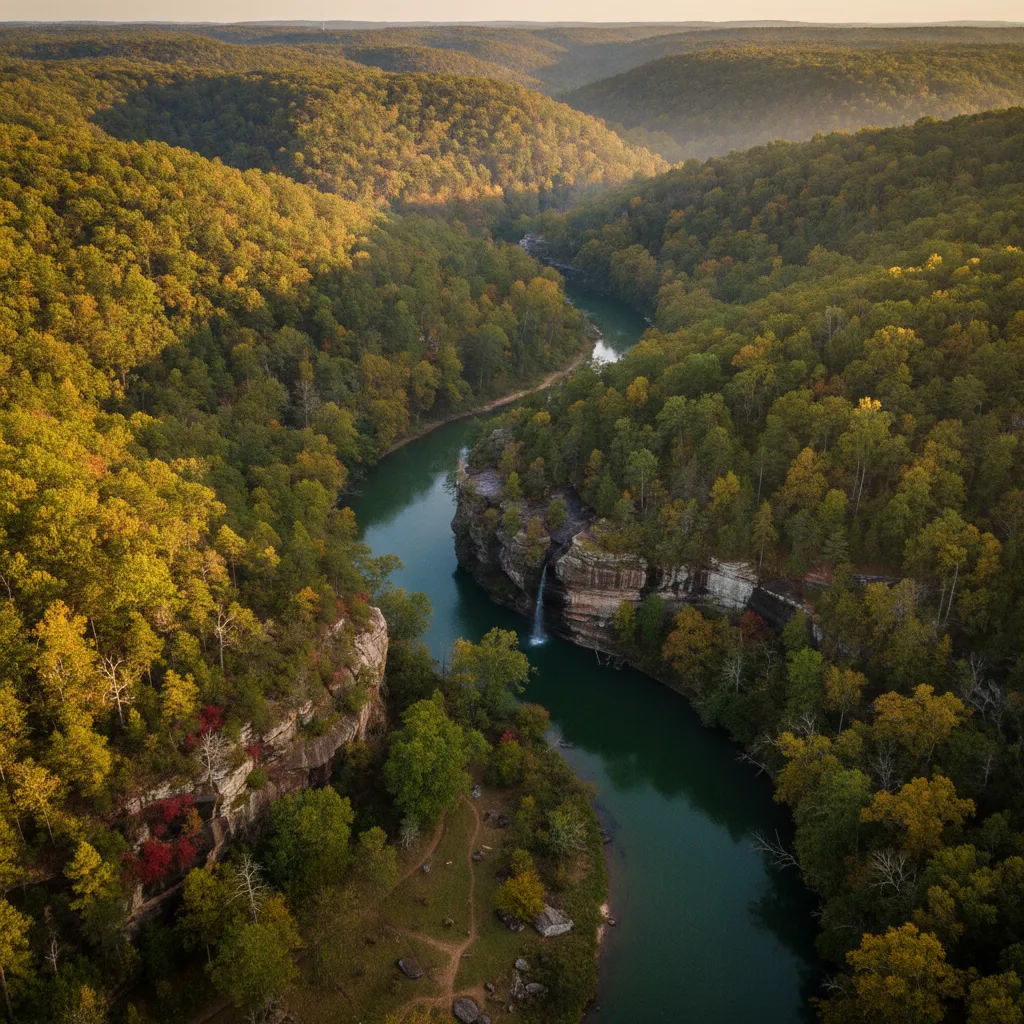
The William B. Bankhead National Forest is a jewel in Alabama’s crown, encompassing over 180,000 acres across the Cumberland Plateau in north Alabama, primarily within Winston and Lawrence Counties near Double Springs. Our team recognizes its unique appeal, largely stemming from its dramatic sandstone canyons, crystal-clear streams, towering limestone bluffs, and rich hardwood forests, which collectively create one of the most picturesque natural landscapes in the southeastern United States. It is truly the "Land of a Thousand Waterfalls," a moniker earned from the multitude of cascades that grace its terrain, especially during wetter seasons.
At the very core of the forest lies the Sipsey Wilderness, a federally designated area that stands as the largest wilderness east of the Mississippi River. The Sipsey Fork, a designated Wild and Scenic River, carves its way through deep canyons, revealing a striking landscape of cascading water, ancient rock shelters, and majestic old-growth trees, some of which are over 500 years old. This ecological richness has also earned the Bankhead National Forest recognition as an Important Bird Area by the American Bird Conservancy, making it a prime destination for birdwatchers.
Who It's Best For
The William B. Bankhead National Forest caters to a diverse range of outdoor adventurers, from the seasoned backpacker to families looking for a refreshing escape. Our team finds it particularly well-suited for:
- Hikers and Backpackers: With over 90 miles of recreational trails, including the rugged terrain of the Sipsey Wilderness, hikers will find endless opportunities for exploration and solitude.
- Waterfall Chasers and Photographers: The forest's reputation as the "Land of a Thousand Waterfalls" is well-deserved, offering stunning photographic opportunities around every bend, especially during the spring and winter when water levels are high.
- Campers: From developed RV-friendly campgrounds with amenities to primitive dispersed camping in the wilderness, the forest provides a variety of overnight experiences.
- Families with Children: Several easy, kid-friendly trails lead to accessible waterfalls and natural bridges, offering rewarding experiences for younger adventurers.
- Paddlers: The Sipsey Fork, a Wild and Scenic River, is popular for canoeing and kayaking, particularly during spring flows, offering unique perspectives of the canyon walls and waterfalls.
- Equestrian Enthusiasts: Dedicated horse trails, such as the Owl Creek Trail System, provide ample opportunities for horseback riding through scenic landscapes.
Getting There & Parking
Understanding how to get to William B. Bankhead National Forest is essential for planning your trip. The forest is conveniently located in northwestern Alabama, accessible from major population centers like Birmingham and Huntsville, Alabama, as well as Chattanooga, Nashville, and Memphis. The Bankhead Ranger District office, a key point of contact, is located at 1070 Highway 33 in Double Springs, AL 35553.
Most main roads within the forest are paved, two-lane routes, generally easy to navigate. However, visitors should exercise caution on smaller, unpaved roads, which may be gravel or one-lane and can be challenging, especially after heavy rains. Our team recommends checking current road conditions with the Bankhead Ranger District before your visit.
Parking is available at numerous trailheads and recreation areas throughout the forest. For instance, the Natural Bridge Hiking Trail offers an easy-to-find parking lot with space for over 20 cars. Developed recreation areas like Clear Creek and Corinth also provide dedicated parking for campers and day-use visitors. While there are no general entrance fees for the William B. Bankhead National Forest itself, some specific recreation areas or trails may have day-use fees. For example, the Brushy Lake Recreation Area has a $3 day-use fee per vehicle, and the Houston Recreation Area day-use is $10 per vehicle. The Owl Creek Trailhead and Flint Creek Trailhead also have a $3 per vehicle/operator fee respectively.
For those planning to visit the Sipsey Wilderness, be aware that cell phone service can be sporadic, often only available on ridge tops. We strongly advise downloading offline maps or carrying physical maps of the official trails before entering the forest.
Top Things to Do
When considering things to do at William B. Bankhead National Forest, the options are as vast and varied as the landscape itself. Our team has highlighted the experiences that truly define this remarkable destination:
- Waterfall Hunting: This is arguably the forest's biggest draw. Explore iconic cascades like Kinlock Falls, a highly accessible cascade popular for swimming. Venture to Caney Creek Falls, a moderate hike leading to both Upper and Lower falls with inviting pools for a summer dip. Other notable falls include Sougahoagdee Falls, Turkey Foot Falls, Mize Mills Falls, and Parker Falls, each offering a unique scenic reward. Many waterfalls are off official trails, accessible via "social trails" which can be more challenging and slippery, so caution is advised.
- Hiking and Backpacking: With over 90 miles of trails, William B. Bankhead National Forest hiking trails cater to all skill levels. The Sipsey Wilderness offers extensive backcountry routes, including the challenging Braziel Trailhead loop and the Thompson Trailhead Loop, which features "Big Tree," Alabama's largest tree. For easier options, consider the Raven Cliffs Hiking Trail or the Corinth Recreation Area Trail, both rated easy.
- Exploring Natural Bridges: Discover impressive geological formations like the Natural Bridge Day Use Area within the forest, boasting a sandstone bridge 148 feet long and 60 feet high. This area offers a paved trail leading to the archway, perfect for a picnic.
- Camping: Immerse yourself in nature with various camping options. Developed campgrounds like Clear Creek and Corinth Recreation Areas offer modern amenities, while Brushy Lake provides a more rustic experience. Dispersed camping is also available throughout the forest for those seeking true solitude.
- Paddling the Sipsey Fork: Experience Alabama's only National Wild and Scenic River by canoe or kayak. The Sipsey Fork offers a peaceful float through magnificent rock walls and past numerous waterfalls, especially during spring.
- Horseback Riding: The Owl Creek Trail System provides over 25 miles of multi-use trails suitable for equestrians, offering breathtaking views of waterfalls and sandstone cliffs.
- Birdwatching: As an Important Bird Area, the forest is a prime spot for birding, with species like the Louisiana Waterthrush and Acadian Flycatcher. Early spring and early summer are ideal times to visit for bird observation.
Best Time to Visit
The William B. Bankhead National Forest is accessible year-round, thanks to Alabama's generally mild climate. However, our team has identified specific periods that offer distinct advantages depending on your interests:
- Spring (March to May): This is often considered the peak season for waterfall viewing, as winter rains swell the creeks and rivers, bringing cascades like Sougahoagdee Falls and Kinlock Falls to their vibrant best. Spring also offers pleasant hiking temperatures and the beauty of blooming wildflowers. The recreation season for developed campgrounds like Clear Creek and Corinth typically begins in March or mid-March.
- Summer (June to August): While temperatures can be warm, summer is excellent for water activities like swimming in the pools below waterfalls (e.g., Kinlock Falls, Caney Creek Falls) and enjoying Lewis Smith Lake. It's also a good time for bird nesting.
- Fall (September to November): Our team highly recommends fall for its mild temperatures and spectacular foliage, especially towards the end of October. Hiking during this season offers comfortable conditions and stunning views of the changing leaves. Crowds tend to be lighter than in peak spring.
- Winter (December to February): For those seeking solitude and the most dramatic waterfalls, winter is an underrated time to visit. Heavy rains during this season can lead to numerous seasonal falls, creating a magical, emerald landscape.
Peak visitation generally occurs from mid-March through late October. Regardless of the season, always check current conditions and weather forecasts before your trip.
Where to Stay Nearby
For those planning an extended visit, understanding William B. Bankhead National Forest lodging options is crucial. The forest offers a range of camping experiences, from developed campgrounds to primitive sites, while nearby towns provide additional accommodations.
Camping within William B. Bankhead National Forest
- Clear Creek Recreation Area: The largest recreation area in the forest, located on Lewis Smith Lake. It offers 102 RV campsites, including double and pull-through sites, with water and electrical hookups (30-amp and 50-amp). Each site includes a fire ring, picnic table, and lantern post. Clear Creek also has two reservable group tent camping areas. Facilities include bathhouses with flush toilets and showers, and a trailer dump station. Pets are welcome. Open from March through October, camping is by reservation only through Recreation.gov. Single campsites range from $30-$52 per night.
- Corinth Recreation Area: Also situated on Lewis Smith Lake, Corinth is a modern campground with 52 RV campsites, most offering full hookups (water, 30/50-amp electricity, and sewer). It also has eight rustic tent-only sites. Amenities include bathhouses with warm showers, flush toilets, a boat ramp, and a swimming beach. Open from mid-March through October, camping is by reservation only via Recreation.gov. Campsites range from $18-$36 per night. Pets are welcome.
- Brushy Lake Recreation Area: For a more rustic experience, Brushy Lake offers 12 sites for tents and smaller RVs (under 30 feet recommended). These sites come with a picnic table and grill, with vault toilets and potable water available. Open from March to November, sites are first-come, first-serve, with a camping fee of $5 per night and a $3 day-use fee.
- Owl Creek Horse Camp: This primitive equestrian camping facility provides open camping on a first-come, first-serve basis, with amenities like a vault toilet, water spigots, high lines, and hitching rails. It is open all year and costs $5 per night.
- Dispersed Camping: Throughout the William B. Bankhead National Forest, primitive dispersed camping is permitted, offering true solitude for self-sufficient adventurers. Always follow Leave No Trace principles.
- Houston Recreation Area: As of May 29, 2026, the Houston Campground remains closed to the public, though its day-use area and swim beach bathhouse are open.
Hotels and Private Lodging Nearby
For those preferring traditional accommodations, several nearby towns offer options. Jasper, Alabama, located about 13 miles south of Clear Creek Recreation Area, is a common gateway with private campgrounds and potential hotel options. Other towns like Double Springs, Haleyville, and Moulton are also close to various forest entrances and may offer lodging. While our team recommends checking specific listings for the most up-to-date availability and amenities, these towns serve as convenient bases for exploring the forest.
Sample 2-Day Itinerary
Our team has crafted a sample 2-day itinerary for an immersive experience in William B. Bankhead National Forest, focusing on its iconic waterfalls, trails, and natural beauty.
Day 1: Waterfalls and Wilderness Immersion
- Morning (9:00 AM - 1:00 PM): Sipsey Wilderness Waterfalls
Start your day by heading into the heart of the Sipsey Wilderness. We recommend the hike to Caney Creek Falls. This moderate 1.6-mile trail (round trip) leads to both Upper and Lower Caney Falls, where you can enjoy the cascades and even take a refreshing swim in the pools during warmer months. Be prepared for creek crossings. - Lunch (1:00 PM - 2:00 PM): Picnic by the Water
Pack a picnic lunch to enjoy by Caney Creek or at the nearby Sipsey River Picnic Area, soaking in the serene waterfront views. - Afternoon (2:00 PM - 5:00 PM): Kinlock Falls and Scenic Drive
Drive to Kinlock Falls, one of Alabama's most accessible waterfalls. It's a short 0.3-mile loop trail, perfect for a leisurely visit and another opportunity for a swim. Afterward, take a scenic drive along County Road 176, which offers overlooks and beautiful forest views. - Evening: Camp Setup at Clear Creek or Corinth
Head to either the Clear Creek Recreation Area or Corinth Recreation Area for your overnight stay. Set up your camp, enjoy the lake views, and prepare a campfire dinner. Remember, reservations are required for these developed campgrounds.
Day 2: Natural Bridges, Hiking, and Lake Activities
- Morning (9:00 AM - 12:00 PM): Natural Bridge Exploration
Begin your day with a visit to the Natural Bridge Day Use Area within the forest. A paved 3/8-mile trail leads to this impressive 148-foot sandstone arch. Explore under and around this geological wonder. For a different perspective, consider a visit to the private Natural Bridge Park outside the forest (note: this has an entrance fee of $10 for adults, $5 for children, and you cannot walk on the bridge). - Lunch (12:00 PM - 1:00 PM): Local Eatery or Forest Picnic
Grab lunch in a nearby town like Haleyville or Double Springs, or enjoy another picnic at the Natural Bridge Picnic Area. - Afternoon (1:00 PM - 4:00 PM): Lewis Smith Lake Recreation
Spend your afternoon enjoying the amenities of Lewis Smith Lake, accessible from Clear Creek or Corinth Recreation Areas. Go boating, fishing, or simply relax at the swimming beach. The paved bicycle trail at Clear Creek is also a great option for a leisurely ride. - Late Afternoon: Departure or Extended Stay
Conclude your William B. Bankhead National Forest Alabama adventure, or extend your stay to explore more trails and hidden gems.
William B. Bankhead National Forest Hiking Trails
The William B. Bankhead National Forest is a hiker's paradise, boasting over 90 miles of diverse trails that weave through its canyons, along its rivers, and past countless waterfalls. Our team emphasizes that while many trails are well-maintained, some of the most spectacular features, particularly waterfalls, are accessed via less-marked "social trails," which require careful navigation and increased awareness of your surroundings.
Here are some of the most notable William B. Bankhead National Forest hiking trails:
- Sipsey Wilderness Trails: The heart of the forest's hiking opportunities lies within the Sipsey Wilderness, offering a network of trails for various skill levels.
- Sipsey Loop (Randolph Trailhead): This challenging 9.8-mile loop combines several trails, including Randolph Wild Hiking Trail #202, Sipsey Wild Hiking Trail #209, and Rippey Wild Hiking Trail #201. It's a remote hike that rewards with stunning wilderness views.
- Thompson Trailhead Loop: Located in the Sipsey Wilderness, this expert-level 10.8-mile loop takes you past unique rock formations, river crossings, and various waterfalls, including the famous "Big Tree" (Alabama's largest tree) and East Bee Branch Falls.
- Braziel Trailhead Loop: Another expert-level, lengthy loop (around 10 miles) in the Sipsey Wilderness, combining Trail 223, Northwest Trail (208), and Mitchell Ridge Trail (210), offering a challenging trek through hallows and along creek rims.
- Trail 207: This trail offers beautiful riverside hiking with plenty of campsites along the first couple of miles, making it ideal for backpackers.
- Caney Creek Falls Trail: A popular moderate 1.6-mile out-and-back trail that leads to the picturesque Upper and Lower Caney Falls. This trail is often recommended for families.
- Kinlock Falls Trail: An easy 0.3-mile loop trail that takes you directly to Kinlock Falls, a popular swimming spot. Its accessibility makes it a favorite for quick visits and families.
- Owl Creek Trail System: While primarily known for horseback riding, this 25-26-mile non-motorized trail system also welcomes hikers. It offers opportunities to see waterfalls, sandstone cliffs, and deep gorges.
- Flint Creek Multi-Use Trail: This 16-mile trail is open to hiking, mountain biking, and horseback riding. A daily use fee of $3 applies.
- Raven Cliffs Hiking Trail: An easy 2.5-mile trail located in the Clear Creek Recreation Area.
When embarking on any of the William B. Bankhead National Forest hiking trails, our team advises preparedness: carry maps (digital or physical), hike with a partner, and inform someone of your itinerary, as cell service can be unreliable. Also, be mindful of ticks, which are more prevalent than snakes in terms of danger. For those entering the Sipsey Wilderness, remember there is a 10-person group limit to preserve solitude.
Is It Worth Visiting?
From our perspective as independent US travel authorities, the question "is William B. Bankhead National Forest worth visiting?" can be answered with an emphatic yes. This is not merely another patch of woods; it is a unique and vibrant natural sanctuary that offers an unparalleled outdoor experience in the Southeast.
The sheer concentration of waterfalls, often earning it the "Land of a Thousand Waterfalls" moniker, is a significant draw. Unlike more crowded national parks, Bankhead offers a sense of discovery and solitude, especially within the Sipsey Wilderness, the largest designated wilderness area east of the Mississippi River. We believe that the opportunity to explore ancient old-growth forests, discover hidden cascades, and navigate deep sandstone canyons provides a profound connection to nature that is increasingly rare.
Furthermore, the variety of activities available—from challenging backcountry hikes to family-friendly waterfall trails, developed camping to primitive wilderness experiences, and paddling on a Wild and Scenic River—ensures that there is something for every type of outdoor enthusiast. The forest’s rich biodiversity, recognized as an Important Bird Area, adds another layer of appeal for nature lovers.
While some areas may require careful navigation due to less-marked social trails and intermittent cell service, these challenges contribute to the adventurous spirit of the William B. Bankhead National Forest. For those willing to embrace its wild character, the rewards are immeasurable. Our team confidently asserts that for anyone seeking natural beauty, outdoor adventure, and a genuine escape into Alabama's wilderness, is William B. Bankhead National Forest worth visiting? Absolutely.
FAQ: William B. Bankhead National Forest
William B. Bankhead National Forest camping
William B. Bankhead National Forest offers diverse camping experiences. Developed campgrounds include Clear Creek Recreation Area and Corinth Recreation Area, both on Lewis Smith Lake, providing RV sites with hookups, bathhouses, and amenities like swimming beaches and boat launches. These are typically open from March/mid-March through October and require reservations via Recreation.gov. Brushy Lake Recreation Area offers more rustic sites for tents and smaller RVs on a first-come, first-serve basis. Primitive dispersed camping is also allowed throughout the forest, and the Owl Creek Horse Camp provides primitive sites for equestrians.
things to do in Northwest Alabama
Beyond the William B. Bankhead National Forest, Northwest Alabama offers a range of attractions. Our team recommends exploring the vibrant music heritage of the Muscle Shoals area, including the Muscle Shoals Sound Studio and the Alabama Music Hall of Fame. Dismals Canyon, a privately owned natural conservatory known for its unique micro-ecosystem, is another must-visit. For those interested in local culture and events, consider checking the Alabama Tourism Department for festivals like the Franklin County Watermelon Festival in August or the Winfield Mule Day in September, which occur in the Bankhead & Sipsey Wilderness region. The area also features various parks, golf clubs, and historical sites.
William B. Bankhead National Forest with kids
The William B. Bankhead National Forest is an excellent destination for families. Our team suggests focusing on trails that lead to easily accessible waterfalls and natural bridges. The Kinlock Falls Trail is a short 0.3-mile loop that leads to a cascade with a popular swimming hole, making it very kid-friendly. The Caney Creek Falls trail is another easy route suitable for children, leading to picturesque double waterfalls and pools. The Natural Bridge Day Use Area features a paved, accessible trail to a natural rock arch. Developed campgrounds like Clear Creek and Corinth Recreation Areas offer amenities such as swimming beaches, playgrounds, and paved trails, providing comfortable bases for families.
best hotels near William B. Bankhead National Forest
While the William B. Bankhead National Forest is primarily known for its camping, our team recognizes that some travelers prefer traditional lodging. For the best hotels near William B. Bankhead National Forest, we recommend looking in nearby towns such as Jasper, Double Springs, Haleyville, or Moulton. These communities serve as convenient gateways to the forest and offer various accommodation types, from independent motels to national chain hotels. For a more unique local experience, consider searching for vacation rentals or cabins in the surrounding areas. Always book in advance, especially during peak visitation seasons.
William B. Bankhead National Forest tips
To ensure a safe and enjoyable trip to William B. Bankhead National Forest, our team offers these essential tips:
- Plan Ahead: Always research your desired trails and destinations. Many waterfalls are on "social trails" not officially marked, which can be more challenging.
- Navigation: Cell service is sporadic, particularly in canyons and wilderness areas, with better reception on ridge tops. Download offline maps or carry physical maps and a compass. GPS apps are highly recommended.
- Safety in Numbers: Never hike alone. Always go with a partner and inform someone of your itinerary and expected return time.
- Group Size: If entering the Sipsey Wilderness, adhere to the 10-person group limit to help preserve the sense of solitude.
- Tick Awareness: Ticks pose a greater danger than snakes due to disease transmission; take precautions such as wearing long pants and using repellent.
- Leave No Trace: Pack out everything you pack in, stay on marked trails where available, and respect wildlife and natural features.
- Check Conditions: Before your visit, check the National Forests in Alabama website for current alerts, closures (like Houston Campground), and recreation area operating schedules.
where to stay near William B. Bankhead National Forest
When considering where to stay near William B. Bankhead National Forest, you have options ranging from immersive forest camping to comfortable nearby town accommodations. Within the forest, developed campgrounds like Clear Creek and Corinth Recreation Areas offer full amenities and require reservations through Recreation.gov. For a more rustic experience, Brushy Lake and Owl Creek Horse Camp provide primitive sites, often on a first-come, first-serve basis. If you prefer not to camp, the towns of Jasper, Double Springs, Haleyville, and Moulton are the closest hubs with various hotels, motels, and vacation rental properties. These towns provide convenient access to the forest's many entrances and attractions.
Conclusion: Your Alabama Wilderness Awaits
The William B. Bankhead National Forest Alabama is more than just a destination; it's an invitation to reconnect with the raw, untamed beauty of the American South. From the thundering cascades that give it its "Land of a Thousand Waterfalls" reputation to the serene depths of the Sipsey Wilderness, this forest promises an adventure for every outdoor enthusiast. We, the Roam States editorial team, encourage you to plan your trip meticulously, embrace the spirit of exploration, and discover the unparalleled natural wonders that await you here. Whether you're chasing waterfalls, traversing ancient trails, or simply seeking solace under a canopy of old-growth trees, Bankhead National Forest stands ready to deliver an unforgettable experience. For more Alabama adventures, explore our guide to Best Places in Alabama, or consider a visit to Cathedral Caverns State Park for a different kind of natural wonder. You might also find inspiration in our comprehensive Alabama Tourism Department resources.
Last updated: 2026-07-12 by the Roam States team.