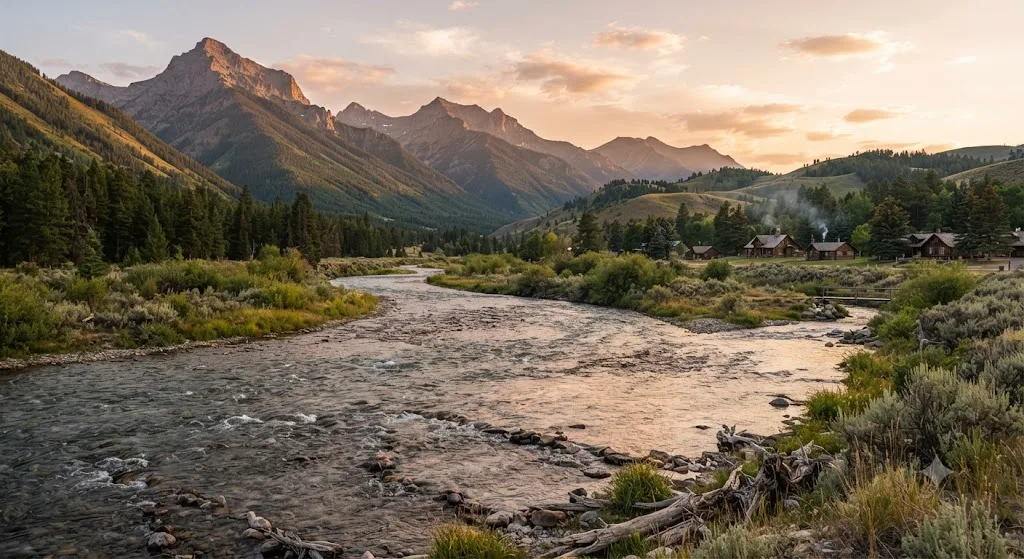
Our Yellowstone River guide covers practical planning for Yellowstone River Montana — best time to visit, getting there, and what to do on the ground. As an independent US travel authority, our team at Roam States has compiled everything you need to know for an unforgettable trip along this iconic waterway. We’re here to cut through the generic fluff and provide confident, specific advice for exploring the longest free-flowing river in the lower 48 states.
Is It Worth Visiting?
Absolutely, the Yellowstone River is worth visiting for any outdoor enthusiast or traveler seeking an authentic Montana experience. This isn't just another river; it's the lifeblood of a vast ecosystem, offering unparalleled opportunities for fishing, rafting, and wildlife viewing. We believe its scenic banks and pristine waters provide a captivating backdrop for recreation, far removed from crowded tourist traps. If you're wondering if the Yellowstone River is worth visiting, our answer is a resounding yes—especially if you value natural beauty and diverse outdoor activities. From the dramatic Absaroka-Beartooth Wilderness to the fertile Paradise Valley, the river presents a dynamic landscape that changes with every bend, ensuring there's always something new to discover. We find that the sheer scale and wildness of the Yellowstone River truly set it apart, making it a prime destination for those who appreciate the untamed American West.
Who It's Best For
The Yellowstone River is a prime destination for a diverse range of travelers, but it truly shines for those with a passion for the outdoors. Anglers, in particular, will find themselves in paradise, as the river is renowned for its world-class fly-fishing opportunities. Our team has explored many fishing destinations, and the Yellowstone consistently ranks among the best for its abundant trout populations and diverse hatches. Beyond fishing, the river is ideal for whitewater rafters and kayakers seeking thrilling adventures, especially in sections like Yankee Jim Canyon. Families looking for a blend of relaxation and activity will appreciate the numerous access points for picnicking, gentle floating, and wildlife spotting. Birdwatchers, photographers, and nature lovers will be captivated by the incredible biodiversity, from bald eagles soaring overhead to herds of elk grazing along the banks. Hikers and campers will also find endless trails and scenic spots to set up camp, immersing themselves in the Montana wilderness. Essentially, if your ideal vacation involves fresh air, stunning scenery, and active engagement with nature, the Yellowstone River is calling your name.
How to Get There
Reaching the Yellowstone River in Montana is relatively straightforward, though access points vary depending on your starting location and desired activities. The river flows for over 690 miles, but the most popular and accessible sections for visitors are generally found in south-central Montana, particularly around the towns of Livingston, Gardiner, and Columbus. If you're wondering how to get to Yellowstone River, the primary gateway airport is Bozeman Yellowstone International Airport (BZN) in Bozeman, Montana. From BZN, you can rent a car and easily drive to various points along the river. Livingston is approximately a 30-minute drive east of Bozeman, while Gardiner, the north entrance to Yellowstone National Park, is about an hour's drive south of Livingston. Interstate 90 runs parallel to a significant portion of the Yellowstone River, making road access convenient for those driving from other parts of Montana or neighboring states. For instance, from Billings, you can reach Columbus in about 45 minutes via I-90.
Parking along the Yellowstone River varies significantly by location. Many fishing access sites (FAS) managed by Montana Fish, Wildlife & Parks offer free parking, though some may have limited space, especially during peak season. For example, the Mallard's Rest Fishing Access Site near Gallatin Gateway offers parking, but it can fill up quickly. In towns like Livingston, you'll find public parking lots and street parking available. When visiting Yellowstone National Park, standard park entrance fees apply, and parking is available at designated pull-offs and lots. We always recommend arriving early, especially for popular trailheads or fishing spots, to secure parking. If you're planning on a guided trip, such as rafting or fishing, your outfitter will typically provide specific meeting points and parking instructions. Understanding how to get to Yellowstone River and where to park is crucial for a smooth trip, so always check specific access point details before you go.
Top Things to Do
The Yellowstone River offers an incredible array of activities, making it a premier destination for outdoor enthusiasts. Our team has spent countless hours exploring this magnificent waterway, and we can confidently say there are abundant things to do at Yellowstone River for every interest.
- Fly Fishing: This is arguably the most iconic activity on the Yellowstone. Renowned as a world-class trout fishery, the river is teeming with wild cutthroat, rainbow, and brown trout. Guided float trips are highly recommended for both beginners and experienced anglers, providing access to prime spots and local expertise. Fishing regulations for 2026 are set by Montana Fish, Wildlife & Parks, and generally require a valid Montana fishing license. Licenses can be purchased online or at various sporting goods stores throughout the state.
- Rafting and Kayaking: From thrilling whitewater rapids to serene scenic floats, the Yellowstone River caters to all levels of paddlers. Yankee Jim Canyon, located between Gardiner and Livingston, offers exciting Class II-III rapids perfect for guided rafting adventures. For a more relaxed experience, numerous outfitters provide scenic floats through Paradise Valley. We suggest booking reservations in advance, especially during the summer months, as tours can fill up quickly.
- Wildlife Viewing: The river corridor is a haven for wildlife. Keep your eyes peeled for bald eagles, ospreys, elk, deer, and even grizzly bears, especially in the more remote sections. Dawn and dusk are often the best times for spotting animals. Remember to maintain a safe distance and never approach wildlife.
- Hiking: While not as famous for hiking as nearby national parks, the Yellowstone River offers several fantastic trails along its banks and in adjacent areas. We'll delve deeper into Yellowstone River hiking trails in the next section.
- Camping: Numerous public and private campgrounds dot the river's course, offering everything from primitive sites to full-service RV parks. We'll cover Yellowstone River camping options in our FAQ.
- Photography: With its dramatic landscapes, abundant wildlife, and ever-changing light, the Yellowstone River is a photographer's dream. Capture stunning shots of the river, the Absaroka-Beartooth Mountains, and the vibrant Montana skies.
- Picnicking and Relaxation: Sometimes, the best thing to do at Yellowstone River is simply to relax. Find a scenic spot, spread out a blanket, and enjoy a picnic lunch while listening to the sounds of the river. Many fishing access sites offer picnic tables and restrooms.
Whether you're casting a line, navigating rapids, or simply soaking in the scenery, the things to do at Yellowstone River promise an unforgettable Montana adventure.
Yellowstone River Hiking Trails
While the Yellowstone River is primarily celebrated for its water-based activities, the surrounding landscape offers a variety of Yellowstone River hiking trails that provide stunning perspectives of the river and its adjacent wilderness. Our team has explored many of these paths, and we can attest to their beauty and the unique vantage points they offer. You won't find the sheer volume of designated trails here as in, say, Glacier National Park, but the quality and solitude are exceptional.
Many Yellowstone River hiking trails are found within or near state parks and fishing access sites (FAS). For example, near Livingston, the Pine Creek Falls Trail offers a relatively easy 2-mile round trip hike to a beautiful waterfall, with views of the Paradise Valley and the Yellowstone River below. This trail is well-maintained and suitable for families. Another excellent option is the trails accessible from the Mill Creek Trailhead, further south in Paradise Valley. These trails ascend into the Absaroka-Beartooth Wilderness, offering more strenuous options and breathtaking alpine scenery, with glimpses of the Yellowstone River in the valley below. Always check trail conditions and be prepared for wildlife encounters, carrying bear spray is highly recommended in this region.
Closer to Gardiner and the northern entrance of Yellowstone National Park, you can find trails that offer dramatic views of the river as it carves its way through canyons. While technically within the park, trails like the Rescue Creek Trail or the Lava Creek Trail provide riverside hiking experiences that showcase the raw power of the Yellowstone. Parking at these trailheads typically requires a Yellowstone National Park entrance pass, which costs $35 for a private vehicle and is valid for seven days in 2026. For those seeking less strenuous options, many fishing access sites, such as Carbella FAS or Grey Owl FAS, have short, informal paths along the riverbanks perfect for a leisurely stroll and wildlife observation. These Yellowstone River hiking trails provide a different way to connect with the river's majesty, offering solitude and unparalleled natural beauty.
Best Time to Visit
Choosing the best time to visit the Yellowstone River depends heavily on your preferred activities and tolerance for crowds. Our team generally recommends late spring through early fall for the most comprehensive experience.
- Summer (June-August): This is peak season for a reason. The weather is warm and sunny, ideal for all water activities like rafting, fishing, and swimming. All services and access points are fully open. However, expect larger crowds, especially in popular areas like Paradise Valley and near Yellowstone National Park. Water levels for rafting are typically highest in June due to snowmelt, gradually receding through July and August. Fishing can be excellent, but anglers should be aware of potential "hoot owl" restrictions during late summer afternoons if water temperatures get too high, which can close fishing to protect trout.
- Fall (September-October): Fall is a secret gem along the Yellowstone River. The crowds thin out, the weather remains pleasant (though cooler), and the autumn foliage paints the landscape in spectacular hues of gold and red. Fishing remains superb, often considered by many guides to be the best time for trophy trout. Wildlife viewing is also excellent as animals are more active before winter. Some services may begin to scale back towards late October, but generally, this is a fantastic time for a more peaceful visit.
- Spring (April-May): Early spring can be a bit unpredictable, with fluctuating weather and potential for late snow. However, by late April and May, the river comes alive. Fishing can be excellent, especially for pre-runoff hatches. Whitewater rafting begins as snowmelt swells the river, offering exciting conditions. Crowds are minimal, making it a great time for solitude. Be prepared for muddy conditions on trails and variable temperatures.
- Winter (November-March): Winter on the Yellowstone River is starkly beautiful but challenging for most recreational activities. Ice fishing is possible in some areas, and cross-country skiing or snowshoeing along the banks can be serene. Many access roads and services will be closed. This is a time for hardy adventurers seeking extreme solitude and winter landscapes.
Overall, for a balance of good weather, accessible activities, and manageable crowds, we often point travelers towards September and early October as the absolute best time to visit the Yellowstone River.
Yellowstone River Lodging
Finding suitable Yellowstone River lodging is key to a comfortable and convenient trip. The options range from charming historic inns to modern hotels and rustic cabins, catering to various budgets and preferences. Our team has scouted the area extensively, and we recommend focusing on towns located directly along the river for the best access to activities. When considering Yellowstone River lodging, proximity to your planned adventures is paramount.
The town of Livingston is a fantastic base. It offers a good selection of hotels, motels, and vacation rentals. The historic Murray Hotel, for example, provides a glimpse into the past with modern comforts. Livingston also boasts a vibrant downtown with restaurants and shops. Further south in Paradise Valley, between Livingston and Gardiner, you'll find numerous guest ranches and private cabins that offer a more secluded and immersive experience. These often provide stunning river views and direct access to fishing. For instance, the Chico Hot Springs Resort, while not directly on the river, is a popular choice for its hot springs and proximity to Paradise Valley activities.
Closer to the northern entrance of Yellowstone National Park, Gardiner offers more lodging options, particularly useful if your itinerary includes extensive time in the park. Here you'll find a mix of chain hotels, independent motels, and cabins. Keep in mind that lodging prices in Gardiner can be higher during peak season due to its gateway status to the park. For those looking for a more urban experience with easy access to the upper Yellowstone, Bozeman, though not directly on the river, is only a short drive away and offers a wide range of hotels, from budget-friendly to luxury, along with a bustling food and arts scene. While exploring Yellowstone River lodging, always consider booking well in advance, especially for summer and fall trips, as popular spots fill up quickly.
Sample 2-Day Itinerary
To help you make the most of your visit, our team has crafted a sample 2-day itinerary focusing on the heart of the Yellowstone River experience in Montana. This plan balances adventure with relaxation and showcases the best of what the region has to offer.
Day 1: Fishing and Scenic Beauty in Paradise Valley
- Morning (8:00 AM - 12:00 PM): Guided Fly-Fishing Trip. Start your day with an unforgettable guided fly-fishing float trip on the Yellowstone River, departing from Livingston or a point in Paradise Valley. Many local outfitters offer half-day excursions. This allows you to experience the river's renowned fishery with expert guidance, whether you're a seasoned angler or a beginner. Your guide will provide all necessary equipment and local insights.
- Lunch (12:00 PM - 1:30 PM): Riverside Picnic. Enjoy a packed lunch provided by your outfitter, or pick up sandwiches in Livingston, and find a scenic spot along one of the many fishing access sites in Paradise Valley, such as Mallard's Rest or Grey Owl.
- Afternoon (1:30 PM - 5:00 PM): Scenic Drive and Short Hike. Drive south through Paradise Valley on US-89, soaking in the stunning views of the Absaroka and Gallatin mountain ranges. Stop at Pine Creek Falls Trailhead for a relatively easy 2-mile round-trip hike to a beautiful waterfall. This offers a lovely leg-stretch and a different perspective of the landscape.
- Evening (6:00 PM onwards): Dinner in Livingston. Return to Livingston for dinner. The town has several excellent restaurants, from casual eateries to fine dining. Consider dining at a spot with outdoor seating to enjoy the evening air.
Day 2: Whitewater and Wildlife near Yellowstone National Park
- Morning (8:30 AM - 12:30 PM): Whitewater Rafting in Yankee Jim Canyon. Head south towards Gardiner for an exhilarating whitewater rafting trip through Yankee Jim Canyon. Several outfitters in Gardiner offer half-day trips through these Class II-III rapids, providing an exciting adventure suitable for most skill levels. Book your reservation in advance, especially during summer.
- Lunch (12:30 PM - 2:00 PM): Lunch in Gardiner. After your rafting adventure, grab lunch in Gardiner, the northern gateway town to Yellowstone National Park. There are several casual restaurants and cafes to refuel.
- Afternoon (2:00 PM - 5:00 PM): Wildlife Viewing and Yellowstone Exploration. Spend the afternoon exploring the northern section of Yellowstone National Park. Drive the scenic road between Gardiner and Mammoth Hot Springs, looking for elk, bison, and other wildlife. You can also take a short walk around Mammoth Hot Springs terraces. Remember that a park entrance fee applies.
- Evening (6:00 PM onwards): Sunset and Departure or Relax. Enjoy a final sunset over the Yellowstone River, perhaps from a scenic overlook near Gardiner. Depending on your travel plans, you can either begin your journey home or relax at your Yellowstone River lodging, reflecting on your Montana adventure.
This itinerary is just a suggestion; feel free to customize it based on your interests and the time of year you visit. Remember to check current conditions, book reservations, and always prioritize safety when exploring the Yellowstone River.
Last updated: 2026-07-07 by the Roam States team.