Our Agate Fossil Beds National Monument guide covers practical planning for Agate Fossil Beds National Monument Nebraska — best time to visit, getting there, and what to do on the ground.
For those seeking a journey through deep time and cultural heritage, Nebraska offers a truly unique destination: Agate Fossil Beds National Monument Nebraska. This remote yet profoundly significant site in the High Plains preserves an extraordinary window into the Miocene Epoch, approximately 20 million years ago, showcasing one of North America's most important collections of fossilized mammals. Beyond its paleontological wonders, the monument also holds a rich human story, rooted in the respectful exchange of artifacts between early rancher James Cook and prominent Lakota leaders like Chief Red Cloud. Our team believes this blend of ancient natural history and profound cultural connection makes Agate Fossil Beds National Monument a compelling stop for any discerning traveler.
Why Visit Agate Fossil Beds National Monument
We recommend a visit to Agate Fossil Beds National Monument for its unparalleled insights into both prehistoric life and the complex history of the American West. Here, you'll encounter a world where ancient mammals like the pony-sized rhinoceros (Menoceras), clawed plant-eater (Moropus), and bear-dog once roamed, their remarkably preserved skeletons offering a rare glimpse into a bygone ecosystem. The monument stands as one of the world's leading Miocene fossil sites, where paleontologists made groundbreaking discoveries that reshaped our understanding of North America's ancient past.
Beyond the scientific marvels, Agate Fossil Beds also tells a powerful human story. The Visitor Center houses the James H. Cook Collection, a unique array of Lakota artifacts given to Cook by Chief Red Cloud and other Plains Indian leaders. This collection speaks to a rare friendship and mutual respect between cultures, offering a poignant counterpoint to the more common narratives of conflict. Exploring these exhibits provides a deeper appreciation for the land's enduring significance to its indigenous people and the early settlers.
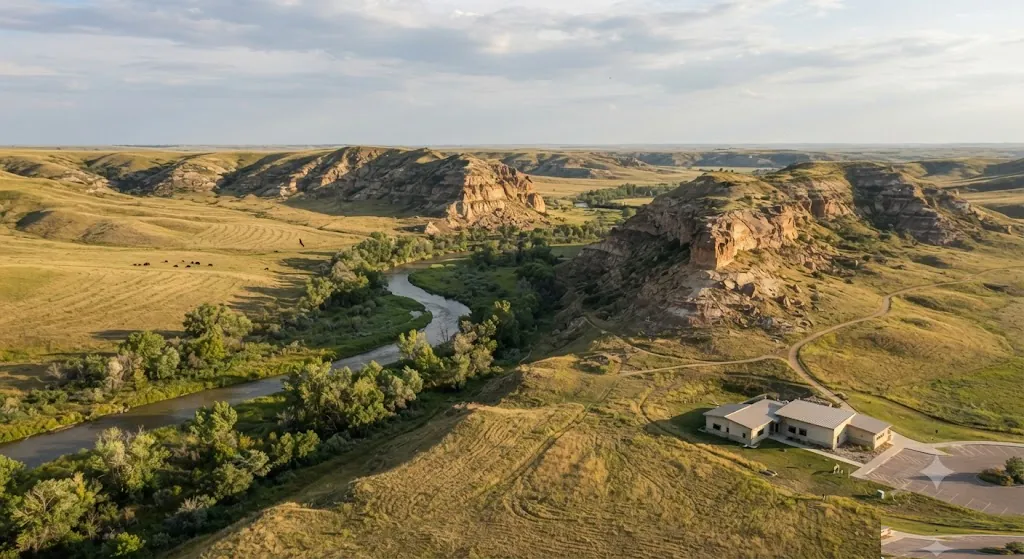
In addition to the historical and scientific value, the monument offers a chance to experience the serene beauty of the Nebraska prairie. The mixed-grass prairie, wetlands along the Niobrara River, and distant buttes create a tranquil landscape that has changed little over millions of years. It's a place for quiet reflection, offering a stark contrast to the bustling pace of modern life.
Who It's Best For
Agate Fossil Beds National Monument is an ideal destination for history buffs, aspiring paleontologists, and nature enthusiasts of all ages. Families with curious children will find the Junior Ranger program engaging, providing hands-on activities and educational opportunities about fossils and the natural environment. The touchable fossil and bone exhibits in the visitor center are particularly popular with younger visitors, sparking a tangible connection to the past.
Hikers will appreciate the monument's well-maintained trails, offering a chance to stretch their legs and immerse themselves in the prairie landscape. Those interested in Native American culture will find the James H. Cook Collection deeply moving and informative. Photographers will discover ample opportunities to capture the expansive skies, unique geological formations, and diverse wildlife. Ultimately, anyone seeking a peaceful, educational, and genuinely unique experience away from crowded tourist hubs will find Agate Fossil Beds National Monument a rewarding stop on their USA road trip planner.
Getting There & Parking
Understanding how to get to Agate Fossil Beds National Monument is key to planning your visit, as this gem is truly off the beaten path. The monument is situated in northwestern Nebraska, approximately 22 miles south of Harrison, NE, and about 34 miles north of Mitchell, NE, directly off Nebraska Highway 29. From Highway 29, you'll turn east onto River Road for about three miles to reach the monument's entrance and visitor center.
We strongly advise travelers to fuel up their vehicles before arriving, as Agate Fossil Beds National Monument is quite remote. The nearest gas stations are 25 miles north in Harrison or 34 miles south in Mitchell. Note that the gas pumps in Harrison are not 24-hour and are closed on Sundays. For 7-day-a-week fuel options, you'd need to go further to Crawford, Nebraska (25 miles east of Harrison), or Lusk, Wyoming (31 miles west of Harrison).
For those flying in, the closest airport with commercial service is Western Nebraska Regional Airport (BFF) in Scottsbluff, NE, served by United Airlines, though flights are limited. Larger airports in Cheyenne, Wyoming, or Fort Collins, Colorado, offer more options but are considerably further away.
Once you arrive, parking at Agate Fossil Beds National Monument is readily available and free of charge. The roads within the park are well-maintained and wide, accommodating even larger RV rigs. While cell phone coverage can be very limited in the park and surrounding areas, free visitor Wi-Fi is available at the visitor center for your convenience.
Top Things to Do
When planning your visit, you'll find a surprising array of things to do at Agate Fossil Beds National Monument, blending education, outdoor exploration, and cultural immersion. Our team recommends allocating at least a few hours to fully appreciate the monument's offerings.
Visitor Center and Museum
Your first stop should undoubtedly be the Visitor Center and Museum. This is where the story of Agate truly comes alive. Inside, you'll find impressive exhibits showcasing the Miocene mammal fossils, including life-size dioramas of mounted skeletons of creatures like the Dinohyus (hell pig), Menoceras (pony-sized rhinoceros), and Moropus (clawed plant-eater). A 12-minute orientation film provides excellent context for the monument's paleontological significance.
Equally compelling is the James H. Cook Collection of Lakota artifacts, a unique display of gifts from Chief Red Cloud and other Plains Indian leaders to rancher James Cook. This collection includes buckskin suits, painted hides, moccasins, and weapons, offering a powerful testament to a remarkable cross-cultural friendship. For younger visitors, a dedicated children's section features touchable bones, fossils, and feathers, making the ancient world tangible and exciting. The Visitor Center also serves as the starting point for the Junior Ranger program, a fantastic way for kids to engage with the park's themes and earn a badge.
Hiking the Trails
The monument features two primary hiking trails, both offering distinct experiences and excellent opportunities to explore the prairie landscape. These are among the most popular things to do at Agate Fossil Beds National Monument.
- Fossil Hills Trail: This 2.7- to 2.8-mile round trip trail begins at the visitor center and leads to the historic University and Carnegie Hills, where most of the significant fossil excavations took place in the early 1900s. The trail is paved, generally easy with a gradual slope (approximately 170-300 feet elevation gain), and includes a boardwalk section over wetlands and the Niobrara River. While you won't see fossils *in situ* at the dig sites themselves (they've been excavated), interpretive signs along the way explain the discoveries and the ancient environment. Covered benches provide shade and resting spots.
- Daemonelix Trail: Located near the monument's west entrance (at the junction of River Road and NE 29), this 1.0-mile round trip gravel trail offers a chance to see actual *in situ* fossils. The trail features encased displays of the spiral burrows of the Paleocastor, an ancient land beaver, often referred to as "Devil's Corkscrews". You'll also observe ancient petrified sand dunes and "paleosols" – fossilized roots and insect holes – providing ecological context to the Miocene era.
Seasonal Programs and Night Sky Viewing
During the summer months, visitors can often see traditional Lakota tipis raised near the visitor center, and the monument offers weekly hands-on activities and ranger-led conversations on the trails. Agate Fossil Beds National Monument also schedules evening programs on select days, providing excellent opportunities for night sky viewing in this area known for its dark skies. Check the National Park Service website for Agate Fossil Beds or inquire at the visitor center for a current schedule of these special events.
Best Time to Visit
Agate Fossil Beds National Monument is open year-round, with its trails accessible from sunrise to sunset daily. However, the best time to visit largely depends on your priorities and tolerance for weather conditions.
Summer (May 20 - September 30) is generally considered the most popular time to visit. During these months, the Visitor Center and Museum operate on extended hours, from 9:00 a.m. to 5:00 p.m. Mountain time. Summer also brings additional programs, including weekly hands-on activities, ranger-led talks on the trails, and opportunities for night sky viewing. The longer daylight hours are perfect for hiking, and the prairie is in full bloom. However, summer temperatures can be warm, and the trails offer limited natural shade, so we recommend bringing plenty of water, sunscreen, and hats.
Spring (April - May) and Fall (October - November) offer pleasant temperatures for hiking and fewer crowds. The visitor center hours shift to winter hours (8:00 a.m. to 4:00 p.m. Mountain time) starting October 1st and extending until May 19th. These shoulder seasons can provide beautiful photographic opportunities with changing foliage or vibrant spring growth.
Winter (December - March) can be a starkly beautiful, quiet time to visit, but it comes with its own challenges. While the trails remain open from sunrise to sunset, the visitor center adheres to winter hours, closing earlier. Winter storms can be sudden and severe, potentially leading to delayed openings or temporary closures of the visitor center for safety. If visiting in winter, we advise checking the monument's official website or calling ahead for current conditions and potential alerts. Always drive cautiously on park roads and paths if snow or ice is present.
Regardless of the season, Agate Fossil Beds National Monument does not require reservations for entry, and there are no entrance fees.
Where to Stay Nearby
While Agate Fossil Beds National Monument offers an incredible day-use experience, our team notes that there is no lodging or camping available within the monument boundaries. This means you'll need to plan for accommodations in one of the surrounding communities. Fortunately, there are several options for Agate Fossil Beds National Monument lodging within a reasonable driving distance.
Hotels and Motels
The closest town offering lodging options is Harrison, Nebraska, located approximately 19.6 to 25 miles north of the monument. Harrison is a quaint community with a peaceful atmosphere, offering a few local eateries and shops. You might find options like the historic Harrison House Hotel, which welcomes guests into its historical rooms.
Another viable option for Agate Fossil Beds National Monument lodging is Crawford, Nebraska, which is about 24.4 to 51 miles away, depending on the route. Crawford offers a wider range of activities and attractions, including Fort Robinson State Park, and may have more hotel choices.
To the south, Scottsbluff, Nebraska, is approximately 27 to 34 miles from the monument. Scottsbluff is a larger city with more amenities, including a greater selection of hotels, restaurants, and attractions like Scotts Bluff National Monument. While a bit further, Chadron, Nebraska, about 75 miles to the northeast, also offers hotel options and is home to Chadron State Park.
When searching for hotels, we recommend checking reputable travel sites or directly contacting local chambers of commerce for the most up-to-date availability and pricing in Harrison, Crawford, or Scottsbluff. You can also visit Visit Nebraska for broader state-wide lodging information.
Camping Near Agate Fossil Beds National Monument
For those who prefer to sleep under the vast Nebraska sky, several camping options are available nearby. While no camping is allowed within the monument itself, the immediate vicinity offers choices for both RV and tent campers.
One notable option is Pavement Ends Campground, located about 1.5 miles east of Agate Fossil Beds National Monument. This campground offers RV and tent sites, with some RV spots providing 30/50 amp hookups and water, as well as a dump station. It's known for its dark night skies, perfect for stargazing.
Other popular camping destinations in the region include:
- Fort Robinson State Park: Located near Crawford, this extensive state park offers multiple campgrounds with various amenities, including cabins and RV hookups.
- Gilbert-Baker Wildlife Management Area: Just north of Harrison, this area provides secluded camping opportunities.
- Toadstool Geologic Park: Also near Crawford and Harrison, this unique geological area offers primitive camping.
For a comprehensive list of campgrounds and RV parks, we suggest exploring resources like Hipcamp or Outdoorsy, which list private landowners and established parks near Agate Fossil Beds National Monument. Always check for current availability, fees, and any reservation requirements, especially during peak seasons.
Sample 2-Day Itinerary
To truly appreciate the unique offerings of Agate Fossil Beds National Monument and its surrounding area, we recommend a two-day itinerary. This allows ample time to delve into both the natural history and cultural significance without feeling rushed.
Day 1: Ancient Mammals and Lakota Heritage
- Morning (9:00 AM - 1:00 PM): Agate Fossil Beds Immersion. Arrive at Agate Fossil Beds National Monument and head straight to the Visitor Center and Museum. Spend a good two to three hours exploring the Miocene mammal fossil exhibits, watching the orientation film, and immersing yourselves in the James H. Cook Collection of Lakota artifacts. If traveling with children, pick up a Junior Ranger booklet to guide their exploration.
- Lunch (1:00 PM - 2:00 PM): Picnic at the Monument. Since there are no food concessions within the monument (only a soda machine and water bottle refilling station), we suggest bringing a picnic lunch to enjoy at one of the covered picnic pavilions south of the visitor center parking lot.
- Afternoon (2:00 PM - 5:00 PM): Hiking the Fossil Hills. Embark on the 2.7- to 2.8-mile (round trip) Fossil Hills Trail. This paved, accessible trail offers gentle inclines and takes you through wetlands and over the Niobrara River to the historic fossil dig sites on University and Carnegie Hills. Interpretive signs along the way will explain the significant discoveries made here.
- Evening: Dinner and Stargazing. Head north to Harrison (approx. 20-25 miles) for dinner at a local eatery. If visiting during summer, check the monument's schedule for any evening night sky viewing programs, which are a fantastic way to experience the monument's dark skies. Otherwise, enjoy the quiet charm of Harrison.
Day 2: Devil's Corkscrews and Nearby Wonders
- Morning (9:00 AM - 12:00 PM): Daemonelix Trail and Local Exploration. Return to Agate Fossil Beds National Monument to hike the Daemonelix Trail, a 1.0-mile gravel loop that showcases the unique spiral burrows of the Paleocastor, an ancient land beaver. This trail offers a different perspective on the monument's paleontological treasures. Afterwards, consider a short drive to the nearby Bone Cabin, Harold J. Cook's restored homestead, accessible via a one-mile unpaved side trail off the Fossil Hills Trail.
- Lunch (12:00 PM - 1:00 PM): On the Road. Grab a quick bite in Harrison or pack another picnic to enjoy at a local park.
- Afternoon (1:00 PM - 5:00 PM): Explore the Nebraska Panhandle. The Agate Fossil Beds National Monument Nebraska region is rich with other fascinating sites. We recommend a visit to Toadstool Geologic Park (approximately 45 minutes north of Harrison), known for its otherworldly rock formations and primitive camping. Alternatively, head south towards Scottsbluff to explore Scotts Bluff National Monument, a landmark on the Oregon Trail. For those interested in more fossil exploration, Ashfall Fossil Beds State Historical Park is another incredible site in Nebraska, though it requires a longer drive east.
- Evening: Departure or Extended Stay. Depending on your travel plans, you can depart from the region or extend your stay in Crawford or Scottsbluff to explore more of what the Nebraska Panhandle has to offer, perhaps visiting Carhenge near Alliance for a quirky photo op, or Fort Robinson State Park for additional outdoor activities.
Is It Worth Visiting?
Our team confidently asserts that Agate Fossil Beds National Monument is absolutely worth visiting, especially for travelers with an interest in natural history, paleontology, or Native American culture. While its remote location in western Nebraska means it's not a casual stop, the unique experiences it offers make the detour incredibly rewarding.
The monument provides an unparalleled opportunity to connect with a prehistoric world, showcasing one of the most significant Miocene mammal fossil collections in North America. The visitor center's exhibits, featuring life-size skeletal dioramas and touchable fossils, are both educational and captivating for all ages. Additionally, the James H. Cook Collection offers a rare and moving insight into the respectful relationships forged between early settlers and Lakota leaders, a vital piece of American history not often highlighted.
For those who appreciate quiet natural beauty, the expansive mixed-grass prairie and the tranquil Niobrara River wetlands provide a serene backdrop for hiking and reflection. The Daemonelix Trail, with its visible fossilized burrows, offers a tangible connection to the ancient past that few other sites can match. The peacefulness and uncrowded nature of the monument allow for a truly immersive and personal experience, far from the typical tourist throngs. If your travel plans include exploring the best places in Nebraska or a broader plan your US trip, we wholeheartedly recommend including Agate Fossil Beds National Monument. It's a place that leaves a lasting impression, revealing layers of history and natural wonder that are truly unique.
Last updated: 2026-07-13 by the Roam States team.