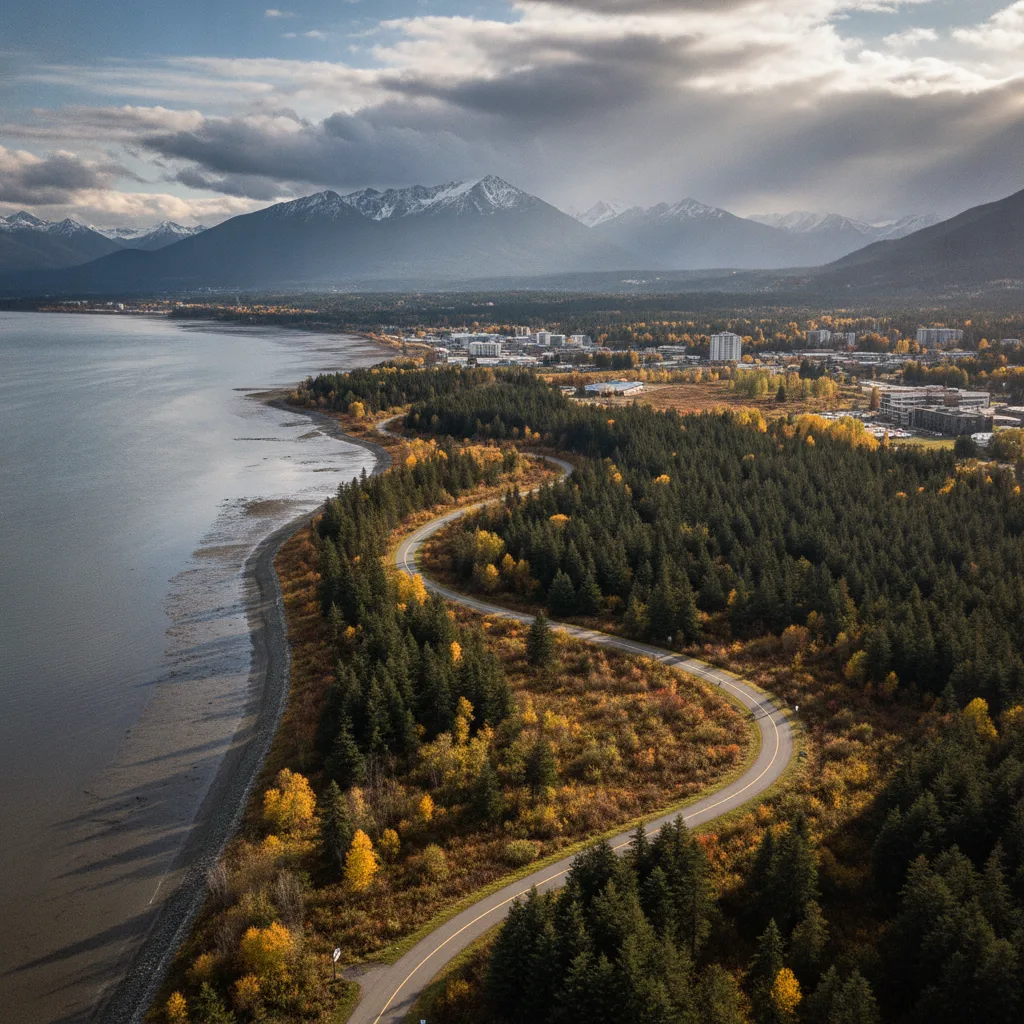
Anchorage Coastal Trail Travel Guide — Alaska
We've explored countless trails across the United States, but few offer the unique blend of urban accessibility and raw Alaskan wilderness quite like the Tony Knowles Coastal Trail. This 11-mile paved pathway, officially known as the Tony Knowles Coastal Trail, is Anchorage's crown jewel, winding along the shore of Cook Inlet from downtown to Kincaid Park. It’s a year-round destination, perfect for everything from leisurely strolls to invigorating bike rides and cross-country skiing in winter. Our team considers it an essential experience for anyone visiting Anchorage, offering unparalleled views, abundant wildlife, and a deep dive into the region's natural and human history.
Why Visit Anchorage Coastal Trail
The allure of the Anchorage Coastal Trail Alaska lies in its stunning natural beauty and incredible accessibility. We consistently recommend it for its panoramic vistas of Cook Inlet, the majestic Mount Susitna (also known as Sleeping Lady), and on clear days, even the towering peaks of Denali and Mount Foraker. It's a place where you can truly immerse yourself in Alaska's wilderness without venturing far from the city's comforts. Imagine spotting beluga whales in the inlet during late summer, watching bald eagles soar overhead, or encountering moose grazing nonchalantly along the trail. These wildlife encounters are not just possible; they're common, making every visit an adventure.
Beyond the wildlife, the trail offers a fascinating journey through Anchorage's history and geology. It skirts the fault line of the devastating 1964 Good Friday earthquake, with Earthquake Park providing interpretive displays that explain how this powerful event reshaped the landscape. The trail is entirely paved and well-maintained, suitable for a variety of activities and fitness levels. It’s a testament to Anchorage's commitment to outdoor recreation, providing a vital green corridor that connects several significant parks and natural areas within the city. For those looking to explore more of what Alaska has to offer, the Coastal Trail serves as an excellent introduction to the state's natural wonders, often sparking a desire to delve deeper into destinations like the best places in Alaska, including the vast wilderness of Denali National Park & Preserve or the dramatic coastal landscapes of Kenai Fjords National Park.
Who It's Best For
The Anchorage Coastal Trail is remarkably versatile, making it ideal for a wide range of visitors. We find it particularly suited for:
- Families with Children: The paved, relatively flat surface makes it perfect for strollers, young cyclists, and easy walks. There are numerous parks and viewpoints along the way that provide excellent stopping points.
- Cyclists of All Levels: Whether you're an experienced rider looking for a scenic 22-mile round trip or a casual cyclist seeking a shorter, enjoyable spin, the trail accommodates all. Bike rentals are readily available downtown, making it easy to hop on and explore.
- Walkers, Runners, and Rollerbladers: The smooth asphalt surface is a dream for those who prefer to explore on foot or skates. It's a popular spot for locals and visitors alike to get their daily exercise amidst breathtaking scenery.
- Wildlife Enthusiasts: With frequent sightings of moose, bald eagles, and even beluga whales in the Cook Inlet during certain seasons, nature lovers will be in their element.
- Photography Buffs: The ever-changing light over Cook Inlet, the distant mountains, and the abundant wildlife provide endless photographic opportunities. Sunsets over the inlet are particularly spectacular.
- History Buffs: Earthquake Park offers a poignant reminder of Anchorage's past, providing an educational component to your outdoor adventure.
Our team's expert verdict is that the Tony Knowles Coastal Trail truly offers something for everyone. Its accessibility and diverse appeal make it a standout destination, whether you have an hour or a full day to explore. It's an urban wilderness experience that few cities can match.
Getting There & Parking
Understanding how to get to Anchorage Coastal Trail and where to park is crucial for a smooth visit. The trail stretches 11 miles from downtown Anchorage to Kincaid Park, offering multiple access points.
Access Points:
- Downtown Anchorage (Northern Terminus): The trail officially begins near West 2nd Avenue, close to the Alaska Railroad depot. This is a great starting point if you're staying downtown or planning to rent a bike from one of the many nearby shops. A new "Downtown Trail Connection" project, approved in June 2025, aims to connect the Coastal Trail and Ship Creek Trail, creating a continuous 14-mile corridor.
- Westchester Lagoon: Located about a mile from the downtown start, Westchester Lagoon is a popular and easily accessible entry point. It's a hub where the Coastal Trail intersects with the Lanie Fleischer Chester Creek Trail.
- Earthquake Park: This historical site offers both scenic views and a chance to learn about the 1964 earthquake. It's a convenient mid-trail access point.
- Point Woronzof: Around mile 5.0, Point Woronzof Overlook provides fantastic views and is a popular spot for watching planes land at Ted Stevens Anchorage International Airport.
- Kincaid Park (Southern Terminus): The trail concludes at Kincaid Park, a large recreational area with its own extensive trail system. The Kincaid Chalet is a common starting or ending point here.
Parking for Anchorage Coastal Trail:
Parking is readily available at several parks along the Anchorage Coastal Trail. Our team recommends utilizing these designated areas for convenience and safety.
- Elderberry Park: (1297 W. Fifth Ave.) A good option for starting near downtown.
- Margaret Eagan Sullivan Park: (1824 W. 15th Ave.) Another downtown-adjacent parking area.
- Lyn Ary Park: (2009 Foraker Drive) Provides mid-trail access.
- Earthquake Park: (5101 Point Woronzof Road) Parking available at this significant historical site.
- Point Woronzof Overlook: (9700 Point Woronzof Road) Ideal for those wanting to start around the airport viewing area.
- Kincaid Park: (9401 Raspberry Road) Ample parking at the Kincaid Chalet (651 ft away) and Raspberry Parking Lot (1.3 miles away) at the southern end of the trail.
While some street parking may be available in downtown areas, we advise checking local signage carefully for any restrictions or fees. For those not driving, public transportation, specifically the Number 40 People Mover City Bus, can get you within a few miles of Kincaid Park for a small fee, allowing you to access the trail.
Top Things to Do
When considering things to do at Anchorage Coastal Trail, the possibilities are as diverse as Alaska's landscape itself. Our team has curated a list of essential experiences to ensure you make the most of your visit to this iconic pathway.
- Bike the Entire 11 Miles: The Tony Knowles Coastal Trail is renowned as one of the best urban bike paths in the world. Rent a bike from a downtown shop and embark on the full 22-mile round trip to Kincaid Park. The paved, two-way trail offers a mostly gentle grade, with a few rolling hills near Earthquake Park and a steeper climb approaching Kincaid Park, which provides a rewarding downhill on the return. It typically takes about 2.5 hours at a leisurely pace to complete the round trip.
- Wildlife Viewing: This is one of the premier things to do at Anchorage Coastal Trail. Keep your eyes peeled for moose, especially in the forested sections between Point Woronzof and Kincaid Park. Bald eagles are a common sight, often perched in trees or soaring overhead. In August and late summer, you might even spot beluga whales in the Cook Inlet from viewing platforms, particularly near Earthquake Park.
- Explore Earthquake Park: Stop at Earthquake Park to learn about the powerful 1964 Good Friday earthquake, a 9.2 magnitude tremor that dramatically altered Anchorage's landscape. Interpretive displays provide historical context and visual evidence of the devastation.
- Visit Westchester Lagoon: A popular spot for birdwatching, Westchester Lagoon is where the Coastal Trail intersects with the Chester Creek Trail. It's a vibrant area for waterfowl and shorebirds, and a great place for a shorter walk or to connect to other parts of Anchorage's trail system.
- Catch a Sunset at Point Woronzof: The Point Woronzof Overlook offers breathtaking views of Cook Inlet, Mount Susitna, and on clear days, Denali. It's also an excellent spot to watch planes take off and land at Ted Stevens Anchorage International Airport. We consider it one of the best locations for sunset viewing in Anchorage.
- Photography: From expansive mountain and water vistas to intimate wildlife encounters, the trail offers endless opportunities for stunning photographs.
- Winter Activities: In the colder months, the paved surface transforms into a groomed path for cross-country skiing and skijoring, making it a year-round recreational asset.
Best Time to Visit
Our team has found that the best time to visit the Anchorage Coastal Trail largely depends on the activities you have in mind, as it offers unique experiences throughout the year. The trail is open 24/7, year-round, and is free to use.
- Summer (June to August): This is undoubtedly the most popular time for the Anchorage Coastal Trail. With nearly 20 hours of daylight, the trail is bustling with walkers, runners, and cyclists. The weather is generally mild and pleasant, making it ideal for outdoor activities. Wildlife viewing is abundant, with moose, eagles, and various bird species active. Late summer (August to September) is also the best time to spot beluga whales in Cook Inlet as they follow salmon runs. Bike rentals are in full swing, and guided tours are readily available.
- Spring (May to Early June): As the snow melts and daylight hours increase, spring brings a sense of renewal to the trail. You might see moose calves and returning migratory birds. The trail is less crowded than in peak summer, offering a more tranquil experience. However, some sections might still be wet from snowmelt.
- Fall (September to October): Fall offers crisp air, fewer crowds, and potentially stunning autumn foliage, particularly in the forested sections closer to Kincaid Park. Wildlife remains active, and the sunsets over Cook Inlet can be particularly vibrant. This is still a great time for biking and walking before the snow truly sets in.
- Winter (November to April): For a truly unique Alaskan experience, visit the Anchorage Coastal Trail in winter. The paved path is groomed for cross-country skiing and skijoring, transforming into a winter wonderland. Moose are often seen in the city during winter, using plowed paths. While cold, the quiet beauty of a snowy landscape and the chance to experience winter sports make it a rewarding visit for those prepared for the conditions.
Our recommendation is to visit during the summer months for the widest range of activities and the best chance of spotting diverse wildlife. However, for those seeking solitude and a unique winter adventure, the trail in its snowy splendor is equally captivating.
Where to Stay Nearby
Anchorage offers a wide array of accommodations to suit every budget and preference, with many options providing convenient access to the Anchorage Coastal Trail. Our team suggests considering the following areas:
- Downtown Anchorage: Staying downtown places you directly at the northern trailhead of the Tony Knowles Coastal Trail. This area is ideal for visitors who want easy access to bike rentals, restaurants, shops, and other city attractions like the Anchorage Museum. You can simply walk or rent a bike and be on the trail within minutes.
- Midtown Anchorage: Located a bit further from the immediate trailhead, Midtown offers a broader selection of hotels, often at slightly more competitive prices than downtown. It’s still a short drive or bus ride to various trail access points, and you’ll find plenty of dining and shopping options.
- Near Lake Hood/Spenard: For those interested in aviation or a more local feel, the area around Lake Hood Seaplane Base offers unique accommodations and is relatively close to the trail's mid-section and the airport viewing areas. This provides a different perspective of Anchorage life.
- Near Kincaid Park: If your primary focus is on the southern end of the trail, including extensive hiking within Kincaid Park or accessing the trail for cross-country skiing in winter, staying closer to this area could be beneficial. Accommodations here might be more limited but offer a quieter, more nature-focused experience.
When planning your trip, remember that Anchorage is the gateway to many of Alaska's iconic natural wonders. Consider extending your stay to explore beyond the city, perhaps with a trip to Denali National Park & Preserve for unparalleled wilderness and wildlife, or a scenic journey to Kenai Fjords National Park to witness stunning glaciers and marine life. You can find more comprehensive planning resources on our Plan Your US Trip page.
Sample 2-Day Itinerary
To help you maximize your visit, our team has crafted a sample 2-day itinerary focusing on the Anchorage Coastal Trail and its surrounding attractions.
Day 1: Coastal Exploration & Downtown Delights
- Morning (9:00 AM - 1:00 PM): Bike the Tony Knowles Coastal Trail
Start your day by renting bicycles from a downtown Anchorage shop. Many outfitters are conveniently located within a few blocks of the northern trailhead on 2nd Avenue. Embark on a leisurely ride along the Anchorage Coastal Trail Alaska, heading south towards Kincaid Park. Take your time to soak in the views of Cook Inlet, Mount Susitna, and the distant Chugach Mountains. Stop at Earthquake Park to learn about the 1964 earthquake and its impact. Continue to Point Woronzof Overlook for fantastic airplane spotting and panoramic vistas. Expect this round trip to take approximately 2.5 to 3 hours at a relaxed pace.
- Lunch (1:00 PM - 2:30 PM): Downtown Anchorage
Return your bikes and enjoy lunch at one of downtown Anchorage's many restaurants. Options range from casual cafes to fine dining, offering a taste of local Alaskan cuisine.
- Afternoon (2:30 PM - 5:00 PM): Anchorage Museum & Shopping
Immerse yourself in Alaskan culture and history at the Anchorage Museum. Explore its diverse exhibits, including art, history, science, and the Smithsonian Arctic Studies Center. Afterward, browse the unique shops and galleries downtown for souvenirs or local crafts.
- Evening (5:00 PM onwards): Sunset & Dinner
Head back to an accessible point on the Anchorage Coastal Trail, such as Elderberry Park or Point Woronzof, to witness a spectacular Alaskan sunset over Cook Inlet. Conclude your day with dinner in downtown Anchorage.
Day 2: Wilderness Immersion & Local Gems
- Morning (9:00 AM - 1:00 PM): Kincaid Park & Wildlife Spotting
Drive or take a bus to Kincaid Park, the southern terminus of the Anchorage Coastal Trail. Spend the morning exploring the extensive network of trails within Kincaid Park itself. This area is a prime spot for moose sightings, especially in the early morning. You can choose to hike some of the unpaved trails or enjoy another section of the paved Coastal Trail. Remember to be bear-aware and carry bear spray.
- Lunch (1:00 PM - 2:30 PM): Near Kincaid Park or Midtown
Grab a casual lunch near Kincaid Park or head to Midtown Anchorage for more dining choices.
- Afternoon (2:30 PM - 5:00 PM): Potter Marsh Bird Sanctuary or Alaska Aviation Museum
Choose your afternoon adventure:
- Option A (Nature Focus): Drive south to Potter Marsh Bird Sanctuary, a long boardwalk over wetlands, offering exceptional birdwatching opportunities, including swans and arctic terns.
- Option B (History Focus): Visit the Alaska Aviation Museum near Lake Hood Seaplane Base to learn about Alaska's rich aviation history and watch floatplanes take off and land.
- Evening (5:00 PM onwards): Local Brewery or Farewell Dinner
Enjoy a relaxed evening at one of Anchorage's local breweries, sampling Alaskan craft beers, or indulge in a farewell dinner at a restaurant of your choice, reflecting on your Anchorage Coastal Trail Alaska adventures.
Last updated: 2026-07-05 by the Visit America team.