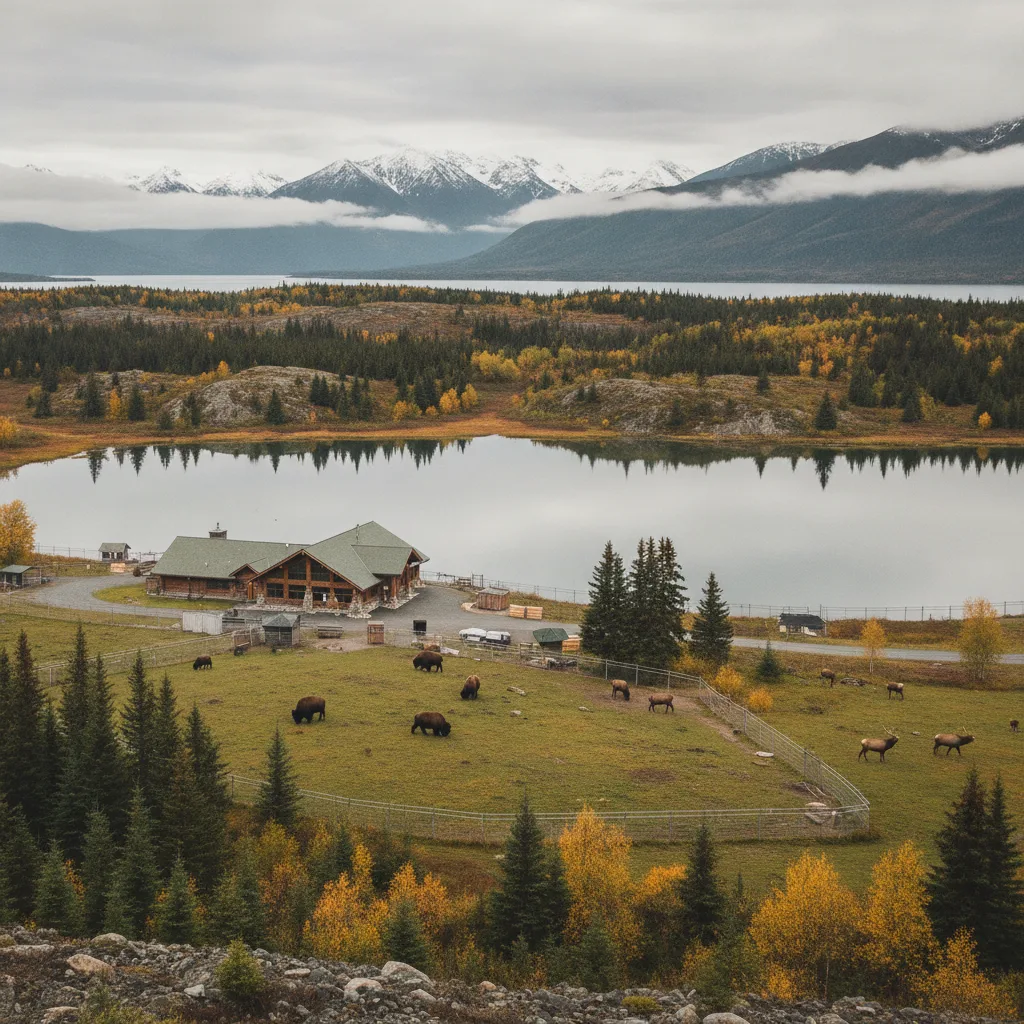
We've compiled everything you need to know for an unforgettable visit to this vital conservation hub, from planning your trip to experiencing its unique offerings firsthand. The Alaska Wildlife Conservation Center Alaska is more than just a place to see animals; it's a non-profit sanctuary dedicated to the preservation, education, and rehabilitation of Alaska's iconic wildlife. Nestled in the breathtaking Portage Valley, surrounded by the Chugach Mountains and the Turnagain Arm, it offers an unparalleled opportunity to connect with the Last Frontier's animal residents in a naturalistic setting.
Why Visit Alaska Wildlife Center
We believe the Alaska Wildlife Conservation Center (AWCC) offers a truly unique and impactful experience for any traveler to Alaska. Unlike a traditional zoo, AWCC provides a permanent home for orphaned and injured animals that cannot be released back into the wild, giving them a second chance at life while serving as ambassadors for their species. Here, you'll witness Alaska's magnificent wildlife up close – from brown bears swimming and moose strutting to wood bison roaming and muskox playing – all within spacious, natural habitats spanning over 200 acres.
Our team is consistently impressed by the center's unwavering commitment to conservation, education, and research. Every admission fee, donation, and gift shop purchase directly supports the care of these animals and the center's vital programs. It's a chance to learn about Alaska's diverse ecosystems and the challenges its wildlife faces, fostering a deeper appreciation for the state's wild beauty. Plus, the stunning backdrop of the Chugach Mountains and Turnagain Arm makes for an incredibly scenic visit, offering fantastic photography opportunities regardless of the season.
Who It's Best For
The Alaska Wildlife Conservation Center is an ideal destination for a wide range of visitors. Families with children will find it particularly engaging, as the center offers a safe environment with educational programs and plenty of picnic spots. Kids (and adults!) love the opportunity to see animals like bears, moose, and wolves closer than they might in the wild, with interpretive signs providing fascinating facts at each habitat.
Nature enthusiasts and wildlife photographers will also find AWCC to be a goldmine. The expansive enclosures allow for excellent viewing and photo opportunities of various Alaskan species. It's a fantastic way to guarantee sightings of many animals that can be elusive in their natural habitats. Even those who prefer a more relaxed experience will appreciate the ability to drive the 1.5-mile loop, viewing animals from the comfort of their vehicle. It's also a great stop for anyone traveling the scenic Seward Highway, offering a perfect break to stretch your legs and immerse yourself in Alaska's natural world.
How to Get There & Parking
Wondering how to get to Alaska Wildlife Center? The center is conveniently located at Mile 79 of the Seward Highway (AK Route 1), approximately 47 miles south of Anchorage and just before the Portage Glacier road turnoff. The drive itself is incredibly scenic, winding along the Turnagain Arm with opportunities to spot beluga whales and various birdlife.
For those driving, simply follow the Seward Highway south from Anchorage past Girdwood. The physical address is 43520 Seward Highway, Portage, AK 99587. If you're utilizing ride-sharing services like Uber or Lyft, our team advises ensuring your driver waits for you on-site, as scheduling a pickup in Portage can be challenging due to dispatch locations in Anchorage.
Regarding Alaska Wildlife Center parking, you'll be pleased to know that ample free parking is available across the street from the main entrance. This makes it easy to access the center whether you plan to walk, bike, or drive the scenic loop. The 1.5-mile loop can be explored by foot, bike, or car, offering flexibility in how you experience the wildlife.
Top Things to Do
There are numerous things to do at Alaska Wildlife Center that cater to all interests and activity levels. Our team recommends allocating at least a few hours to fully explore the center and take advantage of its offerings. The primary activity is traversing the 1.5-mile scenic loop, which can be done by foot, bike, or car, providing different perspectives of the animal habitats. Along the loop, you'll encounter interpretive signs at each animal enclosure, offering insights into the resident wildlife and their stories.
Beyond self-guided exploration, consider enhancing your visit with one of the specialized tours or animal encounters. The "Naturalist Guided Walking Tour" provides a 90-minute immersive experience with a naturalist guide, offering history and stories of the resident animals, and even includes an opportunity to feed an animal. For a more intimate experience, "Moose Encounters" are available on specific days, allowing you to get up close with these magnificent creatures. The center also offers "Bear Encounters" and "Walk on the Wild Side Tours" for unique interactions. These tours often require advanced reservations, so we advise booking early, especially during peak season.
Seasonal events also add to the things to do at Alaska Wildlife Center. For example, in 2026, the center is hosting "Summer Hummingbird Days" in June, featuring live banding demonstrations and talks, and "Big Bears Big Veggies" in September, where bears feast on gigantic vegetables. These events are typically free with regular admission. Don't forget to visit the gift shop, where purchases contribute directly to the care of the animals.
Best Time to Visit
The Alaska Wildlife Conservation Center is open year-round, offering unique experiences in every season. However, the best time to visit often depends on your priorities.
- Summer (May - early September): This is the most popular time, with the longest daylight hours and warmest temperatures. From May 16 to September 15, the center is open daily from 8:30 AM to 7 PM, with last entry at 6 PM. You'll see animals at their most active, and the lush landscape is vibrant. This is also when specialized tours like Moose Encounters are most frequently offered.
- Spring (March - April) & Fall (mid-September - October): These shoulder seasons offer fewer crowds and beautiful transitional scenery. In March and April, the center is open daily from 10 AM to 6 PM. From September 16 to October, hours are 10 AM to 6 PM daily. You might catch the fall colors or the awakening of spring. Note that the AWCC will be closed on Saturday, October 3, 2026, for a fundraiser.
- Winter (November - February): While colder and with shorter daylight hours, winter offers a magical, serene experience. The center is open Friday-Monday from 10 AM to 4 PM (January, December) or 5 PM (February, November). You can drive, ski, bike, or even use complimentary kick-sled rentals on the loop, seeing animals in their snowy environment. Some animals, like bears, might be less active, but others, like muskox and wolves, are often very visible against the snow.
Ultimately, our team suggests checking the official website for specific hours and any special closures or events before your visit, as hours are subject to change.
Where to Stay Nearby
While there's no lodging directly at the Alaska Wildlife Conservation Center, several excellent options are available in nearby communities, catering to different preferences and budgets. The most popular choice for many visitors is the town of Girdwood, located just a short drive north of the AWCC.
- Girdwood: This charming ski town is home to the Alyeska Resort, offering luxury accommodations, fine dining, and access to hiking trails and the scenic aerial tram. Girdwood also has a variety of smaller hotels, lodges, and vacation rentals, providing a comfortable base for exploring the region. It's a vibrant community with restaurants and shops.
- Anchorage: As Alaska's largest city, Anchorage is about an hour's drive north of the AWCC. It offers the widest range of accommodations, from budget-friendly motels to upscale hotels. Staying in Anchorage allows you to combine your wildlife visit with city attractions, museums, and a broader selection of dining and shopping. You can find more information on Best places in Alaska, including Anchorage, on our site.
- Whittier: Located at the end of the Anton Anderson Memorial Tunnel (a unique shared car/train tunnel), Whittier is a port town known for its glacier and wildlife cruises into Prince William Sound. While a bit further and requiring passage through the tunnel, it offers a distinct coastal experience. The Saltwater Cafe in Whittier is highly recommended for fresh seafood.
For those looking to extend their Alaskan adventure, consider exploring other incredible destinations like Denali National Park & Preserve or Kenai Fjords National Park, both offering different but equally spectacular wildlife viewing opportunities.
Sample 2-Day Itinerary
To truly make the most of your visit to the Alaska Wildlife Conservation Center and the surrounding Portage Valley, our team has crafted a sample 2-day itinerary:
Day 1: Wildlife Immersion & Portage Valley Exploration
- Morning (9:00 AM - 1:00 PM): Arrive at the Alaska Wildlife Conservation Center. Dedicate your morning to exploring the 1.5-mile loop. We suggest starting with a self-guided walk or bike ride to fully appreciate the natural habitats and interpretive signs. If you've pre-booked, join a "Naturalist Guided Walking Tour" for an in-depth experience and animal feeding opportunity. Focus on seeing the "Big 5" of Alaska: bears, moose, caribou, muskox, and wolves.
- Lunch (1:00 PM - 2:00 PM): Enjoy a picnic lunch at one of the designated spots within the AWCC or grab a bite at their on-site cafe (if available).
- Afternoon (2:00 PM - 5:00 PM): Head into Portage Valley. Visit the Begich Boggs Visitor Center for exhibits on Portage Glacier and the area's natural history. Although Portage Glacier is no longer visible from the center, you can take a boat tour on Portage Lake to get up close to the glacier's face (seasonal, late May through early September). Alternatively, embark on the family-friendly Byron Glacier Trail, a 1.4-mile easy trek leading to views of Byron Glacier.
- Evening: Drive back to Girdwood for dinner at one of its acclaimed restaurants. Consider a ride on the Alyeska Resort Aerial Tram for panoramic views before settling in for the night.
Day 2: Glaciers, Coastal Beauty & Scenic Drives
- Morning (9:00 AM - 12:00 PM): Choose your adventure. Either drive through the Anton Anderson Memorial Tunnel to Whittier, North America's longest highway tunnel, and explore this unique port town. From Whittier, you can take a glacier and wildlife cruise into Prince William Sound. Alternatively, if you prefer hiking, consider the Portage Pass Trail, a 2-mile hike from Whittier offering views of Portage Glacier.
- Lunch (12:00 PM - 1:00 PM): Enjoy lunch in Whittier (try the Saltwater Cafe for fresh seafood) or pack a picnic to enjoy along the scenic Turnagain Arm.
- Afternoon (1:00 PM - 4:00 PM): Begin your scenic drive back towards Anchorage, taking your time to stop at various viewpoints along the Turnagain Arm, such as Beluga Point, known for potential beluga whale sightings. You might also spot Dall sheep on the cliffs.
- Late Afternoon/Evening: Depending on your flight schedule or onward journey, you could visit another nearby attraction like the Alaska Native Heritage Center in Anchorage or simply relax and enjoy the Alaskan scenery.
Is It Worth Visiting?
Our team unequivocally believes that the Alaska Wildlife Conservation Center is worth visiting for anyone traveling through Southcentral Alaska. It offers a guaranteed opportunity to see many of Alaska's most iconic animals up close, which can be challenging to spot in the vast wilderness. For many visitors, the chance to witness bears, moose, muskox, and wolves in spacious, naturalistic habitats is a highlight of their Alaskan journey.
Beyond the incredible animal viewing, the center's mission of conservation, education, and animal care adds significant value to the experience. Knowing that your admission directly supports these efforts makes the visit even more meaningful. The stunning backdrop of Portage Valley, with its surrounding mountains and the Turnagain Arm, further enhances the appeal, making it a beautiful and educational outing. Whether you're a family with young children, a dedicated wildlife enthusiast, or simply looking for a memorable stop along the Seward Highway, the question "is Alaska Wildlife Center worth visiting" can be confidently answered with a resounding yes.
Alaska Wildlife Center Hiking Trails
While the Alaska Wildlife Conservation Center itself features a 1.5-mile loop that is perfect for a leisurely walk or bike ride, it's not typically considered a hiking trail in the rugged Alaskan sense. However, the surrounding Portage Valley offers several fantastic Alaska Wildlife Center hiking trails for those looking to stretch their legs further and immerse themselves in the Chugach National Forest.
One of the most popular and accessible Alaska Wildlife Center hiking trails nearby is the Byron Glacier Trail. Located just past the Begich Boggs Visitor Center on Byron Glacier Road, this 1.4-mile roundtrip trail is relatively flat and family-friendly. It winds through a stunning river valley, eventually leading to impressive views of Byron Glacier perched in the mountains. It's an excellent option for all skill levels and offers a glimpse into the glacial landscapes of the region.
Another notable trail in the area is the Trail of Blue Ice. This trail departs from the Begich Boggs Visitor Center and parallels Portage Glacier Road, offering an easygoing path suitable for biking and walking, with connections to campgrounds. For a more challenging hike with direct glacier views, the Portage Pass Trail (a 2-mile hike) from Whittier leads over a low pass to close-up views of Portage Glacier from the shores of Portage Lake. Always remember to dress in layers and wear appropriate footwear, as Alaskan weather can be unpredictable.
Alaska Wildlife Center Camping
While there isn't direct Alaska Wildlife Center camping on the sanctuary grounds, the surrounding Portage Valley and Chugach National Forest offer excellent camping opportunities for those wishing to extend their stay in nature. Our team highly recommends exploring these nearby options for a complete Alaskan outdoor experience.
One of the most well-known spots for Alaska Wildlife Center camping is Williwaw Campground. Nestled among glaciers, it provides a serene camping experience in the heart of nature and is RV-friendly. This campground is part of the larger Portage Glacier area, which features a series of campgrounds along Portage Glacier Road. These campgrounds offer a chance to stay immersed in the stunning scenery, with access to hiking and biking trails.
Further afield, but still within a reasonable drive, are various campgrounds in the Kenai National Wildlife Refuge, such as Williwaw Campground, offering a serene experience. Campgrounds in Alaska State Parks, like those in Chugach State Park, are often available on a first-come, first-served basis, though some may offer reservations. For those with RVs, the Palmer/Anchorage North KOA Journey is another year-round option that serves as a base camp for exploring the region, including the AWCC. When planning your Alaska Wildlife Center camping adventure, it's always wise to check individual campground websites or Recreation.gov for 2026 availability, fees, and reservation requirements, especially during peak summer months.
Last updated: 2026-07-05 by the Visit America team.