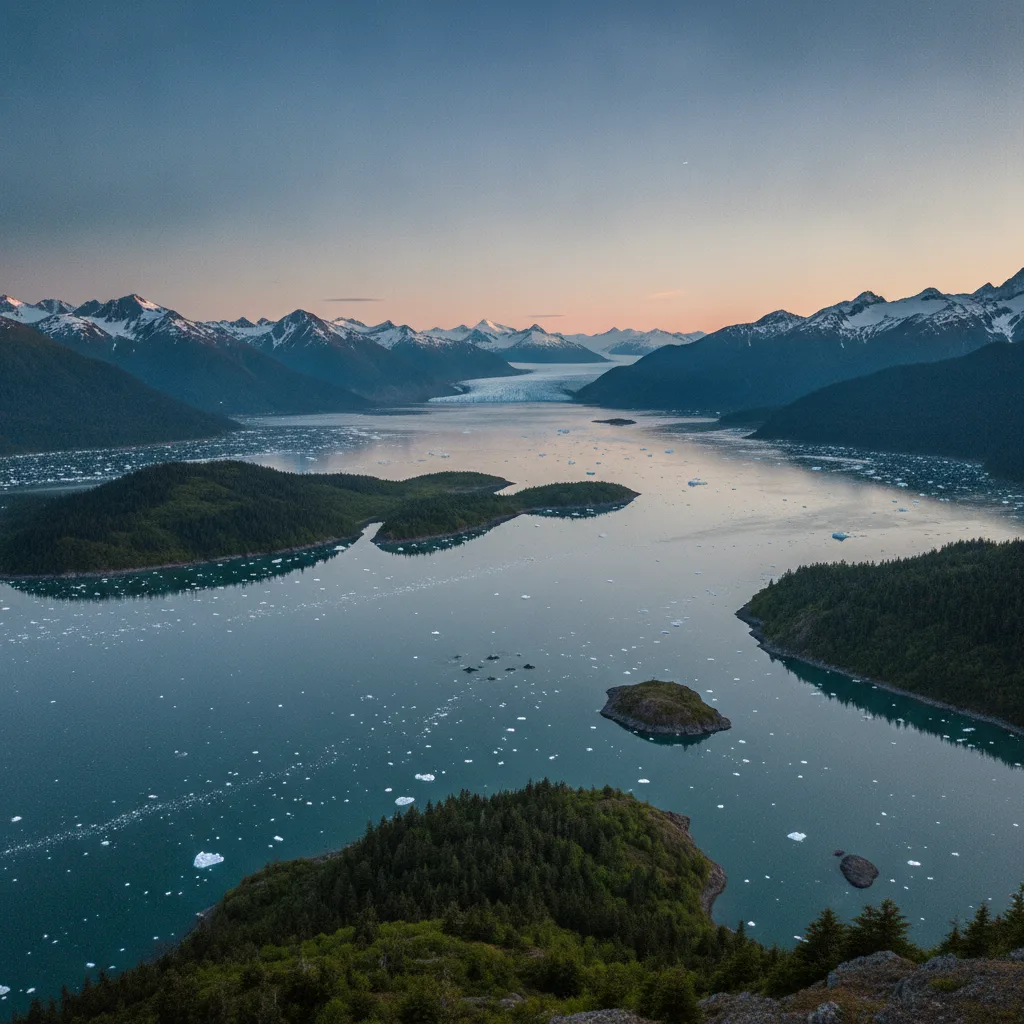
Glacier Bay National Park Travel Guide — Alaska
When we set out to explore the vast, untamed wilderness of the Last Frontier, few destinations capture the imagination quite like Glacier Bay National Park Alaska. This UNESCO World Heritage site, nestled in Southeast Alaska, is a realm of towering tidewater glaciers, pristine fjords, and abundant wildlife, offering an unparalleled immersion into one of the planet's most dynamic ecosystems. Our team at Visit America considers it an essential pilgrimage for anyone seeking to witness nature's raw power and breathtaking beauty up close.
Why Visit Glacier Bay National Park
Visiting Glacier Bay National Park is an experience unlike any other, a journey into a landscape actively being sculpted by ice. Here, you don't just observe glaciers; you witness them calve with thunderous roars, sending colossal chunks of ice crashing into the sea. This dynamic geological activity is the park's beating heart, drawing visitors from around the globe. Beyond the glaciers, the park is a sanctuary for an incredible array of wildlife, from humpback whales breaching in the icy waters to brown bears foraging on the shorelines and puffins nesting on rocky cliffs. It's a place where every turn offers a new spectacle, a new opportunity to connect with the wild. We've found that the sheer scale of the landscape and the vibrant ecosystem create a profound sense of wonder, making it a truly unforgettable destination. For those captivated by Alaska's wild allure, Glacier Bay stands shoulder-to-shoulder with other iconic destinations like Denali National Park & Preserve and Kenai Fjords National Park, offering a unique, water-centric exploration of the state's natural grandeur.
Who It's Best For
Glacier Bay National Park is ideally suited for adventurers, nature enthusiasts, and anyone with a deep appreciation for wilderness and wildlife. It's particularly perfect for those who enjoy exploring by water, as the primary way to experience the park is via boat or cruise ship. Photographers will find endless inspiration in the dramatic landscapes, ever-changing light, and abundant wildlife. Families with older children who can appreciate the natural wonders and potentially longer boat excursions will also find it rewarding. While there are limited opportunities for extensive backcountry hiking, those who prefer guided tours, wildlife viewing, and educational programs will thrive here. It's less suited for travelers seeking extensive road access or a multitude of developed amenities. Instead, it caters to those who embrace the remote, the wild, and the truly awe-inspiring.
Getting There & Parking
Understanding how to get to Glacier Bay National Park is crucial, as it's one of the least accessible national parks in the United States, with no roads leading directly into the park. The vast majority of visitors arrive by cruise ship, which typically includes a full day of scenic cruising within the bay. Alternatively, independent travelers can fly into Gustavus, Alaska, the small community located just outside the park entrance. Gustavus has a small airport (GST) served by daily flights from Juneau (JNU) via regional carriers like Alaska Seaplanes and Alaska Airlines. These flights are generally scheduled to align with the summer tourist season. From Gustavus, a complimentary shuttle service is often provided by the Glacier Bay Lodge to Bartlett Cove, where the park headquarters and visitor center are located.
For those driving to Juneau, parking is available at the Juneau International Airport for connecting flights to Gustavus. However, direct vehicle access to Glacier Bay is not possible. Once in Bartlett Cove, parking is generally not a concern as most visitors arrive on foot, by shuttle, or as part of a cruise. There is limited parking available for guests of Glacier Bay Lodge and for those utilizing the public dock, but we emphasize that this is not a park you drive into. Planning ahead for your flight or cruise connection is paramount to ensure a smooth journey to this remote paradise. We always recommend booking flights and accommodations well in advance, especially for peak summer months.
Top Things to Do
The array of things to do at Glacier Bay National Park is primarily centered around its magnificent waterways and the opportunities they provide for wildlife viewing and glacier appreciation. Our team has compiled the definitive list of must-do activities:
- Glacier Bay Day Boat Tour: This is arguably the quintessential experience. The National Park Service operates a daily catamaran tour, the Spirit of Adventure, from Bartlett Cove during the summer season. This full-day tour navigates the length of the bay, offering unparalleled views of tidewater glaciers like Margerie and Grand Pacific, and providing expert ranger commentary on the park's geology, ecology, and wildlife. Reservations for the 2026 season are highly recommended and can be made well in advance through the park concessionaire.
- Kayaking and Paddleboarding: For a more intimate experience, exploring the calmer waters of Bartlett Cove or embarking on a multi-day sea kayaking expedition into the deeper fjords is an incredible way to connect with the park. Rental kayaks and guided tours are available from Bartlett Cove. Imagine paddling silently past seals lounging on ice floes or watching a humpback whale surface nearby.
- Wildlife Viewing: Glacier Bay is a wildlife hotspot. Keep your eyes peeled for humpback whales, orcas, sea otters, harbor seals, Steller sea lions, brown bears, black bears, mountain goats, moose, and a myriad of bird species including puffins, eagles, and guillemots. Binoculars are essential for maximizing your viewing experience.
- Hiking in Bartlett Cove: While extensive backcountry hiking is limited, Bartlett Cove offers several well-maintained trails. These provide opportunities to explore the temperate rainforest and observe intertidal life. We'll detail specific Glacier Bay National Park hiking trails in a dedicated section.
- Ranger Programs: The National Park Service offers a variety of free ranger-led programs at Bartlett Cove, including guided walks, evening presentations, and cultural demonstrations. These are excellent for gaining deeper insights into the park's natural and cultural history.
- Fishing: Sport fishing is permitted in certain areas of the park, primarily for salmon and halibut. Regulations are strict, and a valid Alaska fishing license is required. Check with the park service for current rules and limits.
- Flightseeing: For a truly panoramic perspective, consider a flightseeing tour from Gustavus. These tours offer breathtaking aerial views of the entire Glacier Bay system, including glaciers, mountains, and icefields inaccessible by boat.
These things to do at Glacier Bay National Park offer a range of experiences, from the leisurely to the adventurous, all designed to showcase the park's extraordinary natural wonders.
Glacier Bay National Park Hiking Trails
While Glacier Bay National Park is predominantly a water-based park, there are several excellent Glacier Bay National Park hiking trails available, primarily concentrated around Bartlett Cove. These trails offer a chance to stretch your legs, explore the temperate rainforest, and observe the unique flora and fauna of the intertidal zone. Our team recommends the following:
- Forest Loop Trail: This easy, relatively flat 1-mile loop winds through the lush rainforest near Bartlett Cove, offering a glimpse into the park's terrestrial ecosystem. It's perfect for a leisurely stroll and is often accessible even in light rain.
- Bartlett River Trail: Extending about 4 miles roundtrip, this trail follows the Bartlett River through muskeg and forest to a scenic overlook of the river mouth. It's a great spot for birdwatching and potentially spotting bears or moose.
- Bartlett Cove Public Use Dock Trail: A short, paved path connecting the lodge and visitor center to the public dock, offering easy access to the waterfront and views of the cove.
- Beach Trail: This informal trail allows you to walk along the beach at low tide, exploring tide pools and enjoying expansive views of the bay. Be mindful of tide schedules and slippery rocks.
For more experienced hikers seeking a backcountry experience, limited opportunities exist for off-trail exploration, but these require significant planning, permits, and self-sufficiency due to the remote and challenging terrain. Always check with the park rangers at the Bartlett Cove Visitor Center for current trail conditions, bear safety information, and any necessary permits before embarking on any Glacier Bay National Park hiking trails.
Glacier Bay National Park Camping
For those seeking a truly immersive wilderness experience, Glacier Bay National Park camping offers a unique opportunity to sleep under the Alaskan sky. The primary developed camping option is the **Bartlett Cove Campground**, located near the park headquarters. This is a walk-in campground, meaning you'll need to carry your gear a short distance from the drop-off point.
- Bartlett Cove Campground: This free, primitive campground operates on a first-come, first-served basis. It offers basic amenities including bear-resistant food caches, a composting toilet, and fire pits. Potable water is available at the Bartlett Cove Visitor Center. Due to its popularity, especially during peak season (June-August), arriving early in the day is advisable to secure a spot. Remember, bear safety is paramount here, so proper food storage and waste disposal are strictly enforced.
- Backcountry Camping: For the truly adventurous, backcountry camping is permitted throughout most of Glacier Bay National Park. This requires a free wilderness permit, which can be obtained at the Bartlett Cove Visitor Center. Backcountry campers must be entirely self-sufficient, prepared for all weather conditions, and knowledgeable about bear safety and Leave No Trace principles. Many backcountry campers utilize kayaks or private boats to access remote coves and shorelines.
Whether you choose the convenience of Bartlett Cove or the solitude of the backcountry, Glacier Bay National Park camping provides an unforgettable connection to this magnificent wilderness. Always consult the National Park Service website or contact the park directly for the most up-to-date information on regulations, closures, and any reservation requirements for 2026.
Best Time to Visit
The best time to visit Glacier Bay National Park is during the summer months, from late May through early September. This is when the weather is mildest, daylight hours are longest, and all park services and concessions are fully operational. Cruise ships and the park's day boat tour run regularly during this period, offering the most comprehensive way to experience the bay. Wildlife viewing, particularly of whales and bears, is generally excellent during the summer.
- June: Early summer offers lush greenery, active wildlife, and fewer crowds than July and August. Temperatures are cool but comfortable.
- July & August: These are the peak months, with the warmest temperatures and the highest chances of clear skies. However, they also see the largest crowds and highest prices for flights and accommodations. Wildlife viewing is at its prime.
- September: As autumn approaches, the crowds thin, and the fall colors begin to emerge. While temperatures drop, it can still be a beautiful time to visit, often with good opportunities for wildlife viewing before the winter sets in.
Outside of these months, access becomes extremely limited, and most services are unavailable. While the park is technically open year-round, the harsh winter conditions and lack of transportation make a visit impractical for most. We strongly advise planning your Glacier Bay National Park Alaska adventure for the summer season to ensure the best possible experience.
Where to Stay Nearby
Given the remote nature of Glacier Bay National Park, accommodation options are limited but offer a true Alaskan experience. The primary lodging within or immediately adjacent to the park is:
- Glacier Bay Lodge: Located directly in Bartlett Cove, this is the only lodge within the park boundaries. It offers comfortable rooms with stunning views of the cove and surrounding rainforest. The lodge serves as a hub for park activities, including the day boat tour departure and ranger programs. Reservations for 2026 should be made as far in advance as possible, as it books up quickly.
In the nearby town of Gustavus, a few miles from Bartlett Cove, you'll find a selection of charming, independently owned guesthouses, B&Bs, and small lodges. These often provide a more personalized experience and may include meals and transportation to Bartlett Cove. Some popular options include:
- Bear Track Inn: Known for its rustic elegance and excellent hospitality.
- Annie Mae Lodge: Offers a cozy, home-away-from-home atmosphere.
- Gustavus Inn at Glacier Bay: A historic lodge famous for its gourmet meals and fishing charters.
Many of these Gustavus accommodations also offer packages that include activities like fishing, kayaking, and guided tours. We recommend researching these options thoroughly to find the perfect fit for your style and budget. Remember, regardless of where you choose to stay, booking well in advance is essential, especially for the peak summer travel season in this unique part of Alaska.
Sample 2-Day Itinerary
For independent travelers visiting Glacier Bay National Park, a 2-day itinerary based out of Bartlett Cove or Gustavus allows for a comprehensive and rewarding experience. This itinerary focuses on maximizing your time in this incredible wilderness.
Day 1: Glacier Bay Exploration
- Morning (8:00 AM - 9:00 AM): Arrive at Bartlett Cove. If staying in Gustavus, take the shuttle to the Glacier Bay Lodge. Check in and drop off your luggage.
- Late Morning (9:00 AM - 5:00 PM): Embark on the full-day Glacier Bay Day Boat Tour (Spirit of Adventure). This eight-hour journey will take you deep into the bay, offering spectacular views of tidewater glaciers, opportunities to witness calving, and abundant wildlife sightings. A National Park Service Ranger will provide expert commentary throughout the trip. Lunch is typically available for purchase on board, or you can bring your own.
- Evening (6:00 PM onwards): Return to Bartlett Cove. Enjoy dinner at the Glacier Bay Lodge dining room or a restaurant in Gustavus. Attend an evening ranger program at the Visitor Center to learn more about the park's natural and cultural history.
Day 2: Coastal & Forest Immersion
- Morning (9:00 AM - 1:00 PM): Choose your adventure:
- Option A (Active): Rent a sea kayak or join a guided kayaking tour from Bartlett Cove. Explore the calm, protected waters of the cove, paddling past seals, sea otters, and various seabirds.
- Option B (Relaxed): Hike one of the Glacier Bay National Park hiking trails around Bartlett Cove, such as the Forest Loop Trail or the Bartlett River Trail. Enjoy the temperate rainforest and look for local wildlife.
- Afternoon (1:00 PM - 4:00 PM): Have lunch at the Glacier Bay Lodge or a picnic. Visit the Huna Tribal House, located near the lodge, to learn about the Tlingit people's deep connection to Glacier Bay. Explore the Visitor Center exhibits.
- Late Afternoon (4:00 PM onwards): Enjoy some leisure time, perhaps walking the beach at low tide, or simply relaxing and soaking in the serene atmosphere of Bartlett Cove. Prepare for your departure from Gustavus or your next Alaskan adventure.
This itinerary provides a robust introduction to the park's highlights. For those with more time, consider adding an extra day for a multi-day kayaking trip, a fishing excursion, or a flightseeing tour over the icefields.
Is It Worth Visiting?
Our unequivocal answer is yes, Glacier Bay National Park is absolutely worth visiting. While it requires a bit more planning and effort to reach than some other national parks, the rewards are immense. The sheer scale of the glaciers, the dramatic landscape, and the abundance of wildlife create an experience that is truly unparalleled. It offers a unique perspective on the power of nature and the ongoing process of geological change. For anyone seeking a profound connection with raw wilderness and breathtaking beauty, the journey to Glacier Bay National Park Alaska is an investment that pays dividends in unforgettable memories. It stands as a testament to Alaska's wild heart, a place where you can witness the majesty of nature unfolding before your very eyes. We consider it one of the crown jewels of the National Park System and a must-see for any serious traveler to the Last Frontier.
Frequently Asked Questions
What are some things to do in Southeast AK?
Southeast Alaska is a treasure trove of natural beauty and cultural experiences. Beyond Glacier Bay National Park, popular things to do in Southeast AK include exploring the capital city of Juneau, where you can visit the Mendenhall Glacier and go whale watching [Juneau & Mendenhall Glacier]. Skagway offers a dive into Gold Rush history [Skagway Historic District], while Ketchikan is known for its vibrant Tlingit culture and totem poles. You can also enjoy sea kayaking, fishing, flightseeing, and wildlife cruises throughout the Inside Passage. For a broader look at the region, explore our guide to Best places in Alaska.
Is Glacier Bay National Park good for kids?
Glacier Bay National Park can be an excellent destination for kids, especially those with an interest in nature and wildlife. The day boat tour is often a highlight, offering opportunities to see whales, seals, and glaciers calving, which can be very exciting for children. The Junior Ranger program provides engaging activities for younger visitors. While extensive hiking is limited, the short trails at Bartlett Cove are suitable for families. We recommend ensuring children are prepared for potentially longer boat excursions and cooler weather. Engaging them with binoculars and wildlife spotting guides can enhance their experience.
What are some essential Glacier Bay National Park tips?
Our top Glacier Bay National Park tips include booking your cruise or flight to Gustavus and accommodations well in advance, especially for the summer season. Pack layers of clothing, including waterproof outer layers, as the weather can change quickly. Bring binoculars for wildlife viewing and a good camera. Be prepared for limited cell service and embrace the opportunity to disconnect. Always practice bear safety, store food properly, and follow Leave No Trace principles. Finally, take advantage of the ranger programs and the knowledge of the park staff – they are an invaluable resource.
Is there parking at Glacier Bay National Park?
Direct vehicle parking within the main areas of Glacier Bay National Park is extremely limited, as there are no roads leading into the park. Most visitors arrive by cruise ship or fly into Gustavus and then take a shuttle to Bartlett Cove. There is limited parking available at the Glacier Bay Lodge for guests and at the public dock for those utilizing marine services, but it is not a park designed for extensive personal vehicle use. If you fly into Gustavus, your accommodation may offer parking, but you will still rely on shuttles or walking to access park facilities at Bartlett Cove.
What is the best time to visit Glacier Bay National Park?
The best time to visit Glacier Bay National Park is during the summer months, from late May through early September. This period offers the mildest weather, longest daylight hours, and when all park services, tours, and accommodations are fully operational. July and August are peak months for both weather and wildlife viewing, though they also see the most visitors. Early June and September can offer a quieter experience with fewer crowds, but with slightly cooler temperatures.
What are Glacier Bay National Park hours and fees?
Glacier Bay National Park is technically open 24 hours a day, year-round, but visitor services and access are seasonal. The Bartlett Cove Visitor Center typically operates from late May to early September. There are no entrance fees to Glacier Bay National Park itself. However, you will incur costs for transportation (flights, cruise, or day boat tour), accommodations, and any guided activities or rentals. For example, the Glacier Bay Day Boat Tour has a fee, and reservations are required. Always check the official National Park Service website for the most current 2026 operating hours and any potential changes to fees or services.
Last updated: 2026-07-05 by the Visit America team.
Glacier Bay National Park Travel Guide — Alaska
When we set out to explore the vast, untamed wilderness of the Last Frontier, few destinations capture the imagination quite like Glacier Bay National Park Alaska. This UNESCO World Heritage site, nestled in Southeast Alaska, is a realm of towering tidewater glaciers, pristine fjords, and abundant wildlife, offering an unparalleled immersion into one of the planet's most dynamic ecosystems. Our team at Visit America considers it an essential pilgrimage for anyone seeking to witness nature's raw power and breathtaking beauty up close.
Why Visit Glacier Bay National Park
Visiting Glacier Bay National Park is an experience unlike any other, a journey into a landscape actively being sculpted by ice. Here, you don't just observe glaciers; you witness them calve with thunderous roars, sending colossal chunks of ice crashing into the sea. This dynamic geological activity is the park's beating heart, drawing visitors from around the globe. Beyond the glaciers, the park is a sanctuary for an incredible array of wildlife, from humpback whales breaching in the icy waters to brown bears foraging on the shorelines and puffins nesting on rocky cliffs. It's a place where every turn offers a new spectacle, a new opportunity to connect with the wild. We've found that the sheer scale of the landscape and the vibrant ecosystem create a profound sense of wonder, making it a truly unforgettable destination. For those captivated by Alaska's wild allure, Glacier Bay stands shoulder-to-shoulder with other iconic destinations like Denali National Park & Preserve and Kenai Fjords National Park, offering a unique, water-centric exploration of the state's natural grandeur.
Who It's Best For
Glacier Bay National Park is ideally suited for adventurers, nature enthusiasts, and anyone with a deep appreciation for wilderness and wildlife. It's particularly perfect for those who enjoy exploring by water, as the primary way to experience the park is via boat or cruise ship. Photographers will find endless inspiration in the dramatic landscapes, ever-changing light, and abundant wildlife. Families with older children who can appreciate the natural wonders and potentially longer boat excursions will also find it rewarding. While there are limited opportunities for extensive backcountry hiking, those who prefer guided tours, wildlife viewing, and educational programs will thrive here. It's less suited for travelers seeking extensive road access or a multitude of developed amenities. Instead, it caters to those who embrace the remote, the wild, and the truly awe-inspiring.
Getting There & Parking
Understanding how to get to Glacier Bay National Park is crucial, as it's one of the least accessible national parks in the United States, with no roads leading directly into the park. The vast majority of visitors arrive by cruise ship, which typically includes a full day of scenic cruising within the bay. Alternatively, independent travelers can fly into Gustavus, Alaska, the small community located just outside the park entrance. Gustavus has a small airport (GST) served by daily flights from Juneau (JNU) via regional carriers like Alaska Seaplanes, with seasonal schedules running from May 9 to September 7, 2026, and Alaska Airlines, with flights available from June 6 to August 30, 2026. One-way flights to Gustavus in 2026 can start from $144, with round-trip options from $282. The Alaska Marine Highway System also offers ferry service to Gustavus, and a concessionaire-operated ferry, the Fairweather Express II, connects Juneau's Auke Bay to Bartlett Cove on a limited schedule.
From Gustavus, a complimentary shuttle service is often provided by the Glacier Bay Lodge to Bartlett Cove, where the park headquarters and visitor center are located, for guests of the lodge. For those not staying at the lodge, transfers may incur an additional charge, or taxi services are available in Gustavus. For those driving to Juneau, parking is available at the Juneau International Airport for connecting flights to Gustavus. However, direct vehicle access to Glacier Bay is not possible. Once in Bartlett Cove, parking is generally not a concern as most visitors arrive on foot, by shuttle, or as part of a cruise. There is limited parking available for guests of Glacier Bay Lodge and for those utilizing the public dock, but we emphasize that this is not a park you drive into. Planning ahead for your flight or cruise connection is paramount to ensure a smooth journey to this remote paradise. We always recommend booking flights and accommodations well in advance, especially for peak summer months.
Top Things to Do
The array of things to do at Glacier Bay National Park is primarily centered around its magnificent waterways and the opportunities they provide for wildlife viewing and glacier appreciation. Our team has compiled the definitive list of must-do activities:
- Glacier Bay Day Boat Tour: This is arguably the quintessential experience. The National Park Service operates a daily catamaran tour, the Spirit of Adventure, from Bartlett Cove during the summer season. For 2026, the tour operates from May 22 through September 7, boarding at 6:50 AM, departing at 7:15 AM, and returning at 3:30 PM. This full-day tour navigates the length of the bay, offering unparalleled views of tidewater glaciers like Margerie and Grand Pacific, and providing expert ranger commentary on the park's geology, ecology, and wildlife. The tour includes lunch and beverages. Reservations for the 2026 season are highly recommended and can be made well in advance through the park concessionaire. The cost for the day tour is approximately $265 per adult and $138.76 for children aged 3 to 12.
- Kayaking and Paddleboarding: For a more intimate experience, exploring the calmer waters of Bartlett Cove or embarking on a multi-day sea kayaking expedition into the deeper fjords is an incredible way to connect with the park. Rental kayaks and guided tours are available from Bartlett Cove. Imagine paddling silently past seals lounging on ice floes or watching a humpback whale surface nearby.
- Wildlife Viewing: Glacier Bay is a wildlife hotspot. Keep your eyes peeled for humpback whales, orcas, sea otters, harbor seals, Steller sea lions, brown bears, black bears, mountain goats, moose, and a myriad of bird species including puffins, eagles, and guillemots. Binoculars are essential for maximizing your viewing experience.
- Hiking in Bartlett Cove: While extensive backcountry hiking is limited, Bartlett Cove offers several well-maintained trails. These provide opportunities to explore the temperate rainforest and observe intertidal life. We'll detail specific Glacier Bay National Park hiking trails in a dedicated section.
- Ranger Programs: The National Park Service offers a variety of free ranger-led programs at Bartlett Cove, including guided walks, evening presentations, and cultural demonstrations. These are excellent for gaining deeper insights into the park's natural and cultural history.
- Fishing: Sport fishing is permitted in certain areas of the park, primarily for salmon and halibut. Regulations are strict, and a valid Alaska fishing license is required. Check with the park service for current rules and limits.
- Flightseeing: For a truly panoramic perspective, consider a flightseeing tour from Gustavus. These tours offer breathtaking aerial views of the entire Glacier Bay system, including glaciers, mountains, and icefields inaccessible by boat.
These things to do at Glacier Bay National Park offer a range of experiences, from the leisurely to the adventurous, all designed to showcase the park's extraordinary natural wonders.
Glacier Bay National Park Hiking Trails
While Glacier Bay National Park is predominantly a water-based park, there are several excellent Glacier Bay National Park hiking trails available, primarily concentrated around Bartlett Cove. These trails offer a chance to stretch your legs, explore the temperate rainforest, and observe the unique flora and fauna of the intertidal zone. Our team recommends the following:
- Forest Loop Trail: This easy, relatively flat 1-mile loop begins at the Glacier Bay Lodge and winds through a pond-studded spruce/hemlock forest. It's partially handicap accessible and descends to the beach. It's perfect for a leisurely stroll and is often accessible even in light rain.
- Bartlett River Trail: Extending about 4 miles roundtrip from the lodge (5 miles roundtrip from the lodge area), this trail meanders along an intertidal lagoon, through the forest, then emerges and ends at the Bartlett River estuary. It's a great spot for birdwatching and potentially spotting bears or moose, though it can have muddy spots.
- Bartlett Lake Trail: Branching off the Bartlett River Trail, this trail is about 6 miles roundtrip and leads through a temperate rainforest to Bartlett Lake. Note that this trail is not maintained beyond the first half mile.
- Tlingit Trail: An easy trail that starts at the Visitor Information Center and parallels the shoreline below Glacier Bay Lodge. It offers cultural insights with traditional Tlingit canoes, totem poles, and the Huna Tribal House.
- Beach Trail / Off-Trail Hiking to Point Gustavus: An informal trail allows you to walk along the beach at low tide, exploring tide pools and enjoying expansive views of the bay. An extended hike along the shore to Point Gustavus can be six miles one way. Be mindful of tide schedules and slippery rocks.
Visitors should be aware that hiking in Alaska means hiking in bear and moose country. Park rangers can offer safety information pertaining to bears and moose at the Visitor Center and Visitor Information Station upon request before starting your Alaska hikes. For more experienced hikers seeking a backcountry experience, limited opportunities exist for off-trail exploration, but these require significant planning, permits, and self-sufficiency due to the remote and challenging terrain. Always check with the park rangers at the Bartlett Cove Visitor Center for current trail conditions, bear safety information, and any necessary permits before embarking on any Glacier Bay National Park hiking trails.
Glacier Bay National Park Camping
For those seeking a truly immersive wilderness experience, Glacier Bay National Park camping offers a unique opportunity to sleep under the Alaskan sky. The primary developed camping option is the **Bartlett Cove Campground**, located near the park headquarters.
- Bartlett Cove Campground: This free, primitive campground operates on a first-come, first-served basis, with no advance reservations required. It is open for the season from May 1 through September 30. The campground is walk-in, meaning you'll need to carry your gear a short distance from the drop-off point, with wheelbarrows available to help transport gear. It features bear-resistant food caches, fire pits with firewood, and a warming shelter. Composting toilets are available, and potable water and garbage cans are at the nearby Visitor Information Station. A unique aspect is the strict food handling protocol: all cooking and eating must occur in the intertidal zone (the beach area) to minimize bear encounters. Campers are required to obtain a free camping permit and attend a mandatory 30-minute orientation at the Visitor Information Station. Stays are limited to 14 consecutive days.
- Backcountry Camping: For the truly adventurous, backcountry camping is permitted throughout most of Glacier Bay National Park. This requires a free wilderness permit, which can be obtained at the Bartlett Cove Visitor Center from May 1 through September 30. Backcountry campers must be entirely self-sufficient, prepared for all weather conditions, and knowledgeable about bear safety and Leave No Trace principles. Many backcountry campers utilize kayaks or private boats to access remote coves and shorelines. Campers may also be dropped off in the backcountry by the park's concession-operated tour boat.
Whether you choose the convenience of Bartlett Cove or the solitude of the backcountry, Glacier Bay National Park camping provides an unforgettable connection to this magnificent wilderness. Always consult the National Park Service website or contact the park directly for the most up-to-date information on regulations, closures, and any permit requirements for 2026.
Best Time to Visit
The best time to visit Glacier Bay National Park is during the summer months, from late May through early September. This is when the weather is mildest, daylight hours are longest, and all park services and concessions are fully operational. Cruise ships and the park's day boat tour run regularly during this period, offering the most comprehensive way to experience the bay. Wildlife viewing, particularly of whales and bears, is generally excellent during the summer.
- June: Early summer offers lush greenery, active wildlife, and fewer crowds than July and August. Temperatures are cool but comfortable. Wildflowers are often at their peak in June and July.
- July & August: These are the peak months, with the warmest temperatures and the highest chances of clear skies. However, they also see the largest crowds and highest prices for flights and accommodations. Wildlife viewing is at its prime.
- September: As autumn approaches, the crowds thin, and the fall colors begin to emerge. While temperatures drop, it can still be a beautiful time to visit, often with good opportunities for wildlife viewing before the winter sets in.
Outside of these months, access becomes extremely limited, and most services are unavailable. While the park is technically open year-round, the harsh winter conditions and lack of transportation make a visit impractical for most. We strongly advise planning your Glacier Bay National Park Alaska adventure for the summer season to ensure the best possible experience.
Where to Stay Nearby
Given the remote nature of Glacier Bay National Park, accommodation options are limited but offer a true Alaskan experience. The primary lodging within or immediately adjacent to the park is:
- Glacier Bay Lodge: Located directly in Bartlett Cove, this is the only lodge within the park boundaries. For 2026, the lodge will be open from May 21 through September 8. It offers comfortable rooms with stunning views of the cove and surrounding rainforest. The lodge serves as a hub for park activities, including the day boat tour departure and ranger programs. Reservations for 2026 should be made as far in advance as possible, as it books up quickly.
In the nearby town of Gustavus, a few miles from Bartlett Cove, you'll find a selection of charming, independently owned guesthouses, B&Bs, and small lodges. These often provide a more personalized experience and may include meals and transportation to Bartlett Cove. Some popular options include:
- Bear Track Inn: Known for its rustic elegance and excellent hospitality.
- Annie Mae Lodge: Offers a cozy, home-away-from-home atmosphere.
- Gustavus Inn at Glacier Bay: A historic lodge famous for its gourmet meals and fishing charters.
- Cottonwood Lodge & Cabin Rentals: Offers individual cabins and lodge rooms, with cabins starting at $190 per night for double occupancy in 2026.
Many of these Gustavus accommodations also offer packages that include activities like fishing, kayaking, and guided tours. We recommend researching these options thoroughly to find the perfect fit for your style and budget. Remember, regardless of where you choose to stay, booking well in advance is essential, especially for the peak summer travel season in this unique part of Alaska. For those flying into Gustavus, many inns and lodges offer free transfers to the park.
Sample 2-Day Itinerary
For independent travelers visiting Glacier Bay National Park, a 2-day itinerary based out of Bartlett Cove or Gustavus allows for a comprehensive and rewarding experience. This itinerary focuses on maximizing your time in this incredible wilderness.
Day 1: Glacier Bay Exploration
- Morning (8:00 AM - 9:00 AM): Arrive at Bartlett Cove. If staying in Gustavus, take the shuttle to the Glacier Bay Lodge. Check in and drop off your luggage.
- Late Morning (9:00 AM - 5:00 PM): Embark on the full-day Glacier Bay Day Boat Tour (Spirit of Adventure). This eight-hour journey will take you deep into the bay, offering spectacular views of tidewater glaciers, opportunities to witness calving, and abundant wildlife sightings. A National Park Service Ranger will provide expert commentary throughout the trip. Lunch is typically available on board.
- Evening (6:00 PM onwards): Return to Bartlett Cove. Enjoy dinner at the Glacier Bay Lodge dining room or a restaurant in Gustavus. Attend an evening ranger program at the Visitor Center to learn more about the park's natural and cultural history.
Day 2: Coastal & Forest Immersion
- Morning (9:00 AM - 1:00 PM): Choose your adventure:
- Option A (Active): Rent a sea kayak or join a guided kayaking tour from Bartlett Cove. Explore the calm, protected waters of the cove, paddling past seals, sea otters, and various seabirds.
- Option B (Relaxed): Hike one of the Glacier Bay National Park hiking trails around Bartlett Cove, such as the Forest Loop Trail or the Bartlett River Trail. Enjoy the temperate rainforest and look for local wildlife.
- Afternoon (1:00 PM - 4:00 PM): Have lunch at the Glacier Bay Lodge or a picnic. Visit the Huna Tribal House (Xunaa Shuká Hít), located near the lodge, to learn about the Tlingit people's deep connection to Glacier Bay. Explore the Visitor Center exhibits.
- Late Afternoon (4:00 PM onwards): Enjoy some leisure time, perhaps walking the beach at low tide, or simply relaxing and soaking in the serene atmosphere of Bartlett Cove. Prepare for your departure from Gustavus or your next Alaskan adventure.
This itinerary provides a robust introduction to the park's highlights. For those with more time, consider adding an extra day for a multi-day kayaking trip, a fishing excursion, or a flightseeing tour over the icefields. You might also extend your Alaskan adventure to other incredible parks like Wrangell-St. Elias NP or Katmai National Park.
Is It Worth Visiting?
Our unequivocal answer is yes, Glacier Bay National Park is absolutely worth visiting. While it requires a bit more planning and effort to reach than some other national parks, the rewards are immense. The sheer scale of the glaciers, the dramatic landscape, and the abundance of wildlife create an experience that is truly unparalleled. It offers a unique perspective on the power of nature and the ongoing process of geological change. For anyone seeking a profound connection with raw wilderness and breathtaking beauty, the journey to Glacier Bay National Park Alaska is an investment that pays dividends in unforgettable memories. It stands as a testament to Alaska's wild heart, a place where you can witness the majesty of nature unfolding before your very eyes. We consider it one of the crown jewels of the National Park System and a must-see for any serious traveler to the Last Frontier.
Frequently Asked Questions
What are some things to do in Southeast AK?
Southeast Alaska is a treasure trove of natural beauty and cultural experiences. Beyond Glacier Bay National Park, popular things to do in Southeast AK include exploring the capital city of Juneau, where you can visit the Mendenhall Glacier and go whale watching [Juneau & Mendenhall Glacier]. Skagway offers a dive into Gold Rush history [Skagway Historic District], while Ketchikan is known for its vibrant Tlingit culture and totem poles. You can also enjoy sea kayaking, fishing, flightseeing, and wildlife cruises throughout the Inside Passage. For a broader look at the region, explore our guide to Best places in Alaska.
Is Glacier Bay National Park good for kids?
Glacier Bay National Park can be an excellent destination for kids, especially those with an interest in nature and wildlife. The day boat tour is often a highlight, offering opportunities to see whales, seals, and glaciers calving, which can be very exciting for children. The Junior Ranger program provides engaging activities for younger visitors. While extensive hiking is limited, the short trails at Bartlett Cove are suitable for families. We recommend ensuring children are prepared for potentially longer boat excursions and cooler weather. Engaging them with binoculars and wildlife spotting guides can enhance their experience.
What are some essential Glacier Bay National Park tips?
Our top Glacier Bay National Park tips include booking your cruise or flight to Gustavus and accommodations well in advance, especially for the summer season. Pack layers of clothing, including waterproof outer layers, as the weather can change quickly. Bring binoculars for wildlife viewing and a good camera. Be prepared for limited cell service and embrace the opportunity to disconnect. Always practice bear safety, store food properly, and follow Leave No Trace principles. Finally, take advantage of the ranger programs and the knowledge of the park staff – they are an invaluable resource.
Is there parking at Glacier Bay National Park?
Direct vehicle parking within the main areas of Glacier Bay National Park is extremely limited, as there are no roads leading into the park. Most visitors arrive by cruise ship or fly into Gustavus and then take a shuttle to Bartlett Cove. There is limited parking available at the Glacier Bay Lodge for guests and at the public dock for those utilizing marine services, but it is not a park designed for extensive personal vehicle use. If you fly into Gustavus, your accommodation may offer parking, but you will still rely on shuttles or walking to access park facilities at Bartlett Cove.
What is the best time to visit Glacier Bay National Park?
The best time to visit Glacier Bay National Park is during the summer months, from late May through early September. This period offers the mildest weather, longest daylight hours, and when all park services, tours, and accommodations are fully operational. July and August are peak months for both weather and wildlife viewing, though they also see the most visitors. Early June and September can offer a quieter experience with fewer crowds, but with slightly cooler temperatures.
What are Glacier Bay National Park hours and fees?
Glacier Bay National Park is technically open 24 hours a day, year-round, but visitor services and access are seasonal. The Bartlett Cove Visitor Center typically operates from late May to early September. There are no entrance fees to Glacier Bay National Park itself. However, you will incur costs for transportation (flights, cruise, or day boat tour), accommodations, and any guided activities or rentals. For example, the Glacier Bay Day Boat Tour operates from May 22 through September 7, 2026, and has a fee of approximately $265 per adult. Free camping permits are required for the Bartlett Cove Campground and backcountry from May 1 through September 30. Always check the official National Park Service website for the most current 2026 operating hours and any potential changes to fees or services.
Last updated: 2026-07-05 by the Visit America team.