Our Antelope Valley California Poppy Reserve State Natural Reserve guide covers practical planning for Antelope Valley California Poppy Reserve State Natural Reserve California — best time to visit, getting there, and what to do on the ground.
For travelers seeking a truly breathtaking natural spectacle, the Antelope Valley California Poppy Reserve State Natural Reserve California offers an unparalleled experience. This protected area, nestled in the western Mojave Desert, is renowned for safeguarding the largest and most consistent poppy fields in California. Each spring, the landscape transforms into a vibrant tapestry of orange, gold, and other wildflower hues, creating an unforgettable display. We've compiled this comprehensive guide to help you plan your visit, ensuring you make the most of this extraordinary destination.
Why Visit Antelope Valley California Poppy Reserve State Natural Reserve
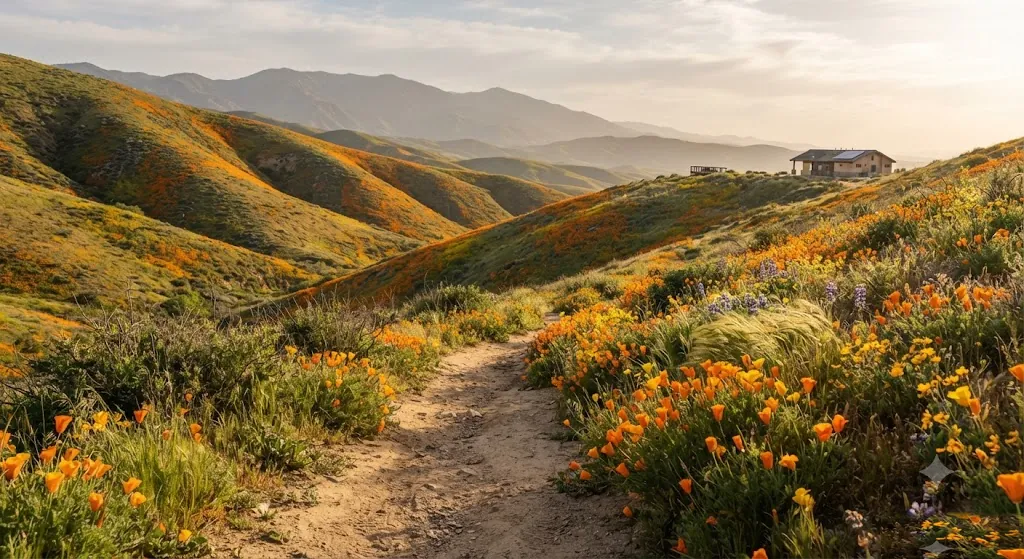
The primary draw of the Antelope Valley California Poppy Reserve State Natural Reserve is, without a doubt, the spectacular display of California poppies. As the state flower, these vibrant orange blossoms carpet the rolling hills, creating a scene that feels almost otherworldly. Beyond the iconic poppies, the reserve is also home to a diverse array of other wildflowers, including owl's clover, lupine, goldfields, cream cups, and coreopsis, which add to the colorful mosaic. The intensity and duration of the bloom vary each year, influenced by winter rainfall and temperature patterns, making each visit a unique experience.
Visiting the Antelope Valley California Poppy Reserve State Natural Reserve is worth it for anyone who appreciates natural beauty and seeks a peaceful escape from urban life. The reserve offers a chance to connect with nature, observe local wildlife such as meadowlarks, lizards, and gopher snakes, and, if you're lucky, even spot a coyote or bobcat. The quietude of the countryside, with birds singing and hawks gliding overhead, provides a serene backdrop for exploration. It's a truly remarkable place that showcases the unique ecosystem of the Mojave Desert grassland. We find that the sheer scale of the poppy fields, especially during a peak bloom, is something that photos can scarcely capture, making the in-person experience truly special.
Who It's Best For
The Antelope Valley California Poppy Reserve State Natural Reserve is ideal for a wide range of visitors, from solo adventurers to families. Nature lovers and photography enthusiasts will find endless opportunities to capture stunning landscapes and close-ups of the diverse flora. With its well-maintained trails, including a paved section for wheelchair access, the reserve is accessible to almost everyone, making it a fantastic destination for families with young children or those with mobility considerations.
Hikers of all skill levels can enjoy the gentle, rolling hills and the network of trails. It's also a great spot for those looking for a relaxing day trip from Los Angeles, offering a scenic drive and a chance to immerse themselves in a unique natural environment. Birdwatchers will appreciate the opportunity to spot various species, and anyone seeking a tranquil outdoor experience will find solace amidst the vibrant fields. We recommend it for anyone looking to witness California's state flower in its most magnificent setting.
Getting There & Parking
The Antelope Valley California Poppy Reserve State Natural Reserve is located in the far northeast corner of Los Angeles County, in the remote hills west of Lancaster. The drive from Los Angeles typically takes about 1.5 to 2 hours, depending on traffic. Travelers usually head north on Interstate 5 or the 405, then transition onto CA-14 North toward Lancaster. For those wondering how to get to Antelope Valley California Poppy Reserve State Natural Reserve, an alternative route during bloom season is to take the 138 East, which often offers impressive roadside wildflower displays as you approach the reserve.
The reserve is open from sunrise to sunset daily, year-round. Parking at the reserve costs $10 per vehicle. For larger groups, small buses (9-24 passengers) are $50, and large buses (25+ passengers) are $100. It's important to note that parking receipts are valid for same-day entry to other California State Parks with equal or lower fees. To avoid crowds and secure a parking spot, especially during peak bloom, we highly recommend arriving early, ideally around sunrise. If the main lot is full, you can sometimes find free parking on Lancaster Road and enter through a pedestrian walk-through gate. However, be prepared for a longer walk if parking along the road.
Top Things to Do
When planning your visit, you'll find plenty of things to do at Antelope Valley California Poppy Reserve State Natural Reserve. The primary activity is, of course, exploring the extensive trail system to witness the poppy fields. The reserve boasts eight miles of trails through gentle rolling hills, including a paved section that is wheelchair accessible. Most visitors gravitate towards the 3.3-mile South and North Loop trails, often including a quick side trip to the Tehachapi Vista Point. However, some of the best displays of poppies can be found by venturing further along the trails, away from the initial crowds.
Our team recommends stopping at the Jane S. Pinheiro Interpretive Center, which typically opens in early March and stays open through Mother's Day, from 10 AM to 4 PM on weekdays and 9 AM to 5 PM on weekends. Here, you can get the latest updates on where the most flowers are blooming, view wildflower and wildlife exhibits, watch an orientation video, and explore a gallery of botanical watercolor paintings. Free guided walks are often offered on most days during the bloom, and large groups should reserve in advance.
Beyond the main poppy fields, other things to do at Antelope Valley California Poppy Reserve State Natural Reserve include enjoying a picnic at one of the shaded tables available year-round, which offer serene views of the valley and the San Gabriel Mountains. For those interested in the Antelope Valley California Poppy Reserve State Natural Reserve hiking trails, the system ranges from easy to moderately-easy inclines, with paths that are generally well-marked. Remember to stay on designated trails to protect the delicate wildflowers and minimize your impact on the habitat. Pets are not allowed on the trails, with the exception of service animals.
For an extended experience, consider visiting nearby Arthur B. Ripley Desert Woodland State Park, located seven miles west of the Poppy Reserve. This park features a native Joshua tree and juniper woodland with different wildflowers blooming, and it's often more protected from the wind. Saddleback Butte State Park, about 32 miles east, also offers camping and hiking in a Joshua tree/creosote habitat.
Best Time to Visit
The wildflower season at Antelope Valley California Poppy Reserve State Natural Reserve generally lasts from mid-February through May, with the peak bloom varying each year based on winter rainfall and temperature patterns. While the exact timing is unpredictable, the most consistent and spectacular displays typically occur between mid-March and mid-April. State park interpreter Jean Rhyne notes that the bloom time changes annually but generally happens in early April.
For the best viewing experience, we recommend timing your visit for a sunny mid-morning. Poppies are phototropic, meaning they open up as it gets warmer and close up on cold, cloudy, or windy days, as well as in the late afternoon or evening. The desert mornings can be chilly, so dressing in layers is advisable. Checking the reserve's official website, Facebook page, or calling the Poppy Reserve Wildflower Hotline (661-724-1180) for real-time bloom status updates is crucial before your trip. There's also a live poppy cam available for current views of the fields.
Beyond the poppies, the town of Lancaster hosts an annual California Poppy Festival in mid-April, featuring live music, food, a classic car show, arts and crafts, and kids' activities. This can be a fun addition to your wildflower viewing trip.
Where to Stay Nearby
While there is no camping directly within the Antelope Valley California Poppy Reserve State Natural Reserve, there are numerous lodging options in nearby Lancaster and the surrounding Antelope Valley. For those seeking Antelope Valley California Poppy Reserve State Natural Reserve lodging, Lancaster offers a variety of hotels and motels to suit different budgets and preferences. Some highly-rated options include Wyndham Garden Lancaster CA, Fairfield Inn & Suites by Marriott Lancaster Palmdale, Holiday Inn Express Lancaster by IHG, and Hampton Inn & Suites Lancaster. Motel 6 Lancaster, CA, is a straightforward and affordable option just 14 miles from the reserve.
If you're looking for a more unique stay, vacation rentals and cabins are also available through platforms like Airbnb and Hipcamp. These can range from private guesthouses to unique stays on ranches or even train cabooses. For campers, nearby Saddleback Butte State Park offers camping facilities and often has impressive blooms of its own in the spring. Several private campgrounds and Hipcamp sites are also available in the broader Antelope Valley area, offering experiences from rustic tent camping to RV resorts. When considering Antelope Valley California Poppy Reserve State Natural Reserve lodging, we recommend checking reviews and booking in advance, especially during peak bloom season.
Sample 2-Day Itinerary
To fully experience the Antelope Valley California Poppy Reserve State Natural Reserve and its surroundings, we recommend a two-day itinerary:
Day 1: Poppy Immersion and Desert Exploration
- **Morning (Sunrise - Mid-Morning):** Arrive at the Antelope Valley California Poppy Reserve State Natural Reserve just after sunrise to avoid crowds and witness the poppies as they begin to open. Spend 2-3 hours hiking the various trails, including the paved accessible path and the North and South Loops. Don't forget to visit the Jane S. Pinheiro Interpretive Center for current bloom information and exhibits.
- **Lunch:** Enjoy a picnic lunch at the reserve's shaded picnic tables or head into Lancaster for a meal. Crazy Otto's Diner in Lancaster is famous for its massive omelets.
- **Afternoon:** Drive seven miles west to Arthur B. Ripley Desert Woodland State Park. Explore its self-guided nature trails and observe the native Joshua tree and juniper woodland, which often features different wildflowers.
- **Evening:** Check into your lodging in Lancaster. Enjoy dinner at a local restaurant. For authentic Mexican food, Azteca is a dependable local spot, or for a heartier meal, Iron Cactus is a great steakhouse option.
Day 2: Local Culture and Broader California Adventures
- **Morning:** Explore downtown Lancaster, known as The BLVD. This bustling hub offers dining, shopping, and cultural attractions like the 19th-century Western Hotel Museum. You could also visit the Antelope Valley Winery for tastings and vineyard tours.
- **Lunch:** Grab lunch at one of the eateries on The BLVD.
- **Afternoon (Option 1 - Nearby Nature):** Head 32 miles east to Saddleback Butte State Park for more hiking and a chance to see different species of wildflowers in a Joshua Tree/creosote habitat.
- **Afternoon (Option 2 - Los Angeles County Attractions):** Since the reserve is in Los Angeles County, consider extending your trip to explore other iconic California destinations. Drive south to experience the vibrant energy of Hollywood & Los Angeles, visit the Santa Monica Pier & Beach, or explore the cultural institutions of downtown LA. For more ideas on things to do in Los Angeles County, consider attractions like Griffith Observatory, the Natural History Museum of Los Angeles County, or the La Brea Tar Pits and Museum.
- **Evening:** Depending on your afternoon choice, enjoy dinner in Lancaster or continue your exploration of Los Angeles County.
For those planning a broader California adventure, the Antelope Valley California Poppy Reserve State Natural Reserve can be a fantastic stop on a USA road trip, easily combined with other Southern California gems like Joshua Tree National Park or Anza-Borrego Desert Park, another excellent wildflower viewing destination. For more inspiration on the best places in California to visit, check out our comprehensive guides.
Last updated: 2026-07-13 by the Roam States team.
Our Antelope Valley California Poppy Reserve State Natural Reserve guide covers practical planning for Antelope Valley California Poppy Reserve State Natural Reserve California — best time to visit, getting there, and what to do on the ground.
For travelers seeking a truly breathtaking natural spectacle, the Antelope Valley California Poppy Reserve State Natural Reserve California offers an unparalleled experience. This protected area, nestled in the western Mojave Desert, is renowned for safeguarding the largest and most consistent poppy fields in California. Each spring, the landscape transforms into a vibrant tapestry of orange, gold, and other wildflower hues, creating an unforgettable display. We've compiled this comprehensive guide to help you plan your visit, ensuring you make the most of this extraordinary destination.
Why Visit Antelope Valley California Poppy Reserve State Natural Reserve
The primary draw of the Antelope Valley California Poppy Reserve State Natural Reserve is, without a doubt, the spectacular display of California poppies. As the state flower, these vibrant orange blossoms carpet the rolling hills, creating a scene that feels almost otherworldly. Beyond the iconic poppies, the reserve is also home to a diverse array of other wildflowers, including owl's clover, lupine, goldfields, cream cups, and coreopsis, which add to the colorful mosaic. The intensity and duration of the bloom vary each year, influenced by winter rainfall and temperature patterns, making each visit a unique experience.
Visiting the Antelope Valley California Poppy Reserve State Natural Reserve is worth it for anyone who appreciates natural beauty and seeks a peaceful escape from urban life. The reserve offers a chance to connect with nature, observe local wildlife such as meadowlarks, lizards, and gopher snakes, and, if you're lucky, even spot a coyote or bobcat. The quietude of the countryside, with birds singing and hawks gliding overhead, provides a serene backdrop for exploration. It's a truly remarkable place that showcases the unique ecosystem of the Mojave Desert grassland. We find that the sheer scale of the poppy fields, especially during a peak bloom, is something that photos can scarcely capture, making the in-person experience truly special.
Who It's Best For
The Antelope Valley California Poppy Reserve State Natural Reserve is ideal for a wide range of visitors, from solo adventurers to families. Nature lovers and photography enthusiasts will find endless opportunities to capture stunning landscapes and close-ups of the diverse flora. With its well-maintained trails, including a paved section for wheelchair access, the reserve is accessible to almost everyone, making it a fantastic destination for families with young children or those with mobility considerations.
Hikers of all skill levels can enjoy the gentle, rolling hills and the network of trails. It's also a great spot for those looking for a relaxing day trip from Los Angeles, offering a scenic drive and a chance to immerse themselves in a unique natural environment. Birdwatchers will appreciate the opportunity to spot various species, and anyone seeking a tranquil outdoor experience will find solace amidst the vibrant fields. We recommend it for anyone looking to witness California's state flower in its most magnificent setting.
Getting There & Parking
The Antelope Valley California Poppy Reserve State Natural Reserve is located in the far northeast corner of Los Angeles County, in the remote hills west of Lancaster. The drive from Los Angeles typically takes about 1.5 to 2 hours, depending on traffic. Travelers usually head north on Interstate 5 or the 405, then transition onto CA-14 North toward Lancaster. For those wondering how to get to Antelope Valley California Poppy Reserve State Natural Reserve, an alternative route during bloom season is to take the 138 East, which often offers impressive roadside wildflower displays as you approach the reserve.
The reserve is open from sunrise to sunset daily, year-round. Parking at the reserve costs $10 per vehicle. For larger groups, small buses (9-24 passengers) are $50, and large buses (25+ passengers) are $100. It's important to note that parking receipts are valid for same-day entry to other California State Parks with equal or lower fees. To avoid crowds and secure a parking spot, especially during peak bloom, we highly recommend arriving early, ideally around sunrise. If the main lot is full, you can sometimes find free parking on Lancaster Road and enter through a pedestrian walk-through gate. However, be prepared for a longer walk if parking along the road.
Top Things to Do
When planning your visit, you'll find plenty of things to do at Antelope Valley California Poppy Reserve State Natural Reserve. The primary activity is, of course, exploring the extensive trail system to witness the poppy fields. The reserve boasts eight miles of trails through gentle rolling hills, including a paved section that is wheelchair accessible. Most visitors gravitate towards the 3.3-mile South and North Loop trails, often including a quick side trip to the Tehachapi Vista Point. However, some of the best displays of poppies can be found by venturing further along the trails, away from the initial crowds.
Our team recommends stopping at the Jane S. Pinheiro Interpretive Center, which typically opens in early March and stays open through Mother's Day, from 10 AM to 4 PM on weekdays and 9 AM to 5 PM on weekends. Here, you can get the latest updates on where the most flowers are blooming, view wildflower and wildlife exhibits, watch an orientation video, and explore a gallery of botanical watercolor paintings. Free guided walks are often offered on most days during the bloom, and large groups should reserve in advance.
Beyond the main poppy fields, other things to do at Antelope Valley California Poppy Reserve State Natural Reserve include enjoying a picnic at one of the shaded tables available year-round, which offer serene views of the valley and the San Gabriel Mountains. For those interested in the Antelope Valley California Poppy Reserve State Natural Reserve hiking trails, the system ranges from easy to moderately-easy inclines, with paths that are generally well-marked. Remember to stay on designated trails to protect the delicate wildflowers and minimize your impact on the habitat. Pets are not allowed on the trails, with the exception of service animals.
For an extended experience, consider visiting nearby Arthur B. Ripley Desert Woodland State Park, located seven miles west of the Poppy Reserve. This park features a native Joshua tree and juniper woodland with different wildflowers blooming, and it's often more protected from the wind. Saddleback Butte State Park, about 32 miles east, also offers camping and hiking in a Joshua tree/creosote habitat.
Best Time to Visit
The wildflower season at Antelope Valley California Poppy Reserve State Natural Reserve generally lasts from mid-February through May, with the peak bloom varying each year based on winter rainfall and temperature patterns. While the exact timing is unpredictable, the most consistent and spectacular displays typically occur between mid-March and mid-April. State park interpreter Jean Rhyne notes that the bloom time changes annually but generally happens in early April.
For the best viewing experience, we recommend timing your visit for a sunny mid-morning. Poppies are phototropic, meaning they open up as it gets warmer and close up on cold, cloudy, or windy days, as well as in the late afternoon or evening. The desert mornings can be chilly, so dressing in layers is advisable. Checking the reserve's official website, Facebook page, or calling the Poppy Reserve Wildflower Hotline (661-724-1180) for real-time bloom status updates is crucial before your trip. There's also a live poppy cam available for current views of the fields.
Beyond the poppies, the town of Lancaster hosts an annual California Poppy Festival in mid-April, featuring live music, food, a classic car show, arts and crafts, and kids' activities. This can be a fun addition to your wildflower viewing trip.
Where to Stay Nearby
While there is no camping directly within the Antelope Valley California Poppy Reserve State Natural Reserve, there are numerous lodging options in nearby Lancaster and the surrounding Antelope Valley. For those seeking Antelope Valley California Poppy Reserve State Natural Reserve lodging, Lancaster offers a variety of hotels and motels to suit different budgets and preferences. Some highly-rated options include Wyndham Garden Lancaster CA, Fairfield Inn & Suites by Marriott Lancaster Palmdale, Holiday Inn Express Lancaster by IHG, and Hampton Inn & Suites Lancaster. Motel 6 Lancaster, CA, is a straightforward and affordable option just 14 miles from the reserve.
If you're looking for a more unique stay, vacation rentals and cabins are also available through platforms like Airbnb and Hipcamp. These can range from private guesthouses to unique stays on ranches or even train cabooses. For campers, nearby Saddleback Butte State Park offers camping facilities and often has impressive blooms of its own in the spring. Several private campgrounds and Hipcamp sites are also available in the broader Antelope Valley area, offering experiences from rustic tent camping to RV resorts. When considering Antelope Valley California Poppy Reserve State Natural Reserve lodging, we recommend checking reviews and booking in advance, especially during peak bloom season.
Sample 2-Day Itinerary
To fully experience the Antelope Valley California Poppy Reserve State Natural Reserve and its surroundings, we recommend a two-day itinerary:
Day 1: Poppy Immersion and Desert Exploration
- **Morning (Sunrise - Mid-Morning):** Arrive at the Antelope Valley California Poppy Reserve State Natural Reserve just after sunrise to avoid crowds and witness the poppies as they begin to open. Spend 2-3 hours hiking the various trails, including the paved accessible path and the North and South Loops. Don't forget to visit the Jane S. Pinheiro Interpretive Center for current bloom information and exhibits.
- **Lunch:** Enjoy a picnic lunch at the reserve's shaded picnic tables or head into Lancaster for a meal. Crazy Otto's Diner in Lancaster is famous for its massive omelets.
- **Afternoon:** Drive seven miles west to Arthur B. Ripley Desert Woodland State Park. Explore its self-guided nature trails and observe the native Joshua tree and juniper woodland, which often features different wildflowers.
- **Evening:** Check into your lodging in Lancaster. Enjoy dinner at a local restaurant. For authentic Mexican food, Azteca is a dependable local spot, or for a heartier meal, Iron Cactus is a great steakhouse option.
Day 2: Local Culture and Broader California Adventures
- **Morning:** Explore downtown Lancaster, known as The BLVD. This bustling hub offers dining, shopping, and cultural attractions like the 19th-century Western Hotel Museum. You could also visit the Antelope Valley Winery for tastings and vineyard tours.
- **Lunch:** Grab lunch at one of the eateries on The BLVD.
- **Afternoon (Option 1 - Nearby Nature):** Head 32 miles east to Saddleback Butte State Park for more hiking and a chance to see different species of wildflowers in a Joshua Tree/creosote habitat.
- **Afternoon (Option 2 - Los Angeles County Attractions):** Since the reserve is in Los Angeles County, consider extending your trip to explore other iconic California destinations. Drive south to experience the vibrant energy of Hollywood & Los Angeles, visit the Santa