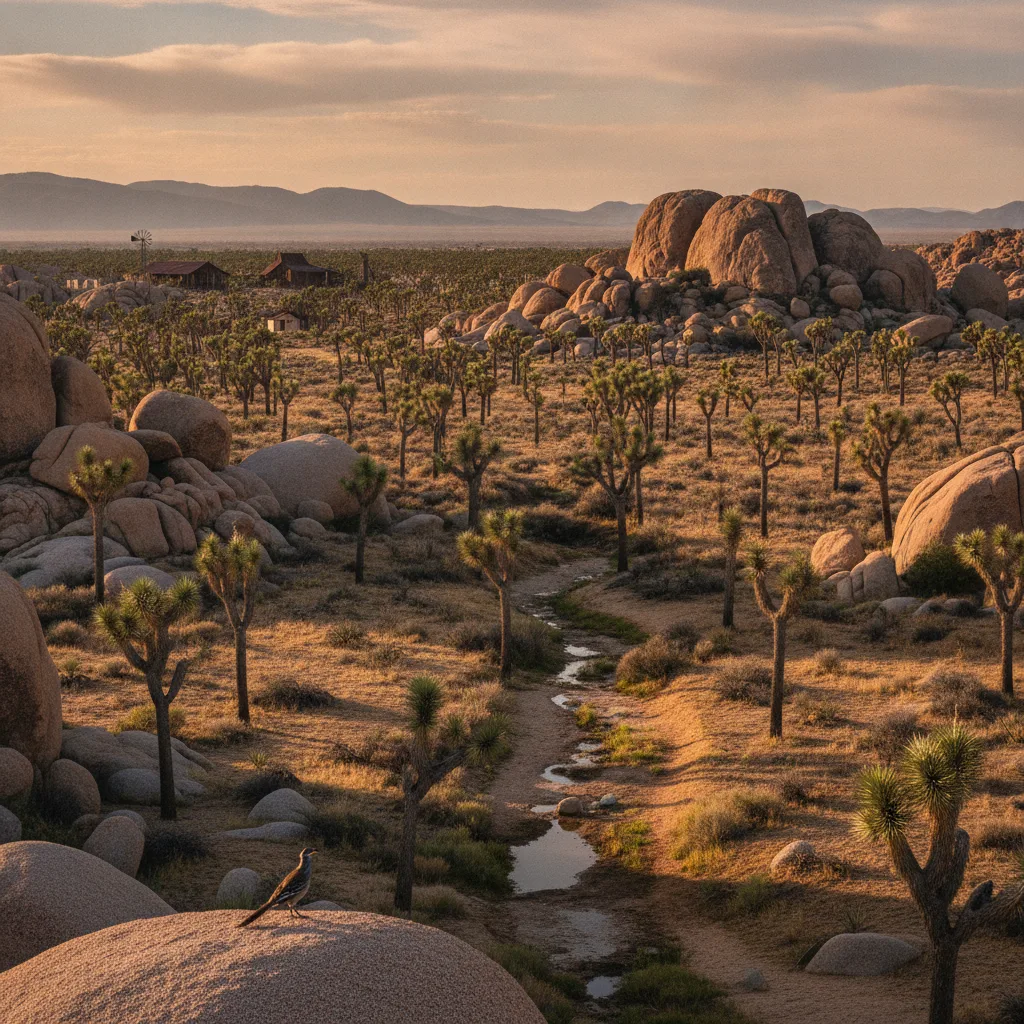
California" — We're here to tell you, with absolute confidence, that a journey to Joshua Tree National Park California is unlike any other. This iconic desert landscape, where the Mojave and Colorado deserts converge, offers a truly unique American experience. Our team has explored its vast, otherworldly terrain, from the gnarled Joshua trees that give the park its name to the towering granite monoliths that beckon climbers and hikers alike. Forget generic travel fluff; we're providing the specific, actionable insights you need for an unforgettable adventure.
Why Visit Joshua Tree National Park
Joshua Tree National Park isn't just a destination; it's a phenomenon. We've found that its allure lies in its stark, captivating beauty and the sheer diversity of experiences it offers. Imagine a landscape sculpted by wind and time, dotted with the distinctive, Dr. Seuss-like Joshua trees, and strewn with massive, climbable rock formations. This is a place where two distinct desert ecosystems meet, creating a fascinating blend of flora and fauna that you won't find anywhere else. The park spans over 800,000 acres, offering endless opportunities for exploration and solitude.
Beyond the iconic trees and boulders, Joshua Tree is an International Dark Sky Park, meaning the stargazing here is nothing short of extraordinary. On clear, moonless nights, the sky comes alive with an intensity that will leave you breathless. It's a place that encourages introspection, adventure, and a profound connection with nature. Whether you're a seasoned outdoors enthusiast or simply seeking a unique escape, the raw beauty and tranquility of Joshua Tree National Park will undoubtedly leave a lasting impression.
Who It's Best For
Joshua Tree National Park truly offers something for everyone, making it a versatile destination for various types of travelers. Our team has observed that it particularly shines for:
- Rock Climbers and Bouldering Enthusiasts: With over 5,000 established climbing routes and an abundance of house-sized boulders, Joshua Tree is a world-renowned mecca for climbers of all skill levels. Hidden Valley, in particular, is a prime spot to watch skilled climbers in action or try your hand at bouldering.
- Hikers and Nature Lovers: From easy nature walks to challenging backcountry treks, the park's diverse trails cater to all abilities. The unique geology and plant life make every hike an adventure.
- Families with Kids: Despite its rugged appearance, Joshua Tree is surprisingly family-friendly. The boulder scrambling keeps children entertained for hours, and easy hikes like the Hidden Valley Nature Trail are perfect for youngsters. The Junior Ranger program also offers engaging activities for kids to learn about the desert environment.
- Photographers and Artists: The surreal landscapes, dramatic light, and vibrant sunsets provide endless inspiration. The unique rock formations and the silhouette of Joshua trees against the desert sky are iconic photographic subjects.
- Stargazers: As an International Dark Sky Park, Joshua Tree offers unparalleled opportunities for night sky viewing. Jumbo Rocks Campground is a particularly excellent spot to experience the night sky.
- Those Seeking Solitude and Tranquility: While popular, especially during peak season, the vastness of the park allows for moments of quiet contemplation, particularly on weekdays in winter or in the less-visited eastern sections.
Getting There & Parking
Understanding how to get to Joshua Tree National Park and navigate its entrances and parking is crucial for a smooth visit. The park is conveniently located in Southern California, approximately 140 miles east of Los Angeles, 175 miles northeast of San Diego, and 215 miles southwest of Las Vegas, Nevada. A car is absolutely essential for exploring the vastness of the park.
There are three main entrances to Joshua Tree National Park:
- West Entrance (near the town of Joshua Tree): This entrance is ideal for accessing popular spots like Hidden Valley, Keys Ranch, Barker Dam, and Keys View. It also provides access to premier rock climbing areas. However, be aware of potential closures; for instance, the west entrance was closed for construction from January 12-17, 2026, with Park Boulevard closed for six miles to Quail Springs Picnic Area.
- North Entrance (in Twentynine Palms): Best for reaching Skull Rock, Jumbo Rocks, 49 Palms Oasis Trail, Cholla Cactus Garden, and Geology Tour Road. This entrance often has more nearby amenities. If the west entrance is closed, the north entrance is the most accessible alternative, adding less than 20 minutes of driving time.
- South Entrance (Cottonwood Spring): This entrance is more remote and has fewer amenities. It's best for winter camping at Cottonwood Campground, which is the warmest in the park.
Regarding parking, popular trailheads and attractions, especially during peak season (March-May and October-November), can fill up quickly, sometimes before 9 AM on weekends. We highly recommend arriving early, particularly for popular spots like Hidden Valley, Barker Dam, and Skull Rock. Always have backup trail options in mind in case a parking area is full. Cell service is unreliable throughout most of the park, with Black Rock Campground being a notable exception, so download maps and information beforehand.
Top Things to Do
When it comes to things to do at Joshua Tree National Park, the options are as varied as the landscape itself. Our team has compiled a list of must-do activities that capture the essence of this unique desert environment:
- Hiking and Rock Climbing: These are arguably the most iconic things to do at Joshua Tree National Park. The park offers world-class opportunities for both, with over 5,000 climbing routes. Even if you're not a climber, watching the experts scale the granite monoliths is a spectacle. For hikers, trails range from easy loops to challenging backcountry treks.
- Explore Hidden Valley: This one-mile loop trail is consistently rated as one of the best family hikes in the park. Enclosed by massive rock walls, it feels like a secret garden and is a popular spot for bouldering and picnicking.
- Visit Skull Rock: A naturally sculpted granite formation resembling a skull, this is an easy-to-access and popular photo opportunity. The Skull Rock Nature Trail is a 1.7-mile loop that allows for further exploration of the area.
- Wander through the Cholla Cactus Garden: Located where the Mojave and Colorado deserts meet, this quarter-mile nature trail offers a close-up view of the "teddy bear" cholla cactus and other desert flora. *Note: The Cholla Cactus Garden trail was fully closed for improvements through winter and most of spring 2026. Always check current park alerts.*
- Discover Barker Dam: This 1.1 to 1.3-mile loop trail leads to a historic dam and a seasonal lake, offering a chance to spot wildlife, especially bighorn sheep in the mornings.
- Take in the Views at Keys View: Drive up to this panoramic overlook for breathtaking vistas of the Coachella Valley, the Salton Sea, and even Mexico on a clear day. No hiking is required for these spectacular views.
- Stargazing: As an International Dark Sky Park, Joshua Tree offers incredible opportunities to witness the Milky Way and countless stars. Jumbo Rocks Campground is an excellent location for stargazing. Consider a professional stargazing tour for an enhanced experience.
- Tour Keys Ranch: Step back in time with a ranger-guided tour of this historic ranch, offering a glimpse into the lives of early desert settlers. Reservations are required for Keys Ranch tours and can be made on recreation.gov.
- Drive the Geology Tour Road: This 18-mile unpaved loop takes you through a landscape of ancient rocks and fascinating geological formations. A high-clearance vehicle is recommended.
- Explore Pioneertown: Just outside the park, this historic 1880s movie set town offers a unique Wild West experience with shops and restaurants.
Best Time to Visit
Our team consistently recommends visiting Joshua Tree National Park during the spring (March-May) and fall (October-November) for the most comfortable weather and optimal conditions for outdoor activities.
- Spring (March-May): This is widely considered the "sweet spot" with mild temperatures, typically ranging from 43-86°F (6-30°C). The desert comes alive with vibrant wildflowers, especially in March and April after sufficient winter rainfall. However, spring is also peak season, meaning larger crowds, especially on weekends and during spring break. Popular trailheads and parking lots can fill up early.
- Fall (October-November): Fall is another excellent time to visit, offering mild temperatures (70s-80s°F / 21-29°C) and often fewer crowds than spring. The light is extraordinary for photography, and conditions are ideal for hiking and climbing. October is a standout month, with comfortable days and cool, clear nights.
- Winter (December-February): Often underrated, winter provides minimal crowds and crisp, clear days with temperatures between 50-65°F (10-18°C). Nights can drop below freezing, so warm layers are essential. This season offers exceptional clarity for photography and stargazing.
- Summer (May-September): We generally advise caution when visiting in summer, as temperatures regularly exceed 100°F (38°C). Midday hiking can be genuinely dangerous. If you must visit during these months, plan hikes for early morning and ensure your accommodation has reliable air conditioning. Some campgrounds and trails, like the 49 Palms Oasis Trail, are closed seasonally during summer due to extreme heat and to protect wildlife.
Where to Stay Nearby
Choosing where to stay near Joshua Tree National Park can significantly enhance your visit. Our team suggests several excellent towns, each offering a distinct vibe and convenient access to the park's entrances.
- Joshua Tree (Town): If proximity to the park's main entrance is your priority, the town of Joshua Tree is an ideal base. It boasts the largest concentration of restaurants, cafes, and boutiques, along with a variety of accommodation options. It's a hub for artists and free spirits, offering an eclectic mix of independent shops and galleries.
- Yucca Valley: Often referred to as the "Gateway to Joshua Tree National Park," Yucca Valley is a bit more removed from the immediate park crowds and can offer more affordable accommodation. It's located along Highway 62, making it convenient if you're driving from Palm Springs or Los Angeles. Yucca Valley also has its own hiking options and local attractions like the Hi-Desert Nature Museum.
- Twentynine Palms: Located just 20 miles from Joshua Tree National Park, Twentynine Palms offers a charming, quieter atmosphere with a walkable downtown and access to natural hot springs. It's particularly convenient for the North Entrance of the park.
- Pioneertown: For a unique experience, consider staying in Pioneertown, an old 1800s cowboy town movie set. It's about a 25-minute drive from the national park entrance but offers a fun Hollywood history and a distinct wild-west theme, complete with shops and the famous Pappy + Harriet's restaurant.
- Indio & Desert Hot Springs: These towns are a bit further out but offer a different range of amenities, including resorts and spas. Indio is about 21 miles from the park, while Desert Hot Springs is roughly 30 miles from the West Entrance. They can be good options if you're looking for more traditional hotel stays or a wellness-focused retreat after a day of desert exploration.
Accommodation types vary widely, from boutique hotels and rental homes that mirror the desert's holistic culture to campgrounds within the park. We recommend booking accommodations well in advance, especially during peak season.
Sample 2-Day Itinerary
To help you make the most of your visit to Joshua Tree National Park, our team has crafted a sample 2-day itinerary, balancing iconic sights with opportunities for adventure and relaxation.
Day 1: West Entrance Wonders & Iconic Views
- Morning (Early Start Recommended): Enter through the West Entrance. Begin your day with the Barker Dam Loop (1.1-1.3 miles). Starting early increases your chances of spotting wildlife, such as bighorn sheep, and the light is perfect for photography.
- Mid-Morning: Head to the nearby Hidden Valley Nature Trail (1-mile loop). This rock-enclosed valley is a fantastic spot for easy hiking, rock scrambling, and watching climbers. Consider having a picnic at the Hidden Valley Picnic Area.
- Lunch: Enjoy a packed lunch at Hidden Valley or drive into the town of Joshua Tree for a local eatery.
- Afternoon: Drive to Keys Ranch for a historical ranger-guided tour (reservations required via recreation.gov). Afterwards, continue to Keys View for panoramic vistas of the Coachella Valley and beyond. This is an excellent spot for sunset, so you might adjust your timing accordingly.
- Evening: Head back towards your accommodation. If camping within the park, prepare dinner. If staying outside, explore the dining options in Joshua Tree or Yucca Valley.
- Night: Experience the park's renowned stargazing. Jumbo Rocks Campground or a secluded spot away from artificial light offers incredible views of the night sky.
Day 2: Central Park Exploration & Desert Flora
- Morning: Start your day at Jumbo Rocks Campground. Scramble up the boulders before dawn for a stunning sunrise experience. Then, embark on the Skull Rock Nature Trail (1.7-mile loop), exploring the iconic Skull Rock and the surrounding rock formations.
- Mid-Morning: Drive south on Pinto Basin Road to the Cholla Cactus Garden. Take the short 0.25-mile nature trail to admire the dense concentration of "teddy bear" cholla. *Remember to check for any temporary closures for this trail.*
- Lunch: Pack a picnic to enjoy amidst the desert scenery, or find a spot in Twentynine Palms.
- Afternoon: Explore the Wall Street Mill Trail (2.4-mile loop), a favorite for its gold rush history, old cars, and magnificent Joshua trees. Alternatively, for a more challenging hike, consider the Ryan Mountain Trail (2.9 miles round trip) for panoramic views, best tackled in the early morning or late afternoon for sunset.
- Late Afternoon/Evening: Depending on your energy levels, you could visit the Oasis of Mara near the North Entrance, a small palm oasis. Conclude your day with another opportunity for stargazing or enjoy dinner in one of the nearby towns.
Joshua Tree National Park Hiking Trails
The Joshua Tree National Park hiking trails are a highlight of any visit, offering an incredible diversity of landscapes and challenges. Our team has explored many of these paths, and we can confidently say there's a trail for every ability, from leisurely strolls to strenuous climbs.
For those seeking easy Joshua Tree National Park hiking trails, perfect for families or a relaxed experience, we recommend:
- Hidden Valley Nature Trail: A popular 1-mile loop, consistently rated as one of the best family hikes. It's enclosed by massive rock walls and offers opportunities for rock scrambling.
- Barker Dam Trail: This 1.1 to 1.3-mile loop leads to a historic dam and a seasonal lake, where you might spot bighorn sheep. It's visually varied with narrow rock corridors.
- Skull Rock Nature Trail: A 1.7-mile loop that allows you to explore the area around the famous Skull Rock.
- Cholla Cactus Garden Nature Trail: A short 0.25-mile loop through a dense concentration of cholla cacti. *As of early 2026, this trail was fully closed for improvements through winter and most of spring. Check current park conditions.*
- Arch Rock Trail: An easy 1.2-mile loop that leads to the impressive Arch Rock formation.
- Discovery Trail: A 0.7-mile loop near Skull Rock, co-designed by local schoolchildren, featuring interpretive signs and mini slot canyons.
For moderate to strenuous Joshua Tree National Park hiking trails, offering more challenge and expansive views, consider:
- Ryan Mountain Trail: A 2.9 to 3-mile round trip with significant elevation gains, offering panoramic views. It's popular for both sunrise and sunset.
- Lost Horse Mine Trail: A 4-mile round trip that takes you to a well-preserved gold mine from the late 1800s.
- 49 Palms Oasis Trail: A 3-mile out-and-back hike to a hidden palm oasis. It involves climbing up and over a hill, so expect an uphill walk in both directions. *Note: This trail is closed annually from June 1 – September 30 to prevent heat-related incidents and protect bighorn sheep access to water. It was also closed weekdays through winter and most of spring 2026 due to rain damage.*
- Wall Street Mill Trail: A 2.4-mile loop offering a glimpse into gold rush history with old cars and crumbling buildings.
- Panorama Loop Trail: A more challenging 6.4-mile loop with over 1000 feet of elevation gain, offering great views of the Coachella Valley. The trailhead is at Black Rock Canyon Campground.
Regardless of the trail, our team emphasizes the importance of carrying at least 2-3 liters of water per person, starting early to avoid the heat, wearing proper hiking shoes, checking weather forecasts, and staying on marked trails for safety and preservation.
Joshua Tree National Park Camping
Experiencing Joshua Tree National Park camping is an essential part of immersing yourself in the desert environment, especially for stargazing. Our team has found that the park offers a range of options, from developed campgrounds to more primitive sites, but careful planning is key, particularly regarding water and reservations.
Joshua Tree National Park has nine developed campgrounds. Here's what you need to know about Joshua Tree National Park camping in 2026:
- Reservation-Required Campgrounds: Indian Cove, Black Rock, Jumbo Rocks, Ryan, Cottonwood, Sheep Pass Group Campground, Cottonwood Group Campground, and Indian Cove Group Campground require reservations. Reservations can be made up to six months in advance via recreation.gov or by calling 1-877-444-6777. We highly recommend booking well in advance, especially for weekends, holidays, and any day during the busy spring season (October to May).
- First-Come, First-Served Campgrounds: Hidden Valley, White Tank, and Belle Campgrounds operate on a first-come, first-served basis. These fill up quickly, especially during peak seasons; people often arrive by Thursday afternoon to secure a site for the weekend. To claim a first-come, first-served site, you must locate an empty site, occupy it (set up a tent or leave personal items), and then proceed immediately to an entrance station to register and pay within one hour. The fee is $25 per night.
- Water Availability: This is a critical factor for Joshua Tree National Park camping. Most campgrounds within the park have zero water. Black Rock and Cottonwood are the primary exceptions, offering potable water and flush toilets. For all other campgrounds, you must bring at least 1.5 gallons of water per person per day, or more in warmer months.
- Campground Highlights:
- Jumbo Rocks Campground: A top pick, putting you right in the middle of the signature boulder formations with excellent stargazing. It's considered the most "Joshua Tree" experience.
- Indian Cove Campground: Sits just outside the park boundary, offering massive boulders and great stargazing, often with more space between sites.
- Hidden Valley Campground: Smaller and quieter, surrounded by climbers and photographers.
- Black Rock Campground: Located near Yucca Valley, it offers potable water, flush toilets, and reliable cell service.
- Summer Closures and Fire Restrictions: During summer months (June 1 - August 28), some campgrounds like Belle and White Tank may fully close, and others like Indian Cove, Black Rock, and Cottonwood may have partial closures due to low demand and extreme heat. An annual campfire ban is typically in effect from June 15 until October 1 due to high wildfire risk, allowing only self-contained gas stoves or grills.
For group camping, Cottonwood, Indian Cove, and Sheep Pass offer group sites that can accommodate 10-60 people, also reservable up to six months in advance.
Is It Worth Visiting?
When our team considers whether "is Joshua Tree National Park worth visiting," our answer is an unequivocal yes. This park offers a truly distinctive experience that sets it apart from other national parks, making it a compelling destination for a wide array of travelers.
The collision of the Mojave and Colorado deserts creates a unique biodiversity and landscape that you won't encounter elsewhere. The iconic Joshua trees, with their striking silhouettes, are a sight to behold, especially against the backdrop of a desert sunset or under a blanket of stars. The park's massive, sculptural rock formations provide an unparalleled playground for climbers and a dramatic setting for hikers. We've found that even if you're not an avid hiker or climber, the sheer beauty and scale of the geology are captivating.
Beyond the physical landscape, Joshua Tree offers a profound sense of peace and connection to nature. As an International Dark Sky Park, the night sky here is simply breathtaking, providing an opportunity for unparalleled stargazing that many visitors find deeply moving. For families, the park is surprisingly accessible and engaging, with easy trails and opportunities for kids to explore and earn Junior Ranger badges. The quirky towns surrounding the park, like Joshua Tree Village and Pioneertown, add another layer of charm and unique cultural experiences.
While peak seasons can bring crowds, the vastness of the park still allows for moments of solitude if you know where to look or visit during quieter times. The vibrant art scene, unique accommodations, and opportunities for both adventure and relaxation solidify our stance: is Joshua Tree National Park worth visiting? Absolutely. It's a place that will challenge your perceptions of a desert and leave you with lasting memories.
Last updated: 2026-07-05 by the Visit America team.