Big Hole River Travel Guide — Montana
Our Big Hole River guide covers practical planning for Big Hole River Montana — best time to visit, getting there, and what to do on the ground. Renowned as one of the finest blue-ribbon trout streams in the United States, the Big Hole River Montana is a premier destination for fly fishing and scenic float trips through a historic valley. Our team at Roam States has compiled the essential information you need to plan an unforgettable trip to this iconic Montana waterway.
Expert Verdict: The Big Hole River offers an unparalleled blend of world-class fly fishing, stunning natural beauty, and a tangible sense of Montana's wild heritage. It's a destination that truly delivers on the promise of an authentic outdoor adventure, far removed from the crowds.
Why Visit Big Hole River
The Big Hole River is not just a river; it's an experience, a living legend among anglers and outdoor enthusiasts alike. What draws so many to this 160-mile stretch of free-flowing water in Southwest Montana? First and foremost, it's the fishing. The Big Hole is a designated blue-ribbon trout stream, celebrated for its robust populations of brown, rainbow, brook, and cutthroat trout, as well as native Arctic grayling – one of the few places in the Lower 48 where you can catch all five species in a single river.
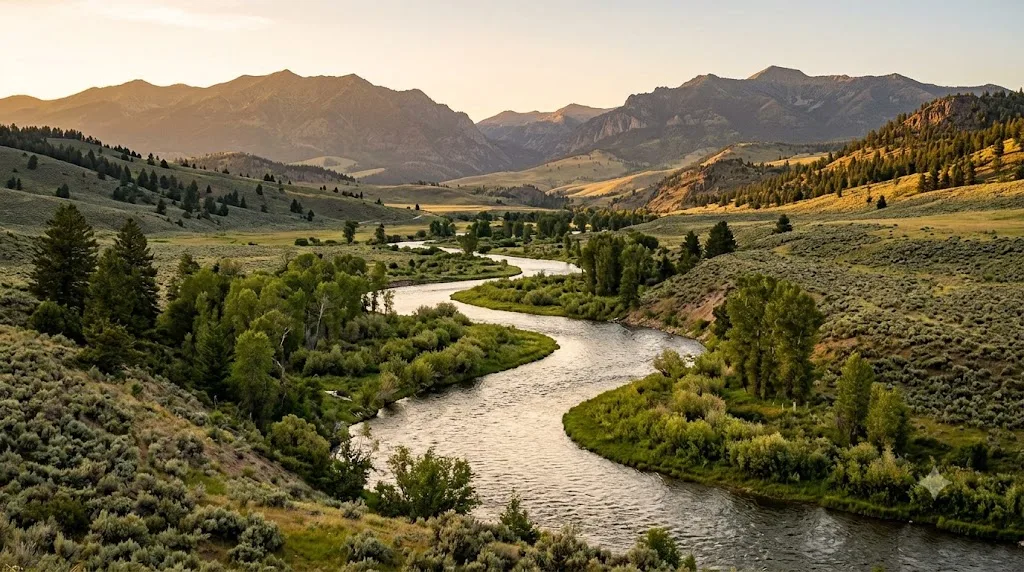
Beyond the exceptional fishing, the Big Hole River carves its way through a diverse and breathtaking landscape. From high mountain valleys and lush meadows to rugged canyons and cottonwood-lined bottoms, the scenery is constantly evolving and always spectacular. This makes it ideal for scenic float trips, whether you're casting a line or simply soaking in the views. The river's uncrowded waters offer a sense of solitude that's increasingly rare on other popular Montana fisheries.
The Big Hole Valley itself is steeped in history, offering a glimpse into the Wild West. The area around the river has a rich cultural and natural history, including the Big Hole National Battlefield, which tells the story of the Nez Perce conflict. Visiting the Big Hole River is an opportunity to connect with Montana's untamed spirit and enjoy an authentic outdoor adventure.
Who It's Best For
The Big Hole River caters to a specific type of traveler, one who values natural beauty, solitude, and authentic outdoor pursuits over resort amenities and bustling attractions. Our team believes it's best for:
- Dedicated Anglers: This is unequivocally a fly fishing mecca. If your primary goal is to chase trophy trout and native grayling on a world-class freestone river, the Big Hole is calling. Both seasoned fly fishers and those looking to hone their skills with a guide will find immense satisfaction here.
- Float Trip Enthusiasts: Whether you're floating to fish or simply to enjoy the scenery, the river offers diverse stretches perfect for drift boats and rafts. It’s an excellent choice for those seeking multi-day river adventures.
- Nature Lovers & Photographers: The Big Hole Valley's diverse ecosystems, from alpine to riparian, provide endless opportunities for wildlife viewing and landscape photography.
- History Buffs: The region's historical significance, particularly the Big Hole National Battlefield, adds a layer of cultural enrichment to an outdoor trip.
- Those Seeking Solitude: Compared to some of Montana's more heavily trafficked destinations like Glacier National Park or Yellowstone National Park (North), the Big Hole offers a more serene and less crowded experience.
It might not be the best fit for travelers seeking extensive nightlife, luxury shopping, or large-scale family amusement parks. The charm of the Big Hole lies in its wildness and the quiet pursuits it offers.
Getting There & Parking
Accessing the Big Hole River, Montana, typically involves flying into one of Montana's regional airports and driving. The closest major airports are:
- Bert Mooney Airport (BTM) in Butte: Approximately 8 miles from Glen, a town near the Big Hole River.
- Bozeman Yellowstone International Airport (BZN) in Bozeman: A larger airport with more flight options, but a longer drive (around 1.5 to 2 hours to reach the eastern stretches of the Big Hole Valley).
- Missoula International Airport (MSO) in Missoula: Also a larger airport, roughly a 2-hour drive to the northern parts of the Big Hole.
Once you land, a rental car is essential for navigating the Big Hole Valley and accessing various points along the river. The river is easily accessible from several towns, including Melrose, Divide, and Wise River.
Parking and River Access
There are numerous fishing access sites (FAS) managed by Montana Fish, Wildlife & Parks (FWP) and Bureau of Land Management (BLM) along the Big Hole River. These sites often include parking areas and boat launches. Some popular access points include:
- Salmon Fly Fishing Access Site (near Melrose): A popular spot for camping and river access.
- Divide Bridge Campground: Offers a picnic area and a boat launch.
- Maiden Rock Fishing Access Site
- Browne's Bridge Fishing Access Site (near Glen): Convenient and accessible right off exit 85 on I-15.
- Notch Bottom Fishing Access Site
While many FAS are managed as day-use only, some do allow camping, often with an overnight fee. We always recommend checking the Montana FWP website for the most current information on specific site regulations, potential fees, and any temporary closures. When planning how to get to Big Hole River, keep in mind that cell service can be inconsistent along many stretches of the river, so downloading maps or having physical copies is advisable. For those planning float trips, shuttle services are readily available from local outfitters like Sunrise Fly Shop and Great Divide Outfitters, which can transport your vehicle from your put-in to your take-out point.
Top Things to Do
When considering things to do at Big Hole River, fly fishing undoubtedly takes center stage, but the region offers a variety of outdoor activities that appeal to a range of interests. Our team recommends focusing on these core experiences:
Fly Fishing
The Big Hole River is a world-renowned blue-ribbon trout stream, offering exceptional fly fishing opportunities. Anglers can target brown, rainbow, brook, and cutthroat trout, as well as Arctic grayling. The river boasts over 150 miles of fishable water, with about 100 miles suitable for floating.
- Guided Trips: For the best experience, especially if you're new to the area or fly fishing, consider booking a guided trip. Outfitters like Big Hole Lodge, FishTales Outfitting, Reel 406, Great Waters Inn, Sunrise Fly Shop, and Great Divide Outfitters offer full-day floats and walk-and-wade trips. A full-day guided float trip on the Big Hole River typically costs around $675-$750 for up to two guests in 2026, not including platform fees or gratuities. Multi-day packages, including lodging and meals, are also available, with a 3-day/4-night package starting around $3,495 per person based on double occupancy.
- Licenses: As of March 1, 2026, all Montana fishing licenses, conservation licenses, and other recreation licenses must be purchased online through the Montana Fish, Wildlife & Parks (FWP) website. A nonresident annual fishing license is $100, plus a $10 Conservation License and a $7.50 Aquatic Invasive Species Prevention Pass (AISPP), totaling $117.50. Short-term options include a 1-day nonresident license for $14 (plus Conservation and AISPP fees, totaling $31.50) or a 5-day nonresident license for $56 (plus fees, totaling $73.50). Always carry a digital or printed copy of your license.
- Shuttle Services: If you're floating independently, reliable shuttle services are crucial. Companies like Sunrise Fly Shop and Great Divide Outfitters offer shuttle services for various river sections, transporting your vehicle from your put-in to your take-out point.
Scenic Float Trips
Even if fishing isn't your main goal, a float trip down the Big Hole River offers stunning views of the surrounding mountains, valleys, and diverse wildlife. Outfitters can arrange scenic floats, or you can bring your own raft or drift boat. Remember to check for any recreational use restrictions, as certain river reaches may be closed to float outfitting or nonresident float fishing on specific days.
Wildlife Viewing & Photography
The Big Hole Valley is home to abundant wildlife, including deer, elk, moose, and various bird species. Keep your eyes peeled while driving, hiking, or floating, and bring your camera to capture the natural beauty. The tranquil landscapes and frosted trees in winter offer unique photography opportunities.
Exploring Historic Sites
Visit the Big Hole National Battlefield, a significant historical site that commemorates the 1877 conflict between the Nez Perce and the U.S. Army. The battlefield offers interpretive signs and a gentle loop trail.
Big Hole River hiking trails
The Big Hole River area, nestled in the scenic landscapes of southwestern Montana, offers an array of Big Hole River hiking trails that cater to all skill levels and seasons. Whether you're a casual adventurer or a seasoned trekker, you'll find paths showcasing breathtaking vistas, rich wildlife, and serene environments.
- Big Hole National Battlefield Trail: An easy 1.6-mile loop trail, perfect for history buffs and nature lovers. It winds through meadows, forests, and historical sites with interpretive signs.
- Steel Creek Trail: A moderate spring trail offering stunning views of the river and wildflowers. Expect lush greenery and potential sightings of mule deer and songbirds.
- Pintler Creek Trail: A moderately challenging 6.2-mile out-and-back trail deep into the Anaconda-Pintler Wilderness, featuring lush forests, wildflower meadows, and occasional wildlife.
- Moose Creek Trail: A 4.5-mile out-and-back moderate trail following Moose Creek, ideal for wildlife spotting (deer, elk, black bear) and ending at a peaceful spot along the Big Hole River.
- Twin Lakes Trail: A challenging summer trail rewarding hikers with serene lake views and panoramic vistas of the Big Hole River valley.
- Maurice Mountain Loop: A fall favorite, showcasing vibrant autumn foliage and cooler temperatures.
- Snowshoe Gulch Trail: Perfect for winter snowshoeing or tranquil walks through snow-covered forests, offering chances to spot elk or moose.
- Canyon Creek Trail: A challenging 7.8-mile out-and-back trail in the Pioneer Mountains, featuring steep ascents, cascading waterfalls, alpine lakes, and diverse flora and fauna.
- Continental Divide National Scenic Trail #9: An easy trail running along the southeast boundary between the Bitterroot and Beaverhead national forests, offering views of the Anaconda-Pintler Wilderness and Big Hole Valley.
- Sawmill Gulch Trail: Located near the Divide Bridge Campground, this 3-mile out-and-back trail offers spectacular views and opportunities for rock hounding.
Many Big Hole River hiking trails lead to excellent fishing spots, allowing you to combine activities. Late spring to early fall is generally ideal for hiking, but winter trails offer a unique, less crowded experience. Always bring appropriate gear for the season and stay hydrated.
Best Time to Visit
The best time to visit the Big Hole River largely depends on your primary interest, particularly if it's fly fishing. The river offers distinct experiences throughout the year:
- Spring (April 1 – June 1): This is an excellent time for experienced anglers, particularly during the pre-runoff weeks of late April and early May. Hatches like Skwalas, Blue Winged Olives, and Mother's Day Caddis make for exceptional dry fly fishing. Early season flows (1500-2000 cfs) are great for streamers and nymphing. Spring also brings blooming wildflowers and fresh beginnings for hikers.
- Summer (June 1 – September 1): Considered peak season, especially from mid-June to mid-July, for consistent dry-fly fishing for all skill levels. This period sees prolific hatches of Salmonflies, Golden Stones, Yellow Sallies, Caddis, Pale Morning Duns, and later, Hoppers and Tricos. Post-runoff flows (2000-3000 cfs) are ideal for dry fly fishing. Summer is also perfect for exploring higher-elevation hiking trails. Be aware that some sections of the river may experience "hoot-owl" restrictions (no fishing from 2 p.m. to midnight) or full closures due to low flows and high water temperatures, especially in late summer. Always check current FWP restrictions before you go.
- Fall (September 1 – November 1): Many anglers consider fall to be the best season on the Big Hole. Hopper fishing is excellent from August through September, and the vibrant autumn foliage creates a stunning backdrop for both fishing and hiking. However, annual fishing closures to protect spawning trout typically begin October 1 for certain sections of the Big Hole River.
- Winter: Offers a serene and less crowded experience for those who enjoy snowshoeing or peaceful walks through snow-covered forests. Fishing is generally open all year unless specified by emergency regulations or closures.
Our team strongly advises checking the Montana Fish, Wildlife & Parks (FWP) website (fwp.mt.gov) for the latest fishing reports, regulations, and any emergency closures or restrictions before planning your trip, as conditions can change rapidly due to drought or spawning seasons.
Where to Stay Nearby
Finding Big Hole River lodging means looking at a mix of charming small-town motels, rustic cabins, and dedicated fishing lodges. The area offers options that put you close to the river and its unique atmosphere. Here’s a breakdown of where to stay nearby:
- Fishing Lodges: For an all-inclusive experience, consider lodges that specialize in fly fishing.
- Big Hole Lodge: An Orvis-Endorsed Lodge nestled in the Pioneer Mountains, offering all-inclusive fishing packages that include guided fishing, lodging in comfortable cabins, and gourmet meals. Their 2026 pricing for a six-night, five-day fishing package based on two anglers with a shared guide is $6,617 per person.
- Great Waters Inn: Provides multi-day all-inclusive packages with guided fishing, lodging, and meals, starting from a minimum of three days. A 3-day/4-night package is $3,495 per person based on double occupancy.
- Big Hole River Retreat: Offers cozy cabins and an event center right on the lower Big Hole River, with convenient access to the Pioneer Mountains.
- Motels & Hotels: Nearby towns offer more traditional lodging options.
- Dillon: A larger town with several options, including Fairbridge Inn Express Dillon, Beaverhead Lodge Dillon, and Super 8 by Wyndham Dillon.
- Melrose: Home to Sportsmans Motel, a convenient spot for fishing the lower river, within walking distance of fly shops and the Salmon Fly fishing access.
- Salmon (Idaho): While across the state line, the Super 8 by Wyndham Salmon is another option if you’re exploring the broader region.
- Wise River: The Wise River Club, built in 1896, offers a historic saloon and restaurant, and there are Big Hole River Cabins nearby.
- Glen: Features options like the Western Ranch Cabin Getaway on the Big Hole River.
- Cabins & Vacation Rentals: For a more private or rustic experience, numerous cabins and vacation rentals are available throughout the Big Hole Valley.
- Western Ranch Cabin Getaway on the Big Hole River in Montana (Glen): A cozy holiday home with two bedrooms, a fully equipped kitchen, and amenities, situated directly on the river.
- The Montana Lodge (Wisdom): A refurbished 100-year-old luxury cabin offering quick access to the Big Hole River, with mountain views and an outdoor fire pit. It costs $200 per night plus a $60 cleaning fee.
- Wisdom Cabin (Wisdom): A cozy one-bedroom cabin with a full kitchen and bathroom, offering internet access. It’s $125 per night for two people.
- Diamond in the Ruff Cabin (Wisdom): A modern country cabin with a queen bed, full kitchen, and spa-like bathroom.
- Nez Perce Trail Stay and Play Cabins: Rustic cabins and a campground located near the Big Hole National Battlefield.
When searching for Big Hole River lodging, consider the specific section of the river you plan to frequent, as the valley is expansive. Booking in advance is highly recommended, especially during peak fishing season (June-September), as premier spots fill up quickly.
Sample 2-Day Itinerary
Our team has crafted a sample 2-day itinerary for an immersive Big Hole River adventure, focusing on its prime attractions:
Day 1: Fly Fishing Immersion & River Scenery
- Morning (7:00 AM - 12:00 PM): Guided Fly Fishing Float Trip. Start your day early with a guided full-day float trip on the Big Hole River. This is the quintessential Big Hole experience, allowing you to cover significant stretches of water and benefit from a local guide's expertise. Most guided trips include gear, flies, lunch, and transportation. Expect to pay around $675-$750 for a full-day trip for two. Your guide will pick you up from your lodging or a designated meeting point.
- Lunch (12:00 PM - 1:00 PM): Riverside Lunch. Enjoy a delicious shore lunch provided by your outfitter, often served right on the riverbank, surrounded by Montana's stunning scenery.
- Afternoon (1:00 PM - 5:00 PM): Continue Fishing or Scenic Float. Depending on your preference and fishing conditions, continue your guided fishing adventure or opt for a more relaxed scenic float, taking in the diverse landscapes from high mountain valleys to cottonwood bottoms.
- Evening (6:00 PM onwards): Dinner & Relaxation. Head back to your lodging. For dinner, explore local eateries in towns like Melrose or Wisdom. The Wise River Club, for example, offers a historic saloon and restaurant experience. Enjoy a quiet evening, perhaps by a campfire if your lodging permits, reflecting on the day's catches.
Day 2: History, Hiking & Local Charm
- Morning (8:00 AM - 12:00 PM): Big Hole National Battlefield. Begin your day with a visit to the Big Hole National Battlefield. Explore the interpretive trails (the loop is 1.6 miles and easy) and learn about the significant historical events that took place here. This offers a poignant contrast to the natural beauty of the river.
- Lunch (12:00 PM - 1:00 PM): Picnic or Local Cafe. Pack a picnic to enjoy at the Battlefield or stop at a local cafe in a nearby town like Wisdom. The Montana Lodge in Wisdom is within walking distance of restaurants and a coffee shop.
- Afternoon (1:00 PM - 4:00 PM): Big Hole River Hiking Trails. Choose one of the many Big Hole River hiking trails. For a moderate option with great views, consider the Steel Creek Trail in spring or the Maurice Mountain Loop in fall. If you're up for a challenge, parts of the Pintler Creek Trail offer stunning mountain vistas.
- Late Afternoon (4:00 PM - 6:00 PM): Explore a Local Town. Spend some time exploring one of the small, authentic Montana towns in the Big Hole Valley, such as Divide, Wise River, or Melrose. Browse local fly shops, grab a coffee, and soak in the laid-back atmosphere.
- Evening: Farewell Dinner. Enjoy a final dinner at a local establishment, perhaps trying a different spot than the previous night, savoring the flavors of Southwest Montana.
Is It Worth Visiting?
We unequivocally believe that the Big Hole River is worth visiting, especially for those who prioritize authentic outdoor experiences and a deep connection with nature. This isn't a destination for everyone, but for the right traveler, it offers unparalleled rewards. The primary draw, of course, is the legendary fly fishing. As one of the finest blue-ribbon trout streams in the United States, the opportunity to cast for five different species of trout, including native grayling, is a rare privilege. The uncrowded waters and diverse hatches make for a truly world-class angling adventure.
Beyond fishing, the sheer beauty of the Big Hole Valley makes it worth visiting. The river winds through a stunning tapestry of high mountain valleys, lush meadows, and rugged canyons, providing a breathtaking backdrop for any activity. The sense of solitude and wildness here is a refreshing escape from more developed tourist areas. The Big Hole River is worth visiting for its rich history, too, with the Big Hole National Battlefield offering a poignant glimpse into the region's past. For hikers, the array of trails provides year-round opportunities to explore this magnificent landscape. While it requires a bit more planning and embraces a slower pace, the Big Hole River delivers an unforgettable, quintessentially Montana experience that our team highly recommends.
Last updated: 2026-07-07 by the Roam States team.