Big Hole National Battlefield Travel Guide — Montana
Our Big Hole National Battlefield guide covers practical planning for Big Hole National Battlefield Montana — best time to visit, getting there, and what to do on the ground. We’ll help you navigate this sacred and historically significant site, ensuring you have all the essential 2026 facts for a meaningful visit.
Expert Verdict: Big Hole National Battlefield is one of Montana's most poignant and essential historical sites, offering a profound glimpse into a pivotal moment in American history. We highly recommend dedicating at least half a day to fully absorb the exhibits and walk the hallowed grounds. Its remote location adds to its solemnity, making it a powerful and reflective experience for any traveler interested in the Nez Perce War and the broader narrative of the American West.
Why Visit Big Hole National Battlefield
For those of us at Roam States, a visit to Big Hole National Battlefield is more than just a trip to a historical park; it's a pilgrimage to a site of immense human tragedy and resilience. This solemn valley commemorates the devastating 1877 conflict between the U.S. Army and the Nez Perce people, a pivotal and heartbreaking chapter in American history. Here, we bear witness to the events of August 9th and 10th, 1877, when U.S. soldiers attacked a sleeping Nez Perce encampment, who were attempting to flee to Canada to preserve their way of life.
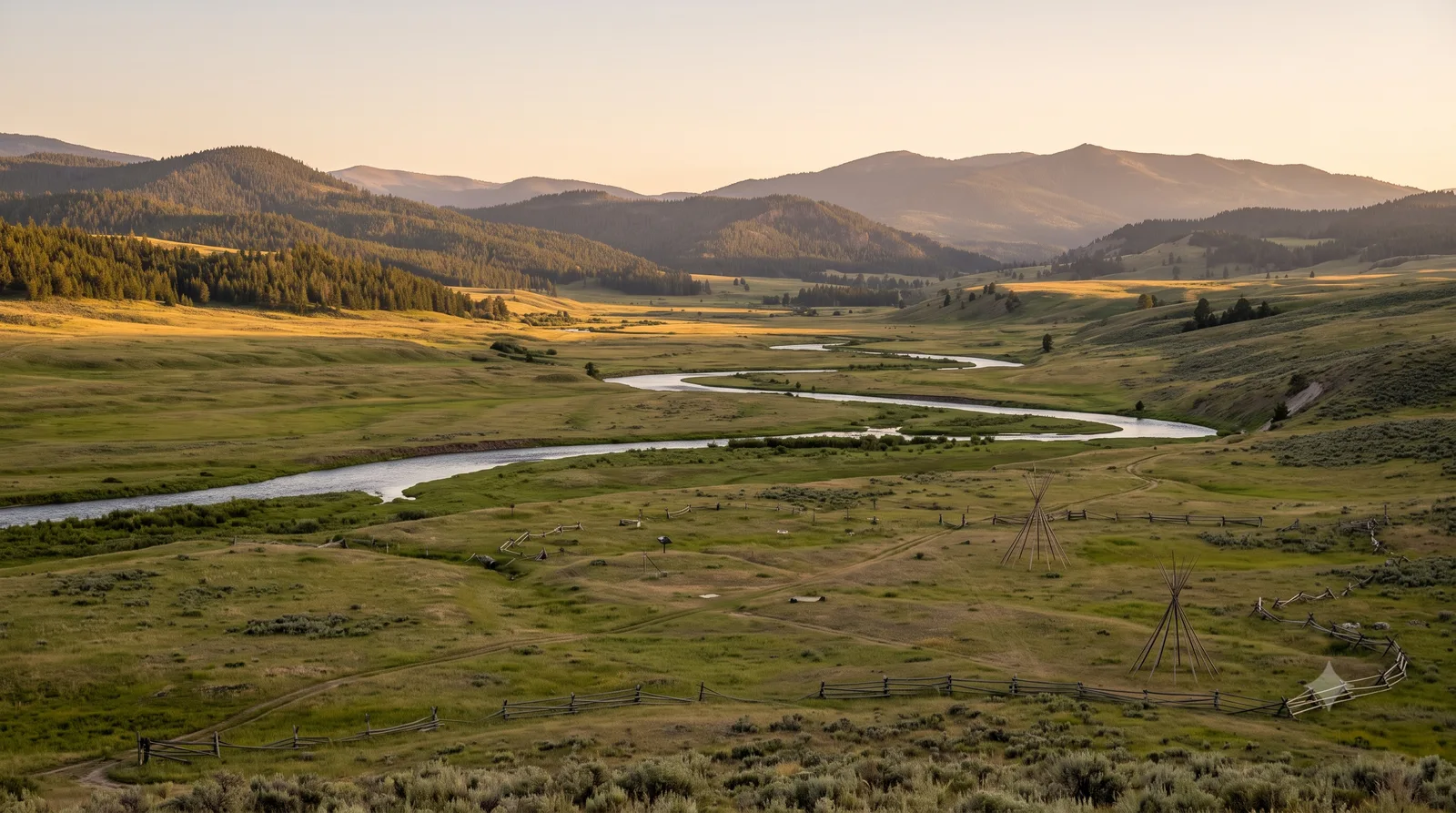
The battlefield is not merely a collection of markers; it's a preserved landscape that allows visitors to walk in the footsteps of those who endured this brutal encounter. The raw beauty of the Big Hole Valley, set against the backdrop of the Anaconda, Beaverhead, and Bitterroot mountain ranges, offers a stark contrast to the violence that unfolded here. We find that understanding the history here provides crucial context to the ongoing story of Indigenous peoples in the United States and the complex legacy of westward expansion. It's a place for quiet contemplation, learning, and honoring the lives lost on both sides.
Beyond the immediate battle site, Big Hole National Battlefield is also a component of the larger Nez Perce National Historical Park, which spans 38 sites across four states, weaving together the extensive history and culture of the Nez Perce people. This connection highlights the broader narrative of the Nez Perce Flight of 1877, a 1,170-mile journey of a people desperately seeking freedom.
Who It's Best For
Big Hole National Battlefield appeals to a specific type of traveler, and our team believes it offers a deeply enriching experience for several groups:
- History Buffs: If you're fascinated by American history, particularly the conflicts of the American West and Indigenous history, this site is indispensable. The detailed exhibits, interpretive trails, and ranger programs provide an in-depth understanding of the Nez Perce War.
- Cultural Enthusiasts: Those interested in Native American culture and the enduring legacy of the Nez Perce people will find this a powerful place to connect with their story, resilience, and traditions.
- Quiet Contemplators: The remote and serene setting lends itself to reflection. If you seek a place for quiet thought and a deeper understanding of human conflict and perseverance, you'll appreciate the atmosphere here.
- Families with Older Children: While younger children might find some of the historical details intense, older children and teenagers can benefit greatly from the educational opportunities, especially through the Junior Ranger program. The self-guided trails are also engaging for families.
- Montana Road Trippers: As a significant landmark in southwest Montana, it’s an excellent stop for those exploring the state's diverse attractions, perhaps en route to destinations like Glacier National Park or Yellowstone National Park (North).
This is not a destination for thrill-seekers or those looking for extensive recreational activities like waterskiing or extreme sports. Instead, it offers a profound educational and emotional journey.
How to Get There
Reaching Big Hole National Battlefield requires a bit of driving, as it’s nestled in a relatively remote part of southwest Montana. Our team recommends planning your route carefully, especially if you're visiting during the shoulder seasons when weather can be unpredictable.
The battlefield is located approximately 10 miles west of the small town of Wisdom, Montana, directly on Montana Highway 43. This makes it relatively easy to find once you're on the correct highway.
Driving Directions:
- From Missoula: Travel south on U.S. 93 through the scenic Bitterroot Valley for about 80 miles to Lost Trail Pass. From there, turn east onto Montana Highway 43 and continue for approximately 16-17 miles to reach the battlefield.
- From Butte: Head south on I-15 for about 20 miles to Montana Highway 43. Then, drive west for roughly 51 miles to Wisdom, and continue west on Montana Highway 43 for another 10 miles to the site.
- From Dillon: Take Montana Highway 278 west to Wisdom, then proceed west on Montana Highway 43 for 10 miles to the battlefield.
Parking:
Ample parking is available at the Visitor Center. Additionally, there's a lower parking lot that provides direct access to the main battlefield trails. Picnic tables are also located at this lower parking area, offering a peaceful spot to reflect or have a packed lunch. During the winter months, typically from October 12 to May 22, the road leading to the lower parking lot and trailheads closes to vehicles. However, the trails remain accessible for those on snowshoes or cross-country skis, offering a unique winter perspective of the site.
No reservations are required for general parking, and there are no parking fees to visit Big Hole National Battlefield.
Top Things to Do
When you visit Big Hole National Battlefield, our team encourages you to immerse yourselves fully in the site's profound history and natural beauty. This isn't a place for casual sightseeing, but rather for thoughtful exploration. Here are the things to do at Big Hole National Battlefield that we recommend:
Start at the Visitor Center
Your first stop should always be the Visitor Center, located just ten miles west of Wisdom, Montana, on Highway 43. It serves as an essential introduction to the events of August 1877. Here, you'll find engaging museum exhibits that tell the story of the Nez Perce, the soldiers, and the volunteers involved in the conflict.
We highly recommend watching the award-winning 26-minute film, "Weet'uciklitukt: There's No Turning Back, Battle at Big Hole." This film provides crucial context to the Nez Perce Flight of 1877 and the battle itself. The Visitor Center also features a bookstore where you can find additional resources and a tactile 3-D map of the battlefield, which is wheelchair accessible and includes braille features.
As of 2026, the Visitor Center operates with varying hours: from May 23 to October 11 (summer/autumn), it's open Wednesday-Sunday from 9:00 AM to 5:00 PM, and closed on Mondays and Tuesdays. From October 12 to May 22 (winter/spring), it's open Wednesday-Saturday from 10:00 AM to 5:00 PM, and closed Sunday and Monday. It is also closed on major holidays like Thanksgiving, Christmas, and New Year's Day.
Explore the Historic Trails
The heart of the Big Hole National Battlefield experience lies in walking the self-guided trails that traverse the sacred grounds. These trails are open daily from sunrise to sunset, year-round, offering different perspectives of the battle. Trail guides are available at each trailhead during summer and autumn, and at the Visitor Center in winter. The walks each take approximately an hour.
- Nez Perce Camp Trail: This 1.6-mile round-trip path leads you to the site where the Nez Perce camped before the surprise attack. It's an easy, level walk on packed earth, offering a serene environment for reflection.
- Siege Area Trail: A 1.2-mile round-trip trail that traverses the area where Nez Perce warriors held U.S. troops under siege. You'll see the rifle pits dug by soldiers and the 1883 monument dedicated to the 7th U.S. Infantry. The terrain is mostly level packed earth.
- Howitzer Trail: This 0.8-mile round-trip spur off the Siege Trail leads to the site where Nez Perce warriors captured a 12-pound Mountain Howitzer cannon. It's a steep and rugged ascent with significant elevation gain (320 feet), but it rewards hikers with panoramic views of the battlefield and a replica howitzer at the top.
These trails are among the most impactful things to do at Big Hole National Battlefield, allowing for a direct connection to the events of 1877.
Participate in Ranger Programs and Special Events
During the summer months, Big Hole National Battlefield offers ranger-guided activities, interpretive talks, and cultural demonstrations that enhance your understanding of the site. These programs often feature Nez Perce tribal members sharing their knowledge, traditions, and connections to the landscape, providing invaluable perspectives. Check the park's official calendar for specific schedules during your visit.
Each year, Nez Perce tribal leaders and members travel to the battlefield for commemoration programs, which may include pipe ceremonies and traditional drum circles. These are free and open to the public, though photography and filming are not allowed during the ceremonies.
Junior Ranger Program
For families traveling with children, the Junior Ranger program is an excellent way to engage young learners. Kids can pick up a program booklet at the Visitor Center, answer questions about the battle, and explore museum artifacts. Upon completion, they earn an official Junior Ranger Badge, a memorable keepsake and a symbol of their connection to this historic site.
Picnicking and Fishing
Picnic tables are available at the lower parking lot, offering a peaceful spot to enjoy a meal amidst the beautiful surroundings. Fishing is permitted within the battlefield's boundaries and adjacent national forest land, provided you possess a valid Montana state fishing license and comply with state regulations.
Best Time to Visit
Our team at Roam States generally recommends visiting Big Hole National Battlefield during the warmer months, specifically from June through September. This period offers the most favorable weather conditions for exploring the outdoor trails and fully experiencing the battlefield. July is typically the warmest month, with average high temperatures around 77 degrees Fahrenheit.
During summer, you'll also find the widest array of ranger-guided programs and cultural demonstrations, which significantly enrich the visitor experience. The landscape is vibrant with green grasses and wildflowers, offering a striking contrast to the solemn history.
However, the battlefield is open year-round, and each season offers a unique perspective:
- Spring (May-June): The valley awakens, with lush greenery and blooming wildflowers. Trails can be muddy in early summer, so appropriate footwear is advised.
- Summer (July-August): Ideal for hiking and outdoor programs. Expect pleasant temperatures, but be prepared for occasional afternoon thunderstorms. This is also when you might see traditional "beaverslide" haying in the surrounding Big Hole Valley.
- Autumn (September-October): Cooler temperatures and changing foliage can make for a beautiful and reflective visit. Ranger programs may still be available early in the season.
- Winter (November-April): While the road to the lower parking lot closes to vehicles, the trails remain open for snowshoeing and cross-country skiing. This offers a stark, quiet, and incredibly poignant experience of the battlefield, often with fewer visitors. The Visitor Center operates on reduced winter hours.
Ultimately, the best time to visit Big Hole National Battlefield depends on your priorities, but for ease of access and the fullest range of interpretive programs, summer is our top recommendation.
Where to Stay Nearby
There are no overnight camping or lodging facilities directly within Big Hole National Battlefield. However, our team has identified several excellent options for Big Hole National Battlefield lodging in the nearby towns, providing comfortable bases for your exploration.
Wisdom, Montana
The closest town to the battlefield, Wisdom, is just 10 miles to the east and offers the most convenient access to the site. While small, it provides a few local lodging choices that capture the authentic Montana experience.
- Nez Perce Motel: This eight-unit motel is located right in Wisdom and is known for its clean rooms and "down home atmosphere." It's a popular choice for tourists, fishermen, and outdoor enthusiasts.
- Local Cabins and Vacation Rentals: Wisdom and the surrounding Big Hole Valley also feature various cabin rentals and vacation homes, perfect for those seeking a more rustic or private stay. Options like "Southwest Montana Ski Country: Family Cabin Escape" offer comfortable amenities.
- Pioneer Mountain Lodge: Another option in Wisdom, catering to those exploring the area.
Staying in Wisdom allows you to be close to the battlefield and experience the charm of a small Montana town, with local restaurants and gas stations available.
Salmon, Idaho
Located south of the battlefield, across the Lost Trail Pass, Salmon, Idaho, offers more extensive lodging options, including chain hotels. It's about an hour's drive from the battlefield.
- Stagecoach Inn: This hotel in Salmon offers amenities like a free breakfast buffet, free in-room Wi-Fi, and laundry facilities.
- Super 8 by Wyndham Salmon: Another budget-friendly option in Salmon, providing free breakfast and Wi-Fi.
- Americas Best Value Inn Salmon: Offers free WiFi and parking.
Other Nearby Towns
Depending on your travel plans and preferred amenities, you might also consider lodging further afield:
- Darby, Montana: Located north of Lost Trail Pass in the Bitterroot Valley, Darby offers options like Triple Creek Ranch for a luxury experience or various vacation homes.
- Anaconda, Montana: East of the battlefield, Anaconda has options like Sugar Loaf Lodge & Cabins.
When planning your Big Hole National Battlefield lodging, we recommend booking in advance, especially during the peak summer season, as options in these smaller towns can fill up quickly.
Sample 2-Day Itinerary
To truly appreciate the Big Hole National Battlefield and its surroundings, our team suggests a two-day itinerary. This allows for in-depth exploration without feeling rushed, providing time for reflection and enjoying the scenic Montana landscape. This itinerary assumes you're basing yourself in or near Wisdom.
Day 1: Immersion at Big Hole National Battlefield
- Morning (9:00 AM - 1:00 PM): Visitor Center and Nez Perce Camp Trail
- Arrive at Big Hole National Battlefield and head straight to the Visitor Center. Allow ample time to watch the 26-minute film, "Weet'uciklitukt: There's No Turning Back, Battle at Big Hole," and explore the museum exhibits. This foundational knowledge is crucial for understanding the site.
- Pick up a Junior Ranger booklet if you're traveling with kids.
- Drive or walk to the lower parking area and begin your exploration of the battlefield with the Nez Perce Camp Trail (1.6 miles round-trip). This gentle walk takes you to the actual site of the Nez Perce encampment before the attack, allowing for a powerful sense of place.
- Lunch (1:00 PM - 2:00 PM): Picnic at the Battlefield
- Enjoy a packed lunch at one of the picnic tables located near the lower parking lot, taking in the serene valley views.
- Afternoon (2:00 PM - 5:00 PM): Siege Area and Howitzer Trails, Ranger Program
- Continue your battlefield exploration with the Siege Area Trail (1.2 miles round-trip), where you'll see the rifle pits dug by U.S. soldiers.
- For those up for a challenge, take the spur trail to the Howitzer Trail (0.8 miles round-trip, steep). The panoramic views from the Howitzer Capture Site are well worth the effort.
- Check the Visitor Center schedule for any afternoon ranger-led programs or talks. These often provide deeper insights and personal stories.
- Evening: Dinner in Wisdom
- Head back to Wisdom for dinner. Explore local dining options, experiencing the small-town charm of the Big Hole Valley.
Day 2: Explore the Big Hole Valley and Beyond
- Morning (9:00 AM - 12:00 PM): Big Hole River and Local Culture
- Experience the natural beauty of the Big Hole Valley. The Big Hole River is renowned for its blue-ribbon trout fishing and is one of the few places to catch native fluvial Arctic Grayling. Even if you're not fishing, a scenic drive along the river offers beautiful views.
- If visiting in July or August, keep an eye out for the historic "beaverslide" haying operations, a unique cultural sight in the valley.
- Consider a visit to the nearby Beaverhead-Deerlodge National Forest for a short hike or scenic drive, offering opportunities for wildlife viewing.
- Lunch (12:00 PM - 1:00 PM): Local Eatery in Wisdom or Picnic
- Afternoon (1:00 PM - 5:00 PM): Hot Springs or Ghost Town Exploration
- Option A: Relaxation at Elkhorn Hot Springs: Drive to Elkhorn Hot Springs, located about 19 miles from Wisdom, for a relaxing soak in natural mineral waters. It’s a perfect way to unwind after a day of historical immersion and hiking.
- Option B: Bannack State Park: Head south to Bannack State Park, Montana's first territorial capital and a remarkably preserved ghost town. This offers a fascinating glimpse into Montana's gold rush history.
- Evening: Departure or Extended Stay
- Depending on your onward journey, you can depart or enjoy another evening in the tranquil Big Hole Valley.
This itinerary balances the solemn history of Big Hole National Battlefield Montana with the natural and cultural attractions of the surrounding region, offering a comprehensive and memorable Montana experience. For more extensive Montana travel planning, be sure to check out our Best Places in Montana guide, which can help you integrate this visit into a larger adventure that might include Glacier National Park or Yellowstone National Park (North).
FAQ
Big Hole National Battlefield with kids
Visiting Big Hole National Battlefield with kids can be a very enriching educational experience, especially for older children. Our team recommends starting at the Visitor Center to watch the introductory film and explore the exhibits, which help set the historical context. The Junior Ranger program is an excellent way to engage children, allowing them to earn a badge by completing activities related to the battlefield's history and culture. The self-guided walking trails (Nez Perce Camp Trail, Siege Area Trail, Howitzer Trail) provide opportunities for kids to get outdoors and visualize the events, though the Howitzer Trail is steep and might be challenging for very young children. The Visitor Center also features a "touch table" with various items to interact with, making history more tangible. Remember that this is a solemn site, so encourage respectful behavior and discussion about the historical events.
best hotels near Big Hole National Battlefield
The best hotels near Big Hole National Battlefield are primarily found in the nearby town of Wisdom, Montana, and slightly further afield in Salmon, Idaho. In Wisdom, you'll find local options like the Nez Perce Motel, known for its clean, comfortable, and quiet accommodations, popular with outdoor enthusiasts. There are also various cabin and vacation rentals in the Big Hole Valley, offering a more private or rustic experience. For more extensive choices, Salmon, Idaho, about an hour away, provides chain hotels such as the Stagecoach Inn and Super 8 by Wyndham Salmon, both offering amenities like complimentary breakfast and Wi-Fi. We recommend booking your Big Hole National Battlefield lodging in advance, especially during peak season, as options are limited in this rural area.
Big Hole National Battlefield tips
Our top tips for visiting Big Hole National Battlefield include: always start at the Visitor Center to gain essential historical context from the exhibits and the 26-minute film. Wear comfortable walking shoes, as exploring the battlefield's three main trails is a key part of the experience. Allow at least 2-3 hours for your visit, and more if you plan to hike all the trails or attend a ranger program. Bring water, snacks, and insect repellent, especially during summer. Be prepared for varying weather, as conditions can change quickly in Montana's mountains. Remember that the site is free to enter, but reservations are encouraged for large groups. Finally, approach your visit with respect and a willingness to learn, as this is a sacred and solemn place commemorating a tragic event in history.
where to stay near Big Hole National Battlefield
When considering where to stay near Big Hole National Battlefield, your primary options are the town of Wisdom, Montana (10 miles east), and Salmon, Idaho (further south). Wisdom offers the closest proximity and a few local motels and cabin rentals, like the Nez Perce Motel or various vacation homes, which provide a quiet and authentic rural Montana experience. Salmon, Idaho, provides more conventional hotel choices such as the Stagecoach Inn or Super 8 by Wyndham, with more amenities and dining options, though it requires a longer drive to the battlefield. For those seeking a unique experience, consider looking into lodges or cabins in the broader Big Hole Valley or nearby towns like Darby or Anaconda.
Big Hole National Battlefield parking
Parking at Big Hole National Battlefield is straightforward and free. There is ample parking available at the main Visitor Center. Additionally, a lower parking lot provides direct access to the interpretive trails on the battlefield. This lower lot also has picnic tables. During the winter season (typically October 12 to May 22), the road to the lower parking lot and trailheads is closed to vehicles, but the trails remain accessible for snowshoeing and cross-country skiing. No reservations are needed for parking, and there are no associated fees.
best time to visit Big Hole National Battlefield
The best time to visit Big Hole National Battlefield is generally during the summer months, from June through September. This period offers the most pleasant weather for exploring the outdoor trails and ensures that all park facilities and ranger programs are fully operational. July is the warmest month and ideal for hiking and outdoor activities. While summer provides the most comprehensive experience, spring and autumn offer beautiful scenery with fewer crowds. Winter visits are also possible for those interested in snowshoeing or cross-country skiing the trails, though the road to the lower parking lot is closed to vehicles, and Visitor Center hours are reduced.
We hope this comprehensive guide helps you plan a meaningful and impactful visit to Big Hole National Battlefield Montana. It’s a place that truly stays with you, offering a vital connection to a complex past and the enduring spirit of the Nez Perce people.
Last updated: 2026-07-06 by the Roam States team.