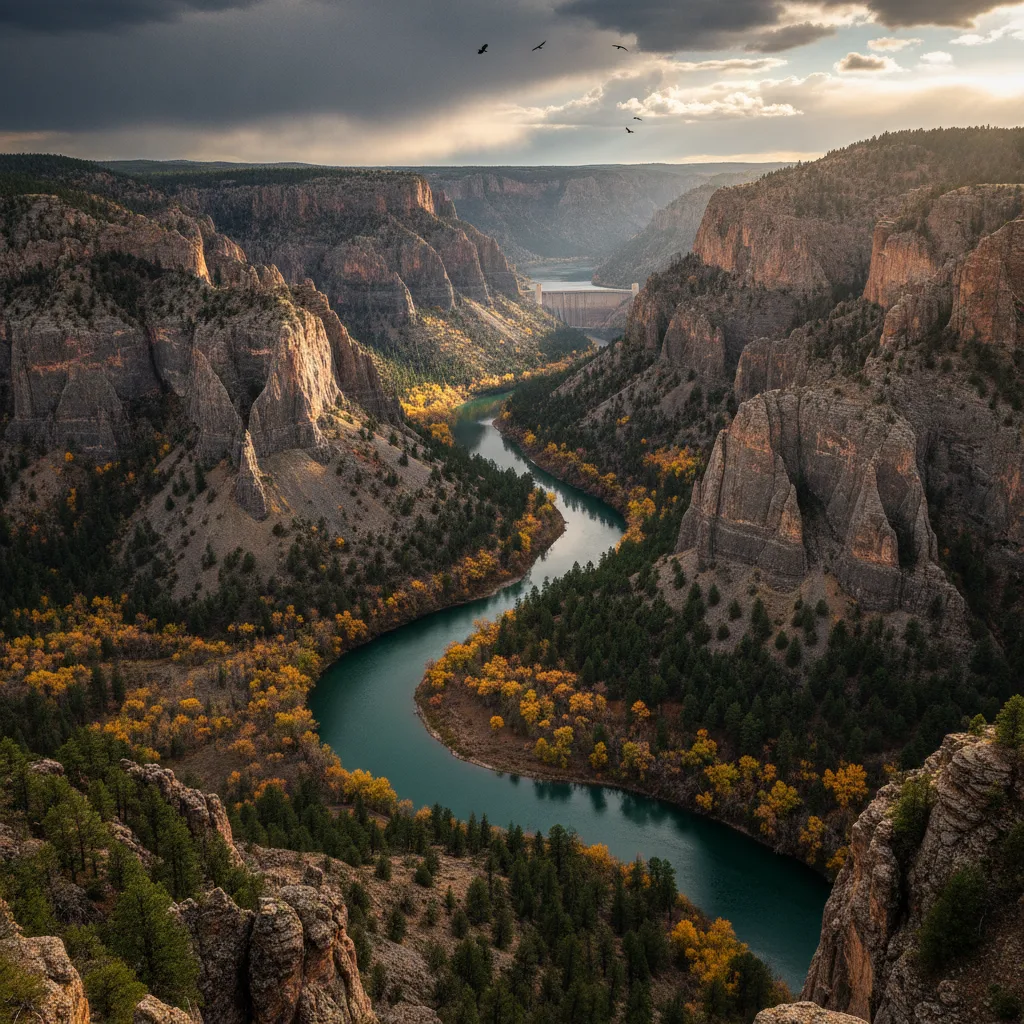
For travelers seeking a truly unique American landscape, Bighorn Canyon Montana offers a massive reservoir carved through starkly contrasting high desert and deep water access. Our team at Roam States has compiled this comprehensive guide to help you navigate this incredible destination, ensuring you experience its dramatic beauty and abundant recreational opportunities without the generic fluff. We focus on providing confident, specific recommendations for your adventure into this wild corner of Montana and Wyoming.
Why Visit Bighorn Canyon
Bighorn Canyon National Recreation Area (NRA) is a geological marvel, where towering cliffs, some rising over a thousand feet, frame the 71-mile-long Bighorn Lake. This area, straddling the Montana-Wyoming border, presents a striking tableau of red sandstone gorges, open grasslands, and rugged mountain terrain. It’s a place where you can witness the raw power of nature, from the ancient rock formations that predate dinosaurs to the serene waters of the lake itself.
Beyond its visual splendor, Bighorn Canyon offers a diverse range of ecosystems, supporting an array of wildlife including bighorn sheep, wild horses, pronghorn, mule deer, and over 200 species of birds, such as peregrine falcons. The recreation area is also steeped in over 10,000 years of human history, encompassing sacred archaeological sites and historic ranches that tell stories of open range and early American life.
For those looking to escape the crowds often found in more popular national parks, Bighorn Canyon provides an uncrowded piece of paradise with outstanding opportunities for solitude. It's an ideal destination for those who appreciate dramatic scenery, rich wildlife, and a touch of history, all within a relatively undisturbed natural setting.
Who It's Best For
Bighorn Canyon Montana is perfectly suited for outdoor enthusiasts and those seeking a tranquil escape into nature. We recommend it for:
- Boaters and Anglers: With Bighorn Lake stretching for 71 miles and the Bighorn River renowned as a world-class trout fishery, water sports are a primary draw. Whether you prefer motorboating, kayaking, canoeing, or fly fishing, the opportunities are abundant.
- Hikers and Photographers: The dramatic landscapes, changing colors of the canyon walls, and diverse ecosystems provide endless inspiration for photographers and a variety of trails for hikers of all skill levels.
- Wildlife Watchers: Home to the Pryor Mountain Wild Horse Range, bighorn sheep, and numerous bird species, it's a prime location for wildlife viewing.
- History Buffs: The park preserves several historic ranches and features the ancient Bad Pass Trail, offering a glimpse into the region's past.
- Families: Many activities, from easy nature trails to ranger programs, make it a rewarding destination for families, especially those looking to introduce children to the outdoors.
If you're looking for bustling nightlife or extensive resort amenities, this might not be your primary destination. However, if you appreciate wide-open spaces, natural beauty, and a chance to disconnect, Bighorn Canyon will exceed your expectations.
Getting There & Parking
Accessing Bighorn Canyon National Recreation Area involves two main districts: a northern entrance in Montana near Fort Smith and a southern entrance in Wyoming near Lovell.
- From Montana (Northern District): From Billings, take I-90 to Hardin (Exit 495), then follow Route 313 south for about 40 miles to Fort Smith and the Yellowtail Dam.
- From Wyoming (Southern District): From Sheridan, Wyoming, take US-14A west over the Bighorn Mountains to Lovell, then follow US-310 north. From Cody, Wyoming, take U.S. Highway 14, then turn north on WY Highway 37, which leads to the southern entrance.
The two districts are approximately three hours apart by car, as they are connected via the Bighorn River, not a direct road.
Parking: Parking is generally available at visitor centers, trailheads, and marinas. For example, the Yellowtail Dam Visitor Center and Ok-A-Beh Marina in the northern unit offer parking. In the southern unit, parking is available at the Cal S. Taggart Bighorn Canyon Visitor Center near Lovell and at trailheads like Horseshoe Bend Overlook. We recommend checking the specific National Park Service website for any real-time alerts or temporary closures, such as those related to fire mitigation, which can affect road access in certain areas.
Please note that tours of the Yellowtail Dam and access to its top are currently unavailable due to national security issues.
Top Things to Do
The array of things to do at Bighorn Canyon National Recreation Area is as vast and varied as its landscape. Our team highlights these essential experiences:
- Boating on Bighorn Lake: Cruising the 71-mile-long Bighorn Lake is arguably the best way to appreciate the canyon's immense scale and beauty. You can bring your own boat (checking Aquatic Invasive Species Watercraft Inspection requirements beforehand) or rent a pontoon boat at the Ok-A-Beh Marina near Yellowtail Dam. The lake is ideal for waterskiing, kayaking, canoeing, and even scuba diving.
- Fishing: The Bighorn River, downstream from the Yellowtail Dam, is celebrated as a world-class trout fishery, attracting anglers from around the globe. Bighorn Lake itself offers diverse fishing opportunities, including large walleye.
- Scenic Drives and Overlooks: Take a scenic drive to overlooks like Devil Canyon Overlook in the southern district, which provides breathtaking views of the canyon's dramatic formations. In the northern district, a drive to Yellowtail Dam or Ok-A-Beh offers glimpses of grandeur.
- Wildlife Viewing: Keep an eye out for the wild horses of the Pryor Mountains, bighorn sheep on the canyon walls, and a variety of birds. The Afterbay Lake area, below Yellowtail Dam, is particularly good for spotting ducks, geese, and other wildlife.
- Historic Ranch Tours: Explore preserved historic ranches in the southern district, offering a window into 19th and 20th-century ranching life.
- Stargazing: With minimal light pollution, Bighorn Canyon offers excellent opportunities for stargazing on clear nights.
These things to do at Bighorn Canyon ensure a memorable visit, whether you're seeking adventure on the water or quiet contemplation amidst stunning vistas.
Bighorn Canyon Hiking Trails
Exploring the Bighorn Canyon hiking trails is an excellent way to immerse yourself in the park's diverse ecosystems and history. The recreation area boasts over 27 miles across 13 trails, ranging from easy strolls to more challenging ascents. We always recommend carrying plenty of water, wearing sturdy shoes, and being aware of potential rattlesnakes and unstable canyon rims.
Here are some notable Bighorn Canyon hiking trails:
- Beaver Pond Nature Trail (North District, Montana): An easy 2.6-mile round trip trail offering canyon access and chances to spot beaver habitat, making it great for families.
- Three Mile Access Trail (North District, Montana): An easy 2-mile round trip stroll along the Bighorn River, perfect for a relaxed walk or accessing fishing spots.
- Sullivan's Knob Trail (South District, Wyoming): An easy to moderate 0.75-mile loop that provides views of the ancient Bad Pass Trail and is known for its "triple echo" phenomenon.
- Sykes Mountain Trail (South District, Wyoming): A more challenging 4.6-mile round trip hike that ascends a desert mountain, offering panoramic 360-degree views of Bighorn Canyon and Horseshoe Bend. Keep an eye out for bighorn sheep and pronghorn.
- Horseshoe Bend Overlook (South District, Wyoming): While a short paved walk, it offers dramatic views of the namesake bend in Bighorn Lake and features interpretive signs about geology and Crow cultural history. It's particularly stunning at sunset.
- Hillsboro Trail (South District, Wyoming): This trail takes hikers through a historic ranch, showcasing the recreational opportunities that once inspired guest ranches in the area.
Hiking guides can be purchased at the visitor centers for more detailed information.
Best Time to Visit
Determining the best time to visit Bighorn Canyon depends on your preferred activities and tolerance for weather. The park is open year-round, though access can change with winter weather.
- Spring (May and June): Our team considers May and June a "sweet spot" with comfortable temperatures (22-28°C), blooming wildflowers, and active wildlife, including bighorn sheep lambs and wild horse herds. Waterfalls are also more active during spring runoff.
- Summer (July and August): This is peak season for lake activities, with water temperatures around 22-24°C, ideal for boating and swimming when the reservoir is full. Daytime highs can reach around 33°C, so be prepared for heat.
- Fall (September and October): Arguably the best overall months, offering cooler temperatures (18-26°C), golden cottonwood trees in the canyon, and good fishing. Crowds are also significantly reduced during this shoulder season. Wildlife like pronghorn and mule deer move to lower elevations.
- Winter (November to April): While the lake may freeze, the park remains open, offering different recreational opportunities for those prepared for cold temperatures (lows near 0-15°F).
For the best value and fewer crowds, we suggest visiting during the shoulder seasons of May and September-October.
Where to Stay Nearby
While Bighorn Canyon National Recreation Area itself does not have hotels or motels, there are options for lodging in nearby gateway towns and within the recreation area's campgrounds.
- Fort Smith, Montana: Located near the northern entrance, Fort Smith is a small community popular with anglers due to its proximity to the Bighorn River. You'll find fishing lodges and outfitters here, such as Cottonwood Camp, which offers cabins, RV sites, and tent sites.
- Lovell, Wyoming: Situated near the southern entrance, Lovell offers more traditional lodging options, including motels and local restaurants. It serves as a good base for exploring the southern district of the canyon and nearby attractions like the Pryor Mountain Wild Horse Range.
- Billings, Montana: As the largest city in Montana, Billings is about an hour and a half north of the Bighorn Canyon's Fort Smith entrance. It provides a full range of accommodations, dining, and services, making it a convenient hub for a broader Montana road trip.
- Camping within Bighorn Canyon: The recreation area offers five camping areas with over 100 spots, many surrounded by beautiful scenery. Campgrounds accessed by car and boat are generally free and operate on a first-come, first-served basis, with a small number of reservable spots available online through the Horseshoe Bend Marina for the south district. Popular options include Horseshoe Bend Campground and Trail Creek Campground at Barry's Landing, which have campground fees payable at Iron Rangers. Dispersed and backcountry camping are also free and do not require a permit.
When planning your trip, consider combining your visit to Bighorn Canyon with other incredible Montana destinations like Beartooth Highway or Big Sky Resort. For more ideas on exploring the state, check out our guide to the Best Places in Montana.
Sample 2-Day Itinerary
To help you make the most of your visit to Bighorn Canyon, our team has crafted a sample 2-day itinerary focusing on both the Montana and Wyoming sides of the recreation area.
Day 1: Northern District (Montana) – Fort Smith & Yellowtail Dam
- Morning: Arrive in Fort Smith, Montana. Start your day at the Yellowtail Dam Visitor Center (open 9 AM to 5 PM daily from Memorial Day to Labor Day, and Thursday-Monday in early May and late September). Learn about the dam's history and the area's natural and cultural significance.
- Late Morning: Head to Ok-A-Beh Marina. Rent a pontoon boat or launch your own for a scenic cruise on Bighorn Lake, exploring the towering cliffs and searching for wildlife. Alternatively, if you're an angler, consider hiring a guide from Fort Smith for a world-class trout fishing experience on the Bighorn River.
- Afternoon: Enjoy a picnic lunch at one of the designated areas. Afterwards, take an easy hike on the Beaver Pond Nature Trail (2.6 miles round trip) to explore the canyon access and look for beaver habitat.
- Evening: Settle into a campground like Afterbay Campground or a lodge in Fort Smith. Enjoy a quiet evening, perhaps with some stargazing.
Day 2: Southern District (Wyoming) – Lovell & Devil Canyon
- Morning: Drive to Lovell, Wyoming, and visit the Cal S. Taggart Bighorn Canyon Visitor Center (open daily 8:30 AM to 4:30 PM, with summer hours from Memorial Day to Labor Day). Pick up maps and learn about the southern district's unique features, including the wild horses.
- Late Morning: Embark on a scenic drive along the canyon rim, heading towards Devil Canyon Overlook. This viewpoint offers some of the most spectacular vistas of the Bighorn River's dramatic canyon formation.
- Afternoon: Choose a hike based on your preference. For an easy walk, the Horseshoe Bend Overlook provides stunning views. If you're up for a challenge, tackle the Sykes Mountain Trail (4.6 miles round trip) for panoramic views and a chance to spot bighorn sheep.
- Late Afternoon: Explore one of the historic ranches in the southern district, such as the Lockhart Ranch, to delve into the area's rich past.
- Evening: Depart from Lovell or find lodging there, reflecting on the diverse beauty of Bighorn Canyon.
Remember to always check current conditions, especially for hiking trails and road access, before heading out. For more detailed trip planning, we recommend visiting the official National Park Service website for Bighorn Canyon National Recreation Area (nps.gov/bica).
Last updated: 2026-07-12 by the Roam States team.