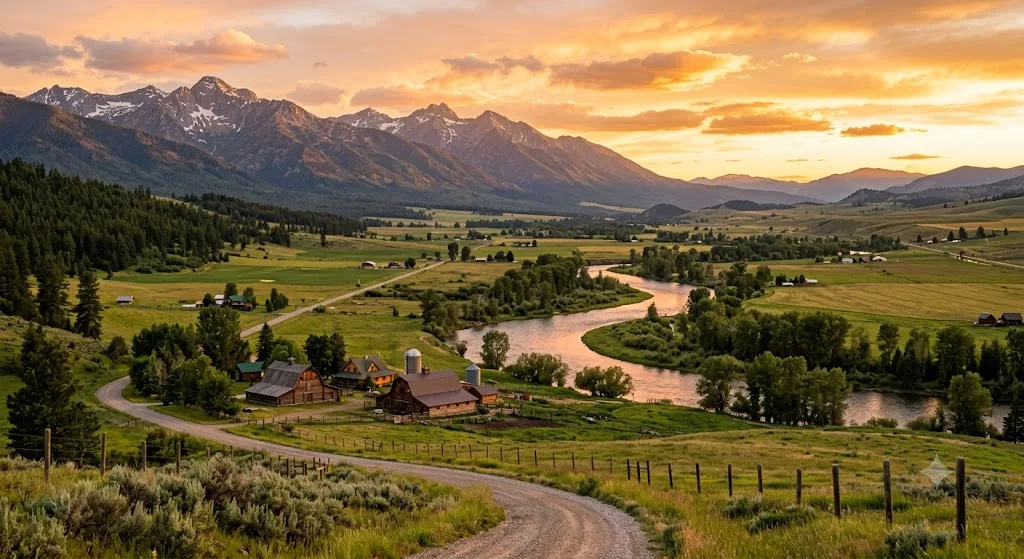
Our Bitterroot Valley guide covers practical planning for Bitterroot Valley Montana — best time to visit, getting there, and what to do on the ground.
Bitterroot Valley Travel Guide — Montana
The Bitterroot Valley Montana is a place that captures the essence of the American West, offering a stunning blend of rugged mountain beauty, pristine rivers, and charming small towns. Nestled between the Bitterroot Mountains to the west and the Sapphire Mountains to the east, this valley is a prime destination for outdoor enthusiasts, history buffs, and anyone seeking a tranquil escape from the everyday. Our team at Roam States has explored every corner, and we’re here to share our insights to help you plan an unforgettable trip to this remarkable corner of Montana.
Why Visit Bitterroot Valley
We believe the Bitterroot Valley offers a unique blend of adventure and serenity that's hard to find elsewhere. It’s a place where the grandeur of nature is always on display, from the snow-capped peaks to the meandering Bitterroot River. For those who crave wide-open spaces and a connection to the outdoors, this valley delivers in spades. Fly fishing here is world-class, with abundant trout in the river's clear waters. Hiking trails crisscross the mountains, leading to alpine lakes and panoramic vistas. Beyond the natural beauty, the valley's towns, like Hamilton and Darby, exude a welcoming, authentic Montana charm, offering a glimpse into local life, history, and craftsmanship. It's an ideal destination for disconnecting and immersing yourself in a landscape that feels both wild and welcoming.
Who It's Best For
The Bitterroot Valley truly caters to a diverse range of travelers, though it particularly shines for certain groups. It's an absolute paradise for **outdoor enthusiasts**, especially those passionate about fly fishing, hiking, mountain biking, and wildlife viewing. Anglers will find endless opportunities on the Bitterroot River and its tributaries, while hikers can explore trails ranging from easy riverside strolls to challenging ascents into the Bitterroot National Forest. Families will appreciate the slower pace and numerous opportunities for outdoor play, from picnicking by a lake to exploring historical sites. Couples seeking a romantic and peaceful getaway will find cozy cabins and stunning sunsets. History buffs will enjoy the rich heritage of the area, including sites related to the Lewis and Clark Expedition and early Montana settlements. Ultimately, if you're looking for an escape that prioritizes nature, tranquility, and authentic small-town experiences over bustling city life, the Bitterroot Valley is for you.
How to Get There
Getting to the Bitterroot Valley is part of the adventure, and we've found it to be quite accessible for a remote-feeling destination. The primary gateway is Missoula, Montana, home to the Missoula International Airport (MSO). From MSO, the northern entrance to the Bitterroot Valley is just a short drive south on U.S. Highway 93. We recommend renting a car at the airport, as public transportation within the valley is limited, and having your own vehicle is essential for exploring the various towns and trailheads. The drive itself is scenic, offering your first glimpses of the majestic mountains that define the region.
For those driving from further afield, U.S. Highway 93 runs directly through the length of the valley, connecting it to Idaho to the south and Missoula to the north. This makes it a straightforward drive from Spokane, Washington, or even from northern Idaho. We always advise checking road conditions, especially during winter months, as mountain passes can experience snow and ice.
When it comes to Bitterroot Valley parking, you'll generally find it to be straightforward. In towns like Hamilton, Darby, and Stevensville, street parking is usually free and readily available, particularly outside of peak lunch or dinner hours. For trailheads within the Bitterroot National Forest, parking lots are typically well-marked. Some popular trailheads, especially those leading to wilderness areas, may require a recreation pass or a day-use fee. For example, some sites within the Bitterroot National Forest might require a daily fee of around $5-$10, or an annual pass for frequent visitors. We always recommend checking the specific forest service website for the particular trailhead you plan to visit for the most up-to-date information on fees and regulations for 2026. Rest assured, finding a spot to park your vehicle and begin your exploration of the Bitterroot Valley Montana is rarely a challenge.
Top Things to Do
Our team agrees that the things to do at Bitterroot Valley are as diverse as the landscape itself. Whether you're an adrenaline junkie or seeking serene moments, there's something here for you. We've compiled our top recommendations for experiencing the best of this incredible region, covering both the things to do in Western Montana and specifically within the valley.
Fly Fishing the Bitterroot River
The Bitterroot River is legendary among anglers, known for its healthy populations of rainbow, brown, cutthroat, and brook trout. We consider it one of Montana's premier fly-fishing destinations. Guided trips are highly recommended, especially if you're new to the area or want to maximize your chances of a successful catch. Local outfitters in Hamilton and Darby offer float trips and wade trips, providing all the necessary gear and local expertise. A Montana fishing license is required, and for 2026, a non-resident annual license is approximately $100, with shorter-term options available.
Hiking in the Bitterroot National Forest
With millions of acres of wilderness, the Bitterroot National Forest offers an endless array of hiking trails. From easy riverside walks to strenuous climbs to alpine lakes, there’s a path for every fitness level. We particularly love the trails leading into the Selway-Bitterroot Wilderness, one of the largest wilderness areas in the lower 48 states. Popular trails include the Blodgett Canyon Overlook Trail near Hamilton and the Lake Como National Recreation Trail, which offers stunning views of Lake Como. Always carry bear spray and be aware of wildlife.
Exploring Charming Small Towns
The valley’s towns are gems, each with its own character. **Hamilton**, the largest town, serves as the commercial hub, offering a variety of shops, restaurants, and galleries. Don't miss the Daly Mansion, a historic estate offering tours that provide a glimpse into early 20th-century Montana wealth. For 2026, general admission to the Daly Mansion is typically around $15 for adults, with tours running from 10 AM to 4 PM during peak season. **Darby** to the south has a classic Old West feel, with rustic storefronts and a welcoming atmosphere. **Stevensville**, Montana's first permanent settlement, is home to St. Mary's Mission, a significant historical site. For 2026, St. Mary's Mission typically charges an admission fee of around $8-$10 for adults, and is open from 10 AM to 5 PM in the summer. These towns are perfect for leisurely strolls, browsing local artisan shops, and enjoying a meal.
Lake Como Recreation Area
Just south of Hamilton, Lake Como is a stunning glacial lake perfect for swimming, paddleboarding, kayaking, and picnicking. There’s a beautiful sandy beach, and a paved loop trail around the lake is ideal for walking or biking. Boating is also popular here, and there are several campgrounds nearby if you wish to extend your stay. The day-use area generally has no fee, but camping reservations are highly recommended, especially during summer 2026.
Wildlife Viewing
The Bitterroot Valley is rich in wildlife. Keep an eye out for elk, deer, moose, black bears, and a variety of bird species, including bald eagles. The best times for wildlife viewing are dawn and dusk. Remember to maintain a safe distance and never approach wild animals.
Scenic Drives
U.S. Highway 93, running the length of the valley, offers continuous stunning views. For a more off-the-beaten-path experience, explore some of the county roads that branch off into the foothills of the Bitterroot Mountains. These drives often lead to quieter areas, hidden trailheads, and picturesque pastoral scenes. These things to do at Bitterroot Valley provide a comprehensive experience of the region's natural beauty and charm.
Best Time to Visit
Based on our extensive travel experience, the best time to visit the Bitterroot Valley largely depends on your desired activities. We find each season offers its own unique appeal:
- **Summer (June-August):** This is peak season, and for good reason. The weather is warm and sunny, ideal for hiking, fishing, swimming, and all outdoor pursuits. The average high temperatures in July are in the low 80s Fahrenheit (around 27-28°C). All services and attractions are fully open. However, expect larger crowds and higher prices for lodging, and make reservations well in advance. Wildfires can occasionally be a concern in late summer, so monitor local conditions.
- **Fall (September-October):** Our personal favorite. The crowds thin out, the weather remains pleasant, and the valley transforms with vibrant autumn colors, especially the golden larches in the mountains. Fly fishing can be excellent, and hiking is particularly enjoyable with cooler temperatures. Average highs in September are in the low 70s Fahrenheit (around 21-22°C).
- **Spring (April-May):** A beautiful time as the valley awakens. The snow melts, rivers swell, and wildflowers bloom. It's a great time for fishing and wildlife viewing as animals become more active. Some higher elevation trails may still be snow-covered, and weather can be unpredictable, with average highs in May in the mid-60s Fahrenheit (around 18-19°C).
- **Winter (November-March):** If you love snow and winter sports, the Bitterroot Valley is a serene wonderland. Cross-country skiing, snowshoeing, and ice fishing are popular. While downhill skiing isn't directly in the valley, nearby Lost Trail Powder Mountain offers excellent slopes. Expect cold temperatures and significant snowfall, with average highs in January in the low 30s Fahrenheit (around 0-1°C). Many smaller businesses may have reduced hours or be closed.
For most visitors, we recommend late spring through early fall for the widest range of activities and best weather. However, if tranquility and winter beauty are what you seek, the colder months offer a truly magical experience.
Bitterroot Valley Lodging
When planning your trip to the Bitterroot Valley Montana, choosing the right accommodations is key to a comfortable and enjoyable stay. Our team has found a variety of options for Bitterroot Valley lodging, ranging from luxurious resorts to cozy cabins and convenient motels. The main towns of Hamilton, Darby, and Stevensville offer the most choices, each providing a slightly different ambiance.
Hamilton
As the largest town, Hamilton provides the most extensive selection of hotels, motels, and vacation rentals. You'll find familiar chain hotels offering reliable comfort, as well as charming independent inns and B&Bs. Many of these options are conveniently located near restaurants and shops. For those seeking a blend of comfort and convenience, Hamilton is an excellent base, providing easy access to both northern and southern valley attractions.
Darby
If you're looking for a more rustic, Old West experience, Darby is your go-to. This southern valley town boasts several historic lodges and cabin rentals that truly immerse you in the Montana spirit. It’s an ideal spot for anglers and those planning to explore the southern reaches of the Bitterroot National Forest. Lodging here often comes with stunning mountain views and a quieter atmosphere.
Stevensville & Corvallis
These smaller towns in the northern part of the valley offer a more laid-back, rural feel. You'll find a selection of charming B&Bs, guesthouses, and vacation rentals, often on larger properties with beautiful views. Stevensville is particularly appealing for its historical significance and proximity to the Lee Metcalf National Wildlife Refuge.
Cabins and Vacation Rentals
For families or groups, and those desiring more space and privacy, vacation rentals (cabins, homes, and ranches) are abundant throughout the valley. Websites like Airbnb and VRBO list numerous options, many with direct river access or nestled in the foothills. We often find these to be excellent choices for a more authentic and self-sufficient Bitterroot experience.
Camping
For the budget-conscious or those who love to sleep under the stars, the Bitterroot National Forest offers numerous developed campgrounds and dispersed camping opportunities. Popular campgrounds like Lake Como Campground and Charles Waters Campground typically require reservations, especially during summer 2026, which can be made through Recreation.gov. Dispersed camping is allowed in many areas, but always follow Leave No Trace principles and check for fire restrictions. Fees for developed campgrounds usually range from $15-$25 per night.
No matter your preference, we recommend booking your Bitterroot Valley lodging well in advance, especially if you plan to visit during the peak summer months or popular fishing seasons. This ensures you secure the best options and locations for your adventure.
Sample 2-Day Itinerary
To help you make the most of your visit, our team has crafted a sample 2-day itinerary for the Bitterroot Valley. This plan focuses on a mix of outdoor activities, town exploration, and scenic beauty, giving you a good taste of what the Bitterroot Valley Montana has to offer.
Day 1: Northern Valley Exploration & Hamilton Charm
- **Morning (9:00 AM - 12:00 PM):** Start your day in Stevensville, Montana's first permanent settlement. Visit St. Mary's Mission and the Fort Owen State Park to delve into the valley's rich history. Allow 2-3 hours for a thorough exploration.
- **Lunch (12:00 PM - 1:00 PM):** Head south to Hamilton. Grab a casual lunch at one of the local cafes or eateries.
- **Afternoon (1:00 PM - 4:00 PM):** Immerse yourself in the grandeur of the Daly Mansion, touring the historic home and grounds. Check their 2026 schedule for specific tour times and availability.
- **Late Afternoon (4:00 PM - 6:00 PM):** Enjoy a leisurely stroll through downtown Hamilton, browsing the local shops and art galleries.
- **Evening (6:00 PM onwards):** Savor dinner at one of Hamilton's excellent restaurants, then relax at your chosen accommodation.
Day 2: Southern Valley Adventure & Natural Beauty
- **Morning (9:00 AM - 1:00 PM):** Drive south to the Lake Como Recreation Area. Hike the scenic loop trail around the lake (approximately 7 miles, allow 3-4 hours) or enjoy a shorter walk to the beach for swimming or paddleboarding. Pack a picnic to enjoy by the lake.
- **Lunch (1:00 PM - 2:00 PM):** Enjoy your picnic lunch at Lake Como, or head to Darby for a bite at a local diner.
- **Afternoon (2:00 PM - 5:00 PM):** Explore the rustic charm of Darby. Browse the Western-themed shops and soak in the small-town atmosphere. Consider a short, scenic drive further south into the Bitterroot National Forest for more mountain views.
- **Late Afternoon (5:00 PM - 6:00 PM):** If you're an angler, consider a late afternoon fly-fishing session on the Bitterroot River (guided or unguided with a license).
- **Evening (6:00 PM onwards):** Enjoy a farewell dinner in Darby or Hamilton, reflecting on the stunning landscapes and experiences of the Bitterroot Valley.
This itinerary is flexible and can be adapted to your interests. If you have more time, consider adding a day trip to explore parts of Western Montana, perhaps heading towards Glacier National Park or Yellowstone National Park (North), though these are significant drives. For more ideas on exploring the state, check out our guide to Best Places in Montana.
Frequently Asked Questions About Bitterroot Valley
Bitterroot Valley with kids
The Bitterroot Valley is fantastic for families with kids! Our team recommends activities like swimming and playing at the sandy beach at Lake Como, easy hikes on trails like the Lake Como National Recreation Trail, and exploring the historic St. Mary's Mission. Wildlife viewing is always a hit, and many local parks in Hamilton and Darby offer playgrounds. Consider a visit to the Lee Metcalf National Wildlife Refuge for birdwatching and nature walks. Many local outfitters also offer family-friendly float trips on the Bitterroot River.
Best hotels near Bitterroot Valley
While the Bitterroot Valley itself offers many excellent lodging options, the "best" depends on your preference. In Hamilton, the Best Western Plus Hamilton Inn & Suites and the Quality Inn Hamilton are popular choices for their amenities and convenient locations. For a more unique experience, consider the historic Darby Inn & Suites in Darby or one of the many charming vacation rental cabins found throughout the valley. We always recommend checking recent reviews and booking well in advance, especially for 2026 summer travel.
Bitterroot Valley tips
Our top tips for visiting the Bitterroot Valley include: book accommodations and popular guided tours (especially for fishing) well in advance, particularly for summer 2026. Always carry bear spray and know how to use it when hiking. Pack layers of clothing, as mountain weather can change quickly. Stay hydrated, especially during summer outdoor activities. Obtain a Montana fishing license if you plan to fish. And finally, embrace the slower pace – this is a place to relax and connect with nature, not rush through sights.
Where to stay near Bitterroot Valley
The best places to stay *in* the Bitterroot Valley are in the towns of Hamilton, Darby, and Stevensville, which offer the most direct access to attractions. If you're looking for options *near* the valley but outside of it, Missoula, to the north, provides a wider range of hotels, dining, and entertainment options, though it requires a 30-60 minute drive into the valley depending on your destination. For a truly remote experience, consider cabins or campgrounds deeper within the Bitterroot National Forest.
Bitterroot Valley parking
Parking in the Bitterroot Valley is generally easy to find. In towns like Hamilton and Darby, street parking is usually free. For trailheads and recreation areas within the Bitterroot National Forest, designated parking lots are available. Some popular trailheads or developed recreation sites may require a day-use fee or a recreation pass, which can typically be purchased on-site or in advance. We advise checking the specific US Forest Service website for the area you plan to visit for current 2026 fee information and regulations.
Best time to visit Bitterroot Valley
The best time to visit the Bitterroot Valley for most travelers is from late spring (May) through early fall (October). During these months, the weather is most favorable for outdoor activities like hiking, fishing, and exploring the towns. Summer (June-August) offers the warmest temperatures and full access to all amenities, but also the largest crowds. Fall (September-October) brings stunning foliage and pleasant temperatures with fewer visitors, making it our team's favorite for its balance of beauty and tranquility.
Our team at Roam States confidently recommends the Bitterroot Valley Montana as a premier destination for those seeking an authentic Montana experience. Its unparalleled natural beauty, abundant outdoor recreation, and charming small towns create a truly memorable escape. Whether you're casting a line in the Bitterroot River, hiking to a pristine alpine lake, or simply enjoying the quiet grandeur of the mountains, this valley offers a refreshing retreat that stays with you long after you've left. We're certain you'll find your own slice of paradise here.
Last updated: 2026-07-07 by the Roam States team.