Fort Owen State Park Travel Guide — Montana
Our Fort Owen State Park guide covers practical planning for Fort Owen State Park Montana — best time to visit, getting there, and what to do on the ground. As your trusted independent US travel authority, our team at Roam States has meticulously compiled this guide to ensure your visit to this pivotal Montana landmark is as enriching and seamless as possible.
Nestled in the picturesque Bitterroot Valley, Fort Owen State Park Montana stands as a profound testament to the earliest chapters of European-American settlement in the region. This isn't just another historical site; it's the very ground where Montana's first permanent non-Native American settlement took root, offering an unparalleled window into the lives of pioneers, the vital fur trade, and the complex interactions between settlers and the Indigenous peoples who called this land home for millennia. We’ve explored every corner, delved into its rich history, and gathered all the practical details you’ll need to plan an unforgettable trip to this essential piece of American history.
Why Visit Fort Owen State Park
Visiting Fort Owen State Park is more than just a casual outing; it’s an immersive journey back to the mid-19th century, a time of immense change and pioneering spirit in the American West. Our team believes it’s an indispensable stop for anyone eager to understand the foundational stories of Montana. Here, you’ll walk the same grounds where Jesuit missionaries, led by Father Pierre-Jean De Smet, established St. Mary’s Mission in 1841, marking the first permanent non-Indigenous settlement in what would become Montana.
The park beautifully preserves and interprets the evolution of this site from a mission to a bustling trading post under the ownership of Major John Owen in 1850. Owen’s fort became a vital hub for trappers, miners, and settlers, facilitating trade with the Salish, Kootenai, and other Native American tribes. It was a place where different cultures converged, sometimes harmoniously, sometimes with tension, but always shaping the future of the territory.
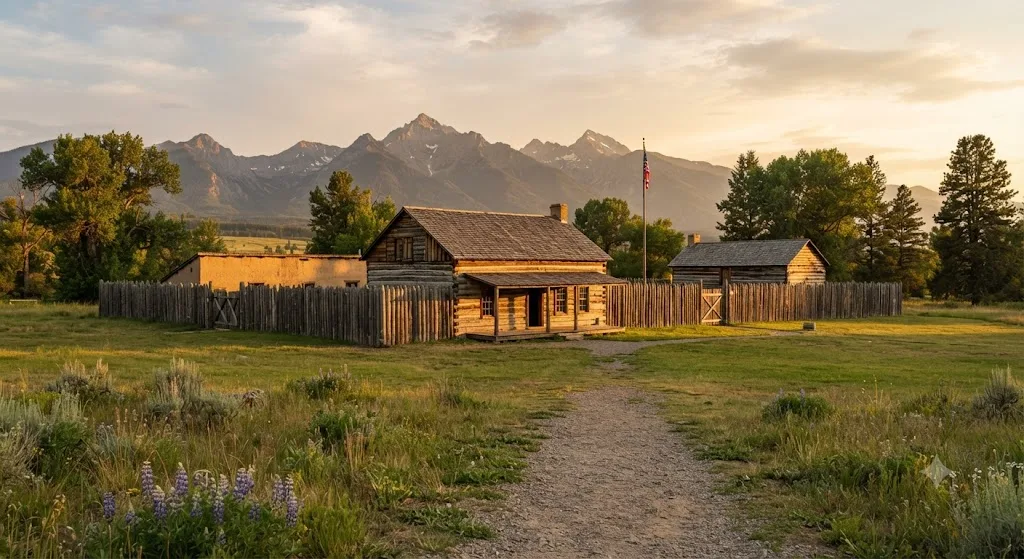
We find the reconstructed buildings particularly compelling. They offer a tangible connection to the past, allowing visitors to visualize the daily lives of those who lived and worked here. You can explore the barracks, the trading post, and Owen’s living quarters, each telling a story of resilience, enterprise, and cultural exchange. It’s a place where history isn't just read in books; it’s felt underfoot and seen in the sturdy log walls.
Beyond the historical structures, the park's setting in the Bitterroot Valley adds another layer of appeal. The natural beauty of the surrounding landscape, with the majestic Bitterroot Mountains as a backdrop, underscores the challenges and allure that drew early settlers to this remote frontier. It’s a powerful reminder of the untamed wilderness they sought to conquer and the rich natural resources they aimed to utilize.
Who It's Best For
Fort Owen State Park caters to a diverse range of visitors, making it an excellent destination for many types of travelers. Our team finds it particularly well-suited for:
- **History Enthusiasts:** If you have a passion for American frontier history, the fur trade, early missionary efforts, or Native American interactions during the expansion west, this park is a goldmine. The detailed interpretive signs and reconstructed buildings bring the past vividly to life.
- **Families with School-Aged Children:** The hands-on nature of exploring the fort, imagining life without modern conveniences, and learning about different cultures provides an engaging educational experience. It’s a fantastic way to make history tangible for young minds.
- **Cultural Heritage Travelers:** Those interested in understanding the complex tapestry of cultures that shaped Montana will find the stories of the Salish people, Jesuit missionaries, and American pioneers deeply compelling.
- **Road Trippers through Montana:** If you're traversing the state, perhaps on your way to Glacier National Park or Yellowstone National Park (North), Fort Owen offers a meaningful and manageable stop to break up the drive and gain historical perspective. It's a key piece of the larger Montana narrative.
- **Quiet Explorers:** Unlike some of Montana's more bustling attractions, Fort Owen often provides a more tranquil experience, allowing for contemplative exploration and a deeper connection to the site's significance.
It might not be the primary destination for thrill-seekers or those solely looking for extensive outdoor recreation, though the scenic setting is certainly a bonus. Instead, it’s for those who appreciate a slower pace, rich historical narratives, and a genuine connection to the past.
Getting There & Parking
Understanding how to get to Fort Owen State Park is straightforward, making it an accessible historical site for visitors exploring the Bitterroot Valley. The park is conveniently located just north of Stevensville, Montana, right off U.S. Highway 93.
If you're driving from Missoula, head south on U.S. Highway 93 for approximately 25 miles. You'll see clear signage for Fort Owen State Park on your left (east side of the highway) shortly after passing through the northern outskirts of Stevensville.
From the south, say from Hamilton or Darby, you'll travel north on U.S. Highway 93. The park entrance will be on your right (east side of the highway) just before you reach Stevensville proper. The turn-off is well-marked, so keep an eye out for the brown state park signs.
**Parking:** Our team can confirm that parking at Fort Owen State Park is ample and straightforward. There is a dedicated gravel parking lot right at the entrance to the park, adjacent to the interpretive signs and the main path leading to the fort structures. We found plenty of space for standard vehicles, and it's generally not an issue even during peak season. There are no additional fees specifically for parking beyond the park entrance fee. Accessibility parking spots are also available near the main entrance for those who require them.
While the exact address for GPS can vary, searching for "Fort Owen State Park, Stevensville, MT" will typically lead you directly to the entrance. For precise coordinates, you can use 46.5447° N, 114.0931° W.
Remember that while the park itself is relatively flat and easy to navigate on foot, having your own vehicle is essential for reaching it, as public transportation options are extremely limited in this rural part of Montana. Planning how to get to Fort Owen State Park is the first step to an excellent visit.
Top Things to Do
Fort Owen State Park offers a focused yet deeply rewarding experience for those eager to delve into Montana's past. Our team recommends allocating at least 1-2 hours to fully appreciate the site. Here are the top things to do at Fort Owen State Park:
- **Explore the Reconstructed Fort Buildings:** This is the core experience of the park. Wander through the reconstructed stockade, barracks, trading post, and Major Owen's living quarters. Each building is designed to give you a sense of the scale and daily life within the fort. Imagine the hustle and bustle of trade, the sound of soldiers, and the quiet determination of the settlers.
- **Read the Interpretive Signs:** Throughout the park, numerous well-designed interpretive panels provide detailed historical context. They cover the establishment of St. Mary's Mission, the fur trade, Major Owen's role, the interactions with the Salish people, and the fort's eventual decline. These signs are crucial for understanding the significance of what you're seeing and are among the best things to do at Fort Owen State Park.
- **Visit the Original Root Cellar:** One of the few original structures remaining on site is the root cellar. This humble but vital structure offers a tangible link to the past, reminding visitors of the practicalities of frontier life and the need for food preservation.
- **Stroll the Grounds:** Take your time to walk around the entire perimeter of the fort and the surrounding grounds. Appreciate the peaceful setting in the Bitterroot Valley, imagining it as a bustling frontier outpost. The views of the Bitterroot Mountains are stunning and provide a beautiful backdrop to the historical narrative.
- **Attend a Ranger Program or Event (Seasonal):** While not daily occurrences, the park occasionally hosts special events, historical reenactments, or ranger-led talks, especially during the summer months. Check the Montana Fish, Wildlife & Parks website for Fort Owen State Park's specific event schedule for 2026 before your visit. These programs can greatly enhance your understanding and are excellent things to do at Fort Owen State Park for a deeper dive.
- **Photography:** The historical structures, combined with the scenic Montana landscape, offer excellent opportunities for photography. Capture the rustic charm of the fort and the expansive beauty of the valley.
While there aren't extensive Fort Owen State Park hiking trails within the immediate fort area, the experience is primarily focused on historical immersion. The paths within the park are well-maintained and easy for all ages and mobility levels.
Best Time to Visit
Choosing the best time to visit Fort Owen State Park can significantly enhance your experience, balancing pleasant weather with potential crowds and event schedules. Our team has found that the shoulder seasons and summer generally offer the most rewarding visits.
- **Spring (April-May):** This is a beautiful time to visit as the Bitterroot Valley awakens. The weather is generally mild, wildflowers begin to bloom, and the crowds are typically lighter than in summer. Days are usually sunny, though you might encounter occasional spring showers. The reconstructed buildings are open, and the grounds are lush.
- **Summer (June-August):** Summer is peak tourist season in Montana, and for good reason. The weather is consistently warm and sunny, making it ideal for exploring the outdoor historical site. All facilities are fully operational, and there might be more ranger programs or special events scheduled. However, expect larger crowds, especially on weekends and holidays. If visiting in July or August, go earlier in the morning or later in the afternoon to avoid the midday heat and busiest times.
- **Fall (September-October):** In our opinion, fall is one of the most spectacular times to visit. The air is crisp, the crowds thin out, and the Bitterroot Valley explodes with vibrant autumn colors. The golden hues of the cottonwoods along the river and the mountainsides provide a stunning backdrop to the fort. Daytime temperatures are usually pleasant, though evenings can get cool.
- **Winter (November-March):** While the park technically remains open year-round, winter visits can be challenging. Snowfall is common, and some facilities might have reduced hours or be inaccessible depending on snow accumulation. The historical buildings are typically still viewable from the outside, but the full interpretive experience might be limited. We generally recommend against a winter visit unless you are prepared for cold weather and potential snow.
For the most comfortable and comprehensive experience, we recommend late spring, summer, or early fall. Always check the official Montana Fish, Wildlife & Parks website for Fort Owen State Park's current operating hours and any potential closures or special event schedules for 2026 before planning your trip.
Where to Stay Nearby
While Fort Owen State Park itself does not offer overnight accommodations, the charming town of Stevensville, just a few minutes south, and the larger city of Missoula to the north, provide excellent options for Fort Owen State Park lodging. Our team recommends considering both for their unique advantages.
**Stevensville, Montana (Closest Options):**
Stevensville is the closest town and offers a quaint, small-town experience. It's ideal if you prefer to stay close to the park and enjoy a quieter atmosphere. You'll find a few locally owned motels, inns, and vacation rentals here. These options often provide a more personal touch and immerse you in the local Bitterroot Valley culture. While not extensive, the Fort Owen State Park lodging options in Stevensville are comfortable and convenient for early morning or late afternoon visits to the park. Look for places like the Stevensville Hotel or various Airbnb/VRBO rentals that offer a home-away-from-home feel.
**Missoula, Montana (Larger City Amenities):**
Approximately 25 miles north of Fort Owen State Park, Missoula offers a much wider array of Fort Owen State Park lodging choices, from budget-friendly motels to upscale hotels and numerous boutique options. Missoula is a vibrant university town with a thriving culinary scene, breweries, and cultural attractions, making it a great base if you plan to explore more of the region. Popular hotel chains like Hilton, Marriott, and Best Western have a strong presence here, along with unique local establishments. Staying in Missoula allows you to combine your historical visit with city amenities and other nearby attractions, such as the Museum of the Rockies (though that's further south in Bozeman, Missoula has its own excellent museums).
**Other Bitterroot Valley Towns:**
Further south in the Bitterroot Valley, towns like Hamilton and Darby also offer lodging options, including motels, cabins, and guest ranches. These are a bit further from Fort Owen State Park but could be excellent choices if you're planning a multi-day exploration of the entire valley, perhaps including fishing on the Bitterroot River or exploring the surrounding national forests. Many of these offer a more rustic or resort-style experience.
Regardless of where you choose for your Fort Owen State Park lodging, we recommend booking in advance, especially if you're traveling during the peak summer months (June-August), as accommodations throughout Montana can fill up quickly.
Sample 2-Day Itinerary
To help you make the most of your visit to Fort Owen State Park and the surrounding Bitterroot Valley, our team has crafted a sample 2-day itinerary. This plan balances historical immersion with local charm and scenic beauty.
Day 1: Fort Owen & Stevensville Immersion
- **Morning (9:00 AM - 12:00 PM): Fort Owen State Park.**
- Start your day by arriving early at Fort Owen State Park. This allows you to explore the reconstructed fort buildings, read all the interpretive signs, and truly absorb the history of Montana's first permanent white settlement without the midday crowds. Focus on understanding the lives of Major John Owen, the Jesuit missionaries, and the Salish people who traded here.
- Walk the grounds, visit the original root cellar, and take plenty of photos.
- **Lunch (12:00 PM - 1:30 PM): Stevensville.**
- Head into downtown Stevensville, just a few minutes south of the park. Enjoy a casual lunch at a local cafe or diner. Stevensville offers a charming main street with a few eateries.
- **Afternoon (1:30 PM - 4:00 PM): Explore Historic Stevensville.**
- After lunch, take some time to explore Stevensville itself. Visit the Stevensville Historical Museum to delve deeper into the town's history and its connection to the fort. Stroll the historic main street, browse local shops, and appreciate the small-town Montana atmosphere.
- Consider a visit to the St. Mary's Mission Cultural Center, which offers additional insights into the mission's history and the Salish people.
- **Late Afternoon/Evening (4:00 PM onwards): Scenic Drive & Dinner.**
- Enjoy a scenic drive along the Eastside Highway (Highway 203) for beautiful views of the Bitterroot River and the Bitterroot Mountains.
- Return to Stevensville or head back towards Missoula for dinner, depending on your lodging choice. Enjoy a local meal featuring Montana flavors.
Day 2: Bitterroot Valley Exploration or Missoula Culture
- **Option A: Bitterroot Valley Scenic Beauty & Recreation**
- **Morning (9:00 AM - 1:00 PM): Lee Metcalf National Wildlife Refuge.**
- Head south from Stevensville to the Lee Metcalf National Wildlife Refuge, just north of Stevensville. This refuge offers excellent opportunities for birdwatching, wildlife viewing, and easy walking trails along the Bitterroot River. It’s a beautiful natural contrast to the historical focus of Day 1.
- Alternatively, if you're interested in fishing, consider booking a guided fly-fishing trip on the Bitterroot River.
- **Lunch (1:00 PM - 2:30 PM): Hamilton or Darby.**
- Continue further south to Hamilton or Darby for lunch, exploring more of the charming towns of the Bitterroot Valley.
- **Afternoon (2:30 PM - 5:00 PM): Scenic Drive & Return.**
- Enjoy a leisurely drive back north through the valley, perhaps stopping at local orchards or farm stands if in season.
- **Morning (9:00 AM - 1:00 PM): Lee Metcalf National Wildlife Refuge.**
- **Option B: Missoula Cultural & Urban Exploration**
- **Morning (9:00 AM - 1:00 PM): Missoula Museums & Downtown.**
- Drive north to Missoula. Spend the morning exploring some of Missoula's cultural attractions, such as the Missoula Art Museum, the Historical Museum at Fort Missoula, or the Rocky Mountain Elk Foundation's Wildlife Visitor Center.
- Stroll through downtown Missoula, browse the shops, and enjoy the vibrant atmosphere.
- **Lunch (1:00 PM - 2:30 PM): Missoula.**
- Missoula boasts a fantastic array of restaurants and breweries. Enjoy a diverse lunch experience.
- **Afternoon (2:30 PM - 5:00 PM): University of Montana & Clark Fork River.**
- Visit the University of Montana campus, perhaps taking a walk along the Clark Fork River or hiking up "M" Trail for panoramic views of the city and surrounding mountains.
- **Morning (9:00 AM - 1:00 PM): Missoula Museums & Downtown.**
This itinerary provides a solid framework, but feel free to adjust it based on your interests and pace. Remember to check specific operating hours for all attractions, especially for 2026, as they can vary seasonally.
Last updated: 2026-07-07 by the Roam States team.