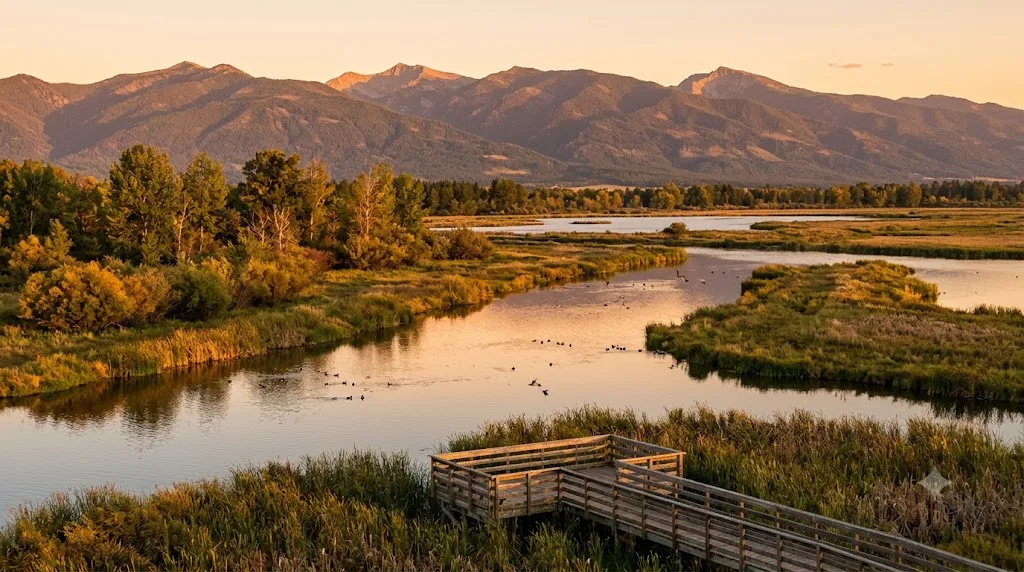
Our Lee Metcalf National Wildlife Refuge guide covers practical planning for Lee Metcalf National Wildlife Refuge Montana — best time to visit, getting there, and what to do on the ground.
As independent US travel authorities, our team at Roam States is dedicated to bringing you the most authentic and actionable advice for exploring America's wild spaces. We’ve spent countless hours traversing the country, and few places capture the essence of Montana's natural beauty and wildlife diversity quite like the Lee Metcalf National Wildlife Refuge Montana. Nestled in the heart of the Bitterroot Valley, this refuge is a critical haven for migratory birds and a vibrant ecosystem supporting a wide array of wildlife. It offers unparalleled opportunities for birdwatching, nature photography, and peaceful outdoor recreation, making it a must-visit destination for any nature enthusiast in 2026.
Why Visit Lee Metcalf National Wildlife Refuge
The Lee Metcalf National Wildlife Refuge is a jewel in Montana’s crown, offering a serene escape and a profound connection to nature. Established in 1964, the refuge spans 2,800 acres of diverse habitats, including wetlands, riparian forests, ponderosa pine stands, and grasslands, all cradled between the majestic Bitterroot and Sapphire Mountains. This rich mosaic of environments provides essential breeding, resting, and feeding grounds for an incredible variety of species.
What truly sets this refuge apart is its exceptional biodiversity. Over 240 species of birds have been documented here, with more than 100 nesting annually. Birdwatchers will be thrilled by the presence of trumpeter swans, tundra swans, various waterfowl, ospreys, bald eagles, and a myriad of songbirds. The refuge is considered a premier birding site in Montana, particularly during spring and fall migrations when the numbers swell. Beyond birds, the refuge is home to 37 species of mammals, including white-tailed deer, coyotes, muskrats, American mink, and American badgers, along with 17 species of reptiles and amphibians. It even supports a great blue heron rookery and provides crucial foraging habitat for bald eagles.
Visiting the Lee Metcalf National Wildlife Refuge isn't just about observing wildlife; it's about experiencing the vital conservation efforts that preserve these precious habitats. The refuge plays a significant role in protecting the Bitterroot River's riparian corridor, which is essential for breeding neotropical songbirds and maintaining a wildlife corridor along the river. Our team believes that spending time here offers a powerful reminder of the importance of protecting wild spaces and the intricate balance of nature.
Who It's Best For
The Lee Metcalf National Wildlife Refuge caters to a diverse range of visitors, making it an ideal destination for many. It's particularly well-suited for:
- Birdwatchers: With over 240 bird species recorded, including numerous waterfowl and raptors, serious birders will find endless opportunities for observation and identification. The refuge is a designated Important Bird Area, highlighting its significance for avian populations.
- Nature Photographers: The stunning backdrop of the Bitterroot and Sapphire Mountains, combined with abundant wildlife, offers incredible photographic subjects. Two permanent photo blinds are strategically located along the Kenai Nature Trail, providing excellent, undisturbed vantage points for capturing wildlife.
- Families with Children: The refuge features easy, accessible trails, interpretive exhibits at the visitor center, and opportunities to spot a variety of animals in their natural habitat. It's a fantastic place to introduce kids to environmental education and the wonders of the natural world.
- Hikers and Walkers: With several miles of well-maintained trails, including accessible sections, visitors can enjoy leisurely strolls or more extended walks through diverse landscapes.
- Anglers and Hunters: Designated areas within the refuge permit catch-and-release fishing along the Bitterroot River and sloughs, provided you have a valid Montana fishing license. Waterfowl hunting and archery hunting for white-tailed deer are also permitted in specific areas during season, with detailed regulations available from the refuge.
- Peace Seekers: The refuge offers a tranquil environment away from the hustle and bustle, perfect for quiet contemplation, enjoying scenic views, and reconnecting with nature.
Whether you're looking for an active outdoor adventure or a peaceful retreat, the Lee Metcalf National Wildlife Refuge provides a rewarding experience for nearly everyone.
Getting There & Parking
Understanding how to get to Lee Metcalf National Wildlife Refuge is straightforward, and our team has the latest details for your 2026 trip. The refuge is conveniently located in the Bitterroot Valley, approximately 25 miles south of Missoula and just 2 miles north of Stevensville, Montana.
Directions to Lee Metcalf National Wildlife Refuge:
- From Missoula: Take U.S. Highway 93 south for about 30 miles towards Stevensville. Turn east onto Stevensville Cut-off Road (Highway 269). Travel about 1 mile, then turn east onto Eastside Highway 203. After approximately 0.75 miles, turn north onto Wildfowl Lane. The refuge entrance will be about 2 miles down Wildfowl Lane.
- From Stevensville: Head north on U.S. Highway 93. Turn east onto Stevensville Cut-off Road (Highway 269). Follow the same directions as above from there. The Refuge headquarters is also located in Stevensville, at the Kohl Office Building (Suite 107) on Main Street; turn west on 3rd Street to find it.
Parking at Lee Metcalf National Wildlife Refuge:
Our research indicates that parking at Lee Metcalf National Wildlife Refuge is generally ample and free of charge. There are several designated parking areas to access different parts of the refuge:
- Visitor Center/Headquarters Parking: Located adjacent to the visitor center, this lot provides access to the Kenai Nature Trail and interpretive exhibits.
- Wildlife Viewing Area (WVA) Parking: A major parking lot is available along Wildfowl Lane, providing access to the WVA trails and kiosks.
- Trailhead Parking: Specific trailheads, such as for the Kenai Nature Trail, have dedicated parking. Kiosks at these locations often provide maps and information.
We recommend checking the refuge's official website or calling ahead for any potential temporary closures or changes to parking access, especially if you plan to visit during specific events or seasons. No reservations are required for general entry or parking at the refuge.
Top Things to Do
The Lee Metcalf National Wildlife Refuge is a treasure trove of outdoor activities, offering an array of things to do at Lee Metcalf National Wildlife Refuge for every nature lover. Our team has identified the most rewarding experiences you can have here in 2026.
Birdwatching and Wildlife Viewing
This is undeniably the primary draw of the refuge. With over 240 bird species and 37 mammal species, the opportunities for observation are phenomenal. Bring your binoculars and spotting scopes (which can also be borrowed from the visitor center when staff are available) and explore the varied habitats. Look for trumpeter swans and tundra swans on the wetlands, ospreys nesting in early April, and bald eagles soaring overhead. White-tailed deer are common in the river bottoms and grasslands, and you might spot coyotes, muskrats, or even a mink. The Wildlife Viewing Area (WVA) is specifically designed for optimal observation, with kiosks providing helpful information.
Nature Photography
For photographers, the refuge offers stunning landscapes and abundant wildlife subjects. The Bitterroot and Sapphire Mountains provide a dramatic backdrop, especially during sunrise and sunset. Two permanent photo blinds are available along the Kenai Nature Trail on a first-come, first-served basis, offering sheltered positions for capturing incredible shots of waterfowl and other birds on the ponds. Remember to use a telephoto lens and maintain a safe distance from wildlife to avoid disturbance.
Hiking and Walking
Explore the refuge on its well-maintained trail system. The Lee Metcalf National Wildlife Refuge hiking trails offer a chance to immerse yourself in the diverse ecosystems. We'll delve deeper into specific Lee Metcalf National Wildlife Refuge hiking trails in a dedicated section below, but generally, you'll find easy, level paths suitable for all ages and abilities.
Driving Wildfowl Lane
For those who prefer to view wildlife from the comfort of their vehicle, Wildfowl Lane is a county road that conveniently bisects the refuge. This scenic drive offers excellent opportunities for spotting birds and mammals, particularly during dawn and dusk when wildlife is most active. Pull over at designated viewing areas and enjoy the panoramic vistas.
Fishing and Hunting
The refuge permits catch-and-release fishing along the Bitterroot River and in designated sloughs within the Wildlife Viewing Area, provided you have a valid Montana fishing license. For hunters, waterfowl hunting and archery-only white-tailed deer hunting are allowed in specific areas during regulated seasons. It's crucial to consult the refuge's hunting and fishing brochure for detailed maps, regulations, and season dates before planning these activities.
Environmental Education and Interpretation
The visitor center provides numerous displays and information about the refuge's wildlife and habitats. Educational programs are offered year-round for all ages, and staff often provide guided wildlife sighting excursions. These programs are excellent for deepening your understanding and appreciation of the refuge's conservation mission.
These things to do at Lee Metcalf National Wildlife Refuge ensure a rich and engaging visit for anyone interested in Montana's natural heritage.
Best Time to Visit
Choosing the best time to visit Lee Metcalf National Wildlife Refuge largely depends on your interests, as each season offers unique experiences. Our team has outlined what you can expect throughout the year in 2026.
- Spring (March-May): We consider spring to be the absolute best time for birdwatching. This is when migratory waterfowl, including a full contingent of grebes, ducks, geese, and swans, arrive and are most active. Osprey return and begin nesting in early April, often seen harassing geese for prime nesting spots. Songbirds are abundant, and the refuge is alive with new growth and vibrant colors. Temperatures are generally mild and pleasant for hiking.
- Summer (June-August): Summer offers warm weather and excellent opportunities for viewing nesting birds and their young. Mammals are active, and the lush green landscapes are ideal for photography. However, it can be busier, and midday temperatures might be quite warm. Early mornings and late evenings are best for wildlife viewing during this season.
- Fall (September-November): Fall brings another spectacular migration period, with many bird species moving through the refuge. The changing leaves of the riparian forests add a beautiful golden hue to the landscape, making it a fantastic time for photography. Cooler temperatures are comfortable for hiking, and hunting seasons for waterfowl and white-tailed deer typically begin in the fall, so be aware of designated hunting areas.
- Winter (December-February): While colder, winter can offer unique wildlife viewing opportunities, especially for hardy bird species and mammals against a snowy backdrop. Bald eagles are often more visible, and the stark beauty of the landscape can be very appealing for photographers. The refuge remains open from sunrise to sunset year-round.
Overall, for peak birding and comfortable weather, we highly recommend visiting in the spring. However, the refuge's diverse habitats ensure that there's something to see and experience in every season.
Where to Stay Nearby
While the Lee Metcalf National Wildlife Refuge itself does not offer overnight accommodations, there are several excellent options for Lee Metcalf National Wildlife Refuge lodging in the surrounding Bitterroot Valley. Our team recommends considering Stevensville, Hamilton, or even Missoula for your base, depending on your preferences for amenities and proximity.
Stevensville, Montana (Closest Option)
Stevensville is the closest town to the refuge, just a couple of miles south, making it an incredibly convenient base for exploring. It's a charming historic town with a local feel. You'll find a selection of smaller hotels, motels, and vacation rentals here.
- Local Hotels/Motels: Stevensville has a few independent motels and inns that offer comfortable, no-frills stays.
- Vacation Rentals: Options like "Bitterroot Sky Cottage-What A View!" or "The Bunkhouse Tiny home" in Stevensville offer a more private and unique experience, often with scenic views of the valley.
Hamilton, Montana (Larger Town Amenities)
Located about 15-20 minutes south of Stevensville, Hamilton is the largest town in the Bitterroot Valley and offers a wider range of lodging and dining options. You'll find chain hotels, more restaurants, and shops here.
- Chain Hotels: Expect options like Best Western, Super 8, and other familiar brands.
- B&Bs and Guesthouses: Hamilton also has several charming bed and breakfasts for a more personalized stay.
Missoula, Montana (City Access)
If you prefer a larger city environment with more diverse dining, shopping, and entertainment, Missoula is approximately 25-30 minutes north of the refuge. It's a vibrant college town that serves as a gateway to much of Western Montana.
- Extensive Hotel Options: From budget-friendly motels to upscale hotels, Missoula has it all.
- Airbnbs/VRBOs: Numerous vacation rentals are available throughout the city and its outskirts.
When planning your Lee Metcalf National Wildlife Refuge lodging, we recommend booking in advance, especially during peak seasons like spring migration or summer holidays, to ensure the best availability and rates.
Sample 2-Day Itinerary
To help you make the most of your visit to Lee Metcalf National Wildlife Refuge, our team has crafted a sample 2-day itinerary for 2026. This plan focuses on maximizing wildlife viewing, photography, and experiencing the natural beauty of the Bitterroot Valley.
Day 1: Immersion in the Refuge
- Morning (Sunrise - 12:00 PM): Birdwatching and Kenai Nature Trail
- Start your day early – sunrise is prime time for bird activity. Head directly to the Lee Metcalf National Wildlife Refuge.
- Begin at the Visitor Center (check 2026 hours, typically M-F, 8 AM - 4:30 PM) to pick up maps and information. Borrow binoculars or spotting scopes if needed.
- Embark on the Kenai Nature Trail, accessible from the Visitor Center. This trail offers diverse habitats and two permanent photo blinds for excellent bird photography opportunities. Keep an eye out for waterfowl on the ponds and various songbirds in the riparian areas.
- Enjoy a packed lunch at one of the refuge's picnic areas.
- Afternoon (1:00 PM - 5:00 PM): Wildlife Viewing Area (WVA) and Wildfowl Lane
- Drive to the Wildlife Viewing Area (WVA) and explore its 2.5 miles of trails. This area meanders through riparian forest along the Bitterroot River, offering different wildlife habitats than the Kenai Trail. Look for deer, muskrats, and a variety of birds.
- Take a leisurely drive along Wildfowl Lane, the county road that bisects the refuge, for scenic views and roadside wildlife spotting.
- Evening (5:00 PM onwards): Stevensville Charm
- Head back to Stevensville for dinner. Explore local eateries like Mission Bistro or Blacksmith Brewing Company.
- Consider a visit to Historic St. Mary's Mission, known as "where Montana began," for a glimpse into local history.
- Overnight in Stevensville or your chosen nearby accommodation.
Day 2: Hiking, Photography, and Bitterroot Valley Exploration
- Morning (Sunrise - 12:00 PM): Dedicated Hiking or Photography Session
- Return to the refuge for a more focused session. If you're a keen hiker, tackle a longer section of the Lee Metcalf National Wildlife Refuge hiking trails, perhaps revisiting a favorite spot or exploring a new segment of the WVA trail.
- Photographers might want to spend more time in one of the photo blinds or focus on capturing the stunning mountain backdrops with wildlife in the foreground.
- Alternatively, consider a visit to nearby Fort Owen State Park, Montana's first permanent settlement, for historical insight and easy walking trails.
- Afternoon (1:00 PM - 5:00 PM): Bitterroot Valley Scenic Drive & Nearby Attractions
- Take a scenic drive further into the Bitterroot Valley. Head south towards Hamilton or north towards Missoula.
- In the Hamilton area, you could visit the Daly Mansion, a historic estate offering tours.
- If heading north, consider exploring some of the attractions in Missoula, such as A Carousel for Missoula or the Missoula Art Museum.
- For more outdoor adventure, consider a short hike on the Kootenai Creek Trail, known for its scenic beauty.
- Evening (5:00 PM onwards): Relax and Reflect
- Enjoy a final dinner in the Bitterroot Valley, perhaps trying a different restaurant in Stevensville or Hamilton.
- Reflect on the incredible wildlife encounters and natural beauty you've experienced at the Lee Metcalf National Wildlife Refuge and the surrounding area.
This itinerary provides a solid framework, but feel free to adjust it based on your interests and the specific wildlife you hope to encounter. Remember to check local conditions and any potential closures for 2026.
Lee Metcalf National Wildlife Refuge Hiking Trails
For those eager to explore on foot, the Lee Metcalf National Wildlife Refuge hiking trails offer accessible and rewarding experiences amidst diverse habitats. Our team has explored the options to guide your adventure in 2026.
The refuge features approximately 2.5 to 3 miles of walking trails across two primary locations: the Kenai Nature Trail and the trails within the Wildlife Viewing Area (WVA). These trails are generally considered easy and suitable for all ages and fitness levels, with some sections being wheelchair accessible.
Kenai Nature Trail
- Location: This trail is conveniently located adjacent to the Refuge Headquarters and Visitor Center.
- Length and Accessibility: The Kenai Nature Trail is approximately 1.25 to 1.5 miles long and is designed as a circular path. A significant portion, about 0.5 miles, is paved and wheelchair accessible, making it inclusive for visitors with mobility challenges.
- Habitat and Wildlife: This trail borders grassland and wetland habitats, offering expansive views of the Bitterroot and Sapphire Mountains. It's an excellent spot for observing various wetland and grassland bird species. As mentioned, two permanent photo blinds are situated along this trail, providing discreet opportunities for wildlife photography.
- Experience: Expect open landscapes, easy walking conditions, and ample opportunities to spot waterfowl and other birds on the ponds. No dogs are allowed on the Kenai Nature Trail.
Wildlife Viewing Area (WVA) Trails
- Location: The WVA is accessible from Wildfowl Lane, with a dedicated parking lot and informational kiosk at its entrance.
- Length and Accessibility: The WVA boasts several sections of trails, totaling about 2.5 miles in length. Similar to the Kenai Trail, a 0.5-mile section here is also paved and accessible for wheelchair users. Other sections consist of soil and gravel-based paths.
- Habitat and Wildlife: These trails meander through riparian forest bordering the Bitterroot River, as well as sprawling meadows. This habitat is ideal for observing tree-nesting birds like geese and osprey, as well as various songbirds and mammals such as white-tailed deer, coyotes, and muskrats.
- Experience: The WVA trails offer a different perspective with more shaded, river-bottom woodlands. Dogs are permitted in the WVA, but they must be kept on a leash.
Both sets of Lee Metcalf National Wildlife Refuge hiking trails are excellent for a leisurely walk or a focused birding excursion. Remember to stay on marked trails to protect the delicate habitats and ensure your safety.
Is It Worth Visiting?
After thoroughly exploring all that the Lee Metcalf National Wildlife Refuge has to offer, our team unequivocally believes that it is worth visiting. This refuge provides a unique and invaluable experience for anyone seeking to connect with Montana's natural world in 2026.
What makes Lee Metcalf National Wildlife Refuge worth visiting? First and foremost, its unparalleled biodiversity. As a critical habitat along the Bitterroot River, it supports an astonishing array of migratory birds – over 240 species – making it a top-tier destination for birdwatchers. The chance to see trumpeter swans, bald eagles, ospreys, and a multitude of other avian wonders in their natural environment is a truly special experience. Beyond birds, the presence of numerous mammals, reptiles, and amphibians adds to the richness of the wildlife viewing opportunities.
Furthermore, the refuge offers accessible and engaging activities for all ages and abilities. The easy hiking trails, including paved, wheelchair-accessible sections, ensure that everyone can enjoy the serene landscapes. The dedicated photo blinds provide exceptional opportunities for nature photographers to capture stunning images without disturbing wildlife. The educational programs and interpretive exhibits at the visitor center enrich the experience, fostering a deeper understanding of conservation.
The stunning backdrop of the Bitterroot and Sapphire Mountains adds immense scenic value, creating a picturesque setting for all activities. It's a peaceful sanctuary where you can truly escape the everyday and immerse yourself in the sights and sounds of nature. Whether you're a seasoned birder, a budding photographer, a family seeking outdoor education, or simply someone looking for tranquility, the Lee Metcalf National Wildlife Refuge delivers a memorable and enriching experience. Our team highly recommends adding this gem to your Montana travel plans.
Frequently Asked Questions About Lee Metcalf National Wildlife Refuge
Lee Metcalf National Wildlife Refuge camping
Camping is not permitted within the boundaries of the Lee Metcalf National Wildlife Refuge itself. The refuge is dedicated to wildlife protection and day-use recreational activities. However, there are numerous camping options available in the surrounding Bitterroot Valley and nearby national forests. You can find private campgrounds, state parks, and dispersed camping opportunities within a reasonable driving distance. For example, the Lee Metcalf Wilderness Area (a separate entity from the refuge) offers camping, including some free or low-cost BLM sites in the Beaverhead-Deerlodge National Forest. Always check regulations and availability for specific campgrounds in 2026.
Things to do in Stevensville
Stevensville, the charming historic town just south of the refuge, offers several attractions to complement your visit. You can explore the Historic St. Mary's Mission, considered "where Montana began," for a glimpse into the state's early history. The Stevensville Museum provides further local historical context. For outdoor enthusiasts, the Kootenai Creek Trail offers additional hiking opportunities. The town also features local shops, microbreweries like Blacksmith Brewing Company, and various dining options. Fort Owen State Park, Montana's first permanent settlement, is also nearby.
Lee Metcalf National Wildlife Refuge with kids
The Lee Metcalf National Wildlife Refuge is an excellent destination for families with kids. The refuge features easy, level walking paths, including paved, wheelchair-accessible sections, making them suitable for strollers and young children. Kids will love the excitement of spotting various birds, deer, and other small mammals. The Visitor Center offers interpretive exhibits that focus on wildlife observation and environmental education, and staff sometimes provide guided programs. Packing a picnic and spending a day exploring the trails and viewing areas can be a memorable family experience.
Best hotels near Lee Metcalf National Wildlife Refuge
For the best hotels near Lee Metcalf National Wildlife Refuge, we recommend looking in Stevensville for the closest proximity, or Hamilton for a wider range of amenities. In Stevensville, you'll find local motels and charming vacation rentals like cottages. Hamilton, a short drive south, offers more chain hotel options, while Missoula, about 25-30 minutes north, provides the broadest selection of accommodations, from budget to upscale. Options like Days Inn by Wyndham Lolo / Missoula Area or various highly-rated vacation rentals in Stevensville and Victor are frequently mentioned. Always book in advance, especially during peak travel seasons in 2026.
Lee Metcalf National Wildlife Refuge tips
Our top tips for visiting Lee Metcalf National Wildlife Refuge include: 1) Go early in the morning or late in the afternoon for the best wildlife viewing and photography opportunities, as animals are most active during these times. 2) Bring binoculars and a camera with a telephoto lens to get close-up views and photos without disturbing wildlife. 3) Dress in layers, as Montana weather can change quickly. 4) Stay on designated trails to protect habitats and for your safety. 5) Visit the Visitor Center (check 2026 hours) for maps, current information, and to borrow equipment. 6) Pack water, snacks, and a picnic to make a full day of it. 7) Be aware of hunting seasons if visiting in fall or winter, and check refuge regulations.
Where to stay near Lee Metcalf National Wildlife Refuge
The best places to stay near Lee Metcalf National Wildlife Refuge are Stevensville, Hamilton, or Missoula. Stevensville is the most immediate option, offering a quaint small-town experience with local inns and vacation rentals. Hamilton provides a larger town feel with more hotel chains and dining, while Missoula offers a full city experience with a wide range of lodging, restaurants, and cultural attractions, though it's a slightly longer drive. Consider the type of experience you're seeking and the amenities you desire when choosing your base in 2026.
The Lee Metcalf National Wildlife Refuge stands as a testament to Montana's enduring commitment to conservation, offering a pristine window into the state's vibrant ecosystems. From the serene wetlands teeming with migratory birds to the tranquil trails winding through riparian forests, this refuge provides an enriching experience for every visitor. We encourage you to plan your 2026 journey to this remarkable sanctuary, where the wild heart of Montana beats strong, inviting you to observe, photograph, and appreciate its profound natural beauty. Whether you're a seasoned birder, a passionate photographer, or a family seeking a peaceful outdoor adventure, the refuge promises moments of awe and a deeper connection to the natural world.
Last updated: 2026-07-07 by the Roam States team.