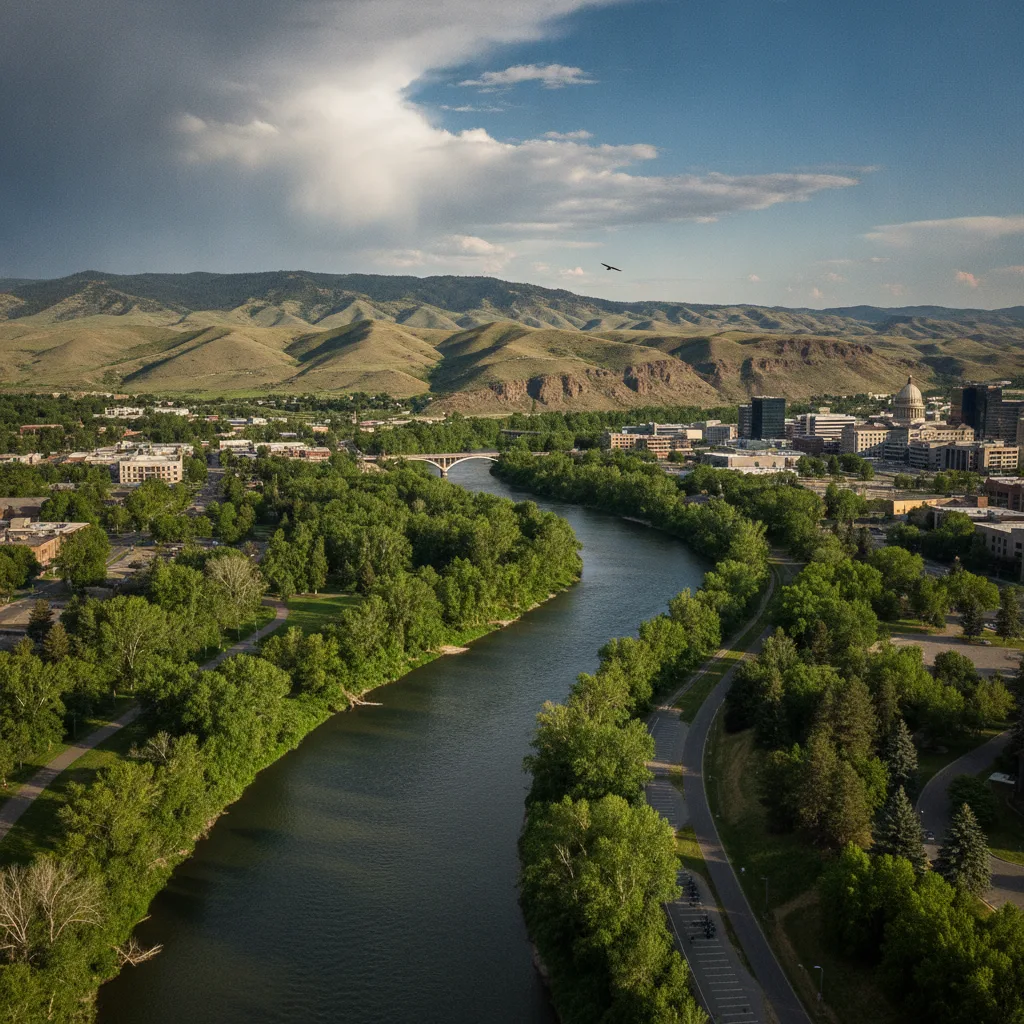
Our Boise Greenbelt guide covers practical planning for Boise Greenbelt Idaho — best time to visit, getting there, and what to do on the ground.
Is It Worth Visiting?
Absolutely, the Boise Greenbelt Idaho is a crown jewel of the Gem State, and our team wholeheartedly believes it's worth visiting. This 25-mile (or up to 29-mile, depending on the source) tree-lined pathway follows the Boise River through the heart of the city, offering a unique blend of urban accessibility and natural beauty. It's more than just a path; it's a vibrant recreational, environmental, and transportation corridor that connects numerous parks, attractions, and neighborhoods, making it a central part of the Boise lifestyle.
We find that the Greenbelt provides a peaceful, traffic-free route with stunning river views, abundant wildlife, and access to some of Boise's best parks and fishing spots. Whether you're looking for an active outdoor adventure or a serene escape, the Boise Greenbelt delivers. It's a place where you can easily spend hours exploring, and its continuous improvements by Boise Parks and Recreation ensure it remains a cherished outdoor space. For those wondering, "Is Boise Greenbelt worth visiting?", we can confidently say yes, it offers unparalleled access to nature within a city setting, making it a must-see destination in Idaho.
Who It's Best For
The Boise Greenbelt truly offers something for everyone, making it an ideal destination for a diverse range of travelers. Our team has seen families with young children enjoying leisurely strolls and bike rides, taking advantage of the flat, paved paths and numerous playgrounds in the connected parks. The smooth surfaces are perfect for strollers, balance bikes, and bike trailers, and many sections offer easy turnaround points and restrooms.
For active individuals, the Greenbelt is a haven for walking, running, cycling, and in-line skating. Cyclists can embark on long rides, with routes extending from Lucky Peak Dam to Eagle, Idaho, covering over 20 to 40 miles depending on the chosen path. We've observed avid birdwatchers finding quiet spots along the riparian areas, spotting everything from songbirds and ducks to great blue herons and even bald eagles in winter. Anglers will also appreciate the easy access to the Boise River, which is regularly stocked with rainbow trout.
Even those seeking a more relaxed experience will find solace here. The Greenbelt connects to a "Ribbon of Jewels" – a series of beloved public parks like Julia Davis Park and Ann Morrison Park – where visitors can enjoy picnics, paddleboat rides, or simply relax amidst beautifully landscaped grounds. Commuters also utilize the Greenbelt as a non-motorized transportation corridor, highlighting its versatility. Essentially, if you appreciate accessible outdoor recreation, scenic beauty, and a connection to nature, the Boise Greenbelt is for you.
How to Get There
Accessing the Boise Greenbelt is remarkably straightforward, as it weaves directly through the city and connects to various neighborhoods and parks. When planning "how to get to Boise Greenbelt," you'll find numerous entry points, many with convenient parking options.
The Greenbelt stretches from Lucky Peak Recreation Area in the east to Eagle Island State Park in the west, passing through downtown Boise and Garden City. Popular access points with parking include Julia Davis Park, Ann Morrison Park, Kathryn Albertson Park, Veterans Memorial Park, Kristin Armstrong Municipal Park, and Esther Simplot Park. Many of these parks offer ample parking, making it easy to start your adventure. For instance, you can park by Push + Pour in Garden City to access the Whitewater Park area, or near the BSU library for a stroll towards Taylor Hall.
If you're staying in downtown Boise, many hotels are within walking or a short biking distance to Greenbelt access points. The Greenbelt is largely paved, making it accessible for walking, cycling, and even strollers. While motorized vehicles are prohibited on the Greenbelt itself, Segways are allowed in the City of Boise with a special permit. Our team recommends consulting the interactive maps provided by Boise Parks and Recreation for the most up-to-date parking assistance and access information.
Parking on the Boise Greenbelt
Parking along the Boise Greenbelt is generally abundant, especially at the numerous parks it connects. Key locations for parking include Julia Davis Park, Ann Morrison Park, Esther Simplot Park, Veterans Memorial Park, and Kristin Armstrong Municipal Park. Many of these parking lots are free, but it's always a good idea to check for any specific signage regarding hours or special event parking, particularly in downtown areas. For example, the Marigold Street parking lot remained open during a section closure near Expo Idaho in late 2025.
The Greenbelt itself is open from sunrise to sunset each day, and parking lots typically adhere to these hours. We advise arriving earlier on weekends or during peak summer months to secure a spot, especially at popular floating put-in or take-out points like Barber Park or Ann Morrison Park.
Top Things to Do
The Boise Greenbelt offers an exceptional array of activities, ensuring there's always something engaging to do, whether you're seeking adventure or relaxation. Our team consistently finds new hidden gems along its 25-mile stretch, making "things to do at Boise Greenbelt" a dynamic list for any traveler.
- Cycling and Walking: The Greenbelt's paved pathways are ideal for cycling, walking, running, and in-line skating. You can rent bikes from various downtown shops or hotels and embark on a leisurely ride, or challenge yourself with longer loops that extend towards Lucky Peak or Eagle. The path is mostly flat, making it suitable for all skill levels.
- Explore the "Ribbon of Jewels" Parks: The Greenbelt connects a dozen public parks, affectionately known as the "Ribbon of Jewels". These include Julia Davis Park (home to Zoo Boise, the Boise Art Museum, and Idaho State Museum), Ann Morrison Park (with playgrounds, splash pads, and disc golf), Esther Simplot Park, and Kathryn Albertson Park (known for its peaceful atmosphere and wildlife viewing). Each park offers unique landscapes and activities.
- Boise River Floating: During the warmer months, floating the Boise River from Barber Park to Ann Morrison Park is a quintessential summer activity. You can rent tubes, rafts, or kayaks from local outfitters near the Greenbelt, such as Idaho River Sports near Quinn's Pond.
- Wildlife Viewing and Photography: The tree-lined pathway and riparian areas are rich in wildlife. Keep an eye out for songbirds, ducks, Canada geese, great blue herons, and even bald eagles, especially in the early morning or late afternoon. The MK Nature Center, directly accessible from the Greenbelt, offers underwater viewing windows to see fish in their natural habitat.
- Visit Boise Whitewater Park: Located adjacent to Quinn's Pond, this park features adjustable waves for surfing and kayaking, catering to various skill levels. It's a fantastic spot to watch skilled kayakers or try it yourself.
- Dining and Breweries: The Greenbelt path is lined with dining options, food trucks, and local breweries. Green Acres Food Truck Park, for example, offers a variety of food options and live music on select days. Payette Brewing is another popular stop for local brews.
- Idaho Anne Frank Human Rights Memorial: This unique and poignant memorial is a must-visit, offering a place for reflection and learning, directly accessible from the Greenbelt.
Boise Greenbelt Hiking Trails
While often associated with cycling, the Boise Greenbelt also offers excellent opportunities for walking and hiking, with various sections providing different experiences. When considering "Boise Greenbelt hiking trails," it's important to note that much of the Greenbelt is paved, offering easy, flat walks suitable for all ages and abilities.
For a quieter, more nature-focused walk, we recommend the Bethine Church Trail, a 1.6-mile unpaved section designed for quiet walking and running, with benches overlooking the river for contemplation. This area is excellent for wildlife viewing. Other popular family-friendly stretches for walking include the path between Julia Davis Park and Ann Morrison Park, offering a 2-3 mile round trip with smooth terrain and multiple access points. Kathryn Albertson Park, with its flat, paved loop paths under one mile, is perfect for low-effort nature walks amidst ponds and wetlands.
While the Greenbelt itself is primarily a paved multi-use path, it serves as a gateway to other hiking opportunities in the Boise Foothills. For instance, Hulls Gulch Reserve, about 10 minutes from downtown, offers lower loop trails ranging from 1 to 3 miles with modest elevation gains, suitable for families. These trails provide a different kind of hiking experience, with more natural surfaces and varied terrain, complementing the Greenbelt's urban path. Remember to wear sun protection and carry water, especially during warmer months, as many trails are exposed.
Best Time to Visit
The Boise Greenbelt is a year-round destination, but our team finds certain seasons offer distinct advantages depending on your preferred activities. Generally, the Greenbelt is open from sunrise to sunset daily.
Spring (April-May): We love spring for its mild temperatures and the blossoming trees along the river. It's an excellent time for walking, cycling, and enjoying the fresh air before the summer heat sets in. The Boise Farmers Market kicks off its season in early April, offering a vibrant local experience near the Greenbelt.
Summer (June-August): This is peak season for the Greenbelt, especially for water activities. Floating the Boise River is a quintessential summer experience, and the Boise Whitewater Park is in full swing. While it can be crowded, particularly around popular parks and the university campus, the lush greenery provides plenty of shade. We recommend early mornings or late afternoons for cooler temperatures and fewer crowds. The Greenbelt Night Market also runs on Fridays from June through September in Garden City, offering local makers, food trucks, and live music.
Fall (September-October): Fall is arguably one of the most picturesque times to visit. The trees along the Greenbelt transform into brilliant shades of orange, yellow, and red, creating a stunning backdrop for walks and rides. The crisp autumn air is invigorating, and the crowds begin to thin out. Events like Art in the Park and the Spirit of Boise Balloon Festival often take place in early September, adding to the seasonal charm.
Winter (November-March): Even in winter, the Greenbelt offers a clear path for outdoor recreation. It's a quieter season, perfect for peaceful walks or runs, and provides excellent opportunities for spotting bald eagles and other wildlife. While some sections might be affected by snow or ice, the main pathways are generally well-maintained. Just be sure to dress warmly and check local conditions.
For specific events, we always check the Boise and Treasure Valley Area Annual Event Calendar for 2026, which lists everything from music festivals to farmers' markets.
Boise Greenbelt lodging
Finding comfortable and convenient Boise Greenbelt lodging is key to a successful trip, and fortunately, Boise offers a wide range of options close to the pathway. Our team has found that many hotels in downtown Boise and the surrounding areas provide easy access to the Greenbelt, often within walking or a short driving distance.
For those prioritizing proximity and upscale amenities, hotels like the Inn at 500 Capitol, The Grove Hotel, and Hotel 43 consistently receive high ratings and are located just a mile or two from various Greenbelt access points. These options often come with features like full-service spas, business centers, and excellent dining, perfect for both leisure and business travelers.
Mid-range and budget-friendly Boise Greenbelt lodging options are also plentiful. Hotels such as Holiday Inn Express Boise - University Area by IHG, Hampton Inn & Suites Boise-Downtown, and SpringHill Suites by Marriott Boise ParkCenter offer comfortable stays with amenities like complimentary breakfast and pools, often situated conveniently near the Greenbelt and Boise State University. For those looking for more unique stays, boutique hotels like The SPARROW or Hotel Renegade provide distinctive experiences in downtown Boise, also with good Greenbelt access.
For travelers with pets, the Hyatt Place Boise/Downtown is a pet-friendly option located close to the Greenbelt. Many accommodations offer free cancellation options, giving you flexibility in your travel plans. We recommend booking in advance, especially during peak seasons, to secure the best rates and availability for your Boise Greenbelt adventure.
Sample 2-Day Itinerary
To help you make the most of your visit to the Boise Greenbelt, our team has crafted a sample 2-day itinerary that balances activity with relaxation, showcasing the best of what this incredible pathway and its surroundings have to offer.
Day 1: Greenbelt Highlights & Downtown Charm
- Morning (9:00 AM - 1:00 PM): Cycling the Central Greenbelt. Start your day by renting bikes from a downtown shop or near a major park like Julia Davis Park. Embark on a relaxed 5-7 mile loop along the Greenbelt, heading east. This section will take you through Julia Davis Park, past Zoo Boise, the Boise Art Museum, and the Idaho State Museum. Cross the Friendship Bridge to see Boise State University's campus and continue towards Kristin Armstrong Municipal Park, enjoying the tree-lined paths and river views.
- Lunch (1:00 PM - 2:00 PM): Riverside Bites. Stop for lunch at one of the eateries or food trucks accessible from the Greenbelt. Green Acres Food Truck Park in Garden City is a fantastic option, offering diverse cuisine and a lively atmosphere.
- Afternoon (2:00 PM - 5:00 PM): Nature & Reflection. After lunch, continue your ride or walk to the MK Nature Center, where you can explore interactive exhibits and observe fish through underwater viewing windows. Afterward, take a moment for quiet contemplation at the Idaho Anne Frank Human Rights Memorial, a powerful and moving site right off the Greenbelt.
- Evening (6:00 PM onwards): Downtown Boise. Head into downtown Boise for dinner. The city offers a vibrant dining scene. Consider a casual, family-friendly evening in the Brewery District, where many establishments offer outdoor spaces, kid-friendly food, and local brews.
Day 2: River Adventures & Foothills Views
- Morning (9:00 AM - 1:00 PM): River Floating (Seasonal) or Whitewater Park. If visiting in summer, experience the quintessential Boise activity: floating the Boise River. Start at Barber Park and enjoy a leisurely float down to Ann Morrison Park. Alternatively, if floating isn't an option or you prefer a more active water experience, head to the Boise Whitewater Park near Quinn's Pond to watch or try surfing and kayaking.
- Lunch (1:00 PM - 2:00 PM): Picnic in the Park. Grab provisions from a local deli or market and enjoy a picnic at Ann Morrison Park, which marks the end of the float trip and offers expansive green spaces and playgrounds.
- Afternoon (2:00 PM - 5:00 PM): Foothills Exploration. For a change of scenery, venture slightly off the Greenbelt to explore the nearby Boise Foothills. Camel's Back Park offers trails for a moderate hike, providing panoramic views of the city and the Boise River Valley. For a gentler walk, the lower trails of Hulls Gulch Reserve are a great option.
- Evening (6:00 PM onwards): Relax and Reflect. Enjoy a relaxed dinner at a restaurant with a view or one of the many establishments along the Greenbelt. Reflect on your Boise Greenbelt adventure and perhaps plan your next visit to Idaho, where you can explore other incredible destinations like Shoshone Falls or the Sawtooth National Recreation Area.
Last updated: 2026-07-06 by the Roam States team.