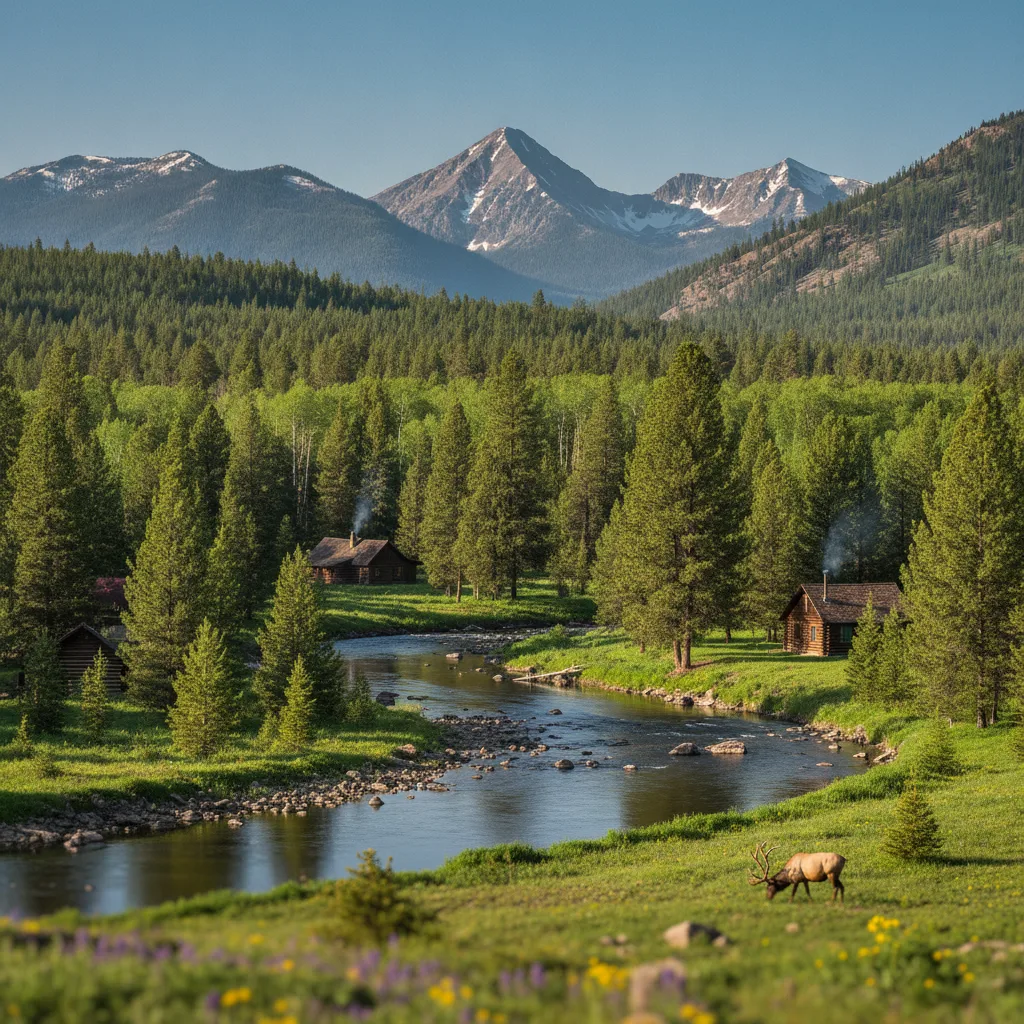
Our Boise National Forest guide covers practical planning for Boise National Forest Idaho — best time to visit, getting there, and what to do on the ground. We’re here to help you navigate this expansive wilderness, ensuring you have all the essential information for a memorable trip.
Why Visit Boise National Forest
Spanning over 2.5 million acres, the Boise National Forest Idaho offers diverse landscapes for recreation, making it a prime destination for outdoor enthusiasts. From deep river canyons to towering mountain peaks, this vast forest provides a stunning backdrop for adventure. We find that visitors are consistently drawn to its pristine wilderness, abundant wildlife, and the sheer variety of activities available year-round. Whether you're seeking solitude in nature or an action-packed getaway, the forest delivers on all fronts. It's a place where you can truly disconnect and immerse yourself in the natural beauty of Idaho.
The forest's accessibility from Boise, Idaho, adds to its appeal, allowing for easy day trips or extended stays. We believe that the opportunity to explore such a vast and varied landscape, from elevations of 2,800 feet in river canyons to nearly 10,000 feet at Trinity Mountain, is a compelling reason to visit. The presence of over 250 lakes and reservoirs, alongside 9,600 miles of rivers and streams, means water-based activities are always an option.
Who It's Best For
The Boise National Forest caters to a wide array of visitors, making it an ideal destination for various travel styles. We recommend it for:
- Hikers and Backpackers: With over 1,300 miles of trails, ranging from easy strolls to challenging climbs, it's a paradise for those who love to explore on foot.
- Anglers and Water Sports Enthusiasts: The numerous rivers, streams, lakes, and reservoirs offer exceptional opportunities for fishing, rafting, kayaking, and swimming.
- Campers and RVers: The forest boasts dozens of campgrounds, many of which are RV-friendly, along with options for dispersed camping and cabin rentals.
- Wildlife Observers: The diverse ecosystems support a wide range of wildlife, offering ample opportunities for spotting animals in their natural habitat.
- Families: Many areas, particularly developed campgrounds and shorter interpretive trails, are well-suited for family outings and offer a chance for children to connect with nature.
- Scenic Drivers: The Ponderosa Pine Scenic Byway and Wildlife Canyon Scenic Byway provide breathtaking views and access to various attractions within the forest.
- Winter Sports Lovers: When snow falls, the forest transforms into a playground for snowmobiling, cross-country skiing, and ice fishing.
Essentially, if you appreciate the outdoors and seek adventure or tranquility amidst stunning natural beauty, the Boise National Forest is an excellent choice.
Getting There & Parking
Understanding how to get to Boise National Forest and navigating parking is key to a smooth trip. The forest is conveniently located northeast of Idaho's capital city, Boise.
How to Get There
The primary access point for many visitors is from Boise, Idaho. Taking State Highway 55 north from Boise will lead you directly into the heart of the forest. Another significant route is State Highway 21. Depending on your specific destination within the vast forest, different ranger districts serve as good starting points. These include the Boise National Forest Supervisor's Office in Boise, the Cascade Ranger District in Cascade, and the Idaho City Ranger District in Idaho City. We recommend stopping at a ranger station to pick up a physical map, as cell service can be spotty within the forest.
For those planning a longer journey or incorporating the forest into a larger USA road trip, the forest is easily integrated into routes exploring Idaho's best places.
Parking and Fees (2026)
While the Boise National Forest itself is generally free to enter and drive through, many developed recreation sites, such as picnic areas, developed trailheads, and visitor centers, require a Standard Amenity Fee. As of 2026, the Boise National Forest Day Use Pass is required for all day-use sites on the forest, replacing the former Payette River Pass. This pass covers 12 designated day-use sites, including areas along the South Fork and Main Payette River. An annual pass costs $30 and can be purchased online at Recreation.gov. Day passes are also available for on-site purchase, and visitors can use the Recreation.gov app to pay via QR code upon arrival, or pay with cash at fee tubes. It's important to note that this pass does not guarantee parking availability, and illegally parked vehicles may be fined or towed.
For those with national passes, Interagency Recreation Passes (like the America the Beautiful Pass) are honored nationwide at all federal sites that charge entrance or standard amenity fees. In 2026, these passes are available in a digital format through Recreation.gov, and an annual pass for U.S. residents remains $80. We advise checking the official Boise National Forest website for the most current information on fees and any temporary closures before your visit.
Top Things to Do
The Boise National Forest offers an incredible array of activities, ensuring there are things to do at Boise National Forest for every interest and energy level. From serene natural hot springs to challenging mountain climbs, the opportunities for adventure are vast.
Boise National Forest Hiking Trails
Hiking is undoubtedly one of the most popular things to do at Boise National Forest, with over 1,300 miles of trails winding through diverse terrain. We recommend exploring some of the well-regarded Boise National Forest hiking trails:
- Stack Rock Trail: This intermediate-level day hike, about 13 miles up Bogus Basin Road, leads to an imposing granite tower with amazing 360-degree views of the Treasure Valley. It offers plenty of shade and is beautiful in both summer and winter.
- Bogus Basin Loop Trail: Exploring the Bogus Basin Recreation Area, this trail summits Shafer Butte and provides breathtaking views of the Rocky Mountains. The Shafer Butte Loop also offers a moderate 5.3-mile experience.
- Dry Creek and Shingle Creek Loop: Located within the forest, Dry Creek trail follows a winding stream through canyons, meadows, and forests. It can be combined with Shingle Creek for a longer, 13.8-mile hike.
- Mores Mountain Interpretive Trail: This 2.1-mile loop is moderate to strenuous with a 1,000-foot vertical gain, offering a great option for families.
- Skein Lake and Raft Lake Trail: This scenic excursion leads through dense forests and meadows to two charming lakes, ideal for families and fishing enthusiasts.
- Bonneville Hot Springs Hike: A short but scenic adventure open year-round, offering the opportunity to soak in idyllic hot springs overlooking the wilderness.
Always check for current trail conditions and closures before heading out. For instance, as of July 2026, some areas like Deer Point Road, Trail, and Area are closed on weekdays for timber harvest operations until August 14, 2026, and the Claremont Fire has led to closures of certain roads and trails in the Boise Foothills.
Water Activities
With thousands of miles of rivers and hundreds of lakes, the Boise National Forest is a haven for water enthusiasts. Popular activities include:
- Fishing: Over 7,600 miles of streams and more than 250 lakes and reservoirs provide excellent trout fishing opportunities.
- Rafting and Kayaking: The Payette River is renowned for its rafting and kayaking, with options for both adrenaline junkies and more relaxed paddlers.
- Swimming: Sandy Point at Lucky Peak is a popular spot for swimming, paddleboarding, and enjoying the sun, complete with showers and restrooms. Robie Creek is another option for those seeking less crowded swimming areas.
Camping and Cabins
The forest offers over 70 campgrounds and picnic areas, with many sites being wheelchair accessible. Options range from developed campgrounds with full facilities to primitive backcountry sites. Reservations for many campgrounds and all cabins and lookouts can be made in advance via Recreation.gov. Some sites are also available on a first-come, first-served basis, with digital payment (Scan and Pay) available through the Recreation.gov app. Popular campgrounds include Pine Flats Campground (though currently closed until June 30, 2026, for hazard tree removal), Bad Bear Campground, and Amanita Campground near Lake Cascade.
Scenic Drives
For those who prefer to experience the forest's beauty from the comfort of their vehicle, several scenic byways offer stunning vistas and access to various attractions. The Ponderosa Pine Scenic Byway, Payette River Scenic Byway, and Wildlife Canyon Scenic Byway are highly recommended.
Winter Sports
When winter arrives, the Boise National Forest transforms. We recommend snowmobiling, cross-country skiing, and ice fishing. Many snow trails are regularly groomed. Bogus Basin Ski Area, partially located on the Boise National Forest, offers skiing and snowboarding with 45 groomed runs and 12 miles of Nordic skiing trails.
Best Time to Visit
The best time to visit Boise National Forest largely depends on the activities you have in mind, as the forest offers distinct experiences across all four seasons.
- Summer (June-August): We find summer to be the most popular time for visiting, offering ideal conditions for hiking, camping, fishing, and water sports. The weather is generally warm and sunny, making it perfect for exploring trails and enjoying the numerous lakes and rivers. However, this is also peak season, so expect more crowds and make reservations for campgrounds and popular activities well in advance. Be aware of potential fire restrictions or closures during dry periods. As of early July 2026, there are active fire closures in some areas, such as the Claremont Fire.
- Fall (September-October): Fall brings cooler temperatures, fewer crowds, and stunning displays of autumn foliage, especially at higher elevations. This is an excellent time for hiking, scenic drives, and wildlife viewing. Fishing can also be productive as fish become more active.
- Spring (April-May): Spring offers a refreshing experience as the snow melts and wildflowers begin to bloom. Lower elevation trails become accessible, and rivers swell, providing exciting rafting opportunities. However, some higher elevation roads and trails may still be snow-covered or muddy, and certain campgrounds might not yet be open for the season.
- Winter (November-March): For winter sports enthusiasts, the Boise National Forest is a wonderland. We recommend visiting for snowmobiling, cross-country skiing, and ice fishing. Bogus Basin Ski Area provides downhill skiing and snowboarding. Be prepared for cold temperatures and significant snowfall, and always check road conditions and avalanche forecasts before venturing out.
Overall, we believe late spring through early fall offers the widest range of activities, but each season presents its unique charm and opportunities for adventure in the Boise National Forest.
Where to Stay Nearby
Finding suitable Boise National Forest lodging options is crucial for planning your trip, whether you prefer to stay within the forest or in a nearby town. The forest itself offers numerous camping and cabin opportunities, while surrounding communities provide a range of hotels, motels, and vacation rentals.
Within Boise National Forest
For an immersive experience, we recommend staying directly within the Boise National Forest. Options include:
- Campgrounds: The forest features over 70 campgrounds, with 52 listed on Recreation.gov, offering diverse settings and amenities. Many are RV-friendly, and some even have first-come, first-served sites. Popular choices include Bad Bear Campground, Amanita Campground, and Hot Springs Campground. Remember that reservations for many reservable campgrounds can be made in advance on Recreation.gov.
- Rental Cabins and Lookouts: For a more comfortable stay, several historic cabins and fire lookouts are available for rent, offering a unique experience. These typically require advance reservations through Recreation.gov. The Atlanta Guard Station and Beaver Creek Cabin are examples of such rentals.
- Dispersed Camping: For those seeking solitude, dispersed camping is allowed in Boise National Forest with a 10-day stay limit. We advise camping at least 100 feet from water sources, using existing fire rings, and practicing Leave No Trace principles.
Boise National Forest Lodging in Nearby Towns
Several charming towns situated near the Boise National Forest provide convenient access and additional amenities:
- Garden Valley: Nestled about 20 miles from the forest, Garden Valley is known for its outdoor adventures and recreational opportunities. It offers cabin rentals and resorts.
- Lowman: Approximately 11 miles from the forest, Lowman is a hidden gem for outdoor enthusiasts and is home to the Lowman Ranger Station, a good source of local information. The SouthFork Lodge, tucked deep within the Boise National Forest near Lowman, offers hotel-style rooms, cozy cabins, and glamping options.
- Idaho City: Situated around 24 miles from the forest, Idaho City is steeped in history and offers an array of outdoor activities. The Idaho City Hotel and The Gold Mine Hotel are options here.
- Cascade: Located north of the forest, Cascade offers hotels like the Alpine Lodge Hotel and Hotel NoBo Cascade. It's also near Lake Cascade, a popular spot for water activities.
- Boise: For those who prefer city amenities, Boise is a short drive away and offers a wide range of hotels, from luxury to budget-friendly. Options include Hotel Renegade, Hotel 43, and The SPARROW. From Boise, you can easily access the forest for day trips or longer excursions. We also recommend exploring the Boise River Greenbelt while in the city.
When selecting your Boise National Forest lodging, consider the type of experience you desire—rustic wilderness or comfortable convenience—and plan accordingly, especially during peak seasons.
Sample 2-Day Itinerary
To help you make the most of your visit, our team has crafted a sample 2-day itinerary for exploring the Boise National Forest Idaho. This itinerary balances popular activities with opportunities for relaxation and scenic enjoyment.
Day 1: Foothills Exploration & Hot Springs Relaxation
- Morning (9:00 AM - 1:00 PM): Hiking the Stack Rock Trail
Begin your adventure with a hike on the popular Stack Rock Trail. Located about 25 minutes from Boise, this intermediate 9.4-mile out-and-back trail offers a good workout and rewards you with panoramic views of the Treasure Valley and surrounding mountains from the iconic granite tower. We recommend starting early to enjoy cooler temperatures and fewer crowds. Pack plenty of water and snacks.
- Lunch (1:00 PM - 2:00 PM): Picnic Lunch
Enjoy a packed lunch at one of the picnic areas near the trailhead or find a scenic spot along the trail. This allows you to stay immersed in nature.
- Afternoon (2:00 PM - 5:00 PM): Kirkham Hot Springs
After your hike, drive towards Lowman (approximately an hour's drive from the Stack Rock Trailhead area) to relax at Kirkham Hot Springs. These natural hot springs offer a rejuvenating experience with warm waters cascading into the Payette River. It's a perfect way to soothe tired muscles. Note that a Boise National Forest Day Use Pass is required for sites like Kirkham Hot Springs.
- Evening (6:00 PM onwards): Dinner & Forest Camping
Head to one of the many campgrounds within the Boise National Forest, such as Pine Flats Campground (check for 2026 closures and reopening dates) or Bonneville Campground near Lowman. Set up camp, enjoy a campfire (adhering to any fire restrictions), and prepare dinner under the stars. Alternatively, consider a stay at SouthFork Lodge in Lowman for a more comfortable evening.
Day 2: Scenic Drives & Water Adventures
- Morning (9:00 AM - 12:00 PM): Ponderosa Pine Scenic Byway & Idaho City
After breakfast at your campsite, embark on a scenic drive along the Ponderosa Pine Scenic Byway (Highway 21). This route showcases some of the forest's attractions nearest Idaho City. Stop in historic Idaho City, a former gold rush town, to explore its charming main street and learn about its past.
- Lunch (12:00 PM - 1:00 PM): Lunch in Idaho City or Picnic
Grab lunch at a local eatery in Idaho City or find a scenic spot for another picnic along the byway.
- Afternoon (1:00 PM - 5:00 PM): Lucky Peak Recreation Area or Payette River
Head to the Lucky Peak Recreation Area, easily accessible from Boise. Here, you can enjoy swimming at Sandy Point, rent a paddleboard, or simply relax by the water. Alternatively, for more adventure, consider a guided rafting or kayaking trip on the Payette River, known for its thrilling rapids.
- Evening: Return to Boise or Continue Your Idaho Journey
Conclude your Boise National Forest adventure by heading back to Boise, or continue your exploration of Idaho. Perhaps consider a visit to Blue Heart Springs or Bruneau Dunes State Park for more unique Idaho experiences.
This itinerary is flexible and can be adjusted based on your interests and the time of year you visit. Always check current conditions, weather forecasts, and any alerts or closures on the official Boise National Forest website or National Park Service website before and during your trip.
Last updated: 2026-07-12 by the Roam States team.