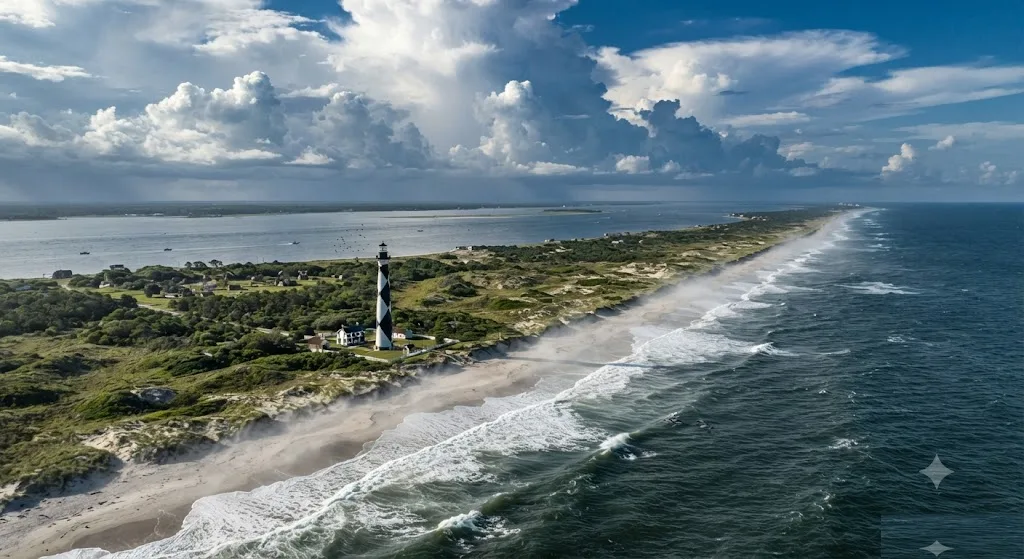
Our Cape Lookout National Seashore guide covers practical planning for Cape Lookout National Seashore North Carolina — best time to visit, getting there, and what to do on the ground.
As the Roam States editorial team, we’ve explored countless corners of the United States, but few destinations capture the essence of undeveloped coastal wilderness quite like Cape Lookout National Seashore North Carolina. This pristine stretch of barrier islands, accessible only by ferry or private boat, offers a truly unique escape from the everyday. Here, you'll discover miles of untouched beaches, a thriving population of wild horses, and the iconic Cape Lookout Lighthouse standing sentinel over the Atlantic. We’re here to provide you with the confident, specific details you need to plan an unforgettable trip to this remarkable part of North Carolina's Crystal Coast.
Why Visit Cape Lookout National Seashore
Visiting Cape Lookout National Seashore is an experience in raw, untamed coastal beauty. Unlike many developed beach destinations, this national seashore is intentionally preserved, offering a genuine wilderness beach experience that's increasingly rare on the East Coast. We find it to be an ideal destination for those seeking solitude and a deep connection with nature. Imagine combing expansive beaches for unique shells, observing wild horses in their natural habitat, or simply enjoying the vast, dark skies for exceptional stargazing. The "friction" of needing a ferry to access the islands is, in our opinion, exactly the point – it keeps the crowds at bay and preserves the remote charm that defines Cape Lookout.
The allure extends beyond its natural splendor. The area boasts a rich maritime history, evident in the Cape Lookout Light Station and the historic Portsmouth Village. While the lighthouse is undergoing significant renovations through at least 2027, the surrounding areas still offer a glimpse into the past. For those who appreciate a challenge, the self-sufficiency required to visit these islands adds to the adventure. You'll carry in all your supplies and carry out all your trash, becoming a temporary steward of this incredible landscape. This commitment to preservation ensures that the wild beauty of Cape Lookout National Seashore remains for generations to come.
Who It's Best For
Cape Lookout National Seashore is best suited for adventurous, self-sufficient travelers who appreciate an undeveloped, natural environment. If you're someone who thrives on planning and enjoys a "leave no trace" ethos, you'll find this destination incredibly rewarding. It's ideal for campers, kayakers, anglers, birdwatchers, and stargazers seeking a genuine wilderness experience away from commercialized attractions. Families with older children who are accustomed to carrying their own gear and can handle warm, humid conditions will also have a fantastic time exploring the beaches and spotting wild horses.
However, if your idea of a beach vacation involves boardwalks, numerous amenities, readily available shade, or easy drive-up access, Cape Lookout might not be the best fit. The islands lack paved roads, concession stands, and public bathhouses outside of a few specific areas, requiring visitors to be well-prepared with all their necessities, including food, water, and bug repellent. Those looking for a more traditional, amenity-rich coastal experience might prefer other destinations along North Carolina's coast, such as the developed areas of the Outer Banks.
Getting There & Parking
To truly experience Cape Lookout National Seashore, you must embrace the journey, as the islands are accessible only by ferry or private boat – there are no bridges connecting them to the mainland. This unique aspect is part of what preserves its wild character. For visitors wondering how to get to Cape Lookout National Seashore, several authorized ferry services operate from mainland towns.
The primary passenger ferry concessioner, Island Express Ferry Service, offers routes to the Cape Lookout Lighthouse area and Shackleford Banks. You can depart from two main locations: Harkers Island, NC, and Beaufort, NC. The ferry ride from Harkers Island to the Cape Lookout Light Station is approximately 20 minutes, while the trip from Beaufort to the lighthouse takes about 40 minutes. If you're heading to Shackleford Banks, ferries depart from Beaufort for the west end and from Harkers Island for the east end. We strongly recommend booking your passenger ferry tickets online and in advance, especially during peak seasons, as spots can fill up quickly.
For those planning to bring a 4WD vehicle to the North or South Core Banks for vehicle camping or extensive beach driving, you'll need to utilize a privately owned vehicular ferry. These services depart from Davis, NC (to Great Island Cabin Camp on South Core Banks) and Atlantic, NC (to Long Point Cabin Camp on North Core Banks). Vehicle rates vary depending on size, and reservations are essential, particularly during summer and prime fishing seasons. Be aware that all driving on the islands is on loose sand, making a high-clearance 4WD vehicle highly recommended. An Off-Road Vehicle (ORV) Beach Driving Permit is required and must be purchased from Recreation.gov prior to your arrival.
Regarding parking, both the Harkers Island Visitor Center (1800 Island Road, Harkers Island, NC 28531) and the Beaufort Visitor Information Center (701 Front Street, Beaufort, NC) serve as mainland gateways and offer parking for ferry passengers. If you're driving to the islands with an ORV, you'll park at the ferry departure points in Davis or Atlantic. Remember, once on the islands, there are no paved roads; all driving is on sand.
Top Things to Do
Cape Lookout National Seashore is a treasure trove of outdoor activities, offering an authentic coastal experience. For those seeking things to do at Cape Lookout National Seashore, the options are as diverse as the landscape itself. Our team particularly loves the sense of discovery that comes with exploring these undeveloped barrier islands.
Lighthouse & Historic Areas
The iconic Cape Lookout Lighthouse, with its distinctive black and white diamond pattern, is a focal point of the seashore. While the lighthouse is currently undergoing a major restoration project and will be closed for climbing through at least 2027, visitors can still admire its grandeur from the ground and explore the Light Station Visitor Center and the Keeper's Quarters Museum. The museum provides insights into the region's maritime heritage. Nearby, the historic Portsmouth Village, accessible by boat, offers a unique opportunity to step back in time and learn about the lives of its former residents.
Wild Horse Watching on Shackleford Banks
One of the most captivating things to do at Cape Lookout National Seashore is observing the wild horses of Shackleford Banks. This 9-mile undeveloped barrier island is home to a herd of approximately 100 Banker ponies, believed to be descendants of Spanish mustangs from the 16th century. You can reach Shackleford Banks via passenger ferry from Beaufort or Harkers Island. Remember to maintain a safe distance of at least 50 feet from the horses, as they are wild animals, and never feed or touch them.
Shelling & Beachcombing
Cape Lookout National Seashore is renowned as one of the best shelling destinations on the East Coast. The unique geography and currents bring a wealth of shells to its shores, including whelks, Scotch bonnets (North Carolina's state shell), conchs, sand dollars, and more. The Point, where currents meet, and Portsmouth Island are particularly fruitful areas. For the best finds, we recommend going early in the morning, at low tide, or after a storm. Visitors are permitted to collect up to five gallons of uninhabited shells per person, per day, for non-commercial use.
Fishing & Paddling
Anglers will find Cape Lookout a world-class fishing destination, with opportunities for surf fishing from the beach or heading out by boat for deeper waters. Drum, flounder, and sea trout are common catches. The calmer waters of the Core Sound and Back Sound are perfect for kayaking and canoeing, offering a chance to explore shallow marshes and enjoy kayak fishing. More experienced paddlers can tackle the Atlantic side for a greater challenge.
Camping & Relaxation
Primitive camping is allowed year-round on the barrier islands, offering a truly immersive experience under the stars. Vehicle camping is permitted on North and South Core Banks (with an ORV permit), while only tent camping is allowed on Shackleford Banks. The beaches are also perfect for swimming, sunbathing, and simply unwinding amidst the serene landscape.
While Cape Lookout National Seashore offers a different vibe than the more bustling attractions, its undeveloped nature provides a unique counterpoint to other things to do in Outer Banks regions further north. It’s a place to slow down, observe, and appreciate nature in its purest form.
Best Time to Visit
Timing your visit to Cape Lookout National Seashore can significantly impact your experience. Our team generally recommends the shoulder seasons for the most comfortable and rewarding trip.
The ideal windows are **April-May and September-November**. During these months, temperatures are moderate, ranging from 50-70°F in spring and high 70s to upper 40s in fall. The climate is pleasant for outdoor activities like fishing, shelling, and horse watching, and crucially, the notorious mosquito population is comparatively low. Fall, in particular, offers exceptional fishing opportunities.
**Summer (June-August)** is the peak season, but it comes with significant considerations. Daytime highs often reach 80-100°F (30-35°C) with high humidity (80-90%), and biting insects, especially "no-see-ums," can be a major nuisance, making evenings difficult. While the beaches are excellent during the day, exploring the island interior without full bug protection can be challenging. If you visit in summer, plan for early mornings, bring plenty of water and shade (like an umbrella), and be prepared for intense heat.
**Winter (November-March)** is the off-season, characterized by cooler temperatures (50-32°F) and strong winds. While ferry schedules may be reduced, it's an exceptional time for birding, with sea ducks, loons, and shorebirds abundant. Cold fronts can offer spectacular, dramatic scenery for those willing to bundle up.
Ultimately, the best time to visit depends on your priorities, but for a balance of pleasant weather and fewer crowds, spring and fall are undoubtedly our top picks.
Where to Stay Nearby
When planning your adventure to Cape Lookout National Seashore, understanding your lodging options is key to a comfortable stay. Since the islands themselves are largely undeveloped, most visitors seek Cape Lookout National Seashore lodging either on the islands in rustic cabins or primitive campsites, or on the mainland in nearby towns.
On the Islands: Rustic Cabins & Primitive Camping
For a truly immersive experience, the National Park Service offers rustic cabins at the Great Island Cabin Camp on South Core Banks. These wooden, beachfront cabins are available for rent from mid-March through the end of November 2026. They can accommodate 4 to 12 people and include bunk beds, mattresses, private baths with hot water showers, gas stoves, and charcoal grills. However, you must bring your own linens, cooking utensils, food, and a generator (up to 5,500 watts) for electricity, as there are no refrigerators. Ice and fuel are sold at the camp office. Reservations for the 2026 season for Great Island Cabins began on January 4, 2026, via Recreation.gov or by phone. It's important to note that the Long Point Cabins on North Core Banks are not available for the 2026 season due to damage from Hurricane Dorian.
Primitive camping is another popular option for Cape Lookout National Seashore lodging. It's permitted year-round on most of the barrier islands. Vehicle and tent camping are allowed on North and South Core Banks (with an ORV permit), while only tent camping is allowed on Shackleford Banks. There are no established campgrounds with amenities, so you must be fully self-sufficient and pack out all your trash.
Mainland Accommodations
For those preferring more conventional accommodations, several charming towns on the mainland offer a range of hotels, inns, and vacation rentals. These locations also serve as convenient departure points for ferries to the seashore.
- Harkers Island: This is the closest mainland point to the Cape Lookout Lighthouse and Shackleford Banks, making it a popular choice. While options directly on Harkers Island might be limited to vacation rentals or smaller inns, you'll find a peaceful, local atmosphere.
- Beaufort: A historic and picturesque town, Beaufort offers a variety of hotels, bed and breakfasts, and vacation rentals. It's a vibrant hub with dining and shops, and also a ferry departure point for the seashore. Highly-rated options include Beaufort Hotel NC and Inlet Inn NC.
- Morehead City: A larger coastal town, Morehead City provides more extensive hotel chains and dining options, along with easy access to the ferries. You'll find choices like Hampton Inn Morehead City and Bask Hotel at Big Rock Landing.
- Atlantic Beach: Located across the bridge from Morehead City, Atlantic Beach offers oceanfront hotels and resorts, providing a more traditional beach resort experience while still being a short drive to ferry terminals.
When searching for Cape Lookout National Seashore lodging, consider your desired level of comfort and proximity to ferry services. Many visitors choose to combine a day trip to the seashore with a stay in one of these welcoming coastal communities.
Sample 2-Day Itinerary
To help you make the most of your adventure to Cape Lookout National Seashore, our team has crafted a sample two-day itinerary, balancing exploration with relaxation. This plan assumes you're staying on the mainland and taking passenger ferries for day trips.
Day 1: Lighthouse & South Core Banks Exploration
- Morning (8:00 AM - 1:00 PM): Start your day early by heading to the Harkers Island Visitor Center. Park your car and catch the Island Express Ferry Service to the Cape Lookout Light Station. Even though the lighthouse is closed for climbing through at least 2027, you can still admire its striking beauty, explore the Light Station Visitor Center, and visit the historic Keeper's Quarters Museum. Spend time walking the nearby beaches, which are excellent for shelling.
- Lunch (1:00 PM - 2:00 PM): Enjoy a picnic lunch you packed from the mainland. Remember, there are no concessions on the island, so self-sufficiency is key.
- Afternoon (2:00 PM - 5:00 PM): Continue your beachcombing, relax by the water, or take advantage of the "taxi service" available near the lighthouse to explore the Point, known for its exceptional shelling and fishing. Keep an eye out for shorebirds and other wildlife.
- Evening: Catch a late afternoon ferry back to Harkers Island. Head to Beaufort for dinner at one of its charming restaurants and enjoy the waterfront atmosphere. Consider a leisurely stroll through historic downtown Beaufort.
Day 2: Wild Horses & Shackleford Banks Adventure
- Morning (9:00 AM - 1:00 PM): From Beaufort, take the Island Express Ferry Service to the west end of Shackleford Banks. This is your chance to see the famous wild horses in their natural habitat. Walk along the undeveloped beaches, keeping a respectful distance of at least 50 feet from the horses. The calm waters on the sound side are great for younger visitors.
- Lunch (1:00 PM - 2:00 PM): Another packed picnic lunch on the beach is the perfect way to refuel while enjoying the serene surroundings.
- Afternoon (2:00 PM - 4:00 PM): Explore more of Shackleford Banks, perhaps trying your hand at primitive fishing from the shore or simply soaking in the quiet beauty. You might also consider a ranger-guided "Horse Sense and Survival Tour" if available and booked in advance.
- Evening: Return to the mainland via ferry. For a change of pace, explore Morehead City's dining scene or enjoy a relaxed evening at your chosen accommodation.
This itinerary provides a solid framework, but remember the beauty of Cape Lookout National Seashore lies in its flexibility and your ability to tailor the experience to your interests. Always check ferry schedules and weather conditions before departing. A trip to North Carolina is incomplete without a visit to this captivating seashore, a stark contrast to the grandeur of the Biltmore Estate or the majestic peaks of Great Smoky Mountains National Park.
FAQ
Cape Lookout National Seashore with kids
Visiting Cape Lookout National Seashore with kids can be an incredibly rewarding family adventure, provided you plan ahead. The undeveloped beaches offer ample space for children to play, swim, and search for seashells. A major highlight for families is the chance to see the wild horses on Shackleford Banks. The Harkers Island Visitor Center is an excellent starting point, featuring hands-on educational exhibits that give kids a preview of the park's ecosystems and history. The Junior Ranger program is also available, allowing children to earn a badge by completing activity books. Remember that the islands have limited amenities, so pack plenty of water, snacks, sunscreen, and bug repellent.
best hotels near Cape Lookout National Seashore
Since Cape Lookout National Seashore itself offers only rustic cabins and primitive camping, the best hotels near Cape Lookout National Seashore are found in the nearby mainland towns. Beaufort, NC, is a popular choice, offering highly-rated options like the Beaufort Hotel NC and Inlet Inn NC, known for their charm and waterfront access. Morehead City provides a wider selection of hotels, including Hampton Inn Morehead City and Bask Hotel at Big Rock Landing. Harkers Island, while having fewer traditional hotels, offers vacation rentals that can be ideal for families. These towns serve as convenient bases for taking ferries to the islands.
Cape Lookout National Seashore tips
Our top Cape Lookout National Seashore tips focus on preparation and self-sufficiency. First, always check ferry schedules and weather forecasts before you go, as conditions can change rapidly. Second, pack everything you need: food, plenty of water, sunscreen, insect repellent (especially in summer), and a way to carry out all your trash, as there are no trash cans on the islands. Third, wear appropriate footwear that can get wet, as ferry landings might involve wading. Fourth, if you plan to drive on the islands, a high-clearance 4WD vehicle and an Off-Road Vehicle Beach Driving Permit are mandatory. Finally, respect the wildlife, particularly the wild horses, by maintaining a distance of at least 50 feet.
where to stay near Cape Lookout National Seashore
For those wondering where to stay near Cape Lookout National Seashore, your options are either rustic cabins or primitive camping directly on the barrier islands, or a range of accommodations in the adjacent mainland communities. On the islands, the Great Island Cabin Camp on South Core Banks offers rustic rentals from mid-March through November 2026, with reservations highly recommended. Primitive camping is available year-round for tents and vehicles (with permit) on North and South Core Banks, and for tents on Shackleford Banks. On the mainland, the towns of Beaufort, Harkers Island, and Morehead City provide hotels, inns, and vacation rentals, all offering convenient access to the ferry services.
Cape Lookout National Seashore parking
Parking for Cape Lookout National Seashore is primarily available at the mainland ferry departure points. The Harkers Island Visitor Center and the Beaufort Visitor Information Center both offer parking for passengers taking ferries to the Cape Lookout Lighthouse and Shackleford Banks. If you are utilizing a vehicular ferry to bring your 4WD vehicle to North or South Core Banks, parking is available at the ferry terminals in Davis or Atlantic. Remember that an Off-Road Vehicle Beach Driving Permit is required for all vehicles driven on the islands. There are no designated parking lots on the undeveloped islands themselves, beyond unpaved areas near the cabin camps.
best time to visit Cape Lookout National Seashore
The best time to visit Cape Lookout National Seashore is during the spring (April-May) and fall (September-November) months. These seasons offer pleasant, moderate temperatures, making outdoor activities like shelling, fishing, and exploring the beaches much more enjoyable. Critically, the mosquito population is significantly lower during these times compared to the hot and humid summer months. While summer is popular, be prepared for intense heat, high humidity, and abundant biting insects. Winter provides a quiet, solitary experience with excellent birding, though ferry schedules are reduced.
In conclusion, Cape Lookout National Seashore is more than just a destination; it's an immersive journey into the unspoiled heart of coastal North Carolina. Its undeveloped barrier islands, wild horses, and iconic lighthouse offer a profound sense of escape and natural beauty that truly sets it apart. While it demands a bit more planning and self-sufficiency than your average beach trip, we believe the rewards—pristine beaches, abundant wildlife, and unparalleled tranquility—are immeasurable. Pack your sense of adventure, prepare for the elements, and discover why this remarkable national seashore holds a special place in our hearts. It stands as a testament to the diverse beauty of the Tar Heel State, offering a stark yet equally captivating experience compared to the historic Biltmore Estate or the majestic Great Smoky Mountains National Park.
Last updated: 2026-07-08 by the Roam States team.