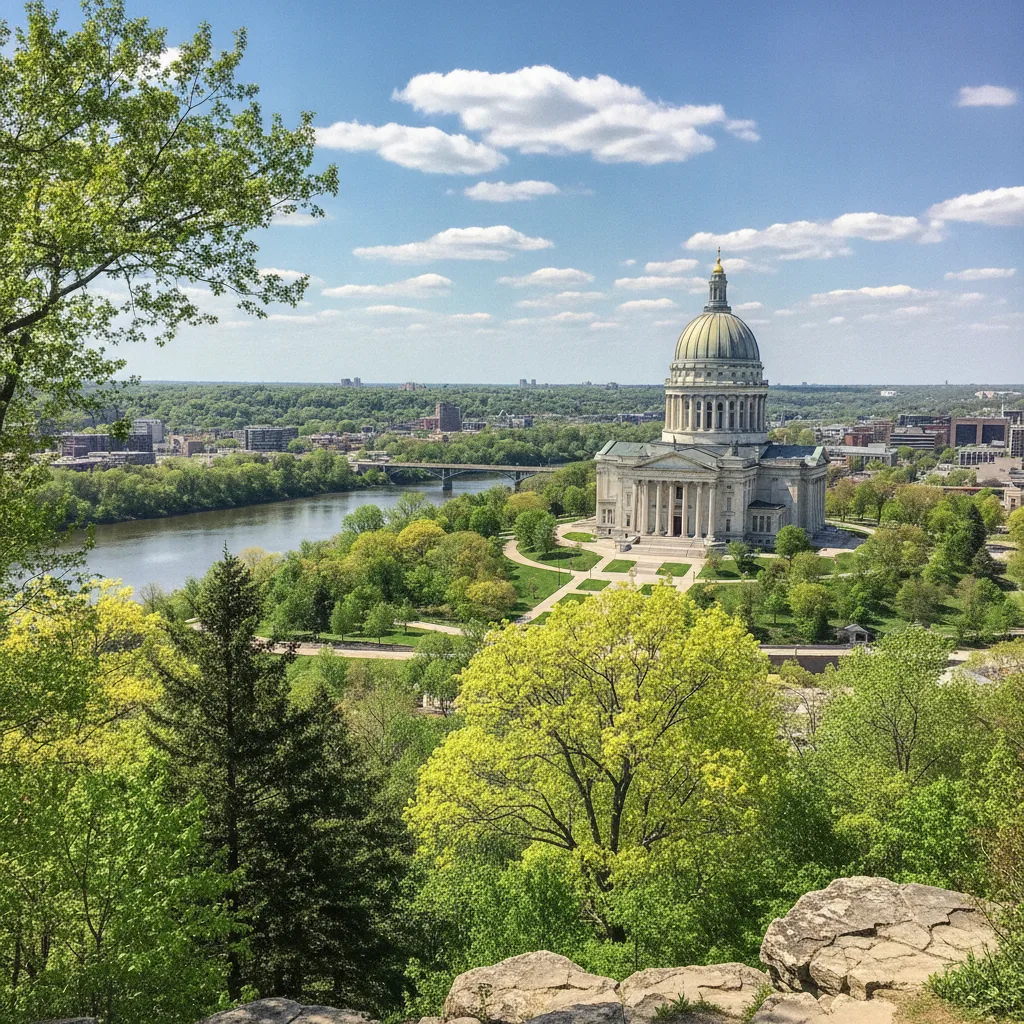
Minnesota" — We've compiled this essential guide to one of the Twin Cities' most breathtaking architectural marvels, ensuring you have all the insider knowledge for a truly memorable visit. The Cathedral of Saint Paul Minnesota stands as a testament to faith, artistry, and engineering, an unmissable stop for anyone exploring the vibrant culture of St. Paul.
As the Visit America editorial team, we pride ourselves on delivering confident, specific, and never generic travel advice. We've explored the nooks and crannies of this magnificent structure, consulted with locals, and verified all critical 2026 facts to bring you the definitive guide to experiencing the Cathedral of Saint Paul. From its towering dome to its intricate chapels, we'll walk you through what makes this landmark an essential part of any Minnesota itinerary.
Why Visit Cathedral of Saint Paul
Visiting the Cathedral of Saint Paul is an experience that transcends a typical tourist stop; it's an immersion into history, art, and spiritual grandeur. This architectural masterpiece, designed by Emmanuel Louis Masqueray, is often cited as one of the most beautiful cathedrals in the United States. Its striking Beaux-Arts architecture, inspired by the great cathedrals of Europe, commands attention from its perch atop Cathedral Hill, offering panoramic views of downtown St. Paul. We find that the sheer scale and intricate details within the Cathedral are enough to captivate any visitor, regardless of their background or beliefs.
Beyond its visual appeal, the Cathedral serves as a vibrant spiritual center for the Archdiocese of Saint Paul and Minneapolis. It’s a place where history comes alive through its stained-glass windows, marble altars, and the stories etched into its very foundations. For those interested in religious history, architectural design, or simply seeking a moment of tranquility amidst their travels, the Cathedral of Saint Paul offers a profound and enriching experience. Our team believes that its blend of cultural significance and awe-inspiring beauty makes it a must-see for anyone passing through the Twin Cities.
Who It's Best For
The Cathedral of Saint Paul truly offers something for everyone, making it a versatile destination on any Minnesota itinerary. We've found it particularly appealing to several types of travelers:
- Architecture Enthusiasts: With its stunning Beaux-Arts design, massive dome, and intricate interior details, the Cathedral is a dream for those who appreciate grand ecclesiastical architecture. From the exterior's commanding presence to the interior's detailed mosaics and stained glass, there's an endless array of design elements to admire.
- History Buffs: The Cathedral holds a significant place in Minnesota's history, reflecting the state's rich cultural and religious heritage. Guided tours often delve into its construction, key figures, and its role in the community, providing a fascinating glimpse into the past.
- Art Lovers: The interior is adorned with exquisite artwork, including sculptures, paintings, and some of the finest stained-glass windows you'll encounter. Each piece tells a story, contributing to the Cathedral's overall artistic grandeur.
- Spiritual Seekers: As an active house of worship, the Cathedral offers a serene and contemplative environment. Visitors seeking a moment of peace, reflection, or spiritual connection will find its atmosphere deeply moving.
- Families with Older Children: While younger children might find the historical and architectural details less engaging, older children and teenagers who appreciate history, art, or grand structures will likely be captivated. We recommend engaging them with scavenger hunts for specific architectural features or stories. For more family-friendly options in the state, consider exploring /states/minnesota for a broader overview of attractions.
- Photographers: The Cathedral's majestic interior and exterior provide countless opportunities for stunning photography, especially on a sunny day when light streams through the stained-glass windows.
Ultimately, whether you're on a solo journey of discovery, a romantic getaway, or a family vacation with a focus on cultural enrichment, the Cathedral of Saint Paul offers a rewarding experience. It's a place where you can spend an hour in quiet contemplation or several hours delving into its rich history and artistic details.
Getting There & Parking
Navigating to the Cathedral of Saint Paul is straightforward, as it's prominently located on Cathedral Hill in downtown St. Paul. We always recommend planning your route in advance, especially if you're visiting during peak times or attending a special event. For those wondering how to get to Cathedral of Saint Paul, several convenient options are available.
By Car
Driving is a popular option for many visitors. The Cathedral is easily accessible from major highways in the Twin Cities area. If you're coming from Minneapolis, it's a relatively short drive across the Mississippi River. We suggest using a GPS system for the most up-to-date directions, plugging in "Cathedral of Saint Paul, 239 Selby Ave, St Paul, MN 55102."
Parking at the Cathedral of Saint Paul
Finding parking near the Cathedral of Saint Paul can be a concern for many visitors. Fortunately, the Cathedral offers several parking options. There is a small, free parking lot located directly behind the Cathedral, accessible via Selby Avenue. This lot often fills up quickly, especially during Mass times or special events. We recommend arriving early if you plan to use this lot. Additionally, there is metered street parking available on the surrounding streets, though availability can vary. For extended visits or when the on-site lot is full, several paid parking ramps and lots are located within a few blocks of the Cathedral in downtown St. Paul. Be sure to check posted signs for rates and hours of operation. Our team always advises carrying some cash or having a parking app ready for metered street parking.
By Public Transportation
Public transportation is a convenient and environmentally friendly way to reach the Cathedral of Saint Paul, especially if you're staying in the Twin Cities. Metro Transit operates bus routes that stop near the Cathedral. The Green Line light rail also has stations in downtown St. Paul, and from there, it's a short bus ride or a pleasant walk uphill to the Cathedral. We encourage visitors to check the Metro Transit website for current schedules and route information to plan their journey efficiently. Understanding how to get to Cathedral of Saint Paul via public transport can save you the hassle of parking.
By Ride-Share or Taxi
For ultimate convenience, ride-share services like Uber and Lyft, or traditional taxis, are readily available throughout the Twin Cities. This option provides a direct drop-off right at the Cathedral's entrance, eliminating any parking concerns. This is often our preferred method for quick visits or when we want to avoid the stress of navigating unfamiliar streets.
Top Things to Do
When planning your visit, you'll find there are many things to do at Cathedral of Saint Paul, ensuring a rich and rewarding experience. Our team has highlighted the essential activities that truly showcase the grandeur and significance of this architectural gem.
Take a Self-Guided or Guided Tour
One of the best things to do at Cathedral of Saint Paul is to explore its interior. We highly recommend taking a self-guided tour using the available brochures, which provide detailed information about the Cathedral's art, architecture, and history. For a more in-depth experience, free guided tours are often available at specific times, led by knowledgeable docents who can share fascinating insights and stories you might otherwise miss. These tours typically last about an hour and cover the main areas of the Cathedral, including the chapels, the Grand Altar, and the impressive dome. Check the official Cathedral website for the most current tour schedules for 2026.
Admire the Architecture and Art
Spend time simply marveling at the Cathedral's stunning Beaux-Arts architecture. From the moment you step inside, the vastness of the space and the intricate details are breathtaking. Look up at the magnificent dome, which rises 186 feet above the floor, and observe the four massive piers that support it. The Cathedral is home to six chapels dedicated to the patron saints of the European ethnic groups who settled in the Archdiocese: St. Anthony of Padua (Italian), St. John the Baptist (French Canadian), St. Patrick (Irish), St. Boniface (German), St. Cyril and Methodius (Slavic), and the Chapel of Our Lady of Guadalupe (Hispanic). Each chapel is a work of art in itself, adorned with unique mosaics, statues, and stained glass. Don't miss the Grand Altar, crafted from Botticino marble, and the impressive bronze baldachin over the high altar.
Experience the Stained-Glass Windows
The stained-glass windows are among the most captivating features of the Cathedral. We recommend visiting on a sunny day if possible, as the light streaming through these vibrant windows creates a truly ethereal atmosphere. The windows depict various biblical scenes and saints, each telling a part of the Christian story. Take your time to examine the intricate details and the rich colors that bring these stories to life. This is certainly one of the most enriching things to do in Cathedral of Saint Paul.
Attend a Mass or Organ Recital
As an active house of worship, attending a Mass offers a profound way to experience the Cathedral's spiritual essence. Even if you are not Catholic, the experience of a service in such a grand setting can be deeply moving. Check the Cathedral's website for the current Mass schedule for 2026. Additionally, the Cathedral boasts a magnificent Aeolian-Skinner pipe organ, and occasional organ recitals are held, filling the vast space with glorious music. Attending one of these events is an unforgettable auditory experience.
Explore the Exterior and Cathedral Hill
Don't limit your visit to the interior. The exterior of the Cathedral of Saint Paul is equally impressive. Take a stroll around the grounds to appreciate its scale and the intricate carvings on its facade. From its vantage point on Cathedral Hill, you'll also enjoy fantastic views of the surrounding area, including parts of downtown St. Paul. The neighborhood itself is charming, with historic homes and tree-lined streets, perfect for a leisurely walk before or after your visit. This exploration is another excellent example of things to do in Cathedral of Saint Paul that extend beyond its walls.
Visit the Gift Shop
Before you leave, stop by the Cathedral's gift shop. You'll find a selection of religious items, books, souvenirs, and mementos to commemorate your visit. It's a great place to pick up a keepsake or a gift for someone back home.
Best Time to Visit
Determining the best time to visit the Cathedral of Saint Paul depends largely on your preferences and what you hope to experience. Our team has found a few key considerations to help you plan your trip for 2026.
Seasonally
- Spring (April-May): The weather begins to warm, and the surrounding trees start to bloom, making for pleasant walks around Cathedral Hill. Crowds are generally moderate, offering a good balance between comfortable exploration and fewer visitors.
- Summer (June-August): This is peak tourist season in Minnesota. While the weather is typically warm and sunny – ideal for exploring the exterior and nearby areas – the Cathedral can be more crowded, especially on weekends and during special events. If you visit in summer, we recommend arriving earlier in the day to avoid the largest crowds.
- Fall (September-October): Autumn is arguably one of the most beautiful times to visit St. Paul. The vibrant fall foliage around Cathedral Hill provides a stunning backdrop for the Cathedral's architecture. The weather is crisp and comfortable, and tourist numbers begin to wane, offering a more serene experience.
- Winter (November-March): Minnesota winters are cold and snowy, but the Cathedral takes on a majestic, almost ethereal quality under a blanket of snow. Fewer tourists mean a more intimate visit. If you don't mind the cold, this can be a magical time, especially if you catch a holiday service or concert. Just be sure to dress warmly!
Time of Day
We generally recommend visiting the Cathedral during the late morning or early afternoon. This allows for optimal lighting to appreciate the stained-glass windows, which truly come alive when the sun is high. If you're planning to take a guided tour, consult the Cathedral's website for their 2026 schedule, as tour times are usually set. To avoid crowds, weekdays are typically less busy than weekends. Also, be mindful of Mass times, as parts of the Cathedral may be less accessible or more crowded during services. Check the official schedule for current Mass times for 2026.
Ultimately, any time you choose to visit the Cathedral of Saint Paul will offer a unique perspective on this magnificent landmark. What's most important is checking the Cathedral's official website for any specific closures, special events, or changes to hours of operation for 2026 before your arrival.
Where to Stay Nearby
Choosing the right accommodation can significantly enhance your visit to the Cathedral of Saint Paul and the wider Twin Cities area. Our team has scouted some excellent options, ranging from historic luxury to modern convenience, all within easy reach of the Cathedral.
Historic Charm on Cathedral Hill
For those who appreciate history and elegance, staying directly on or near Cathedral Hill offers unparalleled charm. You'll find beautifully restored historic homes, some operating as bed and breakfasts, providing a unique and intimate experience. These options often place you within walking distance of the Cathedral, allowing for early morning or late evening strolls around the picturesque neighborhood.
Downtown St. Paul Hotels
Just a short walk or quick ride down the hill, downtown St. Paul offers a wider array of hotel options, from well-known chains to boutique establishments. Staying downtown puts you close to other attractions like the Xcel Energy Center, the Ordway Center for the Performing Arts, and a variety of dining options. Many downtown hotels offer amenities such as indoor pools, fitness centers, and on-site restaurants, providing a comfortable base for your explorations. Consider options along Kellogg Boulevard or near Rice Park for good access.
Across the River in Minneapolis
While the Cathedral of Saint Paul is in St. Paul, Minneapolis is just a short drive or light rail ride away. If you plan to spend significant time exploring both cities, staying in Minneapolis might be a convenient choice. Downtown Minneapolis, the North Loop, or the Uptown area offer a plethora of hotels, each with its own distinct vibe. From Minneapolis, you can easily access attractions like the Stone Arch Bridge and the Chain of Lakes, and then make your way to St. Paul for your Cathedral visit. For a comprehensive look at what the state offers, including other natural wonders, check out our guide to /states/minnesota.
Consider Extended Stays
If your trip to Minnesota extends beyond the Twin Cities, you might be interested in exploring other unique destinations. For wilderness adventures, consider a trip to the /destinations/boundary-waters-canoe-area-wilderness-minnesota or /destinations/voyageurs-national-park-minnesota. For a different kind of experience, the /destinations/mall-of-america-minnesota offers unparalleled shopping and entertainment. Each offers distinct accommodation experiences.
When selecting your accommodation for 2026, we always recommend checking recent reviews, comparing prices, and booking directly with the hotel or a reputable booking site. Proximity to public transport or parking availability should also be a consideration if you're not planning to rely solely on ride-shares.
Sample 2-Day Itinerary
To help you make the most of your visit to the Cathedral of Saint Paul and the surrounding area, our team has crafted a sample 2-day itinerary. This plan balances cultural immersion with exploration of St. Paul's vibrant offerings, ensuring you experience the best of the Cathedral and beyond.
Day 1: Immerse in Cathedral Grandeur and Historic St. Paul
Morning (9:00 AM - 12:00 PM): The Cathedral of Saint Paul Minnesota Experience
- Begin your day early at the Cathedral of Saint Paul. Arriving shortly after opening ensures fewer crowds and a more serene experience.
- Take a self-guided tour with a brochure, or if available, join one of the free guided tours. Focus on the main nave, the six ethnic chapels, the Grand Altar, and the stunning stained-glass windows. Allow ample time to simply sit and absorb the atmosphere.
- Explore the exterior, walking around the perimeter to appreciate its scale and the views from Cathedral Hill.
Lunch (12:00 PM - 1:30 PM): Local Flavors on Selby Avenue
- Head down Selby Avenue, just a short walk from the Cathedral, where you'll find a variety of charming cafes and restaurants. Enjoy a casual lunch, perhaps at a spot with outdoor seating if the weather permits.
Afternoon (1:30 PM - 5:00 PM): Historic Summit Avenue and F. Scott Fitzgerald
- After lunch, take a leisurely stroll down Summit Avenue, one of the longest stretches of Victorian architecture in the United States. Admire the grand mansions, including the historic home where F. Scott Fitzgerald once lived.
- Consider a visit to the James J. Hill House, a National Historic Landmark and a testament to Gilded Age opulence, located just a few blocks from the Cathedral. Check their 2026 hours and admission fees in advance.
Evening (5:00 PM onwards): Dinner and Entertainment in Downtown St. Paul
- Enjoy dinner at one of downtown St. Paul's many excellent restaurants, ranging from upscale dining to casual eateries.
- Depending on your interests, catch a show at the Ordway Center for the Performing Arts or check the schedule for events at the Xcel Energy Center.
Day 2: Museums, Markets, and Mississippi River Views
Morning (9:00 AM - 12:00 PM): Science and History Exploration
- Choose between two excellent museums:
- Science Museum of Minnesota: Perfect for families and curious minds of all ages, with interactive exhibits covering everything from dinosaurs to the human body and space.
- Minnesota History Center: Dive deeper into the state's rich past, from its indigenous roots to its industrial development.
- Both are easily accessible from downtown St. Paul. Check their 2026 hours and admission fees.
Lunch (12:00 PM - 1:30 PM): Midtown Global Market or Lowertown
- For a diverse culinary experience, head to the Midtown Global Market in Minneapolis (a short drive or light rail ride) for international street food. Alternatively, explore the vibrant Lowertown neighborhood in St. Paul, known for its art galleries and unique eateries.
Afternoon (1:30 PM - 5:00 PM): Mississippi Riverfront and Parks
- Spend the afternoon exploring the Mississippi Riverfront. Take a walk or bike ride along one of the many trails, enjoying the scenic views.
- Visit Harriet Island Regional Park for great views of the St. Paul skyline and the river. You might even catch a riverboat tour if available.
Evening (5:00 PM onwards): Farewell Dinner and St. Paul Charm
- Enjoy a final dinner in one of St. Paul's charming neighborhoods, perhaps Grand Avenue for its eclectic mix of shops and restaurants, or return to Cathedral Hill for a refined dining experience.
- Consider a relaxing evening stroll through Rice Park, especially if there are any seasonal events or lights.
This itinerary provides a robust framework, but we encourage you to tailor it to your specific interests. Whether you're drawn to the quiet majesty of the Cathedral or the bustling energy of the Twin Cities, this guide ensures a fulfilling visit. For more ideas on planning your broader US adventure, visit our /plan-your-trip page.
Last updated: 2026-07-05 by the Visit America team.