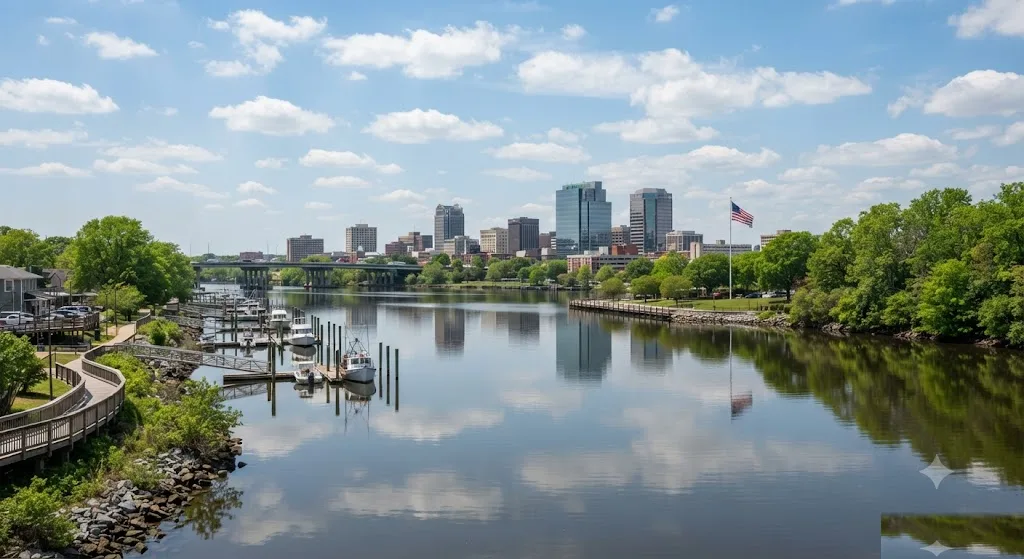
Chesapeake Travel Guide — Virginia
Our Chesapeake guide covers practical planning for Chesapeake Virginia — best time to visit, getting there, and what to do on the ground. This large city in southeastern Virginia, Chesapeake Virginia, is characterized by its extensive waterways, natural areas like the Great Dismal Swamp, and a blend of suburban and rural landscapes. It offers diverse recreational activities for every type of traveler.
Why Visit Chesapeake
For travelers seeking an authentic slice of southeastern Virginia, Chesapeake offers a compelling blend of outdoor adventure, rich history, and a welcoming community spirit. We've found that what truly sets Chesapeake apart is its unique geography: a city intertwined with nature. From the mysterious depths of the Great Dismal Swamp to the sprawling waterways that invite boating and fishing, Chesapeake provides a refreshing escape from urban hustle. It’s a destination where you can paddle through cypress-lined canals in the morning and explore a vibrant local market in the afternoon. Our team particularly appreciates the balance here, offering both serene natural retreats and convenient access to the wider Hampton Roads area, including the lively Virginia Beach Boardwalk just a short drive away.
Is It Worth Visiting?
Absolutely, we believe Chesapeake is worth visiting for those who appreciate natural beauty, outdoor recreation, and a quieter pace than some of Virginia's more bustling tourist hubs. If your ideal vacation involves kayaking, birdwatching, hiking, or simply enjoying the tranquility of nature, then Chesapeake, Virginia, will exceed your expectations. It's an ideal destination for families, nature enthusiasts, and anyone looking to unwind. While it may not have the towering monuments of Washington D.C. or the historical intensity of Colonial Williamsburg, its unique charm lies in its extensive natural preserves and the genuine warmth of its local communities. For us, the opportunity to truly connect with Virginia's diverse ecosystems makes Chesapeake worth visiting time and again.
Who It's Best For
Chesapeake truly shines for outdoor enthusiasts and families looking for active, nature-focused vacations. If you enjoy hiking, biking, kayaking, fishing, or birdwatching, you'll find an abundance of opportunities here. The city's extensive parks and waterways make it a haven for those who love to explore the natural world. It's also an excellent destination for history buffs interested in the region's role in early American development and the Underground Railroad, particularly around the Great Dismal Swamp. Families with children will appreciate the numerous kid-friendly parks, interactive nature centers, and safe environments for exploration. We also recommend Chesapeake for travelers seeking a more relaxed pace, away from the crowds, but still within easy reach of coastal attractions and historical sites across Virginia.
How to Get There
Reaching Chesapeake, Virginia, is straightforward, whether you're driving, flying, or utilizing other transport options. The city is well-connected within the Hampton Roads metropolitan area.
By Air
The closest major airport is Norfolk International Airport (ORF), located approximately 15-20 miles north of central Chesapeake. ORF offers a range of domestic flights and car rental services. From ORF, you can easily rent a car or take a taxi/rideshare service directly to your Chesapeake lodging. Another option, though further, is Newport News/Williamsburg International Airport (PHF), about 40-50 miles north, which also serves the region.
By Car
Driving is arguably the most convenient way to access and explore Chesapeake. The city is crisscrossed by several major highways, including I-64, I-464, I-264, and US-17. These routes connect Chesapeake to other parts of Virginia and neighboring states. For example, from Richmond, the drive is typically around 1.5 to 2 hours via I-64 East. From North Carolina, US-17 North provides direct access.
Public Transportation
While Chesapeake itself has limited public transportation options for tourists, the Hampton Roads Transit (HRT) system serves parts of the city, connecting to Norfolk and Virginia Beach. However, for comprehensive exploration of Chesapeake's natural areas and dispersed attractions, having a car is highly recommended. Our team finds that relying on personal vehicle transport offers the most flexibility for things to do at Chesapeake.
Chesapeake Parking
Parking in Chesapeake is generally abundant and often free, especially at major attractions, parks, and shopping centers. Unlike more congested urban areas, you'll rarely struggle to find a spot. For example, the Great Dismal Swamp National Wildlife Refuge offers designated parking lots at its trailheads, and local parks like Northwest River Park also provide ample free parking. We always recommend checking specific venue websites for any potential parking fees or restrictions, though they are uncommon. For your Chesapeake lodging, most hotels and accommodations offer complimentary guest parking.
Top Things to Do
Chesapeake offers a diverse array of activities, particularly for those who love the outdoors. Our team has explored the best of what this unique Virginia city has to offer, ensuring you make the most of your visit. Here are our top recommendations for things to do at Chesapeake:
Explore the Great Dismal Swamp National Wildlife Refuge
This iconic natural area is undoubtedly one of the premier things to do in Chesapeake. Spanning over 112,000 acres, the refuge is a haven for wildlife and a fascinating historical site. Visitors can hike or bike along the Dismal Swamp Canal Trail, offering miles of paved surface perfect for all ages. Kayaking or canoeing on Lake Drummond, the largest natural lake in Virginia, is another unforgettable experience, allowing you to paddle through cypress trees draped with Spanish moss. Keep an eye out for black bears, bobcats, and over 200 species of birds. The refuge's main entrance in Chesapeake is off US-17. As of 2026, the refuge is open daily from sunrise to sunset, with no entrance fee for day use. Parking is available at various access points, including the Washington Ditch Trail and the Dismal Swamp Canal Trailhead. We recommend checking the official U.S. Fish & Wildlife Service website for any specific trail closures or conditions before your visit.
Visit Northwest River Park
A true gem for families and outdoor enthusiasts, Northwest River Park is a sprawling 763-acre park offering a multitude of recreational opportunities. Here, you can enjoy fishing, boating (kayak and canoe rentals are available seasonally), disc golf, hiking trails, and even an equestrian facility. The park also features a playground, picnic areas, and camping facilities for those looking to extend their stay. In 2026, the park is typically open from 8:00 AM to sunset, with a small per-vehicle entrance fee on weekends and holidays during peak season (usually April to October). During weekdays and off-peak seasons, entrance is often free. This is one of our favorite things to do in Chesapeake for a full day of family fun.
Wander Through the Chesapeake Arboretum
For a more serene natural experience, the Chesapeake Arboretum provides a beautiful escape. This 48-acre "green oasis" features walking trails, a historic 18th-century farmhouse, and diverse plant collections. It's a fantastic spot for a leisurely stroll, photography, or simply enjoying the tranquility of nature. The arboretum is open daily from dawn to dusk, and admission is free. Parking is available on-site. It's a wonderful, peaceful option among the things to do at Chesapeake.
Discover Oak Grove Lake Park
This popular 65-acre park centers around a beautiful 1.5-mile paved walking trail that loops around Oak Grove Lake. It's a favorite among locals for walking, jogging, and birdwatching. The park also features fishing piers and a playground, making it another excellent choice for families. Like many Chesapeake parks, Oak Grove Lake Park is free to enter and open from sunrise to sunset daily. Ample parking is available.
Catch a Show at the Chesapeake Planetarium
For an educational and entertaining experience, especially on a rainy day or evening, the Chesapeake Planetarium offers public shows that delve into astronomy and space exploration. It was the first planetarium built by a public school system in Virginia. As of 2026, public shows are typically offered on Tuesday evenings, though reservations are often required due to limited seating. We recommend checking their official website for the most current schedule and reservation details, as showtimes and topics vary seasonally. There is usually a small admission fee per person.
Explore the Chesapeake Bay Wine Trail
While not entirely within Chesapeake city limits, the broader Chesapeake Bay Wine Trail is easily accessible and offers a delightful excursion for adult travelers. Many of Virginia's finest wineries are located within a reasonable drive, offering tastings and picturesque vineyard settings. This provides a great opportunity to explore the scenic countryside surrounding Chesapeake.
Best Time to Visit
The best time to visit Chesapeake largely depends on your preferred activities, but our team generally recommends the spring and fall for the most pleasant weather and ideal conditions for outdoor exploration.
Spring (April to May)
Spring brings mild temperatures, blooming flora, and active wildlife, making it perfect for hiking, biking, and birdwatching in areas like the Great Dismal Swamp. Average temperatures range from the low 50s to high 70s Fahrenheit. The humidity is lower than in summer, and the natural landscapes are vibrant with new growth. This is an excellent time to enjoy things to do in Chesapeake without the summer crowds.
Summer (June to August)
Summers in Chesapeake are warm to hot and humid, with average temperatures often in the 80s and 90s Fahrenheit. While it's a popular time for water activities and enjoying the nearby beaches, the humidity can be intense for extensive outdoor adventures. If you plan to visit during summer, focus on early morning or late afternoon activities and ensure you stay hydrated. It's also peak season, so expect more visitors at popular spots.
Fall (September to November)
Fall is arguably the most beautiful time to visit Chesapeake. The temperatures are comfortably cool, ranging from the 50s to 70s Fahrenheit, and the humidity drops significantly. The foliage begins to change, offering stunning natural scenery, especially along the waterways and within the parks. It's an ideal time for all outdoor pursuits, from kayaking to hiking, and a fantastic opportunity to experience the natural beauty of Chesapeake, Virginia.
Winter (December to March)
Winters are generally mild in Chesapeake, with average temperatures in the 30s and 40s Fahrenheit, though occasional cold snaps and light snowfall can occur. Many outdoor activities are still accessible, particularly hiking and birdwatching, as migratory birds are abundant. Some seasonal attractions might have reduced hours or be closed, so it's wise to check ahead. If you don't mind cooler weather, winter offers a peaceful and less crowded experience.
Chesapeake lodging
When planning your trip to Chesapeake, finding the right Chesapeake lodging is key to a comfortable and convenient stay. The city offers a variety of accommodations, from well-known hotel chains to charming local options, catering to different budgets and preferences. Our team has identified some excellent areas and specific recommendations to help you choose your ideal Chesapeake lodging.
Central Chesapeake/Greenbrier Area
The Greenbrier area is often considered the commercial heart of Chesapeake and offers the widest selection of hotels. You'll find numerous national chains here, providing reliable service and amenities. This area is convenient for shopping, dining, and has good access to major highways, making it a strategic base for exploring Chesapeake, Virginia, and nearby attractions. Expect options ranging from budget-friendly to mid-range and upscale hotels with amenities like pools, fitness centers, and complimentary breakfast.
South Norfolk/Great Bridge Area
For those looking for a slightly more suburban feel with good access to the southern parts of Chesapeake, including the Great Dismal Swamp, the South Norfolk and Great Bridge areas offer several comfortable lodging choices. These areas tend to have a mix of hotels and some extended-stay options, often appealing to families or longer visits. The atmosphere here is generally quieter than Greenbrier.
Near Northwest River Park
If your primary focus is on outdoor recreation at Northwest River Park, you might consider accommodations closer to the southeastern part of Chesapeake. While fewer large hotels are directly adjacent, you may find smaller inns or vacation rentals that offer a more rustic or secluded experience, perfect for early morning park access. Camping is also available within Northwest River Park itself, providing a unique Chesapeake lodging option for nature lovers.
Recommended Hotels
- Hyatt Place Chesapeake/Greenbrier: Known for its spacious rooms, complimentary breakfast, and convenient location near shopping and dining. It offers a comfortable and modern experience.
- Delta Hotels by Marriott Chesapeake: This hotel provides a full-service experience with an on-site restaurant, indoor pool, and well-appointed rooms, ideal for both business and leisure travelers.
- Homewood Suites by Hilton Chesapeake-Greenbrier: A great option for families or extended stays, offering suites with full kitchens, complimentary breakfast, and evening socials.
Regardless of where you choose for your Chesapeake lodging, we recommend booking in advance, especially during peak seasons, to secure the best rates and availability. Most hotels offer free parking, which is a significant advantage for exploring the area.
Sample 2-Day Itinerary
To help you make the most of your visit, our team has crafted a sample 2-day itinerary for Chesapeake, focusing on its natural beauty and diverse activities.
Day 1: Nature and Waterways
- Morning (9:00 AM - 1:00 PM): Great Dismal Swamp Exploration. Start your day with an immersive experience at the Great Dismal Swamp National Wildlife Refuge. We suggest beginning at the Dismal Swamp Canal Trailhead off US-17. Rent bikes or bring your own to cycle along the paved canal trail, enjoying the serene natural surroundings. Alternatively, launch a kayak or canoe onto the Dismal Swamp Canal for a peaceful paddle. Keep an eye out for diverse wildlife, including birds, turtles, and perhaps even a black bear.
- Lunch (1:00 PM - 2:00 PM): Picnic by the Water. Pack a picnic lunch to enjoy at one of the designated picnic areas within the refuge or along the canal trail.
- Afternoon (2:30 PM - 5:30 PM): Northwest River Park Adventure. Head to Northwest River Park for an afternoon of recreation. Depending on your interests, you can try disc golf, explore more hiking trails, or rent a paddleboat or kayak on the Northwest River. There's also a fantastic playground for kids.
- Evening (6:30 PM onwards): Local Dining. Enjoy dinner at a local Chesapeake restaurant. The Greenbrier area offers a wide selection, from casual eateries to more upscale dining. Consider a spot with fresh seafood.
Day 2: Parks, Culture, and Relaxation
- Morning (9:30 AM - 12:00 PM): Chesapeake Arboretum and Oak Grove Lake Park. Begin your day with a tranquil stroll through the Chesapeake Arboretum, exploring its themed gardens and historic farmhouse. Afterward, head to nearby Oak Grove Lake Park for a refreshing walk or jog around the lake's paved trail.
- Lunch (12:30 PM - 1:30 PM): Casual Bite. Grab a casual lunch at a local deli or cafe.
- Afternoon (2:00 PM - 4:00 PM): Educational Insight or Retail Therapy.
- Option A (Educational): If visiting on a Tuesday, check the schedule for a public show at the Chesapeake Planetarium for an engaging look at the cosmos. Remember to reserve tickets in advance.
- Option B (Relaxation/Shopping): Explore the shops at Greenbrier Mall or one of the many retail centers in the Greenbrier area for some leisurely browsing or souvenir hunting.
- Late Afternoon (4:30 PM - 6:00 PM): Scenic Drive or Brewery Visit. Take a scenic drive along some of Chesapeake's rural roads, or if you prefer, visit one of the local breweries or taprooms in the broader Hampton Roads area for a craft beer tasting.
- Evening (6:30 PM onwards): Farewell Dinner. Indulge in a final dinner, perhaps trying a different cuisine or revisiting a favorite spot from your first night.
This itinerary provides a robust overview of things to do in Chesapeake, balancing active exploration with opportunities for relaxation and local experiences. Remember that this is just a suggestion, and you can tailor it to your interests and pace. For more extensive regional exploration, consider adding a day trip to Shenandoah National Park or even Colonial Williamsburg, both accessible from Chesapeake.
Last updated: 2026-07-08 by the Roam States team.