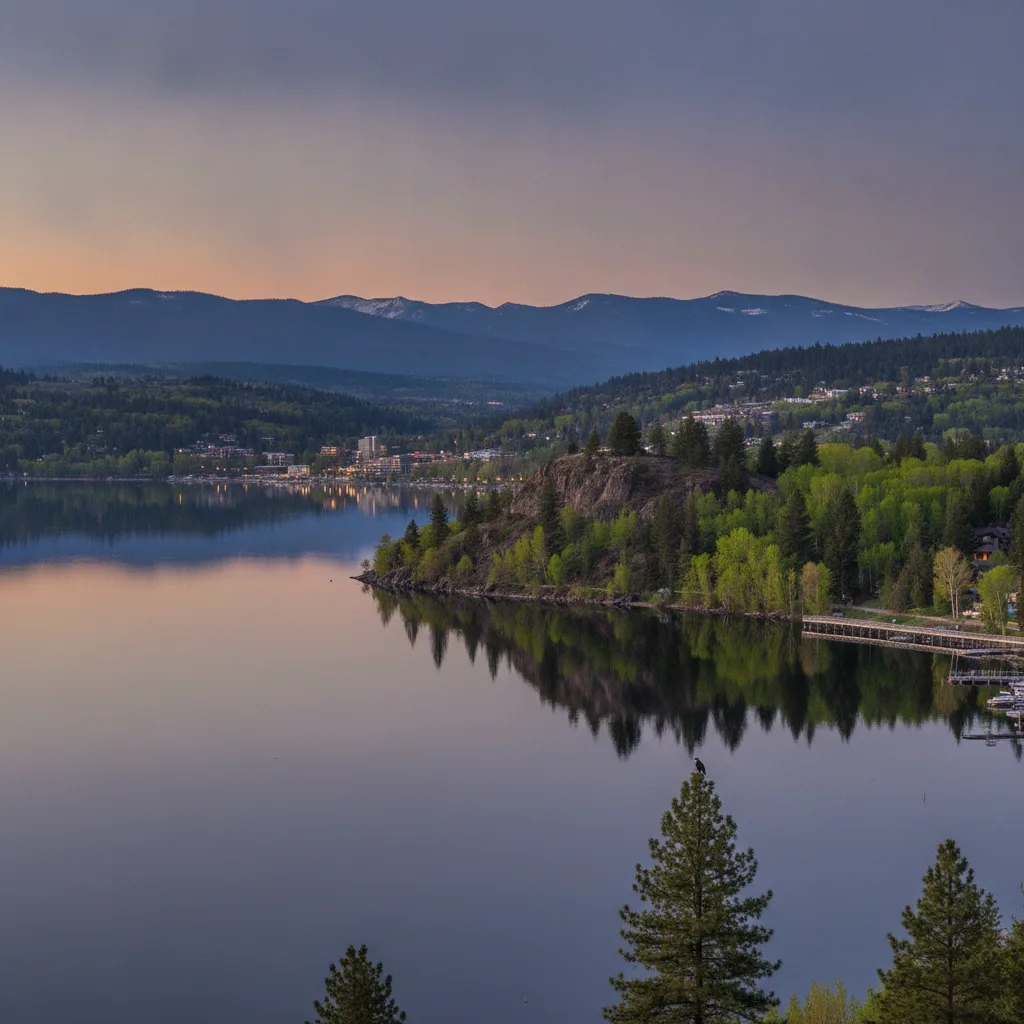
Coeur d'Alene National Forest Travel Guide — Idaho
Our Coeur d'Alene National Forest guide covers practical planning for Coeur d'Alene National Forest Idaho — best time to visit, getting there, and what to do on the ground.
Encompassing vast wilderness, the Coeur d'Alene National Forest Idaho provides extensive opportunities for hiking, camping, and wildlife viewing in northern Idaho. As part of the larger Idaho Panhandle National Forests, which also include the Kaniksu and St. Joe National Forests, this region covers over 726,000 acres across Shoshone, Kootenai, and Bonner counties. Our team at Roam States has thoroughly explored this incredible destination, and we're here to share our expert insights to help you plan an unforgettable trip.
Why Visit Coeur d'Alene National Forest
The allure of Coeur d'Alene National Forest lies in its breathtaking natural beauty and diverse recreational offerings. This is a place where rugged mountains meet pristine lakes and rivers, creating a landscape that truly captivates. We've found that the forest's recreational opportunities often center around three major bodies of water: the Upper Coeur d'Alene River, Hayden Lake, and the expansive Lake Coeur d'Alene. The abundance of water means endless possibilities for water-based activities, from tranquil canoeing to exhilarating water skiing.
Beyond the aquatic adventures, the forest boasts a rich tapestry of ecosystems, home to an impressive array of wildlife. Visitors can expect to see mule deer, elk, moose, black bears, bobcats, coyotes, and mountain lions. If you're lucky, you might even spot grizzly bears and gray wolves in the northern reaches. Birdwatchers will be delighted by ospreys, golden eagles, bald eagles, and wild turkeys. The sheer scale and untouched nature of this forest make it a prime destination for those seeking genuine wilderness immersion.
Who It's Best For
Coeur d'Alene National Forest truly offers something for everyone, making it an ideal destination for a wide range of travelers. We believe it's particularly well-suited for:
- Outdoor Enthusiasts: With hundreds of miles of trails, numerous campgrounds, and vast waterways, hikers, mountain bikers, anglers, kayakers, and campers will find themselves in paradise.
- Families: Many campgrounds offer family-friendly amenities, and activities like easy hikes, swimming in the lakes, and wildlife viewing provide engaging experiences for all ages. Places like McEuen Park in downtown Coeur d'Alene offer playgrounds and splash pads, making it a great base for families with younger children.
- Wildlife Observers: From the annual bald eagle migration in winter to year-round sightings of moose and deer, the forest is a haven for wildlife photographers and nature lovers.
- Peace Seekers: While popular areas can see visitors, the sheer size of the Coeur d'Alene National Forest means it's always possible to find secluded spots for quiet contemplation and escape from the everyday hustle.
Whether you're looking for an adrenaline-fueled adventure or a serene retreat into nature, this forest delivers. It's a fantastic alternative to more crowded national parks, offering similar natural grandeur with a more laid-back atmosphere.
Getting There & Parking
Accessing the Coeur d'Alene National Forest is relatively straightforward, primarily via Interstate 90, which bisects the region. The forest headquarters is conveniently located in Coeur d'Alene, Idaho, with local ranger district offices also in Coeur d'Alene and Silverton. For those wondering how to get to Coeur d'Alene National Forest, the city of Coeur d'Alene serves as an excellent gateway.
Driving Directions
From the city of Coeur d'Alene, you can head east on I-90 to access various parts of the forest. For example, to reach areas like the Coeur d'Alene River Ranger District, you might take the Kingston Exit #43 and follow Forest Service Road #9 north. Many trailheads and campgrounds are accessible via well-maintained forest roads, though some more remote areas may require vehicles with higher clearance.
Parking
Parking availability varies by location within the Coeur d'Alene National Forest. Developed trailheads and campgrounds typically offer designated parking areas. For instance, Mineral Ridge National Recreation Trail has a dedicated parking area off Highway 97. In the city of Coeur d'Alene, parking near popular spots like Tubbs Hill is available, with free parking often found by the library. It's important to note that while many areas do not require specific permits for parking, some recreation sites or trail systems, such as the 4th of July Nordic Trail, might require a Park N' Ski pass during winter months for parking access. We always recommend checking the specific regulations for your chosen destination within the forest. The Bureau of Land Management (BLM) temporarily closed some recreation parking sites for improvement projects in March 2026, so checking current conditions is advisable.
Top Things to Do
The Coeur d'Alene National Forest is a playground for outdoor enthusiasts, offering a vast array of activities. Our team can confidently say that you'll never be short of things to do at Coeur d'Alene National Forest, whether you prefer land, water, or air adventures.
Hiking & Biking
With hundreds of miles of trails, hiking and biking are premier activities. Popular trails like the Mineral Ridge National Recreation Trail offer panoramic views of Lake Coeur d'Alene. The Trail of the Coeur d'Alenes, a 73-mile paved path along an old railroad right-of-way, is perfect for cyclists and walkers, winding through scenic areas and along the Coeur d'Alene River. For more challenging mountain biking, Canfield Mountain Natural Area offers over 20 miles of trails. Remember that passes or permits are not generally required for hiking or dispersed camping in the forest.
Water Activities
The numerous lakes and rivers provide ample opportunities for water sports. Lake Coeur d'Alene is a hub for kayaking, paddleboarding, jet skiing, boating, and fishing. The Upper Coeur d'Alene River is excellent for canoeing and tubing. Many campgrounds, such as Beauty Creek and Bell Bay, are located directly on or near Lake Coeur d'Alene, offering convenient access to the water.
Camping
The Idaho Panhandle National Forests offer 34 campgrounds, ranging from developed sites with full facilities to primitive backcountry options. Popular campgrounds include Beauty Creek and Bell Bay on Lake Coeur d'Alene, and Big Hank Campground along the North Fork of the Coeur d'Alene River. Reservations for many developed campgrounds are recommended and can be made through Recreation.gov. CampCDA, a destination campground on Lake Coeur d'Alene, is open year-round as of March 1, 2026, and will be opening a new splash park in summer 2026.
Wildlife Viewing
Wildlife viewing is a highlight, especially during the winter months when bald eagles gather at Lake Coeur d'Alene to feed on spawning kokanee salmon. Wolf Lodge Bay and Higgins Point are prime viewing locations. Year-round, you might spot moose, deer, and various bird species in areas like Cougar Bay Preserve.
Ziplining and Aerial Adventures
For a unique perspective of the forest, consider a zipline tour. Timberline Adventures, for example, offers seven world-class ziplines, sky bridges, and even treehouse lunches, providing an exhilarating experience with stunning views.
Coeur d'Alene National Forest Hiking Trails
Our team understands that for many, the primary draw of the region is the opportunity to explore its extensive network of trails. Coeur d'Alene National Forest hiking trails cater to all skill levels, from leisurely lakeside strolls to challenging mountain ascents.
- Mineral Ridge National Recreation Trail: This 3.3-mile moderate loop offers spectacular, panoramic views of Lake Coeur d'Alene and the surrounding mountains. It's a popular choice due to its accessibility and rewarding vistas.
- Tubbs Hill: Located right in downtown Coeur d'Alene, Tubbs Hill offers a quick, scenic hike with multiple trails and stunning views of Lake Coeur d'Alene. It's an easy loop, perfect for a morning walk or a family outing.
- Caribou Ridge National Recreation Trail: Accessible from Beauty Creek campground, this 5-mile trail features a moderately challenging climb to two outstanding vistas of Lake Coeur d'Alene.
- English Point Trail: A 5.5-mile loop trail that takes you through forests and meadows with views of the lake and nearby mountains.
- Canfield Mountain Natural Area: For more experienced hikers, this area boasts a 7-mile network of trails with stunning views, and even more extensive mountain biking opportunities.
- Trail of the Coeur d'Alenes: While primarily known for biking, this 73-mile paved trail also offers excellent hiking opportunities, following the tranquil Coeur d'Alene River and passing numerous small lakes.
- Settlers Grove of Ancient Cedars: An Idaho National Forest trail featuring century-old trees with trunks up to 10 feet in diameter. It’s a bit further out but offers a unique forest immersion.
When tackling any of the Coeur d'Alene National Forest hiking trails, we advise packing plenty of water, wearing appropriate footwear, and checking weather conditions. Always inform someone of your planned route and expected return time for safety.
Best Time to Visit
The Coeur d'Alene National Forest is a year-round destination, with each season offering distinct experiences. Our team can help you decide the best time to visit based on your preferred activities.
- Summer (June to August): This is arguably the most popular time, with warm, dry weather and long daylight hours perfect for all outdoor adventures, especially water sports on the lakes. Hiking trails are fully open, and various festivals and outdoor events take place. Temperatures can reach up to 100°F in late July and early August.
- Fall (September to November): Fall brings vibrant foliage, transforming the landscape into a picturesque display of reds, oranges, and yellows. Cooler temperatures make for comfortable hiking, and it's a great time for scenic drives.
- Winter (December to February): The forest becomes a snowy wonderland, ideal for cross-country skiing, snowshoeing, and snowmobiling. This is also the prime season for watching the bald eagle migration at Lake Coeur d'Alene, which peaks around December. While the city of Coeur d'Alene itself experiences mild winters, the surrounding mountains receive significant snowfall.
- Spring (March to May): As temperatures rise, wildflowers bloom, and nature rejuvenates. Spring is excellent for hiking as trails become less busy before the peak tourist season, and fishing opportunities abound in rivers and lakes.
For camping, late spring through early fall offers the most comfortable temperatures.
Where to Stay Nearby
Finding suitable Coeur d'Alene National Forest lodging is crucial for a comfortable trip. While numerous campgrounds exist within the forest itself, many visitors prefer the amenities and proximity to services offered by accommodations in nearby towns, particularly Coeur d'Alene city.
Campgrounds within the Forest
As mentioned, the Idaho Panhandle National Forests manage 34 campgrounds. Some popular options include:
- Beauty Creek Campground: Located a half-mile from Lake Coeur d'Alene, offering convenient access to hiking and water activities.
- Bell Bay Campground: A prime spot on Lake Coeur d'Alene, with sites overlooking the lake and a short path to boat docks. It offers reservable single-family sites and first-come, first-served options.
- Big Hank Campground: Situated along the North Fork of the Coeur d'Alene River, popular for shore fishing and nearby trails.
- Kit Price Campground: Adjacent to the North Fork of the Coeur d'Alene River, approximately 66 miles northeast of Coeur d'Alene city. It offers 58 campsites and was newly renovated in 2021. Reservations are available via Recreation.gov six months in advance. Prices are $26 for a single site, $52 for a double, and $10 for an extra vehicle.
- Avery Creek Cabin: A fully furnished three-room cabin located 20 miles northeast of Kingston, adjacent to the North Fork Coeur d'Alene River, offering a rustic Forest Service living experience.
Dispersed camping is also permitted in many areas of the forest without a permit.
Hotels and Lodging in Coeur d'Alene City
The city of Coeur d'Alene offers a wide range of hotel options, from budget-friendly to luxury resorts, many with amenities like free WiFi, pools, and complimentary breakfast. Some highly-rated options include:
- La Quinta Inn & Suites by Wyndham Coeur d`Alene: A budget-friendly option known for its welcoming atmosphere and proximity to hiking.
- Holiday Inn Express & Suites Coeur d'Alene I-90 Exit 11 by IHG: Offers free breakfast, WiFi, and parking, with rooms including refrigerators and microwaves.
- Hampton Inn & Suites Coeur d'Alene: Features an indoor pool, complimentary breakfast, WiFi, and parking.
- TownePlace Suites by Marriott Coeur d'Alene: Offers free parking and is well-regarded by guests.
- Staybridge Suites Coeur d'Alene by IHG: Provides an indoor pool, 24-hour fitness center, and complimentary breakfast.
Many of these hotels are just minutes from Lake Coeur d'Alene and offer easy access to the forest.
Is It Worth Visiting?
Our unequivocal answer is yes, Coeur d'Alene National Forest is absolutely worth visiting. We often get asked, "is Coeur d'Alene National Forest worth visiting?" and our response is always enthusiastic. This region of northern Idaho presents a unique blend of accessibility and rugged wilderness that is hard to find elsewhere.
The sheer diversity of activities means there's something to appeal to nearly every traveler. Whether you're an avid hiker eager to conquer trails like Mineral Ridge or simply looking for a peaceful lakeside retreat, the forest delivers. The stunning natural beauty, from the dense Ponderosa pine forests to the sparkling waters of Lake Coeur d'Alene, provides a constant backdrop of awe-inspiring scenery. The opportunity for wildlife viewing, particularly the annual bald eagle migration, is a truly special experience that draws visitors from across the country. Unlike some more heavily regulated national parks, the Coeur d'Alene National Forest offers a sense of freedom and exploration that is incredibly refreshing. The combination of well-maintained recreational facilities and vast stretches of undeveloped land ensures that you can tailor your visit to your exact preferences. So, if you're considering a trip to the Gem State, we highly recommend making the Coeur d'Alene National Forest a cornerstone of your Idaho adventure.
Sample 2-Day Itinerary
To help you make the most of your visit to Coeur d'Alene National Forest, our team has crafted a sample 2-day itinerary, focusing on a mix of adventure and relaxation. This itinerary assumes you're basing yourself in or near Coeur d'Alene city.
Day 1: Lakeside Exploration & Scenic Views
- Morning (9:00 AM - 1:00 PM): Hike Tubbs Hill & Explore Downtown Coeur d'Alene. Start your day with a refreshing hike around Tubbs Hill. This 2.2-mile loop trail offers fantastic views of Lake Coeur d'Alene and is easily accessible from downtown. Parking is often free near the library. After your hike, explore downtown Coeur d'Alene, browse local shops, and grab lunch at one of the many charming eateries.
- Afternoon (2:00 PM - 5:00 PM): Lake Coeur d'Alene Activities. Head to the lakefront for some water-based fun. Rent a kayak, paddleboard, or even a jet ski to explore the expansive waters of Lake Coeur d'Alene. Alternatively, relax at City Park Beach or Independence Point.
- Evening (6:00 PM onwards): Dinner with a View. Enjoy dinner at a lakeside restaurant in Coeur d'Alene, savoring the sunset over the water.
Day 2: Forest Immersion & Mountain Trails
- Morning (8:00 AM - 1:00 PM): Mineral Ridge National Recreation Trail. Drive about 10 minutes east of Coeur d'Alene to the Mineral Ridge parking area (take the Wolf Lodge Exit to Scenic Hwy 97). Embark on the 3.3-mile Mineral Ridge National Recreation Trail, a moderate hike offering panoramic views of Lake Coeur d'Alene and the surrounding forest. Pack a picnic lunch to enjoy at one of the scenic overlooks.
- Afternoon (2:00 PM - 5:00 PM): Coeur d'Alene River Adventure. Head further into the forest towards the Coeur d'Alene River. Consider a leisurely float or canoe trip on the Upper Coeur d'Alene River, or explore one of the riverside campgrounds like Big Hank. For a unique experience, drive the scenic Coeur d'Alene River Road towards Murray and visit Settlers Grove of Ancient Cedars.
- Evening (6:00 PM onwards): Relaxed Forest Dining. Enjoy a casual dinner at a local establishment closer to the forest, or if you're camping, prepare a meal at your campsite under the stars.
This itinerary offers a taste of what Coeur d'Alene National Forest and its surroundings have to offer. Remember to check current conditions and make any necessary reservations, especially for popular campgrounds or activities. You might also consider extending your trip to explore other incredible Idaho destinations like Sawtooth National Recreation Area.
Expert Verdict
From our extensive travels across the United States, we can confidently state that Coeur d'Alene National Forest stands out as a premier destination in northern Idaho. Its unique combination of accessible wilderness, diverse recreational opportunities, and stunning natural beauty offers an experience that caters to a broad spectrum of travelers. We particularly appreciate how seamlessly the vibrancy of Coeur d'Alene city blends with the tranquil expanse of the forest, providing both adventure and comfort. Whether you're drawn by the call of the wild, the serenity of the lakes, or the thrill of mountain trails, this forest delivers. It’s a place where memories are made, from spotting bald eagles in winter to hiking through ancient cedar groves in summer. We wholeheartedly recommend adding Coeur d'Alene National Forest to your US travel plans.
Last updated: 2026-07-06 by the Roam States team.