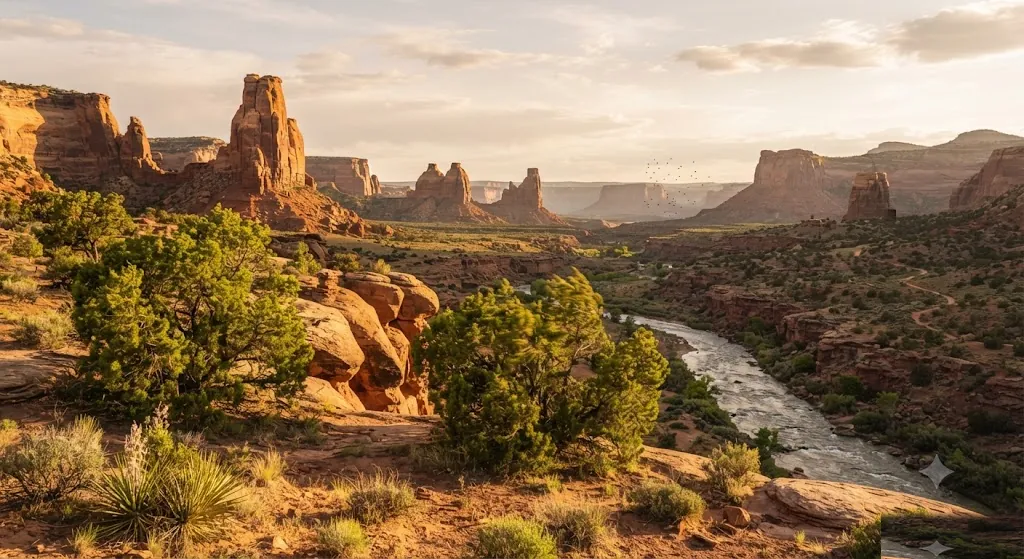
When planning a trip to the American West, many travelers envision the towering peaks of the Rockies or the dramatic canyons of Utah. However, a hidden gem awaits those who venture to western Colorado: the Colorado National Monument Colorado. This extraordinary landscape, often called a "mini-Grand Canyon," offers a unique blend of towering monoliths, deep canyons, and expansive views that truly set it apart. Our team at Roam States believes this destination provides an unforgettable experience for anyone seeking natural beauty without the overwhelming crowds of more famous national parks. We've compiled this comprehensive guide to help you navigate its wonders, ensuring your visit is as smooth and rewarding as possible.
Our Expert Verdict: The Colorado National Monument offers a striking geological spectacle with accessible scenic drives and trails, making it an excellent choice for a diverse range of travelers. Its proximity to Grand Junction provides convenient amenities, and its less-trafficked nature allows for a more intimate experience with the awe-inspiring landscape. We particularly recommend it for those seeking a blend of natural grandeur and outdoor activity without the intense planning often required for larger national parks.
Why Visit Colorado National Monument
For those contemplating a journey through the American West, the question "is Colorado National Monument worth visiting?" often arises. Our resounding answer is yes, absolutely. This national monument showcases a stunning tableau of red rock canyons, towering spires, and vast plateaus, carved over millions of years by the relentless forces of erosion. Unlike some of its more famous counterparts, the Colorado National Monument offers a more intimate and often less crowded experience, allowing visitors to truly connect with its raw, untamed beauty. We find its unique geology, a fascinating blend of desert and mountain ecosystems, to be a compelling reason to include it in any Colorado itinerary. Here, you can witness the earth's history laid bare, with layers of sandstone, shale, and granite telling a story that spans eons. The sheer scale of formations like Independence Monument and the sheer drop-offs into Wedding Canyon and Monument Canyon are breathtaking, providing endless opportunities for photography and quiet contemplation. It's a place where the grandeur of nature feels both epic and accessible, making it an ideal stop for those who appreciate dramatic landscapes and geological marvels. We believe that the unique blend of accessibility and profound natural beauty makes it unequivocally worth visiting.
Who It's Best For
The Colorado National Monument caters to a surprisingly diverse array of travelers, making it a versatile destination for many types of adventurers. Our team has identified several groups who will find this park particularly appealing:
- Road Trippers: With its stunning 23-mile Rim Rock Drive, the monument is a quintessential stop for those on a USA road trip planner, especially if traversing I-70. The scenic overlooks are easily accessible, offering incredible views without requiring extensive hiking.
- Outdoor Enthusiasts & Hikers: From easy strolls to challenging backcountry excursions, the Colorado National Monument hiking trails offer something for every fitness level. We recommend it for those who enjoy exploring on foot, with opportunities for both short interpretive walks and longer, more strenuous treks into the canyons.
- Families with Children: The monument is an excellent destination for families. Many viewpoints are just a short walk from parking areas, and there are several easy trails suitable for younger children. The visitor center often hosts ranger programs that can be educational and engaging for kids.
- Photographers: The dramatic light and shadow play on the red rock formations, especially during sunrise and sunset, create spectacular photographic opportunities. The vastness of the landscape and the intricate details of the rock formations provide endless inspiration.
- Nature Lovers & Geologists: Anyone with an interest in geology, desert ecosystems, or unique plant and animal life will find the monument fascinating. The interpretive signs and ranger talks provide valuable insights into the natural history of the area.
- Those Seeking Solitude: While popular, the Colorado National Monument generally experiences fewer visitors than larger national parks like Rocky Mountain National Park. This allows for moments of quiet reflection and a greater sense of immersion in nature.
Getting There & Parking
Understanding how to get to Colorado National Monument is straightforward, as it's conveniently located near Grand Junction, Colorado. The monument has two entrances: the East Entrance, located near Fruita, Colorado, and the West Entrance, closer to Grand Junction. Both are easily accessible from Interstate 70.
- From the East (Denver/I-70 Westbound): If you're coming from Denver or other points east, take I-70 West to Exit 37 (Fruita). Follow the signs for Colorado National Monument, which will lead you to the East Entrance. This is a popular entry point, especially for those continuing west towards Utah's national parks like Arches National Park.
- From the West (Utah/I-70 Eastbound): If approaching from Utah or Grand Junction, take I-70 East to Exit 19 (Grand Junction). Follow the signs for Colorado National Monument, which will direct you to the West Entrance. This entrance is just a few miles from downtown Grand Junction.
The primary scenic route through the monument is the 23-mile Rim Rock Drive, which connects both entrances. We recommend driving the entire length of Rim Rock Drive, stopping at the numerous overlooks to soak in the panoramic views. The speed limit is generally 35 mph, allowing for a leisurely pace.
Parking at Colorado National Monument
Parking at Colorado National Monument is generally ample at most overlooks and trailheads. Each major viewpoint, such as Artists Point, Cold Shivers Point, and Independence Monument View, has designated parking lots. The larger lots at the Visitor Center and the Saddlehorn Campground also offer significant parking. During peak season (late spring through early fall), some popular trailheads might fill up, especially on weekends. We advise arriving earlier in the day if you plan to hike a specific popular trail. There are no reservations required for general parking within the monument.
Entrance Fees
As of 2026, the entrance fee for Colorado National Monument is $25 per vehicle, valid for seven consecutive days. An individual entry (on foot or bicycle) is $15, and a motorcycle entry is $20. We recommend considering an America the Beautiful Pass if you plan to visit multiple national parks or federal recreation sites within a year, as it covers the entrance fees for all occupants of a private vehicle at most sites. The annual pass is $80. These fees help maintain the park's facilities and services.
Top Things to Do
The Colorado National Monument offers a wealth of activities that cater to all interests and energy levels. Our team has curated a list of the top things to do at Colorado National Monument, ensuring you experience the best of this incredible landscape.
Drive the Scenic Rim Rock Drive
Without a doubt, the quintessential experience here is driving the 23-mile Rim Rock Drive. This historic road, carved into the canyon walls, offers continuous breathtaking vistas. We recommend allocating at least 2-3 hours for the drive itself, not including stops for photos or short walks. There are numerous pull-offs and overlooks, each providing a unique perspective of the canyons and monoliths. Key stops include:
- Cold Shivers Point: Known for its dramatic drop-offs and expansive views of the canyons below.
- Artists Point: Offers panoramic views perfect for capturing the monument's grandeur.
- Independence Monument View: Provides the best vantage point for the monument's most iconic formation, Independence Monument.
- Grand View: As its name suggests, this spot lives up to its promise of spectacular, sweeping views.
Explore Colorado National Monument Hiking Trails
For those who prefer to explore on foot, the Colorado National Monument boasts an excellent network of Colorado National Monument hiking trails, ranging from easy strolls to strenuous treks into the canyon depths. We find that hiking is truly one of the best things to do at Colorado National Monument.
- Canyon Rim Trail (Easy, 1 mile round trip): This paved, accessible trail offers stunning views of Wedding Canyon and the surrounding landscape, starting from the Visitor Center. It's perfect for a quick, scenic walk.
- Window Rock Trail (Easy, 0.25 mile round trip): A short, paved loop near the Visitor Center, leading to a natural window in the rock with excellent views.
- Otto's Trail (Moderate, 0.75 mile round trip): Descends into a small canyon, offering close-up views of rock formations and a different perspective than the rim trails.
- Canyon's Edge Trail (Moderate, 1.5 miles round trip): This trail offers more challenging terrain and leads to overlooks with views of Monument Canyon.
- Monument Canyon Trail (Strenuous, 6 miles round trip): For the more adventurous, this trail descends into Monument Canyon, taking you past the base of Independence Monument and other impressive formations. This is an out-and-back trail that requires significant elevation change.
- Serpents Trail (Strenuous, 3.5 miles round trip): Known as "The Crookedest Road in the World," this historic road (now a hiking trail) offers a challenging ascent or descent with incredible views.
When embarking on Colorado National Monument hiking trails, we strongly advise carrying plenty of water, wearing sturdy hiking shoes, and being aware of weather conditions, especially during the summer months when temperatures can soar.
Visit the Saddlehorn Visitor Center
Located near the West Entrance, the Saddlehorn Visitor Center is an essential first stop. Here, you can pick up maps, learn about current conditions, and speak with park rangers. The center features exhibits on the monument's geology, wildlife, and cultural history. We recommend checking for ranger-led programs or guided walks, which often provide deeper insights into the park's natural and cultural significance.
Wildlife Viewing
Keep an eye out for the monument's diverse wildlife. You might spot bighorn sheep gracefully navigating the steep cliffs, coyotes, desert cottontails, and various bird species, including golden eagles and peregrine falcons. Early morning and late afternoon are often the best times for wildlife viewing.
Stargazing
Away from urban light pollution, the Colorado National Monument offers exceptional opportunities for stargazing. On clear nights, the Milky Way is often visible, along with countless stars and constellations. We recommend finding a pull-off along Rim Rock Drive or visiting the Saddlehorn Campground area for the best dark sky experiences.
Best Time to Visit
Choosing the best time to visit Colorado National Monument largely depends on your preferred activities and tolerance for crowds and weather. Our team generally recommends the shoulder seasons for the most pleasant experience.
- Spring (April to May): This is an excellent time to visit. Temperatures are mild, typically ranging from 50s to 70s Fahrenheit (10-25°C), making it ideal for hiking and exploring. Wildflowers often bloom, adding splashes of color to the desert landscape. Crowds are moderate.
- Fall (September to October): Similar to spring, fall offers comfortable temperatures, generally from 50s to 70s Fahrenheit (10-25°C), and beautiful clear skies. The cooler weather is perfect for longer hikes. Crowds begin to thin after the summer rush.
- Summer (June to August): While popular, summer can be very hot, with daytime temperatures frequently exceeding 90°F (32°C) and sometimes reaching over 100°F (38°C). If visiting in summer, we strongly advise starting hikes early in the morning, carrying ample water, and seeking shade during the hottest parts of the day. Afternoon thunderstorms can also occur. This is peak season for visitors.
- Winter (November to March): Winter brings cooler temperatures, often ranging from 30s to 50s Fahrenheit (0-10°C). Snowfall is possible, which can create a stunning contrast with the red rocks, but can also lead to temporary road closures on Rim Rock Drive, especially at higher elevations or during heavy storms. Some trails may be icy. It's the least crowded time to visit, offering a serene experience for those prepared for cold weather.
For those prioritizing hiking, spring and fall are unequivocally the best times. For scenic drives and fewer crowds, winter can be magical if you don't mind the cold and potential for limited access due to snow.
Where to Stay Nearby
While the Colorado National Monument offers a rugged, natural experience, convenient accommodations are just a short drive away in Grand Junction, Colorado. This city provides a wide range of lodging options, from budget-friendly motels to upscale hotels, ensuring there's something for every traveler.
Hotels in Grand Junction
Grand Junction serves as the primary gateway to the monument, offering the most comprehensive selection of hotels. We recommend looking for accommodations along Horizon Drive near the airport, or closer to downtown Grand Junction for access to restaurants and shops. Popular hotel chains like Marriott, Hilton, and Choice Hotels all have a presence here. For a more boutique experience, consider options in the historic downtown area, which also boasts a vibrant arts scene and local eateries.
Colorado National Monument Camping
For those who prefer to sleep under the stars, Colorado National Monument camping is an excellent option. The monument features one developed campground, Saddlehorn Campground, located near the West Entrance and Visitor Center. This campground offers 80 campsites suitable for tents and RVs (up to 40 feet). Each site typically includes a picnic table and fire ring. Water and flush toilets are available seasonally, but there are no hookups for RVs. We strongly recommend making reservations well in advance, especially during peak season (spring through fall), as sites fill up quickly. Reservations for Saddlehorn Campground can be made through Recreation.gov. The cost per night is $22.
Beyond the monument, additional Colorado National Monument camping opportunities can be found in nearby state parks and national forests, though these may require a longer drive. For a more primitive experience, dispersed camping may be available on Bureau of Land Management (BLM) lands surrounding the Grand Junction area, but this requires thorough planning and adherence to Leave No Trace principles.
Other Nearby Towns
Fruita, a smaller town just west of the monument's East Entrance, also offers a few lodging options and is particularly popular with mountain bikers due to its extensive trail system. While fewer choices exist compared to Grand Junction, Fruita provides a charming, small-town atmosphere.
Sample 2-Day Itinerary
To help you make the most of your visit, our team has crafted a sample 2-day itinerary for exploring Colorado National Monument and its surroundings. This plan balances scenic drives, hiking, and local exploration.
Day 1: Rim Rock Drive & Canyon Exploration
- Morning (8:00 AM - 12:00 PM): Begin your day at the Saddlehorn Visitor Center (West Entrance). Pick up maps, chat with a ranger, and explore the exhibits. Afterward, embark on the iconic 23-mile Rim Rock Drive. Take your time, stopping at major overlooks like Grand View, Artists Point, and Cold Shivers Point. Enjoy the panoramic views and snap plenty of photos.
- Lunch (12:00 PM - 1:00 PM): Pack a picnic to enjoy at one of the designated picnic areas along Rim Rock Drive, such as the Saddlehorn Picnic Area, or head into Grand Junction for a quick bite.
- Afternoon (1:00 PM - 5:00 PM): Focus on hiking. Choose one or two of the monument's popular Colorado National Monument hiking trails. For an easier option, consider the Canyon Rim Trail or Window Rock Trail near the Visitor Center. For a moderate challenge, try Otto's Trail or the Canyon's Edge Trail. Remember to bring plenty of water.
- Evening (5:00 PM onwards): Head back to Grand Junction for dinner. Explore the downtown area for local restaurants. If you're camping, enjoy a campfire at Saddlehorn Campground and some stargazing.
Day 2: Deeper Dives & Grand Junction Exploration
- Morning (8:00 AM - 12:00 PM): Dedicate this morning to a more strenuous hike, if you're up for it. The Monument Canyon Trail (6 miles round trip) offers an incredible journey into the canyon, passing Independence Monument. Alternatively, tackle the Serpents Trail for a challenging historical hike.
- Lunch (12:00 PM - 1:00 PM): Enjoy lunch in Fruita, a charming town known for its outdoor recreation and small-town feel, or return to Grand Junction.
- Afternoon (1:00 PM - 5:00 PM): Explore Grand Junction. We recommend visiting the downtown area with its vibrant public art sculptures (Art on the Corner) and local shops. You could also visit a local winery in the Grand Valley, known for its burgeoning wine industry. For more ideas on things to do in Grand Junction, consider a visit to the Western Colorado Botanical Gardens or the Dinosaur Journey Museum.
- Evening (5:00 PM onwards): Enjoy a final dinner in Grand Junction. Depending on your departure plans, you might catch a sunset view from one of the monument's overlooks one last time.
Internal Links for Further Exploration:
While in Colorado, consider extending your adventure. The state offers a wealth of incredible destinations. Explore the vibrant culture and natural beauty across the state with our guide to the best places in Colorado. For more dramatic canyon views, consider a trip to Black Canyon of the Gunnison. If you're heading west, the stunning landscapes of Aspen & Maroon Bells await, or perhaps the historic charm of Breckenridge Historic District.
FAQ
things to do in Grand Junction
Beyond the Colorado National Monument, Grand Junction offers a variety of attractions. We recommend exploring the downtown area, known for its "Art on the Corner" outdoor sculpture exhibit and numerous local shops and restaurants. The Grand Valley is also a prominent wine region, with several wineries offering tastings. For history buffs, the Dinosaur Journey Museum provides fascinating insights into the region's prehistoric past. Outdoor enthusiasts can also enjoy mountain biking in Fruita, just a short drive away, or exploring the Colorado Riverfront Trail for walking and cycling.
Colorado National Monument with kids
Visiting Colorado National Monument with kids is a fantastic experience. The scenic Rim Rock Drive allows for easy access to numerous overlooks, minimizing long walks for little legs. Several easy, paved trails like the Window Rock Trail and Canyon Rim Trail are perfect for families. The Saddlehorn Visitor Center offers educational exhibits and often hosts ranger programs tailored for younger audiences. We recommend bringing binoculars for wildlife spotting and having plenty of snacks and water, as services within the monument are limited.
Colorado National Monument tips
Our top Colorado National Monument tips include: start your day early, especially if visiting during warmer months or on weekends, to avoid crowds and heat. Carry plenty of water, even for short walks, as the desert climate is very dehydrating. Wear sturdy shoes for hiking and sun protection like hats and sunscreen. Download maps or take photos of them, as cell service can be spotty. Remember to stay on marked trails and practice Leave No Trace principles to preserve the monument's beauty. Finally, take your time on Rim Rock Drive; it's a journey, not a race.
Colorado National Monument parking
Parking at Colorado National Monument is generally available at all major overlooks and trailheads along Rim Rock Drive. The Saddlehorn Visitor Center also has a large parking lot. While parking is usually sufficient, popular trailheads can fill up quickly during peak times, particularly on weekends and holidays. There are no parking fees beyond the monument's entrance fee, and no reservations are required for general parking. We recommend arriving early if you have a specific trailhead in mind during busy periods.
best time to visit Colorado National Monument
The best time to visit Colorado National Monument is during the spring (April-May) and fall (September-October). During these shoulder seasons, temperatures are mild and pleasant, making conditions ideal for hiking and outdoor activities. Wildflowers bloom in spring, and the fall offers clear skies. Summer can be very hot, requiring early morning starts for hikes, while winter brings colder temperatures and potential for snow-related road closures, though it also offers a serene, less crowded experience.
Colorado National Monument hours and fees
Colorado National Monument is open 24 hours a day, year-round, though the Rim Rock Drive may experience temporary closures due to snow or ice in winter. The Saddlehorn Visitor Center hours vary seasonally but are generally open daily from 9:00 AM to 5:00 PM. As of 2026, the entrance fee is $25 per vehicle, valid for seven consecutive days. An individual entry is $15, and a motorcycle entry is $20. An America the Beautiful Pass is also accepted.
The Colorado National Monument Colorado stands as a testament to the raw, enduring power of nature. Its majestic canyons and towering monoliths offer a profound sense of scale and timelessness that we, the Roam States team, believe every traveler should experience. Whether you're embarking on an epic road trip, seeking challenging hikes, or simply yearning for breathtaking views, this often-overlooked gem promises an adventure that will stay with you long after you've left its red rock embrace. We encourage you to plan your visit, embrace its unique beauty, and discover why this corner of Colorado truly captures the spirit of the American West.
Last updated: 2026-07-13 by the Roam States team.